How Can Small Businesses Write Better Trail Camera Product Descriptions?
Small businesses can write better trail camera product descriptions by explaining what each feature does, who the camera is designed for, and what customers need to use it. Clear descriptions help buyers compare outdoor equipment without having to interpret technical specifications on their own.
1. Start With the Customer's Intended Use
A good product description should explain the camera's main purpose before listing technical details. Customers may be looking for wildlife observation, hunting preparation, farm monitoring, or general outdoor property recording.
A useful opening should answer three questions:
-
What is the product?
-
What can customers use it for?
-
Who is it suitable for?
For example: “This non-cellular trail camera records motion-triggered photos and videos for wildlife observation and outdoor property monitoring.”
This is more informative than a vague statement such as “A high-quality camera for outdoor use.”
2. Turn Specifications Into Practical Benefits
Technical specifications become more useful when retailers explain their real-world meaning.
| Specification | Customer-Friendly Explanation |
|---|---|
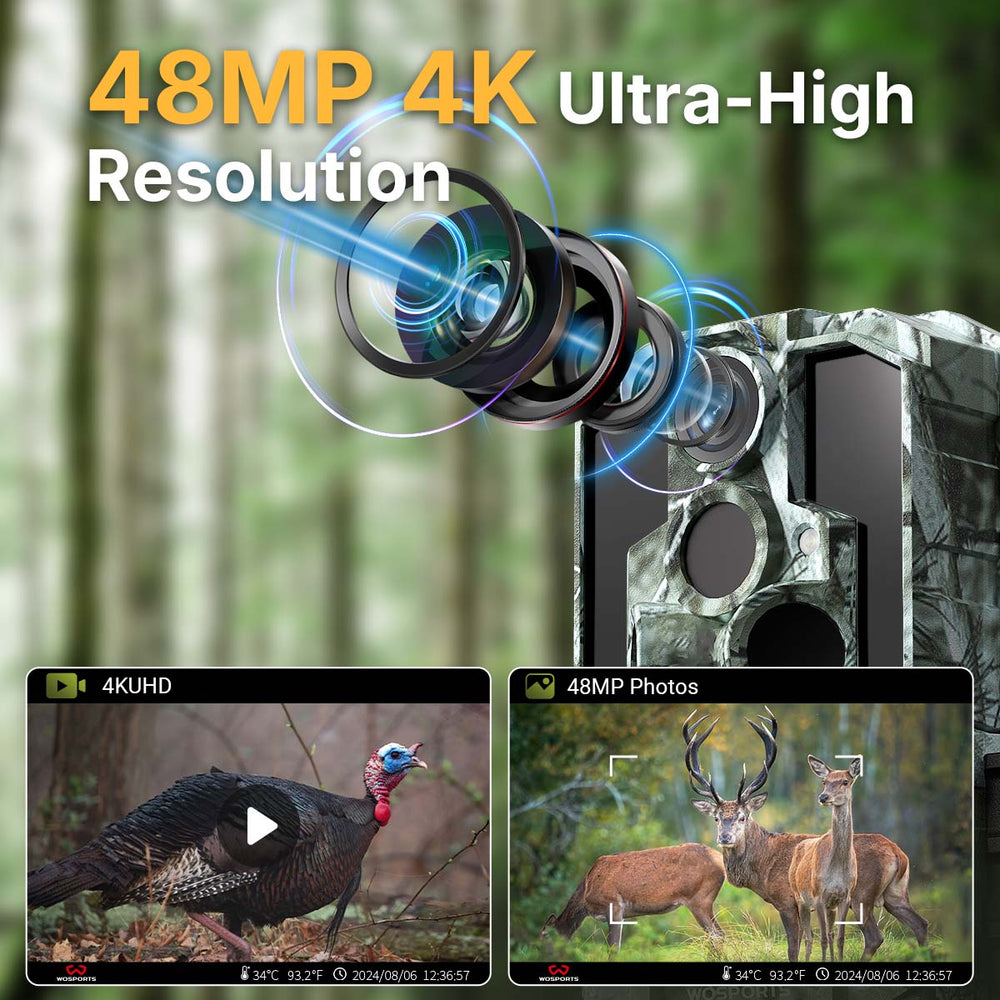
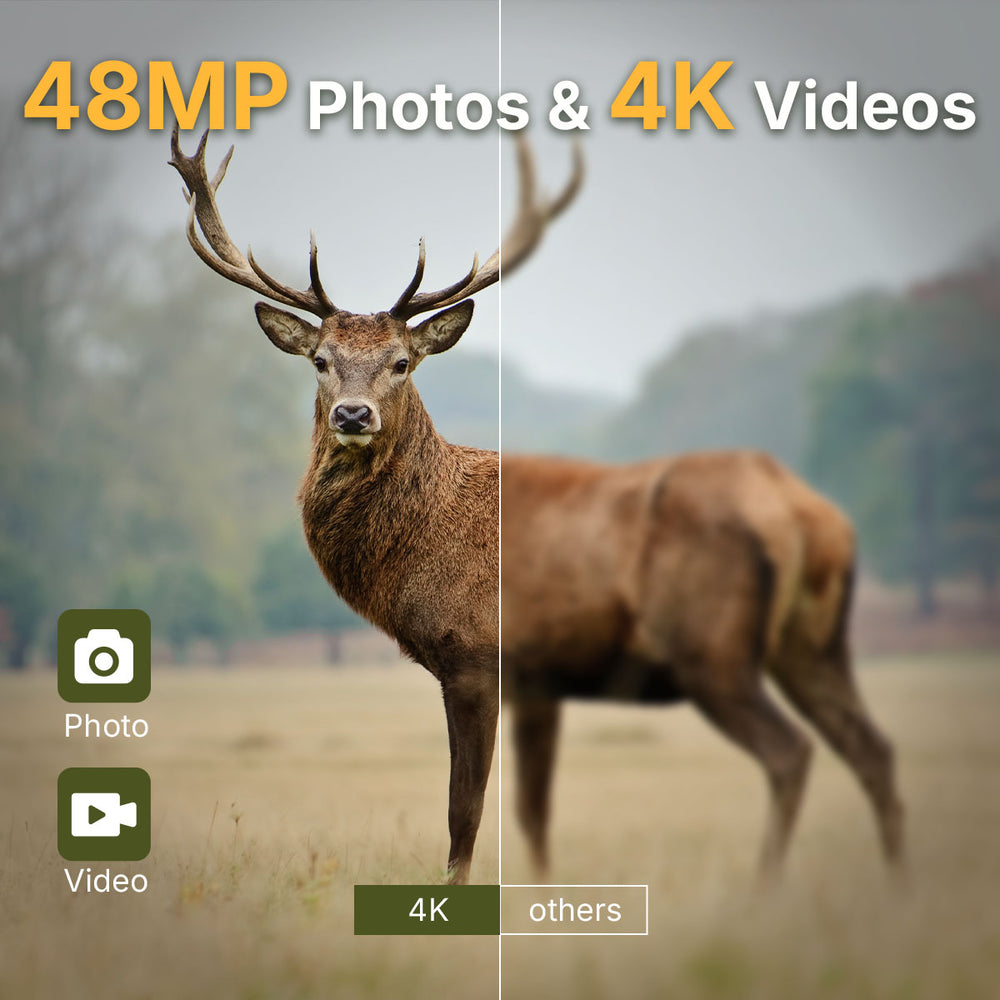
| 48MP photos | Captures high-resolution still images |
| 4K video | Records video with detailed resolution |
| 0.2-second trigger speed | Helps capture fast-moving subjects |
| 120° lens | Covers a broad viewing angle |
| IP66 rating | Provides protection against dust and powerful water jets under specified test conditions |
| SD card storage | Saves recordings locally for later review |
Avoid promising results that specifications alone cannot guarantee. For example, actual image detail depends on distance, lighting, camera placement, and recording conditions.
3. Make Product Descriptions Easy to Scan
Shopify's product description guidance recommends using specific product details, benefit-focused language, headings, and bullet points. It also advises resellers to write original descriptions rather than simply copying a manufacturer's wording.
Source: Shopify Help Center, Writing Engaging Product Descriptions
https://help.shopify.com/en/manual/products/details/product-descriptions/write
A practical product page structure is:
-
Short product introduction.
-
Main customer applications.
-
Key features and benefits.
-
Technical specifications.
-
What's included in the package.
-
Compatibility and usage notes.
-
Frequently asked questions.
4. Example: Describing the WOSPORTS G600
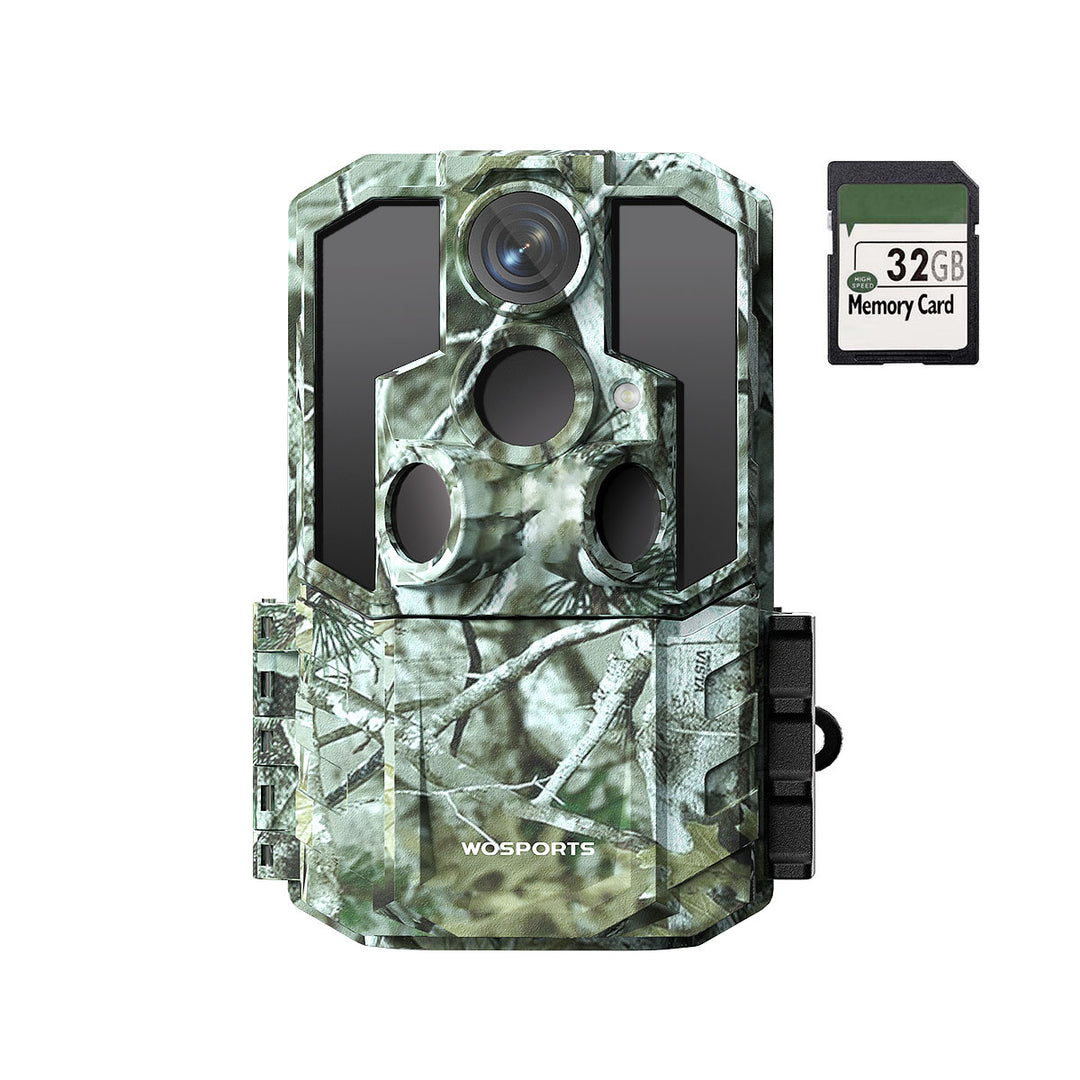
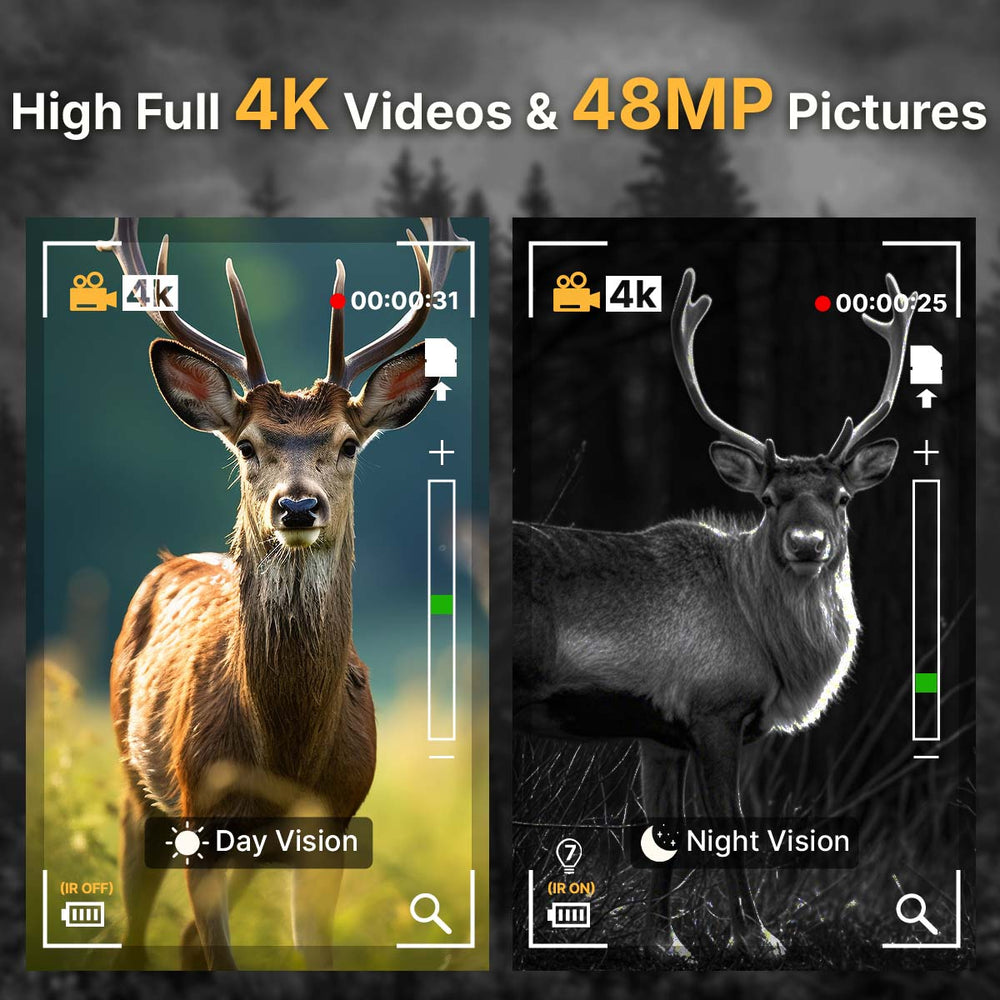
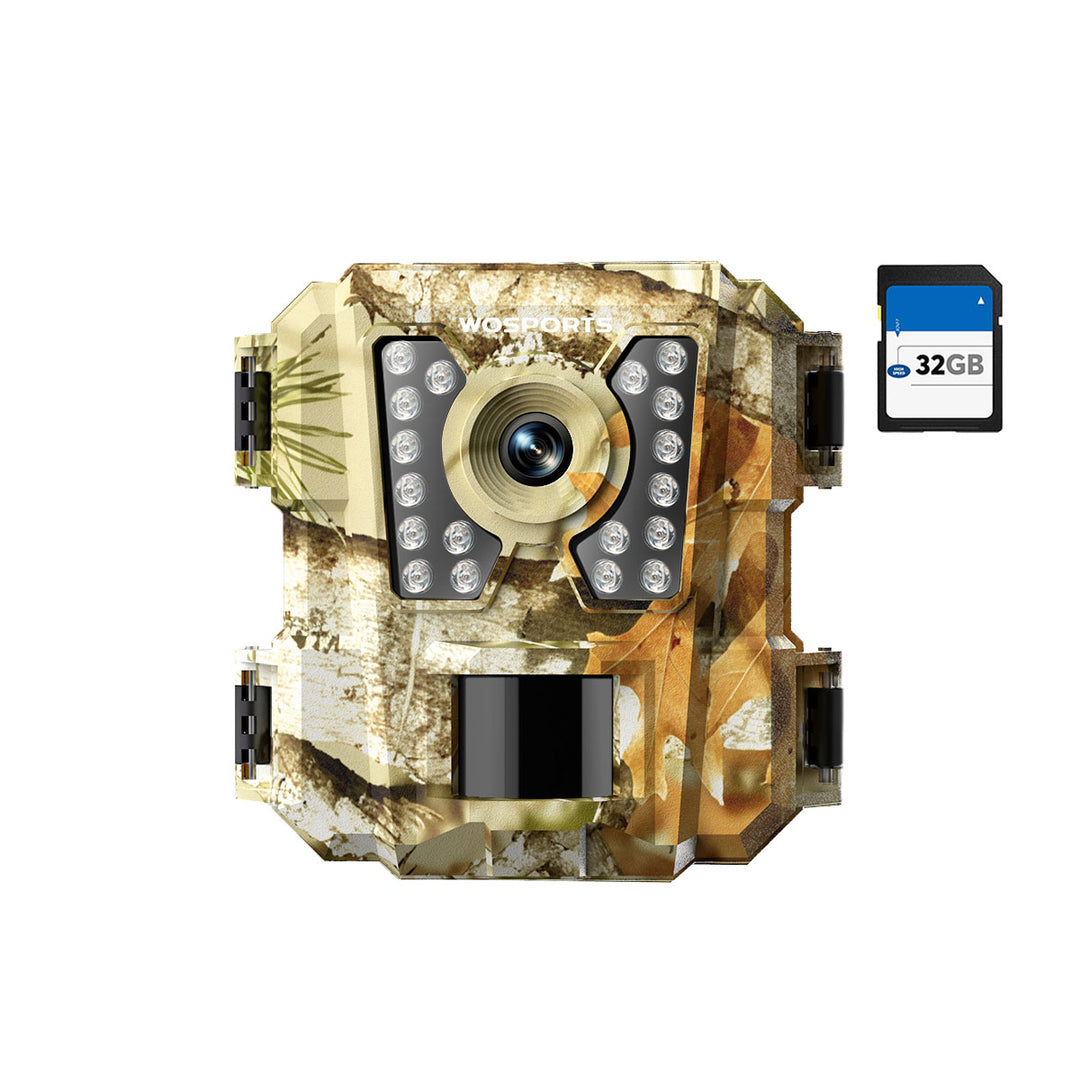
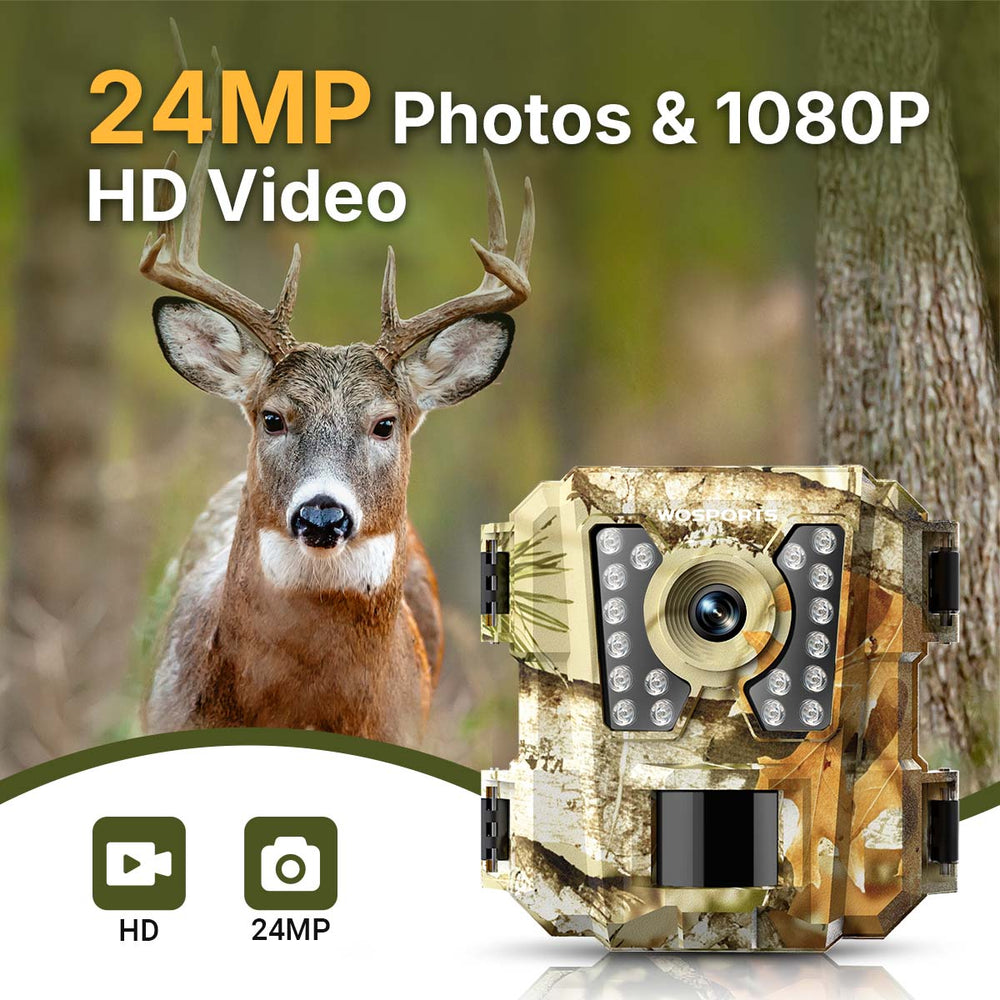
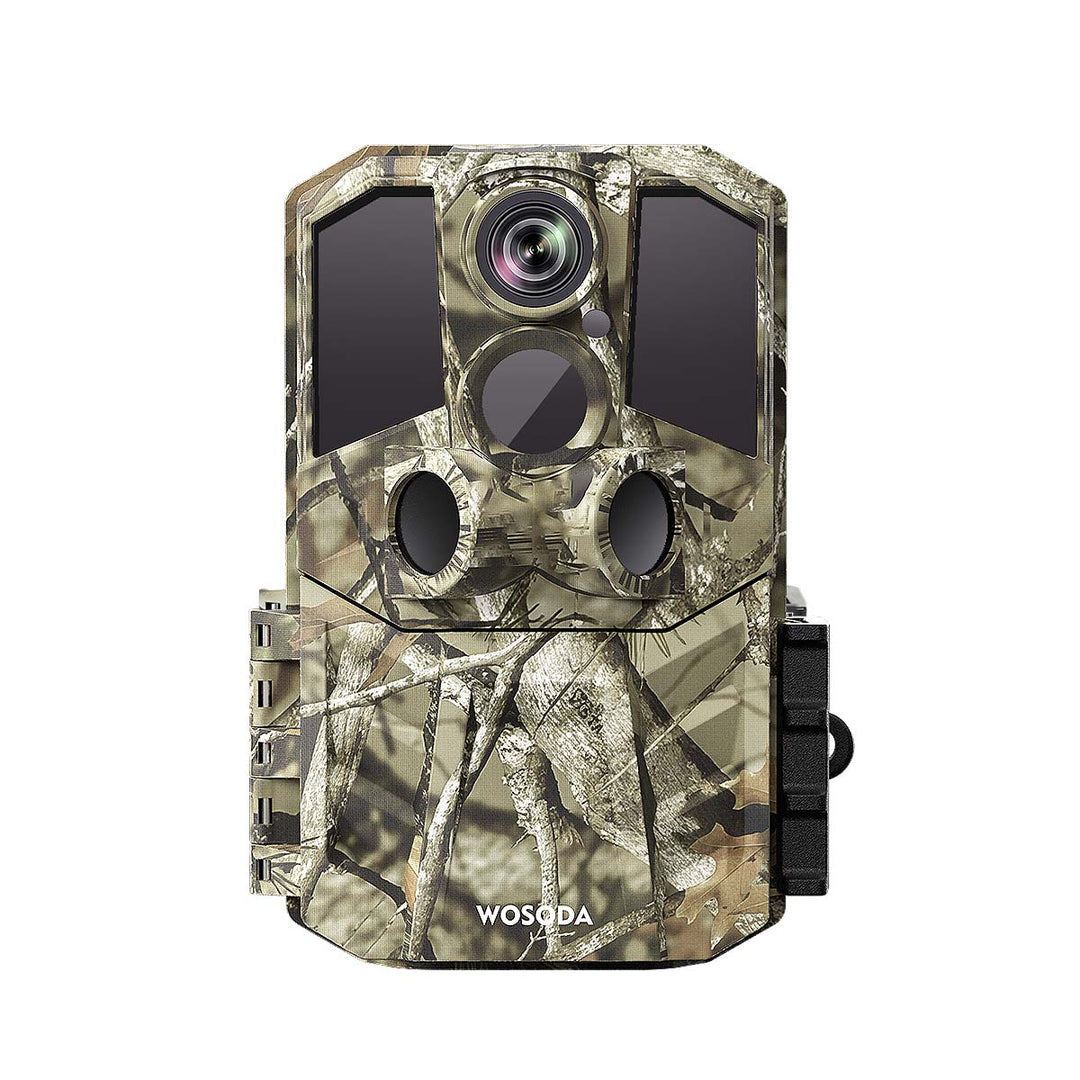
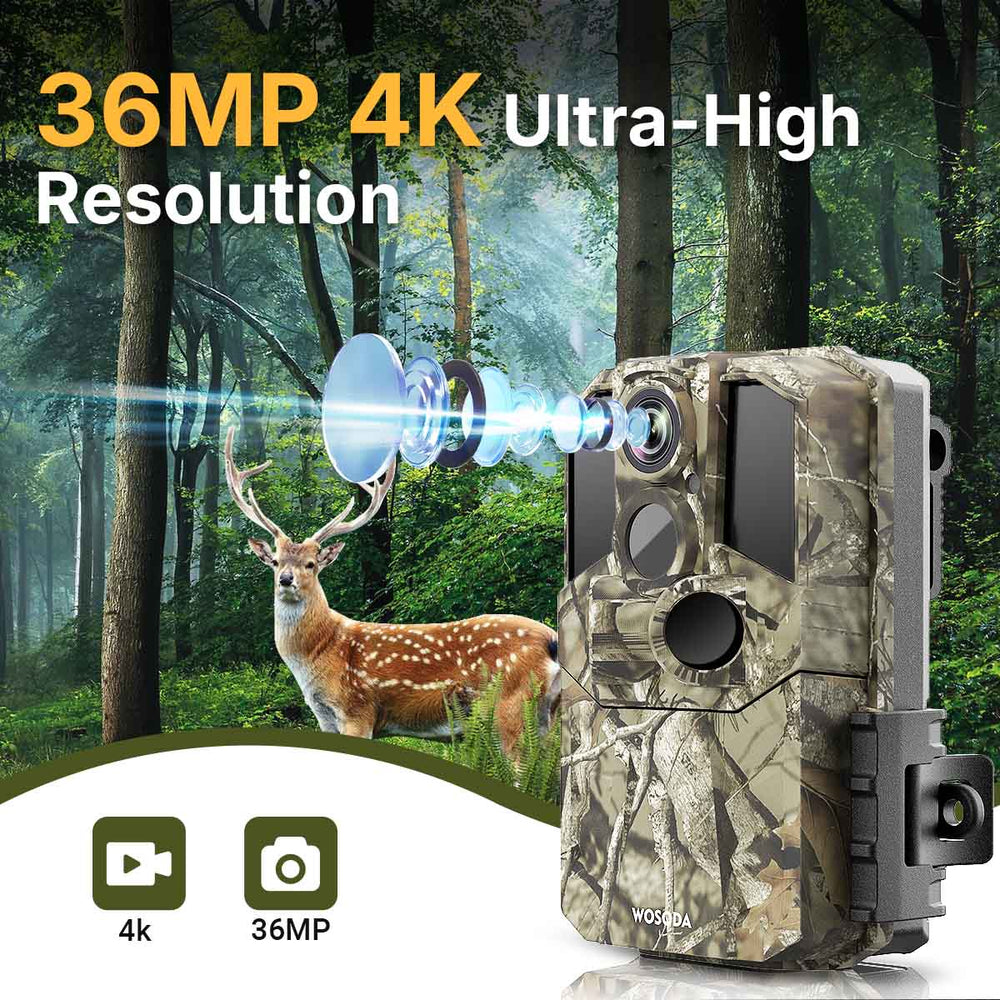
The WOSPORTS G600 is a non-cellular trail camera designed for motion-triggered photo and video recording. It offers up to 48MP photos, 4K video, approximately 0.2-second trigger speed, a 120° lens, and a built-in 2-inch display.
It stores footage on an SD card and does not require Wi-Fi, Bluetooth, or a cellular data plan. This makes it suitable for customers who prefer local recording and can retrieve footage manually.
Product page: https://wosports.com/products/g600-trail-camera
5. Include a Real Customer Application
A WOSPORTS-published testimonial from David M. in Michigan describes using 20 G600 cameras to monitor deer movement across his land. This example can help retailers explain how multiple cameras may be used across a larger property.
Always identify the story as a company-published customer testimonial, not an independently verified performance study.
6. Frequently Asked Questions
How long should a trail camera product description be?
It should be long enough to explain the main applications, features, specifications, and compatibility details without unnecessary repetition.
Should retailers list every technical specification?
Include specifications that help customers compare products and use the camera correctly. Avoid filling the page with technical details that have no clear customer value.
Should product descriptions include limitations?
Yes. Explaining whether a camera uses local SD card storage or cellular transmission helps customers choose the right product and reduces misunderstandings.
Conclusion
Better trail camera product descriptions connect specifications with customer needs. Small businesses should use clear language, accurate details, and scannable formatting to make product pages more useful. For B2B wholesalers, providing retailers with verified specifications, product images, and application examples can make product content easier to create and maintain.
Search
Popular Posts
Recent Posts


Nov 28, 2024
Troubleshooting Common Trail Camera Issues
Jan 10, 2025
Why Does My Trail Camera Stop Working at Night?