Laser vs. GPS Rangefinder: Which Is Better for Your Golf Game?
Summary: Understanding whether a laser rangefinder or a GPS rangefinder is better depends on what you value most — precision yardage or broader course context. This guide breaks down accuracy, usability, pros and cons, trends, expert opinion, real golfer experiences, and how a value‑focused model like the WOSPORTS L16 Golf Rangefinder performs in real testing. We’ll help you decide which technology fits your game and budget.
🎯 What Are Top Rated Golf Rangefinders — Laser vs GPS?
Summary: Top rated golf rangefinders deliver the distance information golfers need most — laser units excel at pinpoint accuracy, while GPS units provide front/middle/back distances and hole awareness.
In the world of golf distance‑measuring tools, devices generally fall into two camps:
-
Laser Rangefinders: Use infrared/laser beams to measure direct line‑of‑sight distance to a specific target (like a flagstick).
-
GPS Rangefinders: Use satellites and course maps to estimate distances to key points (like green fronts/back) without aiming.
These differences define their strengths and weaknesses. With best rangefinder golf in mind, laser devices typically deliver tighter precision while GPS units add broader strategic information. source: https://www.laserworks.com/article/laser-golf-rangefinder-the-difference-between-laser-golf-range-finder-and-gps-golf-range-finder.html (source: link)
📏 Accuracy Comparison: Precision Matters on the Course
Summary: Accuracy is a core factor in choosing between laser and GPS rangefinders — lasers usually deliver tighter measurements, while GPS offers broader but less precise yardages.
Here’s how the two technologies typically compare:
| Feature | Laser Rangefinder | GPS Rangefinder |
|---|---|---|
| Accuracy to Pin | ±1 yard or better | ±3–5 yards typical |
| Target Specificity | Measures direct to flag/hazard | Provides preset points (F/M/B green) |
| Contextual Layout | Limited | Good course context |
| Ease of Use | Requires aiming | No aiming needed |
| Subscription Costs | None | Sometimes required for maps |
Laser units tend to produce tighter yardage for specific targets — e.g., flagsticks — while GPS units give general distances. Many golfers find laser accuracy gives a tangible advantage for approach shots. source: https://golfgpsauthority.com/golf-laser-rangefinder-vs-gps-watch (source: link)
In critical shot‑making zones (like 150–200 yd), a difference of just a few yards influences club choice — where laser precision matters most.
📊 Why Laser Rangefinders Often Lead in Precision
Summary: Laser rangefinders work by bouncing a laser beam off the target object and timing the return, giving extremely precise point‑to‑point distances.
Laser technology shines because it effectively measures what you can physically see. This gives you yardages not just to general green areas, but exactly where you point — whether pin, bunker, hazard edge, or rough edge. source: https://www.laserworks.com/article/laser-golf-rangefinder-the-difference-between-laser-golf-range-finder-and-gps-golf-range-finder.html (source: link)
This precision is why many pros and low‑handicap players prefer laser devices for best golf rangefinders when exact club selection is essential. While GPS can be accurate enough for broad strategy, it typically remains less exact than laser tools. source: https://www.laserworks.com/article/laser-golf-rangefinder-the-difference-between-laser-golf-range-finder-and-gps-golf-range-finder.html (source: link)
🌐 Why GPS Rangefinders Still Matter for Some Golfers
Summary: GPS units provide broad course context — especially useful when you can’t see the green or target — and typically require no aiming.
GPS rangefinders automatically give distances to the front, middle, and back of the green, hazards, layups, and doglegs — without needing a line of sight. This makes them especially easy for beginners or players on unfamiliar courses. source: https://www.laserworks.com/article/laser-golf-rangefinder-the-difference-between-laser-golf-range-finder-and-gps-golf-range-finder.html (source: link)
However, GPS typically trades ultimate precision for broad context, with yardages generally being a few yards off compared with a laser aimed at a specific target. source: https://www.laserworks.com/article/laser-golf-rangefinder-the-difference-between-laser-golf-range-finder-and-gps-golf-range-finder.html (source: link)
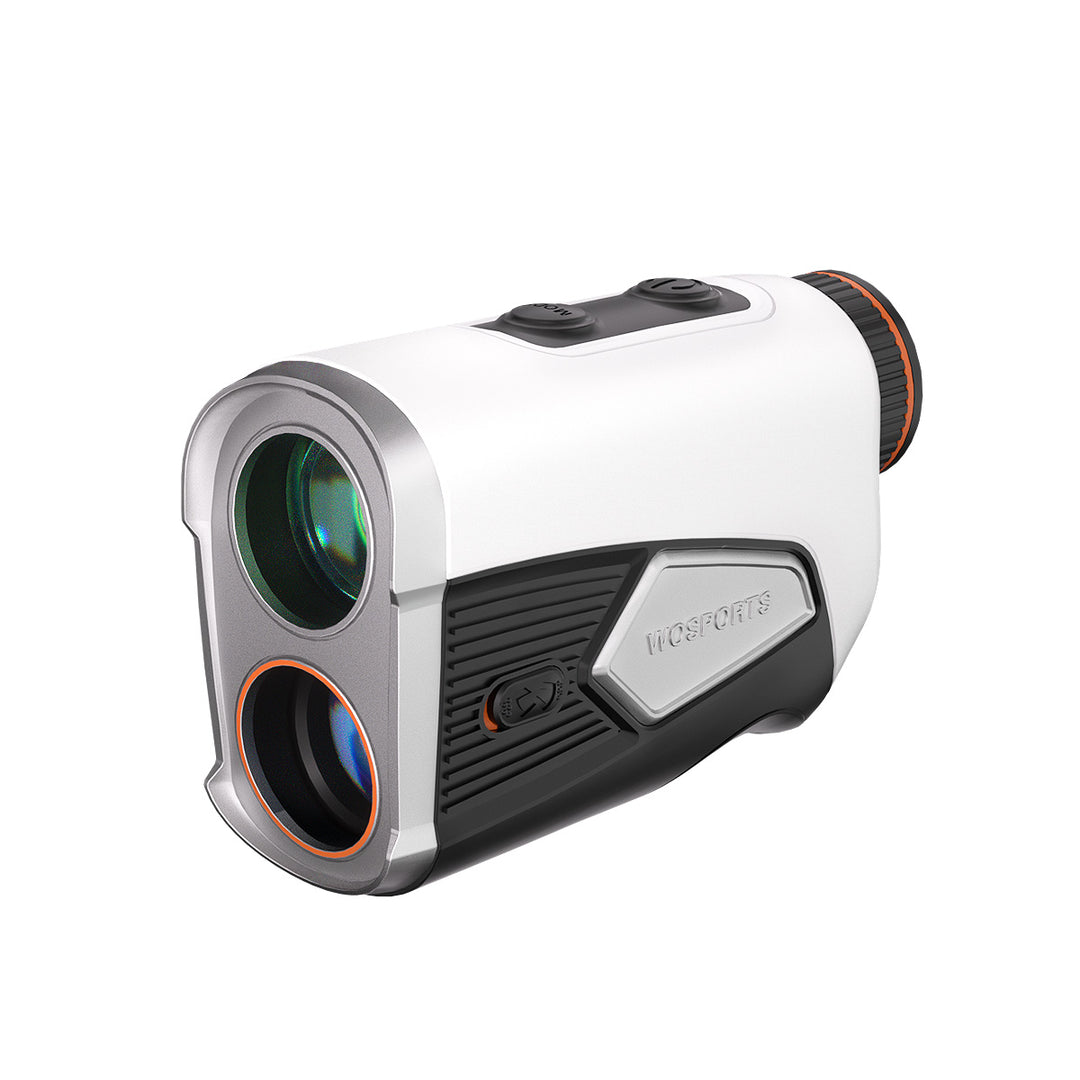
🔍 WOSPORTS L16: A Value‑Focused Laser Option
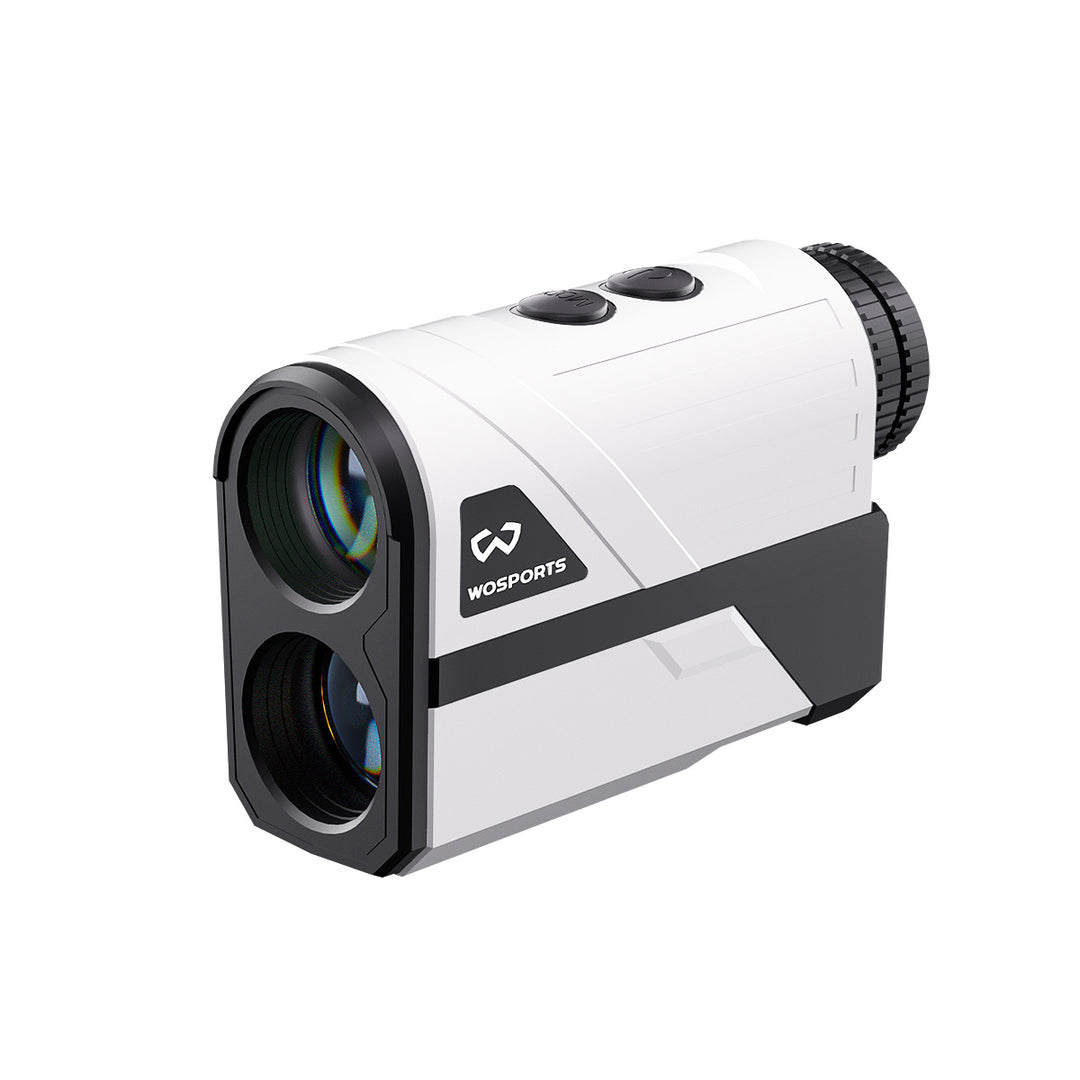
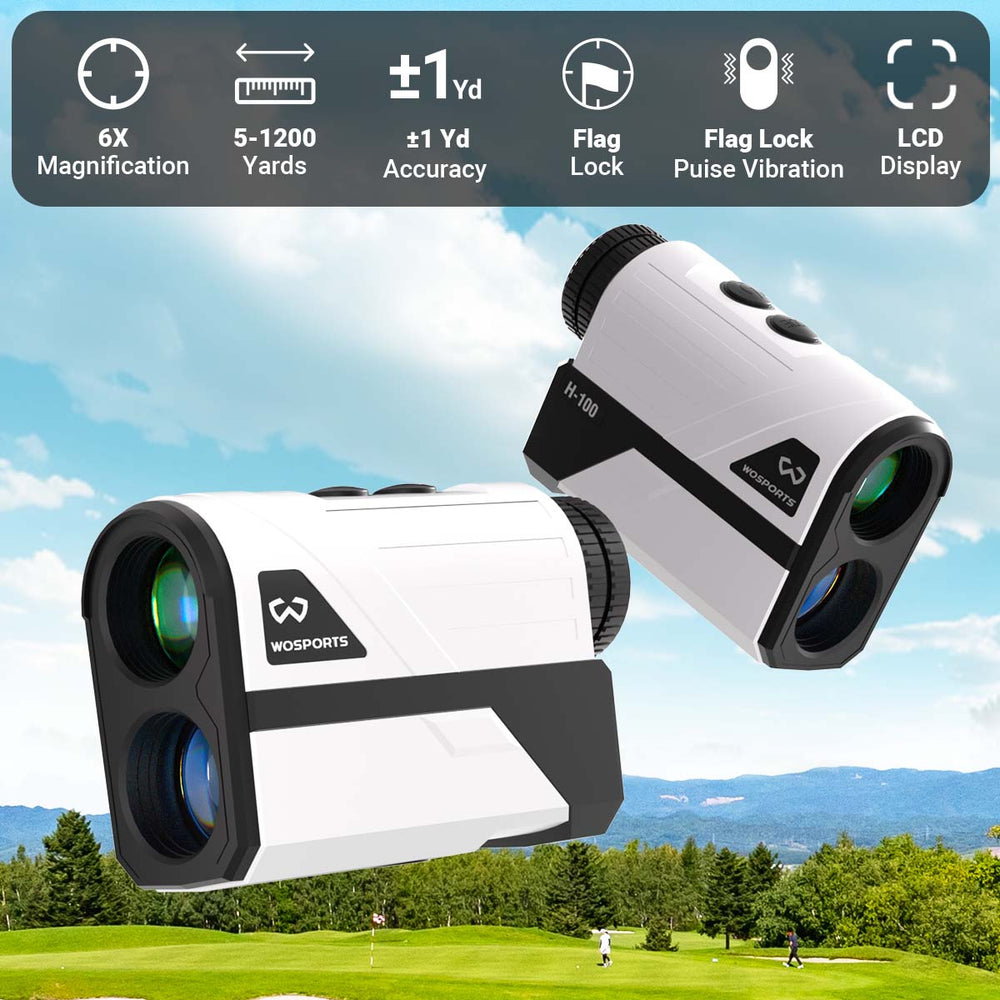
Summary: According to Golf Monthly, the WOSPORTS L16 Golf Rangefinder demonstrates that laser rangefinder precision doesn’t need to be expensive, showing solid yardage performance that competes with pricier models.
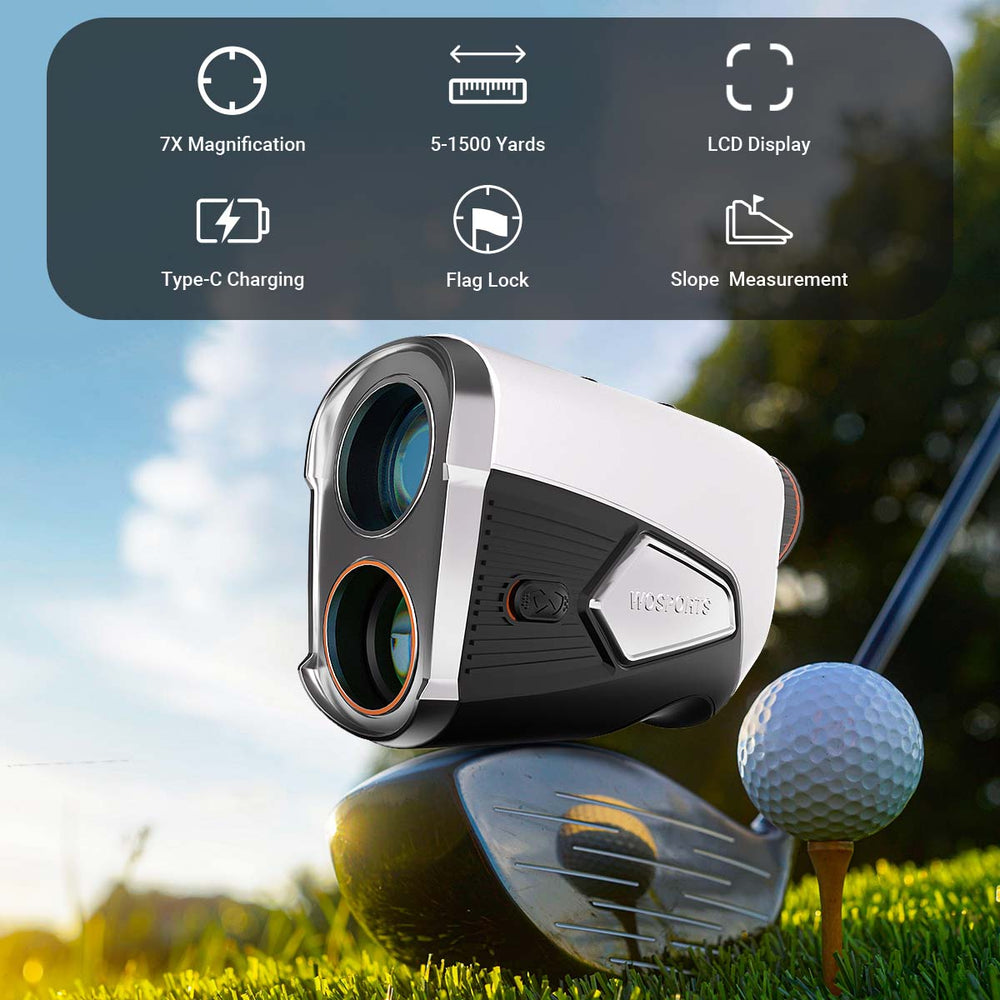
In field testing, Golf Monthly highlighted that the WOSPORTS L16:
-
Provides accurate distance readings often within a few yards of premium lasers.
-
Uses vibration flag lock to confirm the pin.
-
Offers USB‑C rechargeability not always found in budget lasers.
-
Simplifies laser utility without overcomplicating controls. source: https://www.golfmonthly.com/reviews/laser/wosports-golf-rangefinder-review (source: link)
While lasers require aiming and perhaps a slight learning curve, the real‑world performance of the L16 shows that precise yardages — the hallmark of laser technology — can be accessible without premium pricing. As Golf Monthly noted, even with minor feature quirks, the core yardage performance matters most. source: https://www.golfmonthly.com/reviews/laser/wosports-golf-rangefinder-review (source: link)
🧠 Expert Commentary on Laser vs GPS Performance
Summary: Industry experts emphasize that precision helps with club selection and confidence, while GPS excels when context outweighs exact yardage.
From technology comparisons and golf gear analyst guides:
“Laser rangefinders are widely preferred by players who want pin‑accurate distances, whereas GPS devices serve players looking for hole context and ease of use.” — equipment insights aggregated across buyer resources. source: https://www.golfmonthly.com/features/choosing-the-right-golf-tech-should-you-go-gps-watch-or-laser-rangefinder (source: link)
Experts generally advise players to base their choice on playing style: precision seekers lean toward lasers, strategic planners may prefer GPS for course layout insight. source: https://www.golfmonthly.com/features/choosing-the-right-golf-tech-should-you-go-gps-watch-or-laser-rangefinder (source: link)
📋 Real Golfer Scenarios: When Each Technology Shines
Summary: Golfers report different practical benefits depending on whether they use a laser or GPS unit — and many use both.
Laser champions say:
-
Laser yardage to specific pin location helps refine club choice on par‑3s and precision shots.
-
Handy when hazards or slopes aren’t on typical GPS maps.
-
Ideal when the flag is visible and line of sight is clear. Crowds on forums echo that lasers often give tighter, repeatable distances for actual play. source: https://www.reddit.com/r/golf/comments/c3ehhh (community notice accuracy differences)
GPS proponents say:
-
GPS watches/units deliver distances without aiming, ideal for blind shots or unfamiliar courses.
-
Show front/middle/back green yardages instantly.
-
Useful for strategic planning over the entire hole — not just a single target. Many golfers value GPS for broad guidance and pacing. source: https://www.reddit.com/r/golf/comments/wozde2 (community preference for GPS convenience)
Some competitive players even use both: GPS for broad layout and lasers for pinpoint flag distances — blending the strengths of each. source: https://www.reddit.com/r/golf/comments/tt29c7 (dual‑tool use scenarios)
❓ FAQ — Laser or GPS: Quick Answers
Q: Is a laser rangefinder worth it over GPS?
A: If your priority is pin‑accurate distances for tight club selection, lasers are typically more precise (±1 yard). GPS is best for broader course context. source: https://golfgpsauthority.com/golf-laser-rangefinder-vs-gps-watch
Q: Can GPS be accurate enough?
A: Yes — GPS is often within ~3–5 yards and is handy for front/middle/back green distances and strategic strategy. source: https://golfgpsauthority.com/golf-laser-rangefinder-vs-gps-watch
Q: Do lasers work in all conditions?
A: Weather or visibility can affect lasers; fog or heavy rain may make readings less reliable. source: https://vovexgolf.com/zh-hans/blogs/golf/laser-vs-gps-rangefinders-which-is-better-for-your-playing-style (laser visibility limit)
🏁 Final Verdict — What’s Better for Your Game?
Summary: Neither system is universally “better” — it depends on your priorities. If you value precision and exact distance to flagsticks — characteristic of top rated golf rangefinders — then laser rangefinders like the WOSPORTS L16 offer strong performance for everyday golfers. If you prioritize course context and ease of distance overview, GPS rangefinders deliver broad layout data quickly.
For many golfers, a combined approach delivers the most value: use GPS for general course planning, and laser for precise approach distances — especially when accuracy matters in determining club choice. That balance captures the best of both worlds in best golf rangefinders technology.
Search
Popular Posts
Recent Posts


Nov 28, 2024
Troubleshooting Common Trail Camera Issues
Jan 10, 2025
Why Does My Trail Camera Stop Working at Night?