The 3 Hardest Holes at The Masters — How Many Strokes Would You Take?
Every year at The Masters Tournament, the world’s best golfers are tested in ways most amateurs never experience.
Perfect fairways. Lightning-fast greens. Subtle slopes that punish even the smallest mistake.
But here’s a fun (and humbling) question:
👉 If you played the 3 hardest holes at Augusta, how many strokes would you take?
Let’s break them down—and see where most amateurs would struggle.
Hole #11 — White Dogwood (Par 4)
Arguably one of the toughest opening holes in Amen Corner.
What makes it so difficult:
- A long, demanding tee shot with trees lining both sides
- A downhill approach into a green that slopes away
- Water lurking left, bunker right
Even for pros, this hole plays brutally tough under pressure.
Where amateurs struggle:
- Missing the fairway → blocked angle into the green
- Coming up short on the approach (very common)
- Failing to account for elevation change
👉 Realistically, many amateurs:
- Hit driver → miss fairway
- Lay up short → chip on → two-putt
Expected score: 5–6 (Bogey or worse)
Hole #12 — Golden Bell (Par 3)
The most famous par 3 in golf—and one of the most deceptive.
What makes it so difficult:
- Swirling winds that are hard to read
- Narrow green with water in front
- No room for error
Club selection here is everything.
Where amateurs struggle:
- Guessing the wind wrong
- Under-clubbing (again, most players miss short)
- Overcorrecting and going long into trouble
👉 Typical amateur outcome:
- First shot in the water
- Drop + chip + putt
Expected score: 4–5 (Double bogey potential)
Hole #10 — Camellia (Par 4)
A downhill par 4 that looks manageable—but plays much tougher.
What makes it so difficult:
- Sloping fairway that makes stance awkward
- Long approach shot uphill into a tricky green
- Severe green contours
Where amateurs struggle:
- Poor balance on uneven lies
- Misjudging uphill distance
- Leaving approach shots short
👉 Typical amateur sequence:
- Decent drive → awkward lie
- Mis-hit approach → miss green
- Chip + two putts
Expected score: 5–6
So… What’s Your Score?
Let’s be honest.
If most amateur golfers played these three holes in a row, their scorecard might look like:
- Hole 10: 5
- Hole 11: 6
- Hole 12: 5
👉 Total: 16 strokes on just 3 holes
And that’s being generous.
The real problem isn’t your swing
It’s easy to blame:
- Swing inconsistency
- Pressure
- Course difficulty
But there’s a more common issue:
👉 Distance control and decision-making
At Augusta, every yard matters.
- Miss short → water, bunkers, false fronts
- Go long → impossible up-and-downs
- Wrong club → instant trouble
Pros survive because they know exactly how far to hit the ball.
How to avoid the same mistakes
You may never play Augusta—but the same principles apply to your local course.
1. Stop guessing distances
“Feels like a 9-iron” isn’t a strategy.
Accurate yardage is the foundation of every good shot.
2. Play for the safe number
Instead of aiming at the pin:
- Aim for the center of the green
- Take enough club to carry hazards
- Avoid short misses at all costs
3. Factor in slope and conditions
Uphill, downhill, wind—these all change how far the ball actually plays.
Ignoring them leads to the same mistakes amateurs make at Augusta.
A simple way to play smarter golf
You don’t need a tour caddie to make better decisions.
But you do need reliable data.
That’s where a rangefinder makes a real difference.
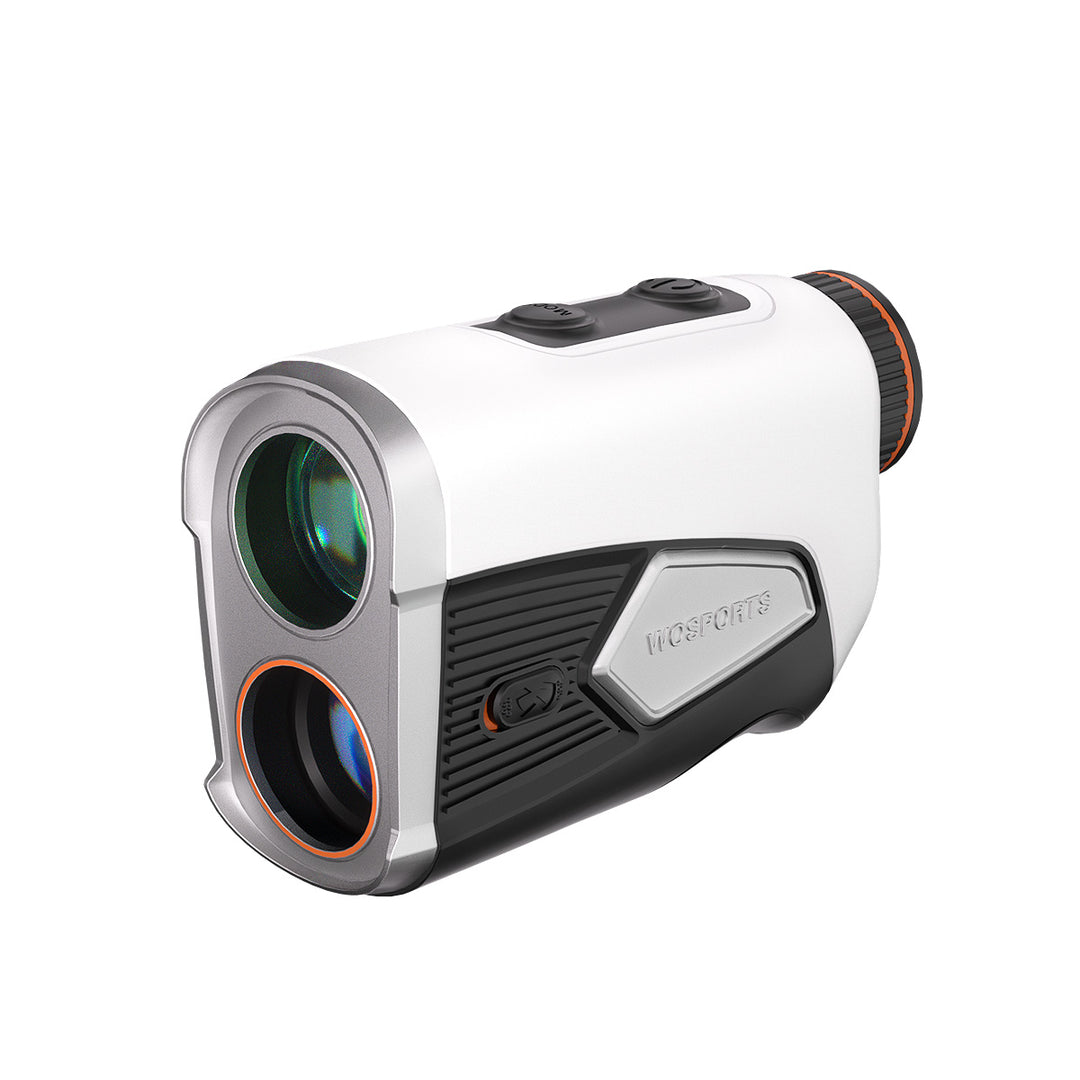
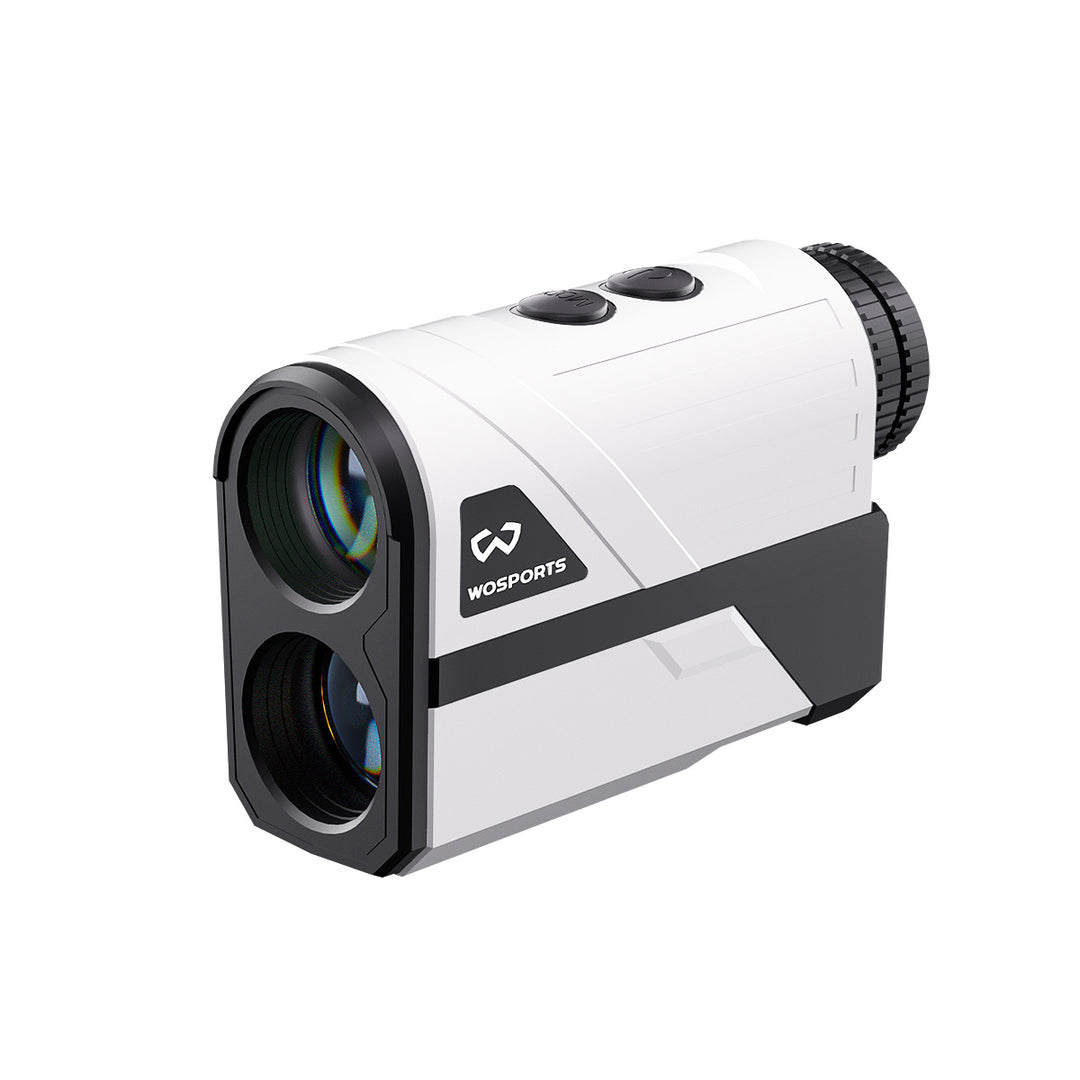
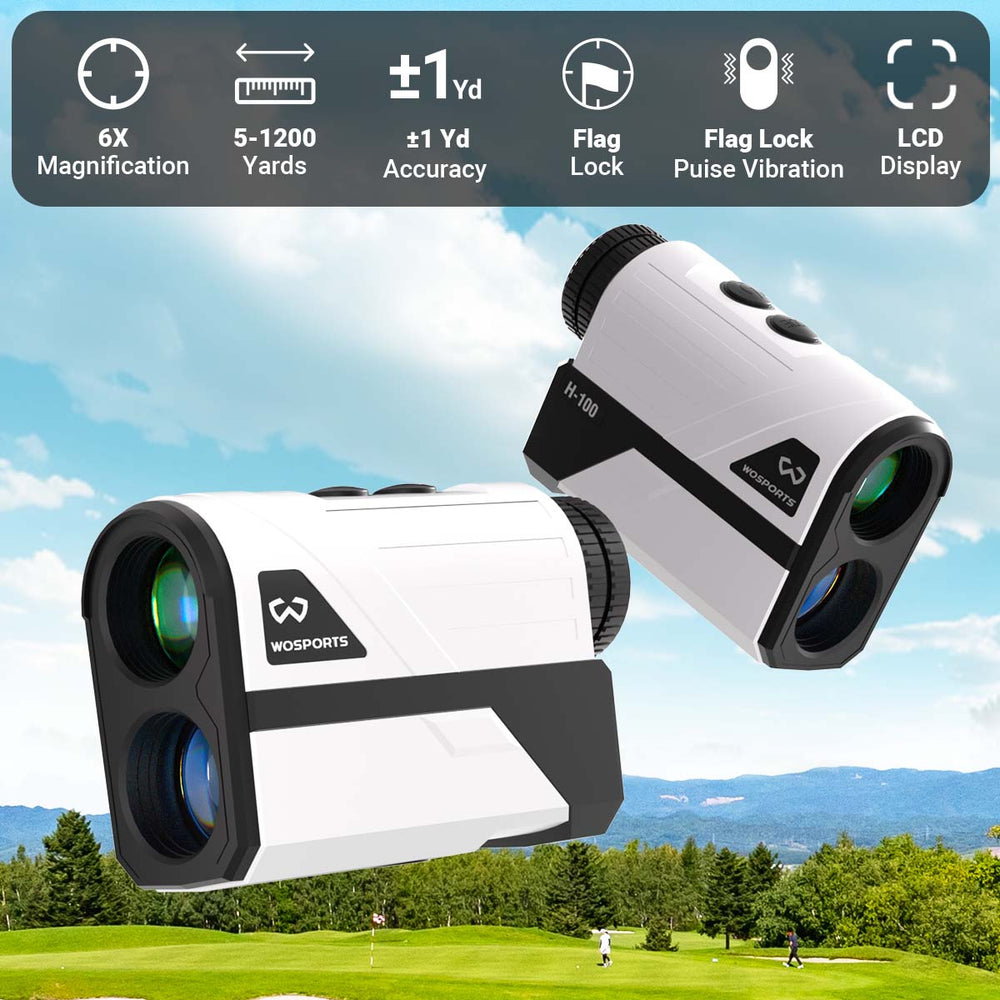
The WOSPORTS L14 Golf Rangefinder helps you:
- Get fast, accurate distances to the pin
- Adjust for slope to choose the right club
- Eliminate doubt before every shot
Instead of guessing, you start playing with intention.
Final thought: Augusta exposes the truth
The hardest holes at The Masters Tournament don’t just challenge your swing.
They expose:
- Poor distance control
- Bad decision-making
- Lack of commitment
Fix those—and your scores will drop anywhere you play.
So next time you’re on the course, ask yourself:
👉 Am I playing like an amateur… or thinking like a pro?
Search
Popular Posts
Recent Posts


Nov 28, 2024
Troubleshooting Common Trail Camera Issues
Jan 10, 2025
Why Does My Trail Camera Stop Working at Night?