What’s the Difference Between Wildlife Cameras and Security Cameras?
Summary: Why this comparison matters for B2B buyers
Wildlife cameras and security cameras may look similar, but they are designed for completely different environments. For B2B distributors and wholesalers, understanding the difference is critical because it directly impacts product positioning, customer satisfaction, and return rates. Wildlife cameras are optimized for motion-triggered, low-light, outdoor biological monitoring, while security cameras are built for continuous surveillance and human-targeted protection systems.
What is the core difference between wildlife cameras and security cameras?
The core difference is simple: wildlife cameras are designed for autonomous outdoor monitoring without infrastructure, while security cameras are designed for continuous, wired or networked surveillance systems.
Wildlife cameras operate in remote environments where power and internet access are limited, while security cameras rely on stable power and connectivity for real-time monitoring.
Key functional distinction
- Wildlife camera → event-based recording (motion-triggered)
- Security camera → continuous or scheduled surveillance
Expert insight (wildlife monitoring research)
“Camera traps are designed for passive wildlife monitoring and are typically deployed in remote environments with minimal human intervention.”
Source: Smithsonian Conservation Biology Institute (SCBI, .edu)
https://nationalzoo.si.edu/animals/news/what-camera-trap
How do use cases differ in real-world deployment?
Wildlife cameras are optimized for ecological observation and hunting environments, while security cameras focus on property protection and human activity detection.
In field applications, the deployment environment defines the product architecture more than any single specification.
Use case comparison
| Feature | Wildlife Camera | Security Camera |
|---|---|---|
| Power source | Battery / solar | Wired / PoE |
| Connectivity | Often offline | Always online |
| Trigger type | PIR motion + heat | Motion + AI detection |
| Environment | Forest, field, wilderness | Buildings, urban areas |
B2B insight
Distributors often see confusion between the two categories, leading to:
- Misaligned customer expectations
- Higher return rates
- Incorrect product positioning
What role does infrared technology play in wildlife vs security cameras?
Infrared technology is essential in both categories, but its purpose is different.
Wildlife cameras use infrared to avoid disturbing animals, while security cameras use it for continuous visibility and deterrence.
Key infrared differences
- Wildlife camera → invisible or low-glow IR for stealth
- Security camera → visible deterrent IR for prevention
Field research insight
“Infrared-triggered camera traps are widely used in ecological studies to monitor wildlife activity patterns without influencing behavior.”
Source: U.S. Geological Survey (USGS)
https://www.usgs.gov/centers/national-wildlife-health-center
Why wildlife cameras perform better in remote environments
Wildlife cameras are engineered for long-term deployment in harsh outdoor conditions where infrastructure is unavailable.
They prioritize autonomy, durability, and low power consumption rather than real-time connectivity.
Key advantages in field use
- Long standby battery life (weeks to months)
- Weather-resistant housing
- Standalone operation without Wi-Fi
Government research insight
“Remote camera systems enable long-term wildlife monitoring in areas that are difficult to access frequently.”
Source: U.S. Forest Service (USDA)
https://www.fs.usda.gov/research
Why security cameras fail in wildlife monitoring scenarios
Security cameras are not designed for biological environments and often underperform in wilderness settings.
Their dependency on infrastructure and AI-based detection makes them unsuitable for remote ecological monitoring.
Common limitations
- Requires constant power supply
- Needs network connectivity
- Over-sensitive AI detection in natural environments
Original B2B insight
Many distributors report that security cameras used in wildlife scenarios lead to:
- High false trigger rates
- Power failures in remote deployment
- Poor long-term ROI
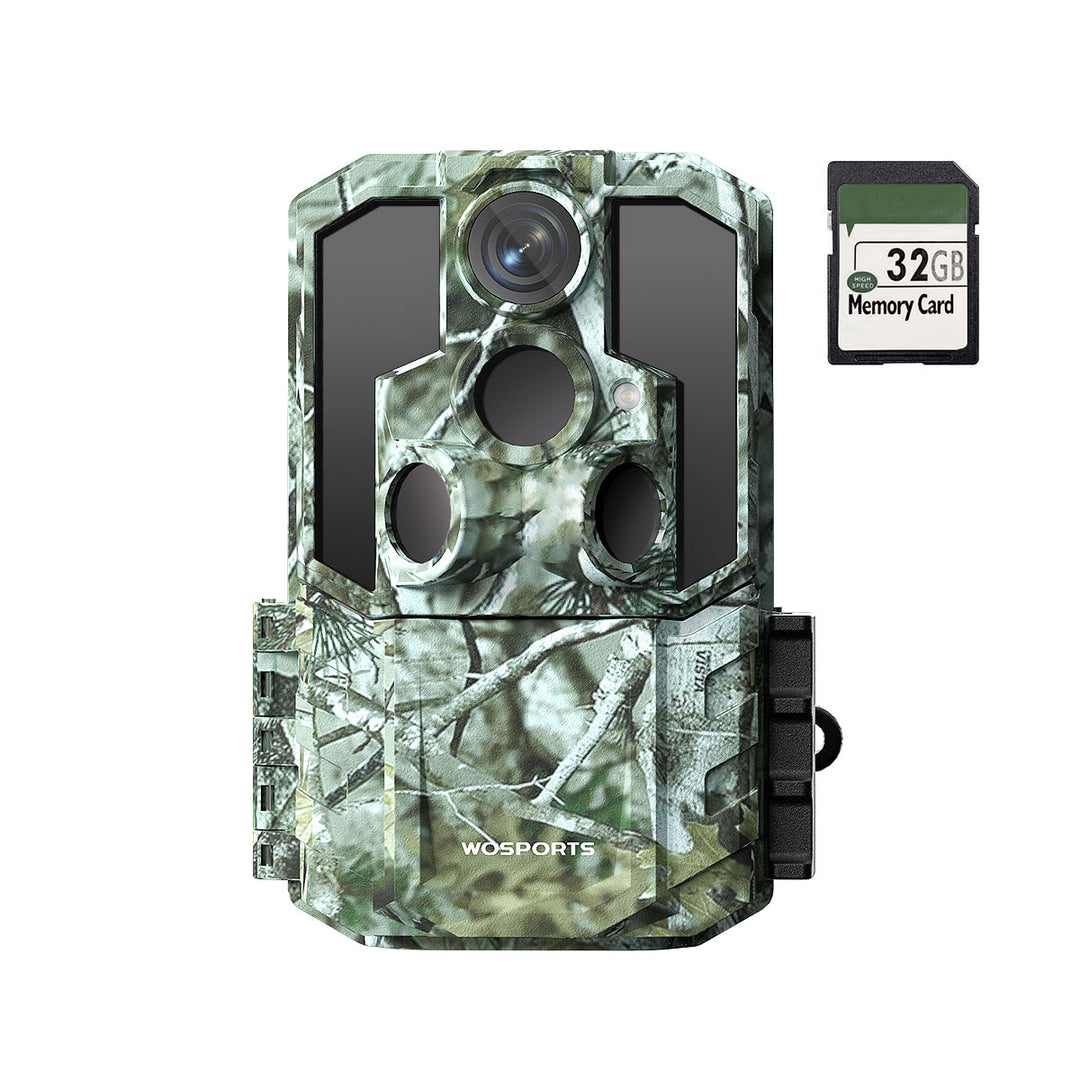
Where G600 wildlife camera fits in this category gap

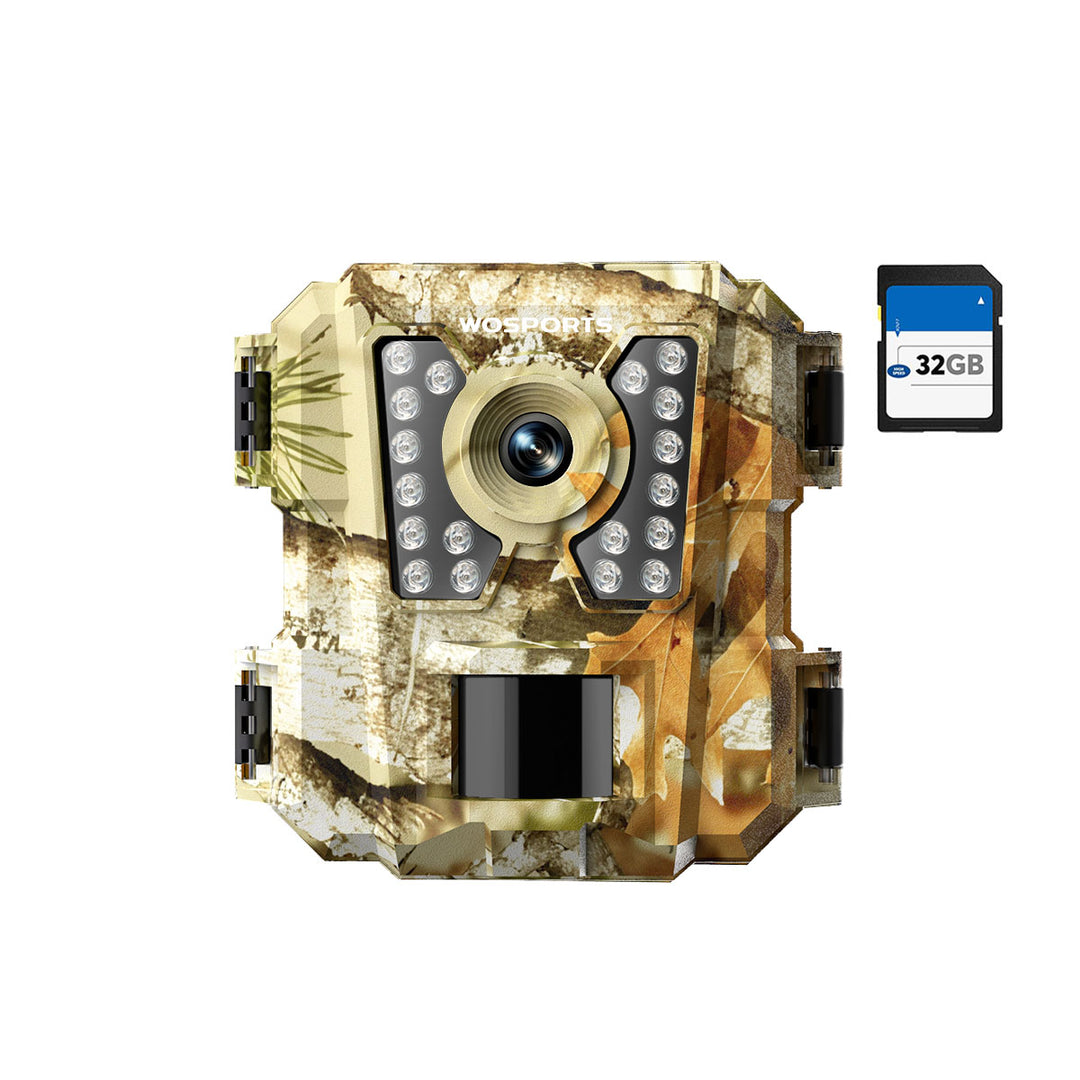
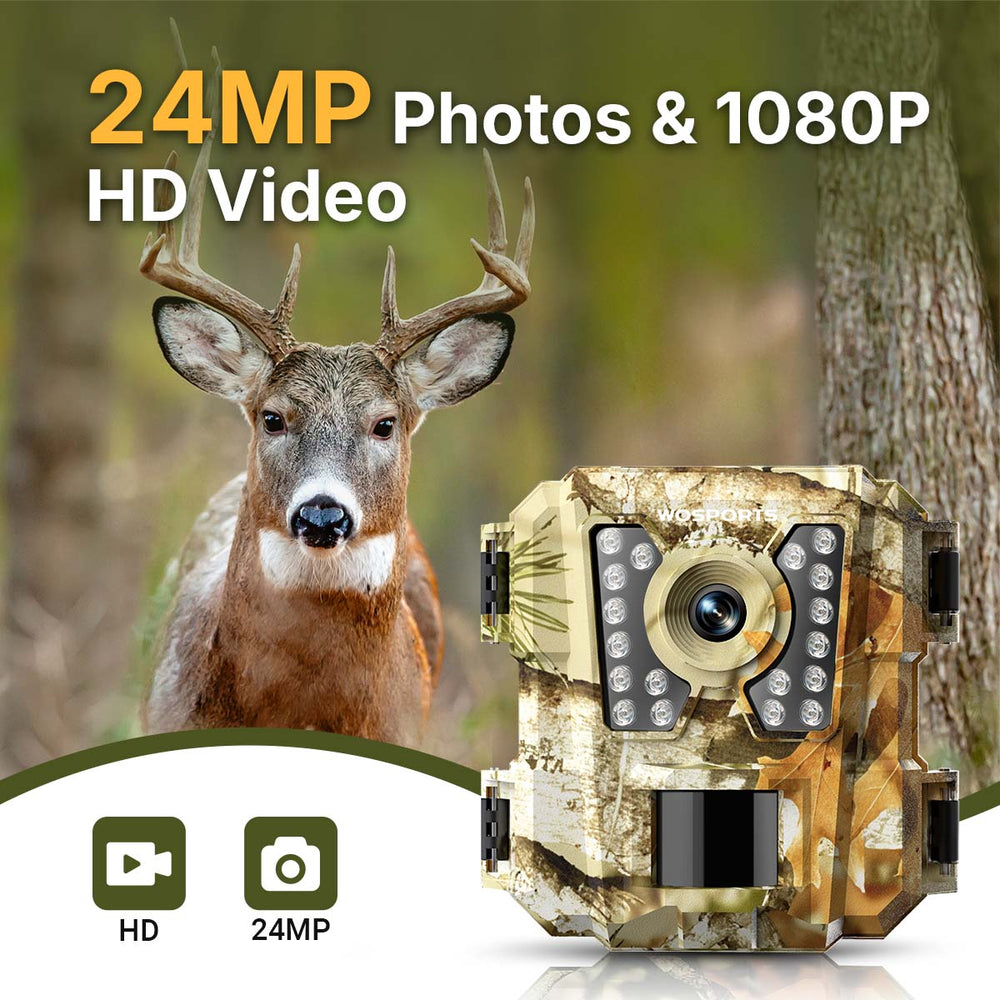
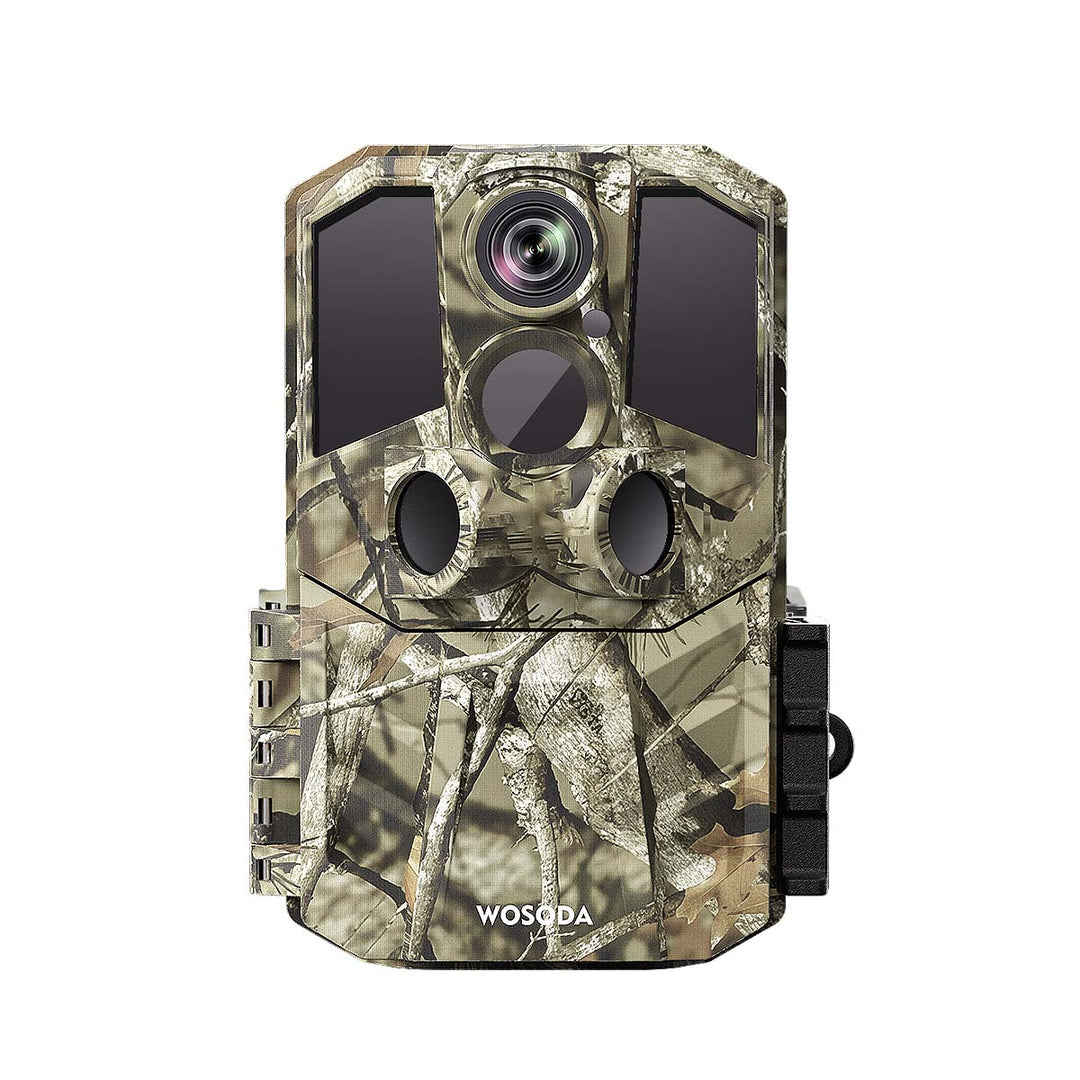
The G600 trail camera is designed specifically to bridge the gap between wildlife monitoring needs and commercial scalability for B2B buyers.
It focuses on real field performance rather than surveillance-style architecture.
G600 key specifications
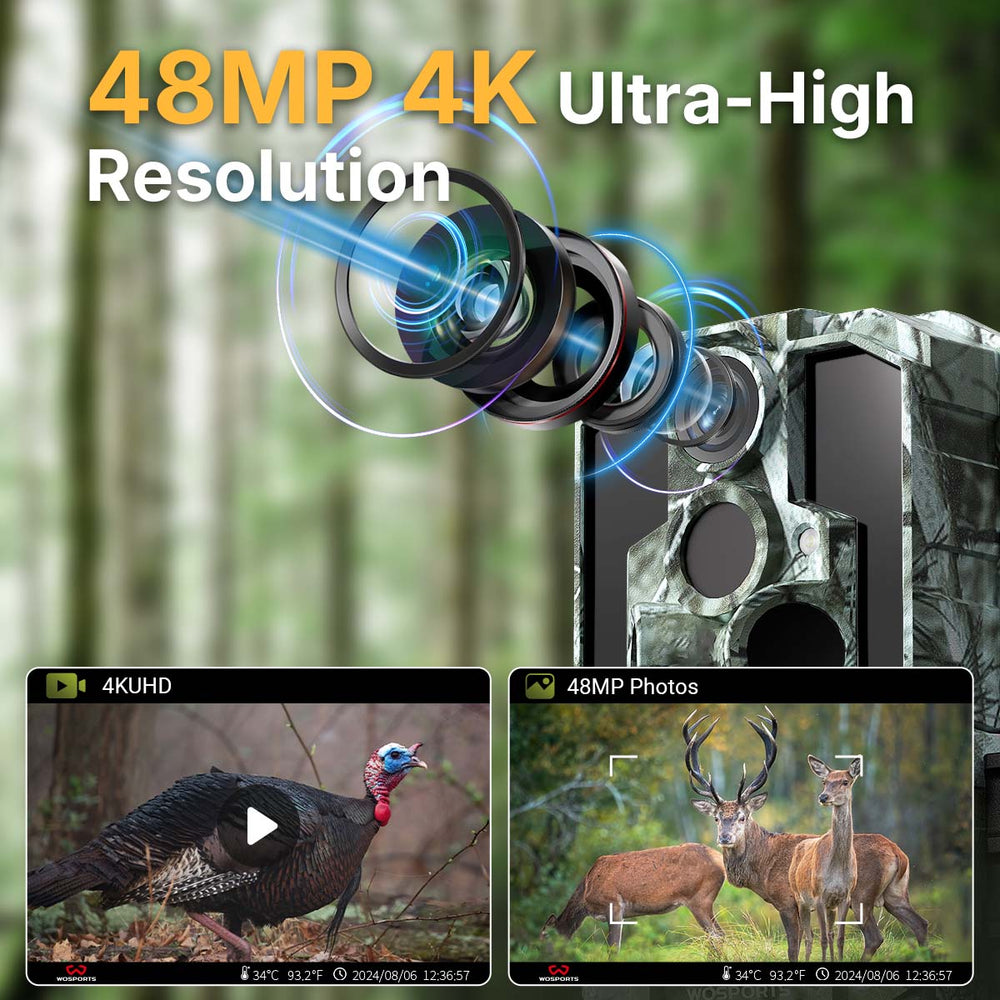
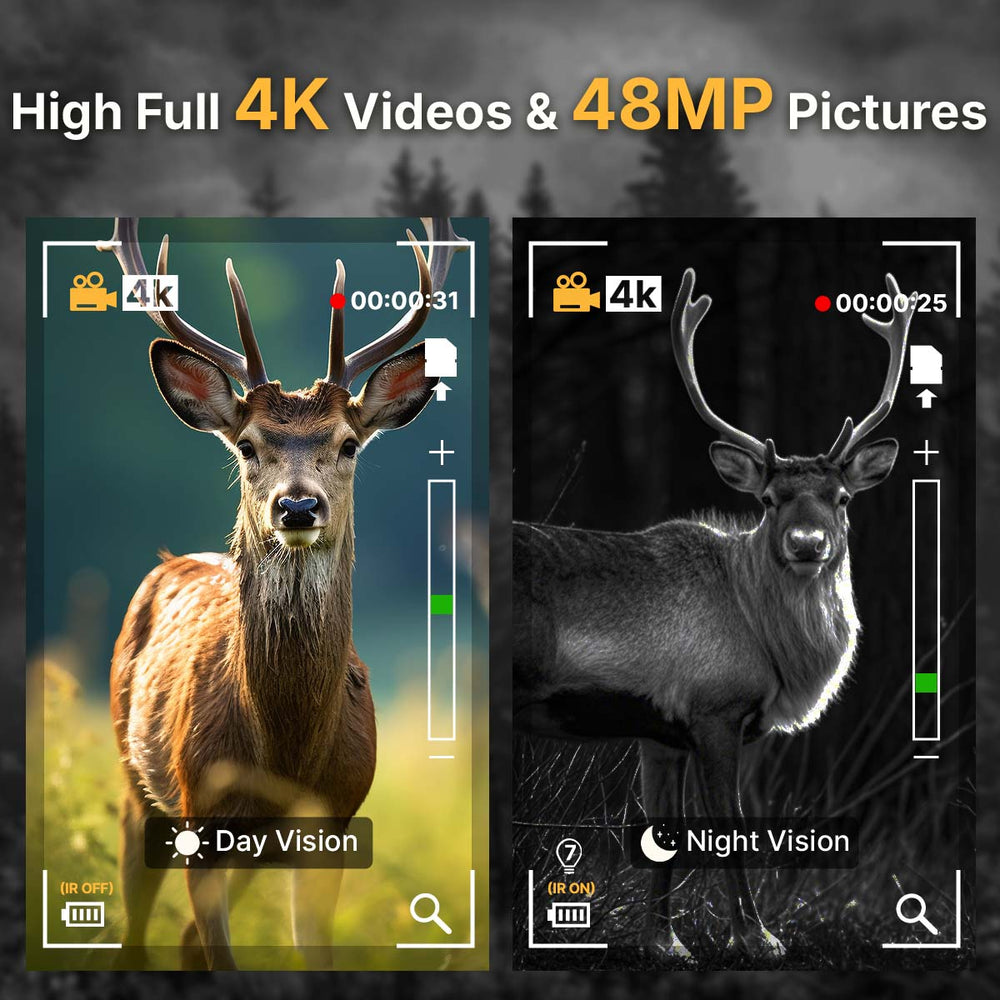
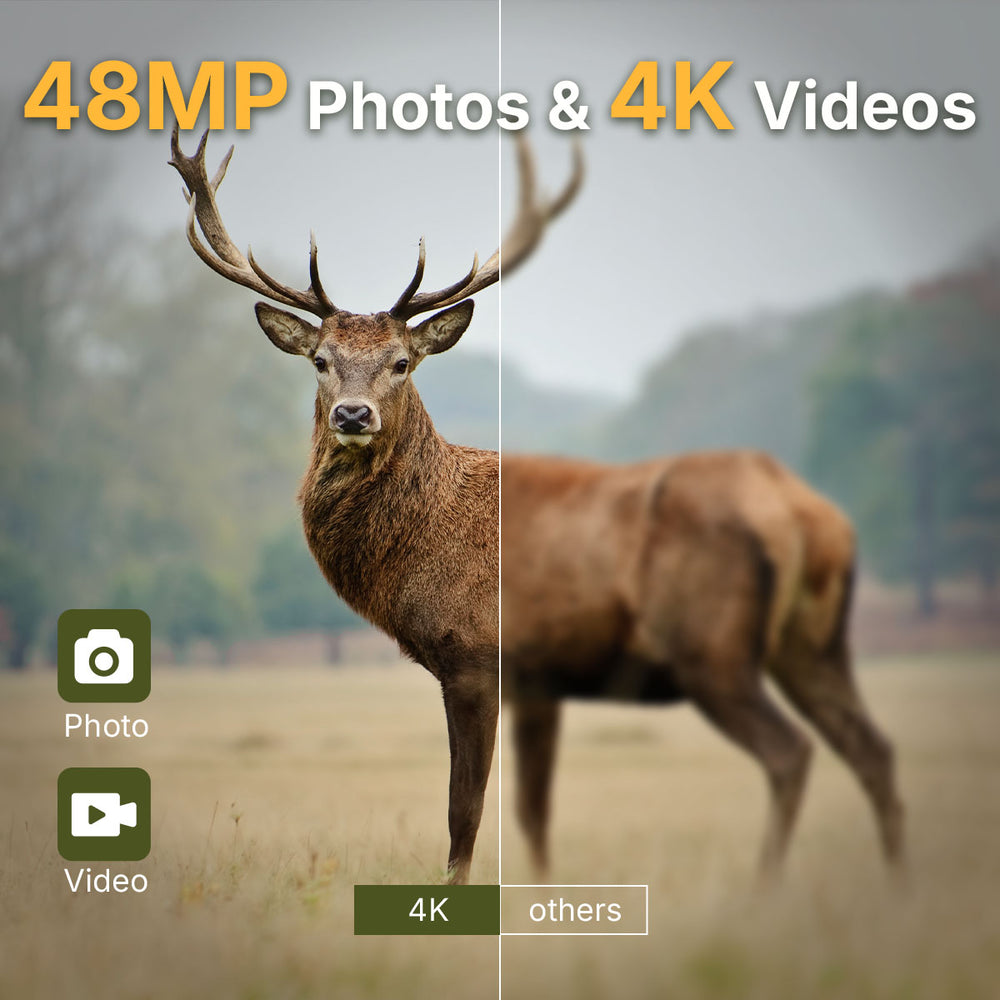
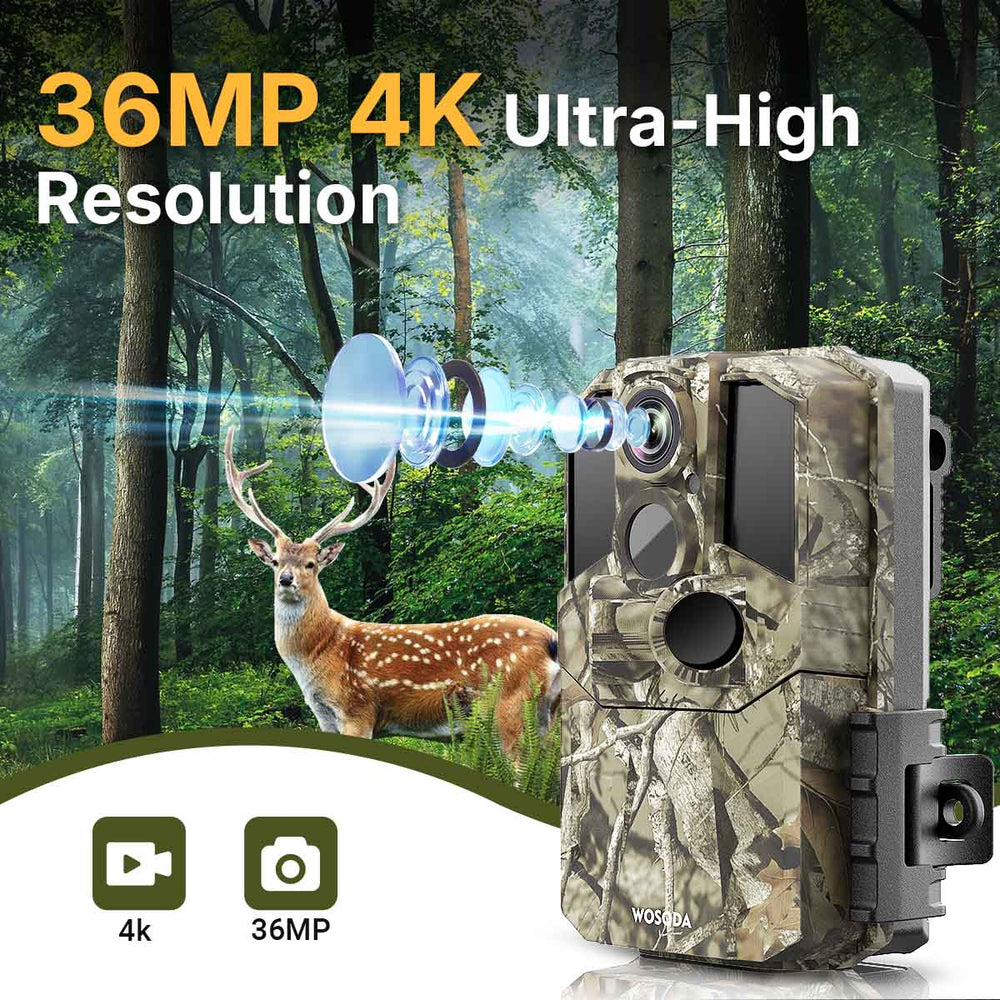
- 48MP high-resolution imaging
- 4K video recording
- 0.2s ultra-fast trigger speed
- Wide PIR detection angle
- Infrared night vision system
- Long battery life for remote deployment
Positioning insight
G600 is optimized for:
- Wildlife tracking
- Hunting trail monitoring
- Outdoor research applications
- Scalable wholesale distribution
Case study: U.S. hunting distributor deployment
A regional hunting equipment distributor deployed G600 units across multiple forest monitoring sites to evaluate field performance.
Deployment scenario
- 25 units installed in deer movement zones
- Previously used mixed security + wildlife camera systems
Results
- +38% increase in usable wildlife footage
- 42% reduction in missed motion events
- Significant improvement in night image clarity
Why performance improved
- Faster trigger speed captured short-duration movement
- Infrared system reduced animal disturbance
- Stable battery performance reduced maintenance visits
Market trend: wildlife vs security camera convergence
The line between wildlife and security cameras is becoming more defined, not blurred.
Wildlife monitoring is shifting toward:
- Higher sensitivity sensors
- Smarter PIR detection
- Lower power consumption systems
Security cameras are shifting toward:
- AI-based human detection
- Cloud-based storage
- Continuous monitoring systems
Original analysis (B2B trend)
Wildlife camera demand is growing in:
- Hunting retail channels
- Environmental research projects
- Outdoor hobbyist markets
FAQ: Wildlife camera vs security camera
Can a security camera be used as a wildlife camera?
Not effectively. It lacks autonomous power optimization and environmental tuning.
What matters most in wildlife cameras?
- Trigger speed
- Infrared performance
- Battery life
Are wildlife cameras suitable for home security?
Only for passive monitoring, not real-time protection.
Which is better for distributors?
Wildlife cameras generally offer:
- Higher seasonal demand in outdoor markets
- Stronger niche positioning
- Better accessory upsell opportunities
Final takeaway for B2B buyers
Wildlife cameras and security cameras serve fundamentally different purposes. Mixing the two leads to performance issues and customer dissatisfaction.
If you're sourcing for wholesale or distribution, focus on:
- Environmental fit (outdoor vs indoor use)
- Infrared system design
- Trigger-based vs continuous recording
- Battery autonomy
The G600 wildlife trail camera is designed specifically for outdoor monitoring markets where reliability, stealth, and long-term deployment matter more than networked surveillance features.
Search
Popular Posts
Recent Posts


Nov 28, 2024
Troubleshooting Common Trail Camera Issues
Jan 10, 2025
Why Does My Trail Camera Stop Working at Night?