Why Winter Night Shooting Is Tough — And How the WOSPORTS G600 Trail Camera Handles It
Outdoor night photography and wildlife monitoring are already challenging — but once winter arrives, the game changes. Colder temperatures and harsher night conditions impact not just the subject you’re trying to capture, but also the technology behind trail cameras themselves. In this post, we’ll break down the science of winter night challenges and explain how the WOSPORTS G600 Trail Camera is engineered to keep delivering results even in the cold.
Winter Night Problems: What’s Really Going On
There are a few key reasons why night shooting gets harder in winter — and they’re rooted in physics:
Cold Hurts Battery Performance
Low temperatures slow down the chemical reactions inside batteries, meaning even fresh cells may not deliver as much usable power as they would in warmer weather. This often results in shorter operating time and inconsistent performance. Trailcam users commonly see battery levels drop faster or cameras fail to trigger at all in bitter cold.
Reduced PIR Trigger Efficiency
Trail cameras use a PIR (passive infrared) sensor to detect motion by sensing temperature changes. In winter, the background temperature is already low, and the difference between a warm animal and its surroundings is reduced compared to other seasons. That smaller temperature contrast makes it harder for the PIR sensor to “see” motion reliably.
Infrared Illumination Is Less Effective
Night vision relies on infrared (IR) light to illuminate subjects in complete darkness. In freezing temperatures, IR LEDs are less efficient and emit less effective illumination per unit of power. That means night shots can get darker, grainier, or simply fail to light the target area effectively.
How the WOSPORTS G600 Trail Camera Takes On Winter Nights
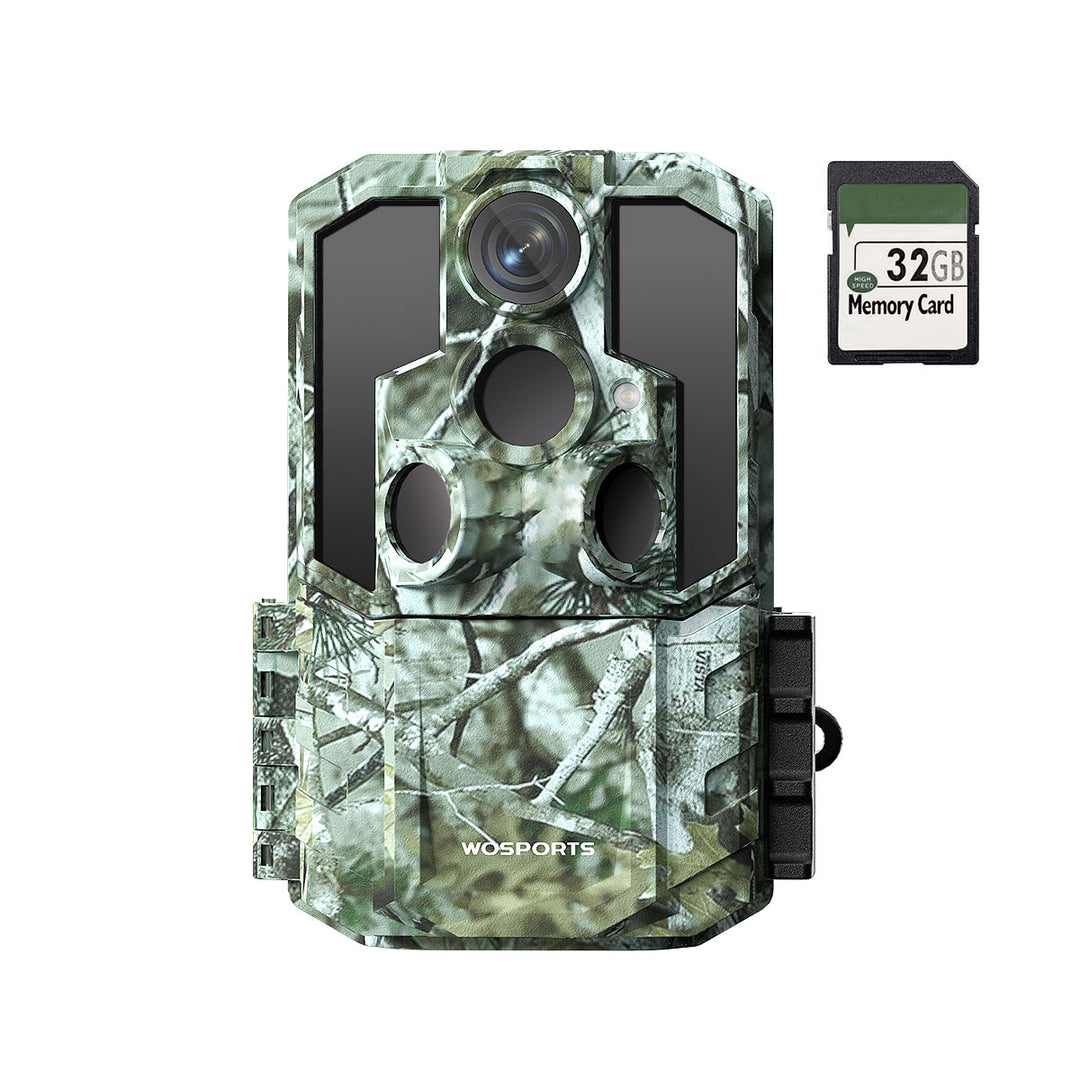
The WOSPORTS G600 is built with a combination of hardware and intelligent design that helps mitigate many of these winter-specific challenges:
Advanced Night Vision with 32 IR LEDs
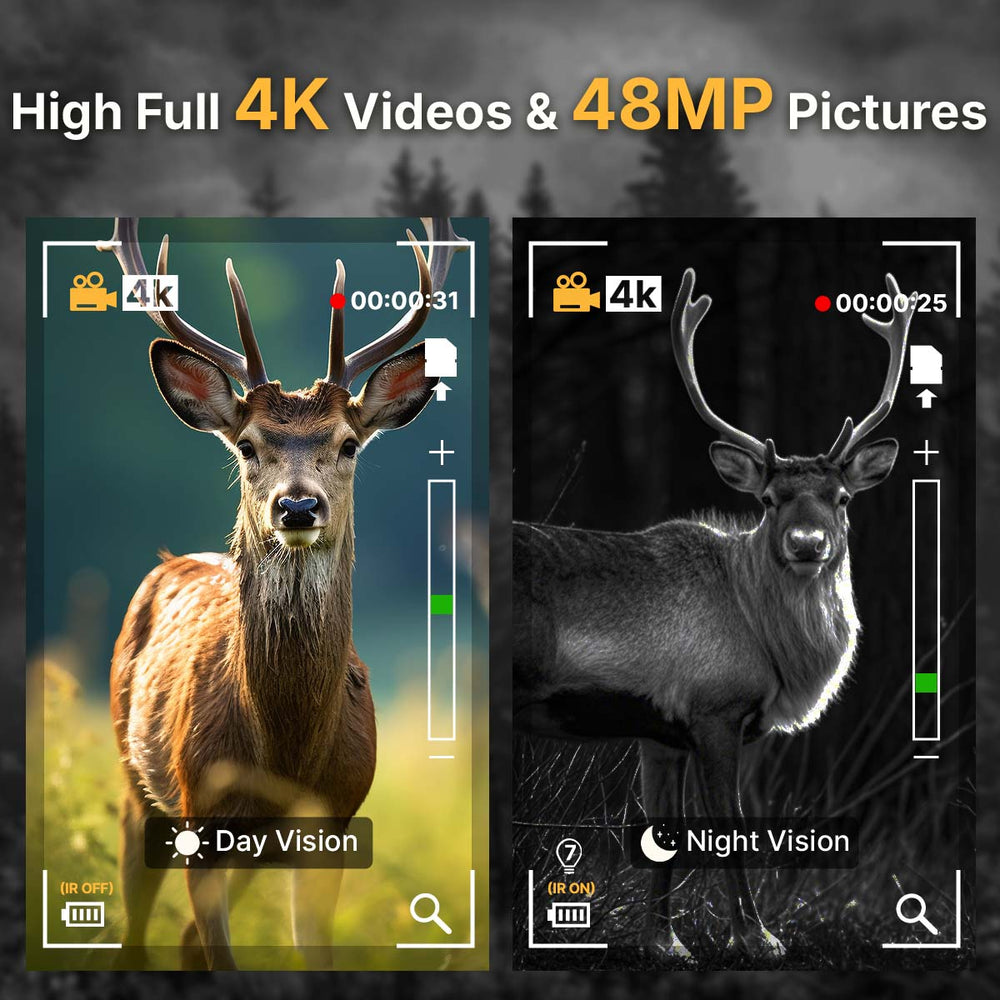
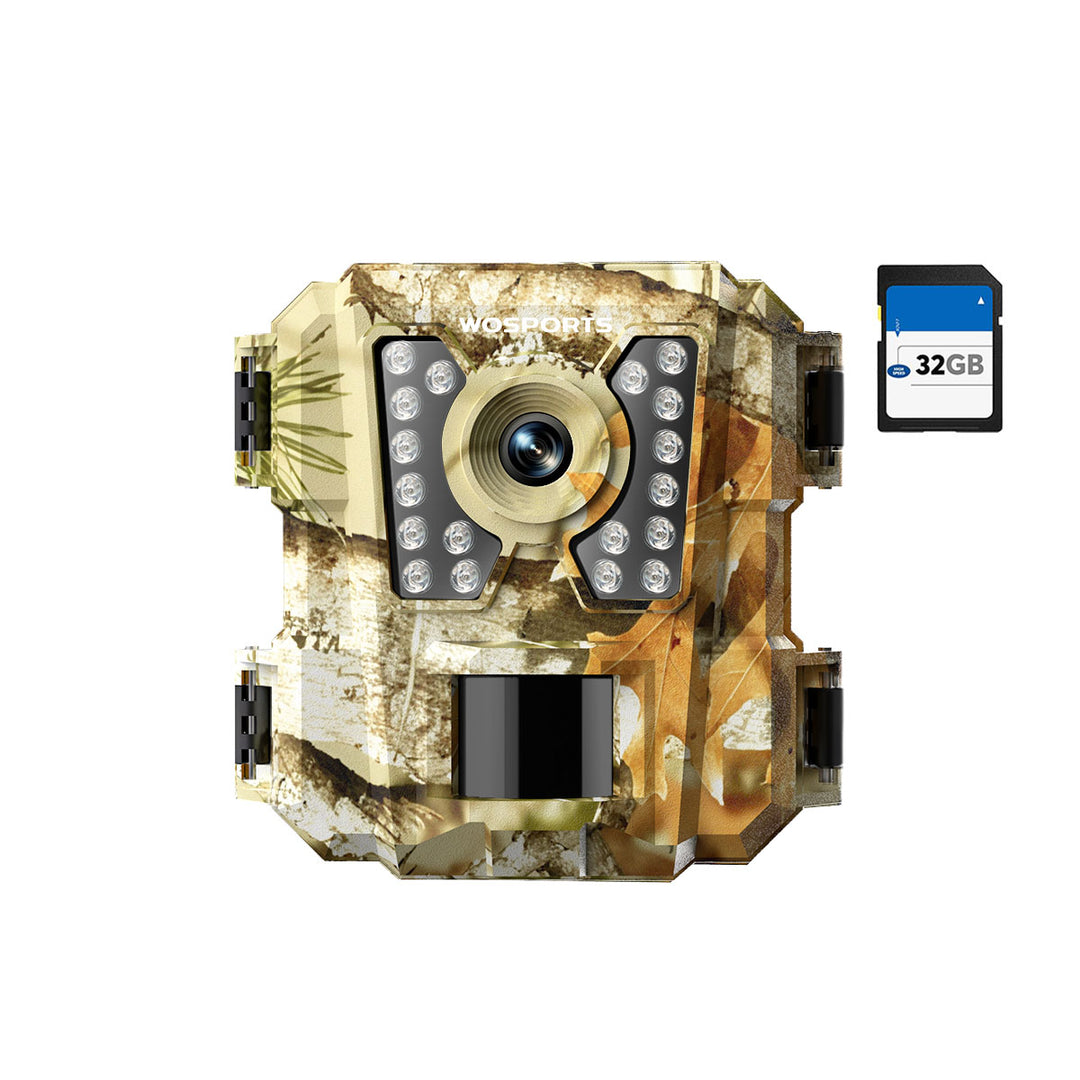
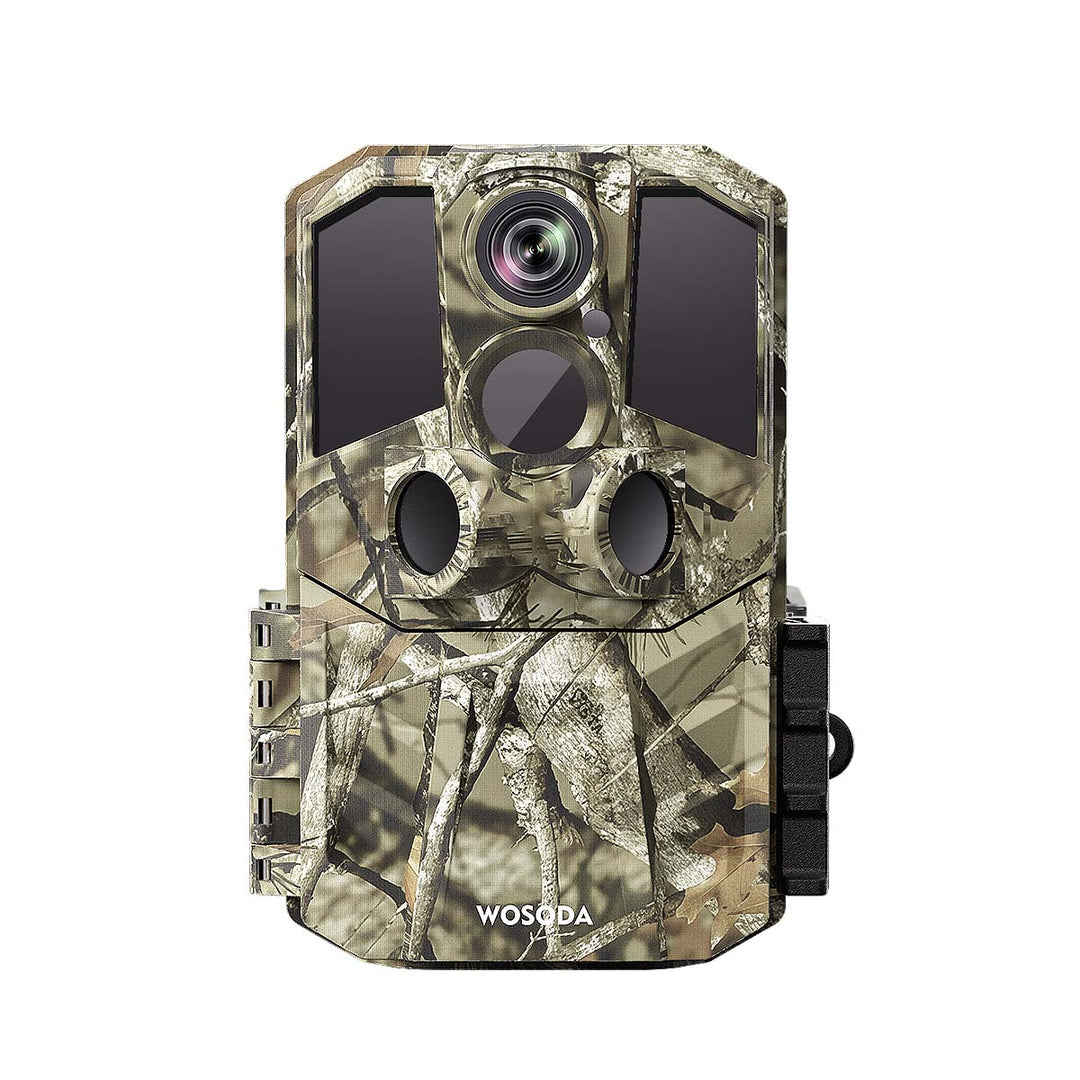
At the heart of solid night shooting is dependable illumination. The G600 uses 32 no-glow infrared LEDs to light up scenes without spooking wildlife, with a flash range of up to ~80–90 feet. This IR setup improves visibility even when natural ambient light is nonexistent — crucial when winter evenings are long and dark.
Rapid 0.2-Second Trigger Speed
Fast trigger response is essential in any season, but especially in winter when reliable PIR signals are harder to come by. With a quick <0.2-second trigger time, the G600 captures movement almost instantly when it does detect it, reducing the chance of missed shots due to delayed activation.
120° Wide Detection Angle
A broader field of view means more area is monitored with each deployment, increasing the odds of catching action — even when animals are bundled into tighter winter pathways. The wide 120° lens helps reduce blind spots and improves your overall coverage.
Built for Harsh Weather
With an IP66 waterproof and dustproof rating, the G600 is ready for all-weather use — whether it’s cold, snowing, or damp outside. That rugged build is key for year-round reliability.
Winter Tips to Get Better Results
To make the most of your G600 (or any trail camera) in cold conditions:
Use Lithium Batteries
Lithium AA batteries maintain voltage far better in cold than standard alkaline cells, giving you longer life and more consistent performance.
Adjust PIR Sensitivity Carefully
Setting the PIR sensitivity higher can help catch subtle temperature contrasts, but watch out for false triggers like blowing snow or moving branches.
Place Strategically
Avoid sites with excessive wind exposure or direct exposure to open sky — both can cool the camera housing more rapidly and reduce PIR sensitivity. Positioning near trees or slight cover can help even out temperature fluctuations.
Winter Can Be Tough… But You Can Handle It
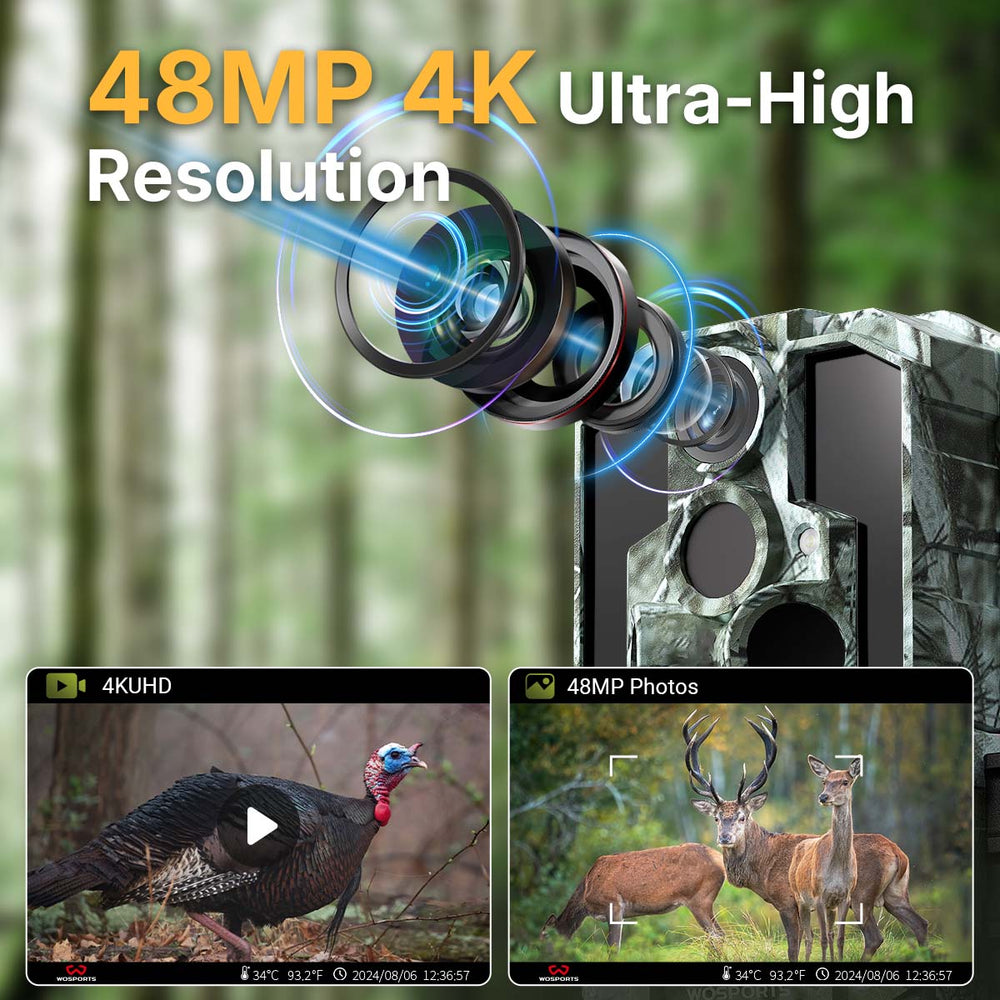
Winter night shooting challenges are real — but they’re not unbeatable. With the right understanding of temperature effects and a trail camera that’s built to handle night conditions like the WOSPORTS G600 Trail Camera, you can still capture crisp photos and video even when the mercury drops.
Ready for winter? The G600 is engineered to help you stay in the game — capturing wildlife, monitoring property, and documenting night activity all season long.
Search
Popular Posts
Recent Posts


Nov 28, 2024
Troubleshooting Common Trail Camera Issues
Jan 10, 2025
Why Does My Trail Camera Stop Working at Night?