Are Digital Night Vision Binoculars Better Than Thermal Imaging Devices?

Why are buyers comparing digital night vision and thermal imaging?

Digital night vision and thermal imaging are two of the fastest-growing technologies in outdoor observation, hunting, wildlife monitoring, and nighttime surveillance.

For wholesalers, outdoor retailers, and B2B buyers, understanding the differences between these technologies is important because customers often ask:

  • Which one sees farther?
  • Which works better in complete darkness?
  • Which provides better value?

Quick answer

Digital night vision binoculars are generally better for:

  • detailed visual identification
  • wildlife observation
  • affordable long-range viewing

Thermal imaging devices are stronger for:

  • heat detection
  • spotting hidden movement
  • fog or brush penetration

“Remote optical technologies continue to improve environmental monitoring and wildlife observation capabilities.”
Source: U.S. Geological Survey
https://www.usgs.gov/

Key takeaway

The best choice depends on whether the user prioritizes:

  • detection
    or
  • identification.

How does digital night vision technology work?

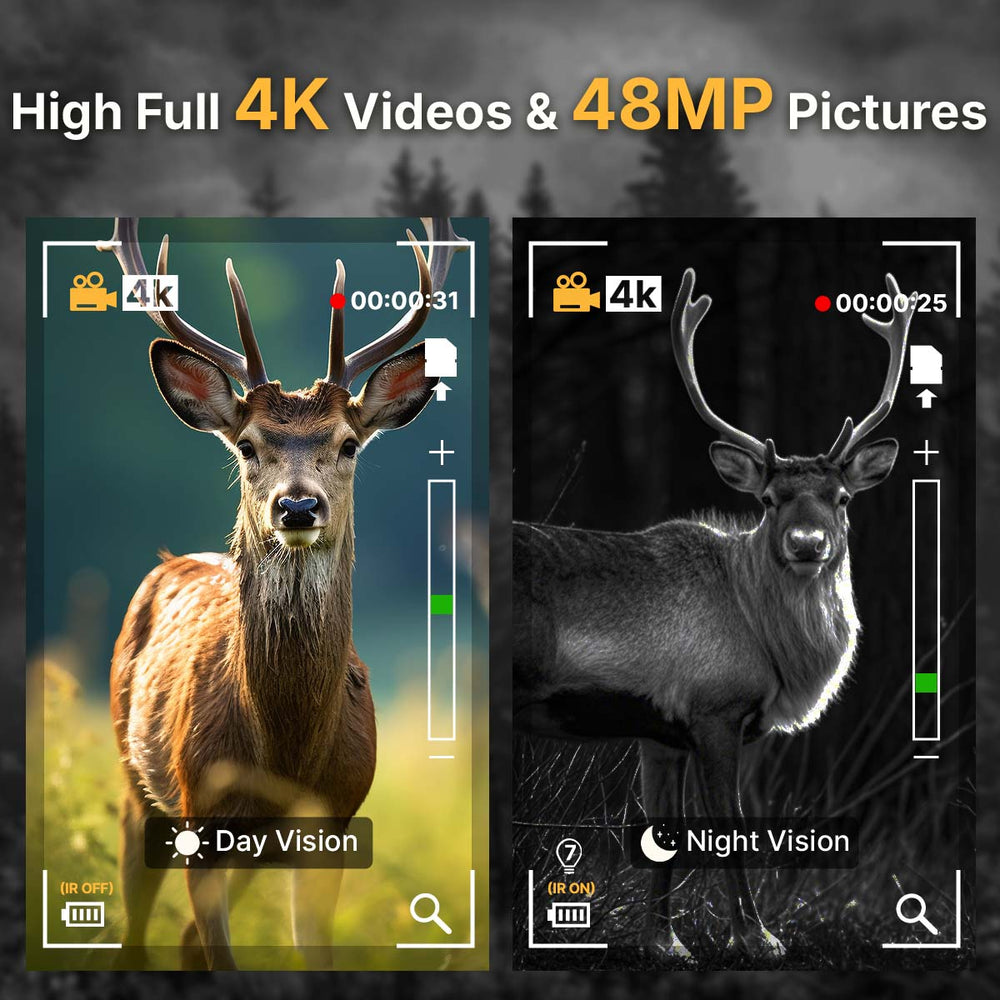
Digital night vision devices amplify available light and combine it with infrared illumination to produce visible nighttime images.

Main components of digital night vision

Component Function
CMOS sensor Captures low-light images
Infrared illuminator Enables viewing in darkness
Digital display Shows processed image
Optical lens system Controls magnification and clarity

Why digital night vision is popular

Digital night vision provides:

  • recognizable image detail
  • full-color daytime viewing
  • lower cost than thermal systems
  • easier recording and sharing

Original analysis

For outdoor observation, users often prefer seeing:

  • animal shape
  • movement behavior
  • environmental detail

rather than just heat signatures.

This is why digital night vision remains highly popular in:

  • wildlife observation
  • ecotourism
  • recreational hunting
  • farm surveillance

How does thermal imaging differ from infrared optics?

Thermal imaging does not rely on visible light. Instead, it detects heat emitted by objects and converts temperature differences into images.

Thermal imaging strengths

  • detects animals through darkness
  • works in light fog or smoke
  • identifies heat signatures quickly

Thermal imaging limitations

  • less visual detail
  • harder to identify species
  • significantly higher cost

Comparison table

Feature Digital Night Vision Thermal Imaging
Image detail High Moderate
Heat detection Limited Excellent
Daytime use Yes Limited
Cost Lower Higher
Wildlife identification Better Weaker
Fog penetration Moderate Strong

Expert insight

“Thermal and optical systems serve different operational purposes depending on observation goals.”
Source: U.S. Department of Energy
https://www.energy.gov/


Which technology is better for wildlife observation?

For wildlife observation, digital night vision is often the more practical option because observers usually need to identify:

  • species
  • movement patterns
  • behavioral details

Why digital night vision works well

  • clearer environmental detail
  • more natural image appearance
  • easier recording and documentation

Key insight

Wildlife researchers and outdoor observers typically value:

  • image recognition
    over
  • pure heat detection.

Original analysis

Thermal imaging helps users locate movement quickly, but digital night vision is better for:

  • prolonged observation
  • educational use
  • tourism experiences
  • visual documentation

Why infrared optics matter in nighttime observation

Infrared optics are the foundation of modern digital night vision systems.

Important infrared specifications

Specification Importance
IR wavelength Affects visibility to animals
IR power Determines nighttime range
Lens quality Influences clarity
Sensor sensitivity Improves low-light performance

No-glow infrared advantage

No-glow infrared systems help:

  • reduce wildlife disturbance
  • improve stealth during observation
  • enhance nighttime monitoring quality

“Optical observation technologies support wildlife monitoring and ecological field research.”
Source: National Park Service
https://www.nps.gov/


How the NV400 fits modern night observation needs

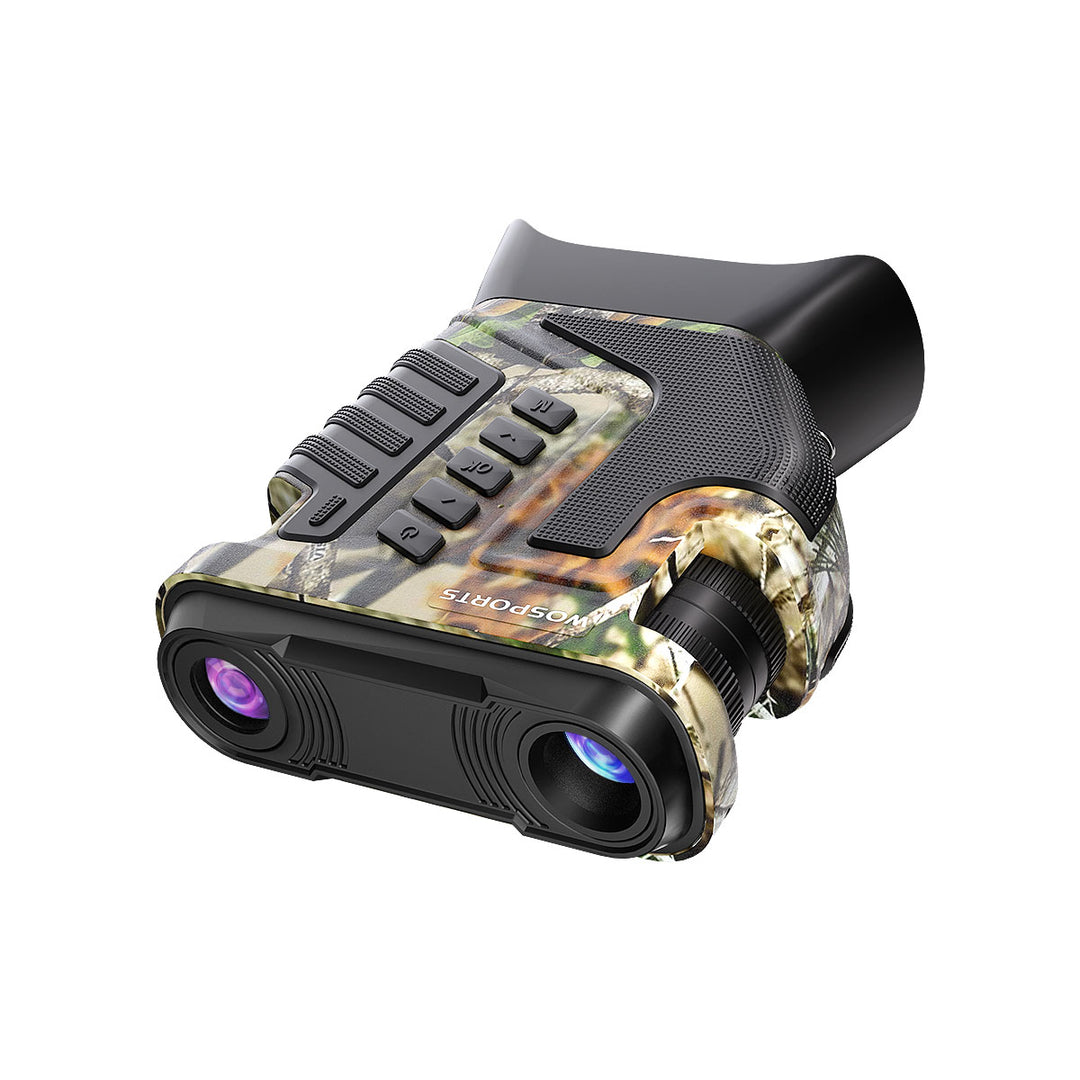
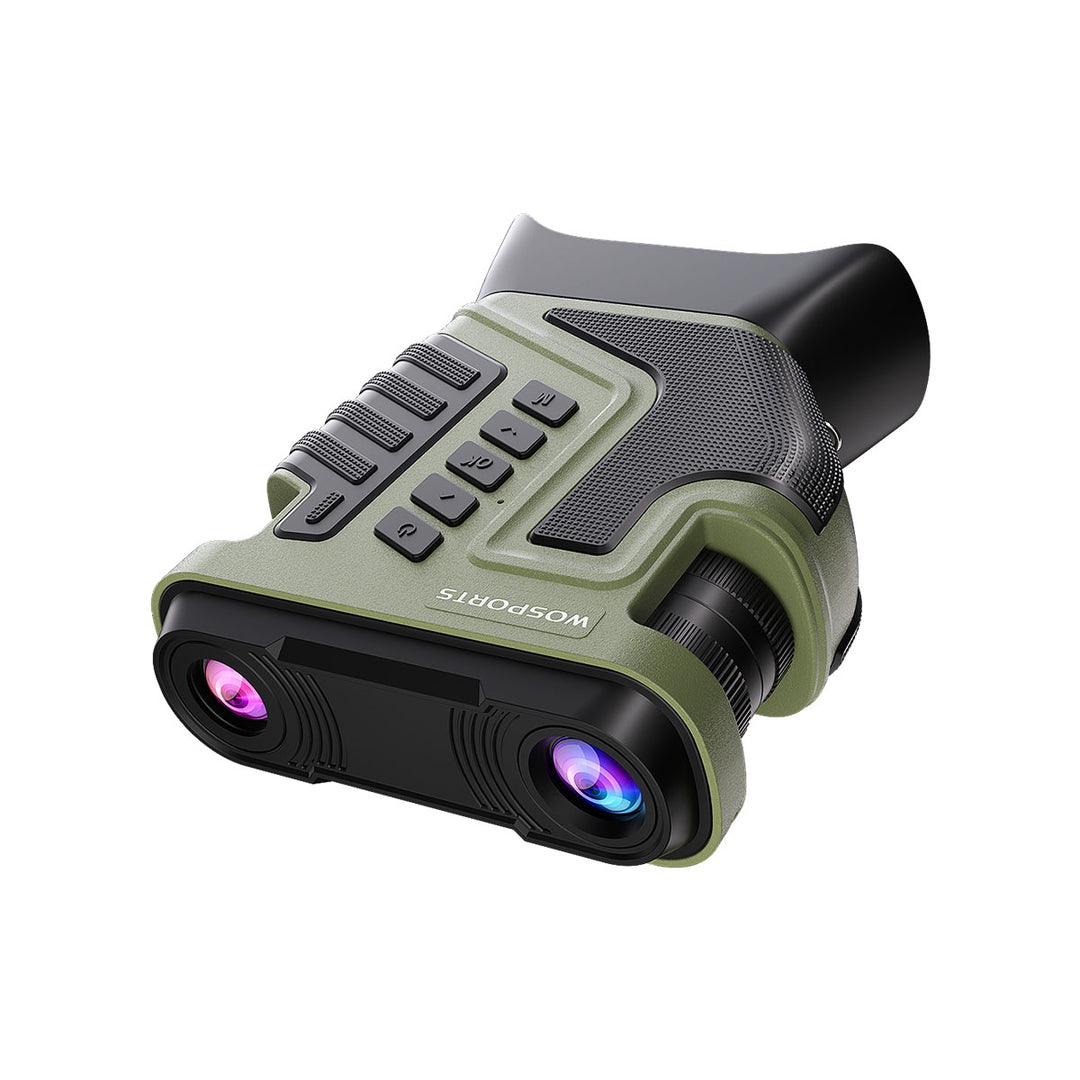
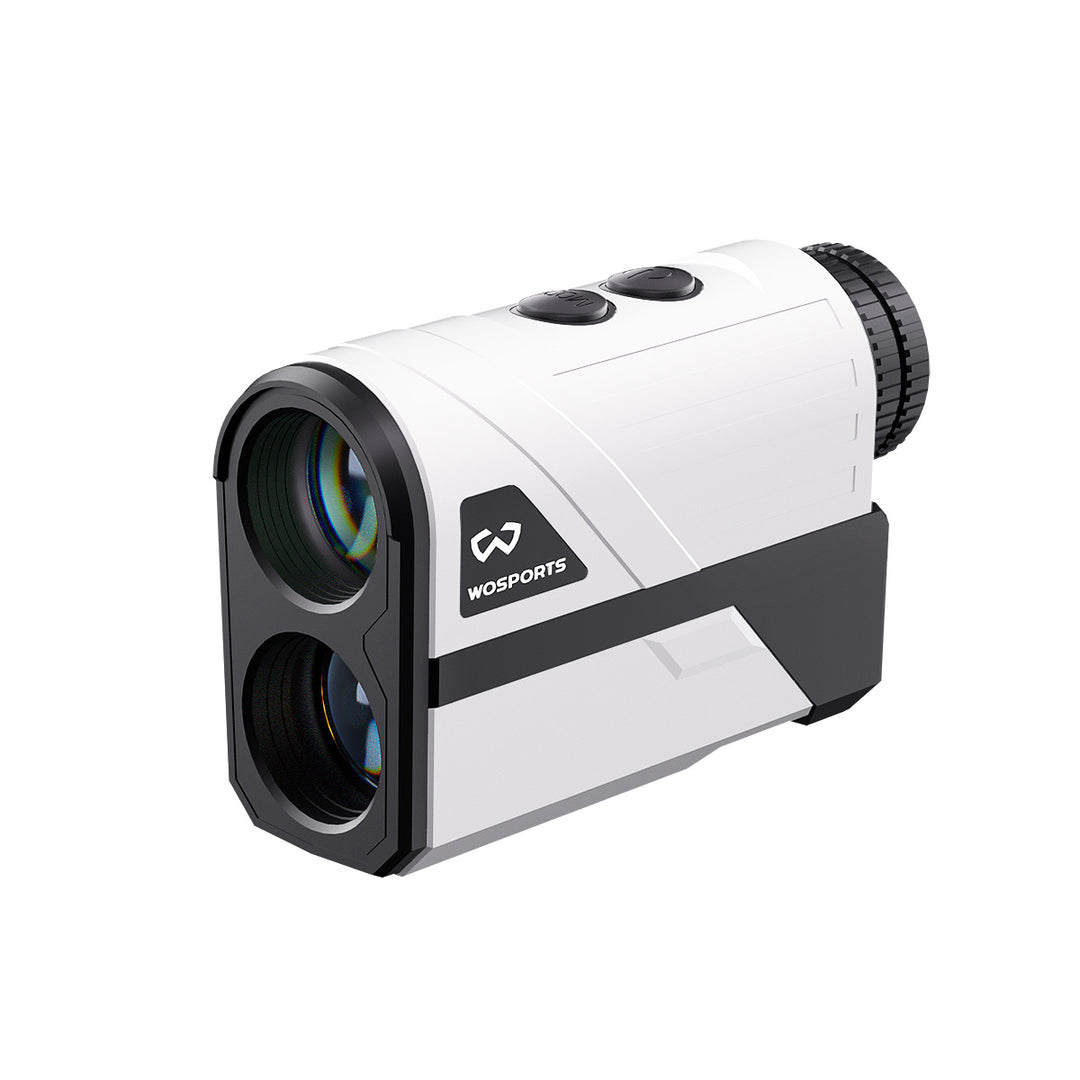
The WOSPORTS NV400 night vision binoculars combine digital night vision technology with infrared optics designed for long-range outdoor use.

Key features of the NV400

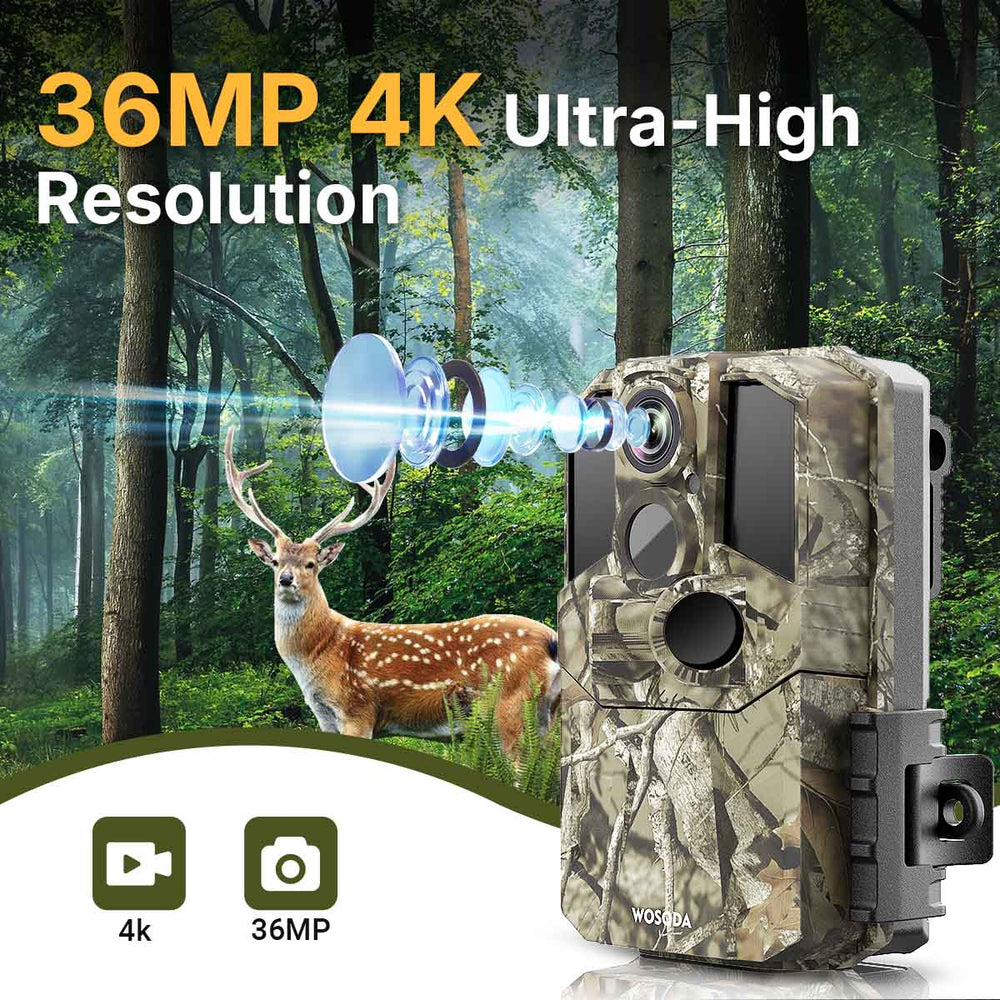
  • 4K video recording
  • 36MP image capture
  • 10X optical zoom
  • infrared viewing in complete darkness
  • rechargeable 5000mAh battery
  • portable outdoor design

Why B2B buyers choose digital night vision

Compared with thermal systems, products like the NV400 offer:

  • lower wholesale cost
  • broader customer appeal
  • easier market adoption

Market advantage

The NV400 is suitable for:

  • wildlife observation
  • nighttime hunting
  • farm monitoring
  • outdoor recreation
  • security patrol applications

Case study: wildlife monitoring organization comparison test

A wildlife monitoring organization tested:

  • thermal imaging devices
  • digital night vision binoculars

during nighttime field observation projects.

Results

Observation Task Better Technology
Detecting movement Thermal imaging
Identifying species Digital night vision
Educational viewing Digital night vision
Cost efficiency Digital night vision

Key takeaway

Thermal imaging detected animals faster, but digital night vision provided:

  • clearer observation
  • better identification
  • more useful visual documentation

What trends are driving growth in digital night vision?

Demand for digital night vision products continues to grow because they combine:

  • affordability
  • portability
  • recording capability
  • multi-purpose usability

Growing B2B demand sectors

  • hunting retailers
  • wildlife tourism
  • outdoor recreation
  • agricultural monitoring
  • private land management

Industry insight

Bulk buyers increasingly prefer products that serve multiple markets instead of single-purpose devices.

This makes digital night vision binoculars highly attractive for:

  • wholesalers
  • distributors
  • retail resellers

“Outdoor recreation technology adoption continues to expand across monitoring and observation markets.”
Source: U.S. Forest Service
https://www.fs.usda.gov/


FAQ: digital night vision vs thermal imaging

Which is better for identifying animals?

Digital night vision provides more recognizable visual detail.

Which technology works best in fog?

Thermal imaging generally performs better in fog or smoke.

Is digital night vision more affordable?

Yes. Digital night vision devices usually cost significantly less than thermal imaging systems.

Why do many outdoor users prefer digital night vision?

Because it offers:

  • natural-looking images
  • daytime usability
  • video recording capability
  • lower operating cost

Final takeaway for B2B buyers

Digital night vision binoculars and thermal imaging devices serve different purposes.

For most outdoor observation users, digital night vision offers the best balance of:

  • affordability
  • image clarity
  • recording functionality
  • multi-purpose usability

The WOSPORTS NV400 stands out by combining:

  • infrared optics
  • long-range viewing
  • rechargeable portability
  • high-resolution imaging

making it an excellent choice for:

  • wholesalers
  • outdoor retailers
  • wildlife observation suppliers
  • bulk purchase buyers seeking scalable market demand.