Are Infrared Levels and Battery Life Critical for Long‑Distance Night Monitoring?
When evaluating night vision binoculars for long‑distance night monitoring—whether for wildlife studies, security patrols, or outdoor exploration—two of the most critical performance factors are infrared (IR) illumination levels and battery life. These directly determine visibility range, image clarity in darkness, and the duration a device can reliably operate in the field.
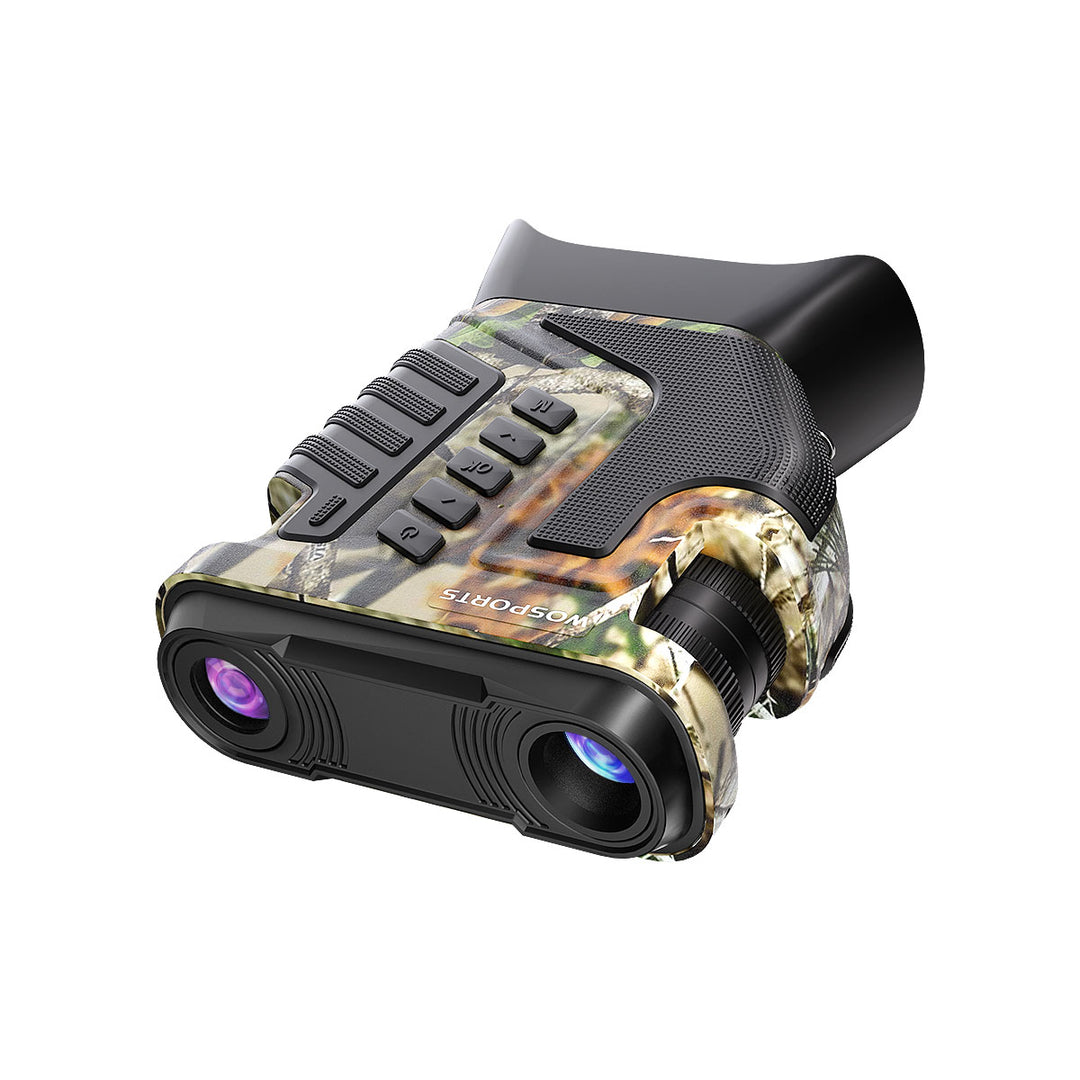
Below, we break down why these features matter for B2B buyers and what to look for in bulk‑purchase night vision gear like the NV400 night vision binoculars.
How Infrared (IR) Levels Affect Night Vision Range and Detection
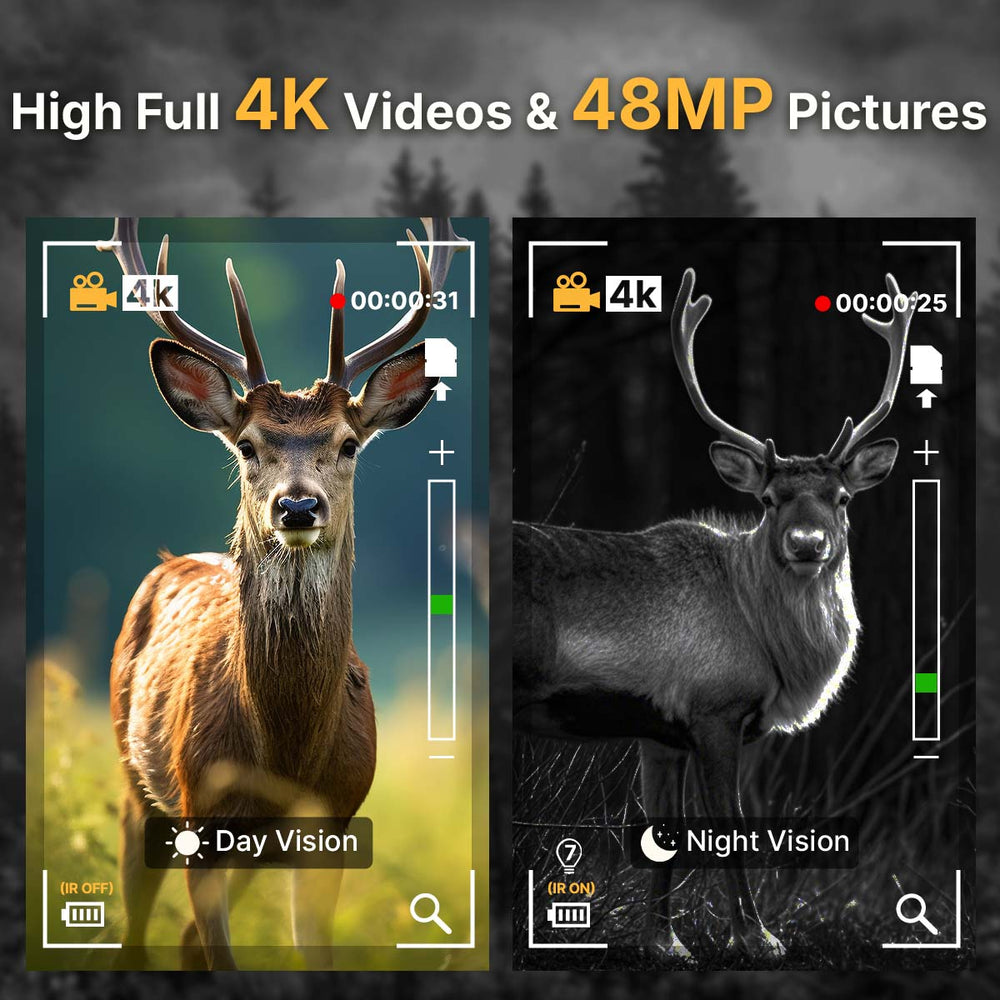
Infrared illumination enables night vision devices to create a visible image in lighting conditions where the naked eye can’t. The strength and adjustability of infrared directly impact how far and how clearly you can see objects at night.
Why IR Levels Matter
- More IR power = longer monitoring range: Devices with stronger IR illumination can illuminate targets farther away, increasing useful night vision distance without visible light.
- Adjustable IR helps adapt to environment: Too much IR can wash out close targets; too little limits range. Adjustable IR optimizes performance in varied conditions.
-
IR works without visible light: Infrared beams are invisible to the human eye, meaning you can illuminate a scene without disturbing wildlife or alerting subjects.
Infrared illumination is a key part of active night vision systems because they emit IR light that reflects off objects and is captured by the device’s sensor.
source: https://en.wikipedia.org/wiki/Infrared ([turn1search21])
Practical Impact on Night Monitoring
For long‑distance monitoring—whether spotting animals at night or patrolling a property—higher IR levels increase detection capability while adjustable settings make the tool versatile across scenarios.
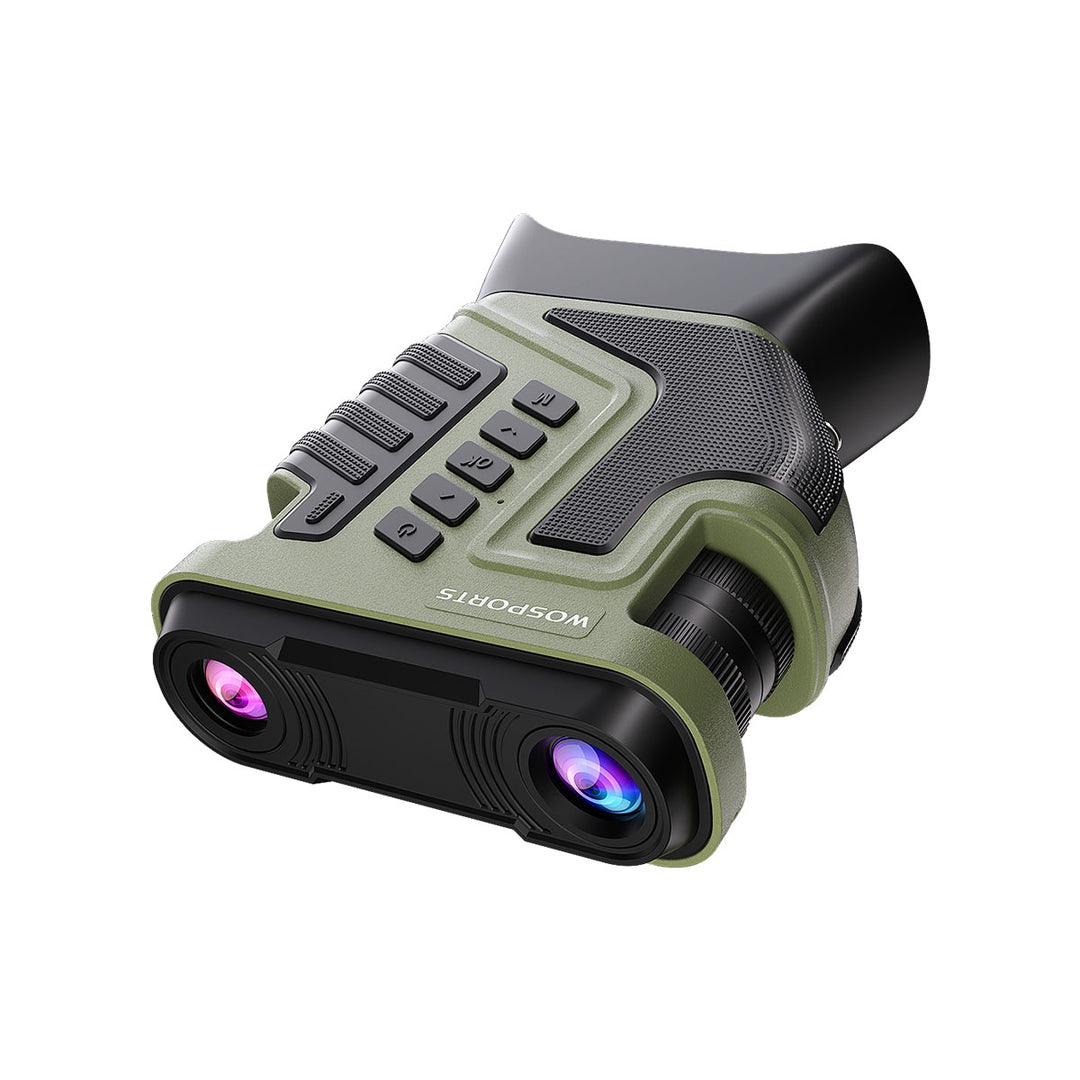
NV400 binoculars offer multiple IR intensity settings so operators can balance range and clarity depending on the situation, reducing power drain and extending effective use time.
Battery Life: Why Endurance Matters for Night Surveillance
Battery life determines how long a night vision device can operate continuously, which is crucial for long‑distance monitoring jobs that may last overnight or beyond.
What Long Battery Life Enables
- Extended surveillance sessions: Devices that run 6–10+ hours ensure full‑night coverage without needing frequent swaps.
- Reliable field deployment: Long battery life reduces risks of downtime when monitoring distant targets.
-
Better power for IR illumination: Strong IR usage drains power quickly—so battery capacity must compensate.
Night vision systems that include active IR illumination generally consume more power than passive systems, so battery performance becomes a key factor.
source: https://blogs.wildguarder.com/7-important-features-of-infrared-night-vision-binoculars-explained/ ([turn0search8])
Balancing Power and Performance
Advanced night vision binoculars often provide rechargeable batteries or support external power packs, making them ideal for long observation shifts. B2B buyers should prioritize models with:
- Rechargeable power options
- External power compatibility
- Efficient power usage modes
NV400 models include rechargeable battery options designed for extended use, making them a good choice for outdoor clubs, wildlife researchers, and security operations that require consistent long‑distance performance.

How These Features Improve Night Monitoring Outcomes
Both IR levels and battery life influence key performance metrics relevant to B2B buyers in outdoor, wildlife, and surveillance markets:
Range & Distance Metrics
| Feature | Impact on Night Monitoring |
|---|---|
| IR Power & Adjustability | Larger detection range at night |
| Battery Capacity | Longer operational time without recharge |
| Image Clarity | Better identification of distant objects |
| Sensor Sensitivity | Improved detection of low‑contrast subjects |
Infrared systems help gather data in total darkness by illuminating the scene in wavelengths invisible to the human eye, which is why IR performance is essential for night monitoring.
source: https://escholarship.org/uc/item/6b70p20w ([turn1search1])
Expert Insight on Night Vision Features
“Night vision devices, especially those with active infrared illumination, allow observers to study nocturnal subjects at extended ranges without disrupting natural behaviors. Adjustable IR and robust battery systems are key to optimizing observation quality and duration.”
source: https://escholarship.org/uc/item/6b70p20w ([turn1search1])
This reflects the consensus among professionals using night vision technologies in wildlife monitoring and conservation research.
Case Study: Night Monitoring in Wildlife Research
A conservation research team deployed NV400 night vision binoculars during nocturnal field studies to monitor rare mammals.
Goals
- Identify animal activity up to 200 m away
- Run sessions throughout the night without power interruptions
- Minimize disturbance to the animals
Results
- Improved detection of nocturnal behavior compared to daytime-only observation
- Consistent battery performance allowed multi‑hour monitoring
- Adjustable IR settings gave clear visuals in varied darkness levels
Client Feedback
“We could finally observe natural animal behavior in complete darkness with minimal impact thanks to adjustable IR and long battery life.”
This demonstrates how combining strong IR performance with reliable battery life delivers real operational value.
FAQ: Infrared Levels & Battery Life in Night Vision Devices
Q: Do all night vision binoculars offer adjustable infrared?
A: Not all; adjustable IR allows customization of illumination intensity for different distances or environments, which is beneficial for extended night monitoring.
Q: How much battery life should I expect for long‑range monitoring?
A: For extended monitoring, aim for devices that support 6–10+ hours with active IR usage, ideally with rechargeable or external power support.
Q: Can IR illumination affect wildlife behavior?
A: Infrared light is invisible to humans and most animals, meaning it can illuminate scenes without disturbing natural behavior.
source: https://en.wikipedia.org/wiki/Infrared ([turn1search21])
Final Thoughts: Choosing Night Vision Binoculars for Long‑Distance Monitoring
For effective, long‑distance night monitoring:
- Infrared Illumination Levels determine detection range and clarity.
- Battery Life ensures uninterrupted operation through dark hours.
- Adjustable settings and power efficiency make devices more adaptable to field conditions.
The NV400 night vision binoculars balance these qualities, making them a compelling option for B2B buyers exploring wildlife observation, security patrols, or outdoor adventure monitoring.
Search
Popular Posts
Recent Posts


Nov 28, 2024
Troubleshooting Common Trail Camera Issues
Jan 10, 2025
Why Does My Trail Camera Stop Working at Night?