How Many Trail Cameras Are Needed for Large-Scale Land Monitoring?
What determines the number of trail cameras needed?
The number of trail cameras required depends on land size, terrain complexity, monitoring goals, and detection range. For large-scale monitoring, there is no fixed number—but there is a clear deployment logic.
Trail camera deployment is not about covering every square meter. Instead, it focuses on high-probability activity zones, such as entry points, trails, and resource areas.
“Camera traps are typically deployed strategically along animal trails, water sources, and travel corridors to maximize detection.”
Source: Smithsonian Conservation Biology Institute
URL: https://nationalzoo.si.edu/animals/news/what-camera-trap
Core principle
- Coverage is behavior-driven, not area-driven
B2B insight
Buyers are shifting from:
- “How many cameras per acre?”
👉 to - “How many cameras per risk point?”
How to estimate camera quantity based on land size?
For practical deployment, land monitoring follows a density-based estimation model, adjusted by terrain and use case.
General deployment guideline
| Land Size | Suggested Cameras | Use Case |
|---|---|---|
| 5–20 acres | 4–8 units | Small farms / private land |
| 20–100 acres | 8–20 units | Medium farms / ranches |
| 100+ acres | 20+ units | Large-scale monitoring |
Adjustment factors
- Dense forest → more cameras needed
- Open land → fewer cameras needed
- Multiple access points → increased density
Original analysis
In large deployments, 80% of activity is captured by 20–30% of camera locations
👉 This makes placement strategy more important than quantity
What areas should be prioritized in large-area monitoring?
Trail cameras should be deployed in high-traffic zones, not evenly distributed.
Priority placement areas
- Entry points (gates, roads)
- Water sources
- Feeding areas
- Fence lines
- Natural movement corridors
“Strategic placement of camera traps significantly improves detection rates compared to random placement.”
Source: U.S. Geological Survey
URL: https://www.usgs.gov
Practical deployment strategy
- Start with critical zones
- Expand coverage based on data
- Adjust positioning over time
B2B insight
This staged deployment approach encourages:
- Repeat purchases
- Scalable bulk orders
How does detection range affect camera quantity?
Detection range directly impacts how many cameras are needed because it defines coverage per unit.
Key factors
- PIR detection angle
- Detection distance (typically 20–30m)
- Field of view
Coverage comparison
| Detection Range | Coverage Impact |
|---|---|
| Short range (<15m) | Requires more units |
| Medium range (20m) | Balanced deployment |
| Long range (30m+) | Fewer units needed |
Original insight
Increasing detection efficiency can reduce:
👉 Total camera count by 15–30% in large deployments
Why battery life and maintenance impact deployment scale
Battery performance directly affects how many cameras can realistically be deployed and maintained.
“Remote camera systems are often left in the field for extended periods to minimize human disturbance and maintenance.”
Source: U.S. Forest Service
URL: https://www.fs.usda.gov/science-technology/wildlife
Operational considerations
- Long battery life reduces site visits
- Fewer maintenance cycles = lower labor cost
- Stable performance ensures continuous monitoring
B2B insight
Buyers increasingly evaluate:
👉 Total cost of ownership (TCO), not just unit price
What are the benefits of bulk purchasing for large deployments?
Bulk purchasing is the most efficient way to scale trail camera deployment across large areas.
Key advantages
- Lower unit cost
- Standardized equipment
- Easier maintenance and replacement
- Consistent performance across sites
Structured comparison
| Purchase Type | Cost Efficiency | Scalability |
|---|---|---|
| Single units | Low | Limited |
| Bulk purchase | High | Strong |
Original analysis
Bulk buyers prioritize:
- Reliability consistency
- Supplier stability
- Long-term availability
How the G600 supports large-area deployment

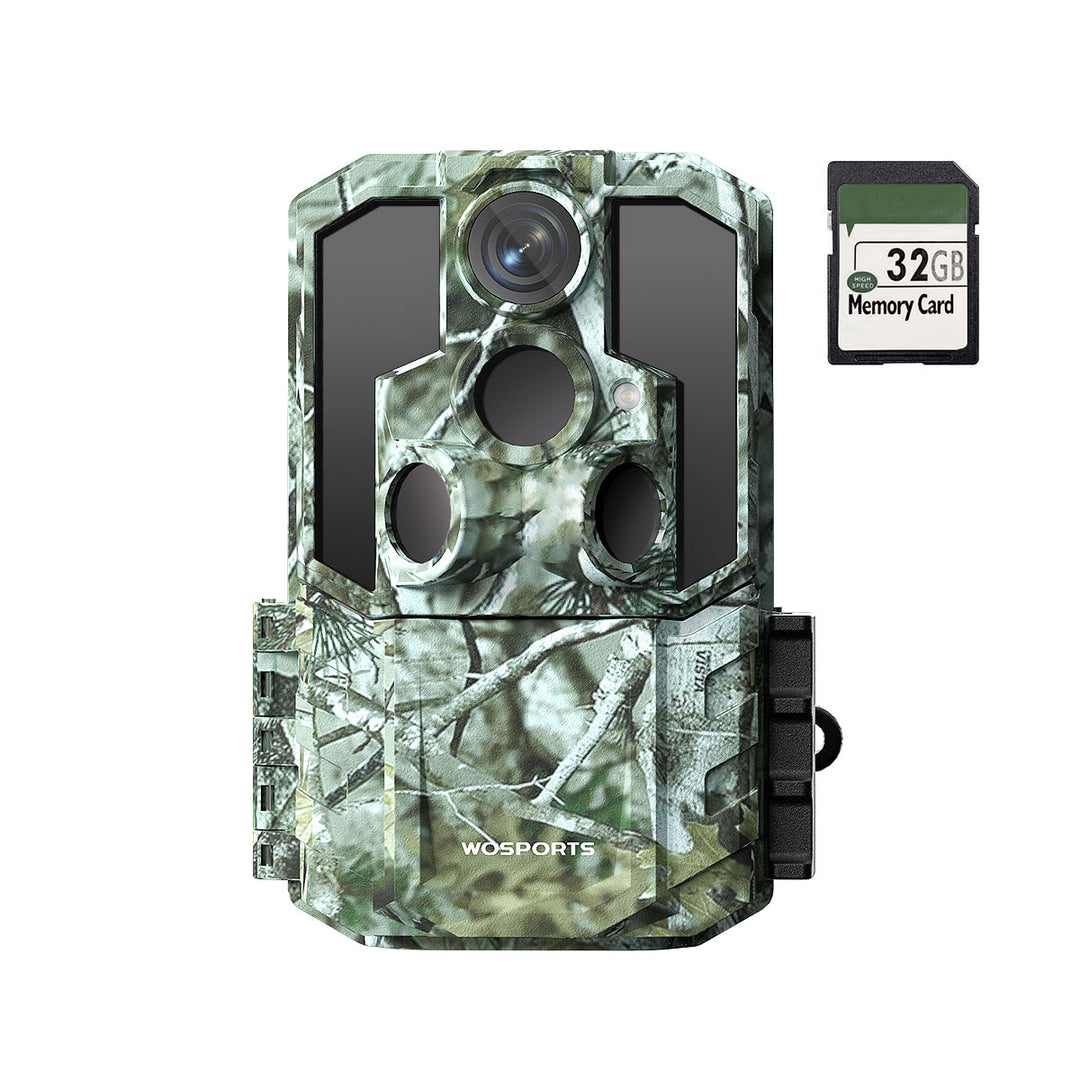
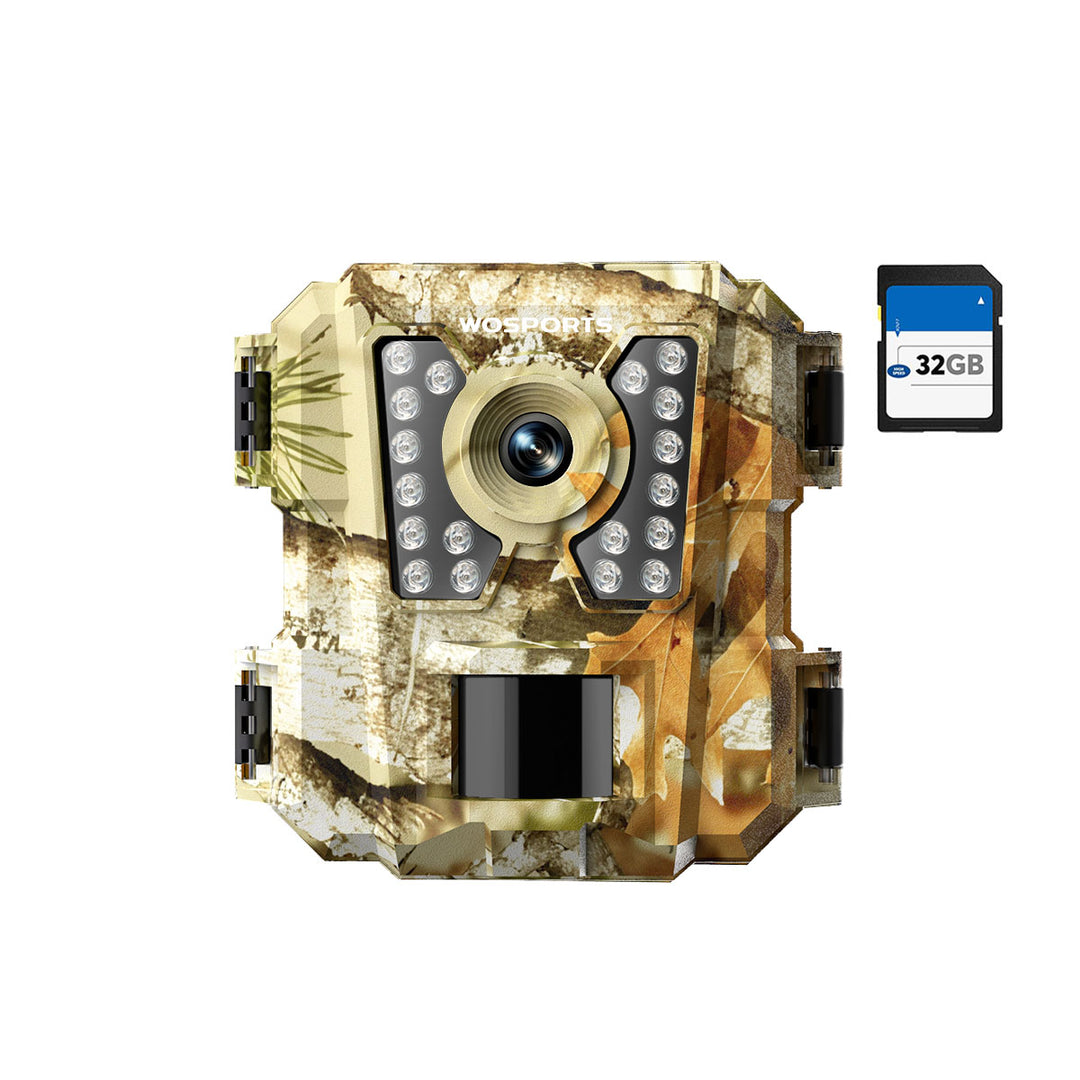
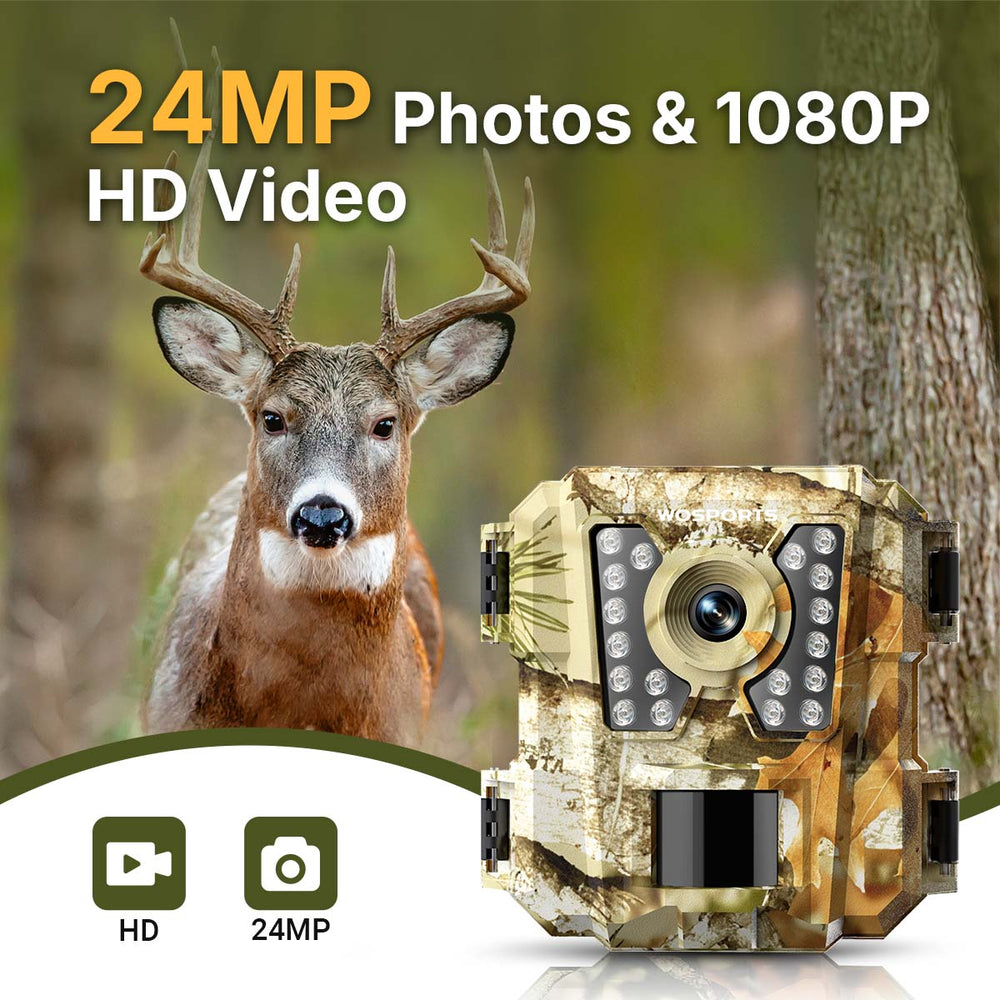
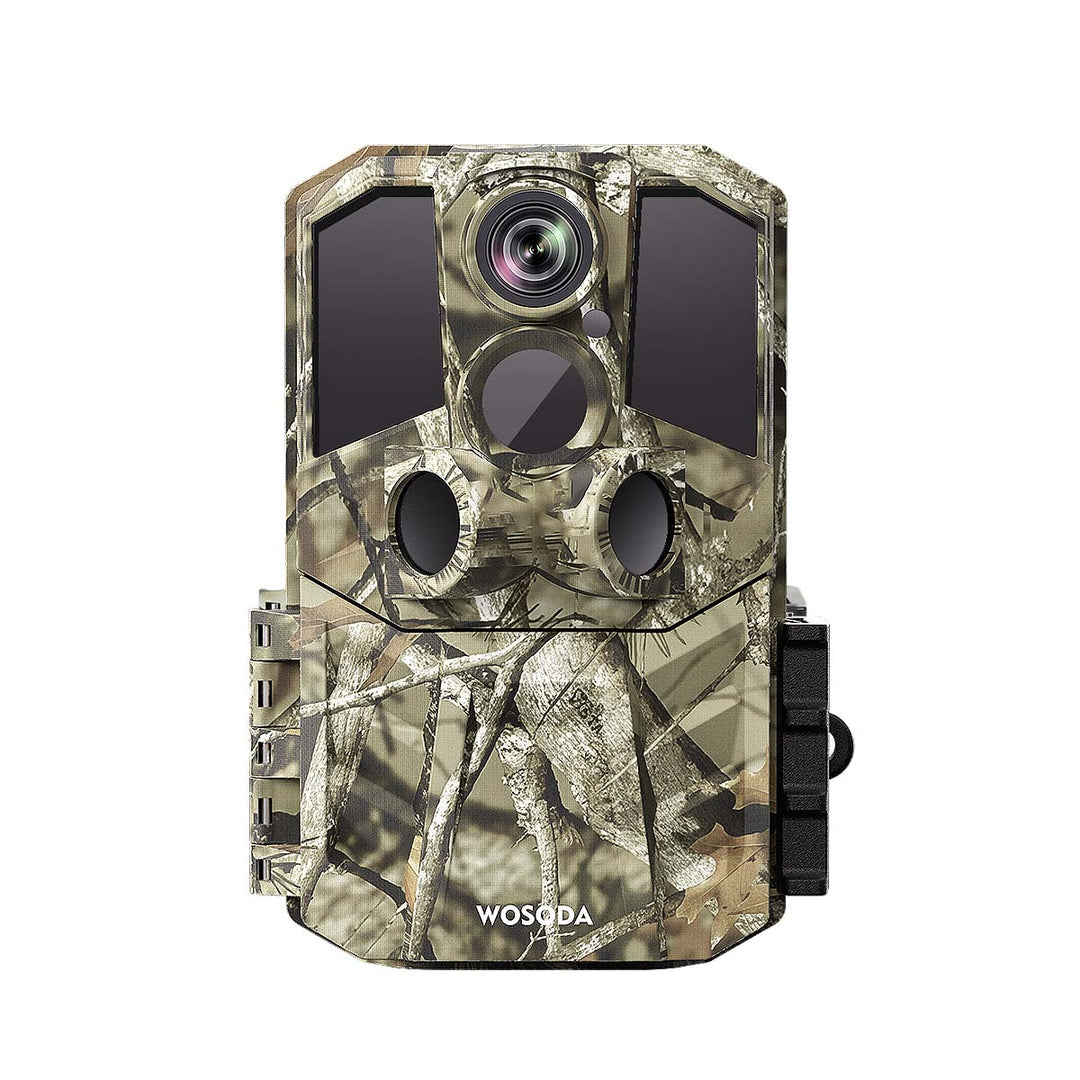
The G600 trail camera is designed for scalable deployment in large outdoor environments, making it suitable for farms, ranches, and land monitoring projects.
Key features for deployment
- 0.2s fast trigger speed → captures fast movement
- Wide PIR detection → increases coverage per unit
- Infrared night vision → 24/7 monitoring
- Long battery life → reduces maintenance
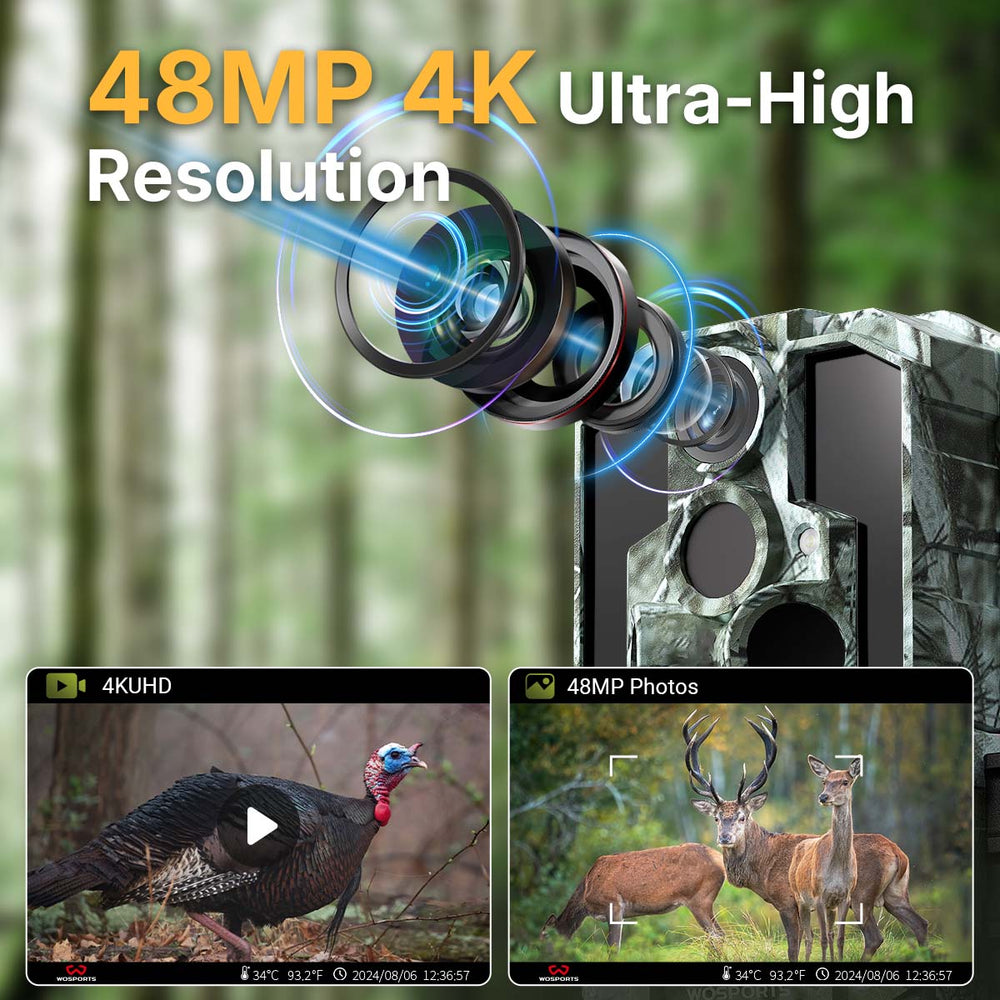
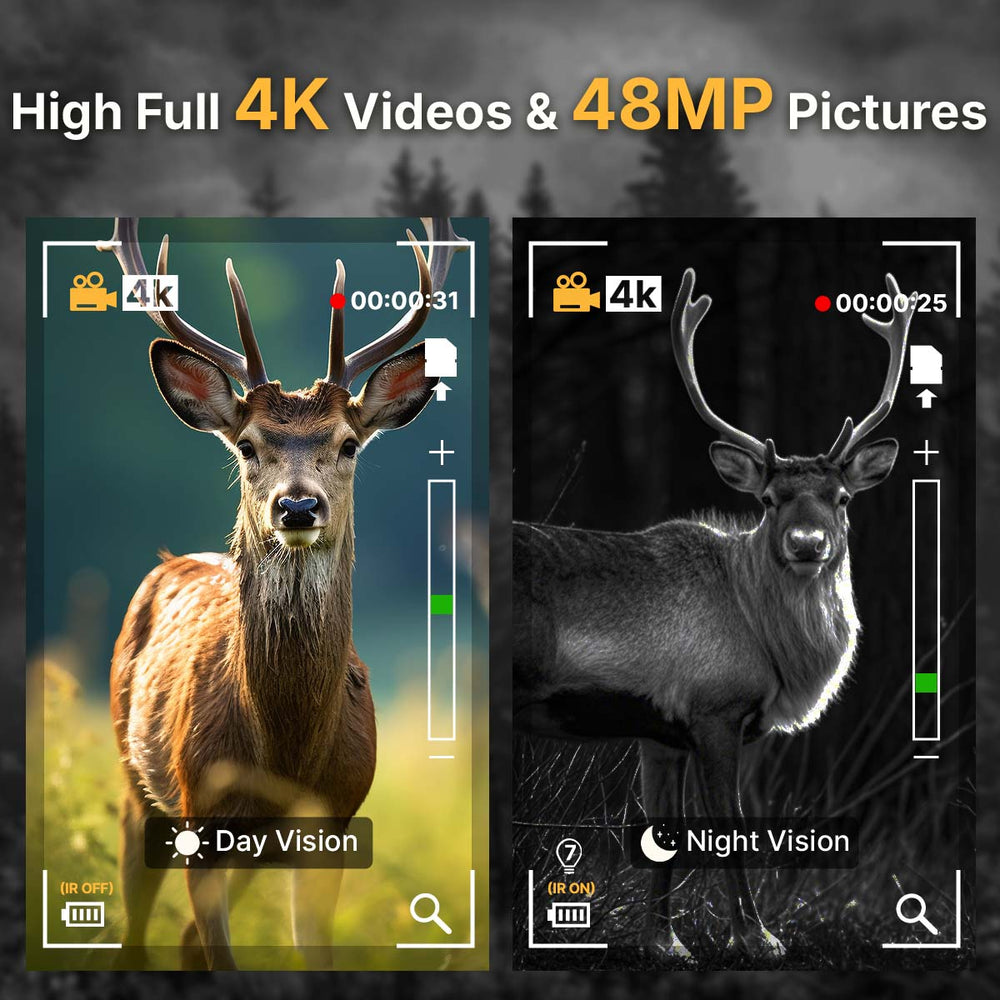
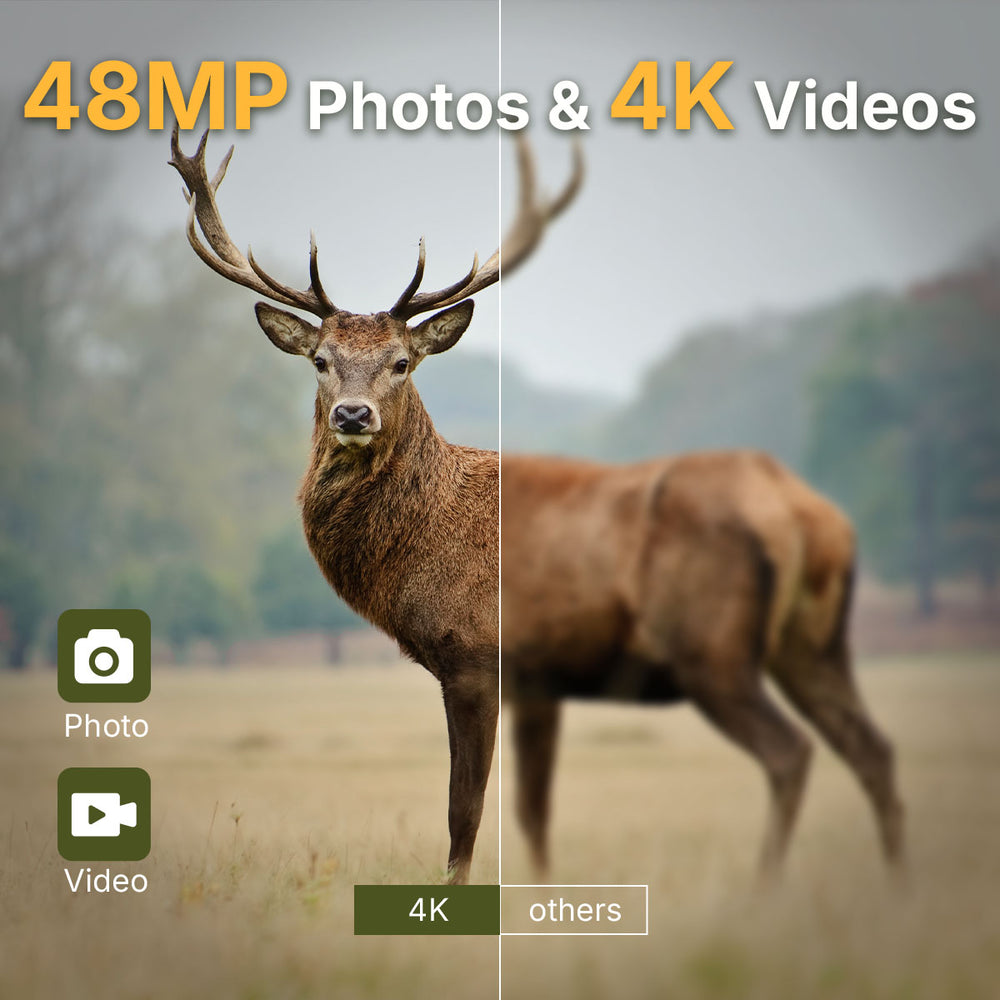
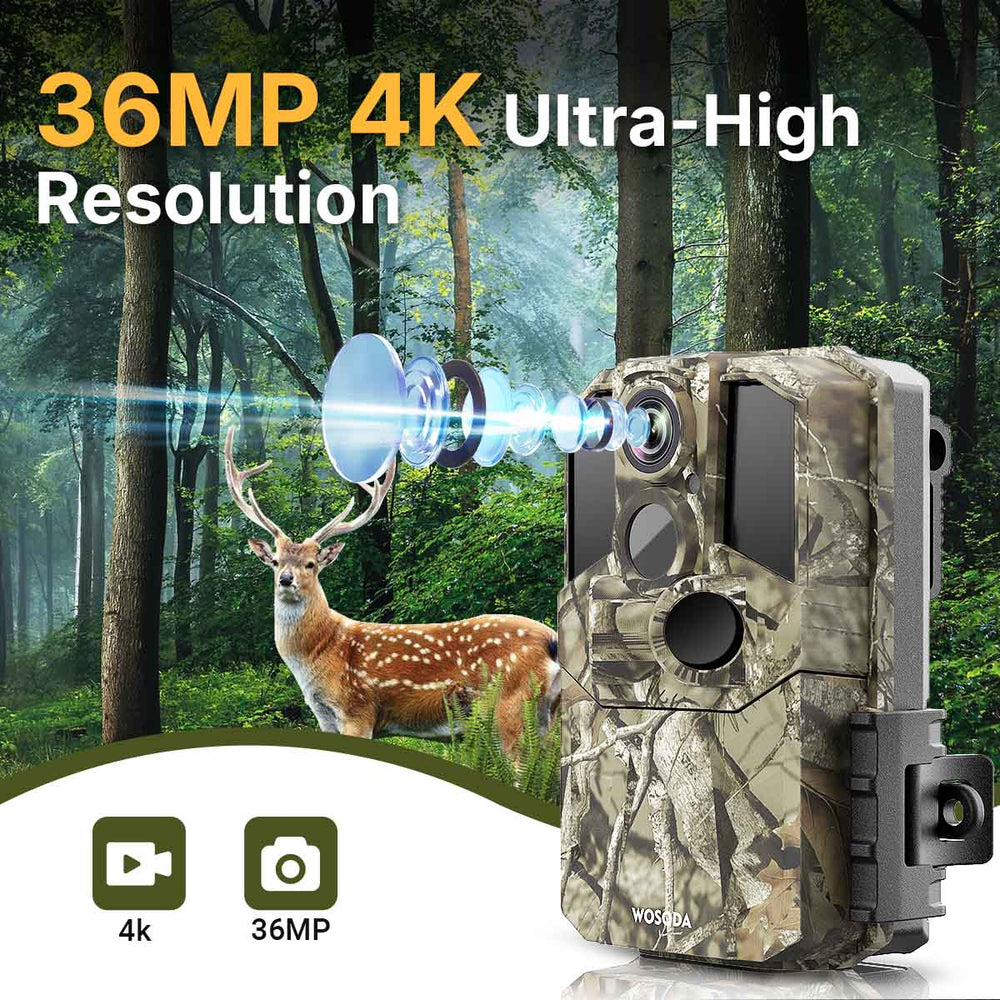
- 48MP + 4K → clear identification
Positioning insight
G600 is ideal for:
- Bulk buyers
- Agricultural distributors
- Outdoor monitoring projects
👉 Core value: Fewer units, wider coverage, lower maintenance cost
Case study: Large ranch deployment (U.S.)
A large ranch implemented trail cameras for security and livestock monitoring.
Scenario
- 150+ acres of mixed terrain
- Multiple access points and animal activity zones
Deployment
- 18 cameras initially installed
- Expanded to 26 units after optimization
Results
- 📈 Improved activity detection by 40%
- 🔋 Reduced maintenance visits by ~35%
- 🎯 Better coverage of high-risk areas
Key takeaway
- Strategic placement reduced need for excessive units
- Scalable deployment enabled phased bulk purchasing
FAQ: Trail camera deployment for large areas
How many trail cameras do I need per acre?
There is no fixed number. Focus on activity zones rather than area size.
What is the best deployment strategy?
Start with key locations, then expand based on data.
Is bulk purchase necessary?
Yes, for consistency, cost efficiency, and scalability.
What limits deployment scale?
Battery life and maintenance requirements.
Final takeaway for B2B buyers
Large-scale land monitoring is not about installing more cameras—it’s about deploying them intelligently.
Focus on:
- Strategic placement
- Detection efficiency
- Battery performance
- Scalable bulk purchasing
👉 For distributors and wholesalers, trail camera deployment represents a growing opportunity driven by large-area monitoring needs and repeat purchase demand.
Search
Popular Posts
Recent Posts


Nov 28, 2024
Troubleshooting Common Trail Camera Issues
Jan 10, 2025
Why Does My Trail Camera Stop Working at Night?