What Magnification Is Best for Night Vision Binoculars?

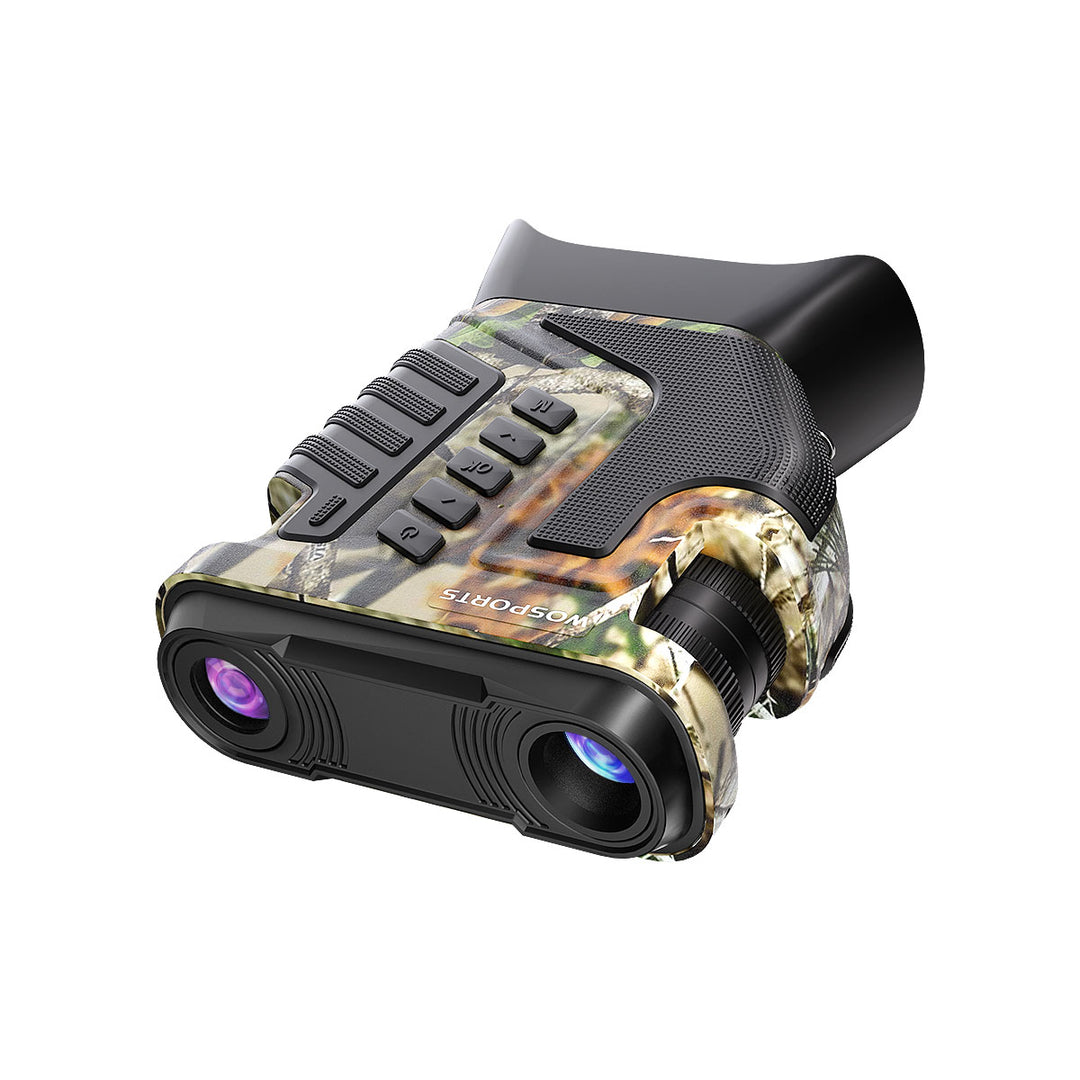
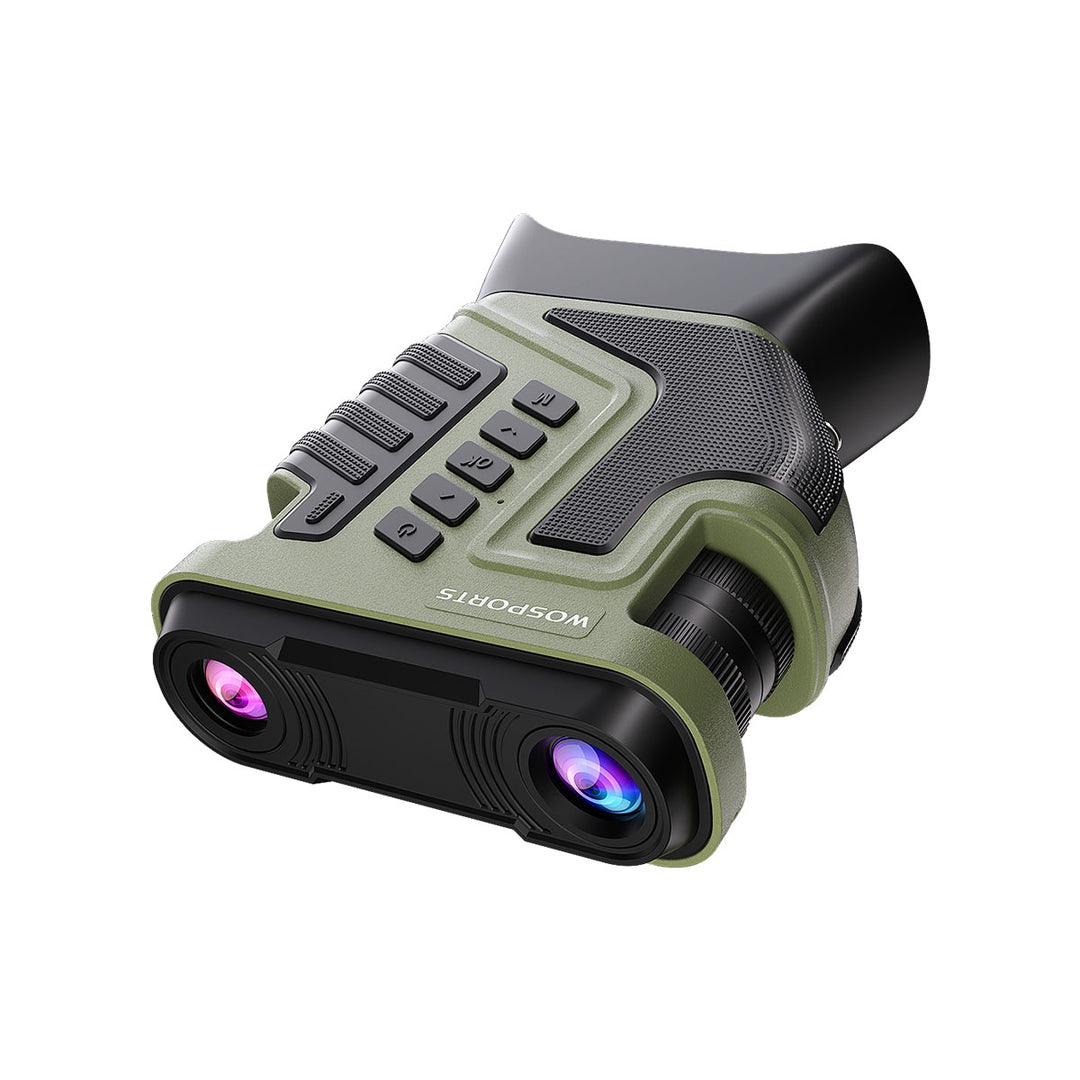
Choosing the right magnification is one of the most important decisions when buying night vision binoculars. For most outdoor observation scenarios, a moderate magnification range of 3X–8X provides the best balance between viewing distance, image stability, and low-light performance. WOSPORTS NV400 night vision binoculars are designed for users who need extended viewing capability while maintaining a clear and comfortable observation experience.

Understanding Night Vision Magnification: Why Does It Matter?

Magnification determines how close distant objects appear, but higher magnification is not always better for night observation. The ideal choice depends on viewing distance, environment, and whether users need mobility or stationary monitoring.

Unlike daytime binoculars, night vision devices rely on digital sensors, infrared illumination, and image processing. Increasing magnification affects:

  • How much detail users can see at distance
  • Image stability when holding the device by hand
  • Field of view
  • Low-light image brightness

For outdoor users, especially wildlife observers, hunters, and property monitoring professionals, the goal is not simply maximum zoom. The goal is finding the best balance between detail recognition and practical usability.

Magnification Range Best Application Advantages Limitations
1X–3X Close-range observation Wide field of view, easy tracking Limited distance
4X–8X Wildlife observation, hunting, outdoor monitoring Good balance of distance and stability Requires steady handling
10X+ Long-distance stationary viewing More detailed distant targets Narrow field of view, more image shake

For most commercial users purchasing night vision binoculars in bulk, 4X–8X magnification is often the most versatile specification because it supports multiple applications without creating unnecessary complexity.

How Does Optical Zoom Improve Long-Range Viewing?

Optical zoom provides clearer distance observation because it enlarges the image before digital processing, helping preserve more natural details.

When evaluating night vision binoculars, buyers should understand the difference between optical zoom and digital zoom.

  • Optical zoom: Uses the lens system to magnify incoming light before processing.
  • Digital zoom: Enlarges the captured image electronically, which may reduce sharpness.

For wildlife observation and outdoor surveillance, optical performance is especially important because animals are often observed:

  • At unpredictable distances
  • Under limited lighting conditions
  • Through vegetation or uneven terrain

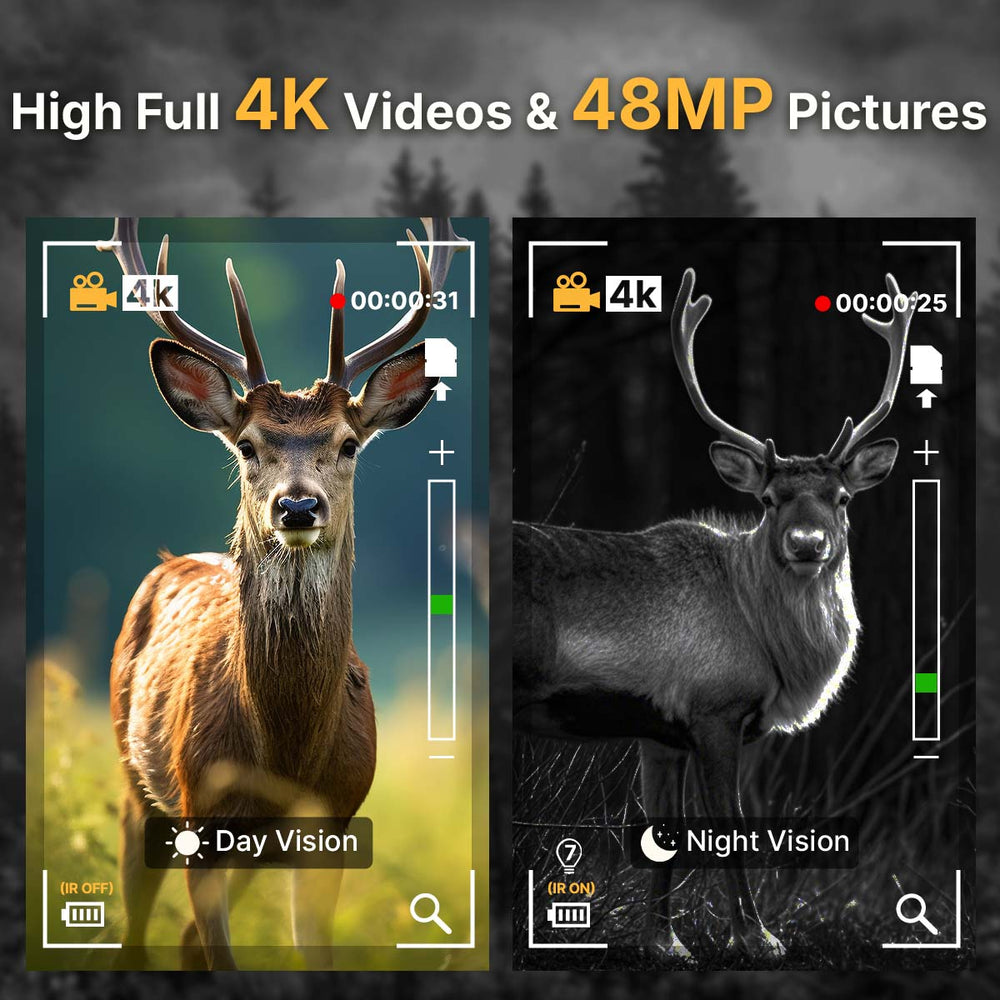
The WOSPORTS NV400 night vision binoculars combine long-range viewing capability with digital imaging technology, allowing users to capture photos and videos while observing distant targets.

Key features suitable for outdoor applications include:

  • Long-distance infrared viewing
  • Adjustable magnification for different environments
  • Digital image capture
  • Low-light observation capability

For wholesale buyers, these features make the NV400 suitable for multiple customer groups, including:

Customer Segment Common Use Case
Outdoor retailers Wildlife and camping products
Hunting stores Nighttime hunting accessories
Farm suppliers Property and animal monitoring
Nature organizations Wildlife observation equipment

What Viewing Distance Should Buyers Expect From Night Vision Binoculars?

Viewing distance depends on more than magnification. Infrared power, sensor quality, weather conditions, and target size all influence how far users can clearly observe objects.

A common mistake among buyers is selecting equipment only based on magnification numbers. A 10X device with weak infrared performance may perform worse than an optimized 5X–8X night vision system.

Important factors affecting viewing distance include:

1. Infrared Illuminator Range

Infrared illumination provides additional light that digital night vision sensors can detect.

A stronger infrared system helps users:

  • Identify animals farther away
  • Observe movement in darker environments
  • Maintain clearer images at night

2. Sensor Resolution

Higher-resolution sensors help preserve details when viewing distant objects.

For example:

  • Lower resolution may show movement but not details
  • Higher resolution helps distinguish shapes, patterns, and behaviors

3. Environmental Conditions

Viewing distance changes depending on:

  • Fog
  • Rain
  • Vegetation
  • Moonlight conditions
  • Background contrast

This means a realistic night vision specification should always consider the complete system rather than one number.

Expert Insight: Why Balanced Magnification Matters

Outdoor optics experts generally emphasize that practical observation depends on balancing magnification, field of view, and image stability.

The National Park Service highlights the importance of minimizing disturbance while observing wildlife:

“Wildlife viewing opportunities are best when animals are allowed to behave naturally without human interference.”

Source:
National Park Service (NPS)
https://www.nps.gov/subjects/wildlifehealth/wildlife-viewing.htm

This is why long-range observation tools are increasingly used for wildlife monitoring. A device that provides distance observation without requiring users to approach animals can support safer and less disruptive viewing.

Market Trend: Why Long-Range Night Observation Equipment Is Growing

Demand for night observation equipment continues to expand as more users require affordable tools for wildlife research, outdoor recreation, and property monitoring.

According to the U.S. Fish & Wildlife Service, millions of Americans participate in wildlife-related recreation activities, including wildlife watching.

Source:
U.S. Fish & Wildlife Service – National Survey of Fishing, Hunting, and Wildlife-Associated Recreation
https://www.fws.gov/program/national-survey-fishing-hunting-and-wildlife-associated-recreation

Key market observations:

Trend Impact on Buyers
Growth of outdoor recreation More demand for accessible optics
Interest in wildlife observation Increased need for night viewing equipment
Farm and property monitoring needs More demand for affordable surveillance tools

For small wholesalers, products with multiple applications often provide stronger retail opportunities because one SKU can serve different customer groups.

Why Is the NV400 a Practical Choice for Wholesale Buyers?

The WOSPORTS NV400 is designed for customers who need reliable night observation without moving into expensive professional-grade equipment.

For distributors and retailers, the NV400 offers a combination of features that match common consumer expectations:

  • Night vision capability for complete darkness
  • Infrared illumination for extended viewing
  • Photo and video recording
  • Portable binocular-style design
  • Rechargeable battery system

A balanced magnification system allows customers to use it for:

  • Wildlife observation
  • Night hiking
  • Hunting preparation
  • Farm monitoring
  • Outdoor security checks

Real Customer Application Example: Wildlife and Property Observation

Many outdoor users choose night vision binoculars because they need flexible equipment that works across different environments.

Example application:

A rural property owner uses night vision binoculars to monitor wildlife activity around fields and forest edges.

The typical setup includes:

  • Evening wildlife observation
  • Checking animal movement patterns
  • Monitoring remote areas without installing permanent systems
  • Recording interesting nighttime activity

For small retailers, this type of customer demonstrates why versatile night vision products have broader market potential.

FAQ: Choosing the Right Night Vision Magnification

Is higher magnification always better for night vision binoculars?

No. Higher magnification can reduce stability and narrow the viewing area. A moderate range such as 4X–8X is usually more practical for handheld outdoor observation.

What magnification is best for wildlife observation?

For most wildlife observation scenarios, 4X–8X provides a good balance between distance viewing and image control.

Does digital zoom replace optical zoom?

No. Digital zoom enlarges the image after capture, while optical zoom provides true magnification through the lens system.

What should wholesale buyers check before purchasing night vision binoculars?

Wholesale buyers should evaluate:

  • Magnification range
  • Infrared performance
  • Sensor resolution
  • Recording functions
  • Battery life
  • Customer application scenarios

Conclusion: The Best Magnification Depends on the Application

The best night vision binocular magnification is not the highest number—it is the one that matches real-world viewing needs.

For retailers and wholesale buyers, products with balanced specifications typically have stronger market potential. A combination of moderate magnification, reliable infrared performance, and recording capability allows products like the WOSPORTS NV400 to serve a wide range of outdoor observation customers.

When sourcing night vision binoculars for retail distribution, focusing on practical usability rather than a single specification helps buyers select products that deliver better customer satisfaction and long-term sales value.