How Do Night Vision Binoculars Perform in Fog, Rain, or Snow?
Can night vision binoculars work in fog, rain, and snow?
Short answer: Yes, modern digital night vision binoculars can still operate in fog, rain, and snow, but visibility range and image clarity may decrease depending on weather conditions.
Outdoor observation rarely happens under perfect conditions. Wildlife watchers, hunters, farmers, and property managers often need equipment that performs during early mornings, cloudy nights, winter conditions, or humid environments.
Weather affects night vision performance because infrared light interacts differently with water particles in the air.
Key factors influencing performance include:
- Fog density
- Rain intensity
- Snow accumulation
- Infrared illumination strength
- Sensor sensitivity
- Lens protection
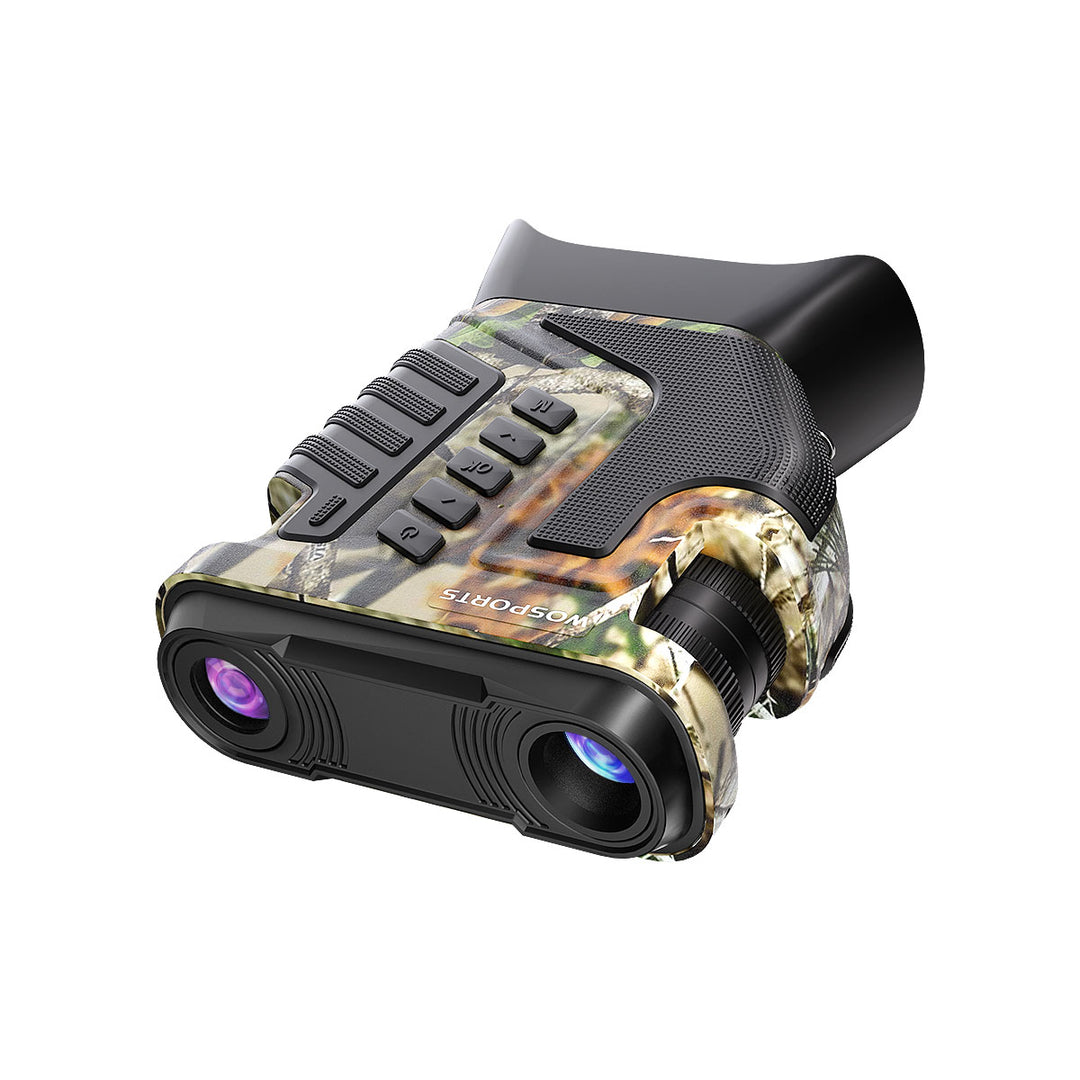
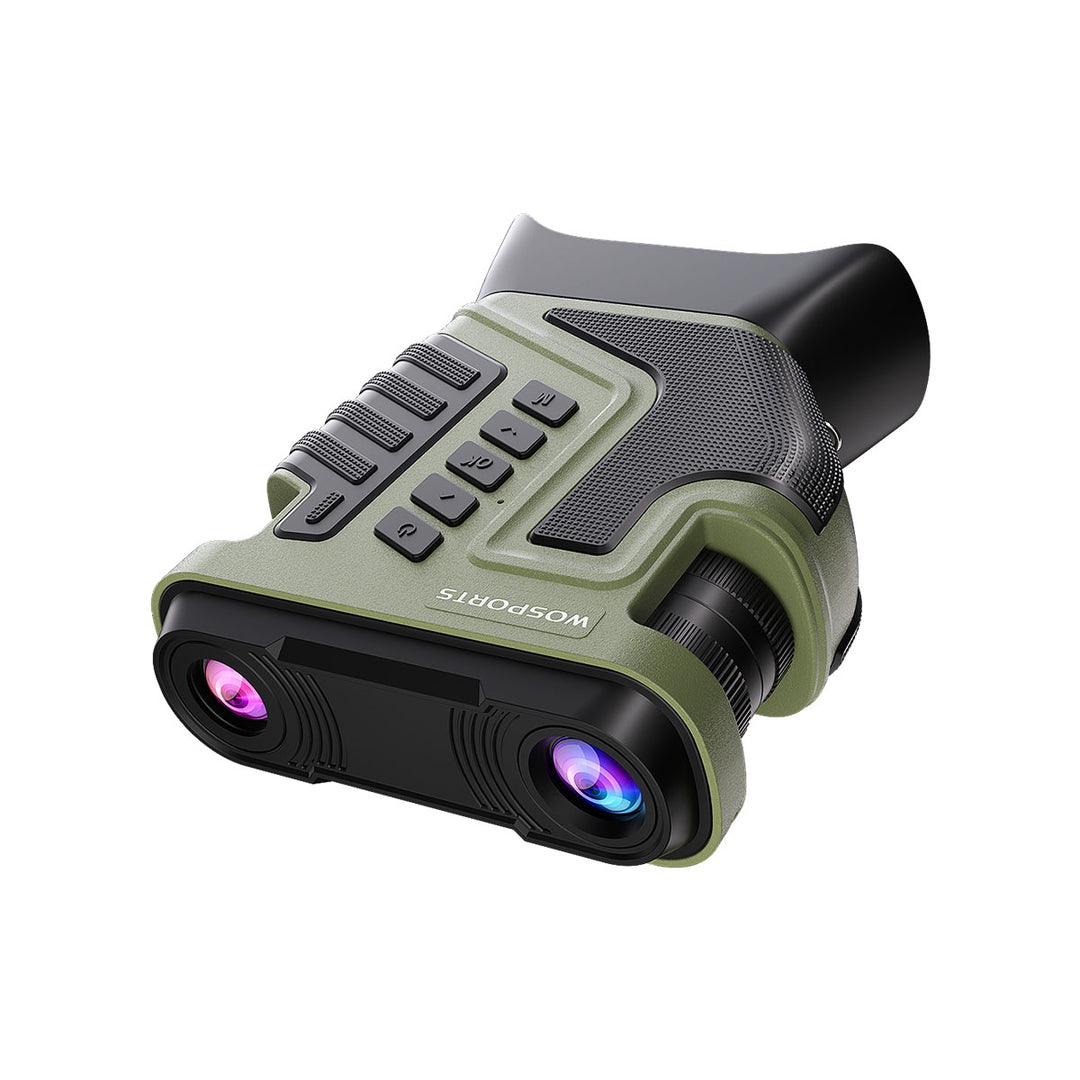
The WOSPORTS NV400 Night Vision Binoculars are designed for outdoor observation scenarios where users may encounter changing weather conditions, including wildlife monitoring, nighttime exploration, and property observation.
How does weather affect infrared imaging performance?
Summary: Infrared imaging allows night vision devices to operate in darkness, but moisture in the air can reduce infrared transmission.
Digital night vision binoculars rely on infrared illumination to create visible images at night. The infrared light travels through the environment, reflects from objects, and returns to the sensor.
However, weather conditions can interfere with this process.
| Weather Condition | Effect on Infrared Imaging |
|---|---|
| Clear night | Best infrared performance |
| Light fog | Slight reduction in contrast |
| Heavy fog | Shorter viewing distance |
| Light rain | Minor image reduction |
| Heavy rain | More infrared scattering |
| Snow | Reduced clarity depending on density |
When water droplets or snow particles are suspended in the air, they scatter infrared energy. This creates a similar effect to visible-light fog, reducing contrast and making distant objects harder to identify.
Why fog visibility is the biggest challenge for night vision binoculars
Summary: Fog has the greatest impact on night vision because water droplets scatter infrared light and reduce image contrast.
Fog is especially challenging because it creates a layer of tiny water particles between the observer and the target.
In foggy environments, users may notice:
- Reduced viewing distance
- Lower image contrast
- Less detail on distant objects
- Increased brightness around nearby objects
For example:
| Environment | Expected Performance |
|---|---|
| Clear field at night | Long-range observation |
| Light morning fog | Moderate visibility |
| Dense fog | Short-distance monitoring |
This means users should focus on realistic identification distance rather than maximum advertised range.
For wildlife observation or farm monitoring, detecting movement at shorter distances may still provide valuable information.
How rain affects night vision binocular performance
Summary: Light rain usually has limited impact, but heavy rainfall can reduce image clarity and infrared effectiveness.
Rain affects night vision performance in two ways:
- Water droplets scatter infrared light.
- Wet surfaces create additional reflections.
During light rain:
- Animals can still be detected
- Outdoor monitoring remains possible
- Image quality may remain acceptable
During heavy rain:
- Background details become less clear
- Long-distance observation becomes more difficult
- Infrared reflections may increase
For outdoor users, weather-resistant design becomes an important purchasing factor.
How snow impacts night vision observation
Summary: Snow creates unique challenges because reflective snow surfaces can affect infrared imaging.
Snow-covered environments are not always worse for night vision. In some cases, snow can improve visibility because it reflects infrared energy.
However, heavy snowfall can reduce performance.
| Snow Condition | Impact |
|---|---|
| Snow-covered ground | May improve background illumination |
| Light snowfall | Usually manageable |
| Heavy snowfall | Reduced visibility |
| Blizzard conditions | Significant limitation |
For hunters, wildlife observers, and outdoor professionals, understanding environmental conditions helps set realistic expectations.
What features improve night vision weather performance?
Summary: Reliable outdoor night vision depends on more than infrared power. Sensor quality, optics, and product design all contribute to performance.
Important features include:
1. High-quality infrared imaging
A strong infrared system helps users maintain visibility when natural light is unavailable.
Important factors:
- Adjustable infrared brightness
- Efficient sensor response
- Clear image processing
- Balanced illumination
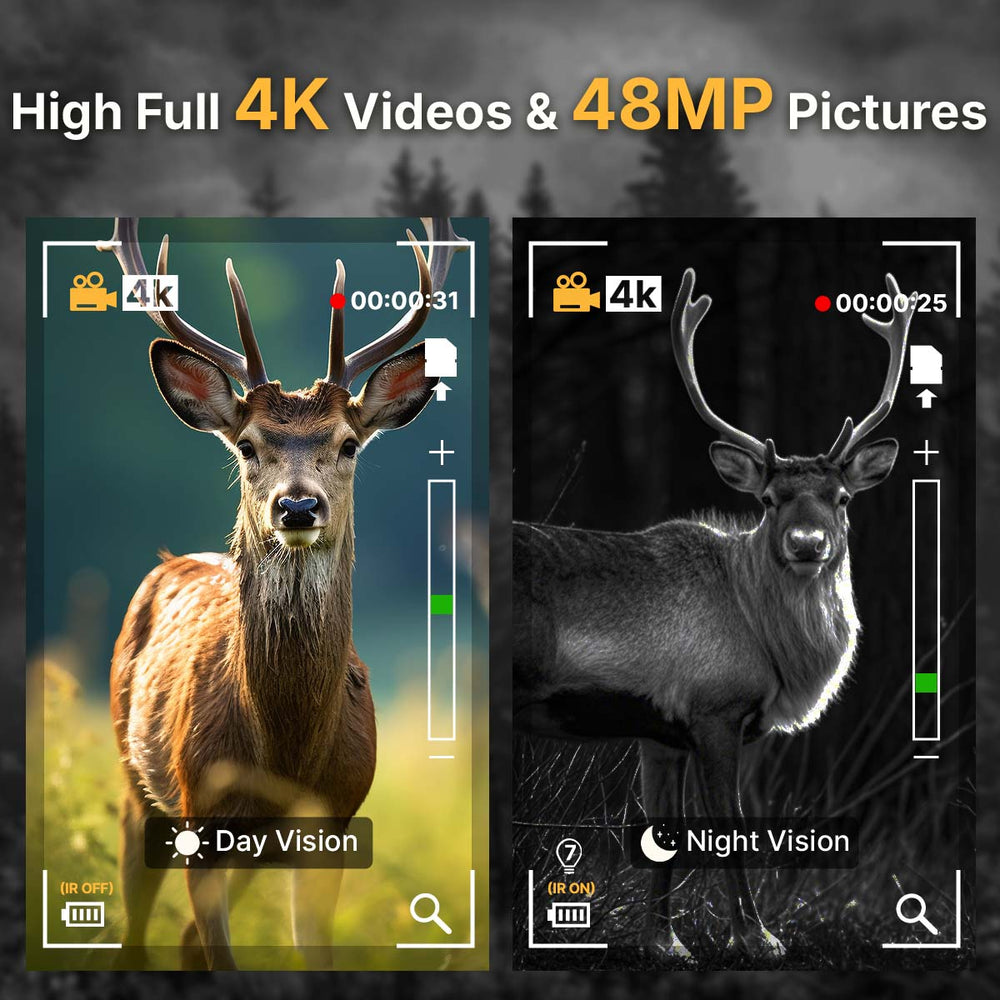
The WOSPORTS NV400 Night Vision Binoculars feature infrared imaging technology designed for nighttime outdoor observation.
2. Weather-resistant construction
Outdoor equipment needs protection from changing conditions.
Important considerations:
- Water-resistant housing
- Protected buttons
- Durable lens design
- Reliable battery compartment
These features are especially important for:
- Wildlife researchers
- Hunting equipment retailers
- Farm monitoring users
- Outdoor adventure customers
Original analysis: Why weather performance matters for outdoor equipment buyers
Summary: Buyers increasingly prefer versatile outdoor products that perform across multiple environments rather than equipment designed only for ideal conditions.
Based on outdoor equipment purchasing trends, customers are moving toward multifunctional products that support:
- Wildlife observation
- Nighttime security
- Camping exploration
- Farm monitoring
- Outdoor education
A product that performs reasonably well in different weather conditions often creates better customer value than a product optimized for only one environment.
Comparison:
| Product Priority | Customer Benefit |
|---|---|
| Strong infrared imaging | Better nighttime visibility |
| Weather-resistant design | More reliable outdoor use |
| Recording capability | Documentation of observations |
| Simple controls | Easier adoption |
For small retailers and distributors, products with broader applications often have stronger market potential.
Expert insight: wildlife observation requires adapting to conditions
Summary: Wildlife experts recommend adjusting observation methods based on weather, distance, and animal behavior.
The National Park Service highlights that wildlife observation should minimize disturbance and consider environmental conditions.
“Observe wildlife from a distance and avoid actions that change their behavior.”
Source:
National Park Service – Wildlife Viewing Guidelines
https://www.nps.gov/subjects/wildlife/wildlife-viewing.htm
Night vision binoculars support this approach by allowing observation from farther distances without using bright lights that may disturb animals.
Industry data: why outdoor observation equipment continues growing
Summary: Interest in wildlife recreation and outdoor activities continues creating demand for observation equipment.
According to the U.S. Fish & Wildlife Service, wildlife-related recreation represents a major outdoor activity category in the United States.
| Category | Market Impact |
|---|---|
| Wildlife watching | Large participation base |
| Outdoor recreation | Growing equipment demand |
| Nature observation | Increased interest in technology |
Source:
U.S. Fish & Wildlife Service
National Survey of Fishing, Hunting, and Wildlife-Associated Recreation
https://www.fws.gov/program/national-survey-fishing-hunting-and-wildlife-associated-recreation
This growth supports demand for practical wildlife optics and digital night vision devices.
Customer application example: all-weather wildlife monitoring
Summary: Outdoor users benefit from night vision devices that provide reliable performance across changing weather conditions.
A wildlife observation equipment retailer introduced the WOSPORTS NV400 Night Vision Binoculars for customers who monitor outdoor environments throughout the year.
Customer feedback highlighted:
- Reliable nighttime viewing
- Useful infrared imaging in low-light conditions
- Easy operation for beginners
- Suitable performance for wildlife observation and property monitoring
- Better flexibility compared with daytime-only optics
For distributors, products with multiple outdoor applications can reach broader customer groups.
Frequently Asked Questions
Can night vision binoculars see through fog?
Yes, but dense fog reduces visibility because water particles scatter infrared light.
Does rain damage night vision binoculars?
Weather-resistant night vision devices can handle light rain, but heavy rainfall may reduce image quality.
Is snow good or bad for night vision?
Snow can sometimes improve visibility by reflecting infrared energy, but heavy snowfall reduces clarity.
What matters more: infrared power or image quality?
Both matter. Strong infrared illumination helps, but sensor quality and image processing determine final image clarity.
Are night vision binoculars suitable for year-round outdoor use?
Yes. With proper weather-resistant design, digital night vision binoculars can support wildlife observation, outdoor monitoring, and recreational activities throughout different seasons.
Conclusion
Night vision binoculars can perform effectively in fog, rain, and snow when users understand how weather affects infrared imaging and viewing distance.
While extreme weather conditions naturally reduce visibility, modern digital night vision technology provides valuable advantages for outdoor observation.
The WOSPORTS NV400 Night Vision Binoculars offer a practical combination of infrared imaging, recording capability, and outdoor usability, making them suitable for wildlife observers, outdoor retailers, farm monitoring customers, and professional users looking for reliable nighttime viewing solutions.
Search
Popular Posts
Recent Posts


Nov 28, 2024
Troubleshooting Common Trail Camera Issues
Jan 10, 2025
Why Does My Trail Camera Stop Working at Night?