Are Rangefinders Legal in Pro Tournaments
For years, the use of distance-measuring devices (DMDs) in professional golf tournaments was a topic of hot debate, often prohibited. However, the landscape of golf technology and its integration into the professional game has evolved significantly. This article will clarify the current rules regarding rangefinders in professional tournaments, helping golfers understand what's permitted and why certain features are designed with competitive play in mind.
The Evolution of Distance Measuring Devices in Golf
Historically, professional golfers and their caddies relied on yardage books, sprinkler heads, and visual estimations to determine distances. The introduction of laser rangefinders brought a new level of precision to amateur golf, but their adoption in professional circuits was slower and more cautious.
The governing bodies of golf, the USGA and The R&A, are committed to preserving the integrity and challenge of the game. They carefully consider how technology might impact the "skill and judgment" aspects of golf.
The Current Rule: When Rangefinders ARE Legal
As of 2019, under Rule 4.3a of the Rules of Golf, distance-measuring devices are generally permitted in professional tournaments, with specific limitations. This was a significant shift, aimed at improving the pace of play and providing players with more information.
The core principle is this: A player may use a device to measure distance or direction (like a compass).
However, there's a crucial restriction: A player must not use any electronic device to gauge or measure other conditions that might affect play (e.g., wind speed, gradient, temperature, etc.).
This distinction is vital for understanding what features are permissible.
The "Slope" Clause: The Key Disqualifier (and Solution)
The most common feature that can make a rangefinder illegal for tournament play is slope compensation.
-
What Slope Does: Slope functionality calculates the "plays like" distance by factoring in elevation changes. For example, if you're hitting uphill, the playing distance will be longer than the direct line-of-sight distance.
-
Why It's Restricted: The governing bodies view the calculation of playing distance based on gradient as providing an unfair advantage by eliminating a significant element of judgment from the player. It falls under the "other conditions that might affect play" clause.
The Solution: The Slope Switch
Recognizing the popularity and utility of slope functionality for practice rounds and casual play, many rangefinder manufacturers, including WOSPORTS, have integrated a solution: a slope on/off switch.
This switch allows golfers to easily disable the slope feature, making the device compliant with tournament rules. When the slope function is off, the rangefinder acts as a standard distance-measuring device, providing only line-of-sight distances.
"The ability to toggle the slope function on or off is absolutely essential for professional golfers and serious amateurs competing in sanctioned events," explains veteran PGA Tour caddie, John 'Bones' Walton. "For practice rounds, slope is invaluable for learning a course's elevation changes. But come game day, it has to be off, and officials often check for that visible switch."
WOSPORTS L06 Golf Rangefinder: Designed for Versatility
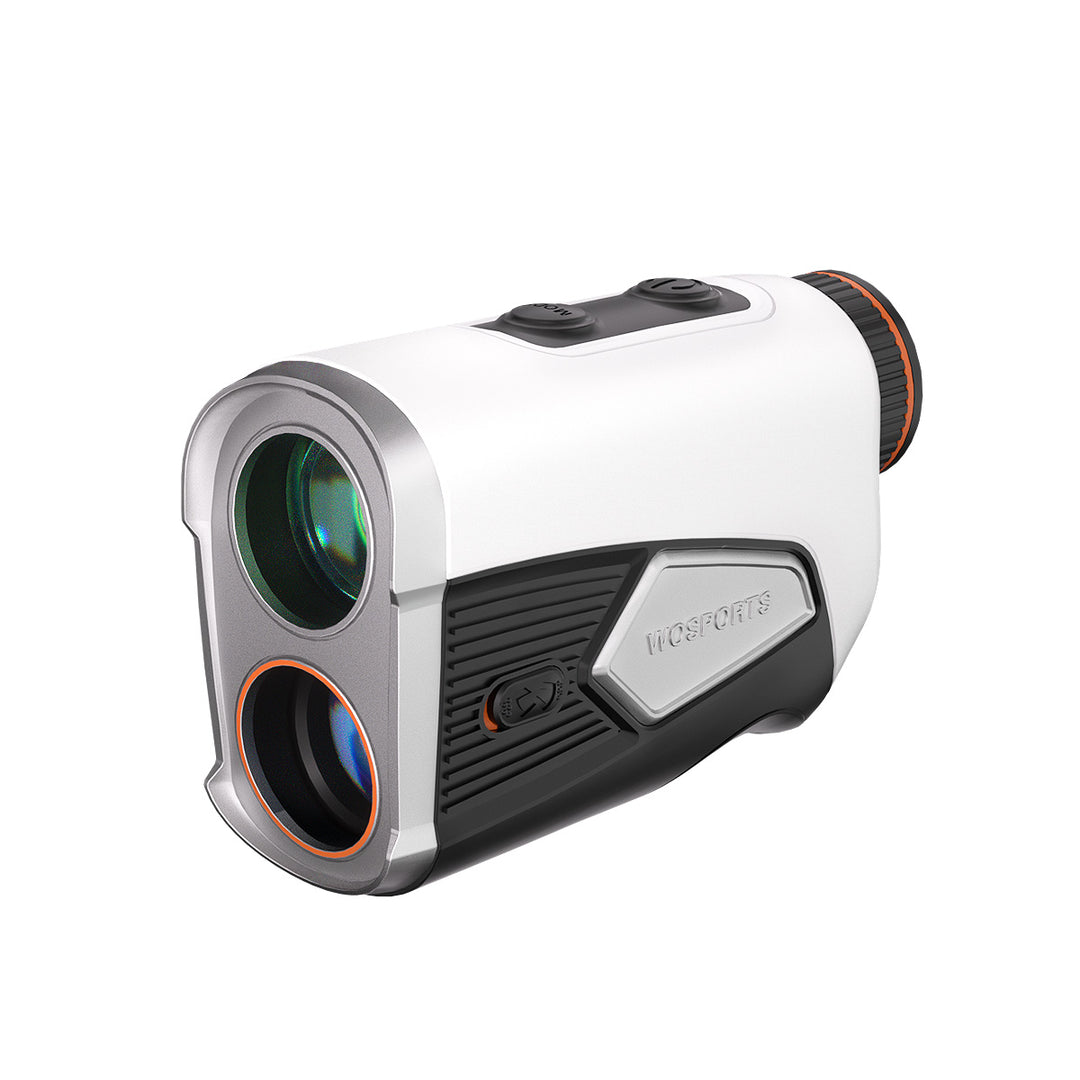
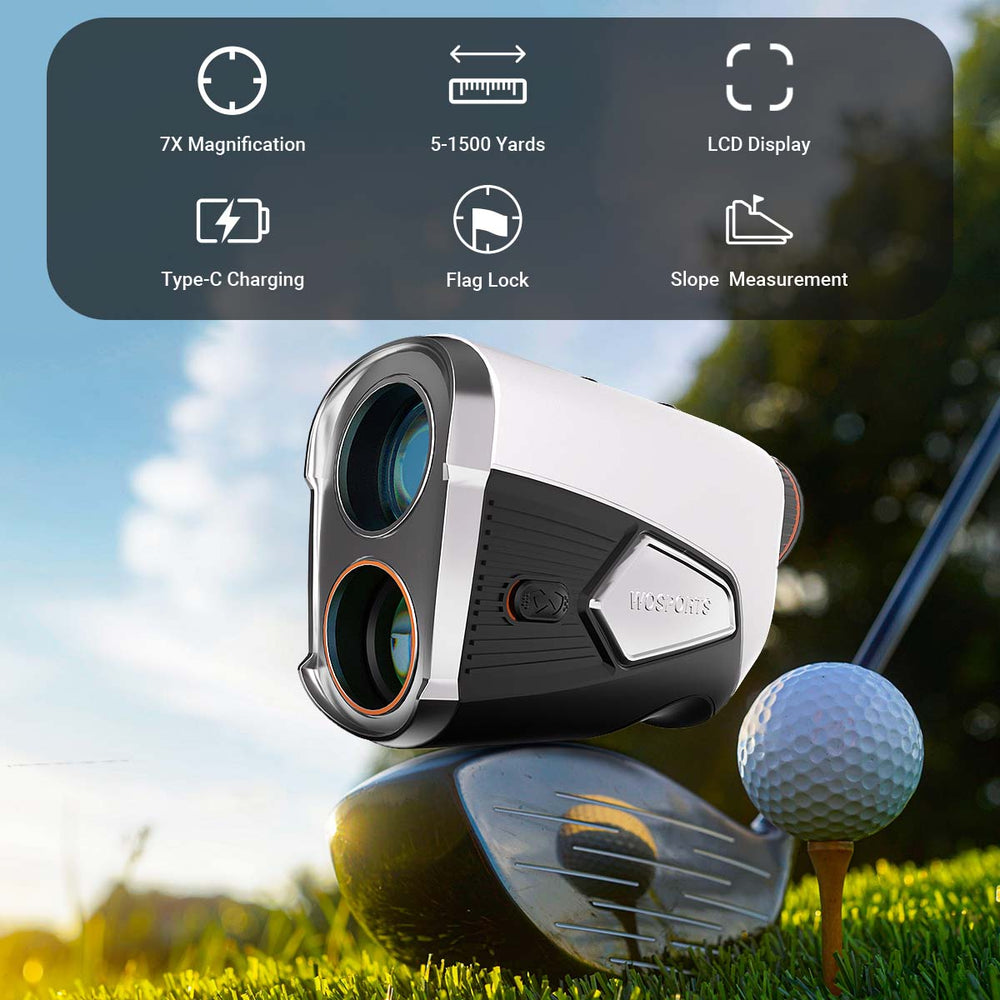
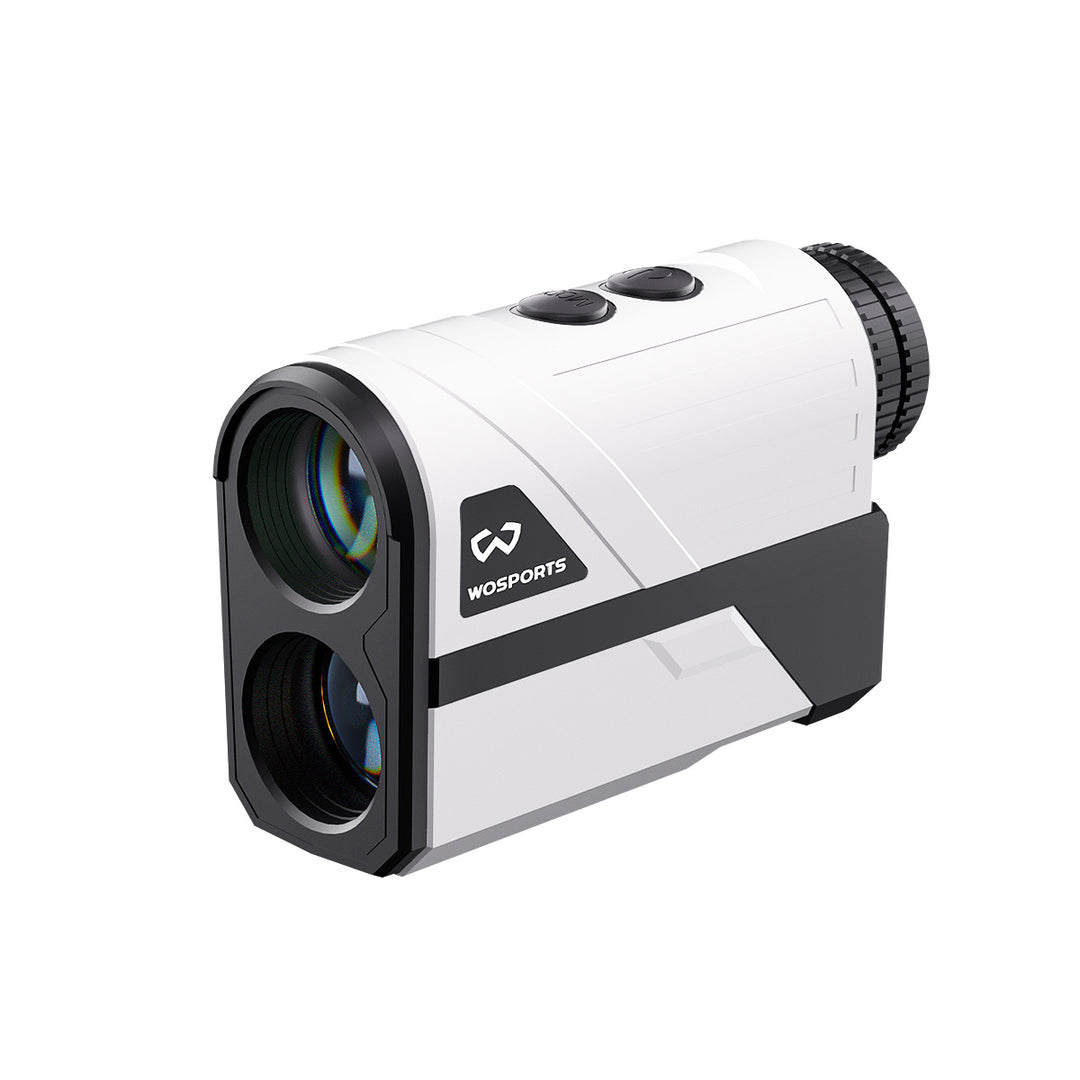
The WOSPORTS L06 Golf Rangefinder is an excellent example of a device engineered to meet the needs of all golfers, including those who compete professionally. It incorporates features that are highly beneficial for improving your game, while also ensuring compliance with the rules when necessary.
How the WOSPORTS L06 Meets Tournament Requirements:
-
Clear Slope Switch: The L06 features an easily accessible and visible slope on/off switch. This allows players to quickly and confidently disable the slope compensation feature before a competitive round, making the device entirely legal for tournament play.
-
Accurate Line-of-Sight Measurement: When the slope is off, the L06 provides precise line-of-sight distances (with ±0.5 Yd accuracy), which is all that's permitted and needed in competition.
-
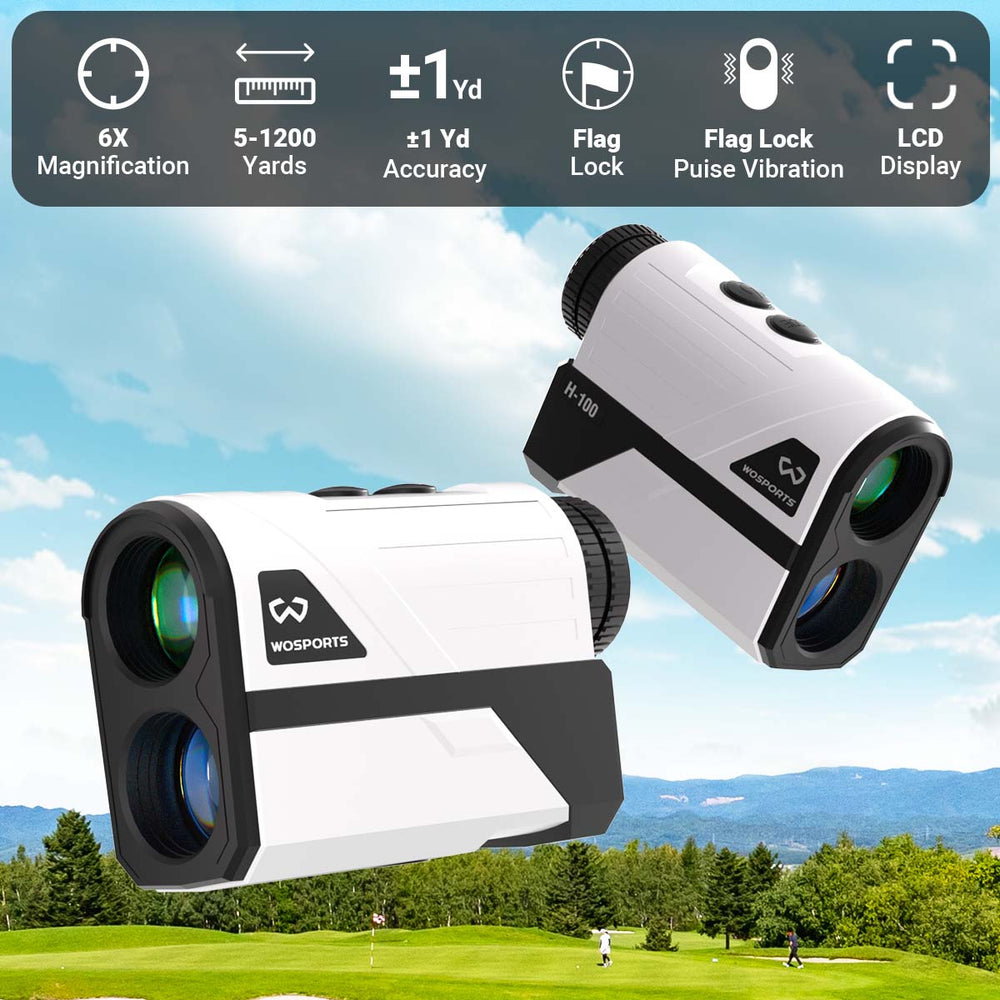
Flag-Lock Vibration: The L06's flag-lock technology with vibration feedback is perfectly legal and incredibly helpful. It ensures you're measuring to the flagstick and not a tree behind it, providing confidence in your yardage without providing any prohibited "conditions affecting play" information.
-
Optimal Magnification (7x) & Display (OLED Red): These features enhance usability by offering clear visuals and bright readouts, assisting players in quickly obtaining distances without relying on rule-breaking calculations.
This thoughtful design makes the WOSPORTS L06 a versatile tool – a powerful training aid for understanding elevation effects, and a compliant distance-measuring device for competitive rounds.

Key Takeaways for Pro Tournaments
-
Distance Measurement is Generally Allowed: Rangefinders can be used to measure pure distance.
-
No "Conditions Affecting Play": Features like slope compensation, wind speed, or temperature readings are strictly prohibited during competitive play.
-
The Slope Switch is Your Friend: If your rangefinder has a slope function, ensure it has a visible and functional switch to turn it OFF.
-
Always Check Local Rules: While the USGA and R&A rules are generally adopted, always double-check the local rules or tournament committee guidelines for any specific event, as committees can institute their own local rule prohibiting DMDs entirely if they choose.
In conclusion, rangefinders like the WOSPORTS L06 are indeed legal in professional tournaments, provided their slope function is disabled. This integration of technology allows players to improve pace of play and gain accurate distances, while still preserving the skill and judgment required to navigate the complexities of the golf course.
Search
Popular Posts
Recent Posts


Nov 28, 2024
Troubleshooting Common Trail Camera Issues
Jan 10, 2025
Why Does My Trail Camera Stop Working at Night?