Best Golf Range Finder for the Money in 2026 — Value-Driven Picks & Practical Tips
Summary: Finding the best golf range finder for the money means combining accuracy, usability, and consistent performance, not just going by price tag or brand name. This guide walks through what really matters, explains golf rules on distance-measuring devices, highlights golf laser vs GPS performance, and integrates real testing insights from Golf Monthly on an accessible laser rangefinder — all in a reader-friendly format with clear source links.
What “Best Golf Range Finder for the Money” Really Means
Summary: A cost-effective golf rangefinder should deliver reliable yardages, effective pin detection, and ease of use without unnecessary expense — especially for recreational golfers.
When golfers search for best golf range finders or best rangefinder golf, the focus is typically on:
-
📍 Accurate reading to pin/flag (often within ±1 yard on visible targets)
-
📋 Fast target acquisition so you can keep pace on the course
-
🔄 User-friendly controls and ergonomics
-
🔌 Efficient power/charging for rounds without fuss
Modern budget and mid-tier lasers are now performing at levels that once belonged only to premium models — making value a real priority for most golfers today. Savings don’t have to come at significant performance sacrifice. (Industry and buying guides, including WOSPORTS content)
Understanding Golf Rules on Distance Devices
Summary: In most casual play and many competitions, laser rangefinders are allowed when configured appropriately — but certain functions must be disabled for official play.
Golf’s governing body (USGA and R&A) clarifies that distance-measuring devices (DMDs) may be used if a Local Rule permits them, and they are limited to measuring distance only. They must not provide advice or additional environmental data during a round to comply with official rules. source: https://www.usga.org/equipment-standards/usgara-joint-statement-on-electronic-devices-including-distancemeasuring-devices-21474847526.html
Practically, this means:
✔ You can use devices that measure yardage if allowed by local course rules
✔ Extra features (like slope, wind, or club advice) must be disabled to stay legal in competition play
✔ Even built-in functions that are capable of slope calculation must not be accessed during a stipulated round
For most casual players and weekend rounds, value rangefinders offer the distance readings you need without complicating rule compliance. For tournament rounds, simply use them in “distance-only” mode. source: https://support.golfpadgps.com/support/solutions/articles/6000236965-using-golf-gps-and-distance-measuring-devices
Laser vs GPS: Why Lasers Excel at Measured Yardages
Summary: Laser rangefinders typically provide tighter accuracy than GPS tools — especially for target-specific measurements like pin distance.
Laser rangefinders send a focused beam and measure how long it takes to reflect back, giving very precise distance to the target (often within ±1 yard when pointed at a flag). GPS watches and handheld units, on the other hand, rely on satellite-derived mapping and often vary by several yards around greens and hazards. source: https://golfgpsauthority.com/golf-laser-rangefinder-vs-gps-watch/?utm_source=chatgpt.com
| Feature | Laser Rangefinder | GPS Device |
|---|---|---|
| Accuracy to Flag | ±1 yard | ~±3-5 yards |
| Precision | High for specific targets | Broad course points |
| Ease of Use | Aim and click | Continuous satellite data |
Golfers seeking precision on approach shots and club selection often find laser rangefinders represent better value for money, especially at sub-$300 price points offered by many newer models.
Everyday Value: Real-World Performance at Accessible Prices
Summary: You don’t have to spend top dollar to get solid rangefinder performance; many mid-tier and budget units deliver reliable measurements that help you play better.
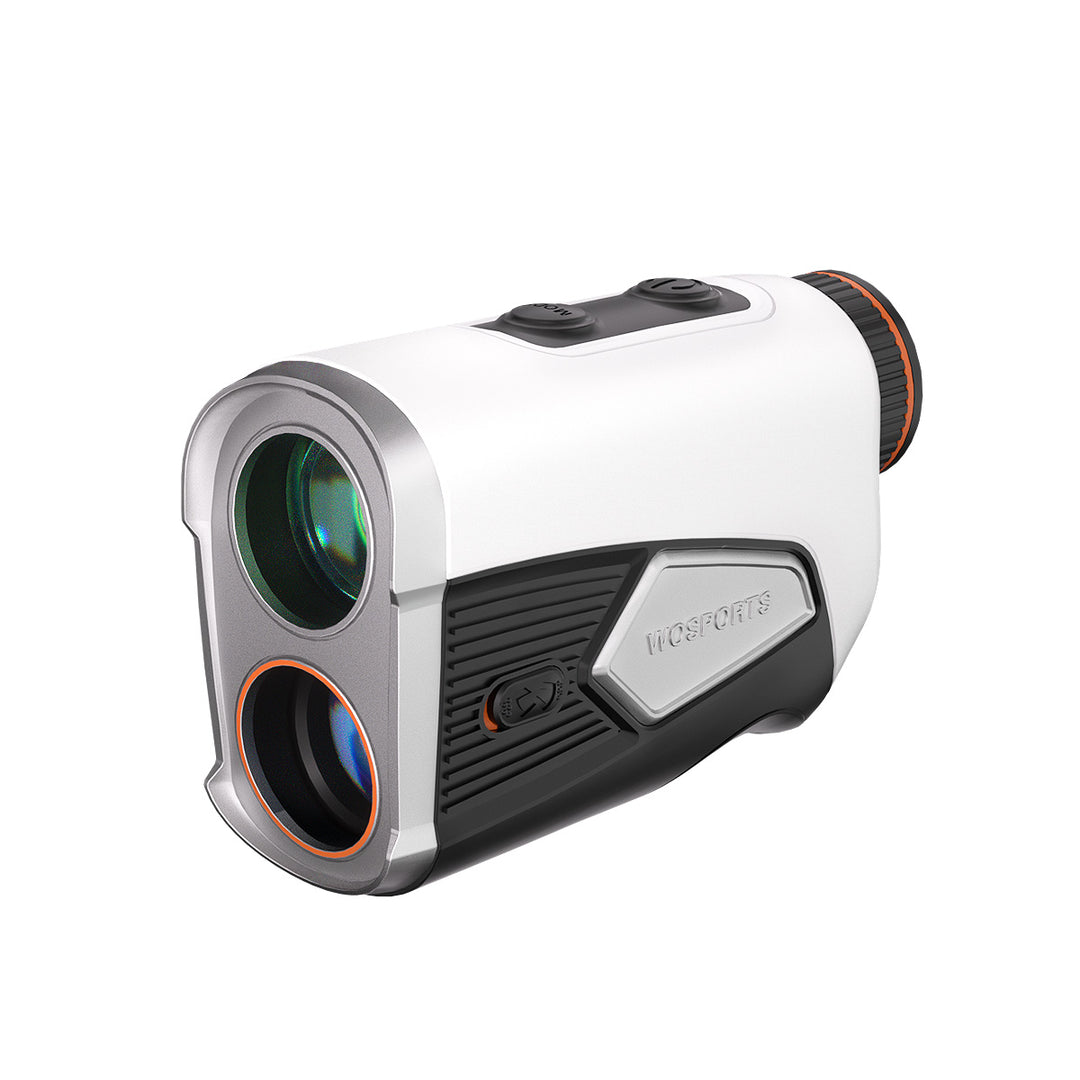
In an independent evaluation by Golf Monthly, a well-priced laser golf rangefinder was tested in real course settings. The reviewer found:
-
🏌️♂️ Accurate distances often within a couple of yards of premium models up to ~300 yd away
-
👁️ Clear target recognition, especially flags versus background clutter
-
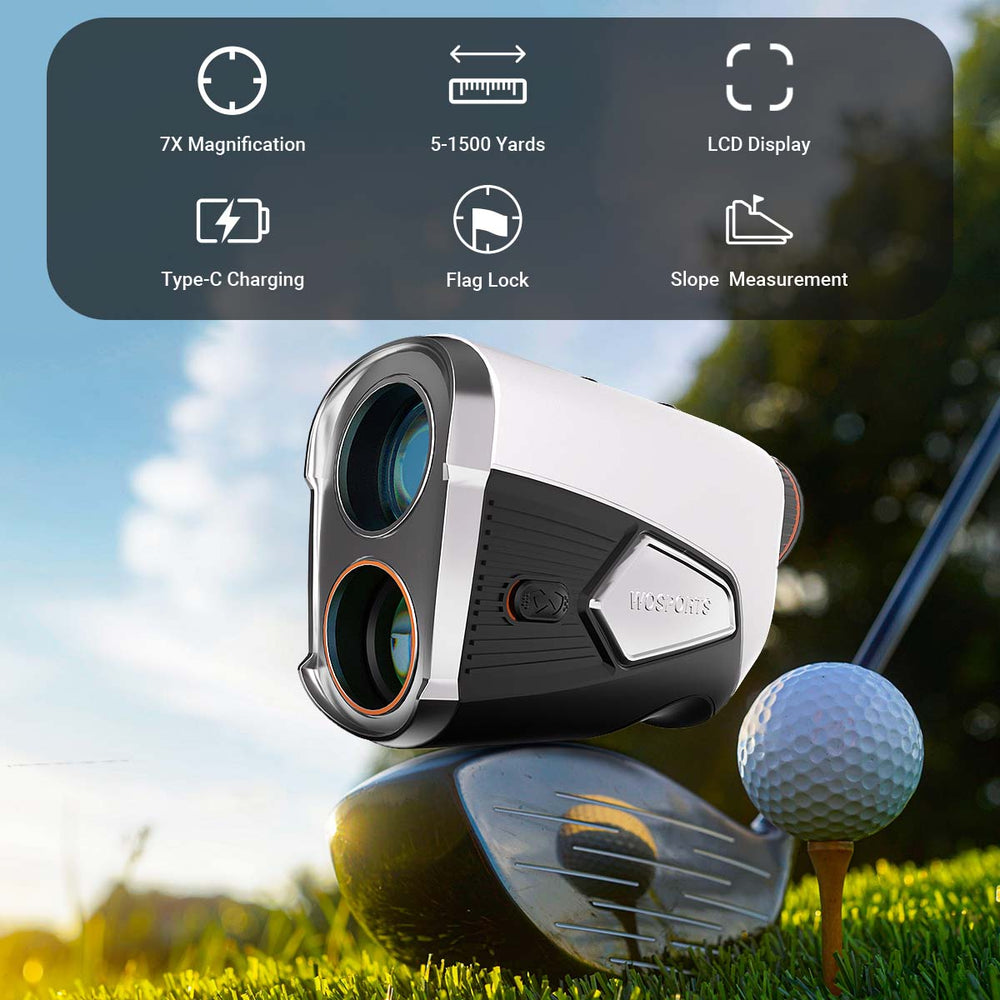
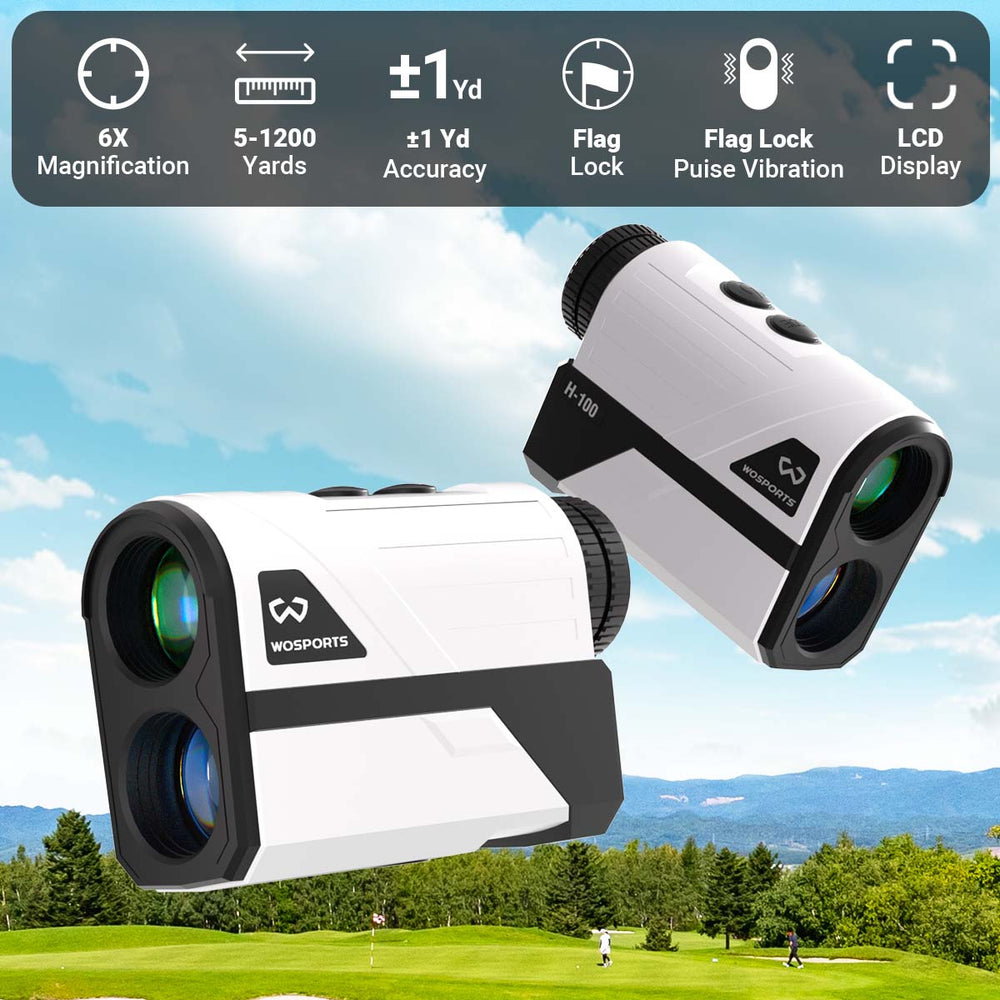
📱 Helpful practical features like vibration flag-lock confirmation and USB-C charging enhancing everyday usability
-
🪶 Some minor button-function quirks (e.g., slope mode behavior) that don’t materially affect basic yardages
This type of outcome shows that value-oriented rangefinders can punch well above their price class and deliver the essentials golfers seek in a best golf range finder for the money. source: https://www.golfmonthly.com/reviews/laser/wosports-golf-rangefinder-review
Expert Insight: What Matters Most
Summary: Golf gear experts often tell players that ease of use and consistency in yardage reading are more important than extra features when defining value.
Industry evaluations emphasize that while advanced features (like built-in GPS mapping, dynamic shot tracking, or cross-platform connectivity) are nice, they aren’t necessary for improved performance — especially if your main goal is accurate distance to the pin and simple decision-making on approach shots. This prioritization aligns with how many golfers actually use their tools round after round.
Real Golfer Experiences: How Good Value Rangefinders Help Play
Summary: Everyday golfers increasingly find that even budget-friendly lasers help reduce uncertainty and improve confidence on the course.
Here are anecdotal impressions shared by golfers familiar with budget lasers:
-
Players report their inexpensive optics producing yardages within a yard or two of well-known premium brands. (Reddit threads on community impressions) source: https://www.reddit.com/r/golf/comments/ugttfj/best_range_finder_and_best_for_the_money/
-
Others mention consistent results over multiple rounds, reducing guesswork in club selection and saving strokes compared with pacing alone. (Community feedback on laser use) source: https://www.reddit.com/r/golf/comments/lm4f52/too_good_to_be_true/
These real-world experiences confirm that accuracy and reliability matter far more to the value equation than brand prestige alone.
Soft Product Integration: Everyday Play Made Easier
Summary: When choosing a rangefinder, balance core features like target clarity and yardage consistency over premium bells and whistles — useful guidance for value-minded golfers.
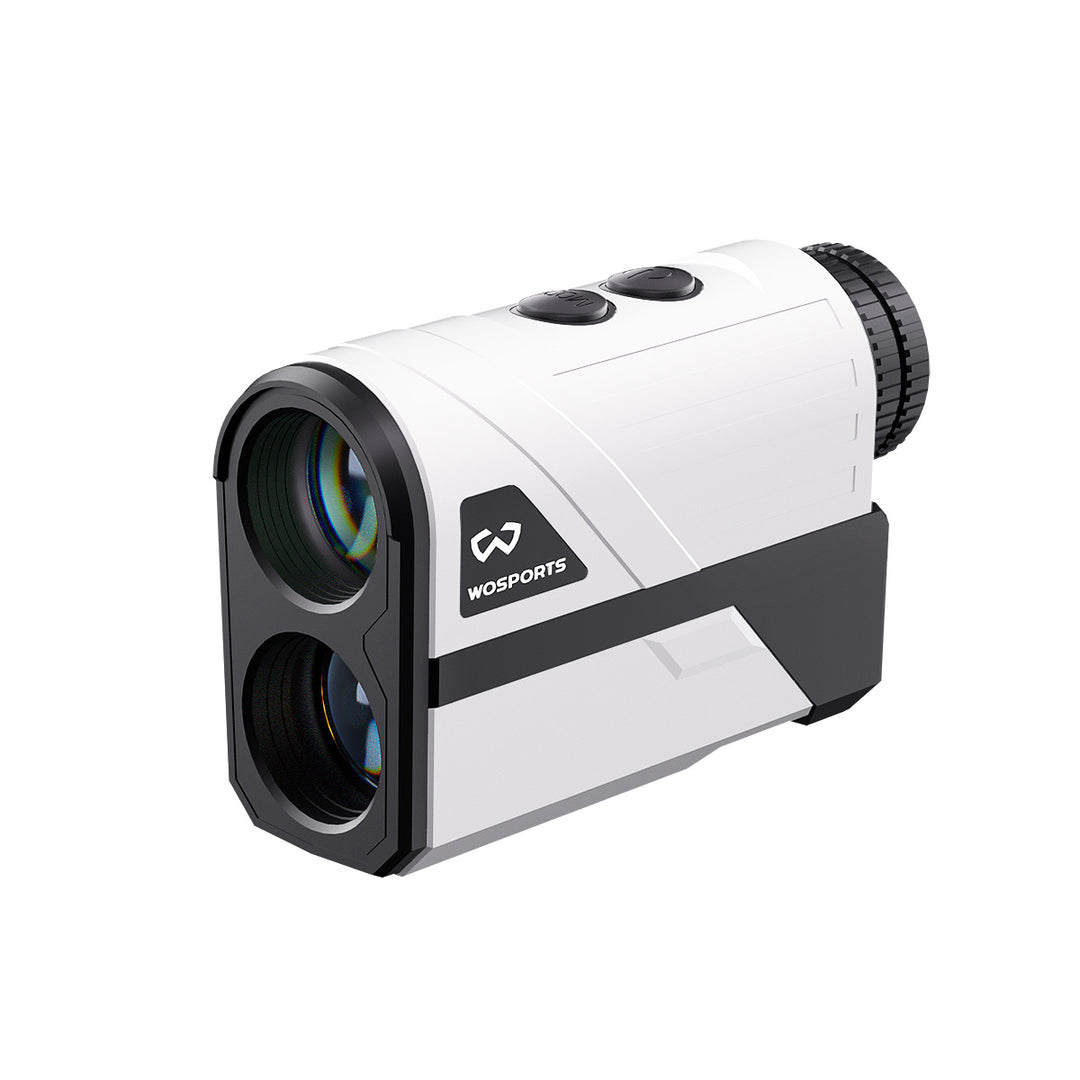
For example, many golfers exploring value picks today find that devices with clear pin detection, intuitive button controls, and dependable readings make it easier to anticipate club selection and course strategy — directly helping performance without complicating the game. Through independent testing referenced above, one such model (found on many golf retailer sites) was shown to measure yardages closely aligned with premium lasers, especially on typical course distances up to ~300 yards. source: https://www.golfmonthly.com/reviews/laser/wosports-golf-rangefinder-review (turn0search2)
This reinforces that good design + core performance = strong value — the essence of a best golf range finder for the money.
FAQs: Picking a Great Value Rangefinder
Q1: Are budget rangefinders accurate enough for most golfers?
A: Yes — many deliver yardage precision close to premium lasers for typical approach distances, often ±1-2 yards in real course conditions. (Community and test references)
Q2: Does a slope feature add value?
A: Slope helps reflect elevation adjustments in casual play, but must be disabled in official competition rounds per governing rules. source: https://support.golfpadgps.com/support/solutions/articles/6000236965-using-golf-gps-and-distance-measuring-devices
Q3: What’s most important for value?
A: Accuracy, consistent flag detection, and ease of use tend to matter most to everyday golfers — more so than premium extras like GPS overlays or analytics.
Final Takeaway: How to Get the Best Value
Summary: The best golf rangefinder for the money maximizes practical accuracy and everyday usability while minimizing unnecessary cost. Laser rangefinders are now competitive even at accessible prices, bridging the gap between premium performance and real-world value. Focus on models that deliver reliable readings, clear flag detection, and intuitive operation — and let that guide your choice rather than price alone. With independent reviews showing strong performance from value-oriented devices, golfers today have more affordable quality options than ever before. source: https://www.golfmonthly.com/reviews/laser/wosports-golf-rangefinder-review
Search
Popular Posts
Recent Posts


Nov 28, 2024
Troubleshooting Common Trail Camera Issues
Jan 10, 2025
Why Does My Trail Camera Stop Working at Night?