Beyond Yardage: Do Rangefinders Measure Green Slope and Hazards?
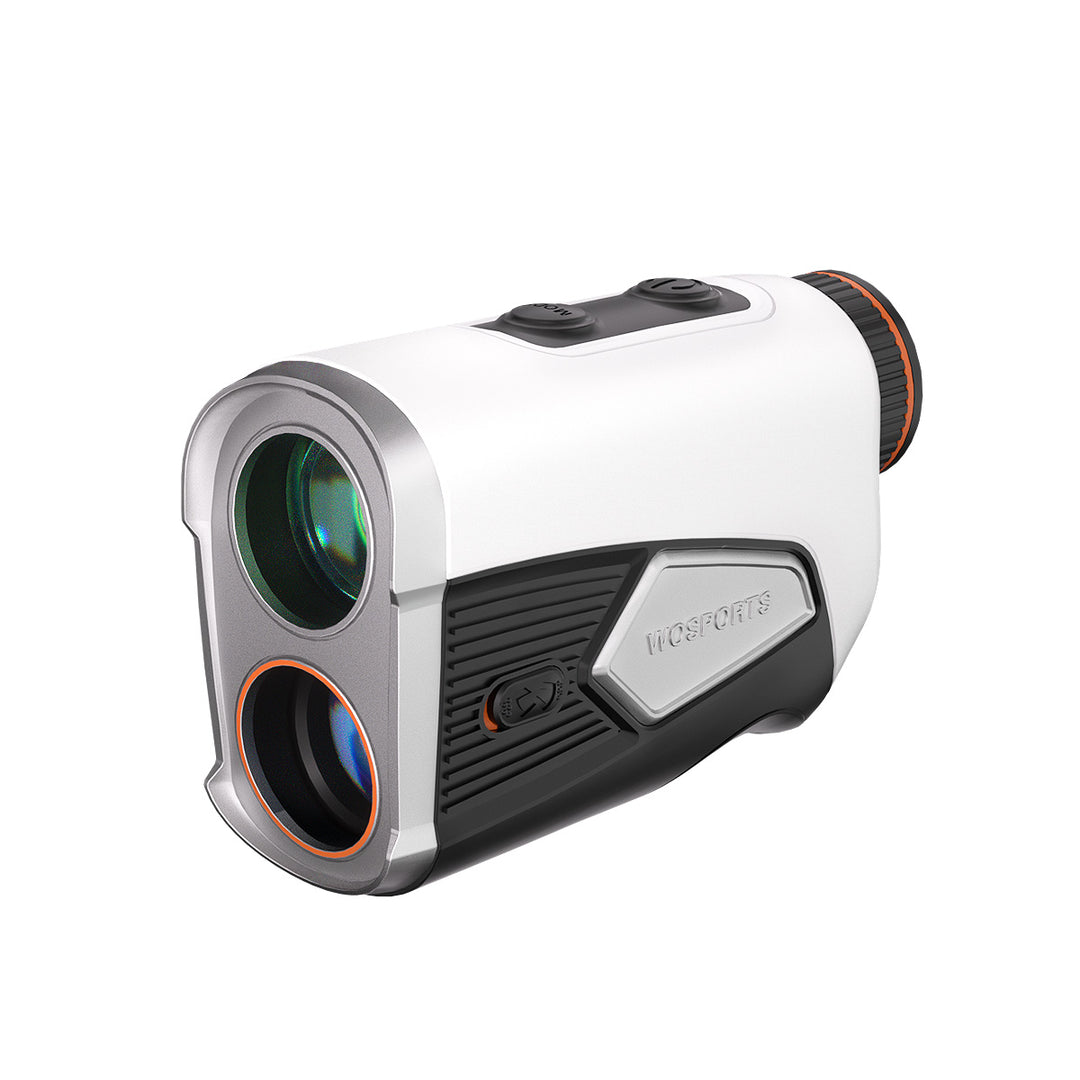
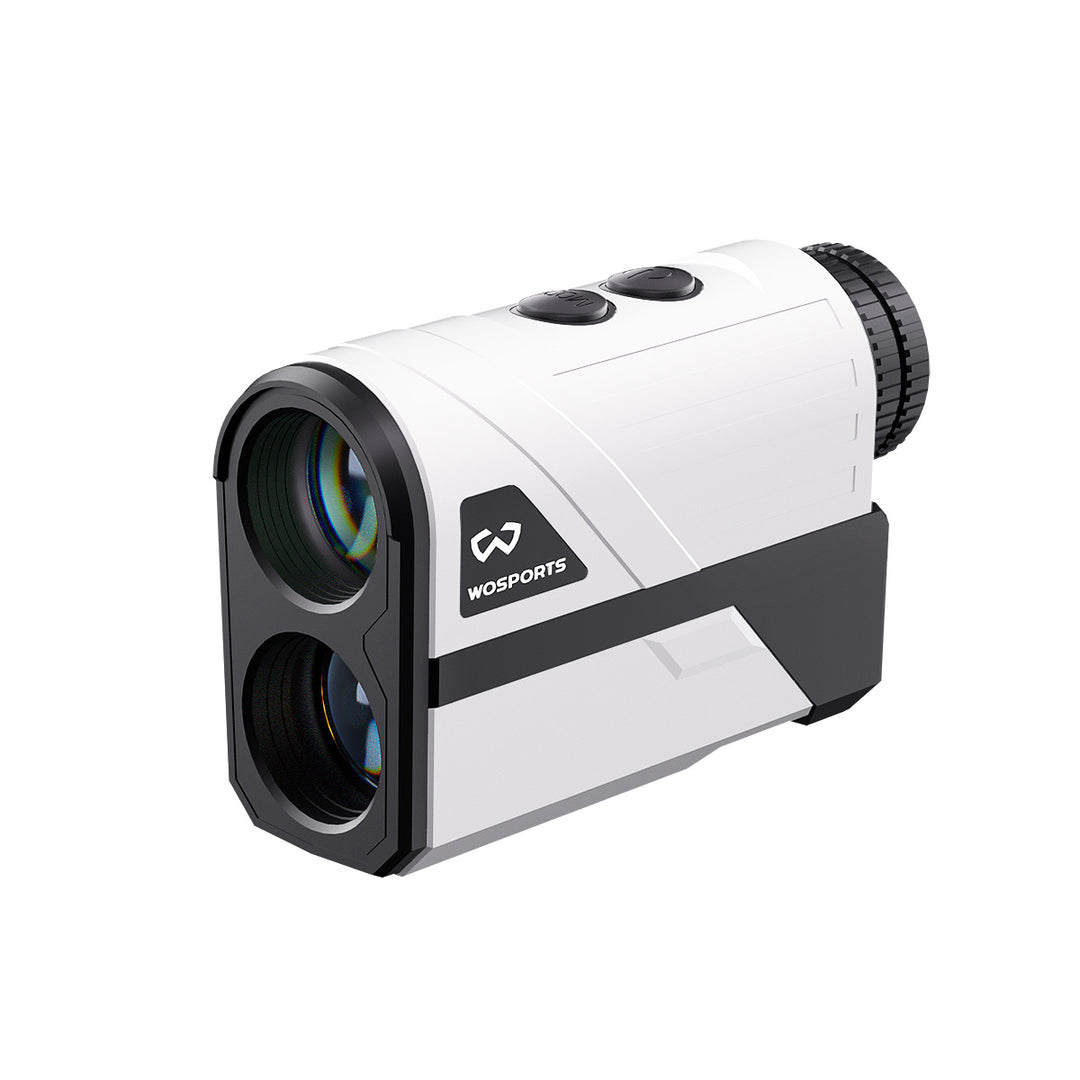
In the pursuit of golf perfection, knowing the exact distance to the flag is just one piece of the puzzle. What about the undulations of the green? Can a rangefinder tell you how much a putt will break? And what about the intricate details of hazards—can it map their exact contours? These are common questions as golfers seek more comprehensive course intelligence. This article will clarify what modern laser rangefinders can (and cannot) do regarding green slope and hazard detail, featuring insights relevant to devices like the WOSPORTS H-116.
The Core Function: Line-of-Sight Distance
First, let's reaffirm the primary role of a laser rangefinder: it accurately measures the line-of-sight distance from your position to any target you can aim at. Devices like the WOSPORTS H-116 excel at this, providing precise yardage to the flag, a bunker, a tree, or any other point.
Green Slope: What Rangefinders Can Do
When golfers ask about "green slope," they often mean the overall elevation change from their ball to the putting surface, or the subtle breaks on the green itself.
-
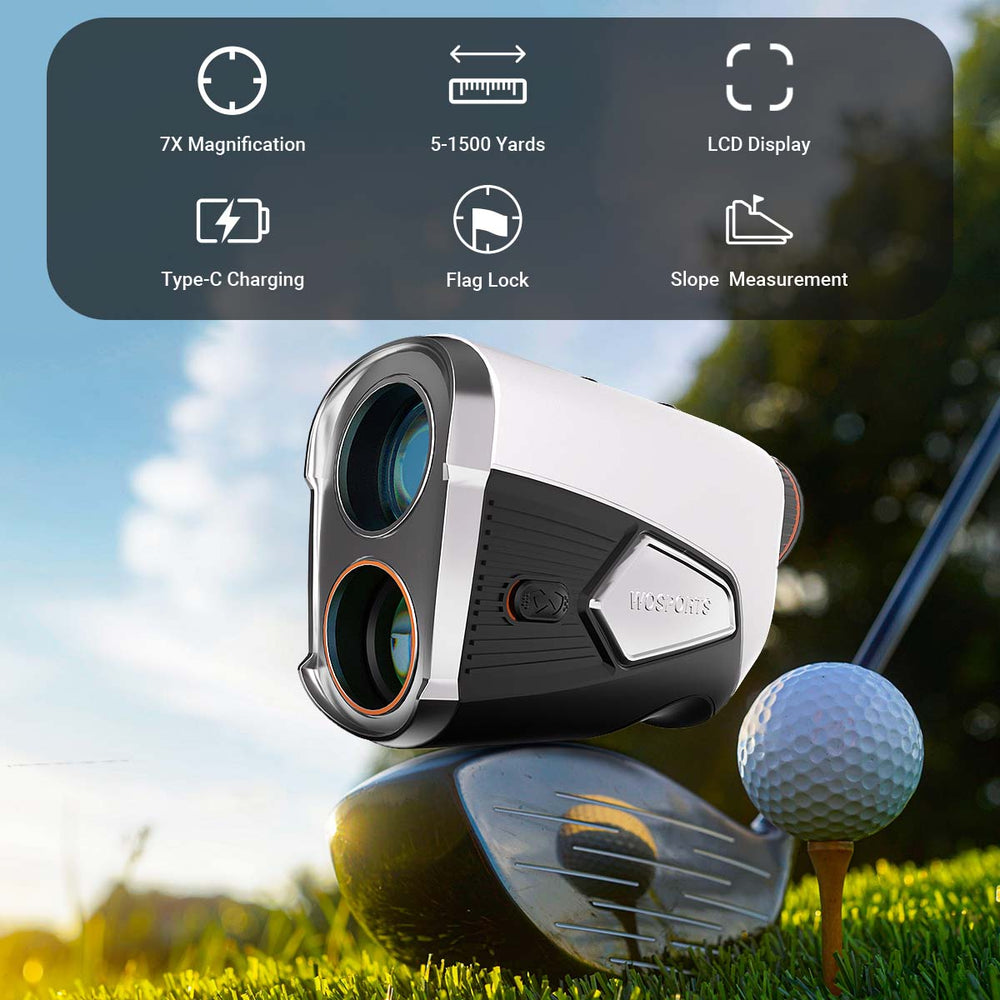
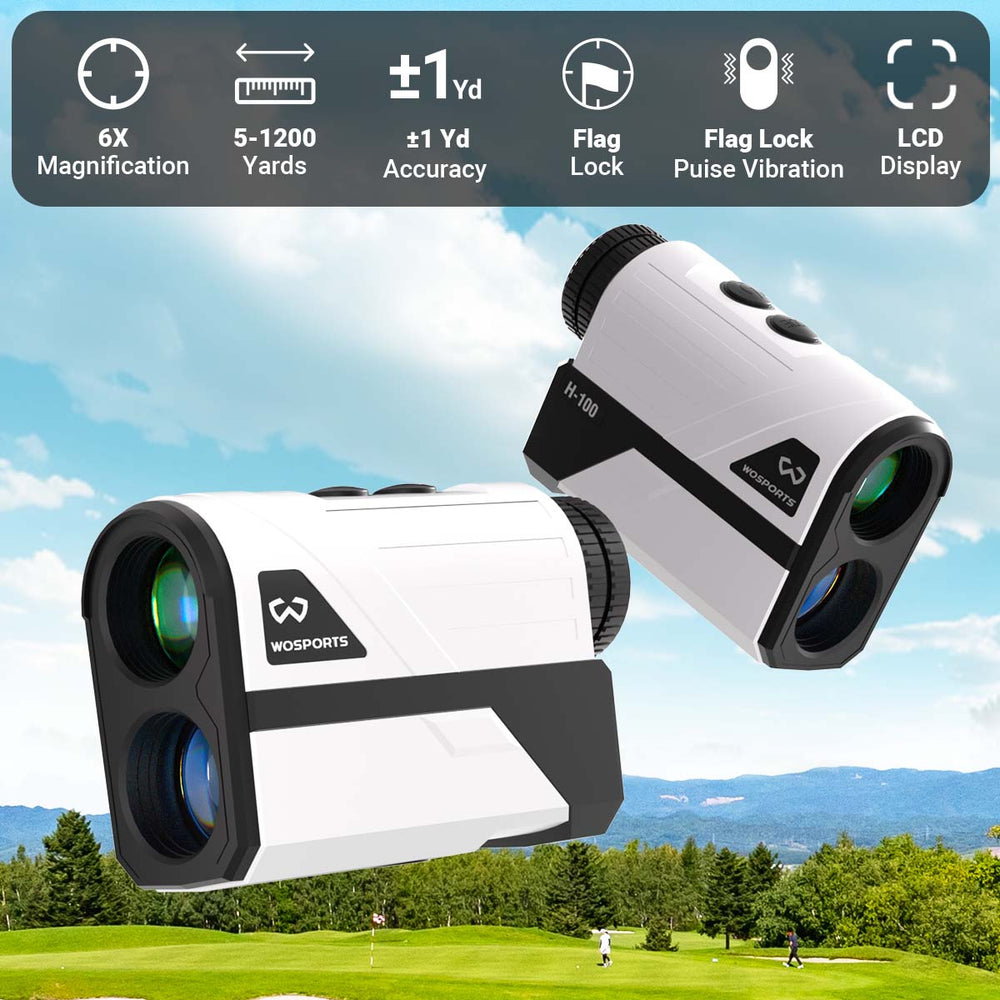
Overall Elevation (Plays Like Distance): Many advanced rangefinders, including the WOSPORTS H-116, feature slope compensation. This function measures the elevation change between your ball and the target (e.g., the flagstick) and then calculates an "adjusted" or "plays like" distance. If you're hitting uphill to a green, the rangefinder will tell you it plays longer than the direct line-of-sight. If downhill, it plays shorter.
-
What it DOESN'T do: This slope function does not analyze the complex undulations or subtle breaks on the green itself that affect putting. It's solely for determining the effective hitting distance to the surface, not for reading putts.
-
-
Reading Putts on the Green: No standard golf laser rangefinder can "read" the micro-slopes, contours, and breaks of a green to help you with putting lines. This level of detail requires specialized 3D mapping technology, often found in high-end GPS devices or dedicated green-reading apps, which are typically disallowed in competitive play. Your WOSPORTS H-116 will give you the distance to the pin, but reading the putt is still a skill you'll hone through practice and observation.
Hazards: How Rangefinders Provide Key Information
Rangefinders are incredibly useful for navigating hazards, but their capability is based on direct measurement, not detailed mapping.
-
Distance to Hazards: Your WOSPORTS H-116 can accurately measure the distance to the front edge of a bunker, the back edge of a bunker, or the carry distance over water. You can also use Scan Mode to sweep across a hazard and get multiple distances along its length.
-
What it DOESN'T do: A laser rangefinder does not provide a detailed topographical map of a hazard. It won't show you the depth of a bunker, the subtle slopes within it, or a comprehensive 3D overview of the water hazard's exact shape beyond what you can visually target. For that, you'd typically rely on a course's detailed yardage book or advanced GPS units that feature 3D renderings (which may have tournament restrictions).
The WOSPORTS H-116: Your Smart Course Assistant
The WOSPORTS H-116 is designed to give you all the crucial information you can reliably get from a laser rangefinder, empowering you to make smart decisions without overcomplicating the device.
-
Accurate Slope Compensation: For hitting to the green, the H-116's slope feature (with its convenient on/off switch) provides the critical "plays like" distance, helping you choose the right club to get onto the surface.
-
Precise Hazard Ranging: Use the H-116's accurate laser to measure carry distances over water, the distance to clear a bunker, or the range to the front and back of any trouble area. Its Flag-Lock with Vibration helps ensure you're measuring the correct edge.
-
Scan Mode for Overview: Sweep the H-116 across a complex hole with multiple hazards, and you'll get continuous real-time distances, allowing you to quickly understand various carry and layup options.
"I rely on my WOSPORTS H-116 for every shot into the green," shares avid golfer David R. "The slope feature is fantastic for knowing what club to hit, especially on hilly courses. While it doesn't read my putts, it gives me all the accurate distances I need to get the ball on the green, and that's the main job of a rangefinder."
The Future of Rangefinders and Course Intelligence
While current laser rangefinders excel at direct distance measurement and elevation compensation, the integration of more detailed course intelligence (like true green contour mapping) typically falls to other technologies or remains a manual skill. However, the trend is towards devices that provide more actionable information while remaining compliant with golf's rules. For now, your WOSPORTS H-116 offers the best balance of precision, essential features, and reliability for distance measurement.
Conclusion: Mastering What Your Rangefinder Can Do
A golf rangefinder like the WOSPORTS H-116 is an incredibly powerful tool for distance measurement and accounting for elevation changes to your target. While it won't read the intricate breaks of a green for putting or provide detailed 3D maps of hazards, it excels at giving you the precise yardage you need to execute your shots with confidence. Understanding its capabilities allows you to use it effectively, relying on its accurate data for club selection and course strategy, and leaving the art of green reading to your own keen eye and experience.
Search
Popular Posts
Recent Posts


Nov 28, 2024
Troubleshooting Common Trail Camera Issues
Jan 10, 2025
Why Does My Trail Camera Stop Working at Night?