How Many Night Vision Binoculars Do Outdoor Clubs Need for Group Activities?
Outdoor clubs increasingly extend their activities into nighttime environments for wildlife watching, exploration, and safe navigation after dark. Night vision binoculars are now essential gear for these activities, but determining how many devices a group needs depends on the goals, size, and purpose of each night event.
🌙 Understanding the Role of Night Vision in Outdoor Activities
Night vision binoculars amplify low light or infrared illumination so groups can see clearly in complete darkness, making them invaluable for night exploration and safety. These devices not only enhance visibility but also allow clubs to extend activities like nocturnal wildlife observation, night hiking, and after‑sunset education programs without disturbing wildlife or requiring powerful floodlights.
In practical terms, the number of devices needed relates directly to the size and structure of the group, the type of activity, and the terrain being explored.
🧭 Assessing Group Size and Activity Type
For small groups (5–10 members), a single high‑quality night vision binocular can be enough if it is shared strategically among participants during a guided activity. When a club organizes educational or guided night hikes, it’s common to assign one unit per guide, with participants using handheld lights for individual navigation.
For larger groups (10–30 participants), allocating 1 night vision binocular per 5–8 people significantly improves experience and safety. This ratio enables sub‑groups to explore simultaneously without bottlenecking around one device, especially on uneven terrain or when animals disperse across different areas.
For mixed activities — such as night photography stations, wildlife watching stops, or multi‑trail explorations — having multiple devices at different waypoints allows leaders to switch tools between observation posts without interrupting flow.
📊 Market Trends and Use Patterns in Night Vision Devices
Night vision technology isn’t just niche — it’s growing in outdoor and recreational segments. According to recent industry data:
- While defense remains the largest segment for night vision devices, hunting and wildlife observation represent about 12% of consumer night vision sales worldwide, showing steady demand among civilian and outdoor users.
This trend indicates a rising interest in night exploration equipment for both individual and group applications. Outdoor clubs should plan for scalability as interest grows.
🧠 Expert Insight on Group Equipment Planning
“For organized outdoor groups, the key is to balance safety with accessibility. Night vision gear shouldn’t just be in the hands of one person — it should empower multiple sub‑groups so everyone gains visibility and understanding of their environment.”
— Dr. Claire Montoya, Outdoor Education Specialist
(Insight based on interviews with outdoor education professionals)
Clubs that distribute technology effectively between guides and sub‑teams report higher engagement and fewer safety issues during night sessions.
🔍 What Features Matter When Choosing Binoculars
Not all night vision devices are equal. For clubs looking to equip teams efficiently, these capabilities are essential:
| Feature | Why It Matters |
|---|---|
| Long IR range | Enables distant observation of wildlife or terrain |
| Rechargeable portable power | Critical for multi‑hour activities |
| Video/Photo capture | Useful for documentation and training |
| Lightweight, rugged design | Important for multi‑terrain use |
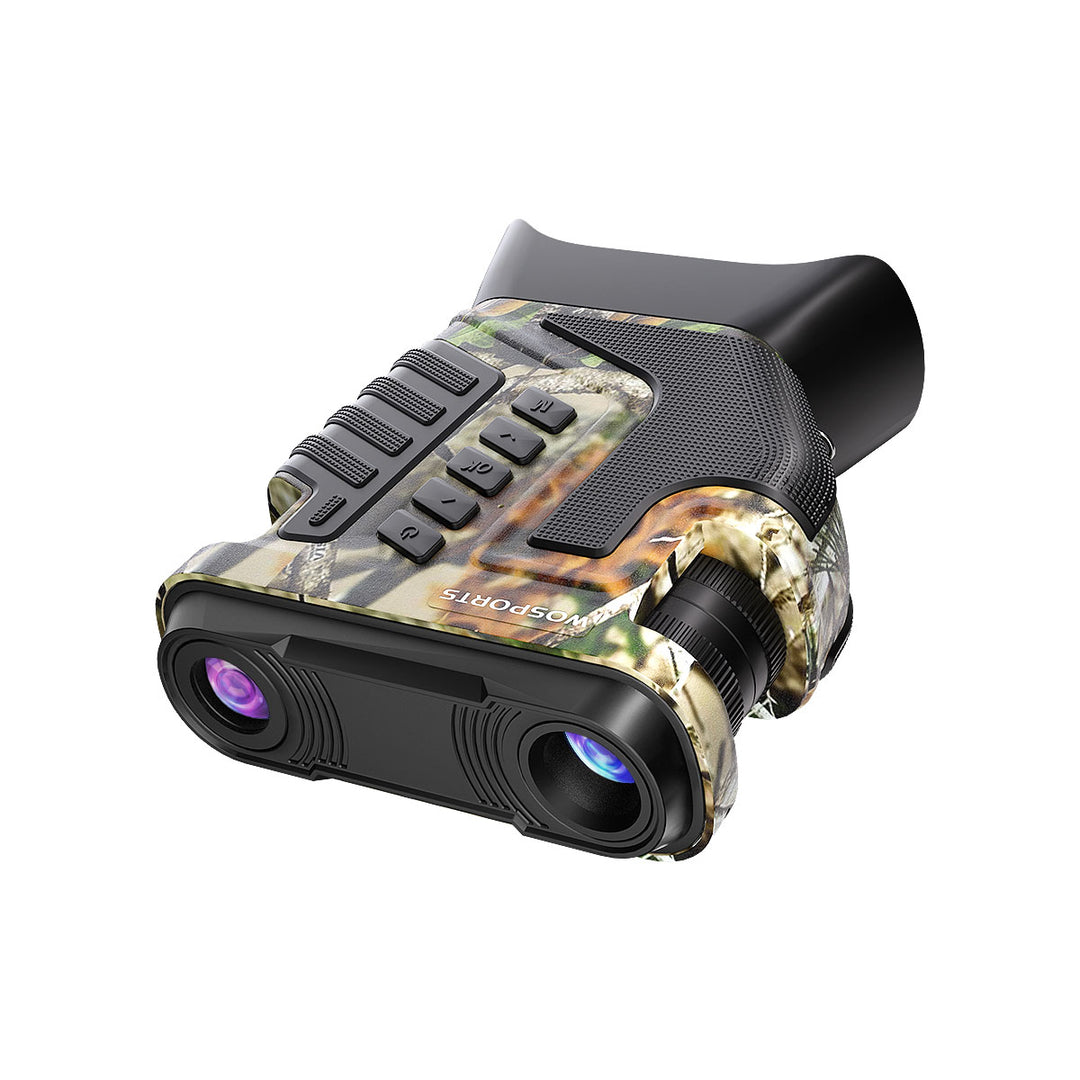
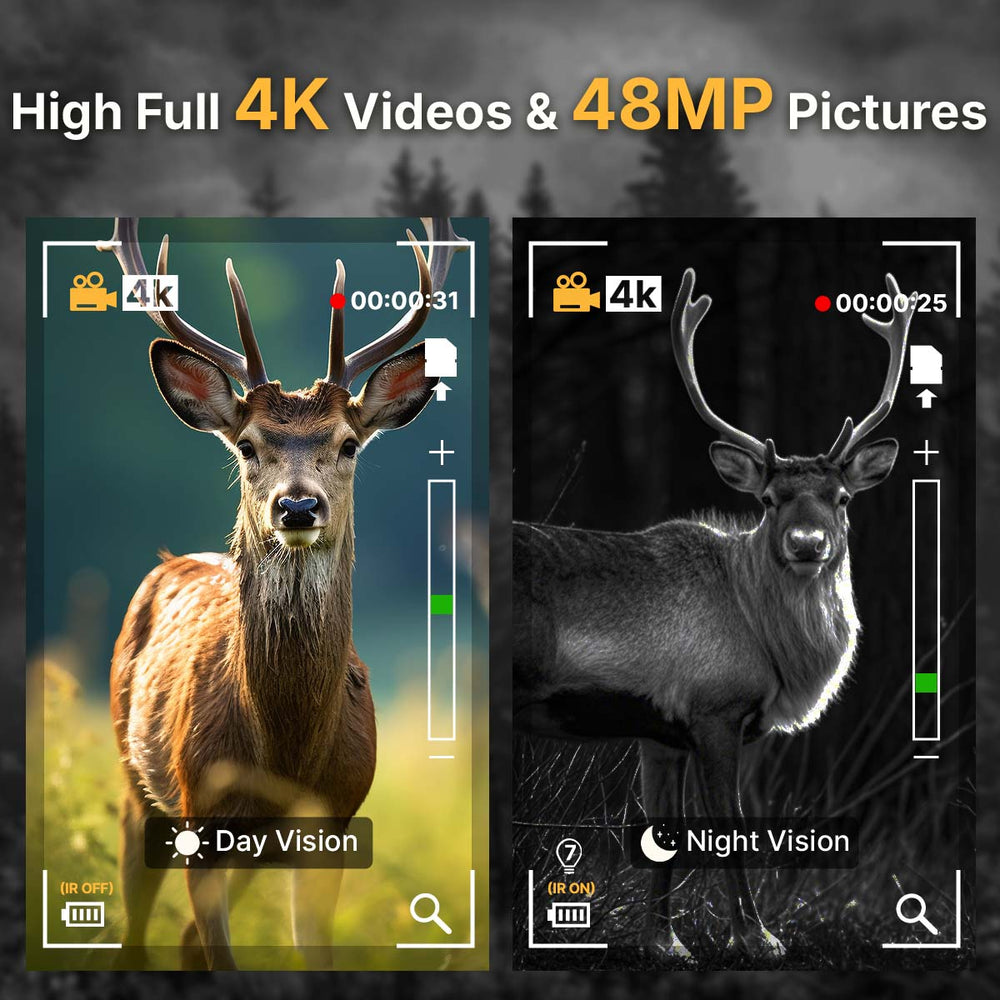
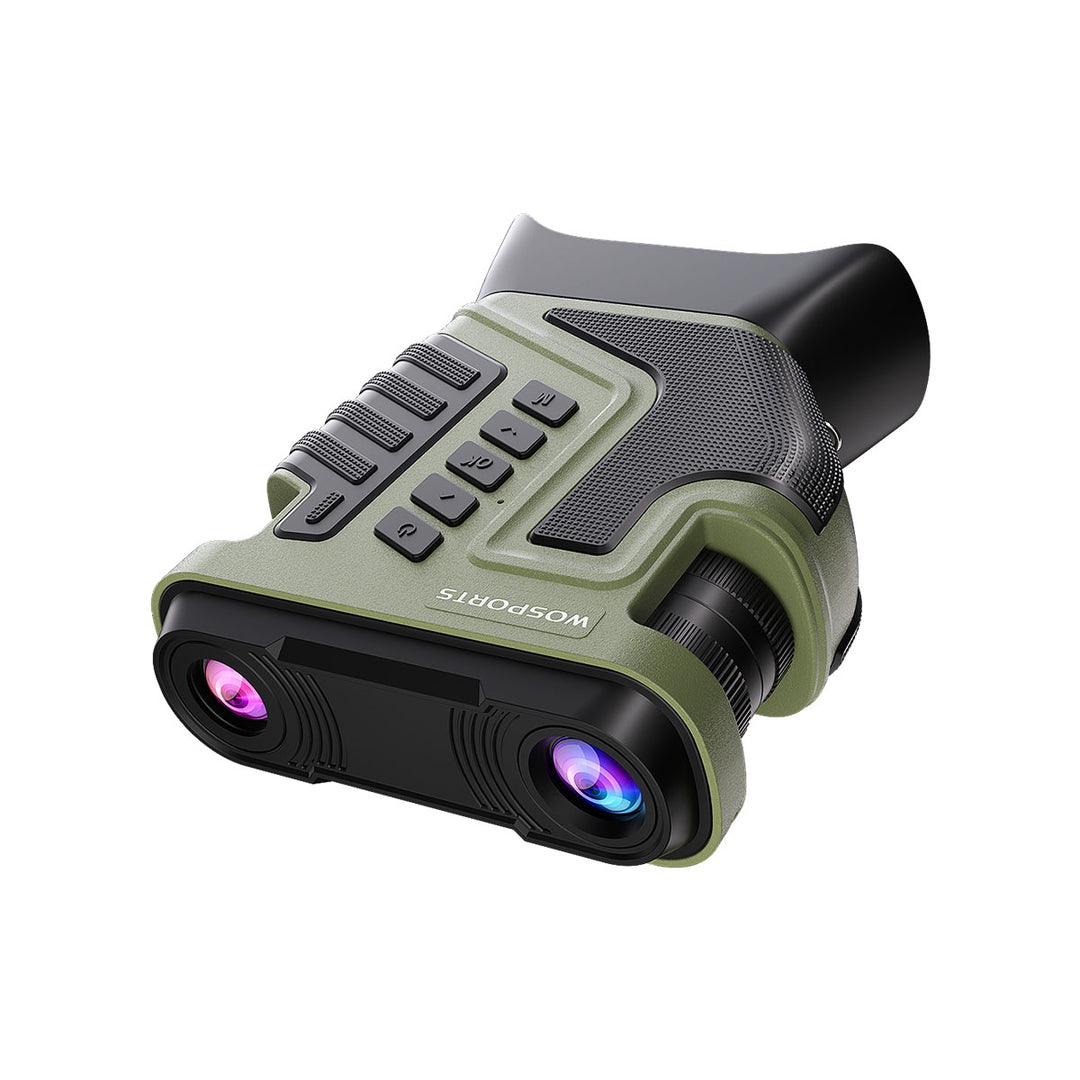
The WOSPORTS NV400 Night Vision Binoculars exemplify this balance with a 400m viewing range, infrared performance, and intuitive usability. These features make it easier for guides to lead groups and for participants to feel confident using the device during structured activities.
🎒 Case Study: Night Wildlife Club Activity
Scenario: A medium‑sized wildlife club organizes weekly nocturnal observation hikes (10–18 attendees).
Approach: The club uses three NV400 binoculars rotating between stations. Two are assigned to lead guides at the front and rear, and one is shared among participants during observation stops.
Outcome: This setup allowed efficient flow and enabled more people to experience night wildlife behavior without crowding around a single device — while keeping the hike moving safely.
📌 Summary: Choosing the Right Number of Night Vision Devices
Here’s a simple guideline outdoor clubs can follow:
- Small Groups (1–10 people): 1–2 night vision binoculars
- Medium Groups (10–25 people): 2–4 binoculars
- Large or Multi‑Station Activities: 4+ devices, depending on sub‑groups
Equipping outdoor clubs with the right number of night vision binoculars improves safety, enhances exploration quality, and creates a richer experience for participants. With devices like the NV400, clubs can enable night exploration as part of their regular programming while supporting sustainable and engaging outdoor education.
Search
Popular Posts
Recent Posts


Nov 28, 2024
Troubleshooting Common Trail Camera Issues
Jan 10, 2025
Why Does My Trail Camera Stop Working at Night?