Can Night Vision See in Total Darkness?
🔍 Introduction
One of the most common questions people ask before buying a night vision device is:
👉 “Can it actually see in complete darkness?”
The short answer is: Yes, but it depends on the type of night vision.
Let’s break it down in a simple way so you know exactly what to expect before you buy.
🌙 The Short Answer
✔ Yes, night vision can work in total darkness
❗ But only if the device has infrared (IR) illumination
Without infrared, most night vision devices will struggle—or not work at all—in pitch-black environments.
⚙️ Why Darkness Is a Challenge
Night vision doesn’t magically “see in the dark.”
It relies on one of two things:
- Available light (moonlight, starlight)
- Infrared light (invisible to the human eye)
If there’s zero light, traditional night vision has nothing to amplify.
👉 That’s where infrared technology comes in.
🔦 How Infrared Makes It Possible
Infrared (IR) works like an invisible flashlight:
- The device emits IR light
- The light reflects off objects
- The sensor captures the reflection
- You see a clear image on the screen
👉 Even in 100% darkness, the device creates its own “light source.”
🔄 Different Types of Night Vision (Important)
1. Traditional Night Vision
- Relies on ambient light
- Works well with moonlight or starlight
- ❌ Not effective in total darkness
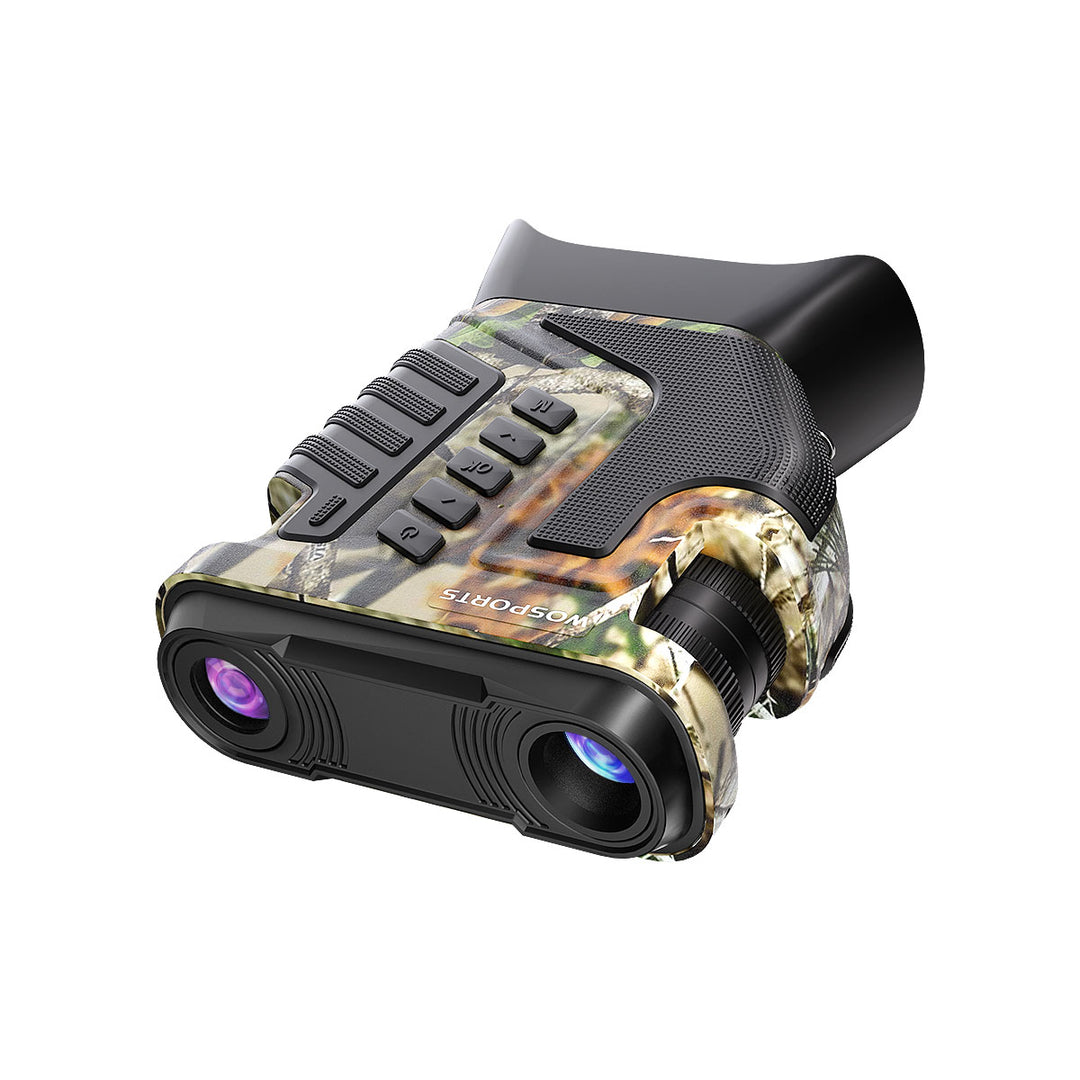
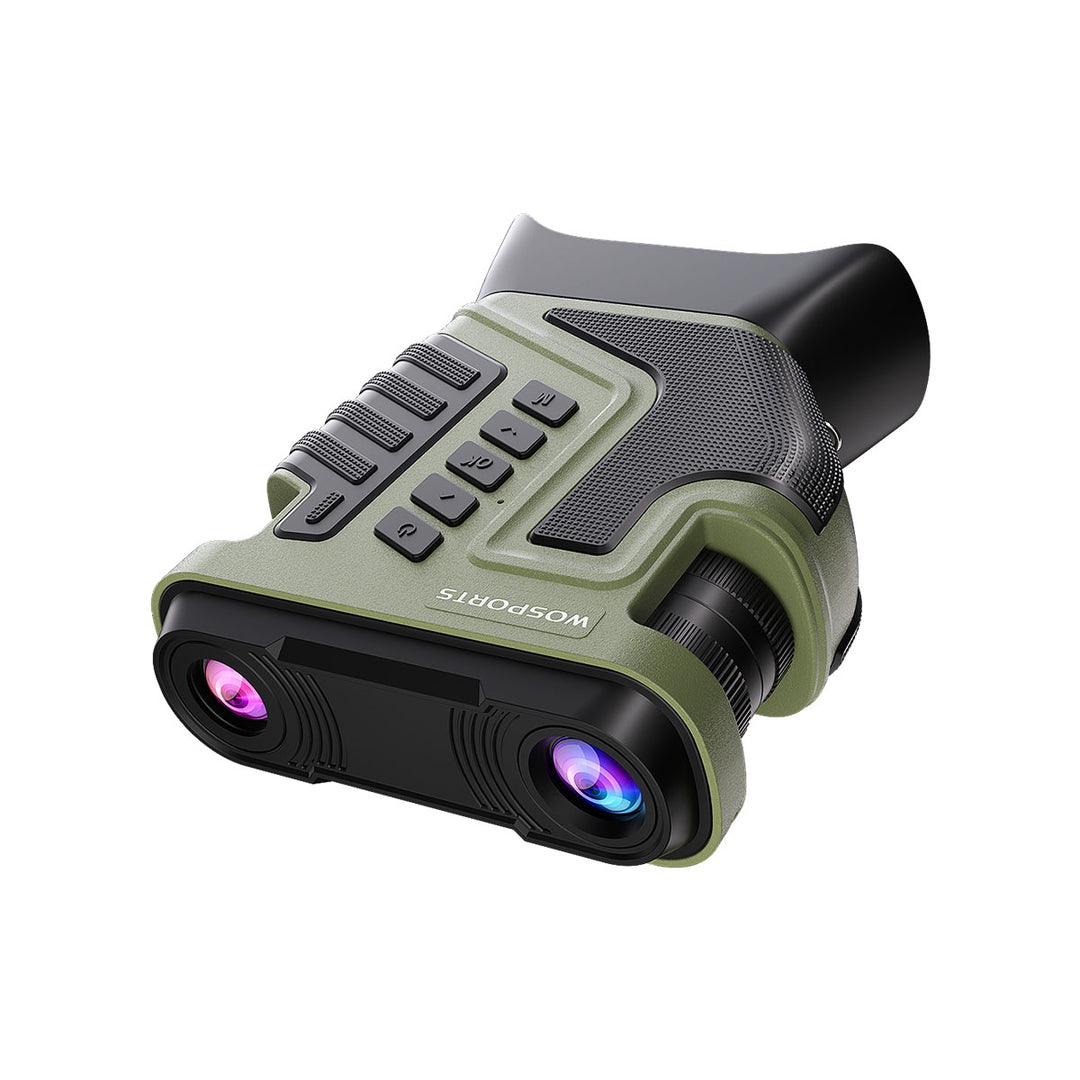
2. Digital Night Vision (with IR)
- Uses built-in infrared illumination
- Works in complete darkness
- ✅ Best choice for most users
👉 This is why most modern consumer devices use digital night vision with IR.
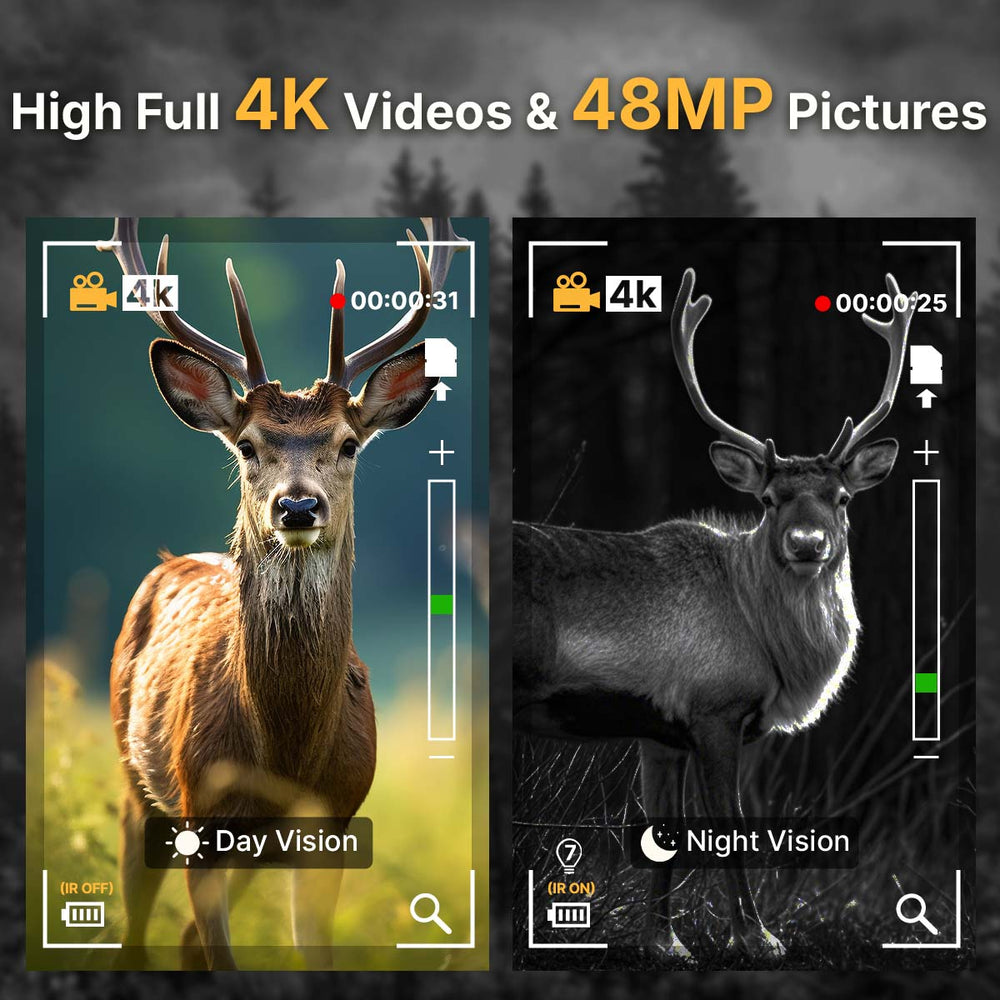
🦌 What You’ll Actually See in Total Darkness
With a good IR night vision device, you can clearly see:
- Animals like deer, foxes, raccoons
- Movement and behavior
- Shapes, distance, and surroundings
👉 It won’t look like daytime—but it will be clear enough to identify and observe.
⚠️ Common Misconceptions
❌ “All night vision works in total darkness”
→ Not true. Only IR-equipped devices do.
❌ “It looks like daytime”
→ No. The image is usually black & white (or green), not full color.
❌ “Thermal and night vision are the same”
→ Thermal detects heat, not actual visuals.
🛒 What to Look for If You Need Total Darkness Performance
If you plan to use night vision in very dark environments, make sure your device has:
- Built-in infrared illuminator
- Adjustable IR levels
- Good viewing range at night
- Clear image resolution
👉 These features make a huge difference in real-world performance.
🌌 Real-World Use Cases
Night vision with infrared is perfect for:
- Wildlife observation in forests
- Hunting at night
- Monitoring your property
- Exploring outdoors after dark
👉 Anywhere with little to no light, IR becomes essential.
🔗 What to Read Next
- Beginner’s Guide to Night Vision
- Night Vision vs Thermal Imaging
- How to Choose Night Vision
Search
Popular Posts
Recent Posts


Nov 28, 2024
Troubleshooting Common Trail Camera Issues
Jan 10, 2025
Why Does My Trail Camera Stop Working at Night?