How Far Can Night Vision See?
🔍 Introduction
One of the most common questions people ask before buying a night vision device is:
"How far can night vision actually see?"
The answer depends on several factors, including:
- The type of night vision technology
- Infrared illumination
- Weather conditions
- Ambient light
- The size of the object you're viewing
Understanding these factors can help you choose the right device and set realistic expectations for nighttime observation.
🌙 There Is No Single Answer
Different night vision devices offer different viewing ranges.
Generally speaking:
| Activity | Typical Viewing Distance |
|---|---|
| Backyard Observation | 200–500 ft |
| Camping | 300–600 ft |
| Wildlife Watching | 500–1000 ft |
| Farm Monitoring | 800–1300+ ft |
| Open Fields | 1000+ ft |
However, seeing an object and identifying it clearly are two different things.
What Affects Night Vision Distance?
1. Infrared Illumination
Infrared (IR) is one of the biggest factors.
Stronger IR illumination allows you to:
- See farther
- Improve image brightness
- Identify objects more clearly
Devices with adjustable IR levels perform better in different environments.
2. Ambient Light
Moonlight and starlight can improve image quality.
On bright nights, you may notice:
- Sharper details
- Better contrast
- Increased visibility
On completely dark nights, infrared illumination becomes even more important.
3. Weather Conditions
Conditions such as:
- Fog
- Rain
- Heavy humidity
- Dust
can reduce effective viewing distance.
Clear nights usually provide the best performance.
4. Object Size
Large objects are easier to detect from farther away.
For example:
- Buildings
- Trees
- Deer
- Vehicles
Small animals or objects require greater image clarity for identification.
Detection vs Identification
This is an important distinction.
Detection
You notice that something is there.
Example:
"There's movement in the field."
Identification
You can tell what it is.
Example:
"That's a white-tailed deer."
Identification distance is usually shorter than detection distance.
How Far Can You See Wildlife?
For wildlife observation, many users can comfortably identify animals at several hundred feet, depending on:
- IR performance
- Image quality
- Environmental conditions
Large animals such as:
- Deer
- Coyotes
- Raccoons
- Foxes
are often easier to spot than smaller animals.
How Far Can the WOSPORTS NV400 See?
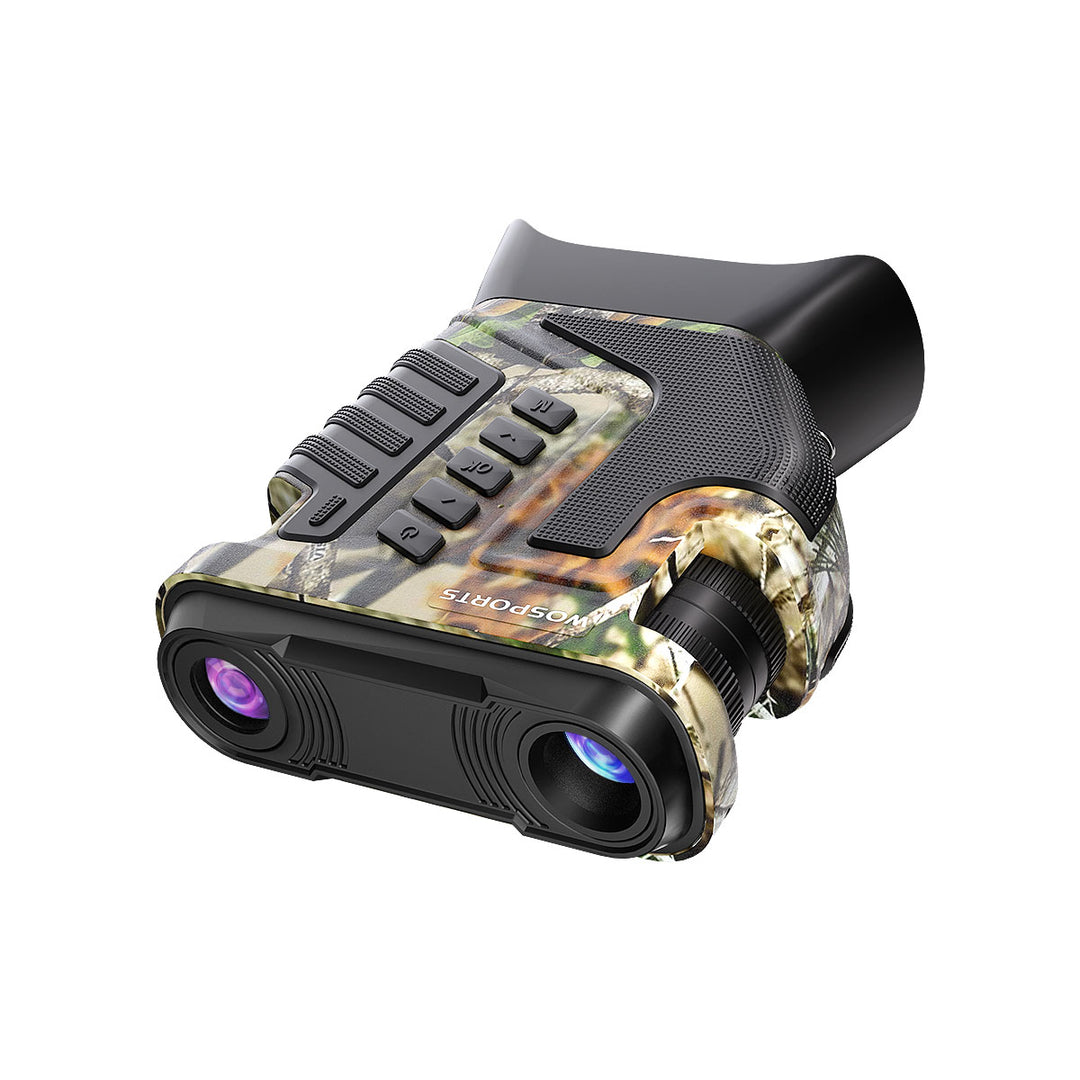
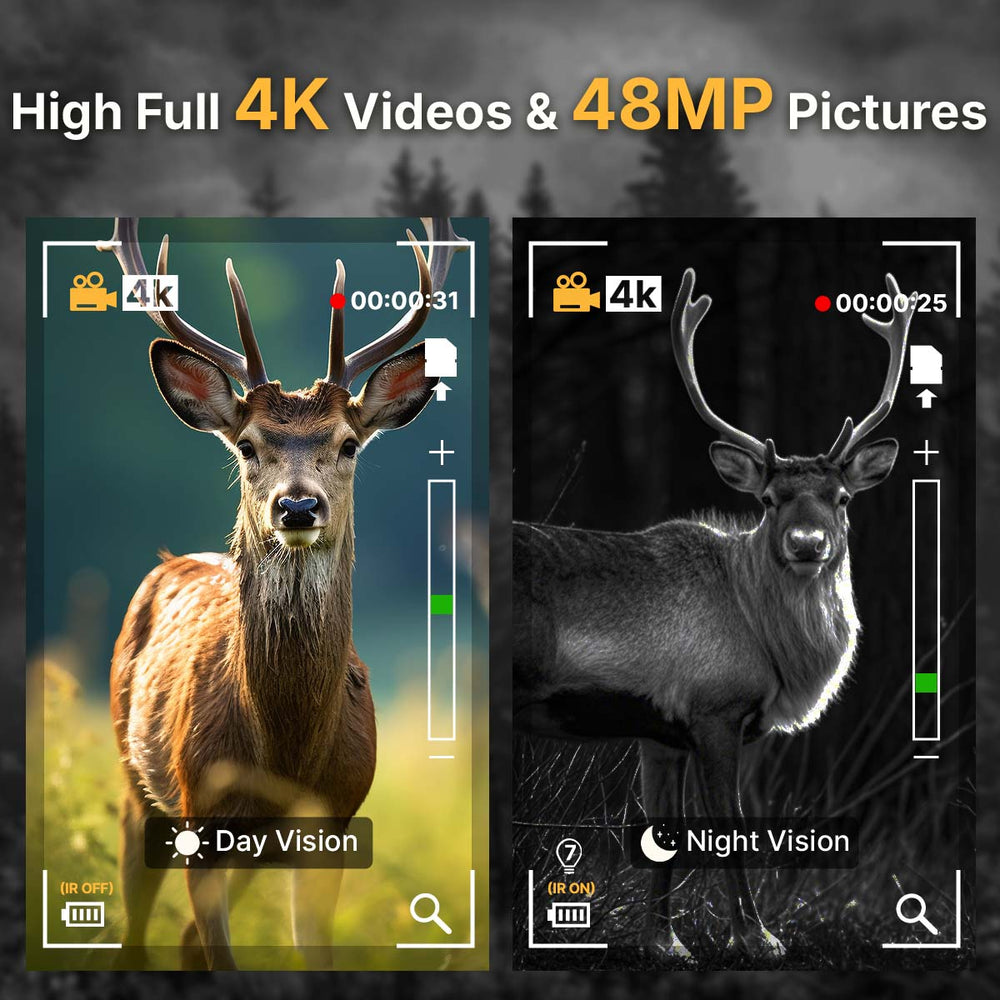
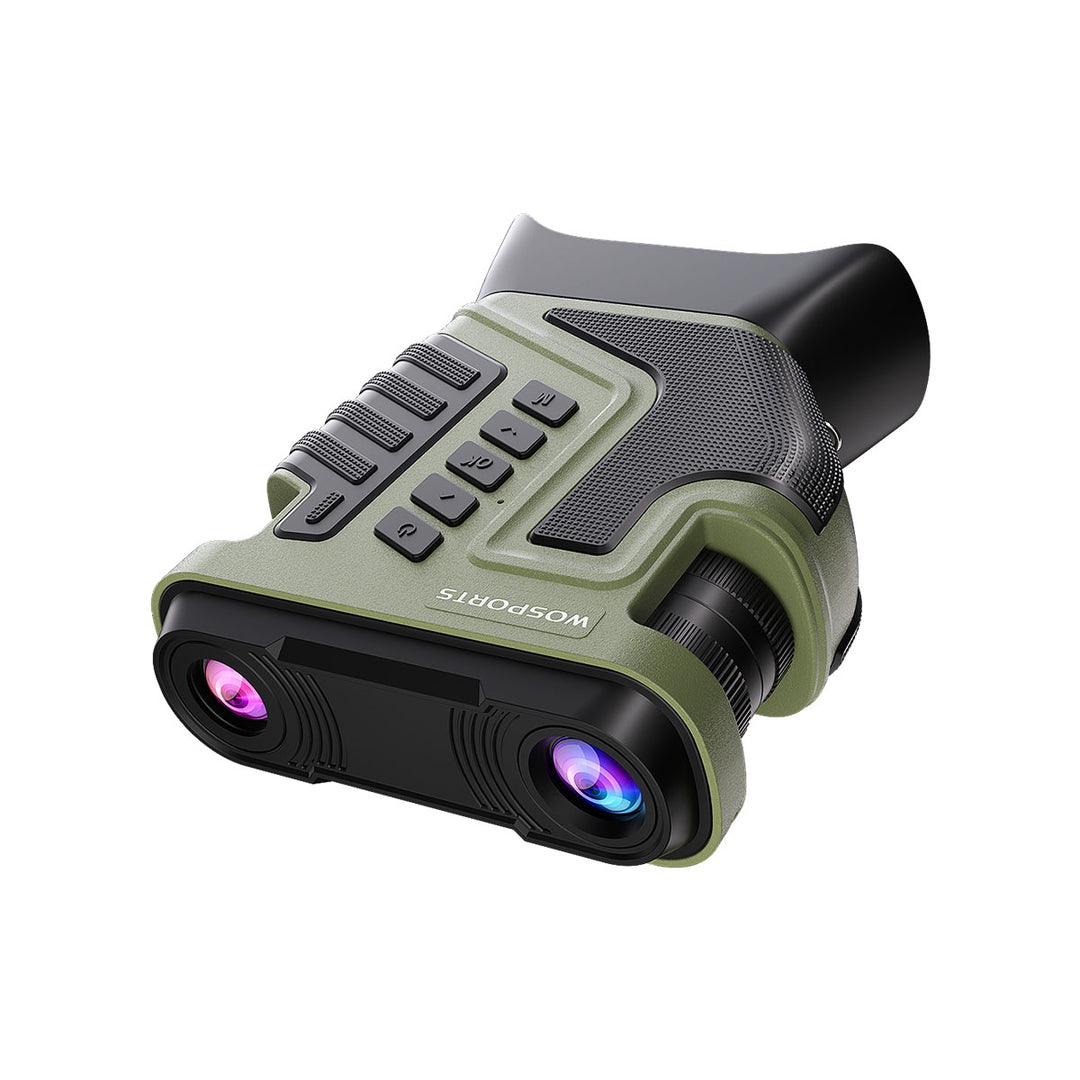
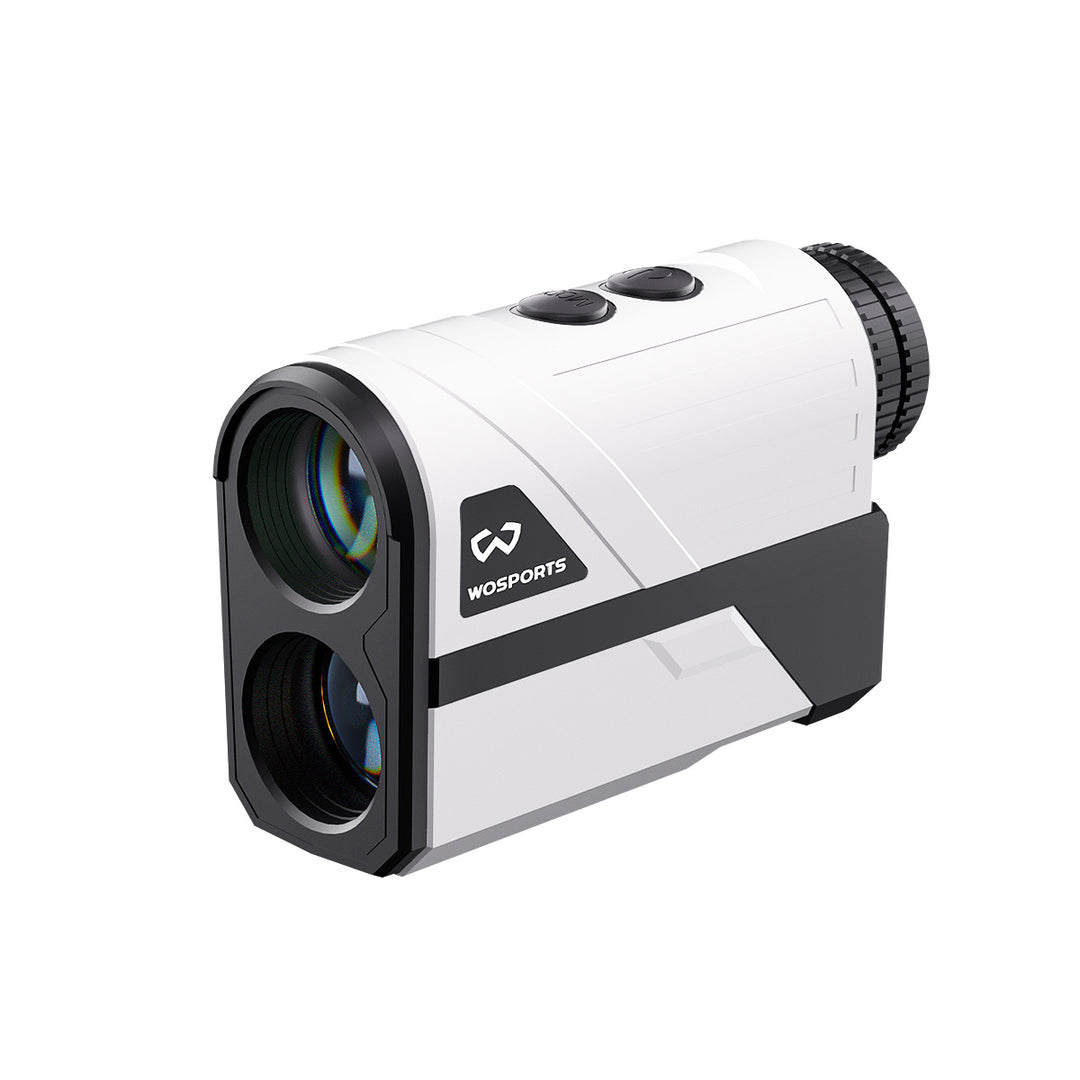
The WOSPORTS NV400 offers a viewing range of up to 1315 feet (400 meters) under favorable conditions.
Features That Support Long-Distance Viewing
✅ 7 adjustable infrared levels
✅ 1–10X digital zoom
✅ High-resolution sensor
✅ 4K video recording
These features make it suitable for:
- Wildlife observation
- Hunting
- Farm monitoring
- Property awareness
- Outdoor exploration
Actual performance will vary depending on terrain and environmental conditions.
Does More Magnification Mean More Distance?
Not necessarily.
Many buyers focus too much on zoom.
But image quality and infrared performance often matter more.
A highly magnified blurry image isn't very useful.
The best viewing experience comes from balancing:
- Magnification
- Clarity
- Infrared illumination
Common Misconceptions
❌ Night Vision Turns Night Into Day
Night vision improves visibility, but it won't look exactly like daytime.
❌ Maximum Range Means Perfect Detail
Advertised range often refers to detection, not detailed identification.
❌ Higher Zoom Always Means Better
Excessive zoom can reduce image stability and clarity.
🌌 Final Thoughts
So, how far can night vision see?
The answer depends on:
- Infrared performance
- Weather conditions
- Ambient light
- Object size
- Image quality
For most outdoor users, a quality digital night vision device can provide more than enough range for:
- Wildlife observation
- Camping
- Farm monitoring
- Property awareness
And in many cases, you'll discover that seeing farther isn't nearly as important as seeing clearly.
🔗 What to Read Next
- How to Choose Night Vision
- Best Night Vision Devices 2026
- Best Night Vision for Beginners
Search
Popular Posts
Recent Posts


Nov 28, 2024
Troubleshooting Common Trail Camera Issues
Jan 10, 2025
Why Does My Trail Camera Stop Working at Night?