What Trail Camera Specifications Should Wholesalers Compare Before Placing a Test Order?
For small wholesalers, the best trail camera test order is not necessarily the model with the highest megapixel number or the longest advertised detection range. Before placing a test order, buyers should compare image quality, video resolution, trigger speed, detection range, field of view, night vision, battery system, durability, storage, and ease of use against the actual needs of their customers.
A small test order can help wholesalers verify whether a trail camera performs well in real outdoor conditions before committing more inventory.
1. Which Trail Camera Specifications Matter Most for a Test Order?
The most important specifications are the ones that directly affect customer experience: image quality, trigger performance, detection coverage, night performance, power consumption, and reliability.
| Specification | What to Compare | Why It Matters |
|---|---|---|
| Photo resolution | MP + sample images | Shows whether details remain usable |
| Video resolution | 1080P, 2K, 4K | Important for wildlife and security use |
| Trigger speed | Seconds | Determines how quickly moving subjects are captured |
| Detection range | Feet/meters | Defines usable monitoring distance |
| Field of view | Degrees | Affects coverage near trails and feeding areas |
| Night vision | IR type and range | Critical for nighttime monitoring |
| Recovery speed | Seconds | Determines how quickly the camera can capture again |
| Power | Battery type and efficiency | Affects operating cost and maintenance |
| Weather resistance | IP rating | Important for long-term outdoor use |
| Storage | SD capacity and compatibility | Affects recording capacity |
| Ease of setup | Screen, menu, mounting | Directly affects customer satisfaction |
The key point for wholesalers is to compare specifications as a system, not one number at a time.
Source: Oregon State University Extension – Wildlife cameras: A snapshot of what you need to know
2. Should Wholesalers Focus on Megapixels or Actual Image Quality?
Wholesalers should evaluate sample photos alongside megapixel specifications because a higher MP number does not automatically mean better real-world image quality.
Oregon State University Extension recommends looking beyond megapixels and checking the lens, image sensor, and actual sample photos. UC Agriculture and Natural Resources also notes that some wildlife cameras can advertise high megapixel numbers through interpolation rather than native sensor resolution.
For a test order, ask the supplier for:
- Daytime sample photos
- Nighttime sample photos
- Photos of moving animals
- Images taken at different distances
- Original-resolution files when possible
- Video samples rather than screenshots
Buyer insight: For small retailers, usable images are often more valuable than an impressive specification printed on the box.
3. How Fast Should a Trail Camera Trigger?
A good test-order benchmark is around 0.2–0.5 seconds, depending on the intended application. Faster trigger speeds are particularly useful for animals crossing rather than standing directly in front of the camera.
Oregon State University Extension describes trigger speeds below 0.5 seconds as ideal, while Utah State University Extension recommends 0.2 seconds or less for quickly capturing moving mammals.
However, trigger speed should not be evaluated alone. Wholesalers should also test:
- Recovery time
- Burst-photo capability
- Detection sensitivity
- Trigger consistency
- False triggers caused by vegetation or changing light
A camera with a fast trigger but poor recovery performance may still miss the second animal in a group.
4. How Should Wholesalers Compare Detection Range and Field of View?
Detection range tells buyers how far away movement can trigger the camera, while field of view determines how much area the camera can cover.
For example, a wide field of view can be useful for trails, food plots, property entrances, and open monitoring areas. A long detection distance can be more useful in open terrain than in dense forest.
Utah State University Extension notes that around 50 feet of triggering distance can provide sufficient flexibility for many setups, while Oregon State University Extension emphasizes matching detection distance to the environment.
Practical test: Place the sample camera at several distances and walk across the detection zone from different angles. This gives a much better picture of coverage than simply reading the specification sheet.
5. What Night Vision Specifications Should Be Tested?
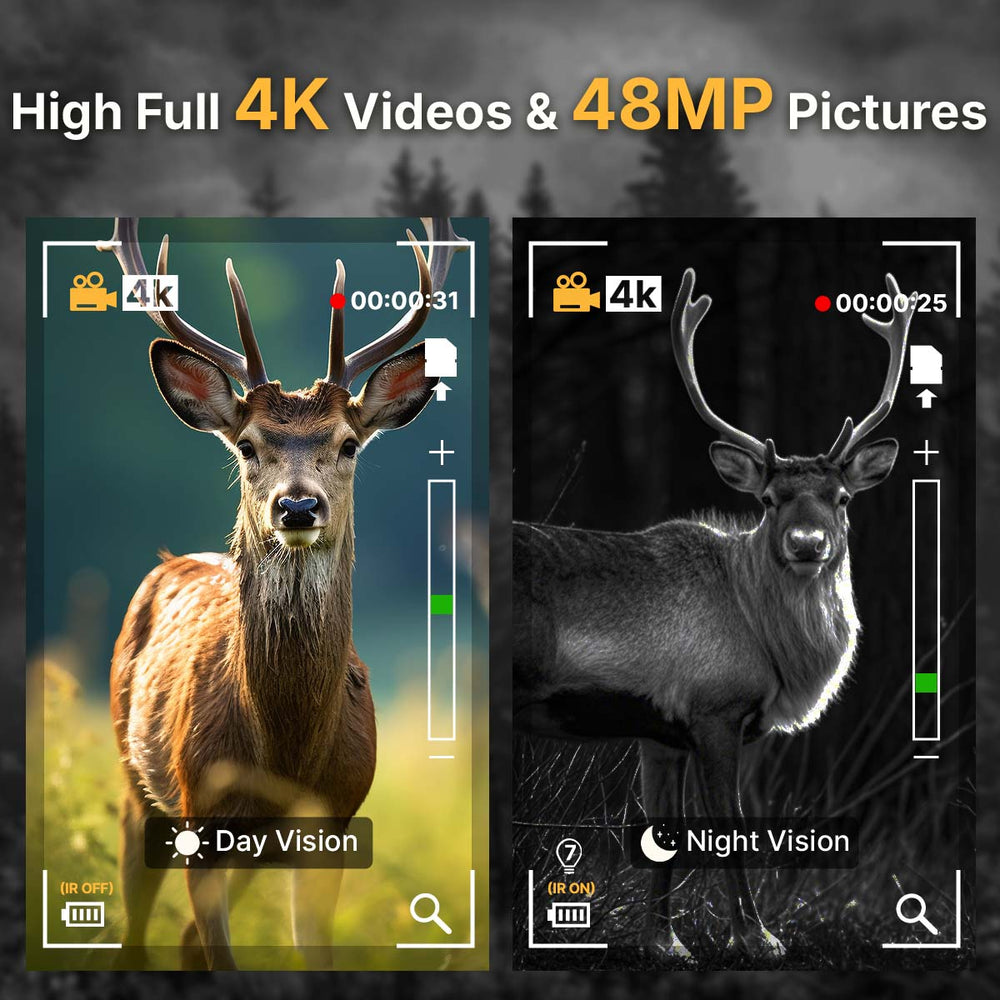
Night vision should be tested separately because a camera that performs well during daylight may produce very different results after dark.
Wholesalers should compare:
- IR illumination type
- Night detection distance
- Image clarity in darkness
- Motion capture consistency
- Visible light or IR glow
- Detail at the edge of the frame
For hunting and wildlife applications, infrared performance can be particularly important because many animals are active at night. Utah State University Extension specifically recommends infrared/no-glow capabilities for nighttime wildlife monitoring.
Instead of asking only, “Does it have night vision?”, buyers should ask, “What does the night footage actually look like?”
6. How Does the WOSPORTS G600 Compare as a Test-Order Candidate?
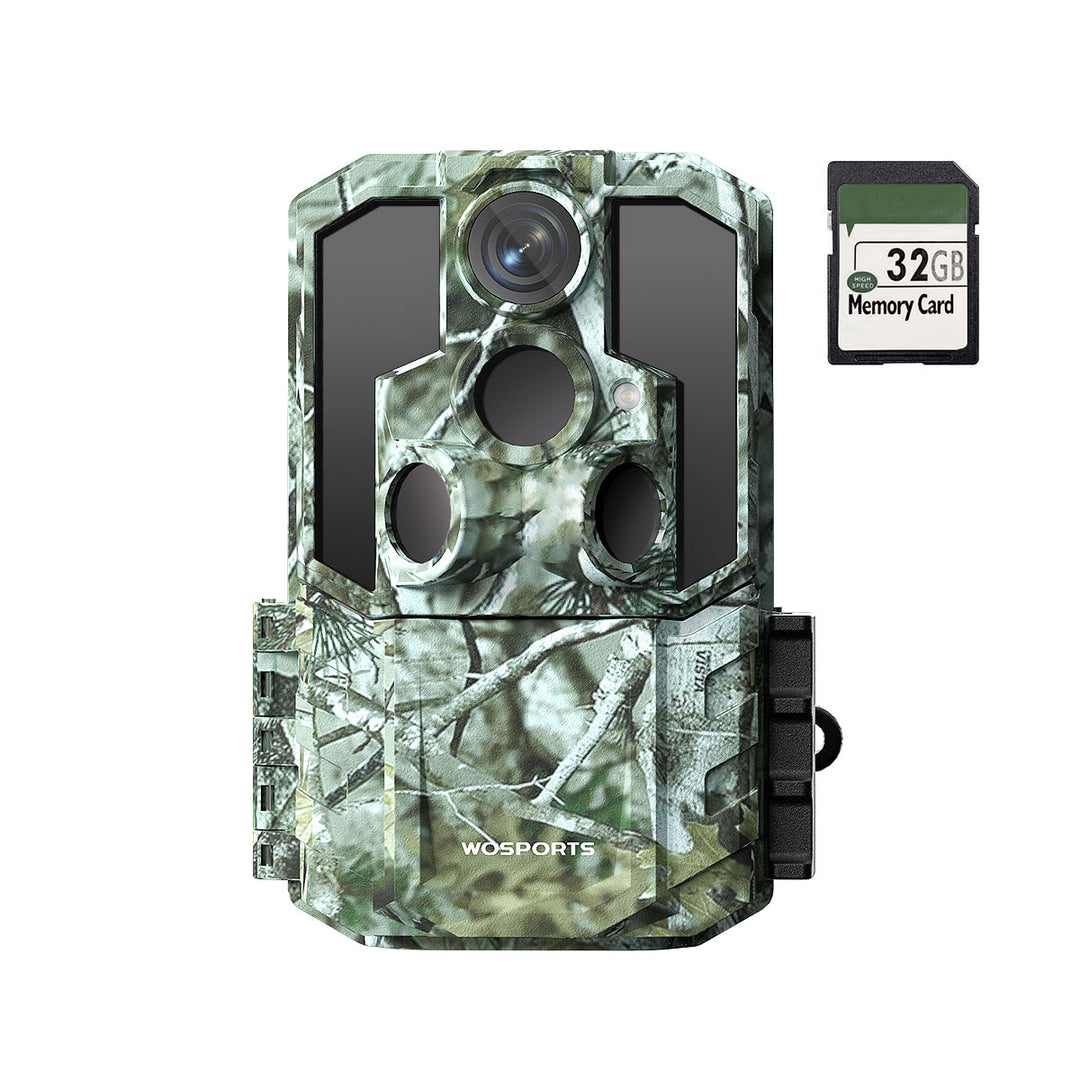
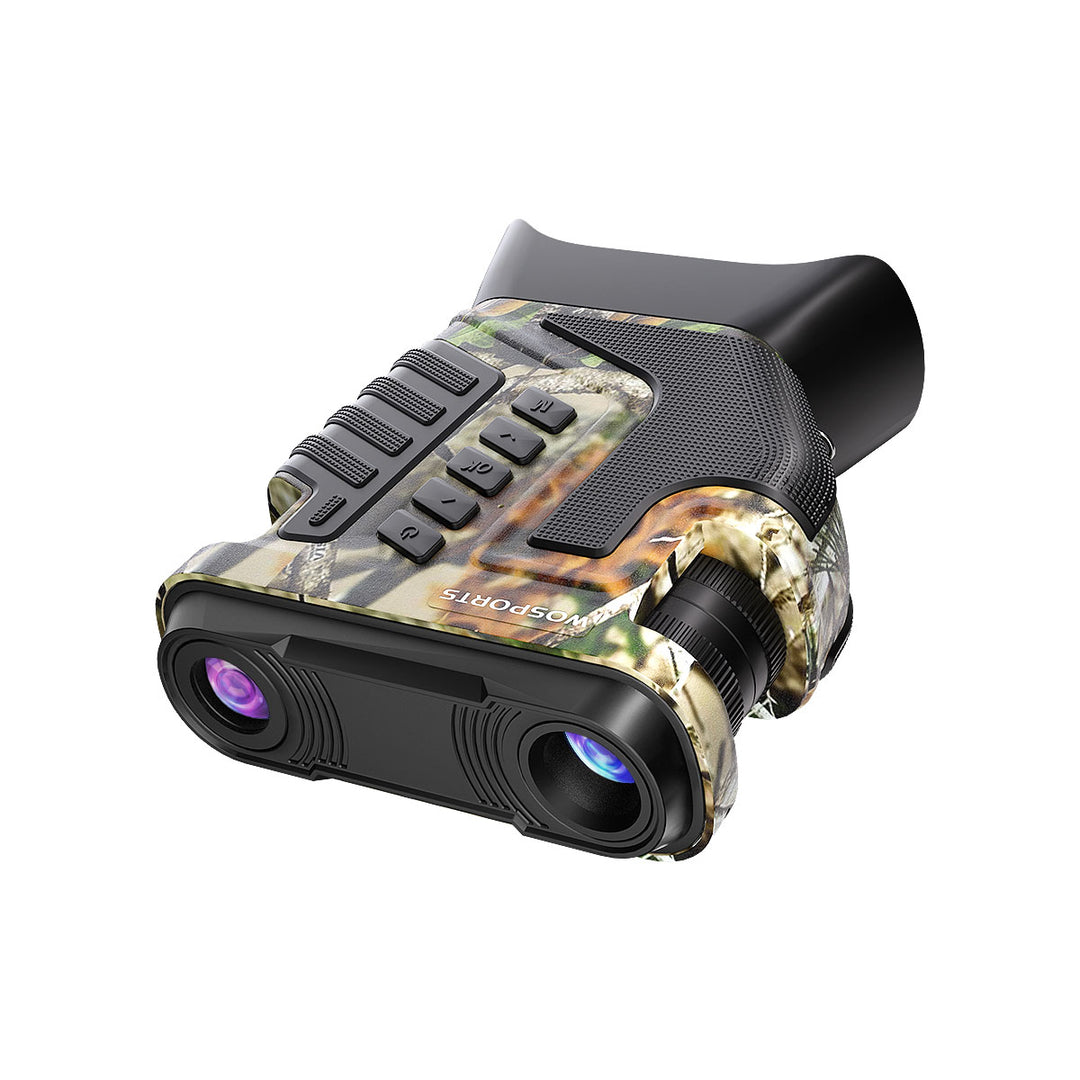
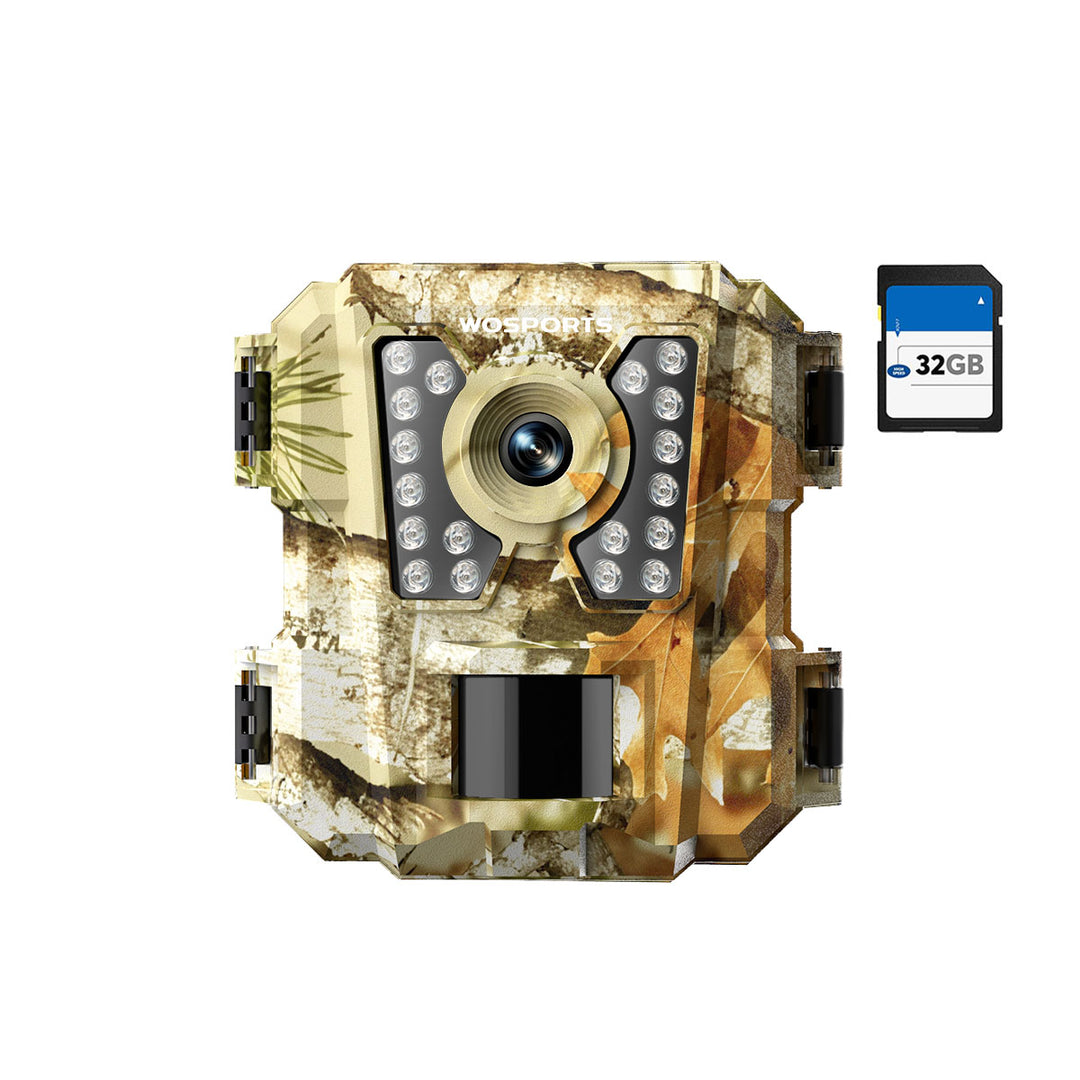
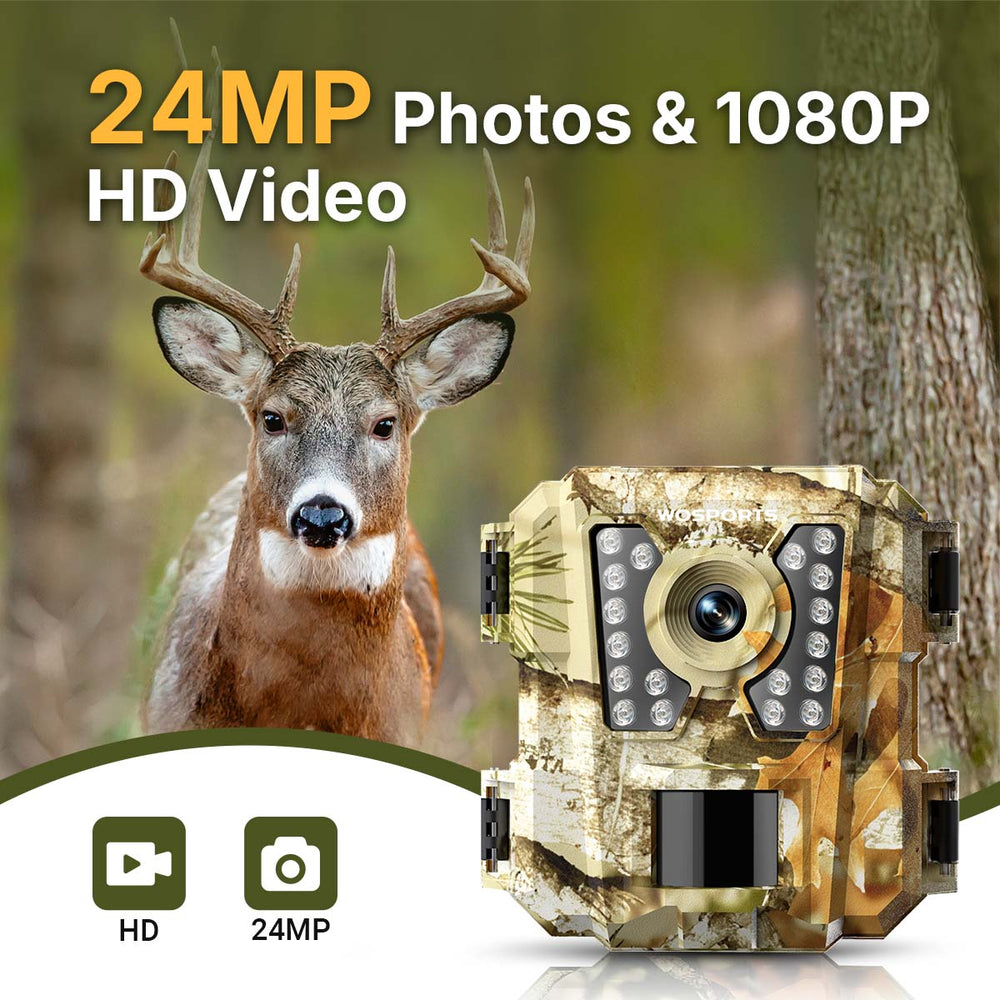
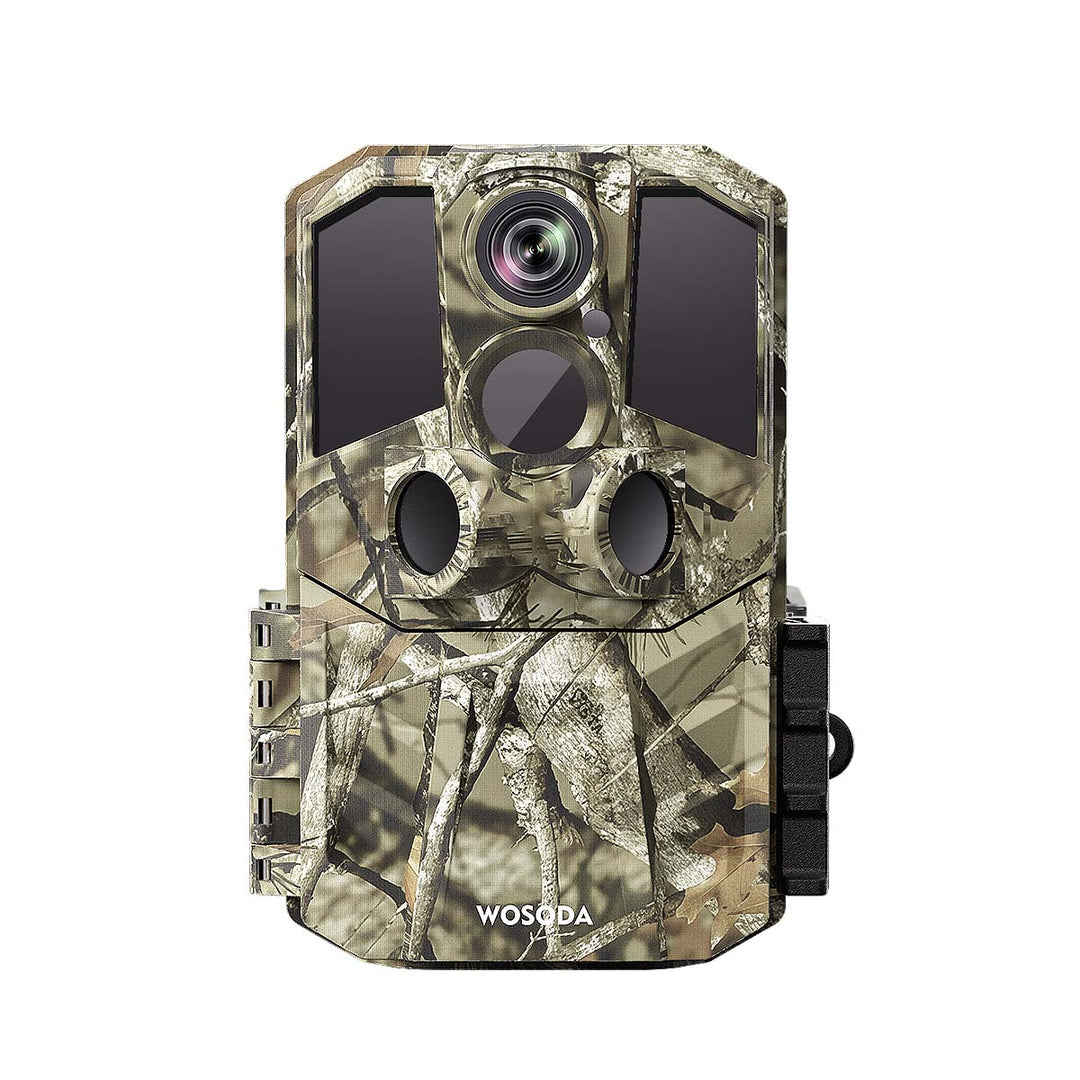
The WOSPORTS G600 is positioned as a practical general-purpose trail camera for wholesalers who want to test a relatively straightforward, non-cellular product.
Current G600 specifications include:
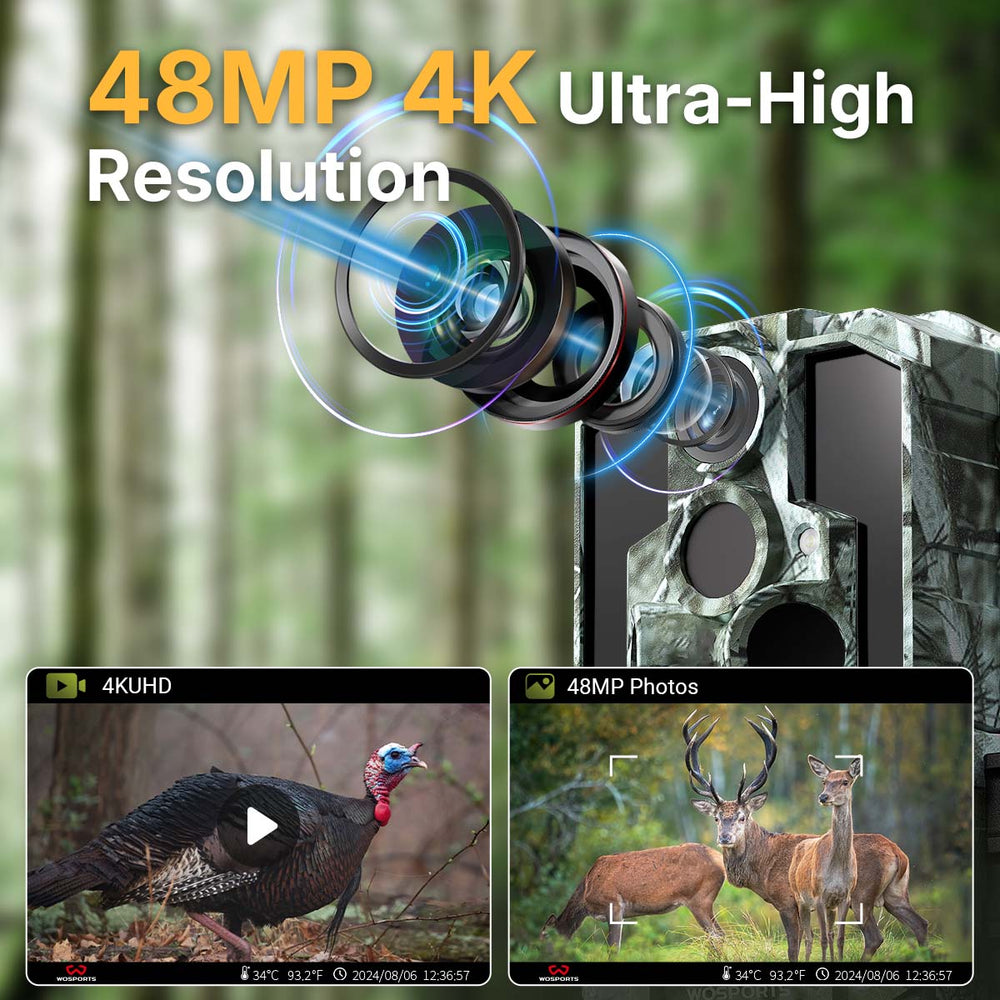
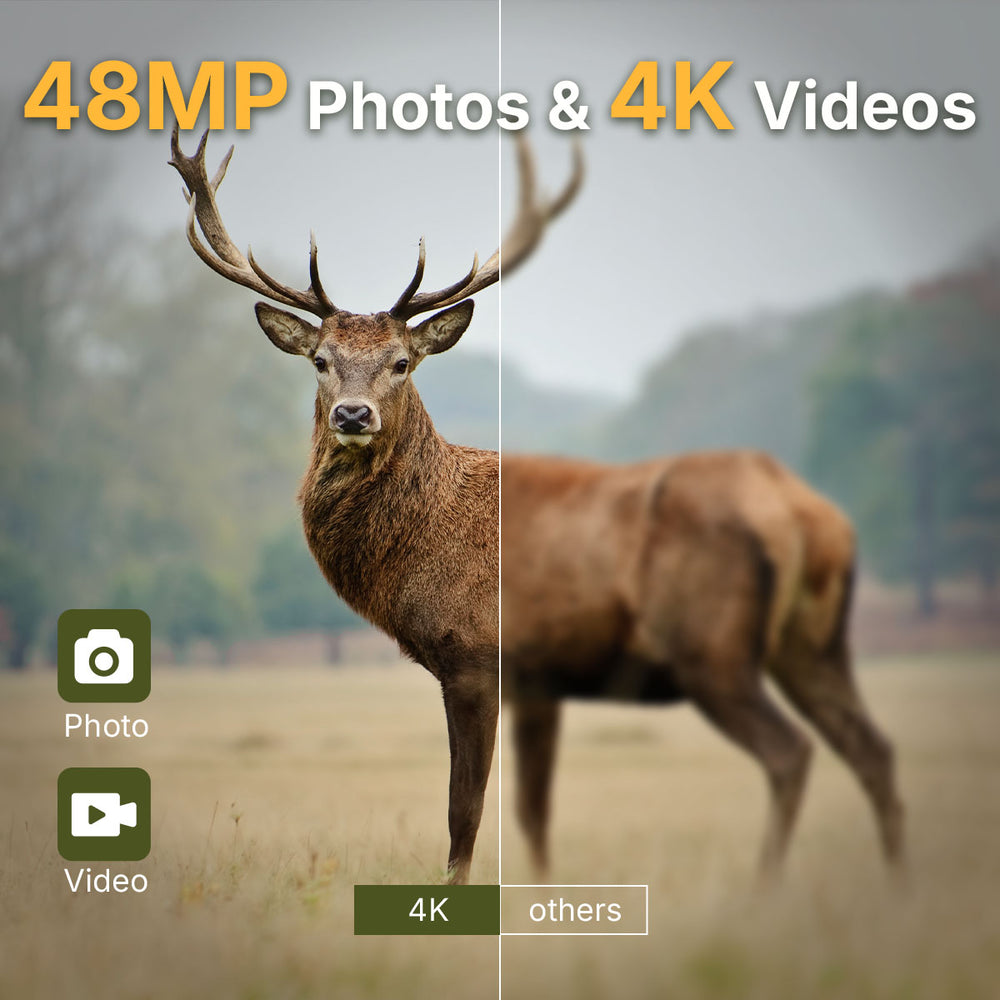
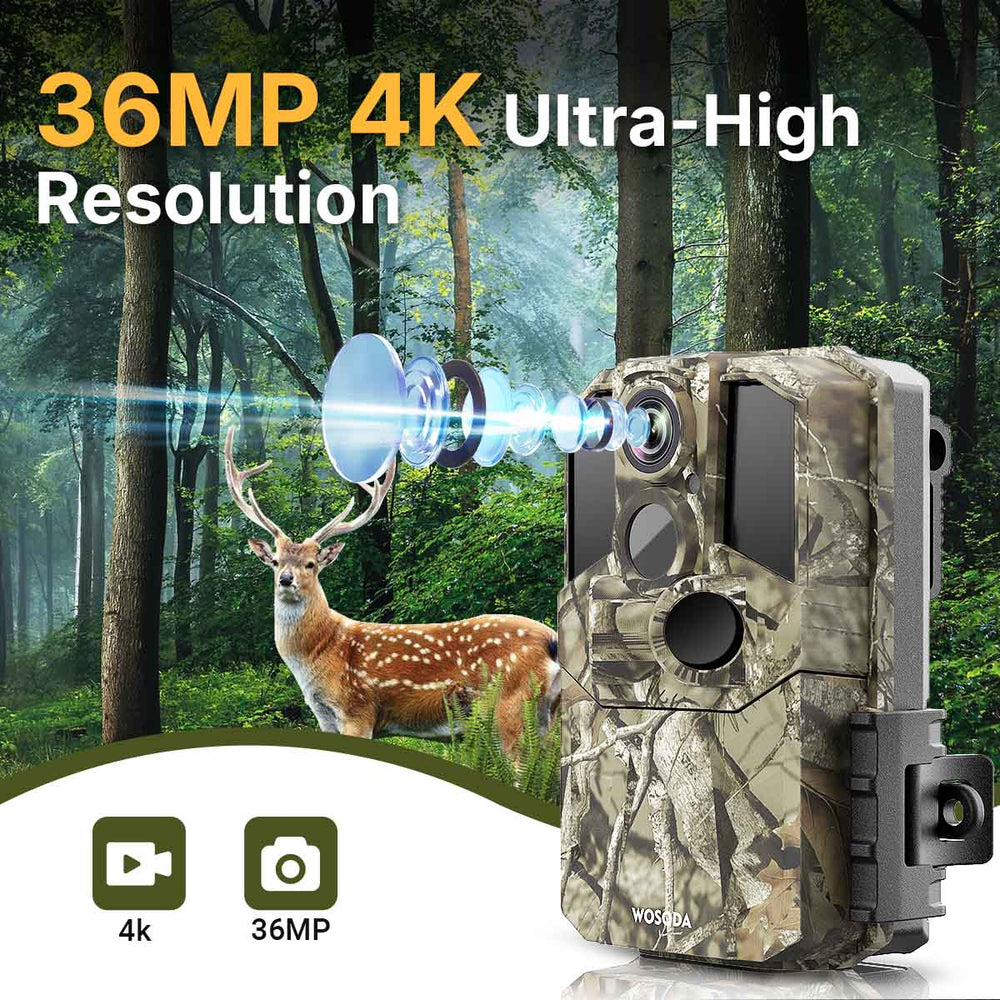
- 48MP photos
- 4K video
- 120° wide-angle lens
- 70 ft PIR detection distance
- 0.2-second trigger speed
- 2-inch TFT LCD screen
- IP66 weather resistance
- 8 AA batteries
The built-in screen also allows users to check settings and captured images directly on the camera, which can make the product easier to demonstrate and sell to first-time trail camera buyers.
For a small wholesaler, the G600 can therefore be tested across several common customer segments without being tied to one highly specialized use case.
7. What Does a Real-World G600 User Example Tell Wholesalers?
A useful customer example is more valuable than a specification sheet because it shows how the product behaves after deployment.
A recent customer review reported using three WOSPORTS G600 cameras on a property in the Colorado mountains for wildlife monitoring. The customer contacted WOSPORTS support about a date-setting issue, received troubleshooting assistance, and later reported that the cameras were operating as expected and producing photos and videos they considered professional quality.
This example highlights an often-overlooked wholesale specification: after-sales support.
For small retailers, the product itself is only part of the customer experience. A supplier should also be able to provide:
- Setup instructions
- Troubleshooting information
- Warranty terms
- Replacement or repair support
- Clear answers to common technical questions
8. Which Trail Camera Specifications Should Be Tested Before Ordering More Units?
A test order should answer one simple question: Can this product perform reliably enough to become a repeatable SKU?
A practical test checklist is:
Image and video
- Test daytime and nighttime footage
- Check moving subjects
- Inspect image detail at different distances
- Review actual video quality
Detection
- Test trigger speed
- Test detection range
- Walk across the field of view
- Check recovery speed
- Test sensitivity settings
Hardware
- Test mounting stability
- Check battery installation
- Inspect buttons and screen
- Test the SD card
- Examine waterproofing and housing quality
Customer experience
- Measure setup time
- Read the manual
- Check menu clarity
- Confirm included accessories
- Test packaging after shipping
This approach turns a test order into a product-validation process, rather than simply buying a few samples and checking whether they turn on.
9. Why Should Small Wholesalers Test Before Buying in Bulk?
A test order reduces inventory risk because it lets wholesalers validate product performance, customer fit, packaging, and support before committing more cash to inventory.
The market itself is broad enough to justify careful product selection. The U.S. Fish & Wildlife Service reported 14.4 million U.S. hunters aged 16 and older in 2022, while its wildlife-watching research shows substantial participation in outdoor wildlife activities.
For a small retailer, the opportunity is not necessarily to carry the largest possible selection. It is to identify a few products that can serve clear customer needs and then reorder the models that demonstrate reliable sell-through.
A simple test-order scorecard
| Test Area | Suggested Weight |
|---|---|
| Image/video quality | 25% |
| Trigger & detection performance | 20% |
| Night vision | 15% |
| Ease of use | 15% |
| Battery/power performance | 10% |
| Weather resistance & build | 10% |
| Packaging & documentation | 5% |
The exact weighting can change by market, but this framework helps prevent one attractive specification from dominating the purchasing decision.
10. What Should Wholesalers Ask the Supplier Before Placing a Test Order?
Before ordering samples, wholesalers should request the complete specification sheet and clarify which specifications are measured, advertised, or dependent on operating conditions.
Ask the supplier:
- What is the actual photo and video resolution?
- What is the tested trigger speed?
- What is the practical detection range?
- What is the field of view?
- What type of IR illumination is used?
- What is the recovery time?
- What batteries are required?
- What SD card capacity is supported?
- What is the waterproof rating?
- What warranty and after-sales support are provided?
- What are the test-order and bulk-order quantities?
- Can the supplier provide original sample photos and videos?
These questions make it easier to compare suppliers on real product performance, not just marketing specifications.
FAQ: Trail Camera Specifications for Wholesale Test Orders
What are the most important trail camera specifications for wholesalers?
The most important specifications are image quality, trigger speed, detection range, field of view, night vision, recovery speed, battery performance, durability, and ease of use.
Is 4K video important for a wholesale trail camera?
4K can make a trail camera easier to position for customers who want detailed wildlife or property-monitoring footage, but it should be evaluated together with actual image quality, storage requirements, and night performance.
Is 0.2-second trigger speed good for a trail camera?
Yes. A 0.2-second trigger speed is a strong benchmark for many wildlife-monitoring applications. Utah State University Extension recommends 0.2 seconds or less for capturing moving mammals.
Should wholesalers test samples before placing a bulk order?
Yes. A test order allows wholesalers to verify real-world image quality, trigger performance, battery use, packaging, setup experience, and after-sales support before committing to larger inventory.
What is the biggest mistake when comparing trail camera specifications?
The biggest mistake is choosing a product based on one impressive number, such as megapixels or detection distance. A successful wholesale product needs a balanced specification set that matches the actual needs of the retailer's customers.
Final Takeaway
For small wholesalers, the best trail camera test order is a product validation exercise. Compare the core specifications, test the camera in realistic conditions, evaluate the customer experience, and then use the results to decide whether the model deserves a larger inventory commitment.
The WOSPORTS G600 illustrates this approach well: its combination of 48MP photos, 4K video, 120° wide-angle coverage, 0.2-second trigger speed, 70-foot PIR detection, and IP66 protection gives wholesalers a practical set of specifications to evaluate across wildlife observation, hunting, property monitoring, and outdoor applications.
Sources
- Source: Oregon State University Extension – Wildlife cameras: A snapshot of what you need to know
- Source: Utah State University Extension – Using Trail Cameras
- Source: UC Agriculture and Natural Resources – Wildlife Camera Considerations
- Source: U.S. Fish & Wildlife Service – 2022 National Survey of Fishing, Hunting, and Wildlife-Associated Recreation
- Source: WOSPORTS G600 4K Trail Camera – Specifications
Search
Popular Posts
Recent Posts


Nov 28, 2024
Troubleshooting Common Trail Camera Issues
Jan 10, 2025
Why Does My Trail Camera Stop Working at Night?