How Fast Should a Trail Camera Trigger? Understanding Trigger Speed and Recovery Time
When a deer suddenly crosses a trail, you may only have a few seconds—or less—to capture the moment.
That's why trail camera trigger speed is one of the most important specifications to understand when choosing a wildlife camera.
But what does trigger speed actually mean? Is a faster trigger always better? And what's the difference between trigger speed and recovery time?
In simple terms, trigger speed determines how quickly the camera takes a photo or starts recording after detecting movement. Recovery time determines how quickly the camera is ready to capture the next event.
Understanding both can help you choose the right trail camera and avoid missing fast-moving wildlife.
What Is Trail Camera Trigger Speed?
Trail camera trigger speed is the amount of time between the camera detecting movement and capturing an image or starting a video.
For example, if a trail camera has a 0.2-second trigger speed, it is designed to respond to detected movement in approximately 0.2 seconds.
A faster trigger can be especially useful when animals:
- Cross trails quickly
- Move through narrow detection zones
- Pass close to the camera
- Move from one side of the frame to another
- Appear unexpectedly
- Travel through areas with multiple possible directions
The faster the camera responds, the less time there is between detection and capture.
How Fast Should a Trail Camera Trigger?
For most wildlife scouting applications, a trigger speed of 0.3 seconds or faster is a strong target.
A camera around 0.2 seconds can provide an excellent balance for deer, wildlife, and general property monitoring.
However, trigger speed isn't the only factor that determines whether you'll capture an animal.
A camera with an extremely fast trigger can still miss wildlife if:
- The camera is pointed in the wrong direction
- The animal approaches outside the detection zone
- The camera is mounted too far from the trail
- Vegetation blocks the sensor
- The animal moves through the scene before detection
- The camera is still processing the previous event
That's why trigger speed should always be considered together with detection range, field of view, placement, and recovery time.
Is 0.2-Second Trigger Speed Fast Enough for Deer?
Yes.
A 0.2-second trigger speed is fast enough for most deer scouting situations, assuming the camera is properly positioned and the animal enters the detection zone.
Deer can move quickly, especially when crossing an open trail or passing through a narrow area.
A slower camera may detect movement but capture the deer after it has already moved out of the most useful part of the frame.
A 0.2-second response gives the camera a better opportunity to capture the animal while it is still within the intended viewing area.
This is one reason trigger speed is particularly important when placing a camera near an active trail.
What Is the Difference Between Trigger Speed and Recovery Time?
These two specifications are often confused.
Trigger Speed
Trigger speed = How quickly the camera responds to movement.
For example:
0.2 seconds → movement detected → image captured
Recovery Time
Recovery time = How quickly the camera becomes ready to capture another event after taking a photo or recording a video.
For example:
Event 1 → photo/video → processing → camera ready → Event 2
A camera can have a very fast trigger speed but a relatively long recovery time.
That's why looking at trigger speed alone doesn't give you the complete picture.
Why Does Recovery Time Matter?
Imagine several deer are traveling down the same trail.
The first deer triggers the camera.
If the camera takes a long time to recover, a second deer passing a few seconds later might not be captured.
This can be particularly important when monitoring:
- Deer herds
- Groups of wildlife
- Busy game trails
- Feeding areas
- Water sources
- Wildlife crossings
- Property entrances
A shorter recovery time can increase the camera's opportunity to document multiple events occurring close together.
Trigger Speed vs. Recovery Time: A Simple Example
Consider two hypothetical cameras.
| Specification | Camera A | Camera B |
|---|---|---|
| Trigger speed | 0.2 sec | 0.8 sec |
| Recovery time | 5 sec | 15 sec |
If a deer crosses the detection zone quickly, Camera A has an advantage because it responds faster.
If several deer pass through the same area within a short period, Camera A may also have an advantage because it becomes ready for the next event sooner.
This illustrates why you shouldn't evaluate a trail camera based on a single specification.
Fast trigger + efficient recovery = better opportunity to document repeated wildlife activity.
What Affects Trail Camera Trigger Speed?
The advertised trigger speed is only one part of the real-world equation.
Several factors can influence how effectively a trail camera captures movement.
1. Distance From the Trail
If the camera is positioned too far away, the animal may spend less time inside the useful detection zone.
If it's too close, the animal may move through the frame before you get the composition you want.
Proper placement is essential.
2. Animal Movement Direction
The direction an animal travels can affect how quickly it crosses the camera's detection area.
An animal walking across the camera's field of view can create a different detection pattern than an animal walking directly toward it.
For this reason, positioning the camera slightly off the trail and aiming across the travel route can often provide useful coverage.
3. Detection Range
Trigger speed and detection range work together.
A fast camera isn't particularly useful if the animal isn't detected until it is already too close or outside the ideal image area.
When comparing cameras, look at both:
How fast can it trigger?
and
How far can it detect movement?
4. Field of View
Field of view determines how much of the scene appears in the image.
A wider field of view can be useful for monitoring:
- Trails
- Food plots
- Open areas
- Property entrances
- Larger wildlife zones
However, wider coverage also means proper positioning becomes important. You want the area of interest to remain inside the useful part of the frame.
Does a Faster Trigger Speed Always Mean a Better Trail Camera?
Not necessarily.
Trigger speed is important, but it is only one part of overall trail camera performance.
A good wildlife camera should provide a combination of:
- Fast trigger speed
- Reliable motion detection
- Useful detection range
- Appropriate field of view
- Good image quality
- Clear night vision
- Reasonable recovery time
- Reliable storage
- Adequate battery life
- Weather resistance
Think of trigger speed as one piece of the system.
The best trail camera is not simply the camera with the fastest number on the specification sheet.
It's the camera that works well for the environment and wildlife you're trying to monitor.
Why Trigger Speed Matters for Hunting
For hunters, a trail camera isn't just about collecting pictures.
It's about collecting useful information.
A properly positioned camera can help you understand:
- When deer are moving
- Which trails they use
- How many animals are present
- Whether bucks are appearing
- How movement changes throughout the season
- Which areas deserve further scouting
A slow trigger can result in partial images, empty frames, or animals appearing at the edge of the scene.
A faster trigger gives you a better chance of capturing the event when it happens.
Why Trigger Speed Matters for Wildlife Photography
Trigger speed isn't only important for hunting.
Wildlife enthusiasts and photographers can also benefit from fast-response trail cameras.
Animals rarely pose for the camera.
They may:
- Run across a trail
- Jump over an obstacle
- Enter a feeding area
- Fight
- Chase one another
- Move through dense vegetation
- Appear for only a few seconds
A fast trigger helps turn these unpredictable moments into usable photos or videos.
How to Get the Most From a Fast Trail Camera
Buying a fast trail camera is only the first step.
Here are several ways to make the most of it.
Position the camera across the travel route
This gives the camera an opportunity to detect and capture animals as they move through the scene.
Keep the detection zone clear
Remove or reposition vegetation that constantly moves in front of the sensor.
Test the camera before leaving
Walk through the expected travel path and check whether the camera captures you correctly.
Use the right detection range
Don't assume maximum detection range is always best. The useful range depends on the location and subject.
Check the camera angle
Make sure the animal will appear in the center or most useful portion of the frame rather than at the extreme edge.
What Is a Good Trigger Speed for Different Uses?
Different applications have different requirements.
| Use Case | Recommended Priority |
|---|---|
| Deer scouting | Fast trigger + reliable detection |
| Wildlife observation | Fast trigger + image quality |
| Food plot monitoring | Wide coverage + reliable detection |
| Property monitoring | Detection range + reliability |
| Small animals | Fast trigger + appropriate detection sensitivity |
| Busy wildlife trails | Fast trigger + short recovery time |
| General outdoor monitoring | Balanced overall performance |
For general wildlife scouting, a trigger speed around 0.2–0.3 seconds is a strong target.
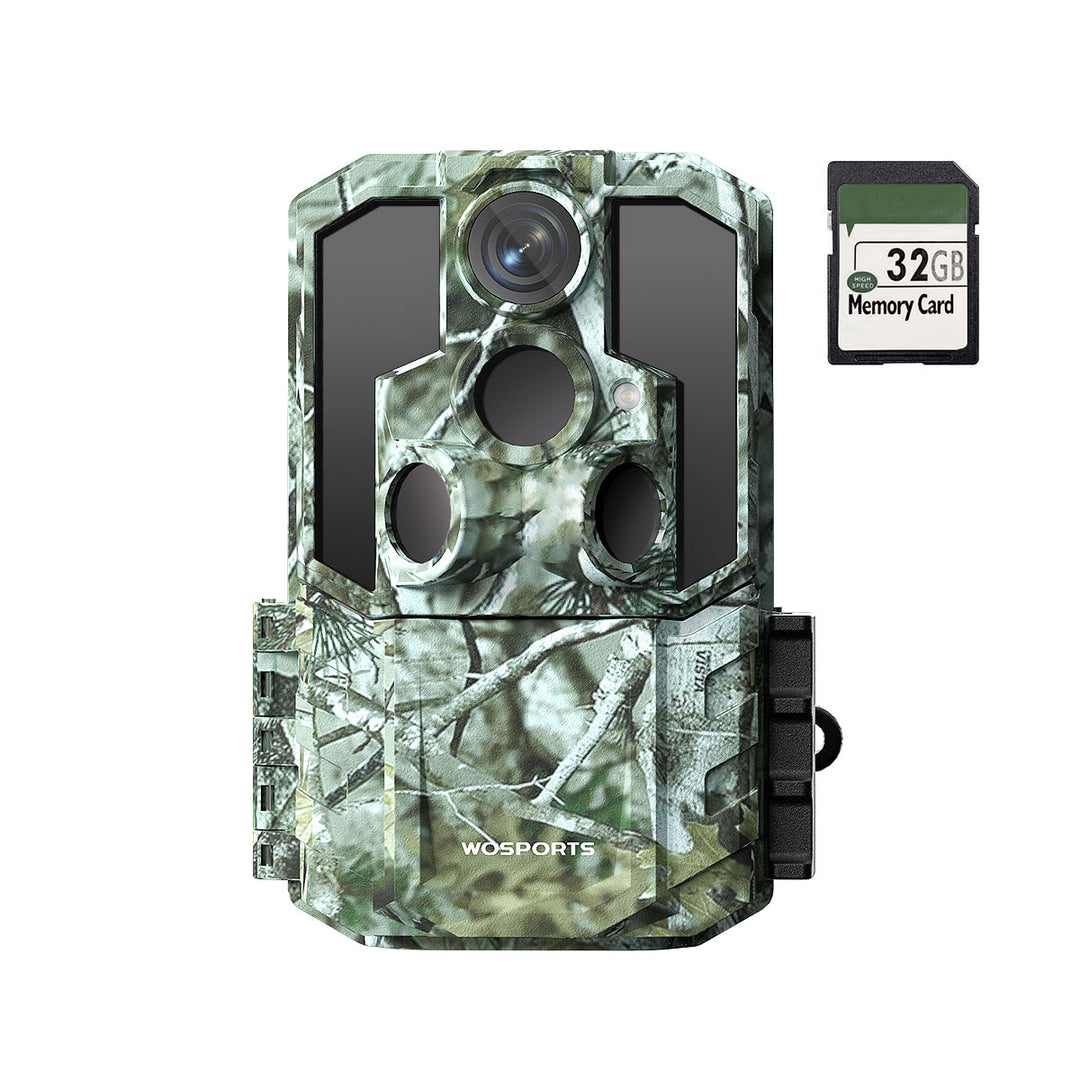
WOSPORTS G600: 0.2-Second Trigger Speed for Wildlife Scouting
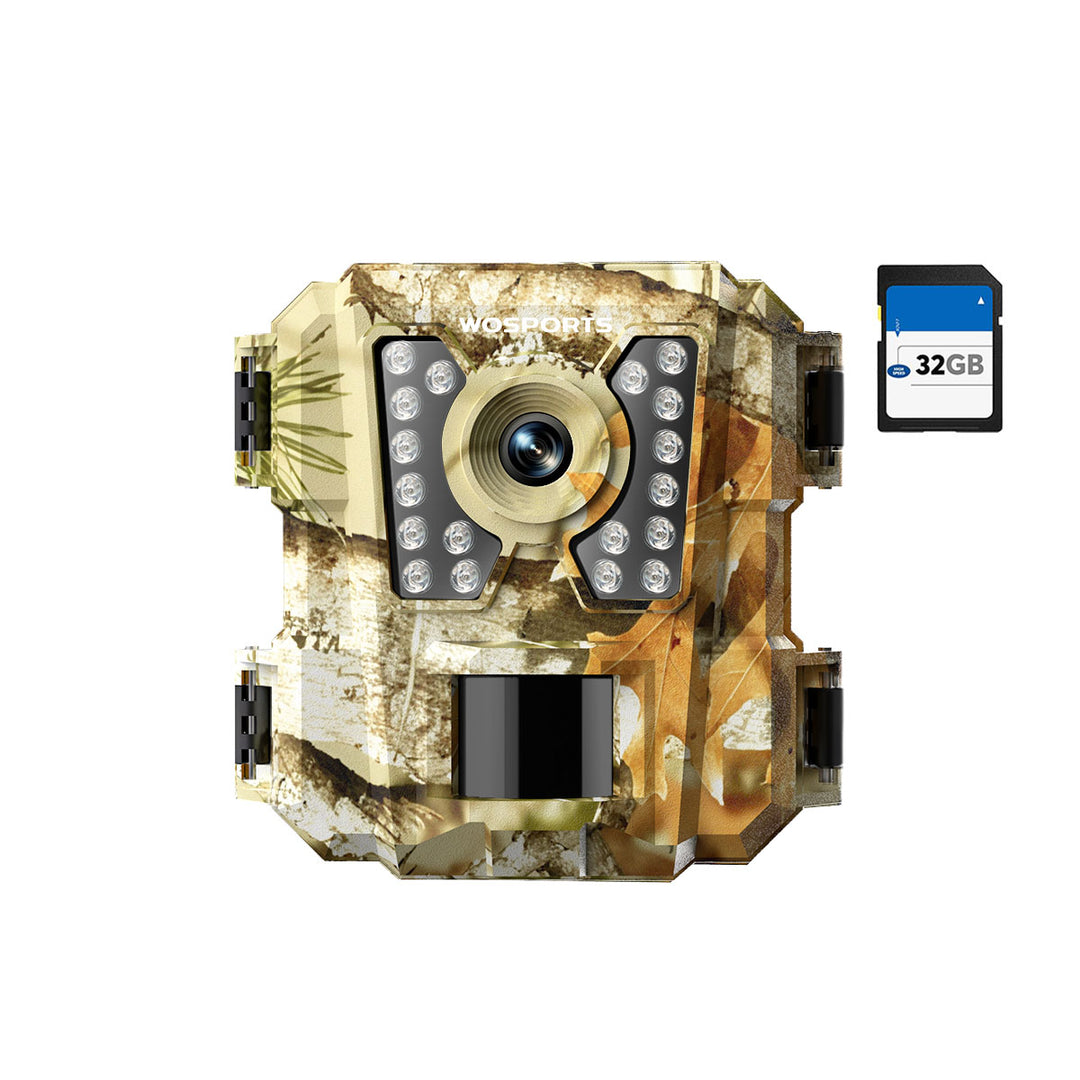
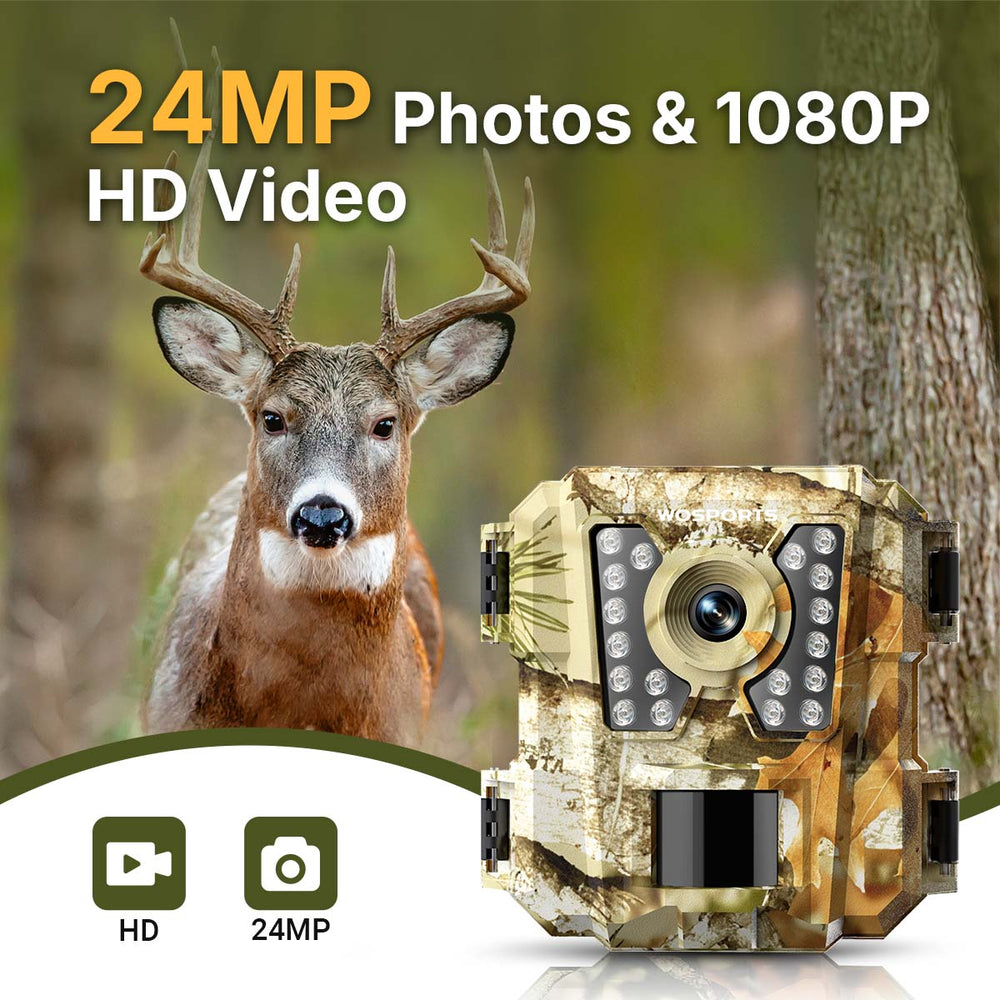
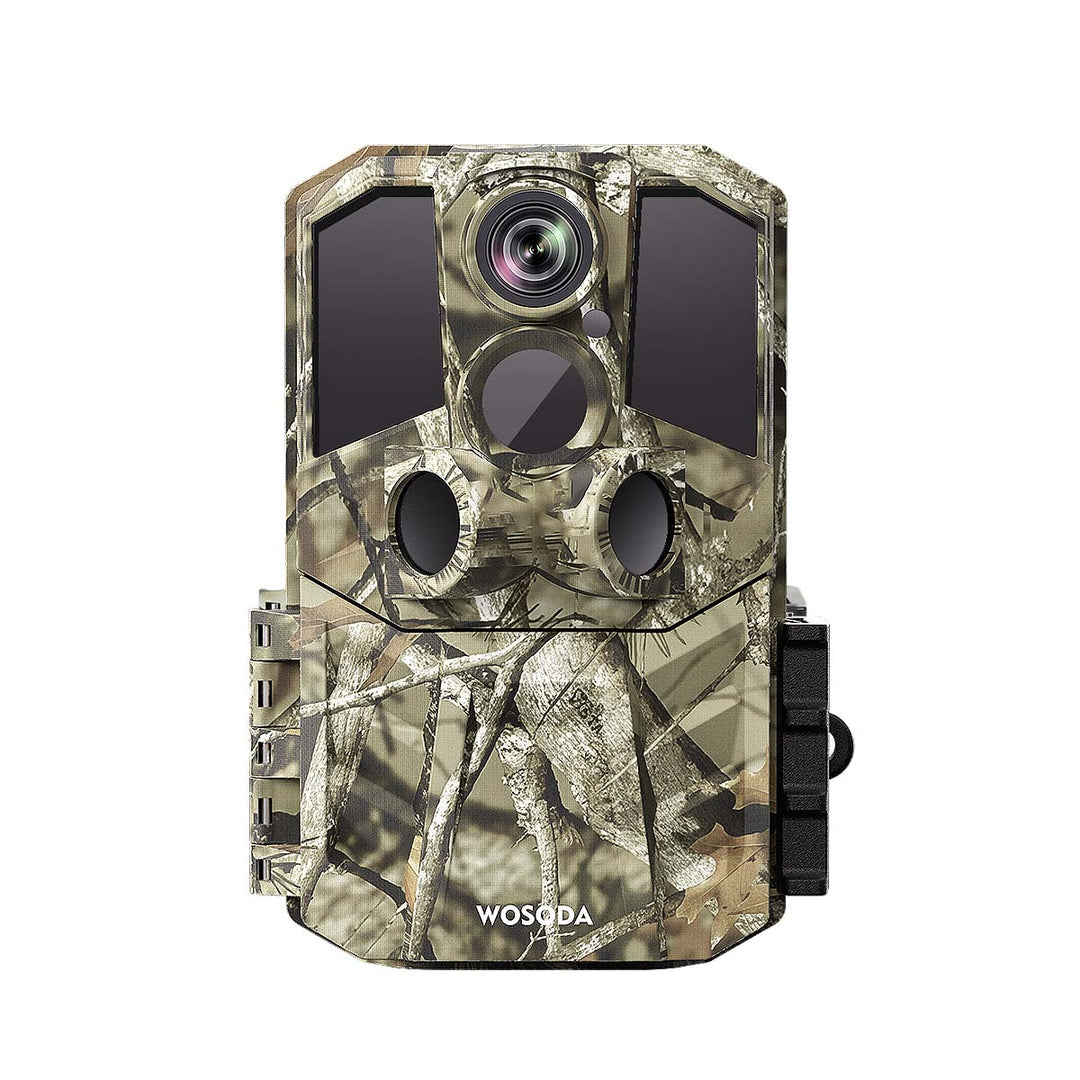
The WOSPORTS G600 features a 0.2-second trigger speed, designed to quickly respond when movement is detected.
Combined with its:
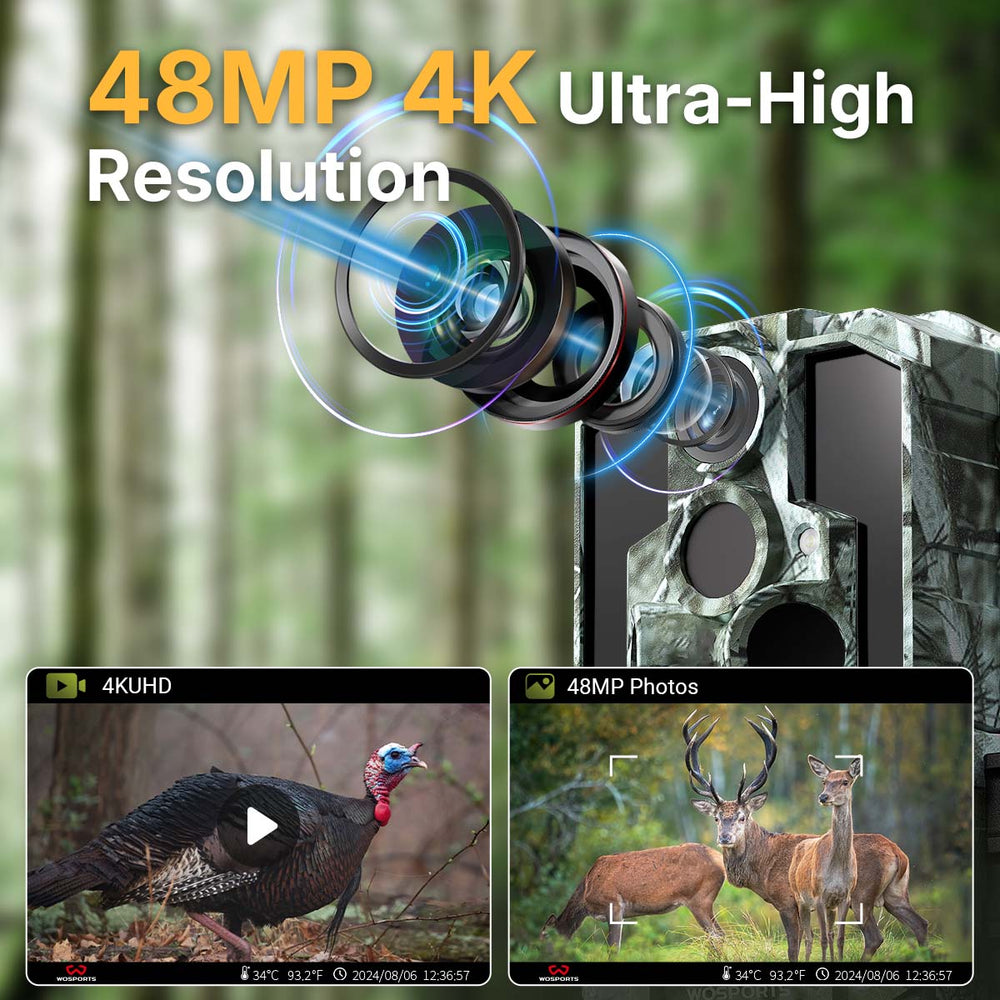
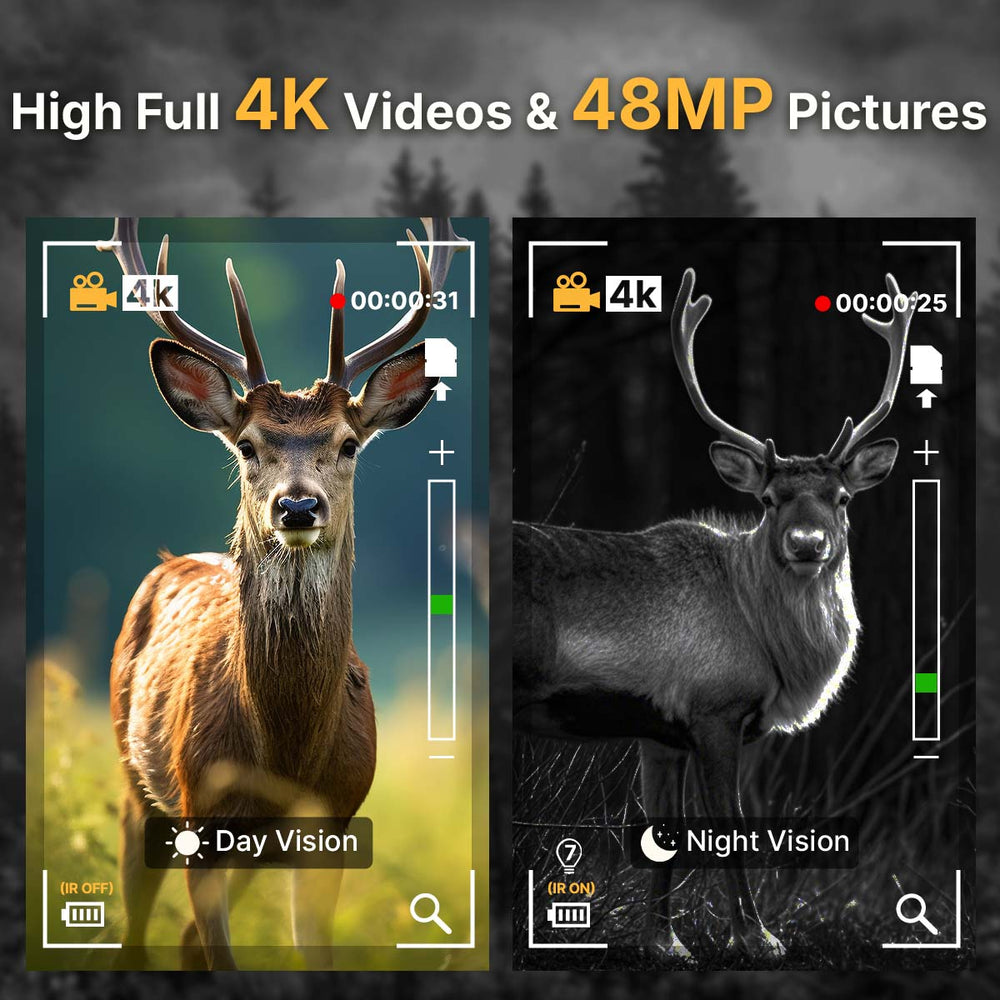
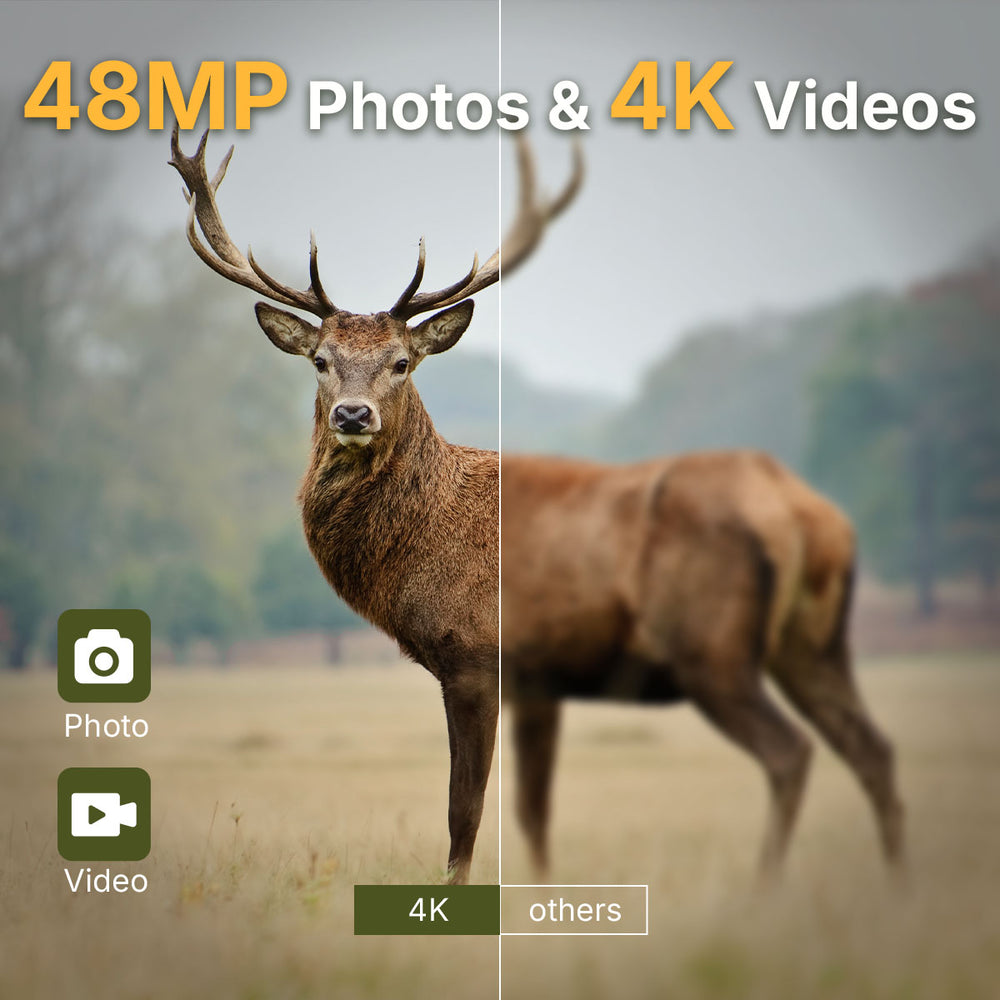
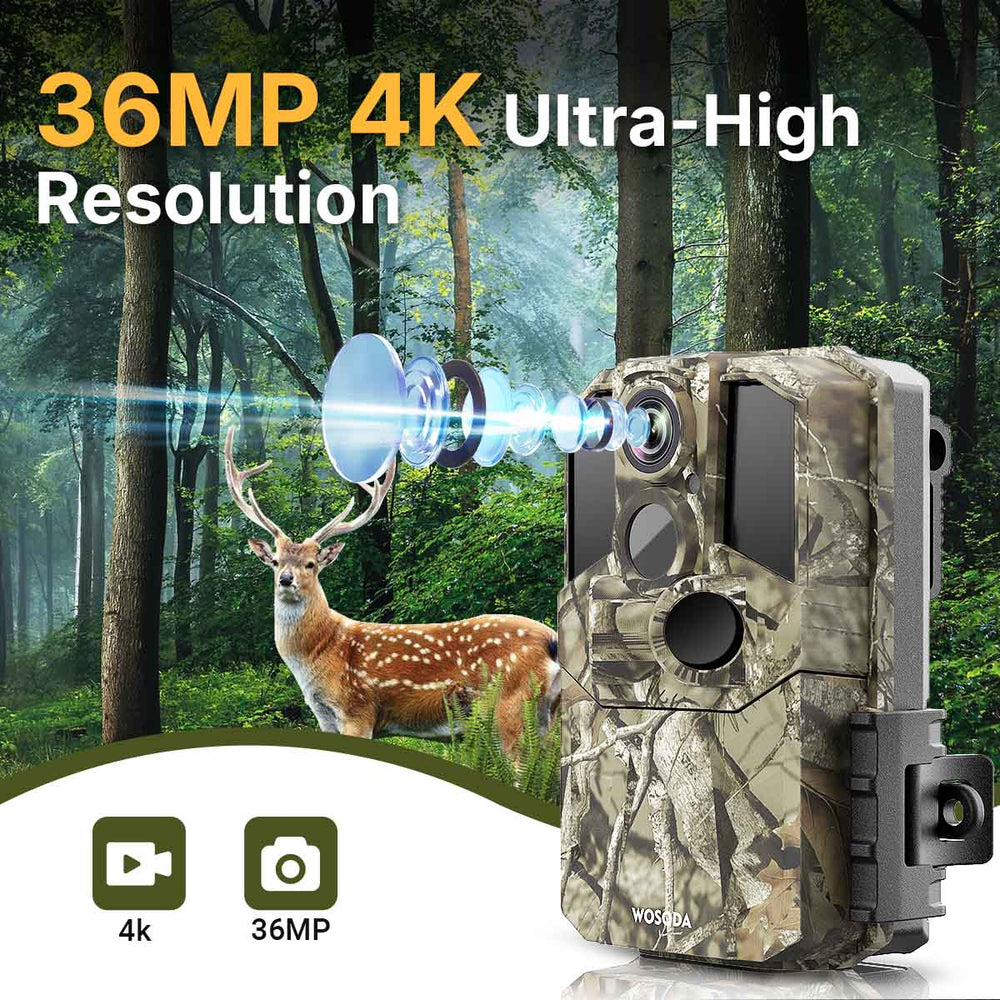
- 48MP photo capability
- 4K video recording
- 120° wide-angle view
- Up to 70 ft PIR detection
- Automatic day/night monitoring
- Night vision
- IP66 weather protection
the G600 is built around a simple goal:
Capture more of what happens in front of the camera.
For deer trails and wildlife scouting, proper placement remains just as important as the camera's trigger speed.
A fast trigger works best when the camera is positioned where animals are actually moving.
Is Trigger Speed More Important Than Megapixels?
Not always.
These specifications solve different problems.
Trigger speed helps you capture the event.
Resolution helps you see the details in the captured image.
For example, a 48MP camera may produce highly detailed photos, but if the animal has already moved out of the frame, the resolution doesn't help.
On the other hand, a fast trigger is less valuable if the resulting image doesn't contain enough detail for your purpose.
That's why a balanced combination is more important than focusing on one specification.
What Should You Look for Besides Trigger Speed?
When shopping for a trail camera, consider the entire system.
Trigger speed
Look for approximately 0.3 seconds or faster if fast-moving wildlife is a priority.
Detection range
Make sure the camera can detect movement across the area you want to monitor.
Field of view
Consider how much of the scene you need to capture.
Image resolution
Higher resolution can help preserve useful details in photos.
Video resolution
If you want to understand animal behavior, video can provide information that a single photograph cannot.
Night vision
Wildlife activity doesn't stop after sunset. Good infrared night vision can extend your scouting coverage.
Recovery time
A camera that can quickly prepare for another event is useful when multiple animals are moving through the same area.
Weather protection
Outdoor cameras need to handle rain, humidity, dust, and changing temperatures.
Storage
Make sure the camera's storage system matches how frequently you expect it to trigger.
Frequently Asked Questions
What is considered a fast trail camera trigger speed?
A trigger speed of around 0.3 seconds or faster is generally considered fast for wildlife scouting. A 0.2-second trigger provides a quick response for many trail camera applications.
Is 0.2 seconds good for a trail camera?
Yes. A 0.2-second trigger is a fast response time and can be particularly useful for deer and other wildlife that move quickly through the detection zone.
What is more important: trigger speed or recovery time?
Both matter. Trigger speed determines how quickly the camera responds to an event, while recovery time determines how quickly it can capture another event afterward.
Can a fast trail camera still miss a deer?
Yes. Camera placement, detection range, field of view, vegetation, animal direction, and recovery time can all affect whether a deer is captured.
Does trigger speed affect video?
It can. For cameras that record video when triggered, faster detection can help the recording begin sooner after movement is detected.
What trigger speed is best for deer?
For deer scouting, approximately 0.2–0.3 seconds is a strong target. However, proper placement and reliable detection are equally important.
Does higher megapixel resolution make a trail camera faster?
No. Megapixel resolution and trigger speed are separate specifications. Resolution describes image detail, while trigger speed describes how quickly the camera responds to movement.
Final Thoughts
Trigger speed matters because wildlife doesn't wait for your camera.
A deer can cross a trail in seconds. A small animal can disappear almost instantly. And several animals can pass through the same area before a camera with a long recovery time is ready again.
When choosing a trail camera, don't look at trigger speed in isolation.
Consider the complete system:
Fast trigger + reliable detection + appropriate field of view + good placement + efficient recovery = better scouting opportunities.
For many wildlife applications, a 0.2-second trigger speed provides a strong combination of responsiveness and practicality.
But remember the most important rule:
A fast camera still needs to be in the right place.
Place it where wildlife moves, position it carefully, test the detection zone, and let the camera collect the information you need.
Search
Popular Posts
Recent Posts


Nov 28, 2024
Troubleshooting Common Trail Camera Issues
Jan 10, 2025
Why Does My Trail Camera Stop Working at Night?