How Can Small Retailers Identify the Right Customers for Trail Cameras?
Small retailers can identify the right customers for trail cameras by understanding what people want to monitor, where they plan to use the camera, and which features matter most to them. Hunters, wildlife observers, farmers, and property owners may all buy trail cameras, but their priorities are different.
For small wholesalers and outdoor retailers, matching products to specific customer groups helps make inventory easier to manage and products easier to sell. Rather than marketing every camera to everyone, retailers can connect each model with a clear use case.
1. Who Are the Main Customers for Trail Cameras?
The main target customers for trail cameras include hunters, wildlife enthusiasts, farmers, rural landowners, and people who want to monitor outdoor areas. Each group has different needs, so retailers should tailor product information to the intended use.
| Target customer | Main purpose | Features to highlight |
|---|---|---|
| Hunters | Scout wildlife and game trails | Trigger speed, detection range, night vision |
| Wildlife observers | Capture animal behavior | Image quality, video, motion detection |
| Farmers | Monitor fields and livestock areas | Weather resistance, battery life, coverage |
| Landowners | Check remote property areas | Night imaging, durability, easy setup |
| Beginners | Explore outdoor monitoring | Simple controls, value, ease of use |
A useful sales question is: “What do you want to monitor, and where will you place the camera?” The answer helps retailers recommend relevant features instead of simply promoting the model with the highest specifications.
2. Is There a Market Beyond Hunting?
Yes. Wildlife observation offers retailers an additional customer segment beyond traditional hunting. The U.S. Fish and Wildlife Service reported that approximately 148.3 million Americans aged 16 and older participated in wildlife watching in 2022.
The survey also reported $24.6 billion in spending on wildlife-watching equipment, including binoculars, cameras, bird food, and specialized clothing. These figures cover a broad equipment category, not trail cameras alone, but they indicate a substantial audience interested in outdoor observation.
Source: U.S. Fish and Wildlife Service, 2022 National Survey of Fishing, Hunting, and Wildlife-Associated Recreation
https://www.fws.gov/press-release/2023-10/americans-spent-394b-hunting-fishing-and-wildlife-associated-activities-22
For small retailers, the opportunity is to position trail cameras for wildlife watching, nature observation, and outdoor property monitoring—not just hunting season.
3. How Should Retailers Match Trail Camera Features to Customer Needs?
Retailers should start with the customer's intended use, then highlight the features that support it. This makes product comparisons clearer and helps customers avoid paying for features they do not need.
For example:
-
Hunters: Emphasize trigger speed, infrared night vision, and detection range.
-
Wildlife observers: Highlight image quality, video recording, and motion detection.
-
Farmers and landowners: Focus on weather resistance, battery performance, and practical coverage.
-
First-time buyers: Explain setup, memory card requirements, and how to view recorded footage.
University extension guidance on wildlife cameras also recommends considering intended use, trigger speed, detection range, image quality, and the environment where a camera will be installed.
Source: Oregon State University Extension, Wildlife Cameras: A Snapshot of What You Need to Know
https://extension.oregonstate.edu/forests/health-managment/wildlife-cameras-snapshot-what-you-need-know
4. How Can Small Retailers Build a Focused Product Range?
A focused product range gives each camera a clear purpose without tying up too much cash in overlapping inventory. Small retailers can start with a versatile core model, then add specialized options as customer demand develops.
| Product position | Target customer | Main selling point |
|---|---|---|
| Entry-level | Beginners and budget-conscious buyers | Simple operation and value |
| Core model | Hunters and general outdoor users | Balanced features and price |
| Specialized model | Customers with specific monitoring needs | Features for a defined use case |
Before expanding the range, retailers can test a small order, collect customer questions, and track which features influence purchasing decisions. This provides more useful evidence than assuming the camera with the longest specification list will sell best.
5. How Does the WOSPORTS G600 Fit These Customer Needs?
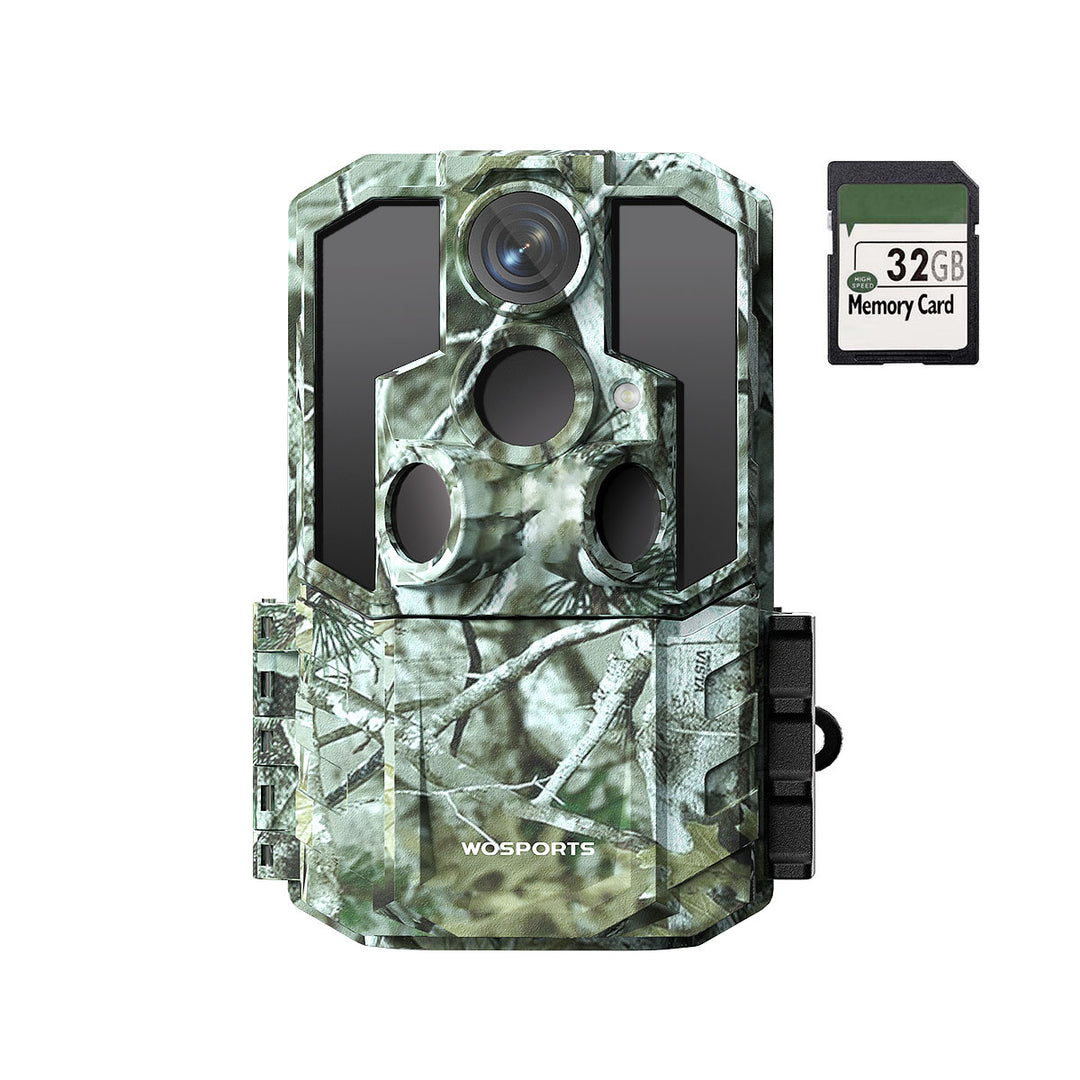
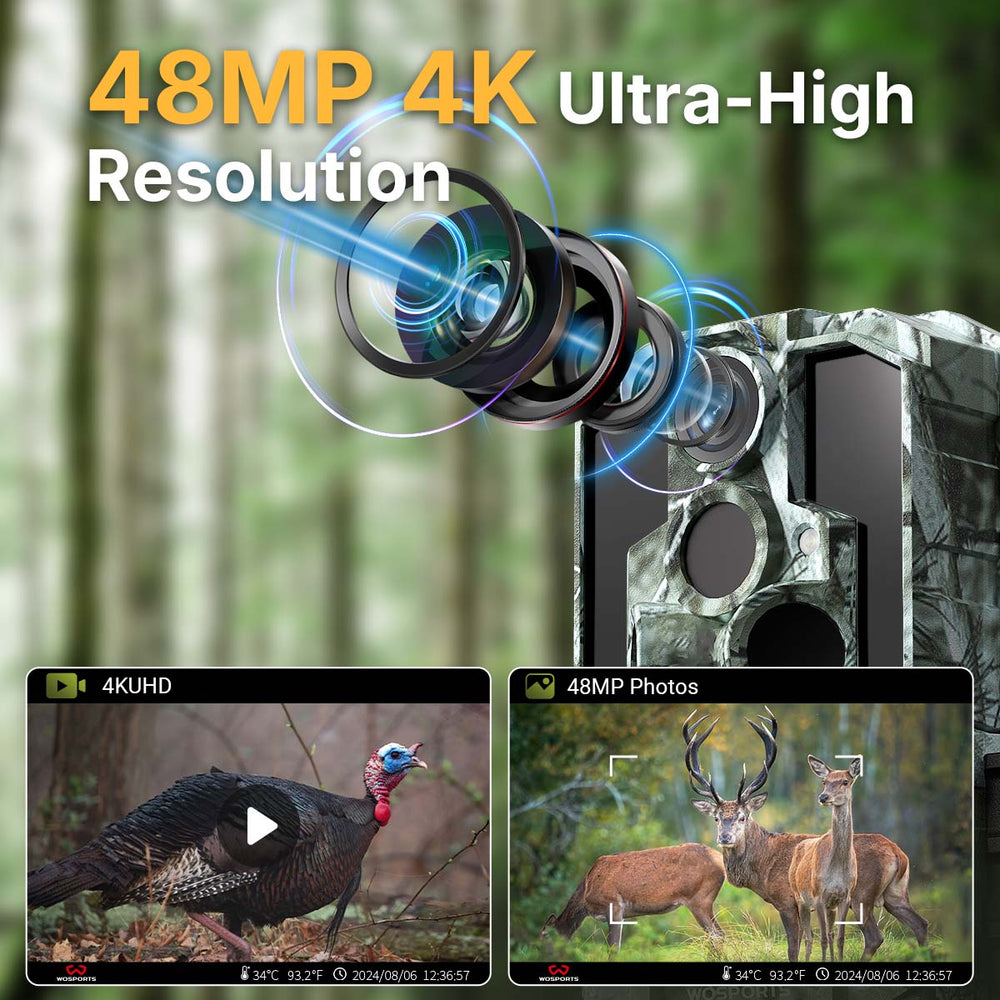
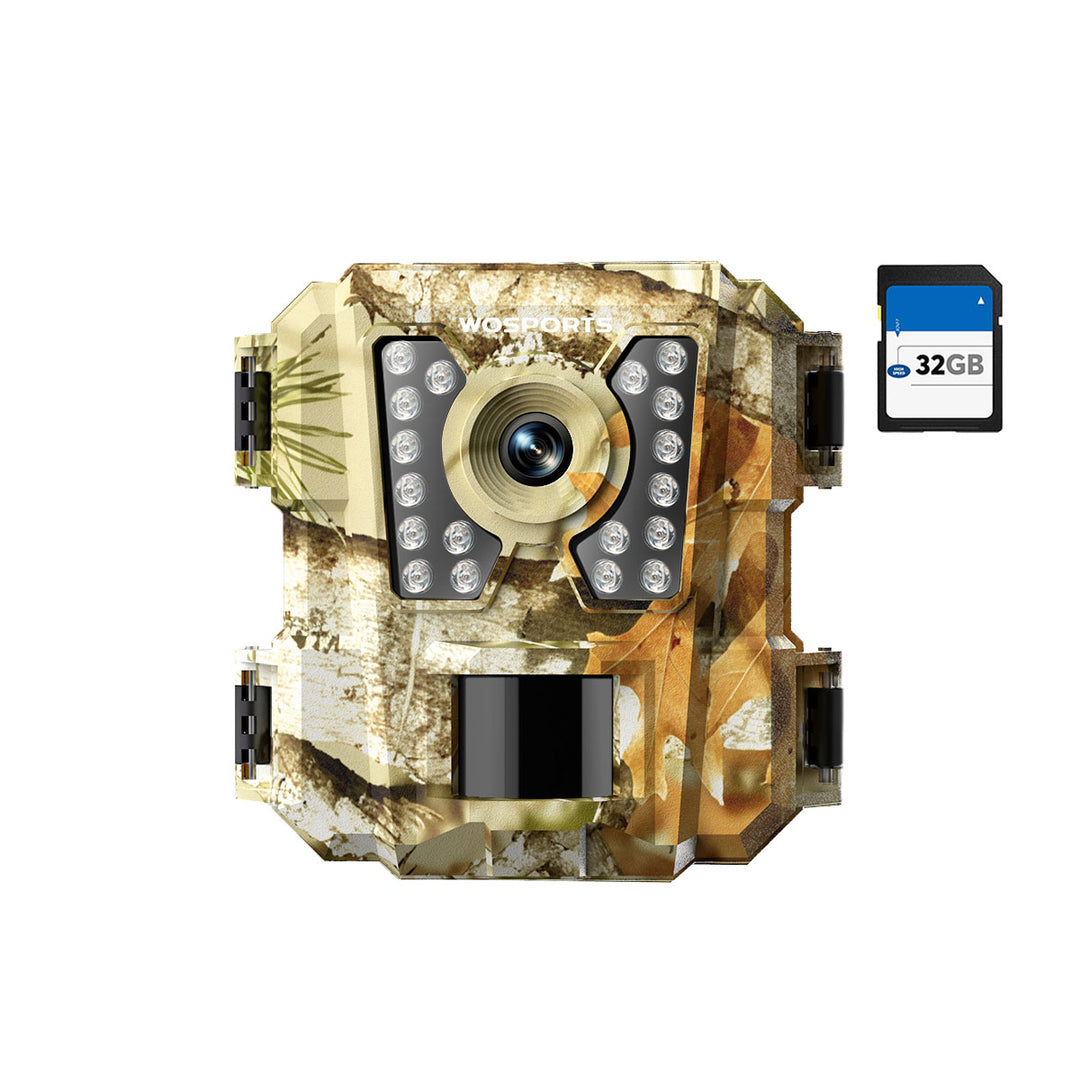
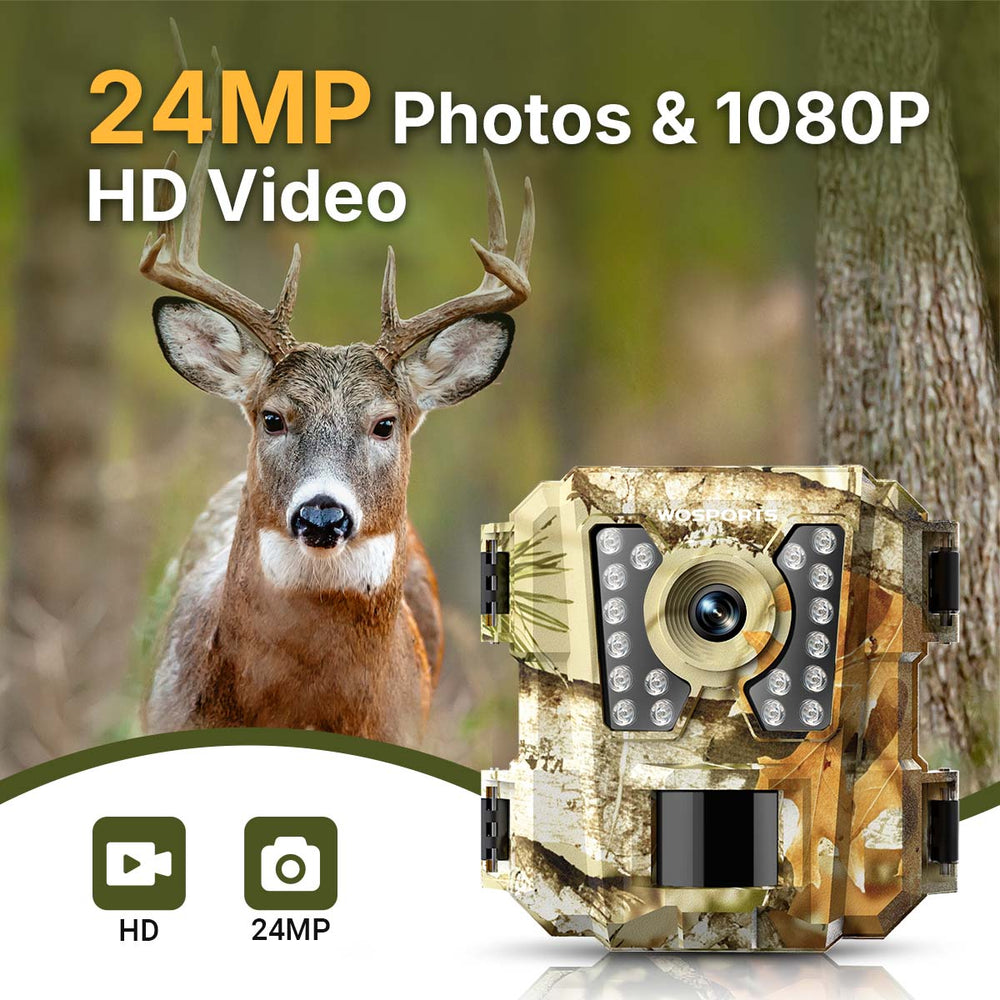
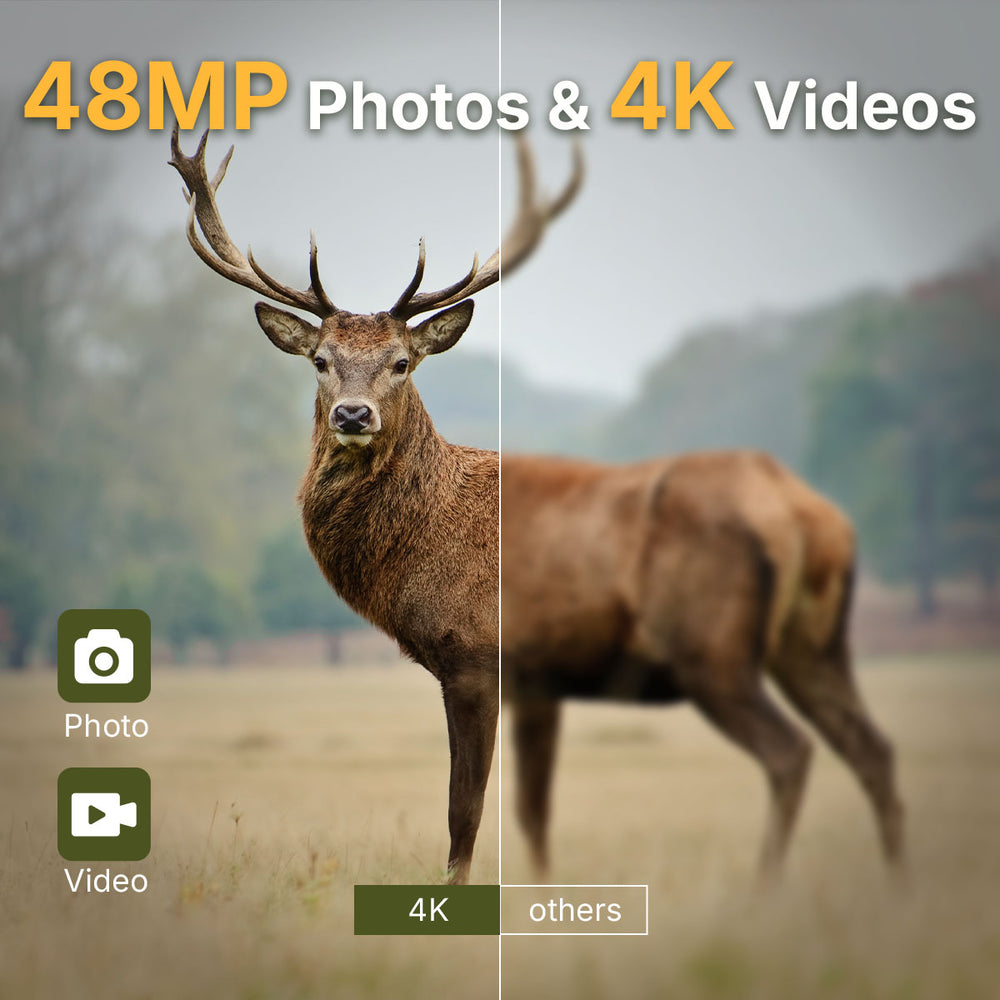
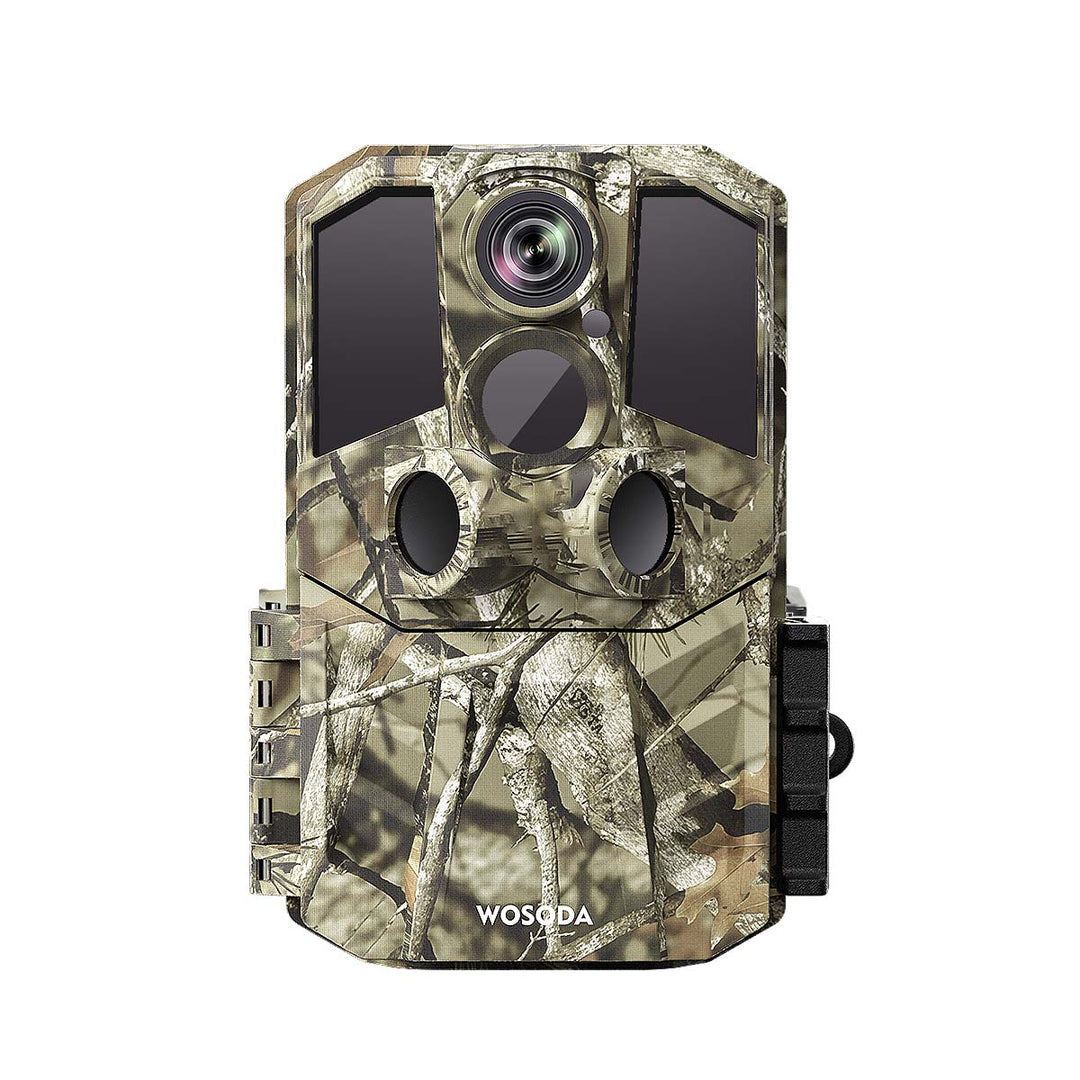
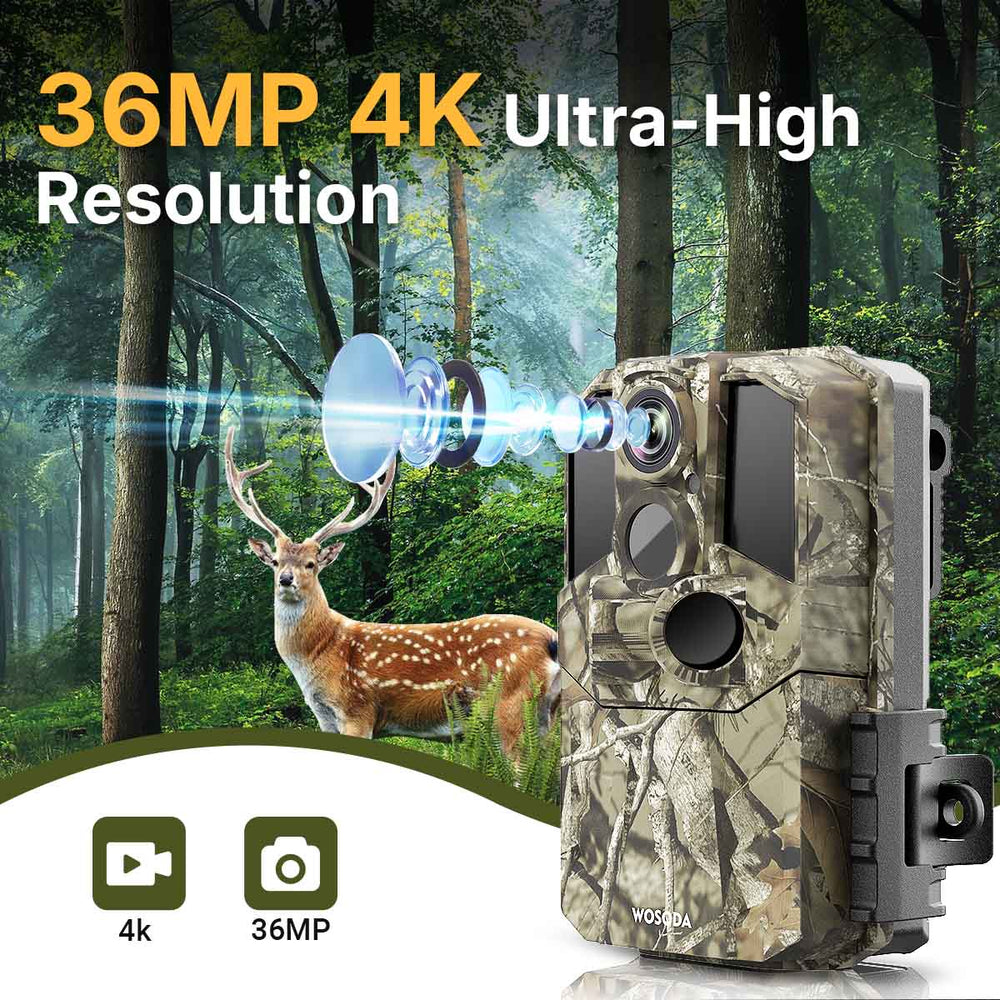
The WOSPORTS G600 is a traditional trail camera designed to capture wildlife and outdoor activity automatically. Its 48MP photo specification, 4K video, 0.2-second trigger speed, 120-degree wide-angle lens, and IP66 weather resistance make it an option for customers interested in wildlife monitoring, hunting, and property observation.
| G600 feature | Customer benefit |
|---|---|
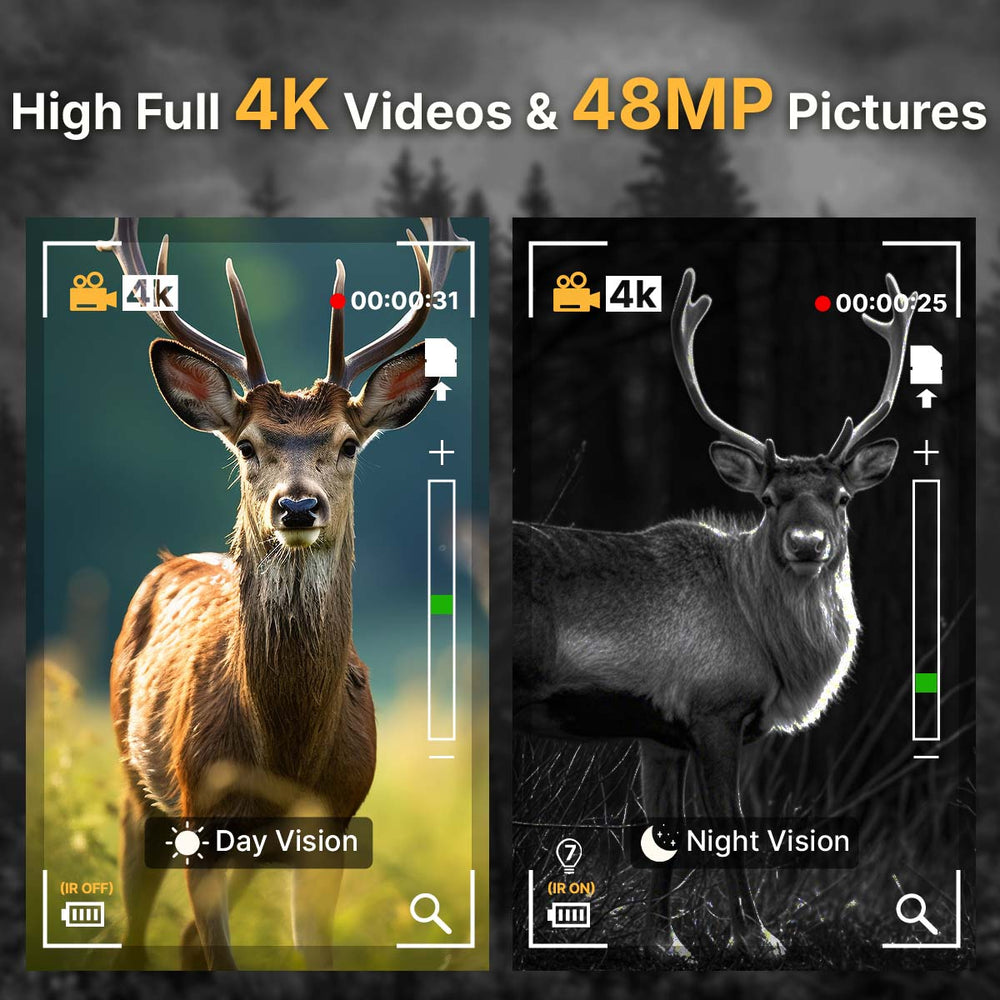
| 48MP photos and 4K video | Records wildlife and outdoor activity |
| 0.2-second trigger speed | Helps capture brief movement |
| 120-degree lens | Covers a wide area in front of the camera |
| Up to 70 ft PIR detection distance | Supports motion-triggered monitoring within its detection range |
| IP66 weather resistance | Suits outdoor deployment in appropriate conditions |
| Built-in 2-inch LCD screen | Allows setup and local viewing |
The G600 does not require Wi-Fi, Bluetooth, or cellular connectivity. Images and videos can be viewed on the built-in screen or through the SD card, making it suitable for customers who prefer straightforward local recording over app-based remote monitoring.
For small retailers, this creates a clear product position: a practical trail camera for customers who want to capture wildlife or monitor outdoor locations without needing a connected camera system.
Product source: WOSPORTS, G600 4K Trail Camera
https://wosports.com/products/g600-trail-camera
Frequently Asked Questions
Should small retailers target hunters only?
No. Wildlife observers, farmers, landowners, and outdoor enthusiasts are additional potential customer groups. Serving multiple segments can help retailers sell beyond hunting season.
Which trail camera features should retailers promote first?
Start with the features most relevant to the customer's purpose, such as trigger speed for moving wildlife, image quality for observation, and weather resistance for outdoor use.
Should a retailer stock many trail camera models?
Not necessarily. A smaller range with clear differences between products is often easier to explain and manage. Expand when sales data and customer requests show a genuine need.
Final Takeaway
Small retailers can identify the right trail camera customers by understanding their monitoring needs and matching those needs to the right features. Hunting is one market, but wildlife observation, farming, and property monitoring create additional opportunities.
For B2B buyers, a focused product range and clear customer positioning are practical starting points. The WOSPORTS G600 offers a versatile option for retailers serving customers who need automatic wildlife capture and outdoor monitoring without app-based connectivity.
Search
Popular Posts
Recent Posts


Nov 28, 2024
Troubleshooting Common Trail Camera Issues
Jan 10, 2025
Why Does My Trail Camera Stop Working at Night?