How Should Small Retailers Build a Trail Camera Product Lineup for Different Customer Needs?
Small retailers should build a trail camera product lineup around customer segments rather than stocking several similar models. A practical assortment usually combines an entry-level camera for price-sensitive buyers, a dependable core model for general outdoor use, and one or more feature-rich options for customers who need advanced monitoring capabilities.
For small B2B retailers, the goal is not to carry the largest possible number of trail cameras. The goal is to create a clear product ladder that gives customers an easy reason to choose one model over another.
Why Should Retailers Build a Trail Camera Product Lineup?
A product lineup gives retailers more ways to serve different budgets and use cases without creating an unnecessarily large inventory. Instead of asking one trail camera to satisfy every customer, retailers can assign each SKU a specific role.
A well-structured trail camera lineup can include:
- Entry model: affordable and easy to understand
- Core model: balanced features and price
- Premium model: advanced connectivity or power options
- Specialized model: designed for a particular use case
This approach also makes online merchandising easier. Each product can have a clear reason to exist, reducing the problem of several nearly identical listings competing against each other.
B2B takeaway: A good product lineup is defined by meaningful differences between SKUs, not by the number of SKUs.
Which Customer Segments Buy Trail Cameras?
The most useful customer segments for small retailers include hunters, wildlife observers, landowners, farmers, property managers, outdoor enthusiasts, and customers looking for general-purpose outdoor monitoring.
These groups may use similar hardware for very different reasons.
| Customer Segment | Typical Need | Features to Prioritize |
|---|---|---|
| Hunters | Wildlife activity and scouting | Fast trigger, IR night vision, detection range |
| Wildlife observers | Animal behavior and identification | Image quality, detection zone, battery life |
| Landowners | Property monitoring | Reliability, wide detection area, durability |
| Farmers | Livestock and field monitoring | Detection range, battery efficiency, easy setup |
| Outdoor enthusiasts | General exploration | Simple operation, image/video quality |
| Property users | Security awareness | Motion detection, night operation, weather resistance |
| Beginners | Easy first purchase | Simple controls, affordable price |
The U.S. Fish & Wildlife Service reported 14.4 million hunters aged 16 and older in the United States in 2022, while its wildlife-watching data covers a much broader population of people participating in wildlife-related recreation.
This suggests an important retail opportunity: trail cameras should not be marketed only as hunting products.
How Should Retailers Match Trail Camera Features to Customer Needs?
Retailers should start with the customer's job-to-be-done and then select the features that directly support it. Not every customer benefits equally from maximum detection range, the fastest trigger speed, or the highest advertised megapixel count.
For example:
- A hunter following animals across a trail may value fast trigger and recovery.
- A landowner monitoring a driveway may prioritize reliable detection and night imaging.
- A farmer watching a field may benefit more from long detection range and battery efficiency.
- A wildlife observer may place greater emphasis on image detail and accurate timestamps.
Oregon State University Extension explains that trigger speed, recovery speed, detection range, image quality, and the camera's physical environment should all be considered when selecting and positioning wildlife cameras. It also notes that long detection distances are more useful in open areas than in dense forest.
Retail implication: Do not automatically promote the most expensive specification. Promote the specification that solves the customer's problem.
What Should an Entry-Level Trail Camera Offer?
An entry-level trail camera should focus on the features customers need most while keeping the product easy to understand and affordable. It should not try to compete with premium models on every specification.
A practical entry-level model can focus on:
- Basic motion detection
- Reliable daytime photos
- Infrared nighttime images
- Straightforward controls
- Replaceable batteries
- Weather-resistant construction
- Simple memory-card storage
This model is useful for first-time buyers, casual wildlife observers, and customers who want to test trail cameras before investing more money.
For retailers, the entry model has another important function: it establishes the lowest price point in the category.
Once customers see a more expensive model, the retailer can explain exactly what additional features justify the higher price.
What Should a Core Trail Camera Offer?
The core trail camera should be the most balanced product in the lineup. For many small retailers, this is the SKU that deserves the largest inventory allocation because it can appeal to several customer segments without being highly specialized.
A strong core model should typically combine:
- Good photo and video capability
- Reliable motion detection
- Fast trigger speed
- Useful detection range
- Infrared night vision
- Weather-resistant housing
- Practical battery performance
- Easy setup
The core product should answer the customer question: “If I only buy one trail camera, which model gives me the best overall balance?”
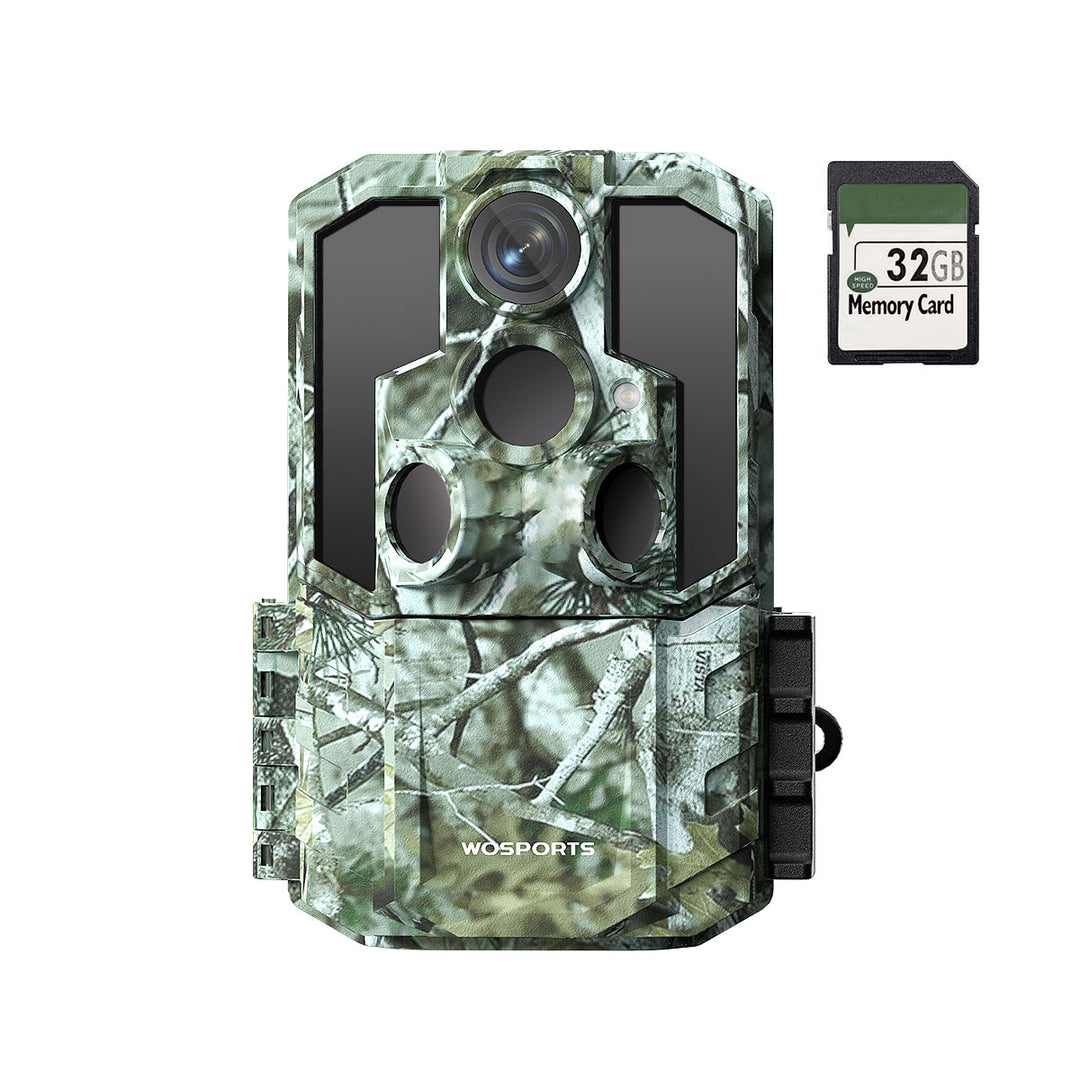
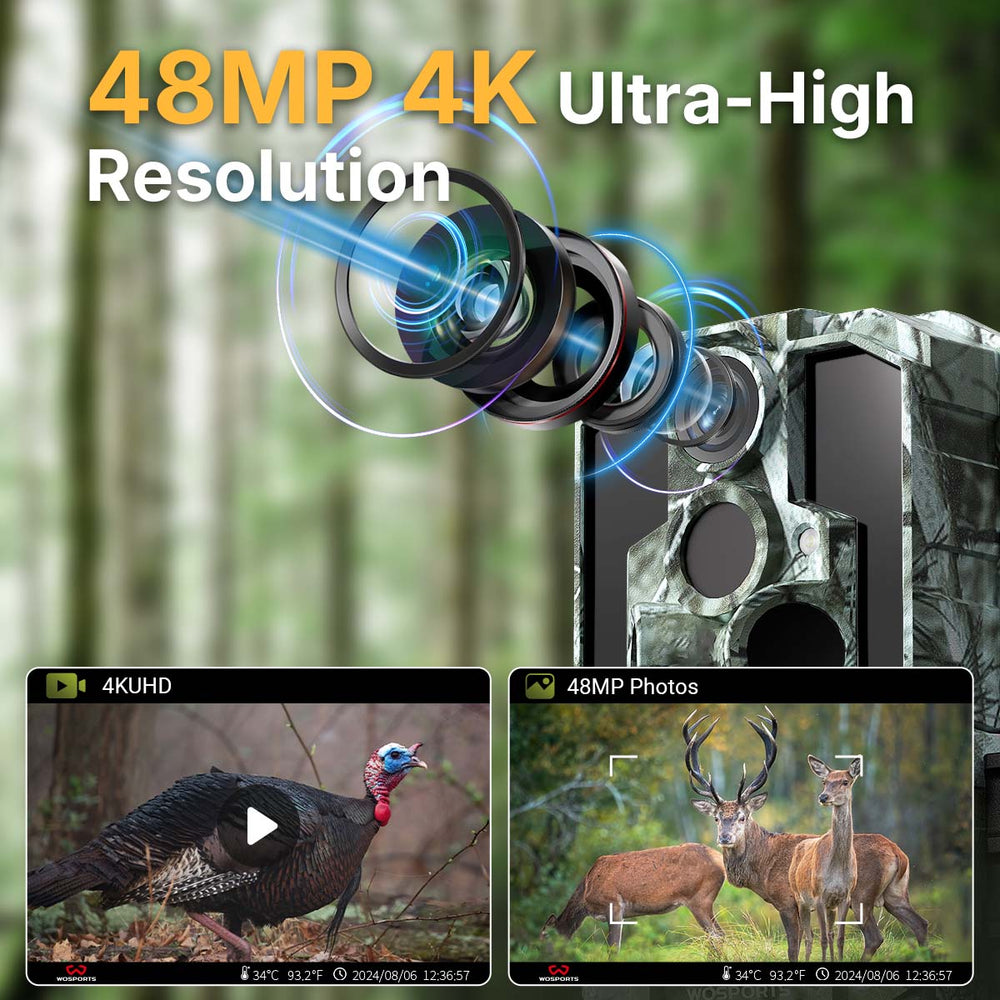
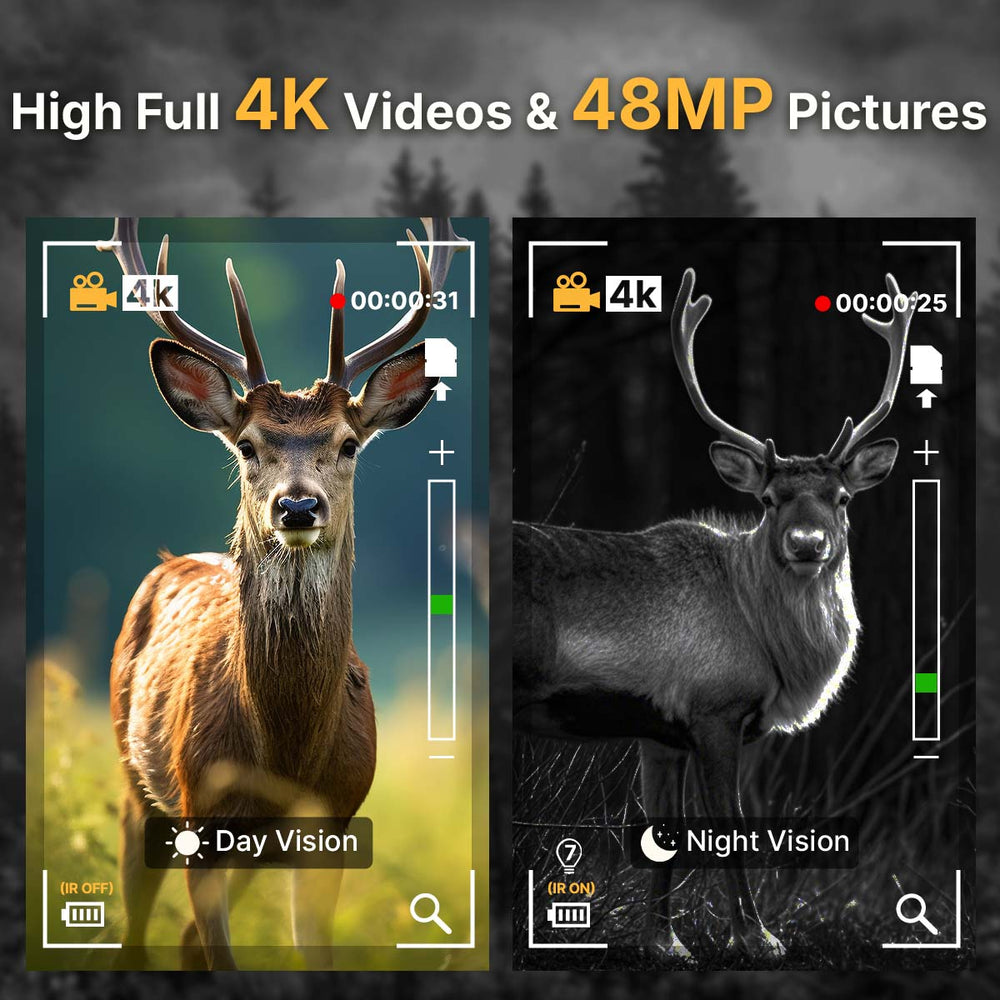
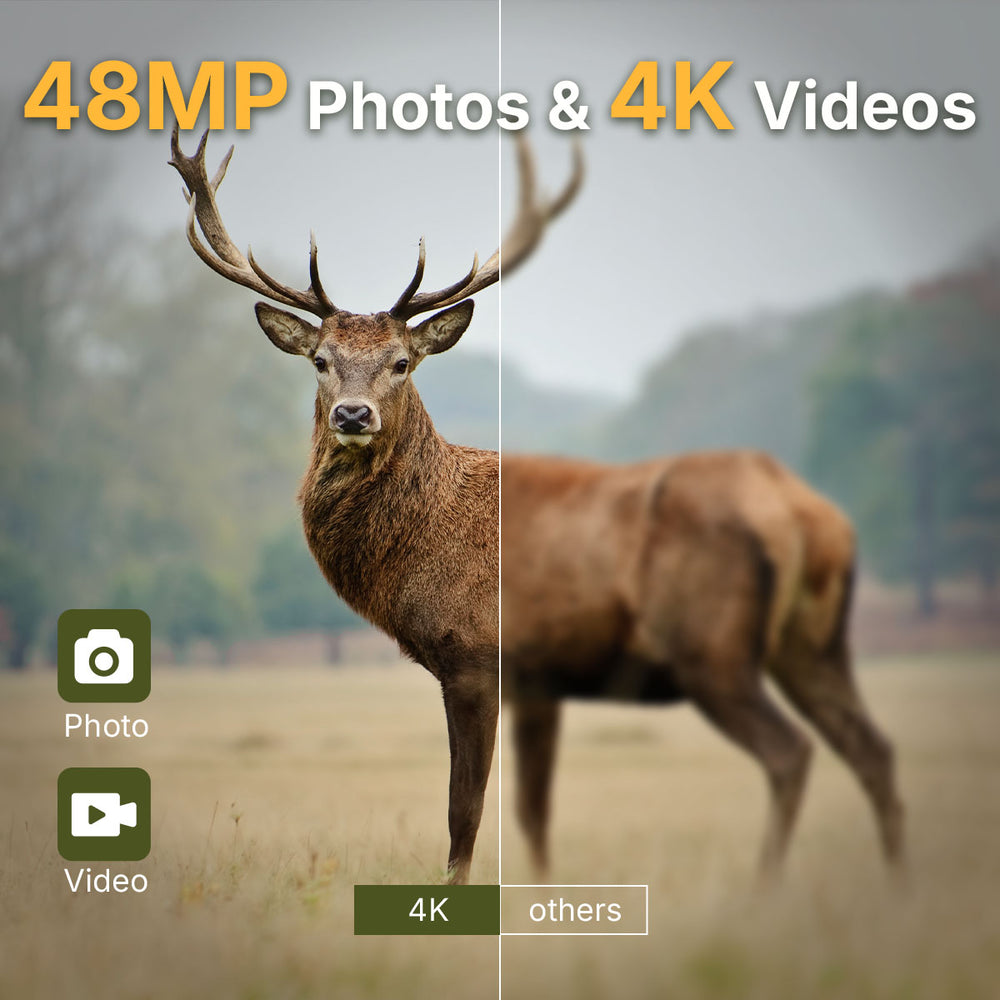
This is where a product such as the WOSPORTS G600 can fit naturally into a retail lineup. The G600 combines 48MP photos, 4K video, a 120° wide-angle view, a 70-foot PIR detection range, 0.2-second trigger speed, a 2-inch TFT LCD, and IP66 protection.
For a small retailer, those specifications create a useful middle position: the camera can be presented as a general-purpose option rather than being restricted to one narrow customer group.
What Should a Premium Trail Camera Offer?
A premium trail camera should solve problems that justify a higher selling price rather than simply adding specifications customers may never use.
Depending on the product, premium features may include:
- Cellular connectivity
- Wi-Fi
- Solar or external power
- Larger battery capacity
- Advanced image transmission
- More sophisticated control options
- Enhanced security features
- Faster recovery
- Additional monitoring functions
California's UC Agriculture and Natural Resources notes that site conditions can influence the importance of connectivity, security, durability, battery life, external power, solar power, cost, repairability, and warranty when selecting wildlife cameras.
This is useful for retailers because it reinforces a key merchandising principle: premium features should be connected to a specific customer problem.
Should Retailers Stock Specialized Trail Cameras?
Specialized trail cameras can make sense when the retailer already serves a clearly defined customer group. However, small retailers should add specialized SKUs carefully because each additional model ties up inventory.
Examples include:
| Specialized Need | Potential Product Position |
|---|---|
| Remote monitoring | Cellular trail camera |
| Long-term field use | Solar-powered model |
| Farm monitoring | Long detection-range camera |
| Wildlife research | High-quality image/documentation model |
| Property monitoring | Durable security-focused model |
| Portable scouting | Compact, lightweight camera |
A specialized SKU should have a clear reason to exist. If two cameras have nearly identical specifications and target the same buyer, carrying both may create unnecessary inventory complexity.
How Many Trail Camera SKUs Should a Small Retailer Carry?
There is no universal number, but a small retailer can often start with three clearly differentiated positions rather than trying to stock an entire category.
A practical starting lineup is:
1. Entry
Affordable, simple, easy for beginners.
2. Core
Best overall balance of features and price.
3. Premium or Specialized
Higher-value features for customers with more demanding use cases.
The retailer can then expand the lineup when sales data shows a genuine gap.
For example, if the core model sells consistently but customers frequently ask for remote connectivity, a cellular model may be a logical fourth SKU. If customers rarely ask for that feature, the retailer does not need to tie up cash in it.
How Should Retailers Compare Trigger Speed Across Customer Segments?
Trigger speed should be treated as a use-case feature rather than a universal ranking. Faster is generally useful, but its commercial value depends on where the camera will be placed.
University of Florida Extension defines trigger speed as the time between motion detection and image capture and notes that faster trigger speed generally reduces the delay before an animal is captured. It recommends a minimum trigger speed of one second or less in most cases.
Utah State University Extension gives an even more demanding practical recommendation for wildlife use, suggesting 0.2 seconds or less and also emphasizing recovery time and burst shooting.
This creates a useful retail distinction:
| Use Case | Trigger-Speed Priority |
|---|---|
| Animal crossing a trail | High |
| Fast-moving wildlife | High |
| Bait or feeding station | Medium |
| Driveway monitoring | Medium |
| Static property area | Medium |
| Time-lapse monitoring | Lower |
This allows a retailer to explain why two cameras with different trigger speeds can both be appropriate products.
How Important Is Detection Range?
Detection range should match the environment rather than simply being as large as possible. A long detection range is more useful in open fields, while a shorter but more controlled detection zone may work better in dense vegetation.
Oregon State University Extension specifically notes that detection range consists of distance and angle and that long trigger distances can be valuable in open meadows but less important in dense forest.
For product merchandising, retailers can therefore create simple positioning:
- Woodland: prioritize detection zone and trigger accuracy
- Open field: prioritize detection distance
- Farm: prioritize coverage and reliability
- Trail: prioritize trigger speed and recovery
- Property: prioritize consistent motion detection
This is more useful to customers than simply advertising the longest possible detection distance.
How Should Image Quality Be Positioned Across the Product Lineup?
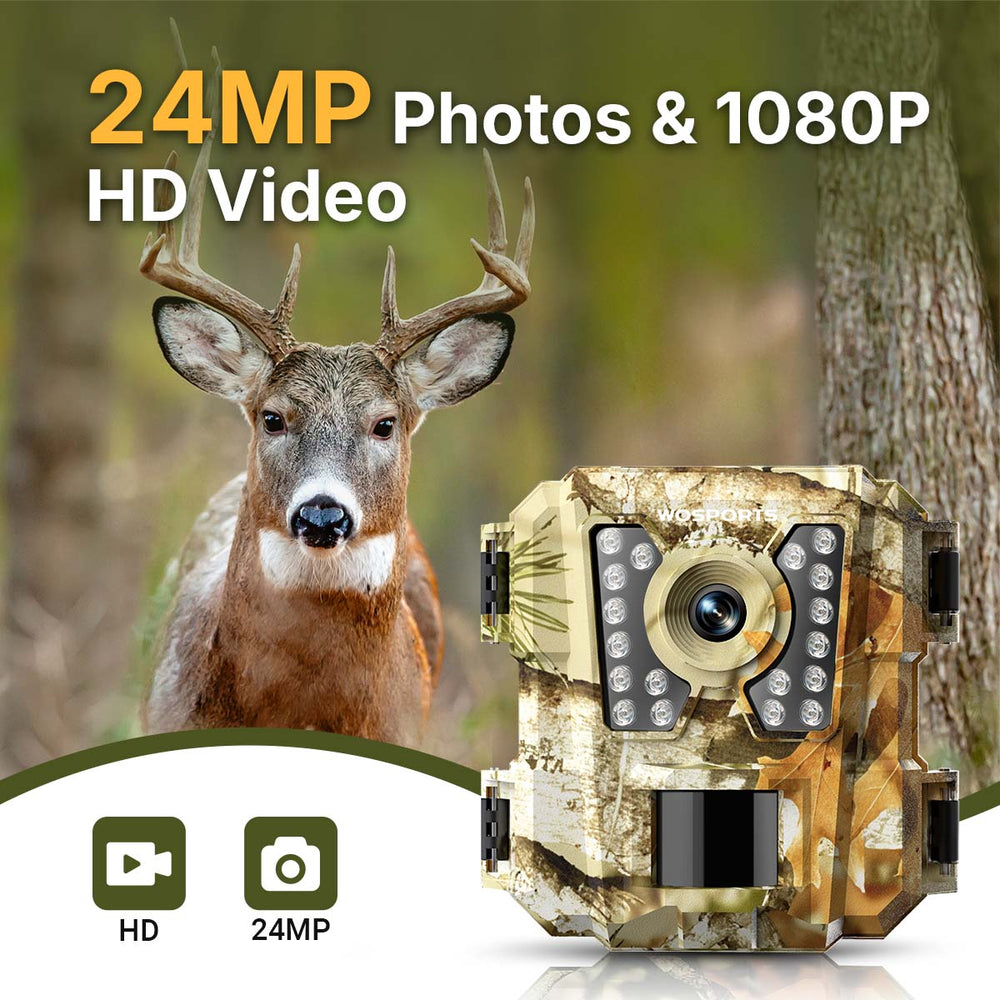
Image quality should be presented in terms of usable detail rather than megapixels alone. A high advertised megapixel number does not automatically mean better real-world images.
The University of California's Agriculture and Natural Resources program warns that some wildlife cameras advertise high megapixel counts through interpolation, which does not necessarily improve actual image quality. It recommends checking sample images when evaluating cameras.
For small retailers, this suggests a better product-page strategy:
Do not write only:
48MP Trail Camera
Instead, combine the specification with evidence:
- Sample daytime image
- Sample nighttime image
- Wildlife distance example
- Video sample
- Image dimensions
- Nighttime illumination example
This gives customers a more realistic understanding of what they are buying.
How Should Retailers Position the WOSPORTS G600?
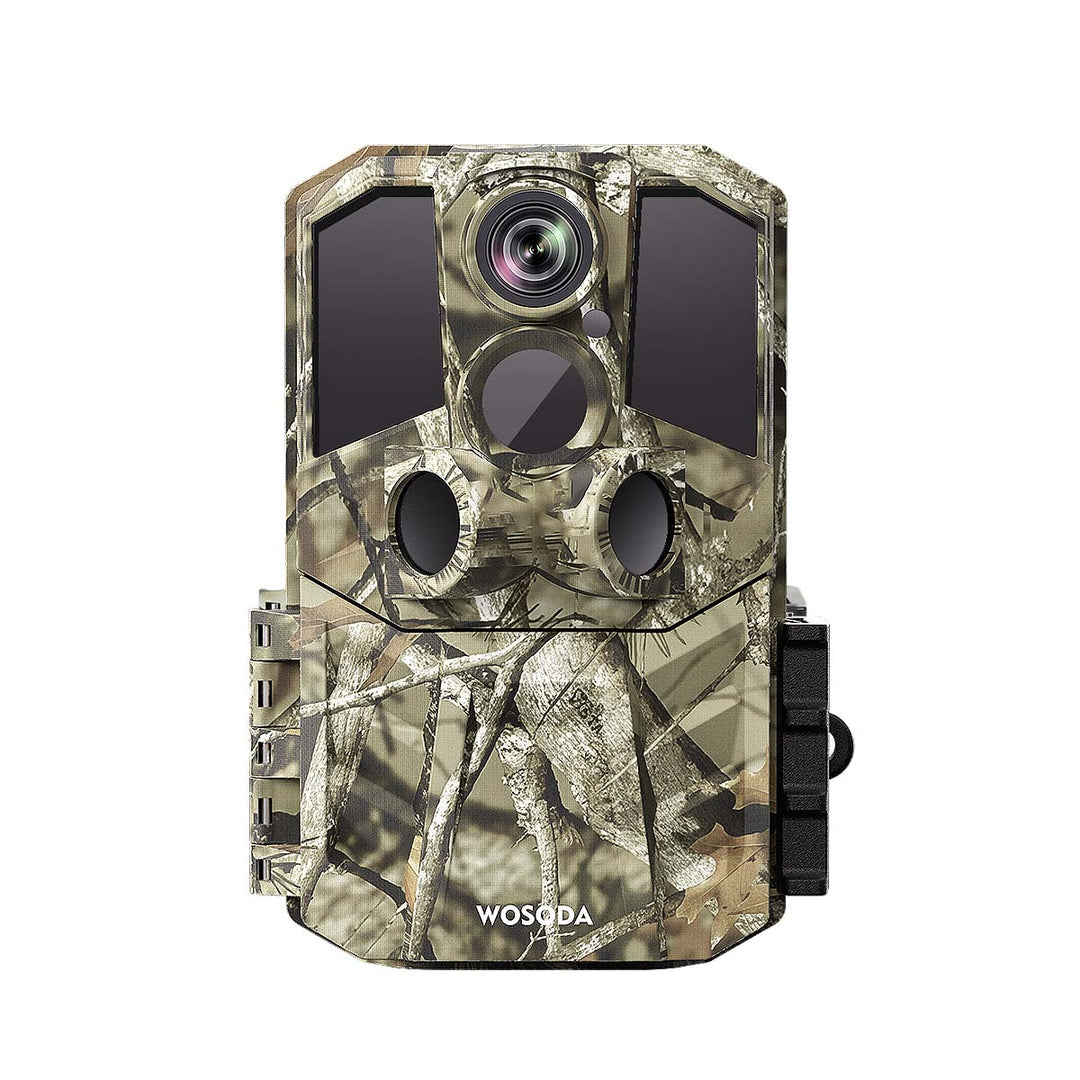
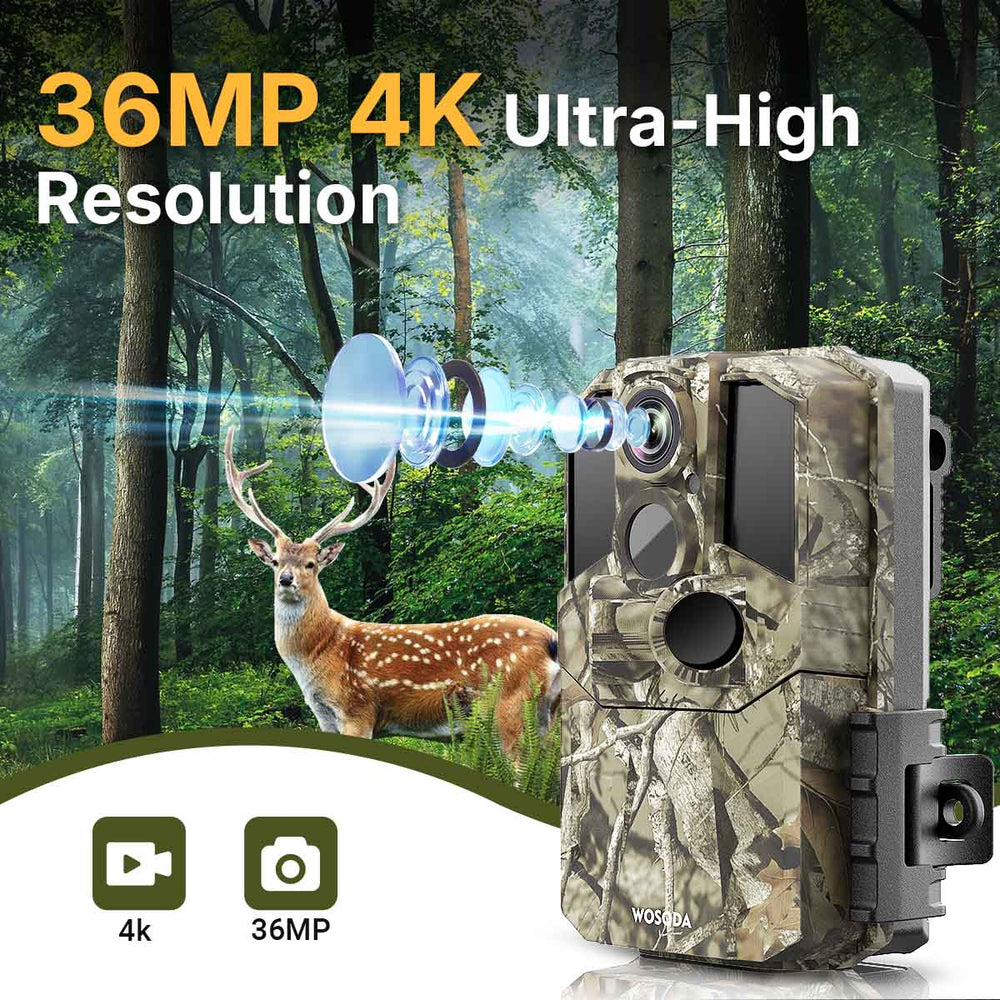
The G600 can serve as a core general-purpose trail camera in a small retailer's product lineup because its feature set addresses several customer segments rather than one narrow application.
Its main specifications include:
- 48MP photos
- 4K video
- 120° wide-angle view
- 70-foot PIR detection
- 0.2-second trigger speed
- 2-inch TFT LCD
- IP66 protection
- 8 AA batteries
That combination can be positioned differently depending on the customer.
For hunters: emphasize fast 0.2-second triggering and infrared nighttime monitoring.
For wildlife observers: emphasize image/video capability and wide-angle coverage.
For landowners: emphasize detection coverage and weather-resistant construction.
For beginners: emphasize the integrated LCD and straightforward setup.
The product itself does not need to change. The merchandising message changes according to the customer segment.
How Should Small Retailers Allocate Inventory Across Customer Segments?
Inventory should follow expected demand rather than being divided equally among every customer segment. The core product usually deserves the highest initial allocation, while specialized models should be stocked more cautiously.
A simple starting framework could be:
| Product Position | Suggested Inventory Role |
|---|---|
| Entry | Low-risk volume driver |
| Core | Main inventory position |
| Premium | Higher-margin, lower-volume |
| Specialized | Test inventory first |
For example, if a retailer starts with 100 units, it could initially allocate the largest share to the core model and smaller quantities to entry and premium products.
The exact percentages should come from actual sales data rather than being treated as a universal rule.
What Does the Outdoor Market Suggest About Trail Camera Demand?
The outdoor customer base is broad enough that retailers should avoid defining the trail camera category too narrowly.
The U.S. Fish & Wildlife Service's 2022 National Survey recorded 11.5 million big-game hunters, who spent 135 million days hunting big game. The same survey also reports substantial participation across small-game and migratory-bird hunting.
Meanwhile, the agency's wildlife-watching data shows that wildlife observation extends well beyond hunting. Its 2022 survey provides separate data for wildlife watchers, reflecting the breadth of the recreational market.
Our analysis is that this creates a strong case for multi-segment trail camera merchandising. A retailer can sell essentially the same category of hardware to different audiences, provided each SKU has a clear position and the product page explains the relevant use case.
What Should a Small Retailer's Trail Camera Product Ladder Look Like?
A simple three-level product ladder is often easier to manage than a large collection of overlapping models.
| Level | Customer | Main Selling Point | Example Position |
|---|---|---|---|
| Entry | Beginners | Affordable and simple | Basic trail camera |
| Core | General outdoor users | Best balance | G600 |
| Premium | Advanced users | More advanced monitoring | Connectivity/solar model |
The important distinction is feature progression.
Customers should be able to understand why the core model costs more than the entry model and why the premium model costs more than the core model.
If the differences are difficult to explain in one or two sentences, the lineup may be too complicated.
How Can Retailers Avoid Overlapping Trail Camera SKUs?
Retailers can reduce SKU overlap by assigning every camera a written role before ordering it. If the retailer cannot explain the target customer and primary reason to buy a model, the SKU probably needs more evaluation.
Before adding a new trail camera, ask:
- Which customer segment is it for?
- What problem does it solve?
- Which existing SKU competes with it?
- What feature is meaningfully different?
- What price gap separates the models?
- Can the difference be explained easily online?
- Is expected demand high enough to justify inventory?
This simple test can prevent a common small-retailer problem: too many similar products and not enough inventory depth in the products that actually sell.
How Can Retailers Build a Product Lineup Around Customer Needs?
A customer-first product lineup starts with use cases and works backward to product specifications.
A practical process is:
Step 1: Identify the Main Customer Segments
Start with the customers already shopping in your category: hunters, landowners, farmers, wildlife observers, outdoor enthusiasts, or beginners.
Step 2: Define the Main Use Case
Determine what customers actually want to monitor: trails, feeding areas, fields, property, livestock, or wildlife.
Step 3: Identify the Essential Features
Match the use case to trigger speed, detection range, image quality, battery system, night vision, connectivity, or other relevant functions.
Step 4: Create Product Positions
Assign each SKU a clear role such as Entry, Core, Premium, or Specialized.
Step 5: Test Before Scaling
For a small B2B buyer, a test order can reveal whether customers actually understand and value the difference between models.
Step 6: Expand Based on Sales Evidence
Add new SKUs only when customer demand reveals a genuine product gap.
Practical Buyer Example: Building a Small Trail Camera Assortment
Consider a small outdoor retailer that wants to enter the trail camera category without holding excessive inventory. Instead of importing five similar models, the retailer could begin with three positions.
Entry model: targets customers buying their first trail camera.
G600: serves as the general-purpose core model for hunters, wildlife observers, and landowners.
Premium model: targets customers who specifically need advanced connectivity, solar power, or another differentiated feature.
The retailer can then monitor which customer segment buys each product, what questions customers ask, and which features influence purchasing decisions.
This is a practical retail-planning example, not a claimed WOSPORTS customer case. The purpose is to show how a small buyer can reduce SKU complexity before scaling inventory.
What Mistakes Should Retailers Avoid When Building a Trail Camera Lineup?
The most common mistake is building the lineup around supplier catalogs rather than customer needs. A supplier may offer many models, but that does not mean a small retailer should stock all of them.
Avoid:
- Carrying too many similar SKUs
- Choosing products only by megapixel count
- Making the cheapest model the only entry point
- Stocking premium features without a clear customer
- Ignoring battery and storage requirements
- Using the same marketing message for every segment
- Ordering large quantities before testing demand
- Failing to define the role of each SKU
USGS research shows that camera traps are used for purposes ranging from species-specific research to broad-scale wildlife monitoring, demonstrating how flexible the underlying technology can be.
That flexibility is an advantage for retailers—but it also makes clear product positioning more important.
FAQ: Trail Camera Product Lineups for Small Retailers
How many trail camera models should a small retailer stock?
A small retailer can start with three clearly differentiated positions: entry-level, core, and premium or specialized. The exact number should depend on available capital, customer demand, and inventory turnover.
What is the most important trail camera feature for hunters?
Trigger speed, recovery speed, infrared nighttime performance, detection range, and image quality can all matter. The priority depends on how and where the camera is deployed.
Is the WOSPORTS G600 suitable for different customer segments?
Yes. Its combination of 48MP photos, 4K video, 120° coverage, 70-foot PIR detection, 0.2-second trigger speed, LCD, and IP66 protection gives retailers several ways to position it for general outdoor customers.
Should retailers choose the trail camera with the highest megapixel count?
No. Megapixels alone do not determine image quality. Retailers should review actual sample images and consider lens, sensor, processing, detection range, and nighttime performance.
Should every customer segment have a separate trail camera?
Not necessarily. A well-chosen core model can serve several customer segments. Separate SKUs are most useful when there is a meaningful difference in customer needs or product features.
When should a retailer add another trail camera SKU?
Add a new SKU when sales data or customer requests reveal a meaningful product gap, such as demand for cellular connectivity, solar power, or a lower entry price.
Final Takeaway: How Should Small Retailers Build a Trail Camera Product Lineup?
Small retailers should build a trail camera product lineup around customer segments, use cases, and meaningful feature differences rather than simply stocking as many models as possible.
A practical lineup can start with:
- Entry: affordable and easy for beginners.
- Core: balanced features and price for the largest customer group.
- Premium or specialized: advanced capabilities for specific needs.
The retailer should then match features to customers:
- Hunters: trigger speed, recovery, IR and detection performance.
- Wildlife observers: image quality, coverage and reliable detection.
- Landowners: durability, detection area and dependable operation.
- Farm users: coverage, battery efficiency and simple deployment.
- Beginners: affordability and ease of use.
The WOSPORTS G600 is a useful example of a core trail camera position because its 48MP photo capability, 4K video, 120° wide-angle view, 70-foot PIR detection range, 0.2-second trigger speed, LCD and IP66 protection give a retailer multiple ways to explain its value.
The bigger B2B lesson is simple: a strong product lineup does not need to be large. It needs to be understandable.
When every trail camera has a clear customer, use case, price position, and reason to buy, small retailers can make inventory easier to manage while giving customers a much clearer path to the right product.
Sources
- U.S. Fish & Wildlife Service — National Survey of Fishing, Hunting, and Wildlife-Associated Recreation: FWS – 2022 National Survey
- U.S. Fish & Wildlife Service — Report Offers a Snapshot of Hunters and Anglers in the U.S.: FWS – Hunters and Anglers Data
- U.S. Fish & Wildlife Service — Big-Game Hunters: Demographic Characteristics and Expenditures: FWS – Big-Game Hunters Report
- Oregon State University Extension — Wildlife Cameras: A Snapshot of What You Need to Know: Oregon State University Extension – Wildlife Cameras
- University of Florida IFAS Extension — Camera Trapping for Wildlife: University of Florida Extension – Camera Trapping for Wildlife
- Utah State University Extension — Creating Sustainable School and Home Gardens: Using Trail Cameras: Utah State University Extension – Using Trail Cameras
- UC Agriculture and Natural Resources — Wildlife Camera Use for Forest Landowners: UC Agriculture and Natural Resources – Wildlife Cameras
- U.S. Geological Survey — A Hidden View of Wildlife Conservation: How Camera Traps Aid Science, Research and Management: USGS – Camera Traps and Wildlife Monitoring
Search
Popular Posts
Recent Posts


Nov 28, 2024
Troubleshooting Common Trail Camera Issues
Jan 10, 2025
Why Does My Trail Camera Stop Working at Night?