What Should Wholesalers Check When Comparing Trail Camera Battery Options?
When comparing trail camera battery life for wholesale sourcing, buyers should look beyond the advertised runtime. Battery chemistry, operating temperature, trigger frequency, video recording, night vision, power requirements, and replacement costs can all affect how long a camera actually stays in the field.
For small wholesalers, the right battery system should balance runtime, reliability, customer convenience, and total ownership cost.
Why Does Battery Life Matter in Trail Camera Wholesale Sourcing?
Battery life matters because a camera that frequently needs new batteries can create extra maintenance work and customer complaints. For wholesalers, battery performance is therefore both a product feature and a potential after-sales issue.
A useful evaluation should consider:
- How long the camera operates under realistic activity levels
- How often users need to replace batteries
- Whether performance changes in cold weather
- Whether rechargeable or lithium batteries are supported
- Whether external power is available
- How easy replacement batteries are to source
Oregon State University Extension specifically notes that battery life becomes particularly important when users cannot frequently visit their cameras. It also reports that lithium batteries generally last longer and perform better in cold weather than alkaline batteries.
Source: Oregon State University Extension – Wildlife Cameras: A Snapshot of What You Need to Know
Which Battery Type Should Wholesalers Compare?
Wholesalers should compare battery chemistry based on the environments and customer segments they serve rather than assuming one battery type is always best.
| Battery Type | Main Advantage | Consideration |
|---|---|---|
| Alkaline AA | Low upfront cost, widely available | Performance can decline in cold conditions |
| Lithium AA | Longer runtime and better cold-weather performance | Higher purchase cost |
| Rechargeable | Can reduce repeated battery purchases | Requires charging and suitable compatibility |
| External power | Useful for long deployments | Adds equipment and installation requirements |
| Solar-assisted | Can reduce battery replacement frequency | Performance depends on sunlight and placement |
Oregon State University Extension makes a similar distinction: alkaline batteries are cheaper, while lithium batteries generally offer longer life and better consistency in cooler conditions.
For a small retailer, this means battery compatibility can also become an accessory sales opportunity.
How Does Cold Weather Affect Trail Camera Battery Life?
Cold weather can reduce battery performance, so wholesalers should test battery options under the temperatures their customers are likely to encounter.
This matters particularly for hunting and wildlife-monitoring customers who may leave a trail camera outdoors during winter.
The National Institute of Standards and Technology explains that battery performance depends strongly on temperature and that lower temperatures can reduce chemical activity and available capacity.
This is why a supplier's claim such as "up to X months" should not automatically be treated as a universal runtime guarantee. Actual battery life depends on environmental conditions and camera activity.
A better wholesale test
Instead of asking only for the maximum battery runtime, ask suppliers:
- What temperature was used for the test?
- How many photos were captured per day?
- How much video was recorded?
- How often was night vision activated?
- What battery type was used?
- Was the test performed with new batteries?
This produces a much more useful comparison between trail camera models.
How Do Trigger Frequency and Video Recording Affect Battery Life?
Battery life depends heavily on how often the camera wakes up, captures images, records video, and uses infrared illumination.
A camera installed on a quiet trail may consume much less power than the same camera placed near a busy feeder or property entrance.
For example:
| Deployment | Expected Power Demand |
|---|---|
| Low wildlife activity | Lower |
| Moderate activity | Medium |
| Busy game trail | Higher |
| Frequent video recording | Higher |
| Heavy nighttime activity | Higher |
This is an important point for wholesalers: battery life is not a fixed number independent of usage.
A supplier may provide a useful benchmark, but retailers should explain to customers that actual runtime varies with activity, temperature, recording settings, and battery type.
How Does the WOSPORTS G600 Handle Battery Requirements?
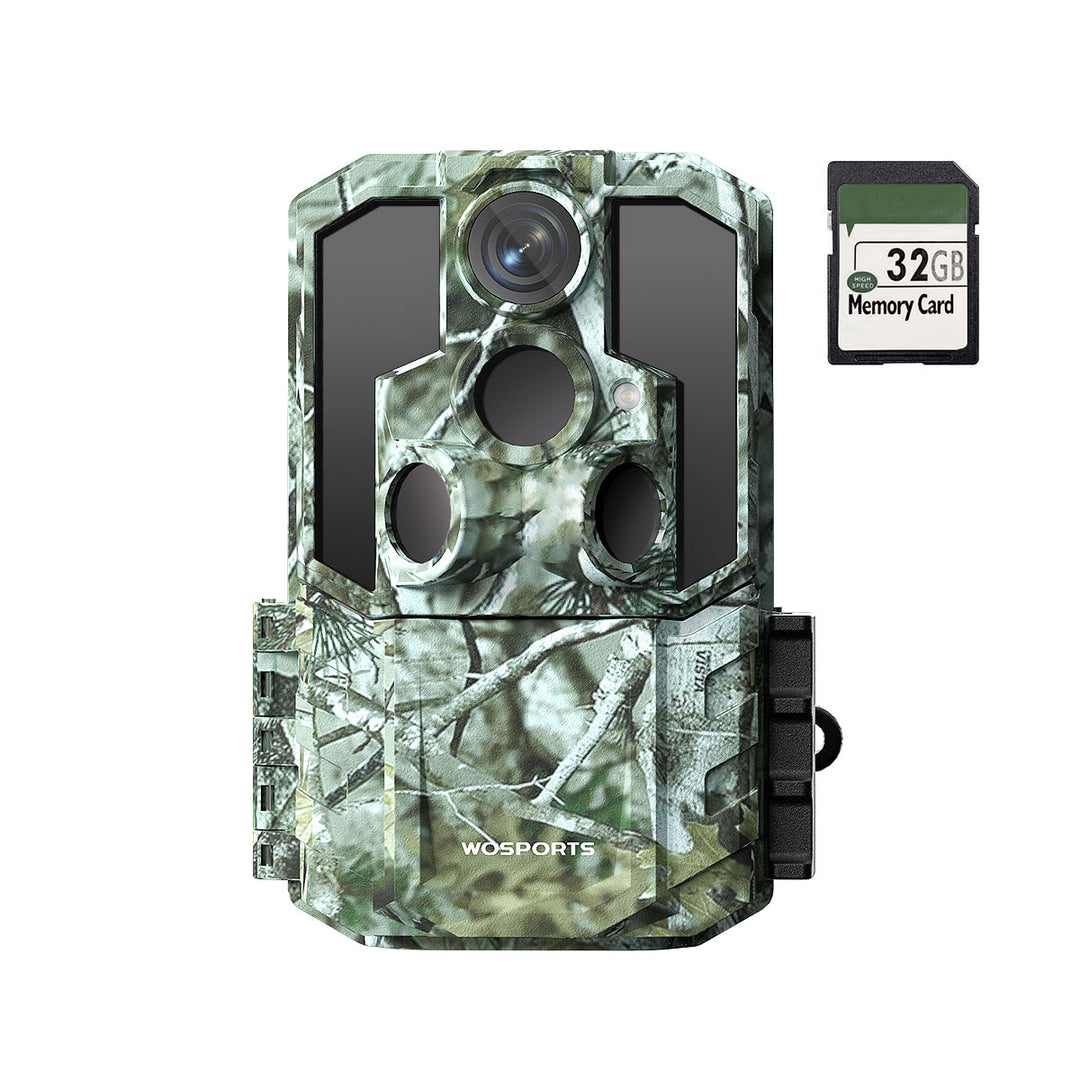
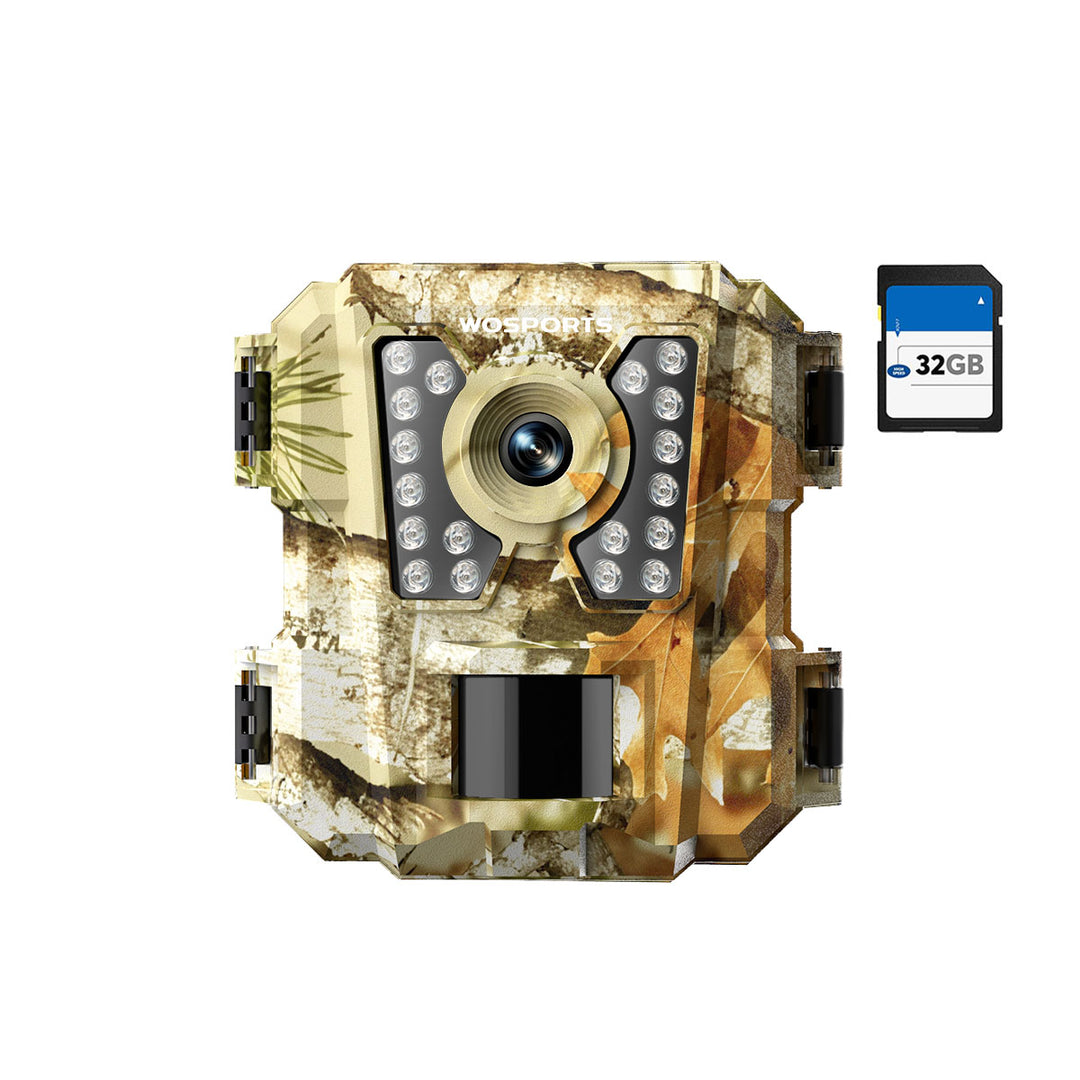
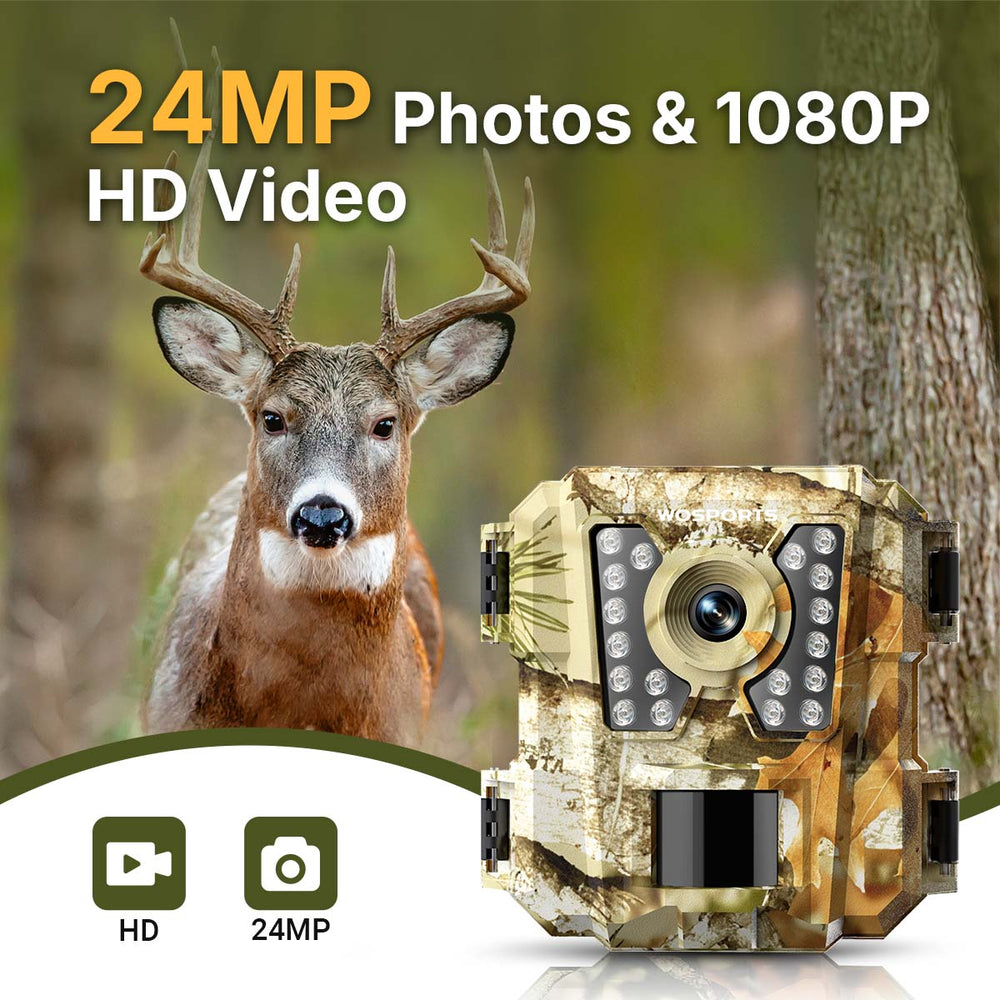
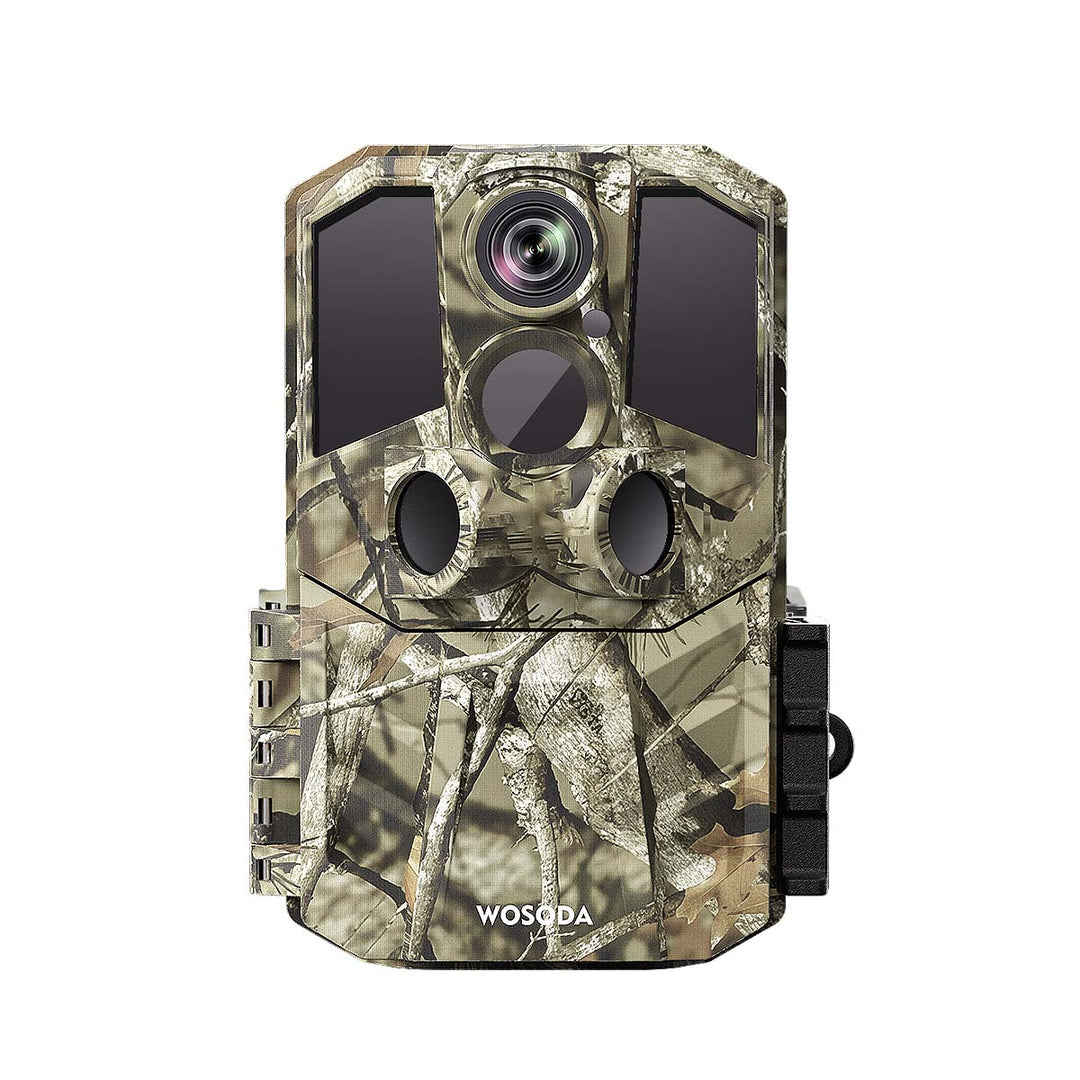
The WOSPORTS G600 uses 8 AA batteries and is designed as a straightforward, replaceable-battery trail camera.
Its current specifications include:
- 8 AA battery power
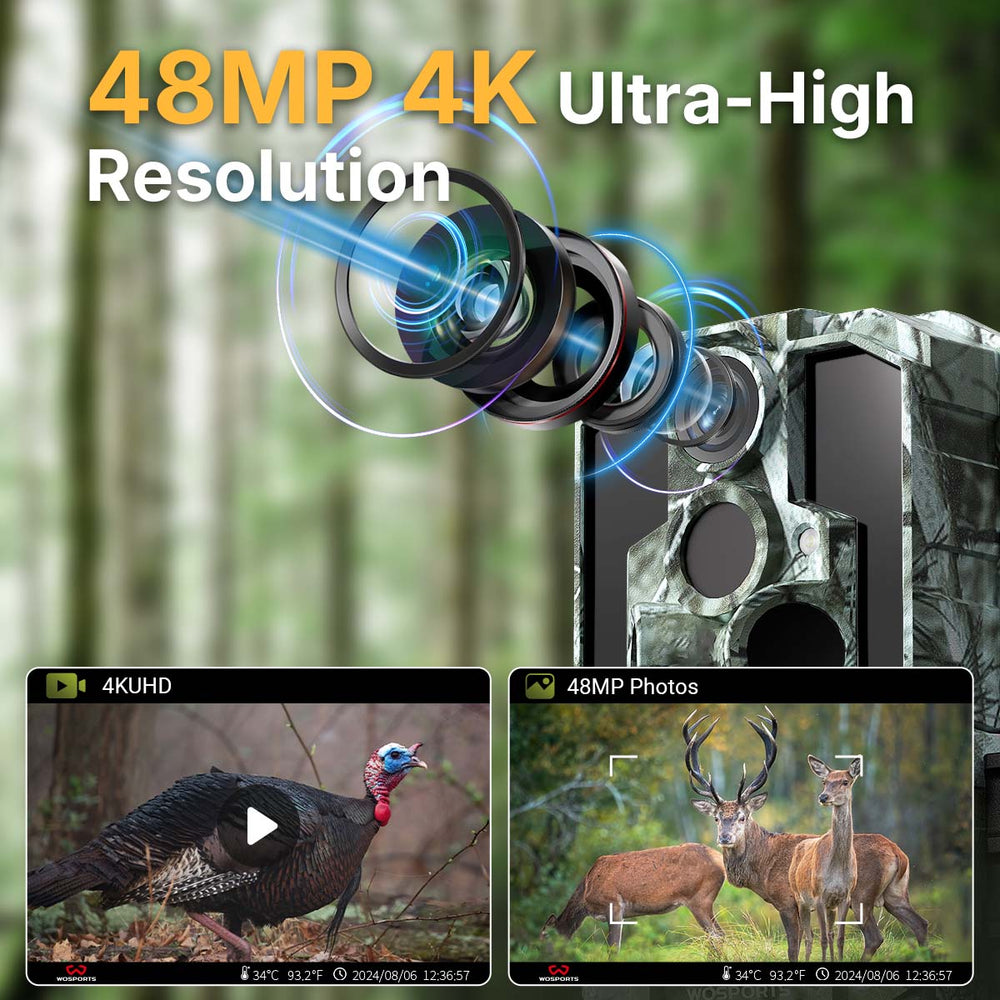
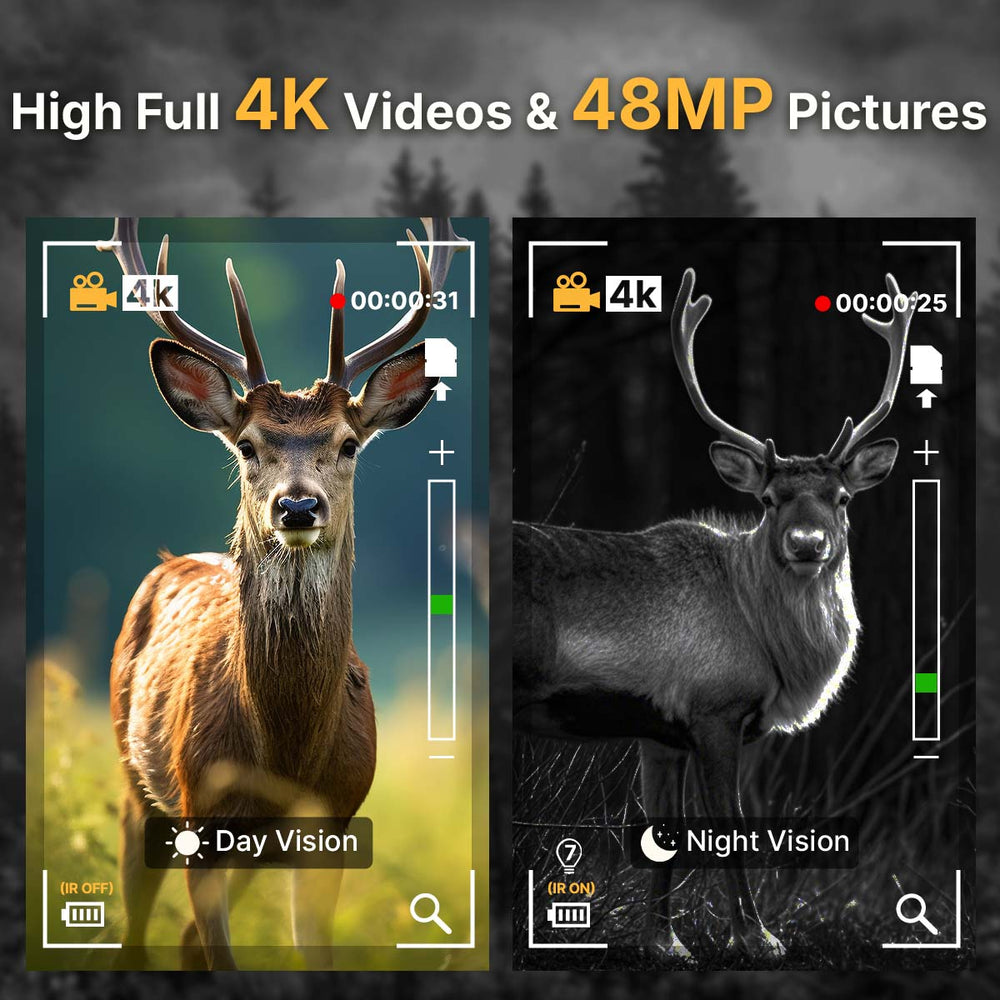
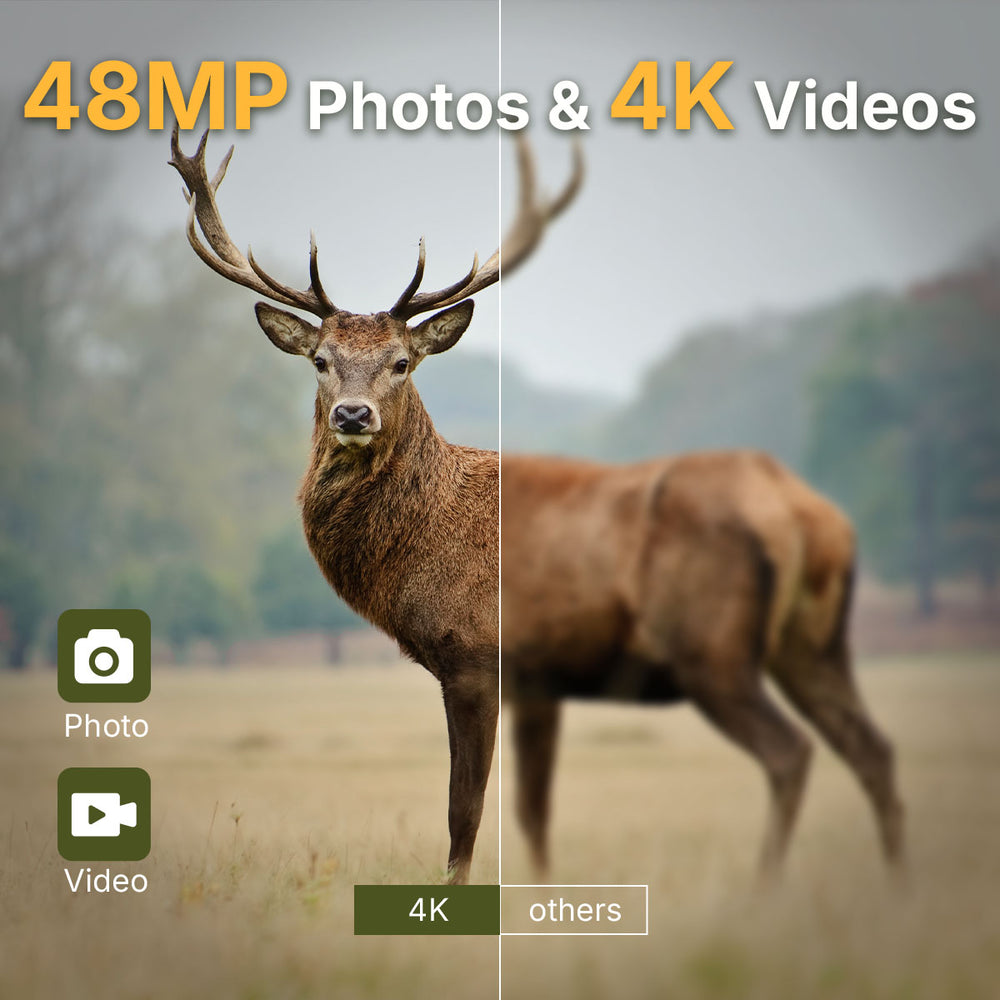
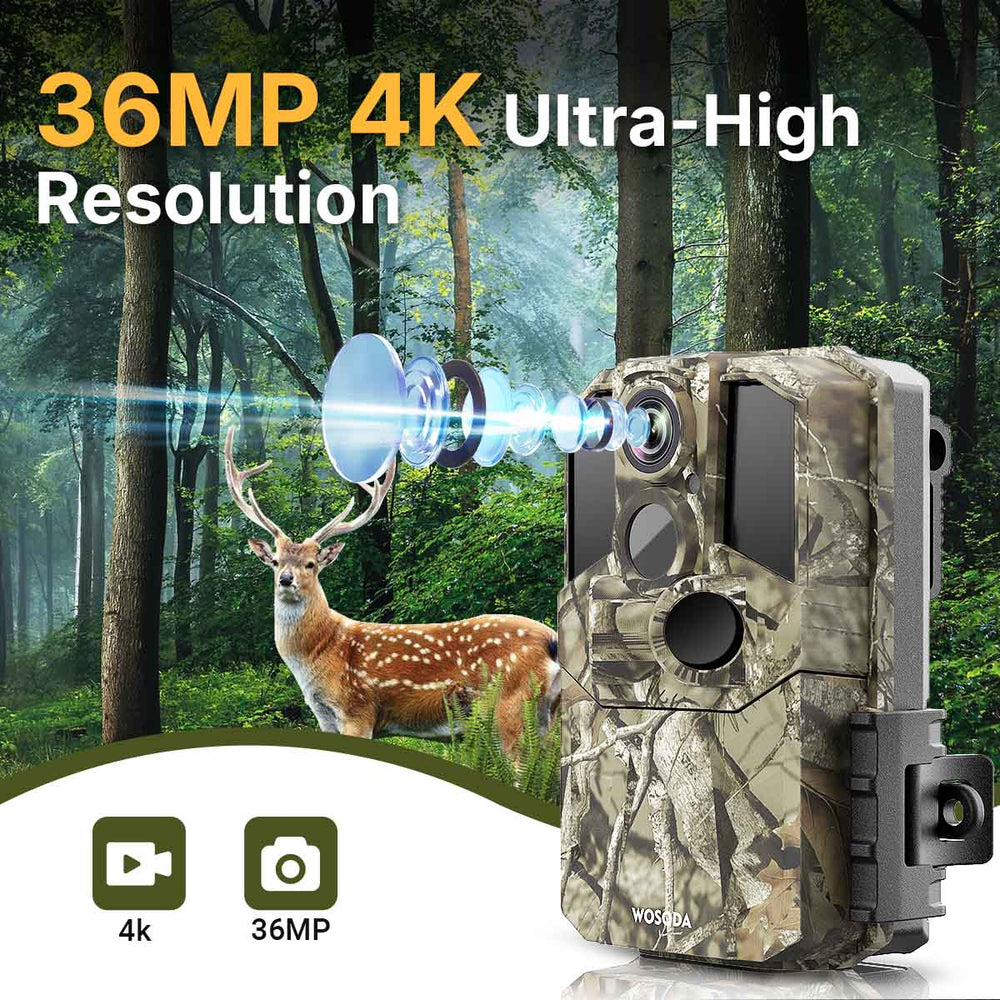
- 48MP photos
- 4K video
- 0.2-second trigger speed
- 70-foot PIR detection distance
- 120° wide-angle coverage
- 2-inch TFT LCD screen
- IP66 weather resistance
The G600's replaceable AA battery system can be practical for retailers because AA batteries are widely available and can be sold as an accessory alongside the camera. WOSPORTS also recommends high-quality rechargeable or lithium AA batteries for longer life and better performance in demanding conditions.
Source: WOSPORTS G600 Trail Camera – Specifications
Should Wholesalers Compare Battery Cost, Not Just Battery Life?
Yes. A useful wholesale comparison should include total battery ownership cost, not just the number of hours or months advertised.
For example:
| Factor | Model A | Model B |
|---|---|---|
| Battery type | Alkaline AA | Lithium AA |
| Initial battery cost | Lower | Higher |
| Replacement frequency | Higher | Lower |
| Cold-weather performance | Lower | Higher |
| Convenience for remote use | Medium | Higher |
| Accessory sales potential | Medium | Medium |
This creates an important sourcing insight: the cheapest battery option is not necessarily the lowest-cost option over the product's useful life.
Retailers selling to hunters, landowners, and other customers who frequently deploy cameras remotely may place greater value on longer intervals between battery changes.
What Should Wholesalers Test Before Placing a Battery-Related Order?
A small test order should measure real-world battery behavior before a retailer commits to larger inventory.
Recommended test checklist
1. Test different battery types
Use the battery types the supplier recommends and compare their performance.
2. Test different activity levels
Place cameras in both low-activity and high-activity locations.
3. Test day and night operation
Nighttime infrared illumination can change power consumption.
4. Test cold conditions
If the target market includes winter hunting or northern outdoor applications, include low-temperature testing.
5. Record battery replacement intervals
Do not rely only on percentage indicators. Record actual operating days.
6. Compare image and video settings
Higher-resolution photos and frequent video recording can increase power consumption.
This approach turns battery life from a marketing claim into a measurable sourcing factor.
What Does Outdoor Recreation Demand Mean for Battery Sourcing?
Battery performance matters across several outdoor customer segments because trail cameras are used for more than hunting.
The U.S. Fish & Wildlife Service's 2022 National Survey covers hunting, fishing, and wildlife watching across the United States. The agency reported 73.3 million people aged 16 and older took away-from-home trips to observe, feed, or photograph wildlife in 2022.
That broader user base matters for wholesalers because different customers may have very different battery priorities.
| Customer | Battery Priority |
|---|---|
| Hunter | Long runtime + cold-weather performance |
| Wildlife observer | Long unattended operation |
| Landowner | Reliability + easy replacement |
| Farmer | Low maintenance |
| Beginner | Easy-to-find batteries |
What Is the Best Battery Strategy for Small Wholesalers?
For small wholesalers, the best strategy is usually to stock a camera with a simple, widely supported power system and then offer compatible battery options separately.
A practical assortment could include:
- Trail camera
- Lithium AA batteries
- Rechargeable AA batteries where supported
- Spare battery packs
- Optional external power solutions for long-term deployments
This approach gives customers a choice without forcing the retailer to maintain a complicated range of camera-specific power systems.
For a product such as the G600, the combination of 8 AA batteries + replaceable power + optional battery accessory sales can be relatively straightforward for small retailers to explain and support.
What Should Wholesalers Ask a Trail Camera Supplier About Battery Life?
Before placing a wholesale order, buyers should request specific testing information rather than accepting a single runtime number.
Ask the supplier:
- What battery type was used in the runtime test?
- How many photos per day were captured?
- How much video was recorded?
- What temperature was used?
- Was infrared night vision active?
- Does the camera support rechargeable batteries?
- Does it support lithium batteries?
- Is external power available?
- What happens when battery voltage becomes low?
- Can the supplier provide battery test data?
These questions can reveal differences between trail cameras that may not be obvious from a standard specification sheet.
FAQ: Trail Camera Battery Life for Wholesale Buyers
How long should trail camera batteries last?
There is no universal runtime. Battery life depends on battery chemistry, temperature, trigger frequency, photo and video settings, and nighttime activity.
Are lithium batteries better for trail cameras?
Lithium batteries generally provide longer life and better cold-weather performance than alkaline batteries, according to Oregon State University Extension.
Does more video recording reduce battery life?
Yes. More frequent triggering and video recording generally increase power consumption, so runtime should always be evaluated against realistic usage.
Why does battery life matter for wholesale sourcing?
Longer and more predictable battery performance can reduce customer maintenance, improve the outdoor-use experience, and potentially reduce battery-related support complaints.
What batteries does the WOSPORTS G600 use?
The G600 uses 8 AA batteries. WOSPORTS states that high-quality rechargeable or lithium AA batteries can be used for longer life and demanding conditions.
Final Takeaway
When comparing trail camera battery life for wholesale sourcing, buyers should evaluate more than a supplier's advertised runtime. Battery chemistry, temperature, camera activity, recording settings, replacement cost, and customer use cases all affect real-world performance.
For small wholesalers, a practical evaluation framework is:
Battery type → Runtime → Temperature → Activity level → Replacement cost → Customer use case
The WOSPORTS G600 offers a straightforward example with its 8-AA battery system, 0.2-second trigger speed, 4K video, 48MP photos, and IP66 outdoor protection. For retailers, that simple power system can also make battery accessories easy to merchandise alongside the camera.
The key sourcing question is not simply "Which trail camera has the longest battery life?" It is "Which battery system gives my customers reliable field performance at a reasonable total cost?"
Search
Popular Posts
Recent Posts


Nov 28, 2024
Troubleshooting Common Trail Camera Issues
Jan 10, 2025
Why Does My Trail Camera Stop Working at Night?