How Should Retailers Choose Trail Cameras for Different Price Points?
Retailers can build a stronger trail camera product assortment by offering different price points for different customer needs. Instead of stocking several cameras with similar specifications, a small retailer can create a simple entry-level, mid-range, and premium structure.
The goal is to give customers a clear choice while keeping inventory manageable.
Why Should a Retailer Offer Multiple Trail Camera Price Points?
A multi-price assortment allows retailers to serve more than one customer segment without carrying an unnecessarily large number of SKUs.
A practical structure is:
| Price Position | Typical Customer | Main Buying Priority |
|---|---|---|
| Entry | First-time buyer | Affordable price, simple operation |
| Mid-range | Regular outdoor user | Better image quality and features |
| Premium | Experienced hunter / serious user | Advanced performance and durability |
This approach also makes it easier for customers to compare products. Instead of asking, "Which camera is best?", shoppers can ask, "Which camera fits my needs and budget?"
Penn State Extension recommends that retailers understand their target customers and their preferences for value, quality, or low cost before developing pricing strategies.
What Should an Entry-Level Trail Camera Offer?
An entry-level trail camera should focus on the features customers actually need rather than adding expensive specifications that increase the retail price.
Typical priorities include:
- Reliable motion detection
- Basic photo and video recording
- Night vision
- Weather-resistant construction
- Simple setup
- Affordable replacement or operating costs
For small retailers, an entry-level product can attract customers who are buying their first trail camera or simply want an additional camera for a property or hunting area.
The key is to keep the product easy to understand. A lower price point should not mean that the customer has to compromise on basic reliability.
What Makes a Good Mid-Range Trail Camera?
A mid-range trail camera should provide a noticeable improvement in useful features while remaining accessible to a broad customer base.
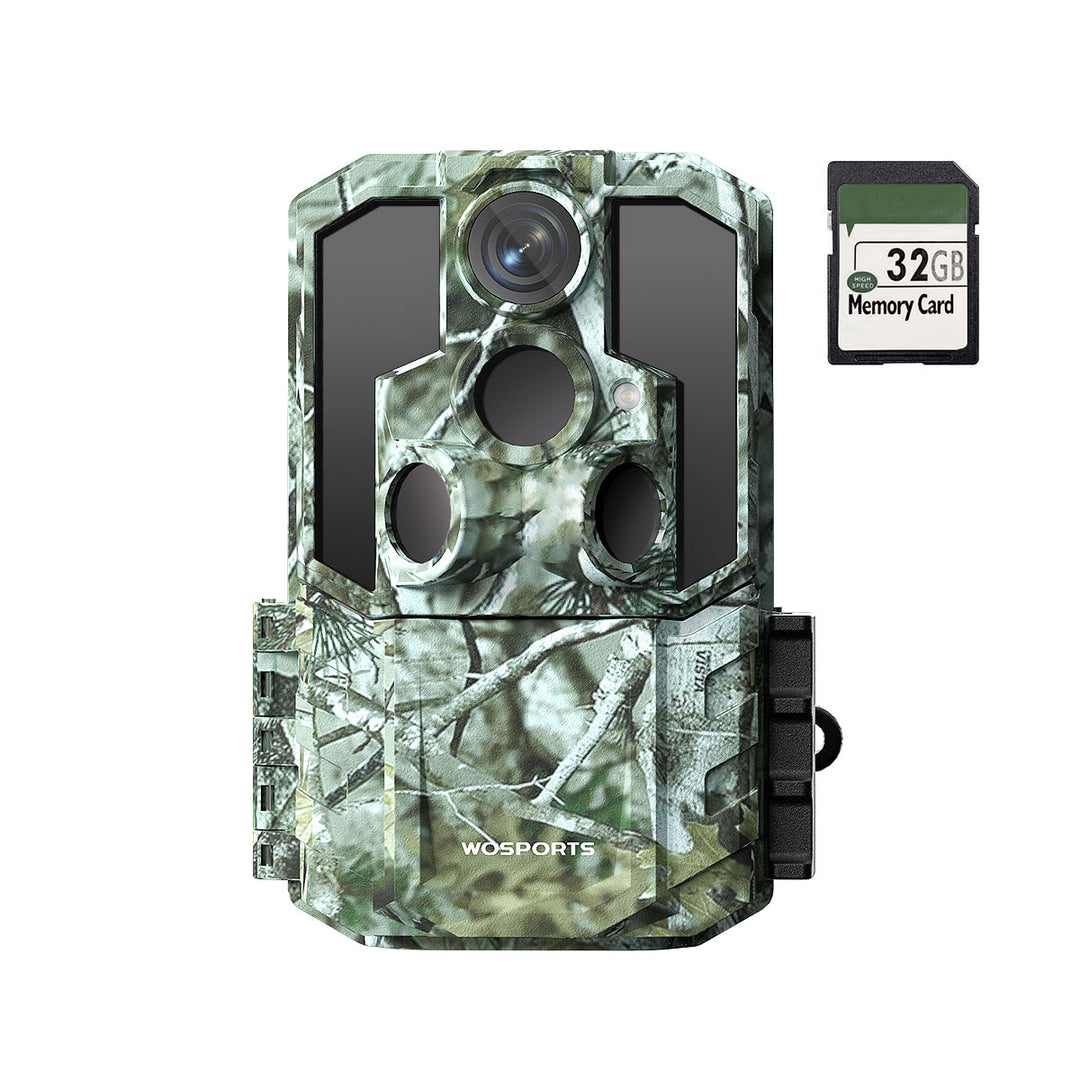
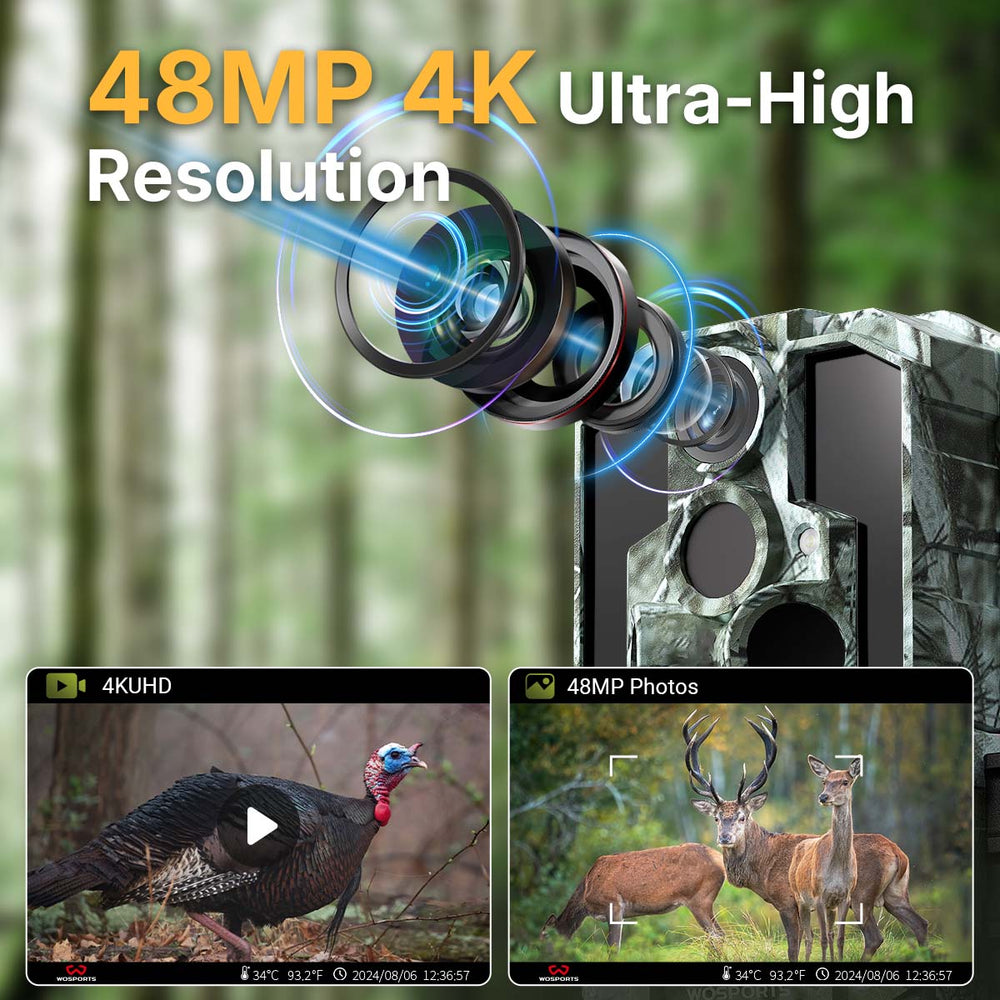
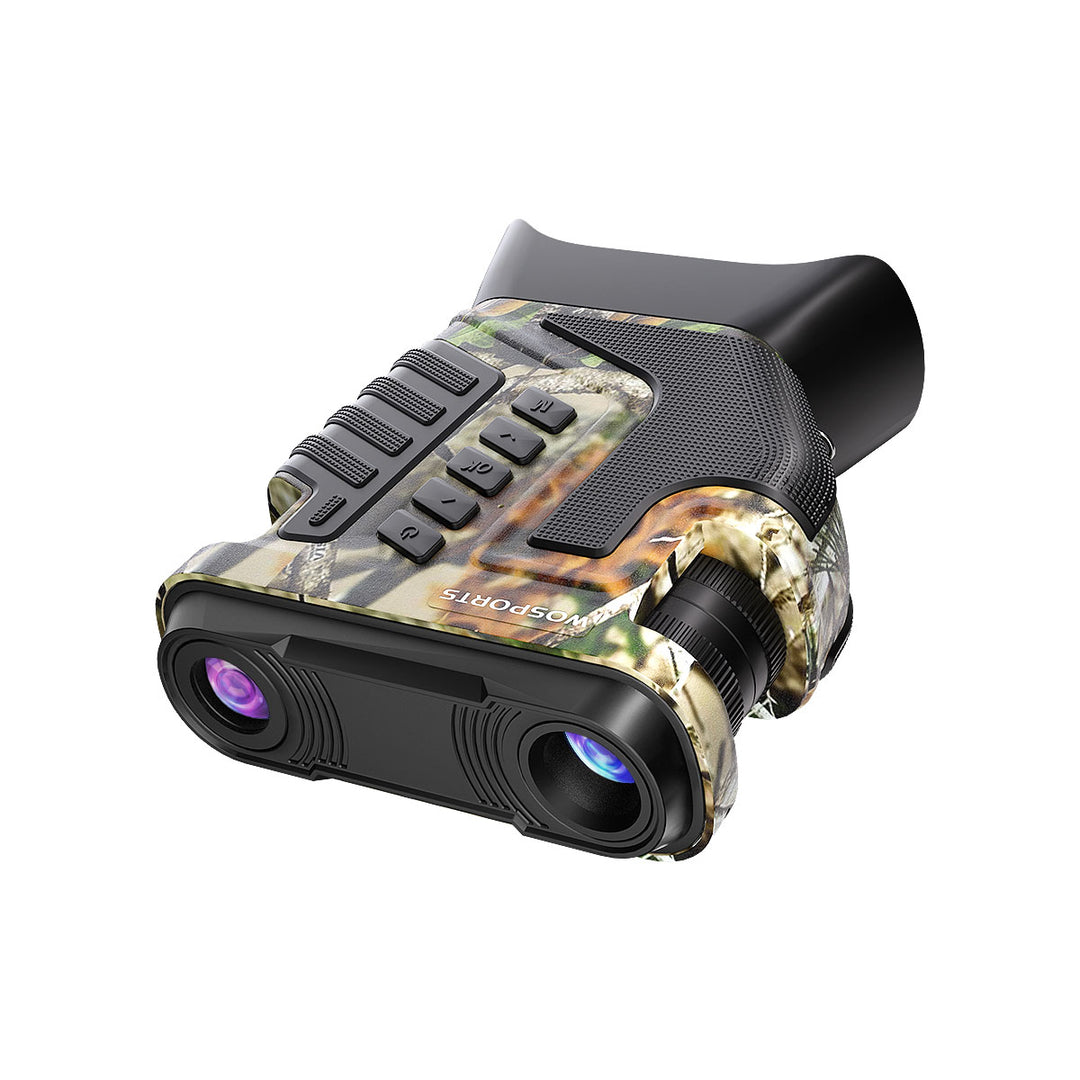
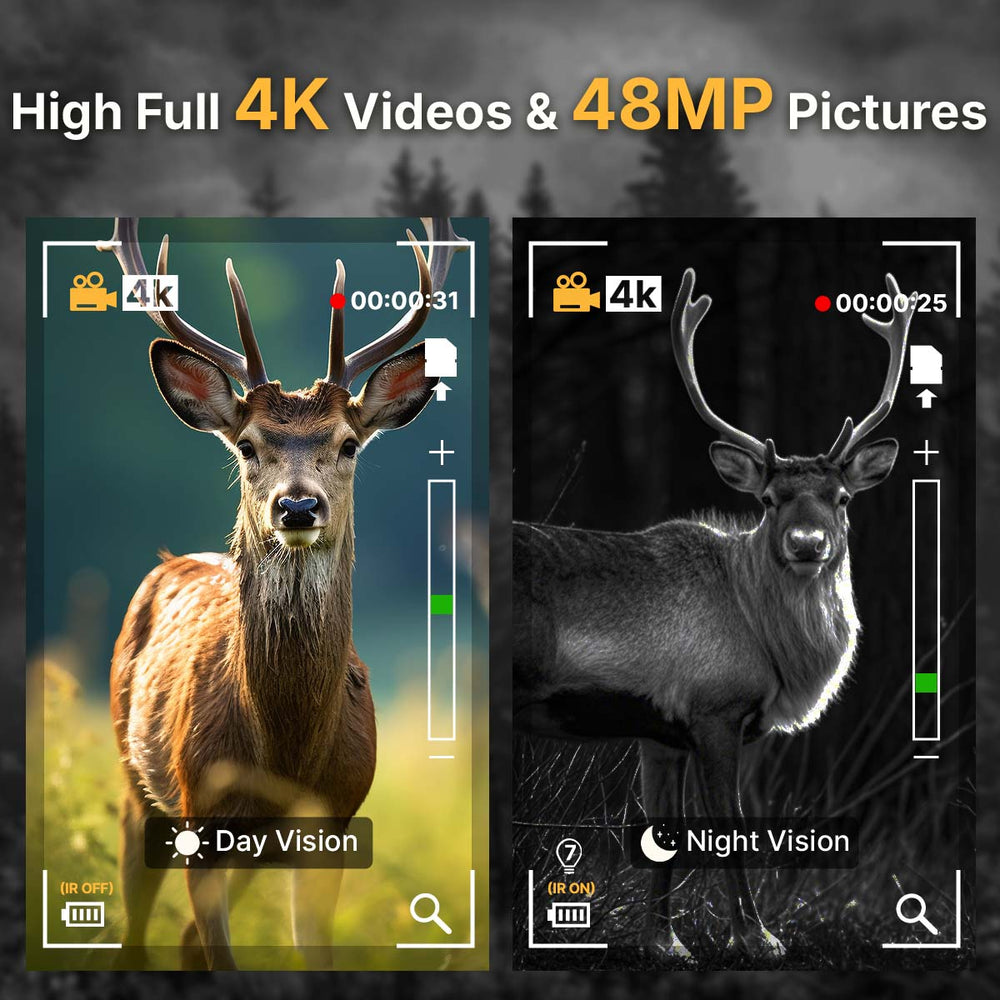
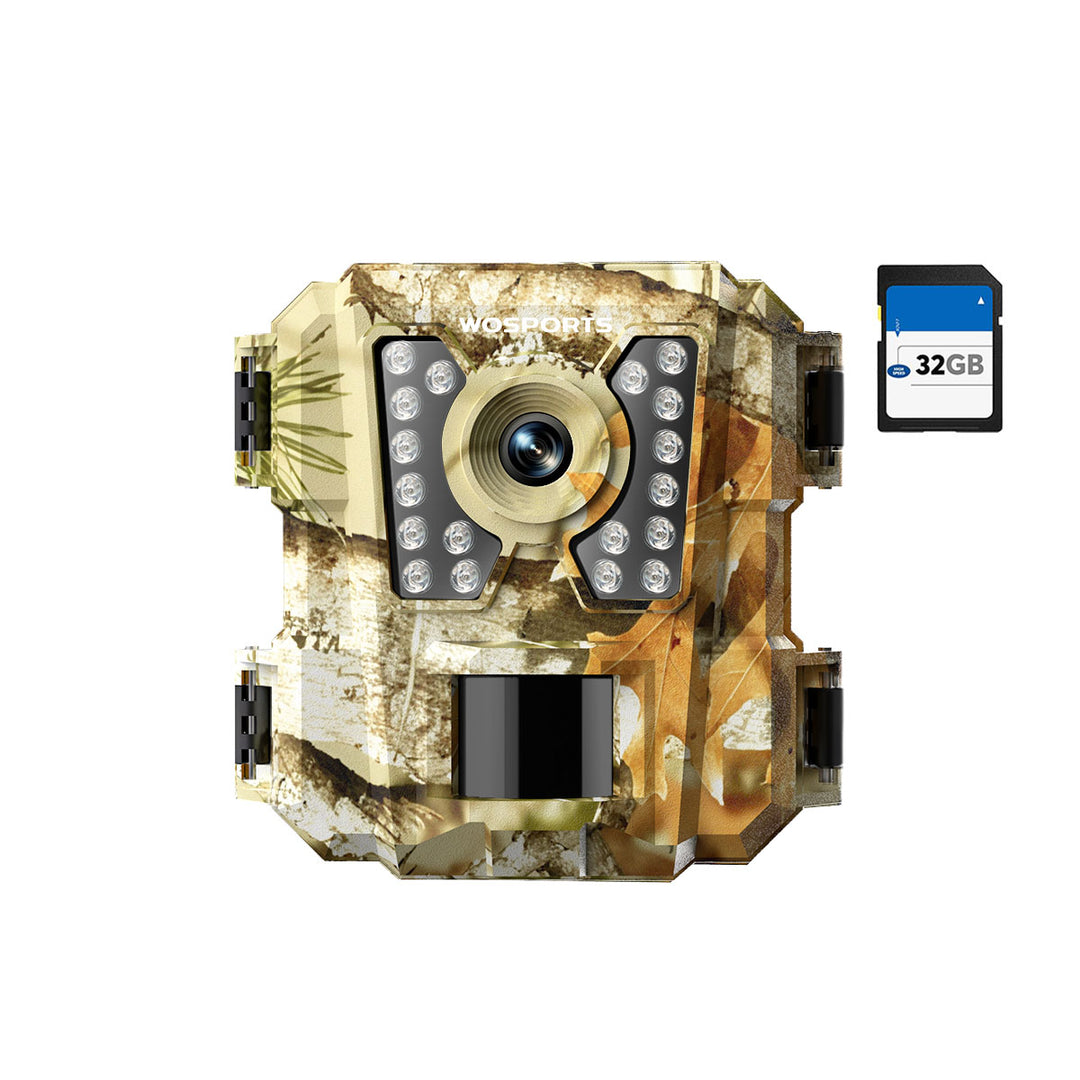
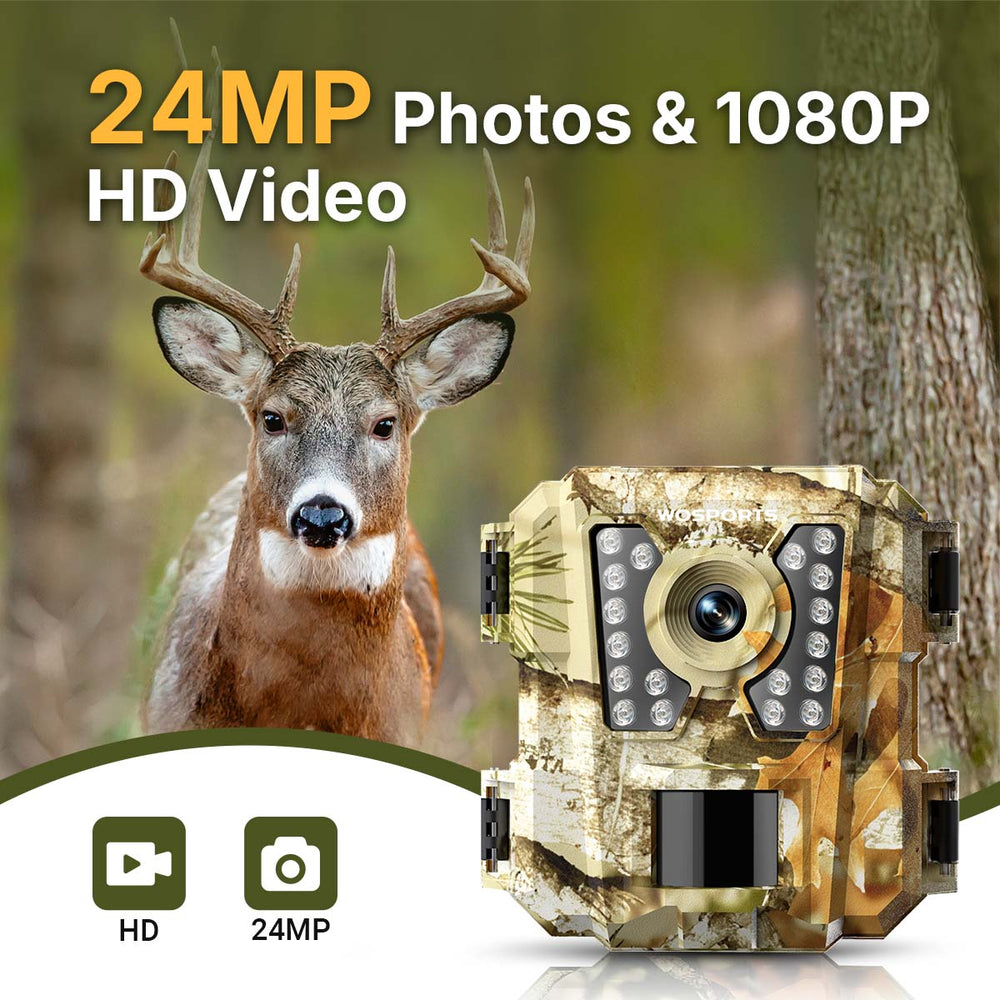
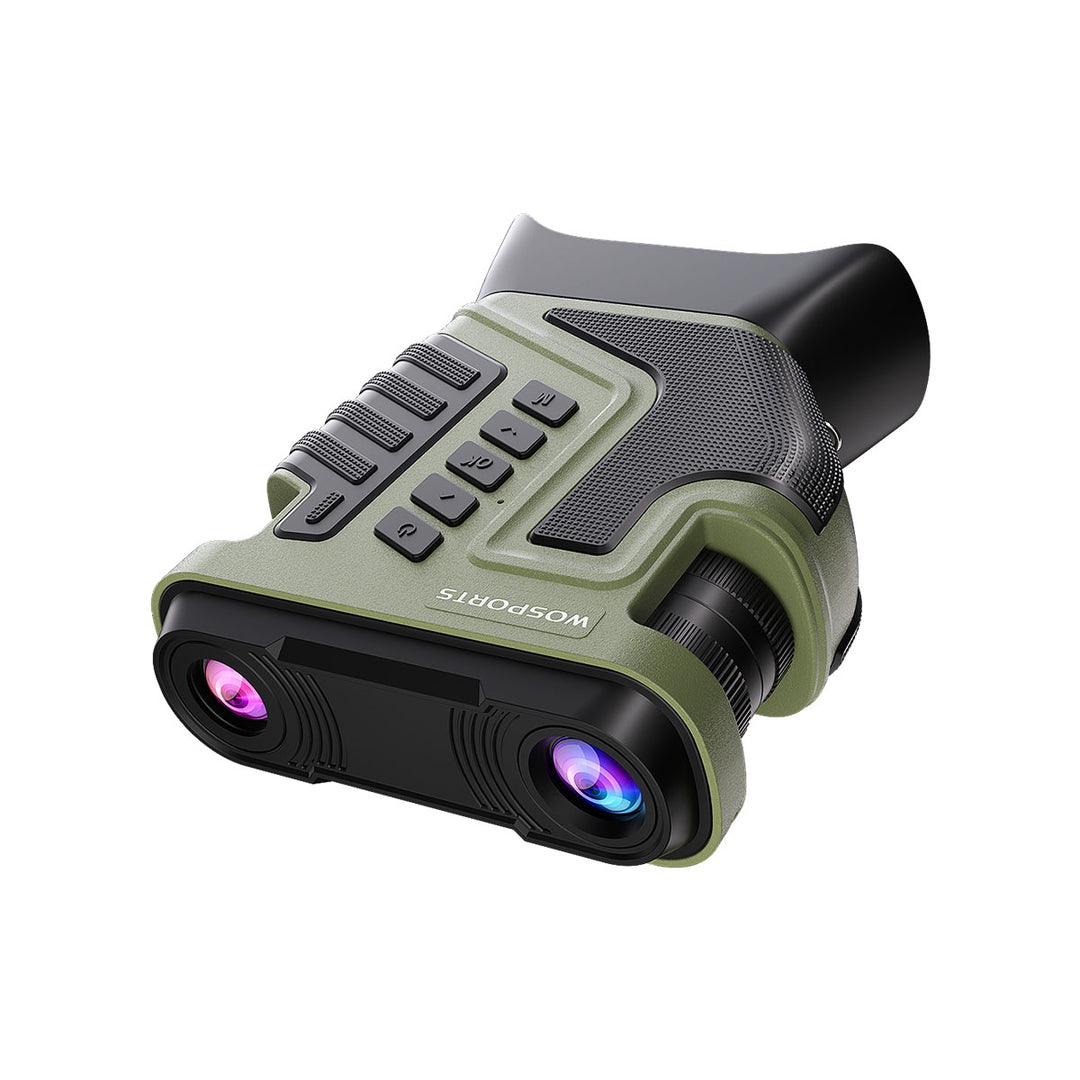
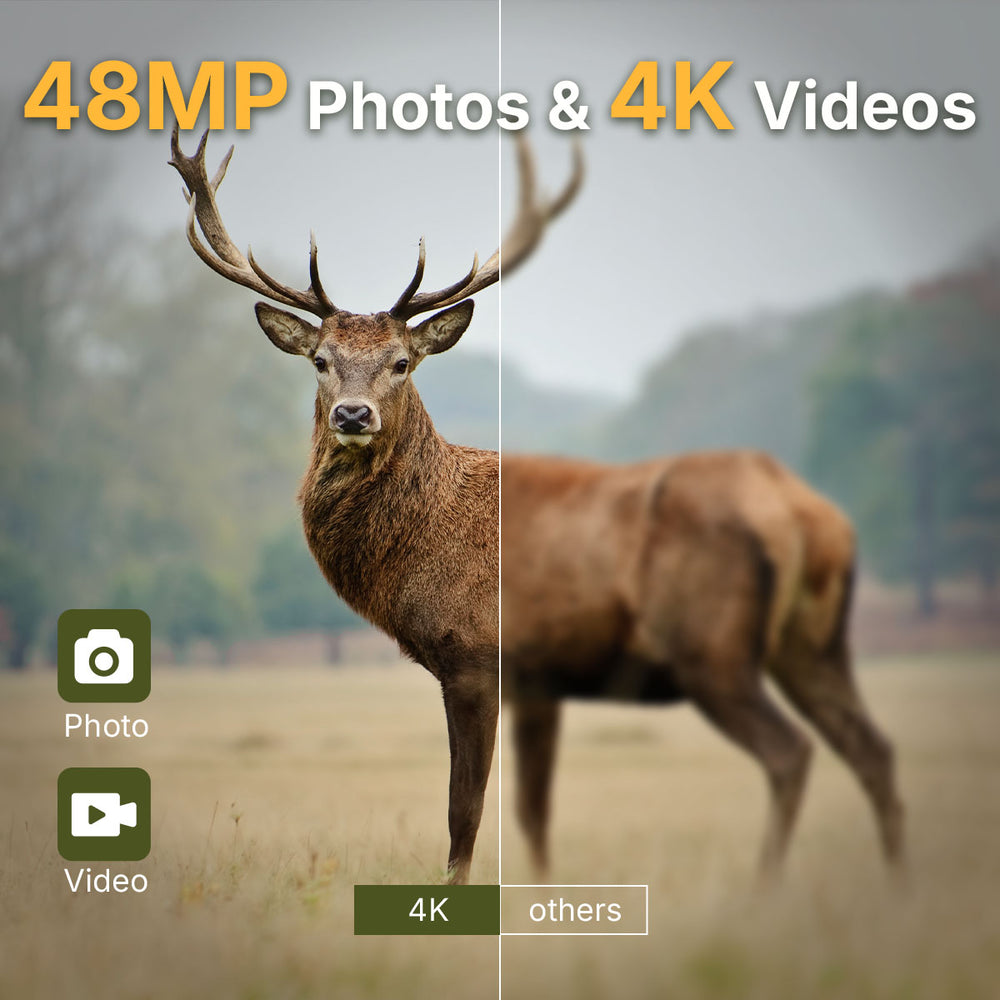
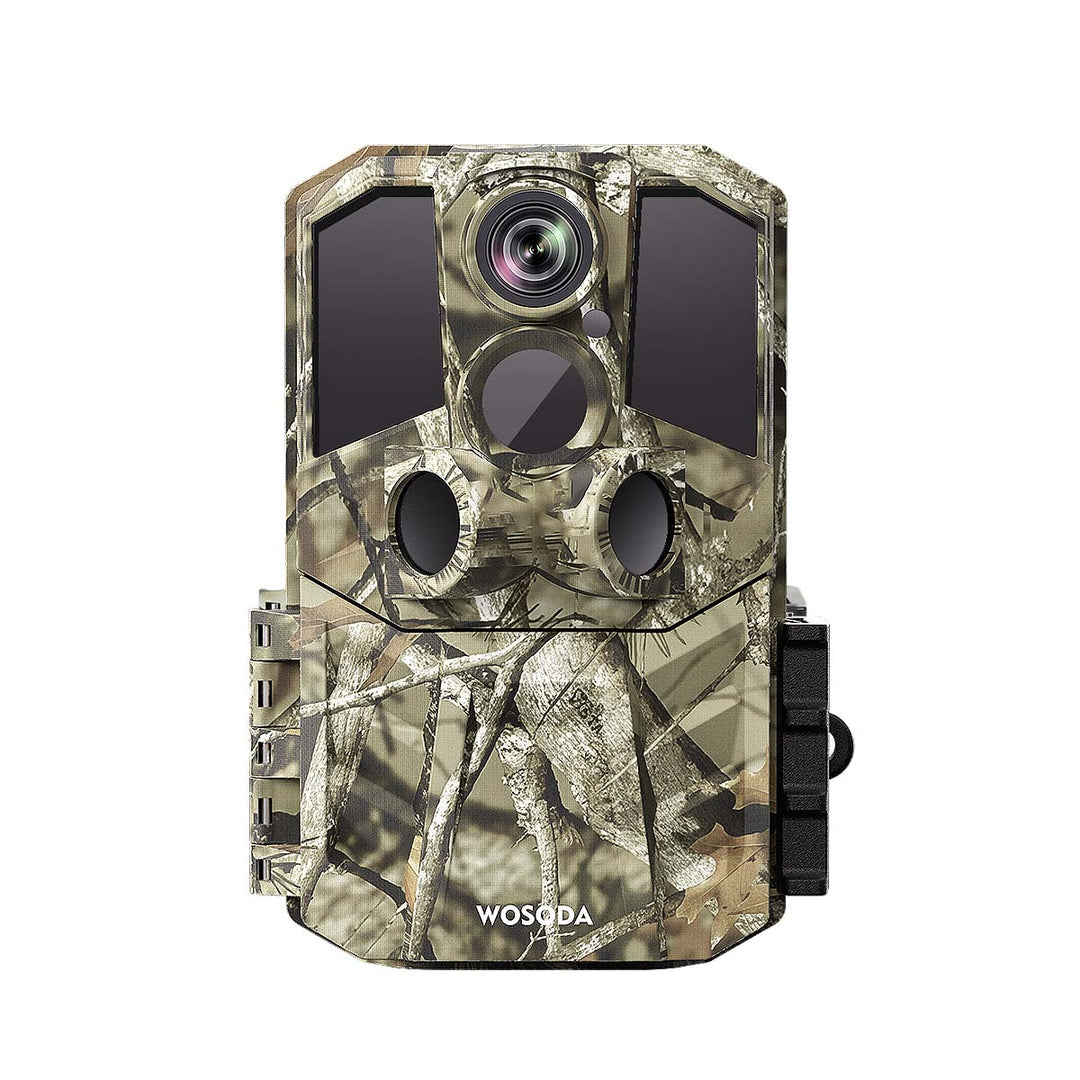
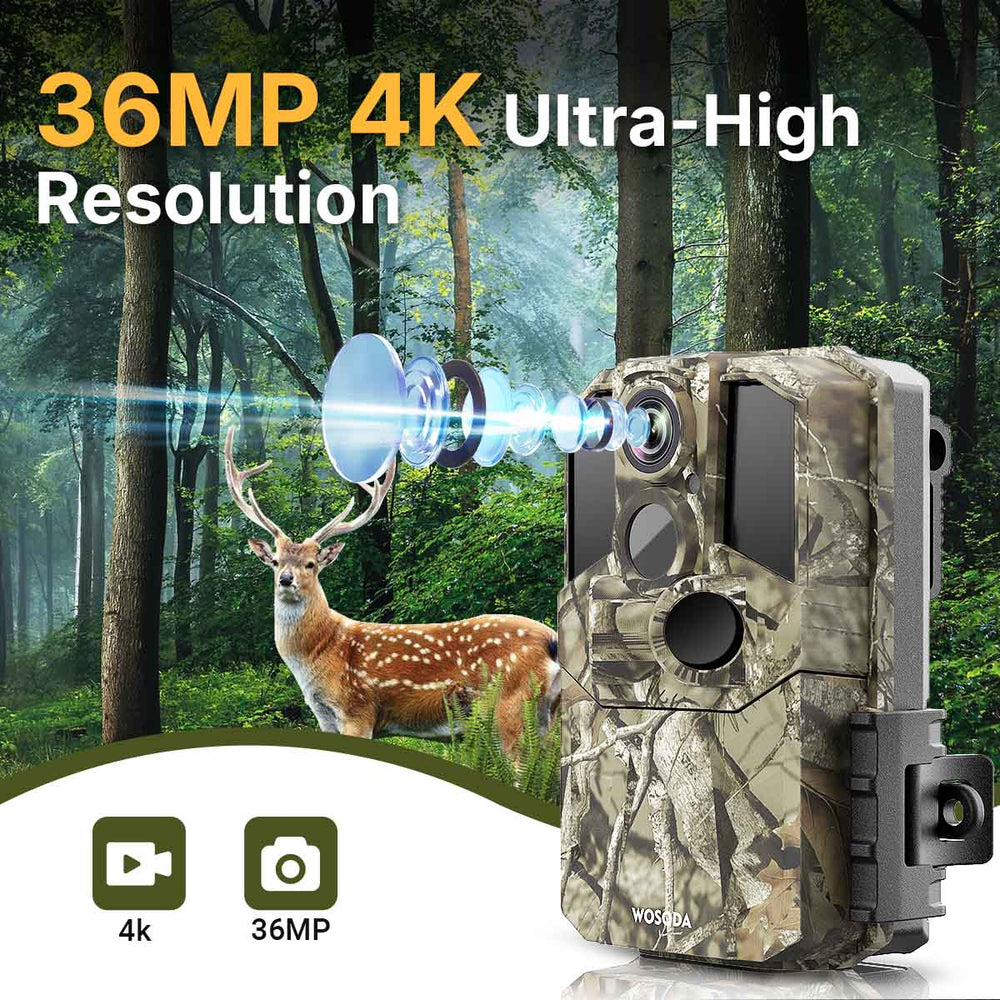
The WOSPORTS G600 is a useful example of this positioning. Its feature set includes 4K video, 48MP images, a 0.2-second trigger speed, 120° detection coverage, a 2-inch screen, and IP66 weather resistance.
For retailers, these specifications provide several straightforward selling points:
- Higher-resolution image and video
- Fast trigger response
- Wide detection coverage
- Outdoor-oriented construction
- Built-in screen for convenient checking
The important point is not to list every specification equally. Retailers should connect specifications with customer benefits: faster triggers help capture moving animals, while wider coverage can help monitor a larger area.
When Does a Premium Trail Camera Make Sense?
Premium products make sense when customers have a specific reason to pay more. Advanced features should solve a recognizable problem rather than simply make the specification sheet longer.
Premium customers may prioritize:
- Advanced connectivity
- Extended battery performance
- Higher-end image quality
- More sophisticated monitoring features
- Specialized outdoor applications
- Greater convenience for long-term deployments
A retailer should therefore avoid creating a premium price point based only on a higher number in the specification sheet.
Penn State Extension notes that pricing should reflect factors including financial goals, customer demographics, market conditions, and the perceived value of the product.
How Many Price Points Does a Small Retailer Need?
Most small retailers do not need a huge trail camera lineup. Three clear price positions can be enough to create meaningful choice.
A simple assortment might look like this:
| Position | Example Role | Customer Question |
|---|---|---|
| Entry | Basic trail camera | "What's the most affordable option?" |
| Mid-range | G600-type product | "What's the best balance of features and price?" |
| Premium | Advanced model | "What do I get if I spend more?" |
This structure also reduces the risk of stocking too many products that compete directly with each other.
For small retailers, the goal should be clear differentiation rather than maximum SKU count.
Should Retailers Focus Only on Hunters?
No. A broader customer strategy can make a trail camera assortment more useful throughout the year.
The U.S. Fish & Wildlife Service reported that 11.5 million people participated in big-game hunting in 2022, while 148.3 million people aged 16 and older participated in wildlife watching. Wildlife watchers spent an estimated $118.6 billion on equipment in 2022.
This suggests that trail cameras can be positioned for multiple customer groups:
- Hunters
- Wildlife observers
- Landowners
- Farmers
- Outdoor enthusiasts
- Property monitoring users
For retailers, this can reduce dependence on a single seasonal customer segment.
How Should Retailers Decide Which Features Justify a Higher Price?
The best way is to ask whether a feature changes the customer's actual experience.
| Feature | Customer Benefit | Potential Price Impact |
|---|---|---|
| Faster trigger speed | Captures fast-moving animals | Medium |
| Higher image resolution | More detailed photos | Medium |
| Wider detection area | Covers more space | Medium |
| Better weather resistance | Outdoor durability | Medium |
| Cellular connectivity | Remote monitoring | High |
| Solar/extended power | Less frequent maintenance | High |
This is where product assortment becomes more important than simply chasing specifications.
A retailer can use the G600 as a mid-range reference point, then position simpler products below it and more specialized products above it.
What Is the Best Product Assortment Strategy for Small Retailers?
A good assortment should create visible differences between price points.
For example:
Entry-level
Affordable + simple + reliable
Mid-range
Better specifications + broader use cases + stronger value
Premium
Advanced features + specialized applications + maximum convenience
This approach follows a basic retail principle: customers should understand why one product costs more than another.
Penn State Extension also notes that a retailer's product mix can influence the pricing strategies available to the business.
FAQ: Trail Camera Price Points
Is a higher-priced trail camera always better?
No. A higher price is useful only when the additional features provide value for the intended customer.
Is a mid-range trail camera a good choice for small retailers?
Often, yes. A mid-range product can appeal to customers who want better performance without paying for specialized premium features.
Why include the G600 in a trail camera assortment?
The G600 offers a combination of image quality, trigger speed, detection coverage, and outdoor durability that can work as a practical mid-range product for several customer segments.
Should retailers stock several similar cameras?
Usually, no. If two products have nearly identical features and customer benefits, they may simply compete for the same sale. Clear differentiation is generally more useful.
Final Takeaway
The best trail camera product assortment is not necessarily the largest one. For small retailers, a three-level structure can provide a simple way to serve different budgets while keeping inventory under control.
A practical strategy is:
Entry-level → Mid-range → Premium
The WOSPORTS G600 can serve as a useful mid-range reference because its combination of 4K video, 48MP images, 0.2-second trigger speed, wide detection coverage, and IP66 construction gives retailers several easy-to-explain value points.
Ultimately, successful price points should be built around customer needs, not just specifications. When every product has a clear reason to exist in the assortment, customers can compare more easily and retailers can make better inventory decisions.
Search
Popular Posts
Recent Posts


Nov 28, 2024
Troubleshooting Common Trail Camera Issues
Jan 10, 2025
Why Does My Trail Camera Stop Working at Night?