Digital vs Traditional Night Vision
🔍 Introduction
If you’ve been researching night vision devices, you’ve probably come across two main types:
👉 Digital night vision and traditional (analog) night vision
At first glance, they might seem similar—but they work very differently and are designed for different users.
In this guide, we’ll break down the differences in a simple way so you can decide which one is right for you.
🌙 What Is Traditional Night Vision?
Traditional night vision uses image intensifier tubes to amplify existing light.
Here’s how it works:
- Captures ambient light (moonlight, starlight)
- Amplifies it thousands of times
- Produces a visible image (usually green)
👉 This is the classic “green night vision” you see in movies.
✅ Pros of Traditional Night Vision
- Very natural image in low-light environments
- No need for infrared in some conditions
- Proven technology (used by military)
❌ Cons of Traditional Night Vision
- Doesn’t work well in complete darkness
- Expensive (especially higher generations)
- Can be sensitive to bright light
- No built-in recording features
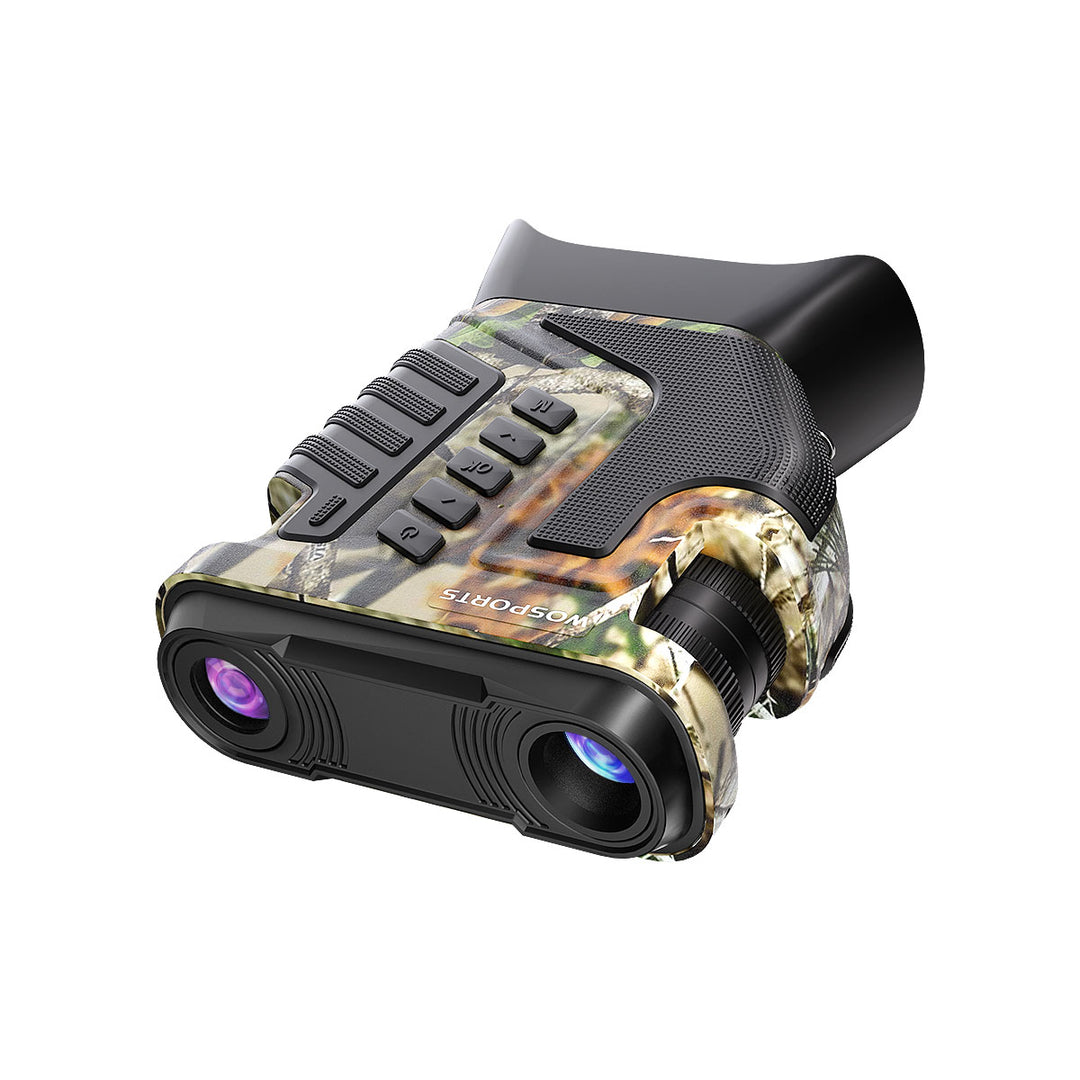
💡 What Is Digital Night Vision?
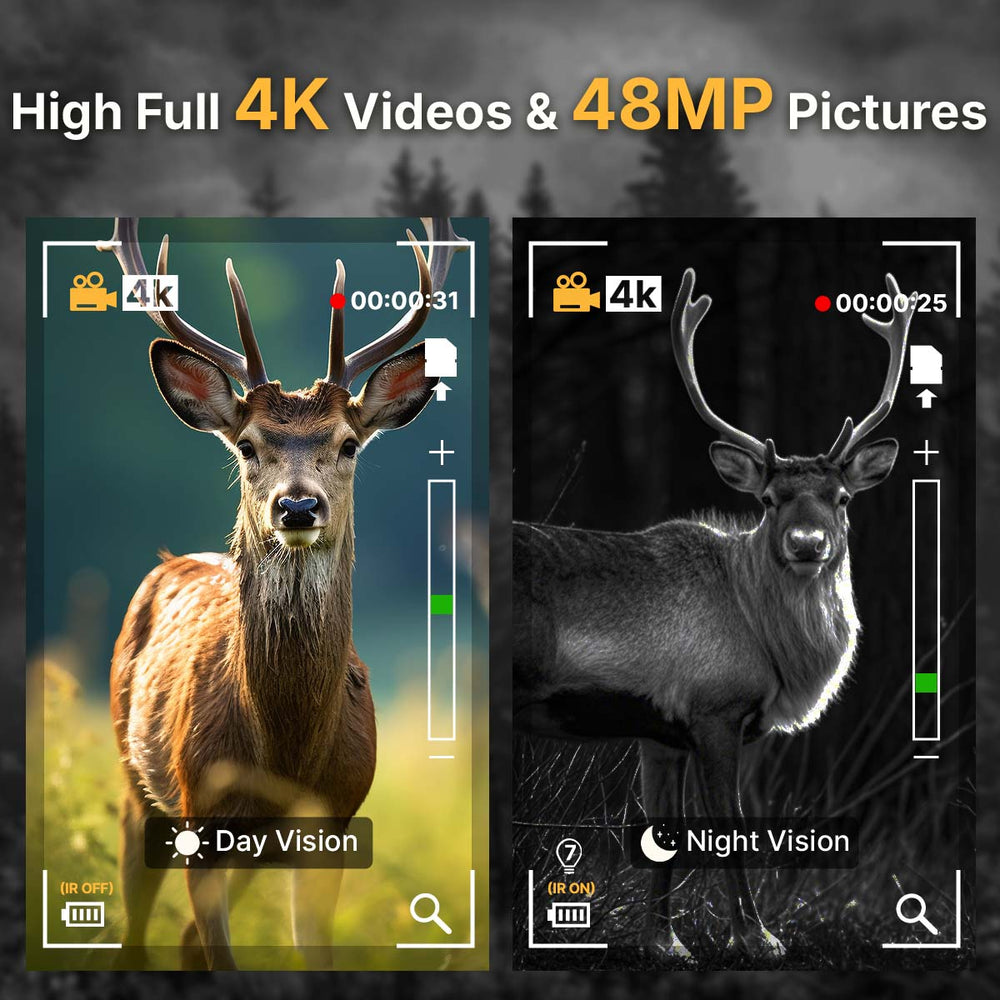
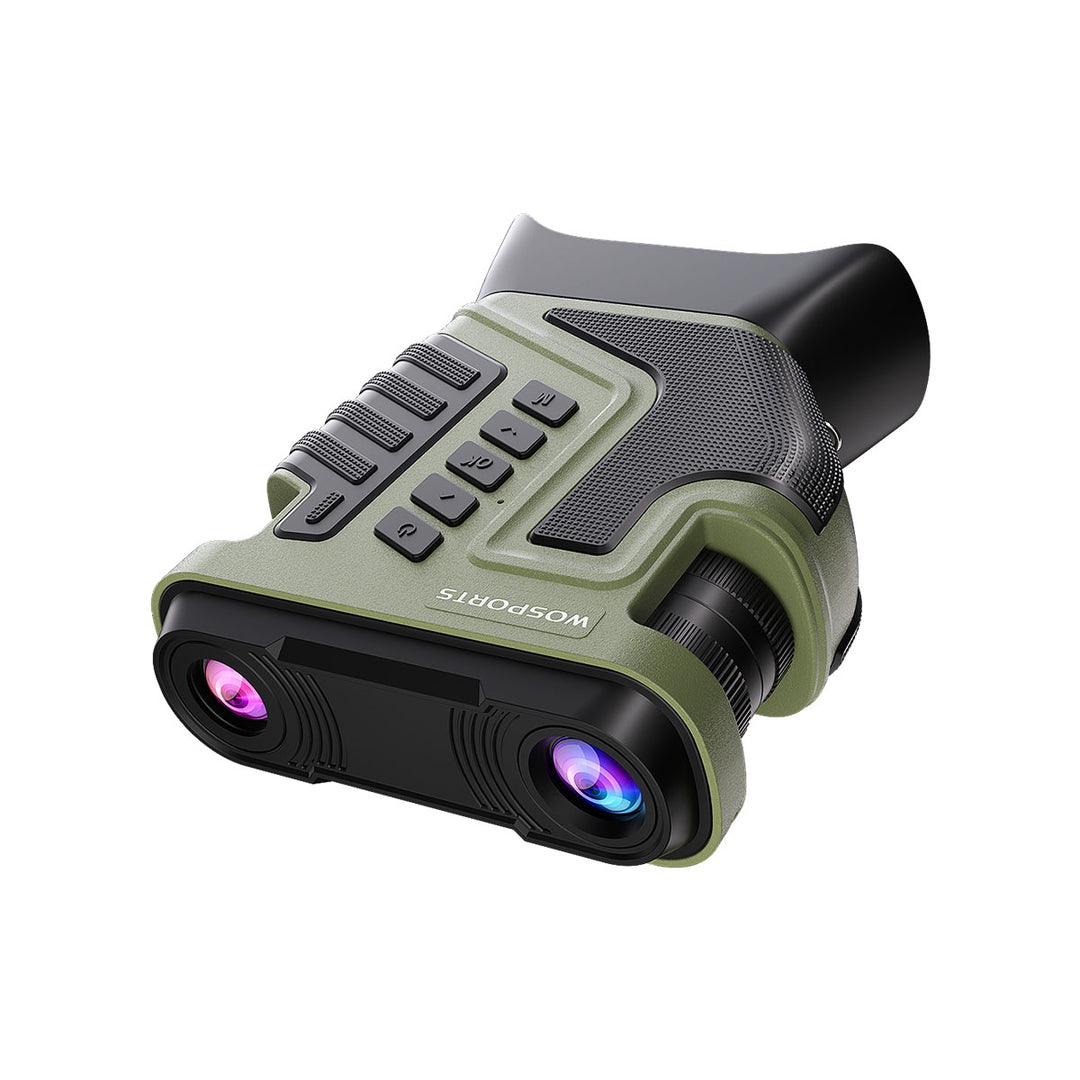
Digital night vision uses infrared (IR) illumination + a digital sensor.
Here’s how it works:
- Emits invisible infrared light
- Captures reflections with a sensor
- Displays the image on a screen
👉 Think of it as a camera designed for darkness.
✅ Pros of Digital Night Vision
- Works in total darkness
- More affordable
- Can record video & take photos
- Not damaged by bright light
- Easy to use
❌ Cons of Digital Night Vision
- Slightly less “natural” image
- Requires IR in very dark conditions
- May have limited range compared to high-end analog
⚖️ Key Differences (Side-by-Side)
| Feature | Digital Night Vision | Traditional Night Vision |
|---|---|---|
| Works in total darkness | ✅ Yes (with IR) | ❌ No |
| Image style | Black & white / digital | Green / natural |
| Recording (photo/video) | ✅ Yes | ❌ No |
| Price | 💲 Affordable | 💲💲💲 Expensive |
| Durability | High | Sensitive |
| Ease of use | Beginner-friendly | More technical |
🦌 Which One Is Better for You?
👉 Choose Digital Night Vision if you:
- Want to see in complete darkness
- Are a beginner
- Want to record videos/photos
- Need a practical outdoor tool
- Prefer a more affordable option
👉 Choose Traditional Night Vision if you:
- Operate in low-light (not pitch black) environments
- Want a more “natural” viewing experience
- Have a higher budget
🎯 Real-World Example
Imagine you're watching wildlife at night:
- With traditional night vision, you’ll see clearly if there’s moonlight
- With digital night vision, you can see clearly even in total darkness
👉 That’s why digital devices are becoming the go-to choice for everyday outdoor use.
💰 Why Most People Choose Digital Today
For most users—especially hunters, campers, and wildlife enthusiasts—digital night vision offers the best balance of:
- Performance
- Price
- Ease of use
- Versatility
You don’t need perfect lighting conditions, and you don’t need a huge budget.
🛒 What This Means for Buyers
If your goal is:
- Watching wildlife
- Exploring outdoors
- Monitoring your property
- Using night vision in real-world conditions
👉 Then digital night vision is usually the smarter choice.
🔗 What to Read Next
- Beginner’s Guide to Night Vision
- How to Choose Night Vision
- Best Night Vision Devices 2026
Search
Popular Posts
Recent Posts


Nov 28, 2024
Troubleshooting Common Trail Camera Issues
Jan 10, 2025
Why Does My Trail Camera Stop Working at Night?