How Do Outdoor Clubs Use Trail Cameras for Wildlife Tracking?
Summary: The growing need for wildlife tracking tools
Outdoor clubs are increasingly turning to trail cameras for wildlife tracking, as these tools provide vital insights into local wildlife activity and behavior. Wildlife tracking cameras are a key component for managing sustainable environments, promoting eco-tourism, and enhancing educational experiences. For B2B buyers, understanding the growing demand and functionality of these cameras can open doors to bulk sales in the outdoor and conservation sectors.
What makes trail cameras essential for wildlife tracking?
Trail cameras are invaluable in wildlife tracking due to their ability to capture high-quality images and videos of animals in their natural habitat without human interference. These cameras are typically triggered by motion and heat sensors, which makes them ideal for continuous, hands-off monitoring in remote locations.
"The use of camera traps has revolutionized the way we monitor and study wildlife, providing valuable data while minimizing the need for human presence in sensitive habitats."
Source: National Geographic Society
https://www.nationalgeographic.org/education/camera-traps/
Key benefits for outdoor clubs:
- Non-invasive monitoring: No need to disturb animals or their habitat.
- 24/7 observation: Capture both day and night activity.
- Minimal maintenance: Long battery life and weather-resistant design.
How do outdoor clubs use trail cameras for research and education?
For many outdoor clubs, trail cameras are more than just a tool for wildlife monitoring—they are integral to research and educational outreach. Clubs often set up these cameras in natural reserves or designated wilderness areas to observe animal behaviors, track migrations, and identify species.
Use case example:
- Wildlife behavior studies: Clubs monitor nocturnal behaviors of animals such as deer, bears, and foxes.
- Educational programs: Cameras help teach children and community members about local ecosystems and species.
- Species identification: Identify hard-to-spot species and track their population health over time.
What specifications are most important in wildlife tracking cameras?
For outdoor clubs looking to purchase wildlife tracking cameras in bulk, several key features determine the camera's effectiveness for long-term monitoring in various environments.
Key specifications for trail cameras:
- Resolution: 12MP or higher for clear identification.
- Trigger speed: 0.2 seconds or faster to capture fast-moving animals.
- Battery life: Long-lasting (3–6 months) to reduce maintenance.
- Weatherproof design: Built to withstand rain, snow, and extreme temperatures.
- IR flash: Invisible or low-glow infrared light to avoid disturbing wildlife at night.

Why is the G600 the best choice for outdoor clubs?
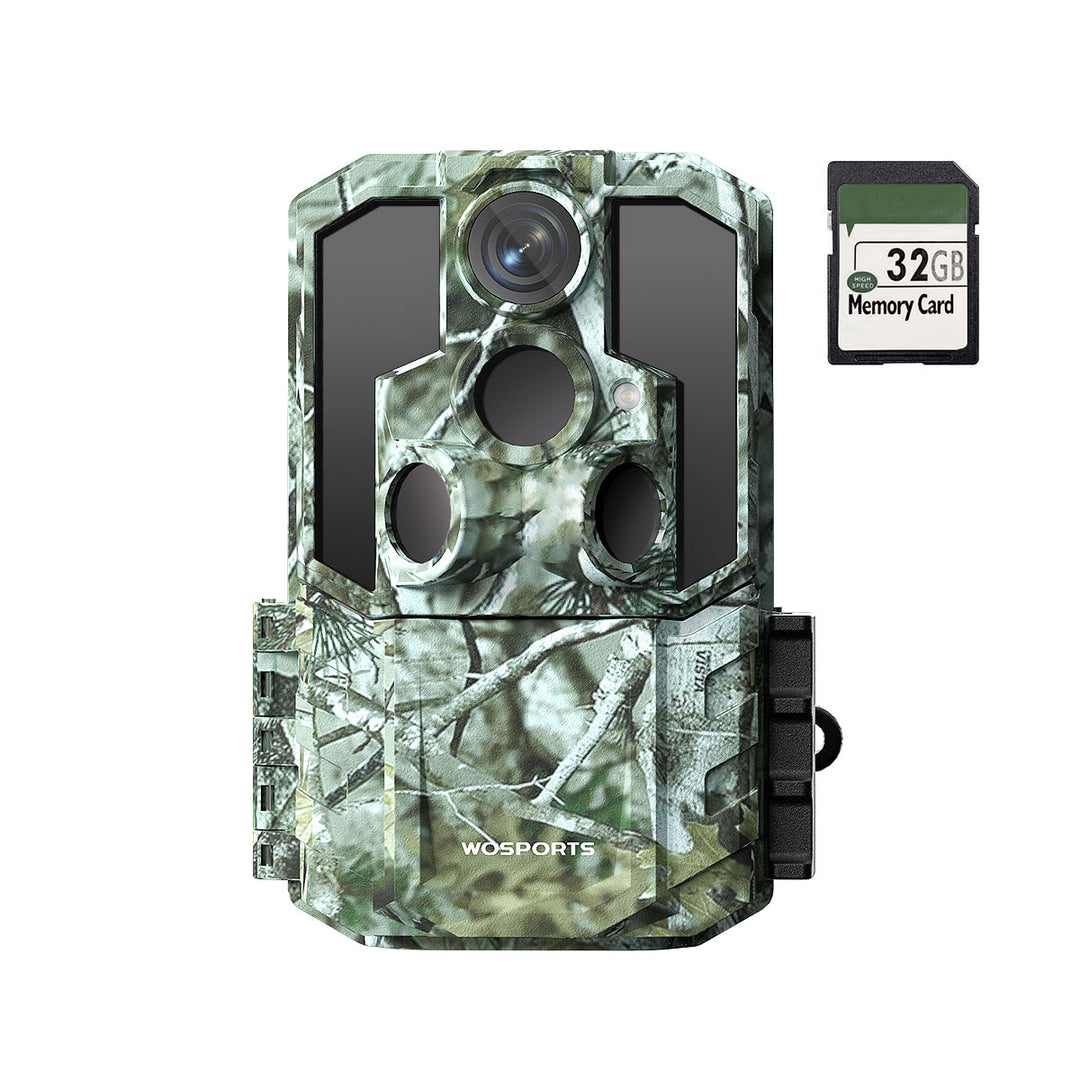
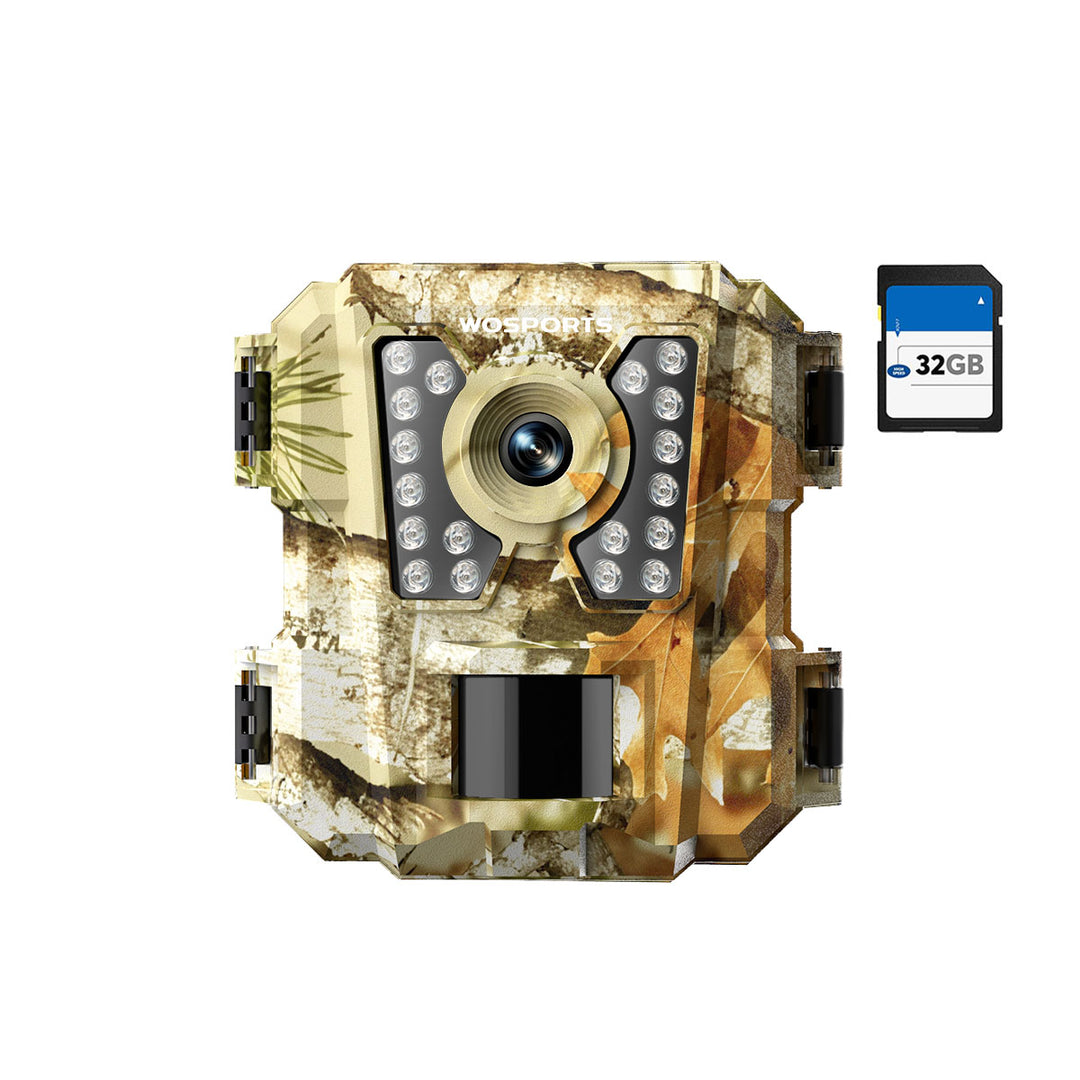
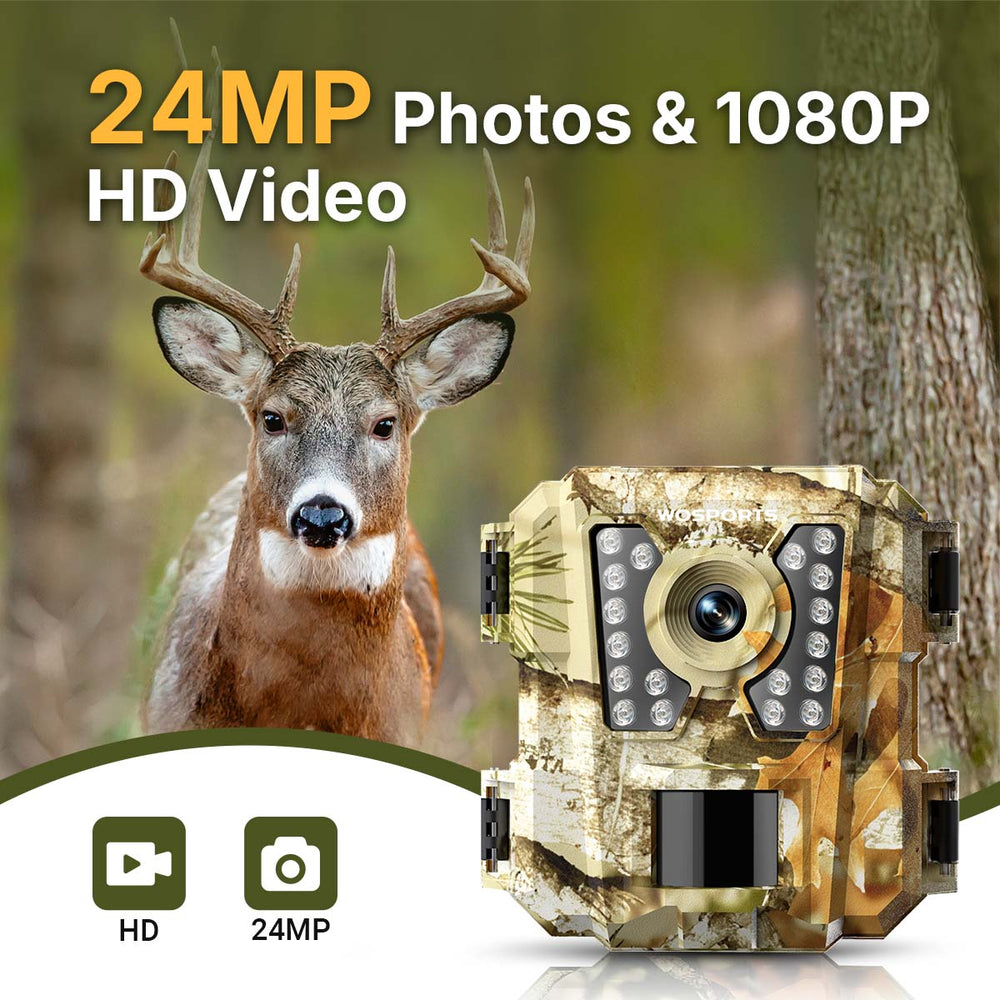
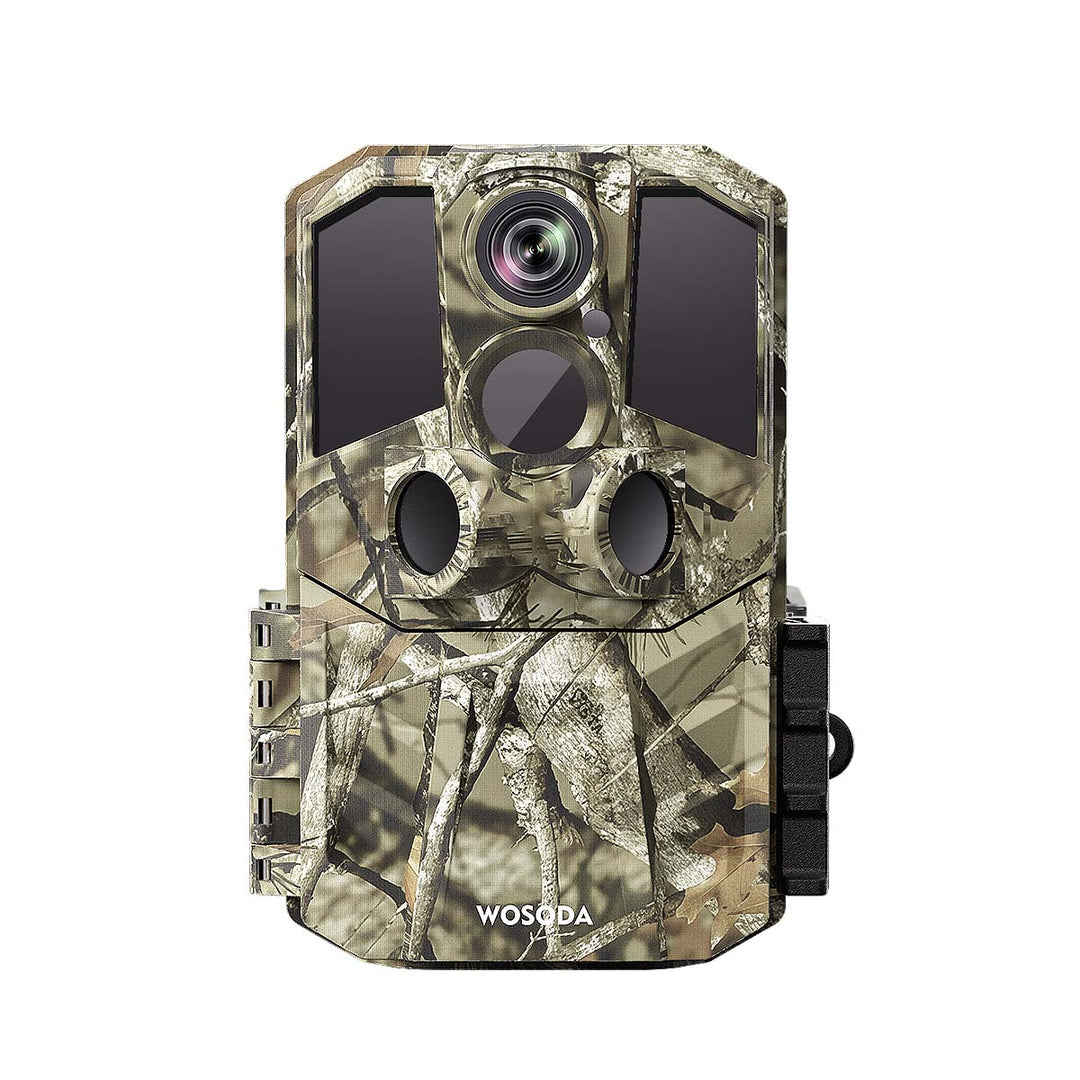
The G600 trail camera from WOSPORTS offers a perfect balance of high-quality features and user-friendly design, making it an excellent choice for outdoor clubs involved in wildlife tracking. Its robust build, fast trigger speed, and extended battery life provide the reliability needed for long-term deployment in challenging outdoor conditions.
G600 key features:
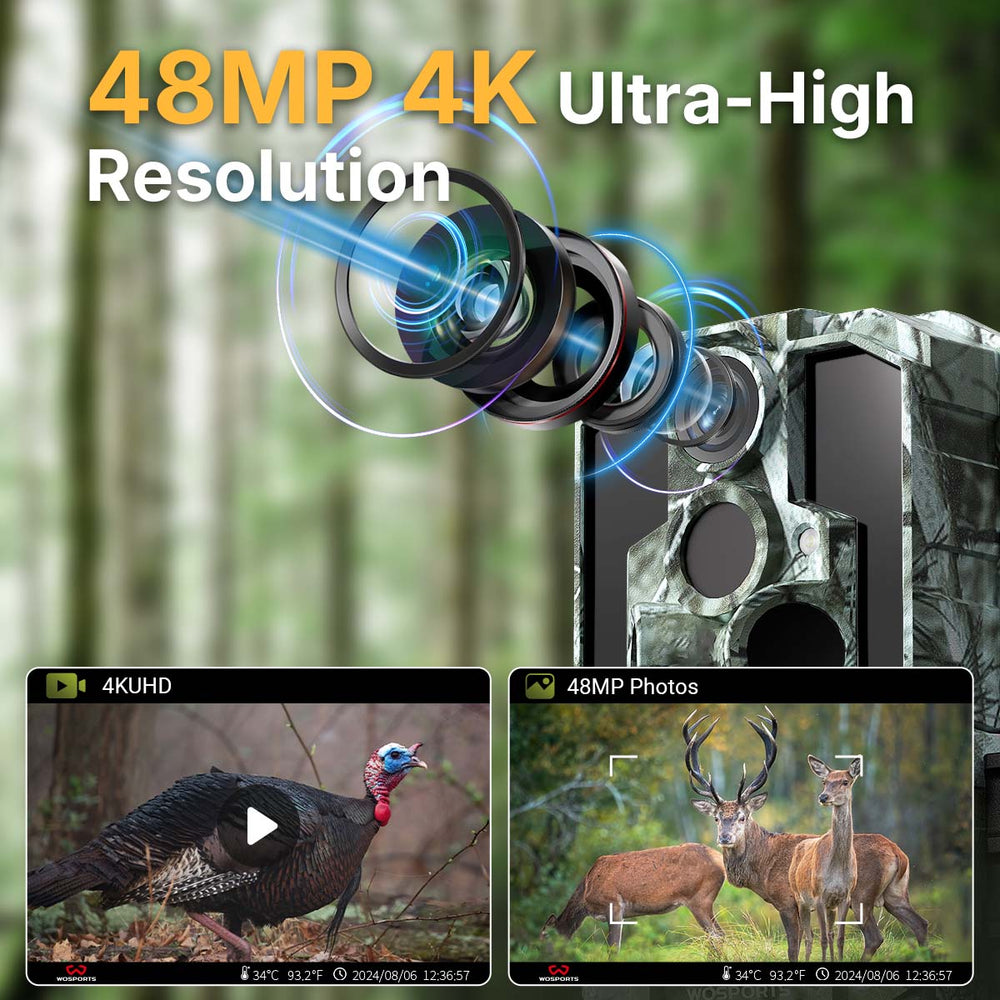
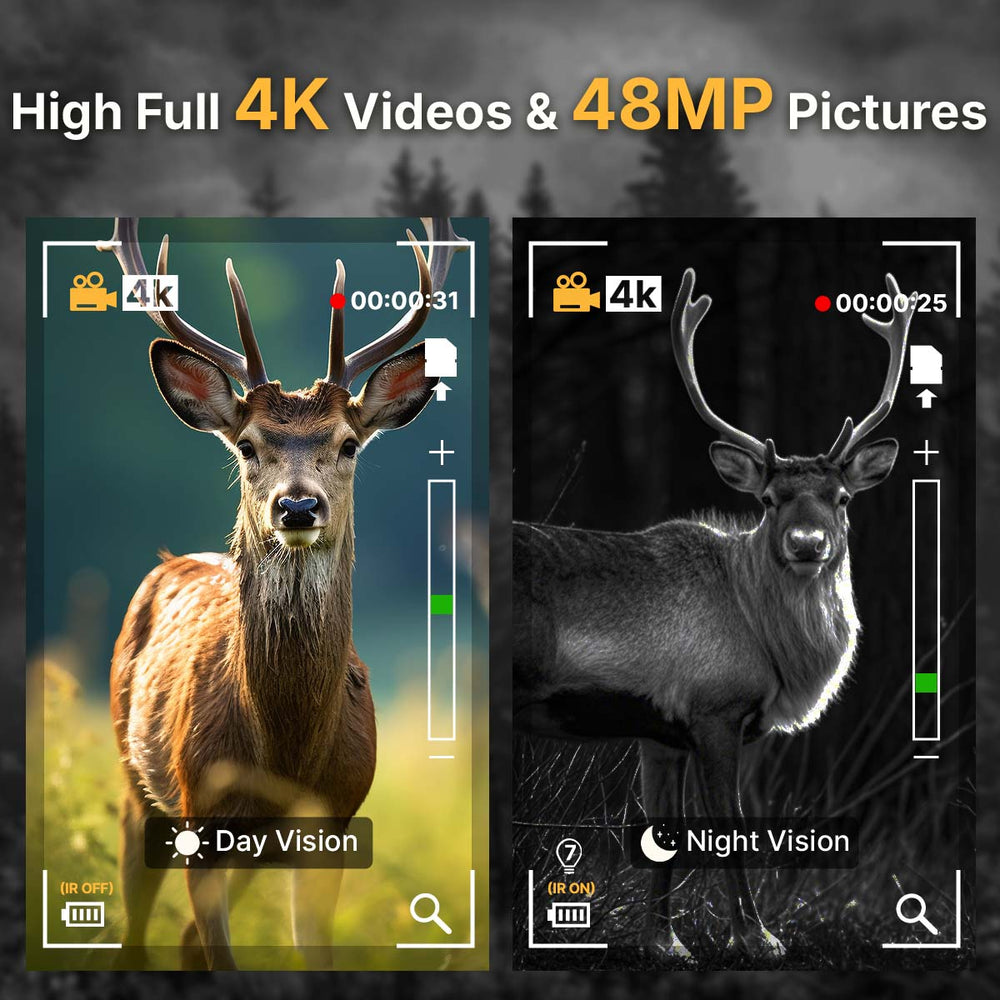
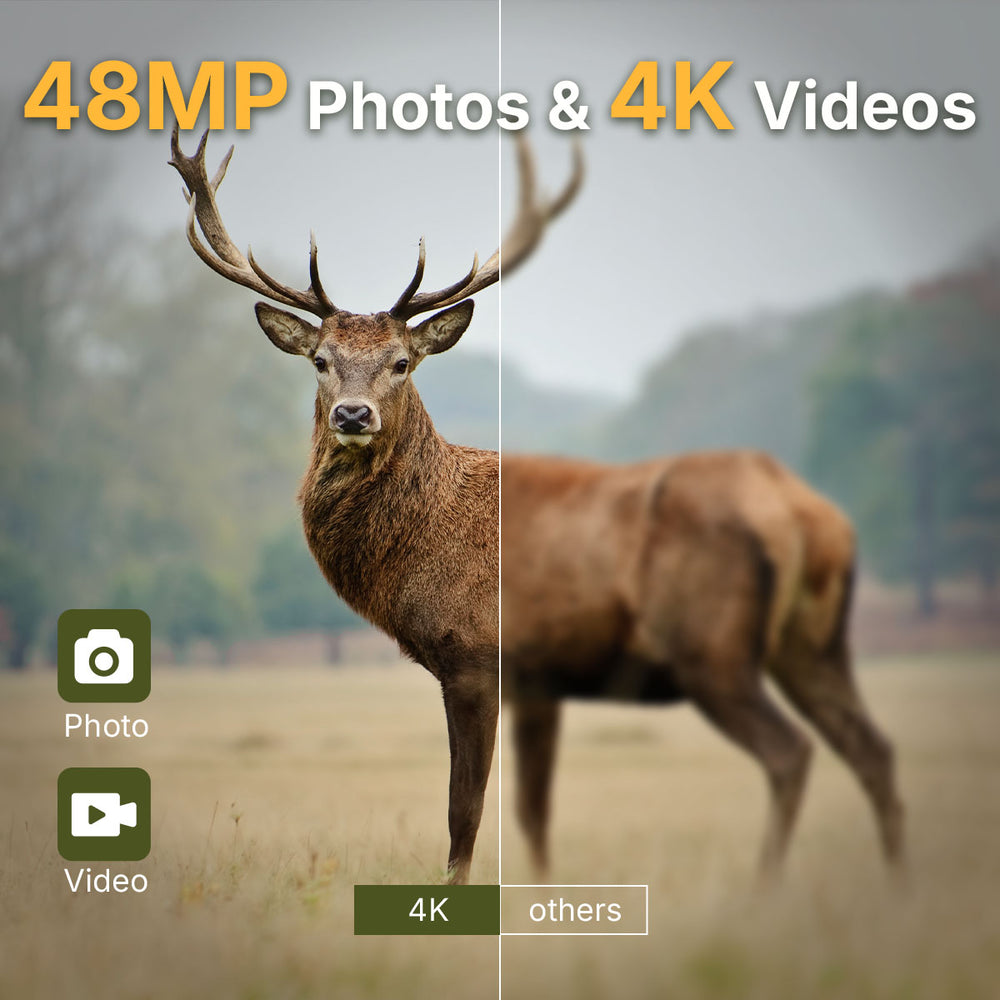
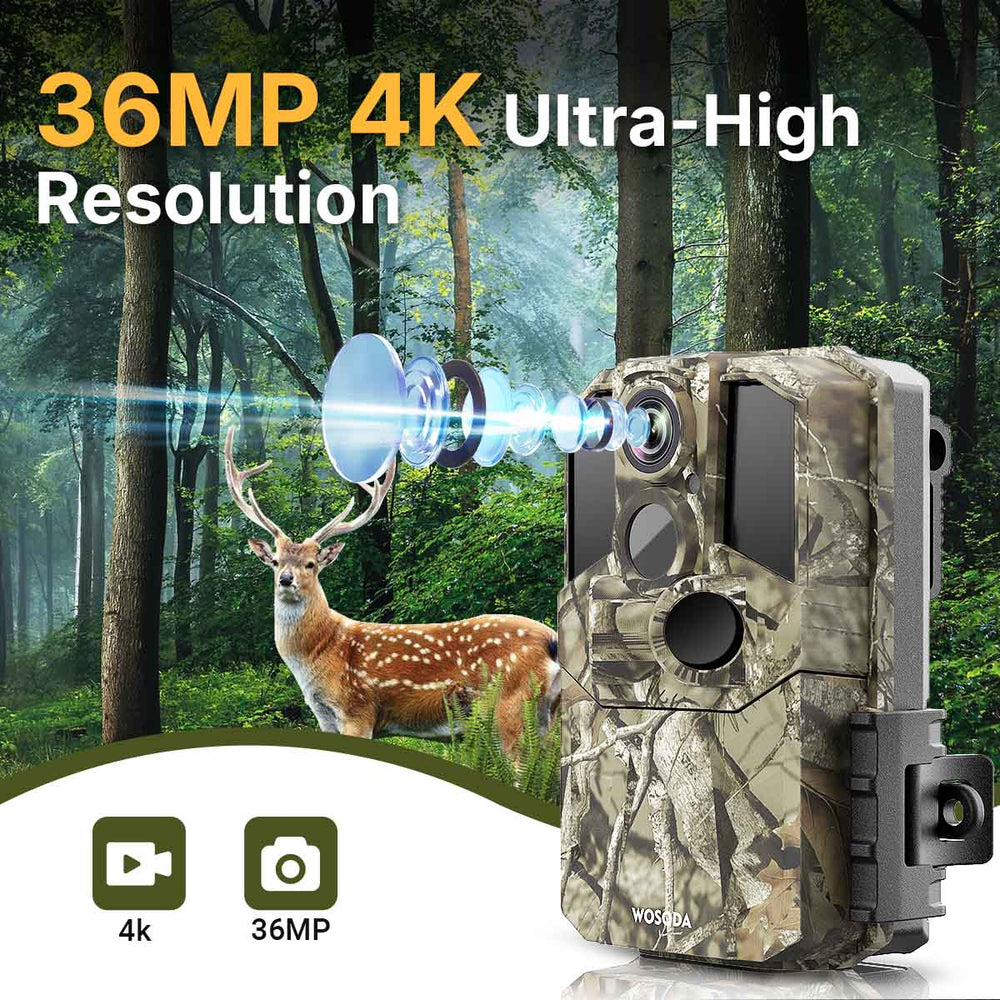
- 48MP photos + 4K video: High-quality images for accurate species identification.
- 0.2s trigger speed: Instant capture of movement, even in fast-moving wildlife.
- Wide-angle PIR detection: Ensures a broader detection zone to capture more wildlife.
- Low-glow infrared technology: Captures nighttime activity without disturbing animals.
- Long battery life: Operates for months on a single battery pack, minimizing maintenance.
Expert review:
"The G600 is a game-changer for wildlife monitoring, especially for outdoor clubs needing reliable, high-performance cameras for remote areas."
Source: Outdoor Equipment Review
https://www.outdoorgear.com/
How do outdoor clubs set up wildlife cameras in their areas?
Outdoor clubs typically follow a few essential steps to set up their trail cameras for the best results. This involves strategic camera placement, ensuring proper settings, and regularly checking camera performance for data quality.
Key setup steps:
- Location selection: Choose areas with high wildlife activity, such as animal trails or water sources.
- Camera positioning: Place cameras at a height of 3–4 feet and ensure they face animal paths.
- Proper settings: Adjust trigger sensitivity and time settings to avoid false triggers.
- Regular checks: Monitor camera performance and battery life to ensure consistent data capture.
What are the benefits of using trail cameras for conservation efforts?
Outdoor clubs often use trail cameras as part of conservation programs to monitor endangered species, protect habitats, and prevent poaching. By collecting valuable data without human presence, these cameras contribute to long-term environmental preservation.
Impact on conservation:
- Monitoring biodiversity: Track endangered species and their habitats.
- Protecting habitats: Detect illegal human activities such as poaching or logging.
- Supporting research: Provide consistent data for scientific studies and ecosystem management.
"Camera traps are instrumental in our ability to monitor wildlife populations and track their health, contributing to our conservation efforts."
Source: U.S. Fish and Wildlife Service
https://www.fws.gov/species/camera-traps-conservation
Case study: Outdoor club’s success with trail cameras
One outdoor club in the Pacific Northwest used trail cameras to monitor bear populations in a protected forest. The club placed 15 cameras around key waterholes and animal trails.
Results:
- Data collected: Over 300 photos of black bears, wolves, and deer over six months.
- Species identification: Identified rare local species that were previously undocumented in the region.
- Conservation impact: Gained insights into bear behavior and migration, which were used to help conserve forest habitats.
Why the G600 worked well for this club:
- Long battery life: Reduced the need for frequent maintenance.
- Fast trigger speed: Captured high-quality images of fast-moving wildlife like bears.
- Wide-angle detection: Covered large areas with fewer cameras, reducing costs.
Conclusion: Why outdoor clubs should invest in trail cameras
Trail cameras, especially models like the G600, are a must-have tool for wildlife tracking and conservation. For B2B buyers, providing outdoor clubs with reliable, high-performance wildlife cameras opens opportunities in the growing outdoor market. The G600 offers superior quality, durability, and ease of use, making it the ideal choice for long-term deployment in challenging environments.
FAQ: Common questions from outdoor clubs
Can trail cameras be used for educational purposes?
Yes, trail cameras are great for teaching children and communities about local wildlife.
How often should cameras be checked?
Cameras should be checked every 1–3 months, depending on battery life and environmental conditions.
What is the ideal camera for tracking nocturnal animals?
Look for cameras with low-glow infrared technology, like the G600, to minimize disturbance.
Can multiple trail cameras be used together?
Yes, using multiple cameras in strategic locations can provide comprehensive data about wildlife activity.
Search
Popular Posts
Recent Posts


Nov 28, 2024
Troubleshooting Common Trail Camera Issues
Jan 10, 2025
Why Does My Trail Camera Stop Working at Night?