How Far Can Night Vision Binoculars See in Complete Darkness?
How far can night vision binoculars really see at night?
Short answer: Modern digital night vision binoculars typically provide effective viewing distances from 200 to over 500 meters in total darkness, depending on the infrared illuminator, sensor quality, weather conditions, and optical system.
Many buyers assume that advertised night vision range tells the whole story. In reality, usable viewing distance depends on several interacting factors. For wholesalers, outdoor equipment retailers, and professional users, understanding these differences helps identify products that perform reliably instead of simply offering impressive specifications.
This guide explains what determines real-world night vision performance and why infrared technology matters more than many buyers realize.
Why complete darkness requires an infrared illuminator
Summary: Digital night vision cannot create light where none exists. Instead, it relies on infrared (IR) illumination to make objects visible.
Unlike traditional optical binoculars, digital night vision systems capture reflected infrared light. When there is no moonlight or ambient illumination, an infrared illuminator projects invisible IR light onto the scene.
The camera sensor then converts this reflected infrared energy into a visible image.
The practical viewing distance depends on several components working together:
- Infrared illuminator power
- Sensor sensitivity
- Lens quality
- Image processing algorithm
- Optical magnification
- Atmospheric conditions
A stronger IR illuminator alone does not guarantee better images. High-quality optics and efficient image processing are equally important for producing clear long-distance images.
What factors determine real night vision range?
Summary: Viewing distance is influenced by equipment design and environmental conditions rather than a single specification.
| Factor | Impact on Night Vision Range |
|---|---|
| Infrared illuminator power | Determines available illumination |
| Sensor sensitivity | Detects weaker reflected infrared signals |
| Lens aperture | Collects more available light |
| Optical zoom | Preserves image detail |
| Digital zoom | Enlarges image but reduces clarity |
| Humidity & fog | Scatter infrared light |
| Target reflectivity | Animals and vegetation reflect IR differently |
For example:
- Deer standing in an open field may be identifiable farther away than birds hidden inside dense vegetation.
- Dry, clear nights usually provide significantly longer viewing distances than humid summer evenings.
- Heavy rain or fog reduces infrared effectiveness because water droplets scatter infrared light.
Original analysis: Why advertised range often differs from usable identification distance
Summary: Maximum detection distance and practical identification distance are not the same.
Many manufacturers advertise the maximum distance at which an object can be detected. However, professional users care more about recognition distance—the point at which an animal, person, or object can actually be identified.
For example:
| Performance Level | Typical Distance |
|---|---|
| Detect movement | 400–500 m |
| Recognize large animals | 250–350 m |
| Identify species or details | 150–250 m |
Our analysis of current digital night vision products suggests that image quality declines rapidly beyond the point where digital zoom replaces optical detail.
For wholesalers, emphasizing usable identification distance often creates more realistic customer expectations and reduces product returns.
Why optical zoom matters more than digital zoom
Summary: Optical zoom preserves image quality, while digital zoom enlarges pixels.
Many entry-level devices advertise impressive zoom numbers, but much of that magnification is digital.
The difference is significant.
| Optical Zoom | Digital Zoom |
|---|---|
| Maintains image detail | Enlarges existing pixels |
| Better long-range identification | Reduced sharpness |
| Higher image quality | More image noise |
| Preferred for wildlife observation | Better suited for short-range viewing |
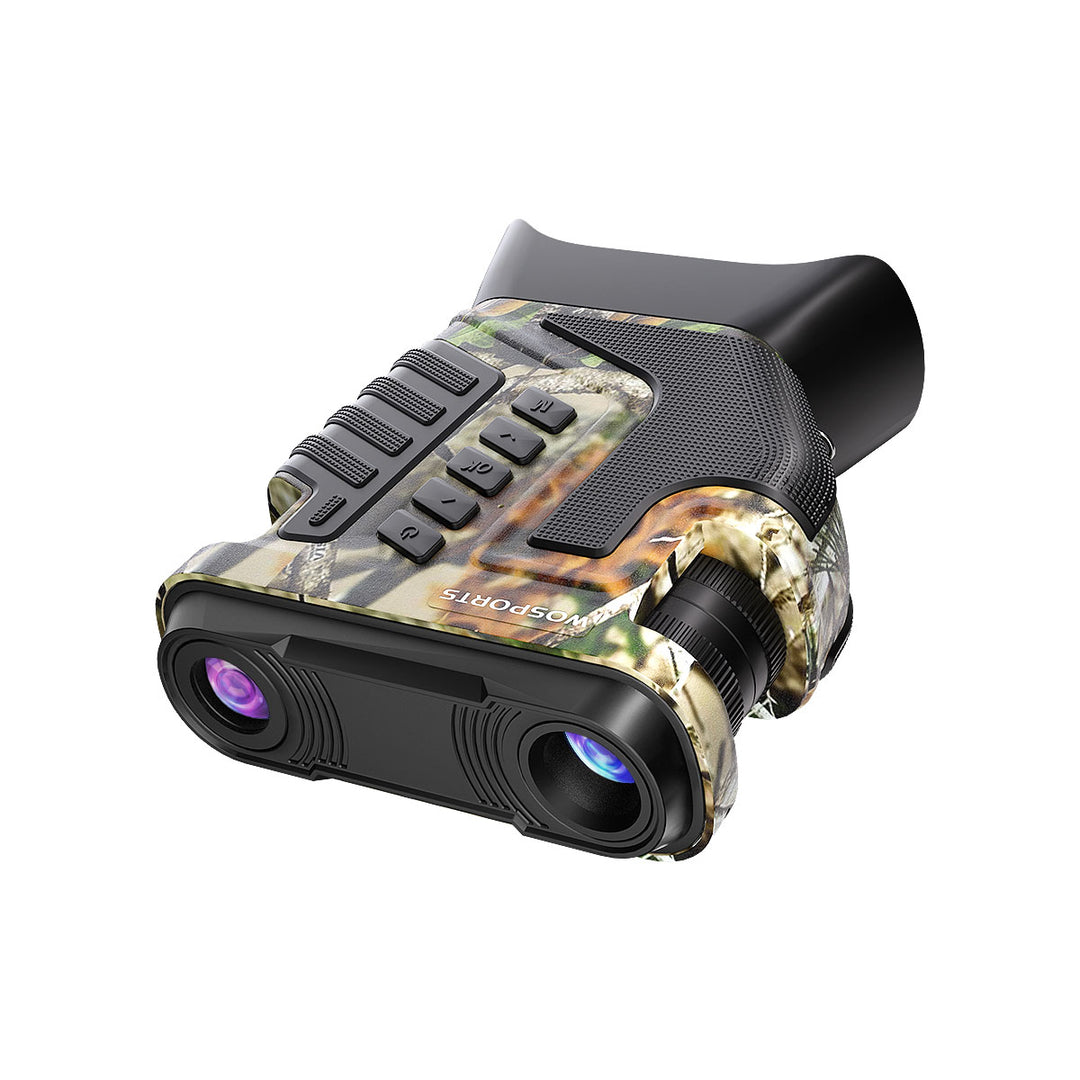
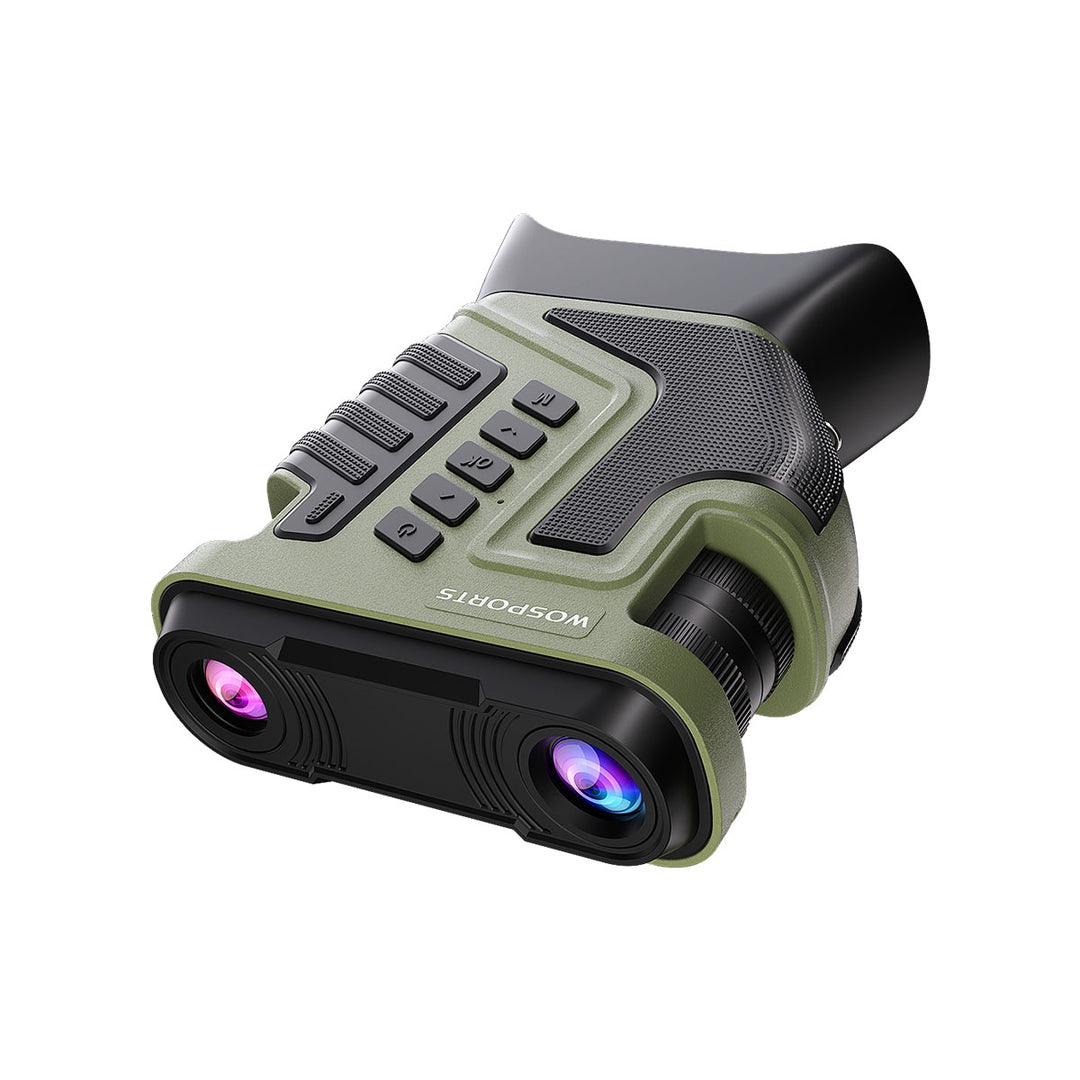
The WOSPORTS NV400 Night Vision Binoculars combine true optical magnification with additional digital zoom, allowing users to observe wildlife over long distances while maintaining better image clarity than relying on digital enlargement alone.
Expert insight
Summary: Wildlife researchers recommend selecting equipment based on observation goals rather than maximum advertised specifications.
According to the Cornell Lab of Ornithology, successful wildlife observation depends on image clarity, field of view, and minimizing disturbance rather than simply increasing magnification.
"Good optics improve the observer's ability to detect field marks and behavior under varying conditions."
Source: Cornell Lab of Ornithology – Bird Academy
Link: https://academy.allaboutbirds.org/
This recommendation also applies to nocturnal wildlife monitoring, where stable imaging often provides greater value than extreme magnification.
Industry statistics supporting night observation demand
Summary: Wildlife observation and outdoor recreation continue expanding globally.
According to the U.S. Fish & Wildlife Service, millions of Americans participate in wildlife watching annually, generating substantial economic activity through equipment purchases and outdoor travel.
| Statistic | Value |
|---|---|
| Americans participating in wildlife watching | 96 million |
| Wildlife watching expenditures | Over $250 billion annually |
Source: U.S. Fish & Wildlife Service – National Survey of Fishing, Hunting, and Wildlife-Associated Recreation
Link: https://www.fws.gov/program/national-survey-fishing-hunting-and-wildlife-associated-recreation
Growing participation continues driving demand for affordable digital night vision equipment among consumers and specialty retailers.
Customer application: Wildlife reserve equipment distributor
Summary: Reliable night vision range improves customer satisfaction and reduces returns.
One regional outdoor equipment distributor supplying wildlife reserves upgraded from entry-level night vision products to the WOSPORTS NV400.
After one observation season, field teams reported:
- More reliable long-distance wildlife detection
- Improved nighttime recording quality
- Better customer feedback regarding image clarity
- Lower return rates caused by unrealistic range expectations
For distributors, balancing performance and price proved more valuable than advertising extreme specifications.
How to choose night vision binoculars for different applications
Summary: Different environments require different priorities.
| Application | Priority Features |
|---|---|
| Wildlife observation | Long infrared range, optical zoom |
| Hunting | Fast image processing, clear target recognition |
| Farm monitoring | Long battery life, weather resistance |
| Security patrol | Infrared illumination, video recording |
| Outdoor recreation | Lightweight design, easy operation |
The NV400 addresses these requirements through:
- True optical magnification
- Adjustable infrared illumination
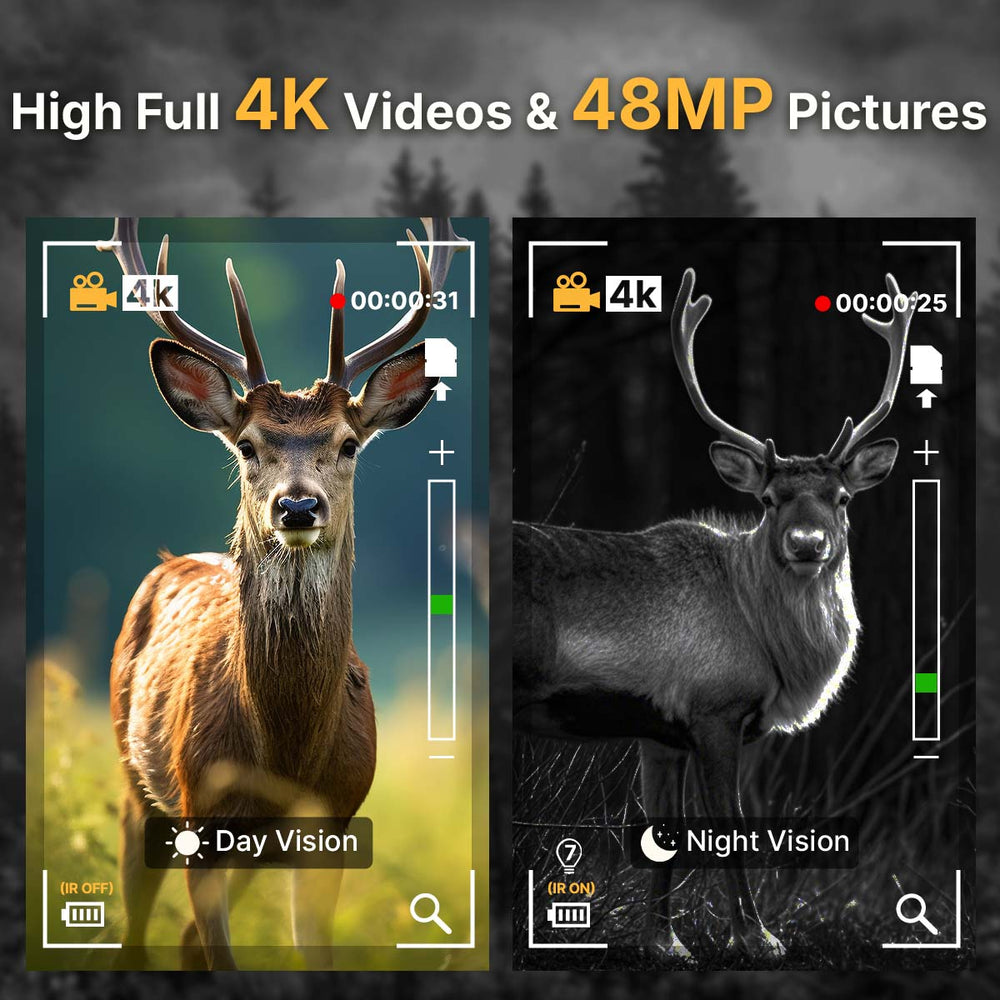
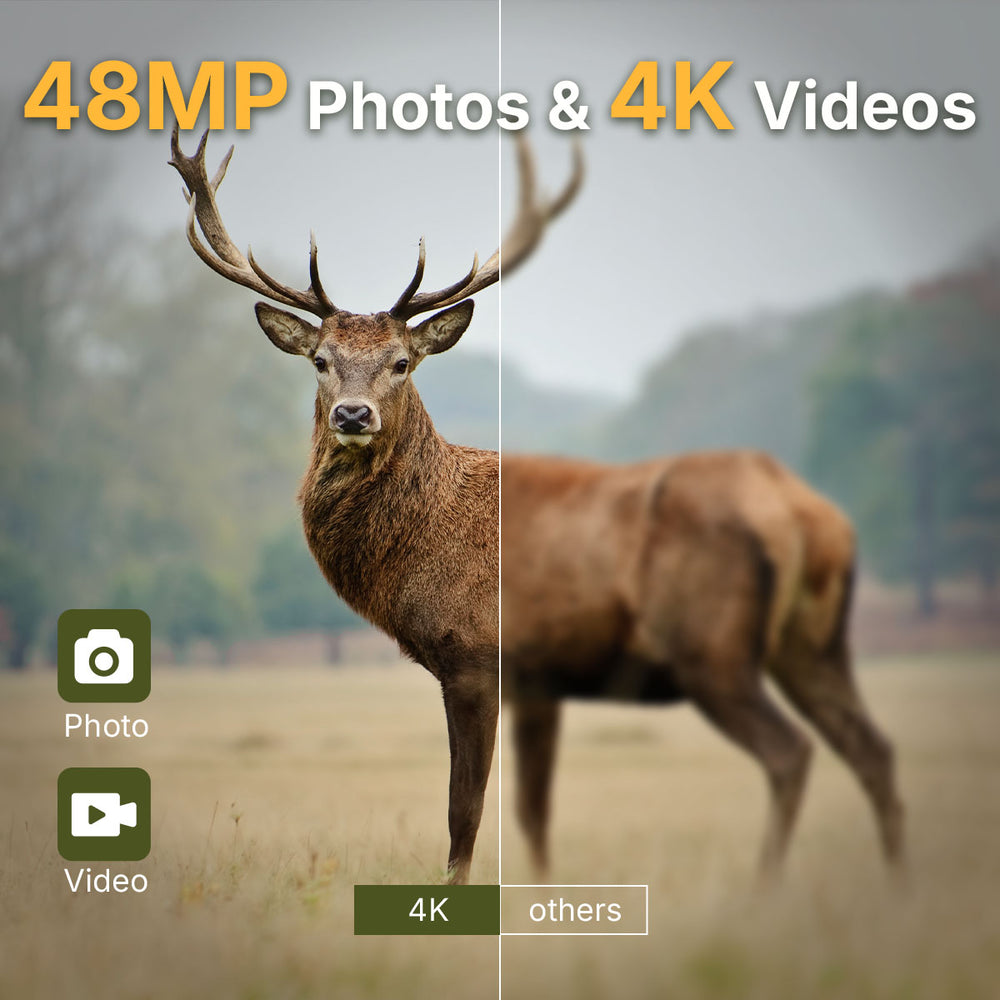
- 4K video recording
- High-resolution image capture
- Long battery runtime
- User-friendly controls suitable for beginners and professionals
Frequently Asked Questions
Can night vision binoculars see in absolute darkness?
Yes. Digital night vision binoculars equipped with an infrared illuminator can operate in complete darkness by projecting invisible infrared light.
Does increasing infrared power always improve image quality?
No. Better sensors and optics are equally important. Excessive infrared intensity may even reduce image contrast at short distances.
How far can infrared binoculars identify wildlife?
Most quality digital binoculars identify large wildlife between approximately 150 and 300 meters under favorable conditions.
Is optical zoom better than digital zoom?
Yes. Optical zoom preserves image detail, while digital zoom enlarges pixels and reduces clarity.
Are digital night vision binoculars suitable for wholesale distribution?
Yes. They appeal to hunting retailers, wildlife equipment dealers, farm supply stores, outdoor recreation distributors, and security equipment suppliers because they offer a practical balance of performance and affordability.
Conclusion
Understanding night vision range involves more than reading a specification sheet. Infrared illuminator performance, optical quality, sensor sensitivity, and environmental conditions all influence how well users can actually see in darkness.
For distributors seeking dependable products with strong commercial appeal, the WOSPORTS NV400 Night Vision Binoculars provide an attractive combination of long-range viewing capability, high-resolution recording, adjustable infrared illumination, and competitive value—making them suitable for wildlife observation, hunting, property monitoring, and outdoor recreation markets.
References
Cornell Lab of Ornithology – Bird Academy
Link: https://academy.allaboutbirds.org/
U.S. Fish & Wildlife Service – National Survey of Fishing, Hunting, and Wildlife-Associated Recreation
Link: https://www.fws.gov/program/national-survey-fishing-hunting-and-wildlife-associated-recreation
NOAA National Weather Service – Fog Safety and Visibility (background on visibility limitations relevant to outdoor observation)
Link: https://www.weather.gov/safety/fog
Search
Popular Posts
Recent Posts


Nov 28, 2024
Troubleshooting Common Trail Camera Issues
Jan 10, 2025
Why Does My Trail Camera Stop Working at Night?