How to Choose Night Vision
🔍 Introduction
Buying a night vision device can feel overwhelming.
You'll find dozens of models with different specifications, features, and price points. Some promise extreme viewing distances, while others focus on image quality, zoom, or recording capabilities.
So how do you know which one is right for you?
The good news is that most buyers don't need the most expensive option—they just need the right one for their intended use.
This guide will help you understand the key features that matter and how to choose a night vision device that fits your needs.
🎯 Step 1: Decide How You'll Use It
Before comparing specifications, ask yourself one simple question:
What do I want to do with night vision?
Different activities require different priorities.
| Activity | Most Important Features |
|---|---|
| Wildlife Watching | Image clarity, zoom, recording |
| Hunting | Viewing range, IR performance |
| Camping | Portability, battery life |
| Farm Monitoring | Long-distance viewing, durability |
| Backyard Observation | Ease of use, image quality |
👉 Your intended use should guide every purchasing decision.
🌙 Step 2: Choose Digital Night Vision
For most outdoor users, digital night vision is the best choice.
Why?
Digital night vision offers:
- Visibility in complete darkness
- Built-in infrared illumination
- Photo and video recording
- More affordable pricing
- Easy operation
Unlike traditional night vision, digital models are designed for everyday outdoor use and require less technical knowledge.
🔦 Step 3: Check Infrared (IR) Performance
Infrared illumination is one of the most important features in any night vision device.
A good IR system allows you to:
- See in total darkness
- Observe wildlife clearly
- Improve image quality at longer distances
Look for devices that offer:
✅ Adjustable IR levels
✅ Strong nighttime visibility
✅ Reliable performance in different environments
🔭 Step 4: Consider Viewing Distance
Viewing range determines how far you can observe subjects effectively.
General recommendations:
| Use Case | Recommended Range |
|---|---|
| Backyard Wildlife | 200–500 ft |
| Camping | 300–600 ft |
| Wildlife Observation | 500–1000+ ft |
| Open Fields & Farms | 1000+ ft |
If you frequently observe deer, coyotes, or wildlife in large open areas, longer viewing distance becomes much more important.
📸 Step 5: Look for Recording Features
Modern night vision devices often include:
- Video recording
- Photo capture
- Memory card support
These features are useful because they allow you to:
- Save wildlife encounters
- Review observations later
- Share footage with friends and family
For many users, recording capabilities quickly become one of their favorite features.
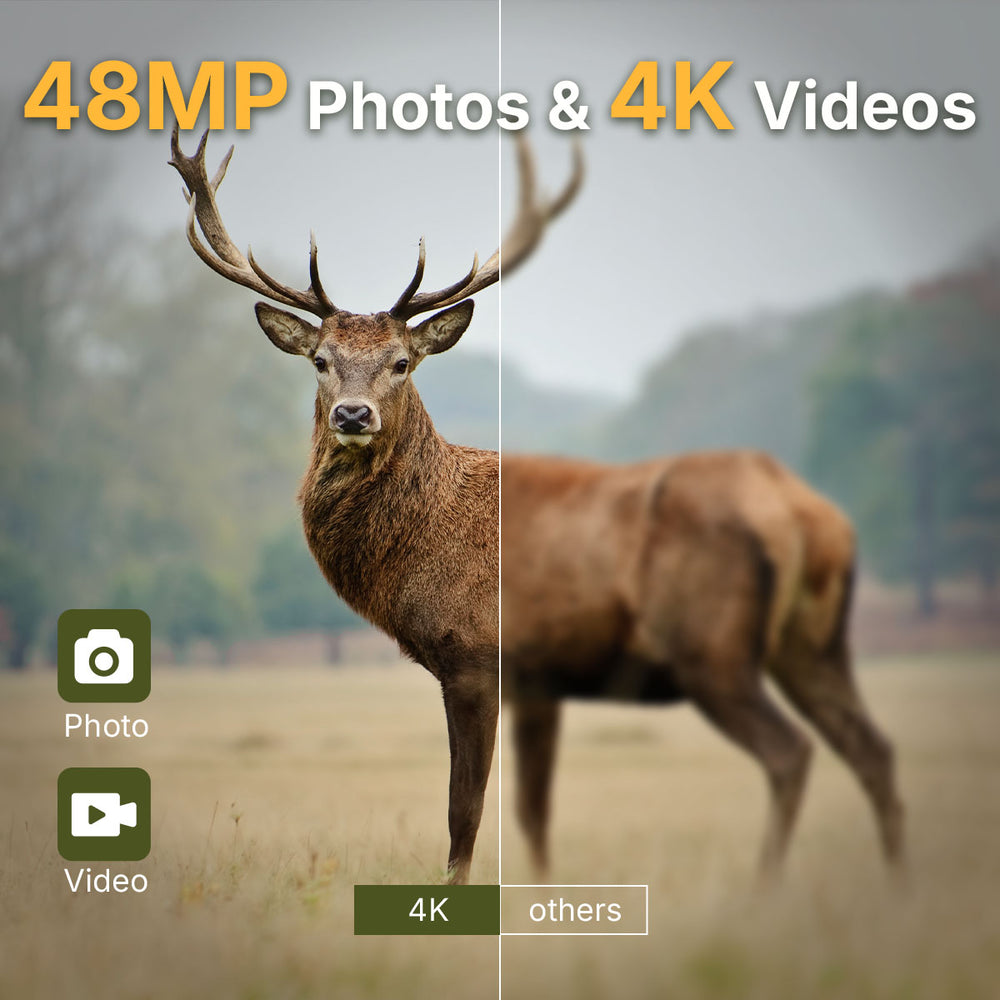
🔍 Step 6: Don't Ignore Image Quality
Higher resolution generally means:
- Better detail
- Easier animal identification
- Improved viewing experience
When observing wildlife, image quality can make the difference between seeing "an animal" and identifying exactly what species you're watching.
🔋 Step 7: Check Battery Life
Nothing ends a night observation session faster than a dead battery.
Look for:
- Rechargeable batteries
- Long operating times
- Reliable performance in outdoor conditions
This becomes especially important for:
- Camping trips
- Long wildlife observation sessions
- Farm monitoring
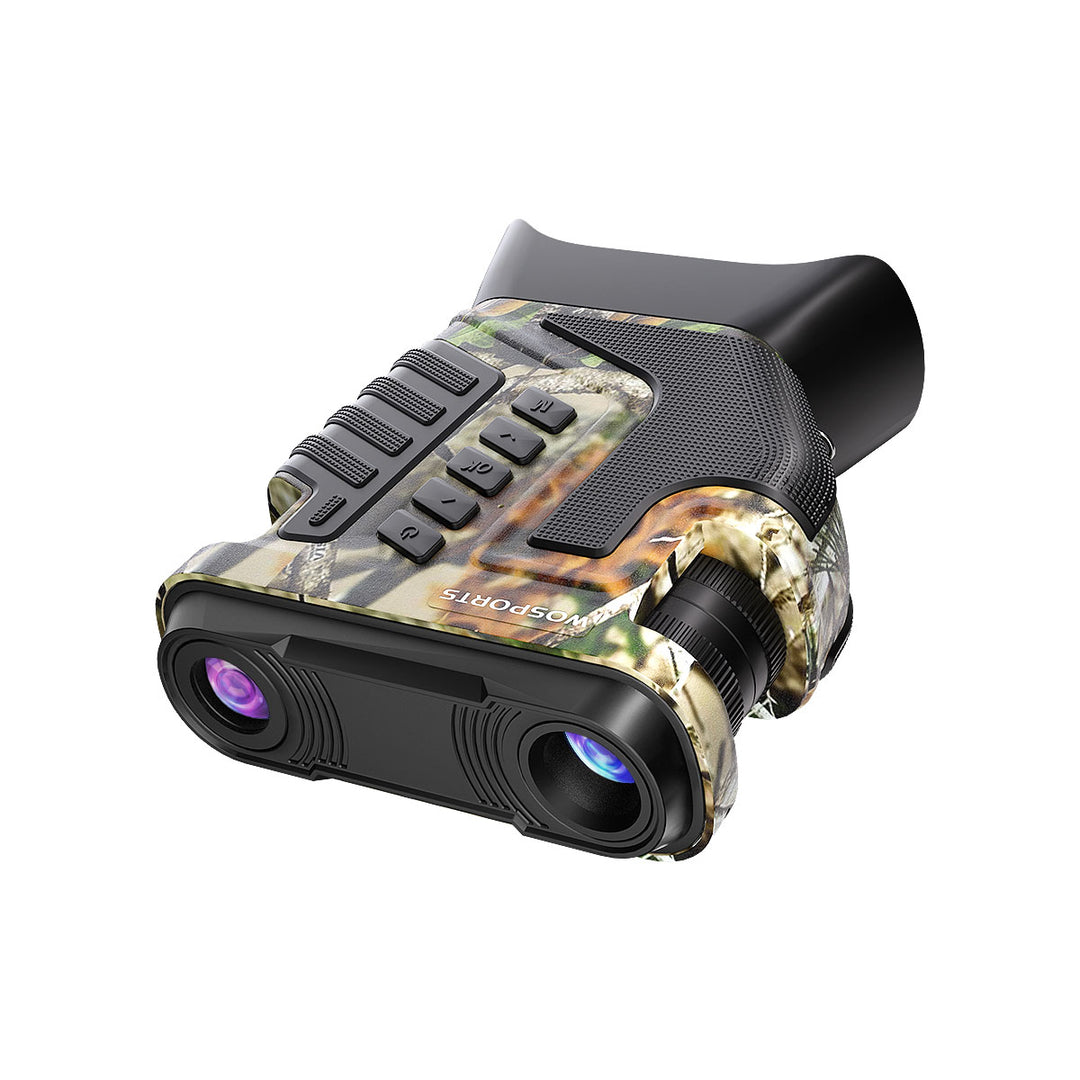
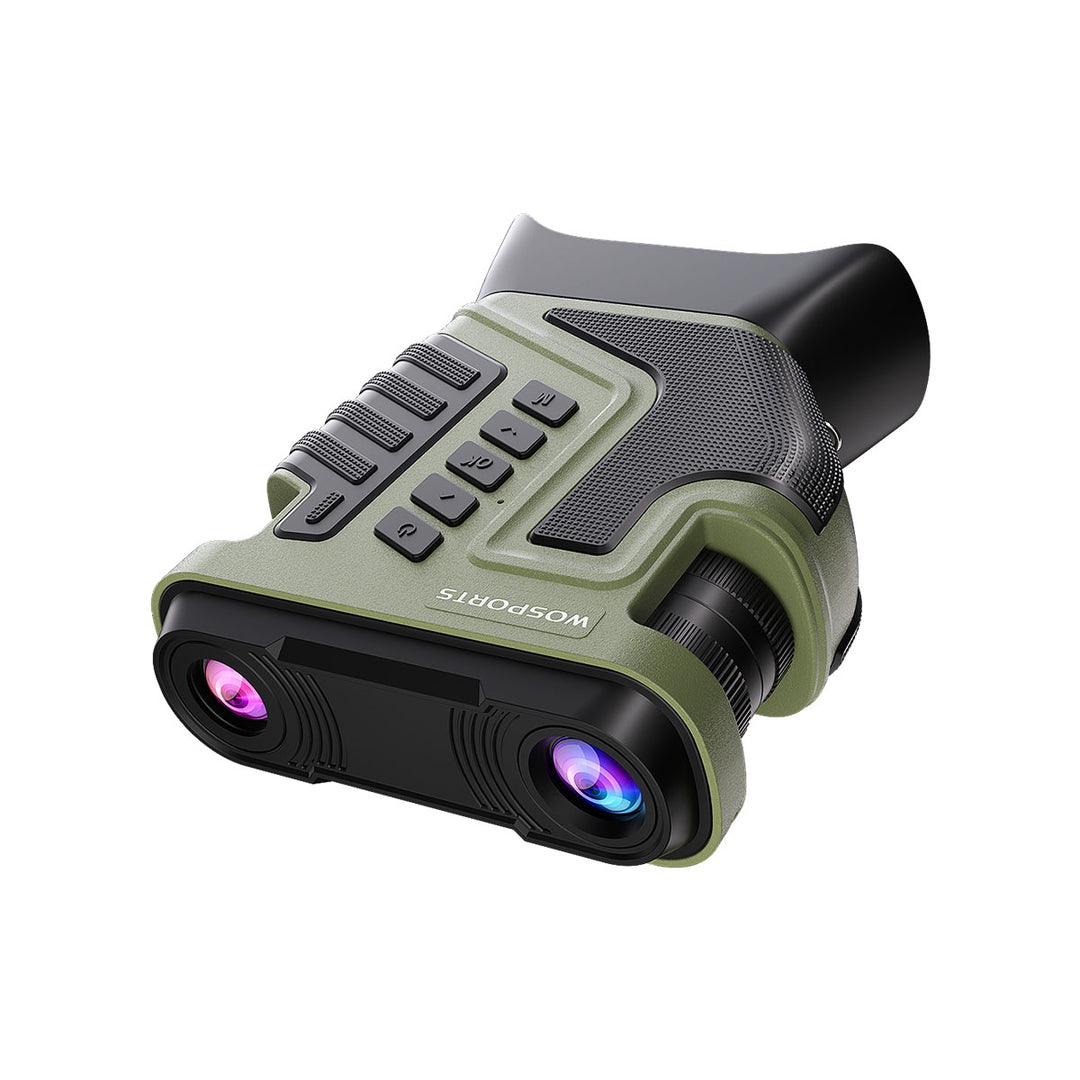
⭐ A Practical Example: WOSPORTS NV400
If you're looking for a balance of performance, features, and value, the WOSPORTS NV400 checks many of the boxes that most buyers care about.
Key Features
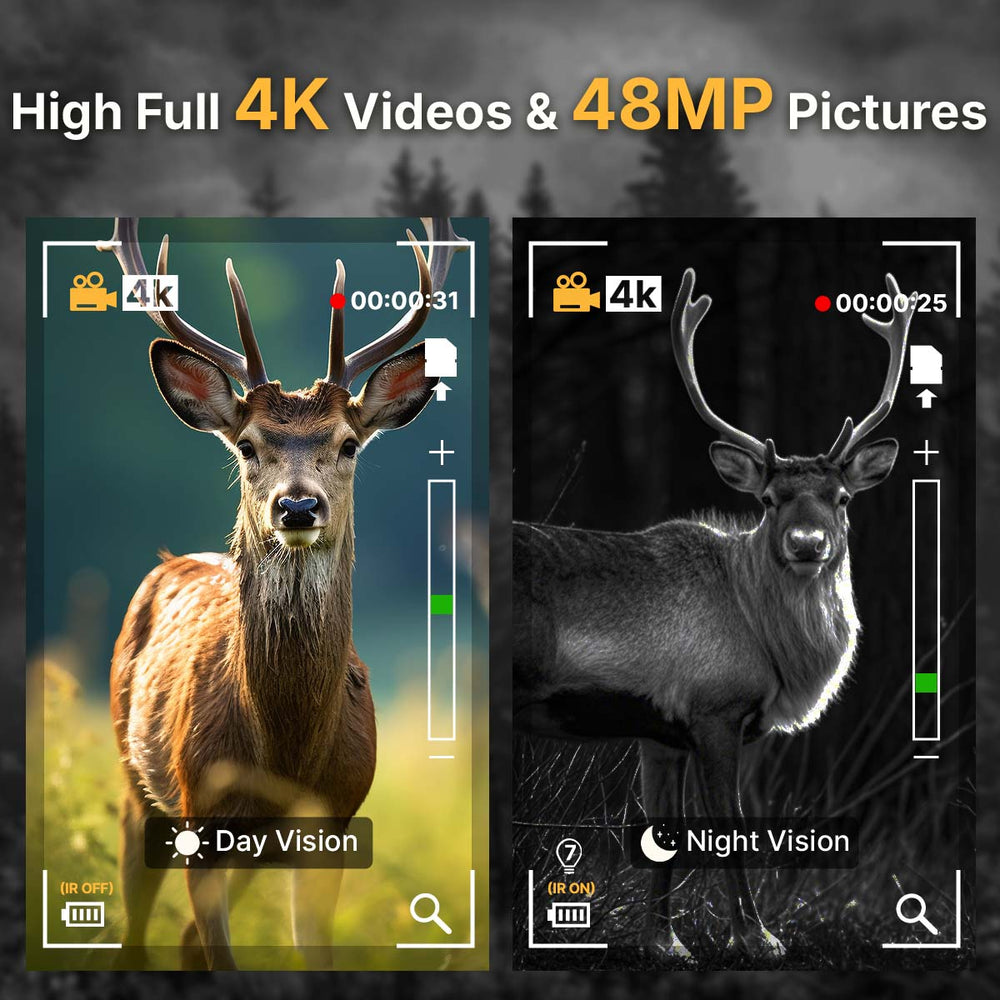
✅ 4K Video Recording
✅ 48MP Photo Capture
✅ 7 Adjustable IR Levels
✅ Up to 1315 ft Viewing Distance
✅ 1–10X Zoom
✅ Rechargeable Battery
Best For
- Wildlife Watching
- Hunting
- Camping
- Farm Monitoring
- Backyard Observation
For many first-time buyers, it offers the features they need without the premium price often associated with specialized night vision equipment.
⚖️ Quick Buyer Checklist
Before purchasing, ask yourself:
☐ Can it see in complete darkness?
☐ Does it have adjustable IR?
☐ Is the viewing range sufficient?
☐ Can it record photos and videos?
☐ Is the battery life adequate?
☐ Is it easy to use?
If the answer is "yes" to all six questions, you're likely looking at a strong option.
❌ Common Buying Mistakes
Buying Based on Price Alone
The cheapest option isn't always the best value.
Ignoring Viewing Distance
A short range can be limiting in open environments.
Overlooking IR Performance
Without good infrared capability, nighttime performance suffers.
Paying for Features You'll Never Use
Choose features that match your actual activities.
🌌 Final Thoughts
Choosing a night vision device doesn't have to be complicated.
Focus on the features that matter most:
- Infrared performance
- Viewing distance
- Image quality
- Recording capabilities
- Battery life
For most outdoor enthusiasts, a digital night vision device provides the best combination of performance, usability, and value.
And once you start exploring the outdoors after dark, you'll quickly realize how much activity you've been missing.
🔗 What to Read Next
- Best Night Vision Devices 2026
- Best Night Vision for Beginners
- Why NV400 Is Perfect for Night Use
👉 Explore the NV400
Looking for a night vision device that combines long-range visibility, infrared performance, and recording features?
WOSPORTS NV400 Night Vision Binoculars
Discover why it's becoming a popular choice among wildlife watchers, hunters, campers, and outdoor enthusiasts.
Search
Popular Posts
Recent Posts


Nov 28, 2024
Troubleshooting Common Trail Camera Issues
Jan 10, 2025
Why Does My Trail Camera Stop Working at Night?