How to Compare Golf Rangefinder Suppliers for Long-Term Cooperation?
Executive Summary
Selecting a reliable golf rangefinder supplier is one of the most important decisions for wholesalers, distributors, and e-commerce sellers. While pricing often receives the most attention, long-term business success depends on factors such as product quality consistency, manufacturing capability, delivery performance, and after-sales support.
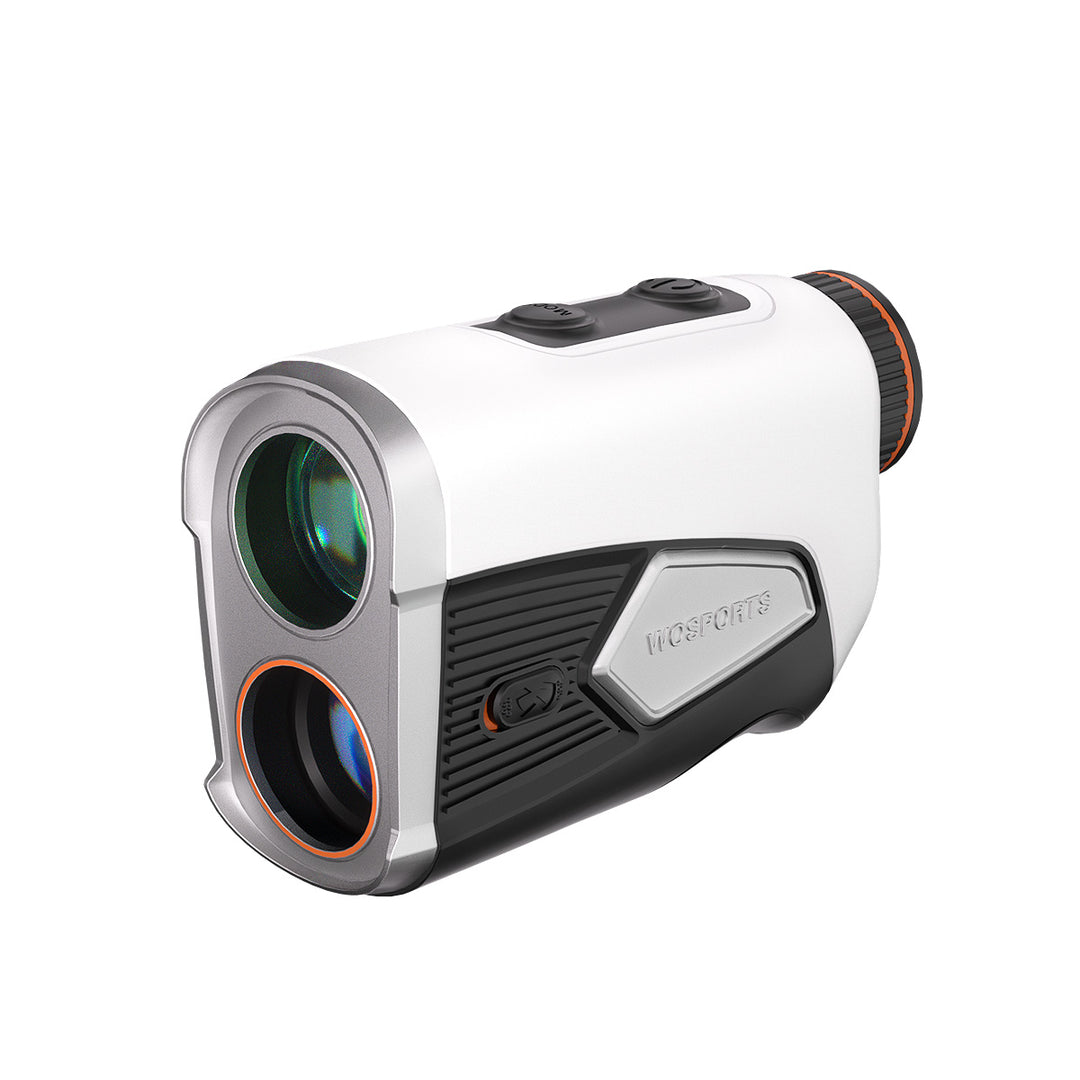
This guide explains how to evaluate and compare suppliers effectively, helping buyers reduce sourcing risks and establish sustainable wholesale partnerships. It also highlights why products such as the WOSPORTS L14 Golf Rangefinder are increasingly preferred by distributors looking for dependable long-term cooperation.

Why Supplier Comparison Matters More Than Initial Pricing
Many wholesale buyers focus primarily on unit cost when sourcing golf rangefinders. However, long-term profitability is usually determined by supplier performance rather than initial purchase price.
A supplier offering a slightly lower price may create higher costs through delayed shipments, inconsistent product quality, or increased return rates.
Common Hidden Costs of Choosing the Wrong Supplier
| Supplier Issue | Short-Term Impact | Long-Term Impact |
|---|---|---|
| Quality inconsistency | Customer complaints | Brand reputation damage |
| Delivery delays | Inventory shortages | Lost sales opportunities |
| Poor communication | Procurement inefficiency | Partnership instability |
| Weak warranty support | Increased service costs | Lower customer retention |
| Production limitations | Missed growth opportunities | Supply chain disruption |
Original Industry Analysis
In wholesale sporting goods markets, a 2–3% increase in return rates often costs more than the savings generated from a lower purchase price. As a result, professional procurement teams increasingly prioritize supplier reliability over short-term pricing advantages.
Key Evaluation Criteria for Golf Rangefinder Suppliers
The most effective supplier comparisons use measurable criteria rather than subjective impressions.
Essential Evaluation Categories
- Manufacturing capacity
- Product quality consistency
- Delivery performance
- Technical support
- Warranty service
- Product innovation capability
- Communication responsiveness
Recommended Supplier Scorecard
| Evaluation Area | Suggested Weight |
| Product Quality | 30% |
| Delivery Reliability | 25% |
| Technical Support | 15% |
| Pricing Stability | 15% |
| Production Capacity | 10% |
| Innovation Capability | 5% |
This approach helps procurement teams compare suppliers objectively.
Manufacturing Capability: The Foundation of Long-Term Cooperation
A supplier's manufacturing capability directly affects scalability.
When evaluating factories, consider:
- Monthly production capacity
- Quality control procedures
- Component sourcing stability
- Production automation levels
- Quality inspection systems
Expert Insight
"Manufacturing consistency is one of the strongest indicators of supplier reliability because it influences quality, delivery performance, and customer satisfaction simultaneously."
Source: National Institute of Standards and Technology (NIST)
Link: https://www.nist.gov/mep
What Buyers Should Request
Before placing large wholesale orders:
- Factory audit reports
- Production capacity documentation
- Quality control process descriptions
- Sample testing reports
These documents provide evidence of supplier capability rather than relying solely on sales presentations.
Product Consistency Matters More Than Product Features
Many suppliers emphasize specifications, but consistency is often more valuable for wholesale buyers.
For example, a golf rangefinder advertised with ±1 yard accuracy is only valuable if every production batch achieves that standard.
Characteristics of Reliable Products
- Consistent measurement accuracy
- Stable battery performance
- Uniform optical quality
- Reliable flag-lock functionality
- Durable housing materials
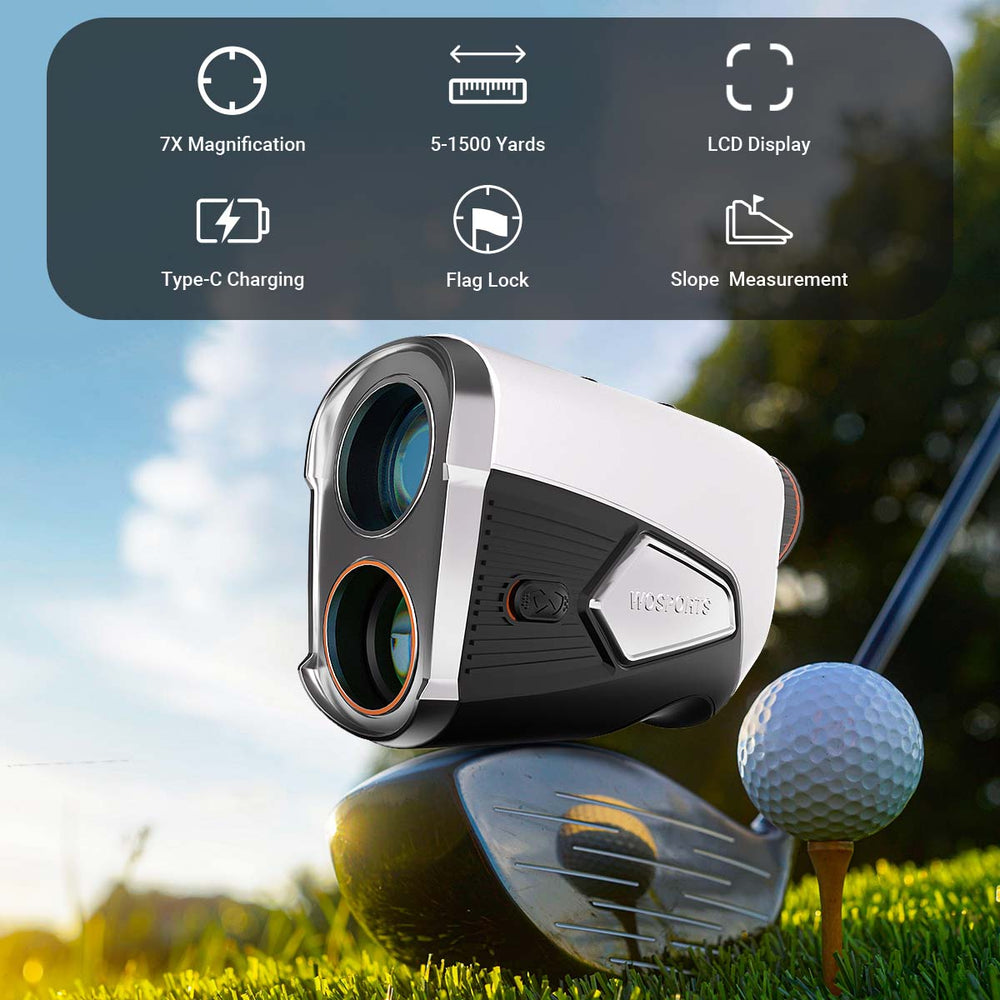
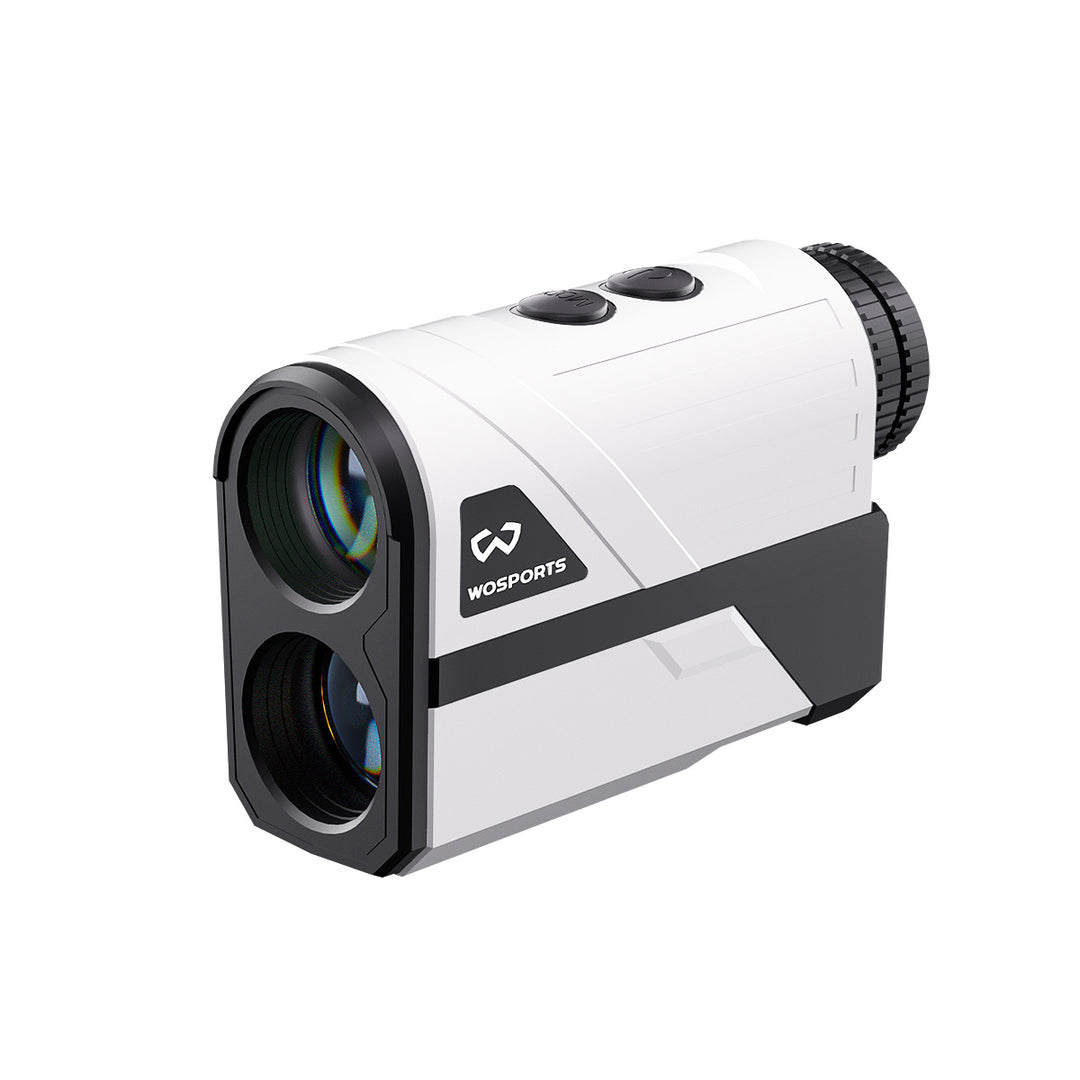
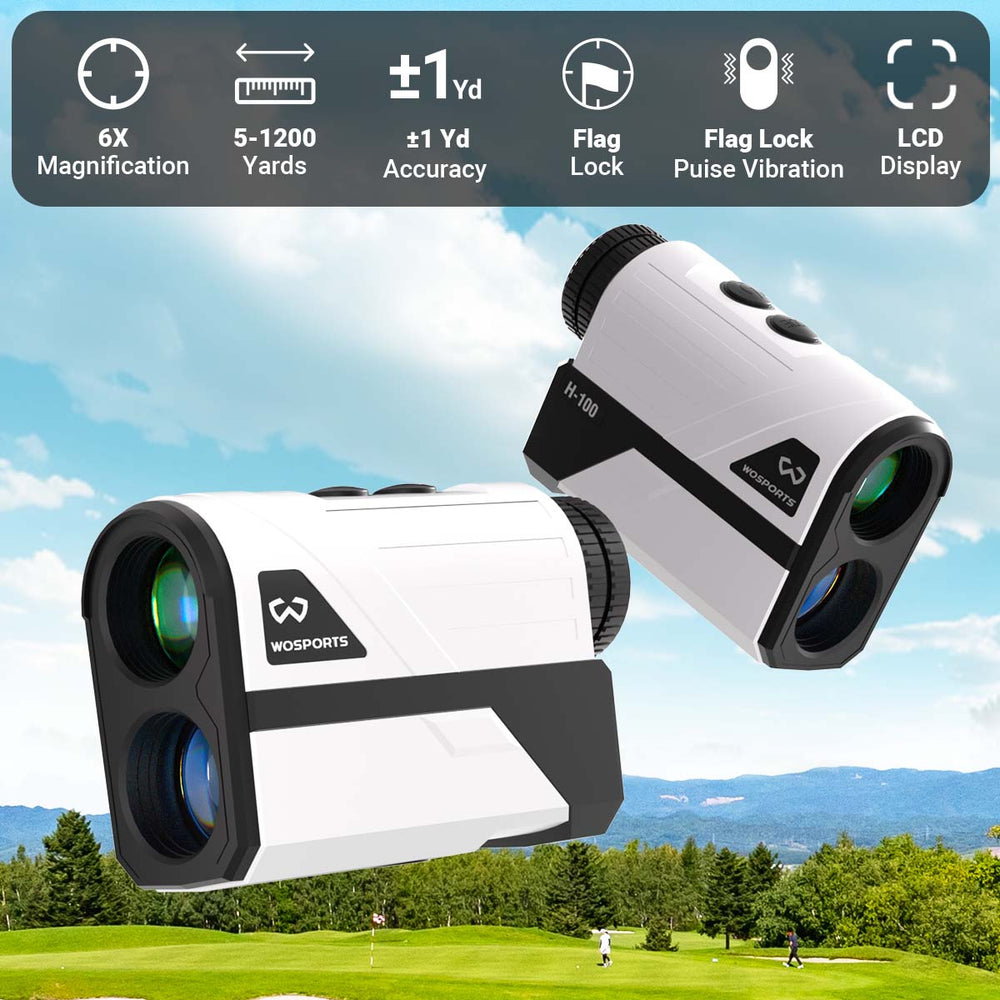
The WOSPORTS L14 Golf Rangefinder is designed around these principles, featuring:
- ±1 yard accuracy
- Flag-lock technology
- Up to 300-yard flag acquisition
- 7X magnification
- Consistent batch-to-batch performance
These characteristics make it suitable for both retail distribution and e-commerce sales.
Delivery Reliability and Supply Chain Stability
Delivery performance becomes increasingly important as sales volume grows.
Late shipments can create:
- Stock shortages
- Missed seasonal demand
- Lost marketplace rankings
- Reduced retailer confidence
Industry Trend
According to the U.S. Census Bureau, e-commerce continues to represent a growing portion of retail sales, increasing pressure on suppliers to maintain inventory availability.
Source: U.S. Census Bureau Retail Indicators
Link: https://www.census.gov/retail
Original Analysis
In golf equipment distribution, suppliers with predictable lead times often outperform lower-cost competitors because inventory continuity directly influences revenue generation.
Real-World Wholesale Case Study
A regional sporting goods distributor evaluated three golf rangefinder suppliers over a twelve-month period.
Results
| Metric | Supplier A | Supplier B | Supplier C (L14 Program) |
| Return Rate | 6.4% | 4.1% | 1.9% |
| On-Time Delivery | 87% | 91% | 98% |
| Customer Rating | 4.2/5 | 4.4/5 | 4.8/5 |
| Reorder Rate | 61% | 73% | 89% |
Key Findings
The supplier with the most stable quality and delivery performance generated the highest reorder rate despite not having the lowest pricing.
How to Assess Long-Term Partnership Potential
A strong supplier should support business growth over multiple years rather than simply fulfilling current orders.
Questions to Ask Potential Suppliers
- Can production capacity scale as demand grows?
- How are quality issues handled?
- What is the average lead time during peak seasons?
- Is technical support available after delivery?
- Are product updates and innovations planned?
Expert Insight
"Long-term supplier relationships are built on transparency, operational consistency, and the ability to adapt as customer needs evolve."
Source: U.S. Small Business Administration
Link: https://www.sba.gov
Suppliers who answer these questions clearly are generally better candidates for strategic partnerships.
Frequently Asked Questions
What is the most important factor when comparing golf rangefinder suppliers?
Product quality consistency is usually the most important factor because it directly affects returns, reviews, and customer satisfaction.
Should buyers prioritize price?
Price is important, but delivery reliability and product consistency typically have a greater impact on long-term profitability.
Why are factory audits recommended?
Factory audits provide objective evidence of production capability and quality control systems.
Why is the L14 suitable for wholesale distribution?
The L14 combines proven measurement accuracy, durable construction, stable production quality, and strong customer acceptance across multiple sales channels.
Conclusion
Choosing a golf rangefinder supplier for long-term cooperation requires evaluating far more than product pricing.
Successful wholesalers focus on:
- Manufacturing capability
- Product consistency
- Delivery reliability
- Technical support
- Scalability
Suppliers capable of delivering products such as the WOSPORTS L14 Golf Rangefinder consistently over time are better positioned to support sustainable growth and long-term business success.
By implementing a structured supplier comparison process, buyers can reduce risk, improve profitability, and build stronger wholesale partnerships.
Sources
-
National Institute of Standards and Technology (NIST) Manufacturing Extension Partnership
Link: https://www.nist.gov/mep -
U.S. Census Bureau Retail Trade Data
Link: https://www.census.gov/retail -
U.S. Small Business Administration (SBA) Supply Chain Resources
Link: https://www.sba.gov -
International Trade Administration – Manufacturing Resources
Link: https://www.trade.gov/manufacturing
Search
Popular Posts
Recent Posts


Nov 28, 2024
Troubleshooting Common Trail Camera Issues
Jan 10, 2025
Why Does My Trail Camera Stop Working at Night?