How to Extend Trail Camera Battery Life in the Field
Trail cameras are essential tools for wildlife monitoring, hunting, and property surveillance. However, one of the biggest challenges users face is maintaining battery life when cameras are deployed in remote areas. Since trail cameras often stay in the field for weeks or even months, maximizing battery efficiency is critical. With the right setup and camera features, you can significantly extend the operating time of your device.
One of the simplest ways to improve battery life is by choosing high-quality batteries. Lithium AA batteries are generally recommended for trail cameras because they perform better in cold weather and last longer than standard alkaline batteries. Since many trail cameras, including models like the WOSPORTS G600, use 8 AA batteries as their primary power source, selecting reliable batteries can make a noticeable difference in runtime.
Another important factor is optimizing your camera settings. High-resolution photos and long video recordings consume more power. If you are monitoring a large area for extended periods, consider lowering the photo resolution or shortening video lengths. This helps reduce energy consumption while still capturing useful footage.
Trigger settings also play a major role. Cameras placed in high-traffic areas—such as animal trails or windy locations with moving branches—can activate frequently, draining batteries quickly. Adjusting the PIR sensitivity and setting a longer trigger interval can help prevent unnecessary recordings and conserve power.
Camera placement can also affect efficiency. Mounting the camera at the correct height and angle helps reduce false triggers caused by sunlight, tall grass, or small animals. This not only saves battery life but also ensures you capture more relevant activity.
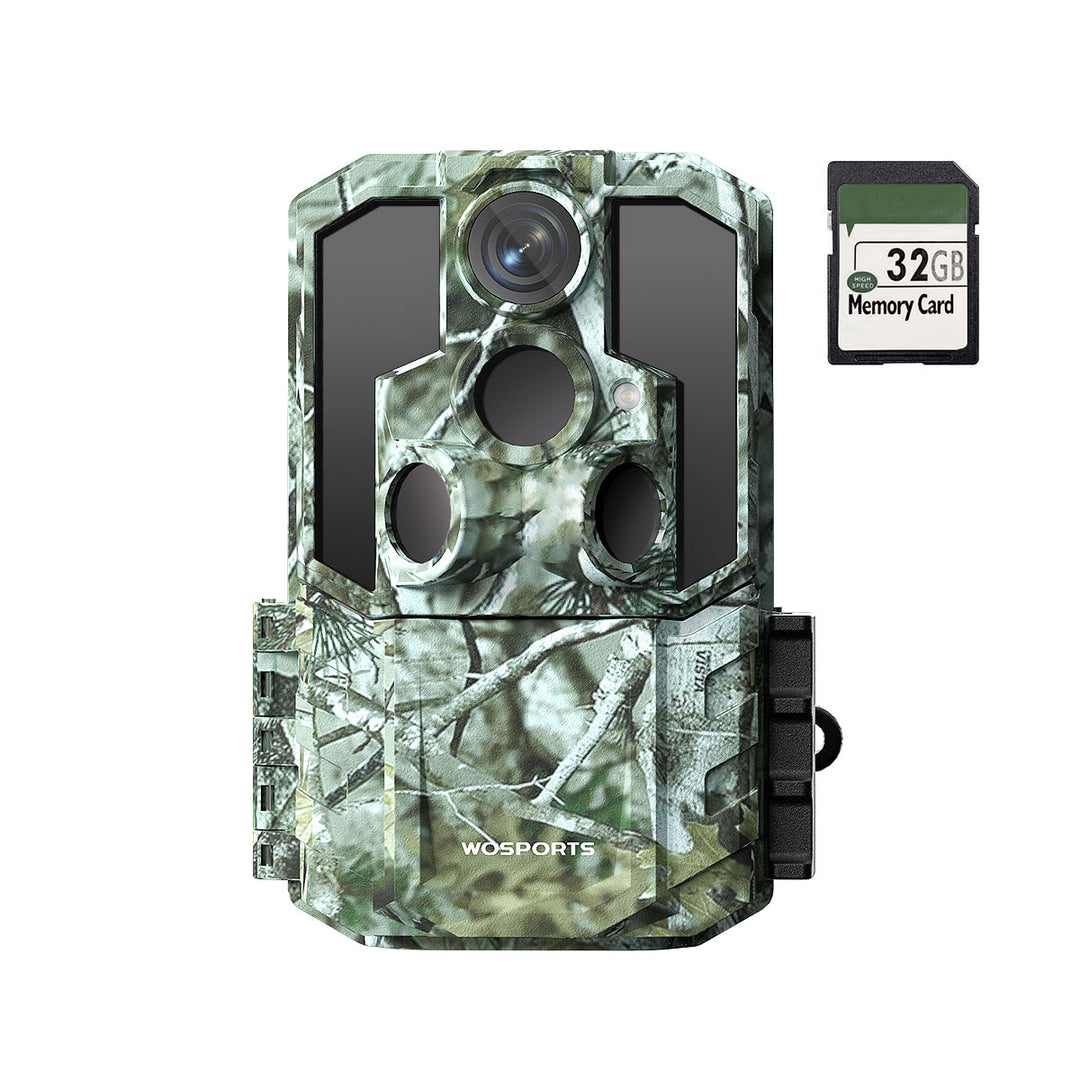
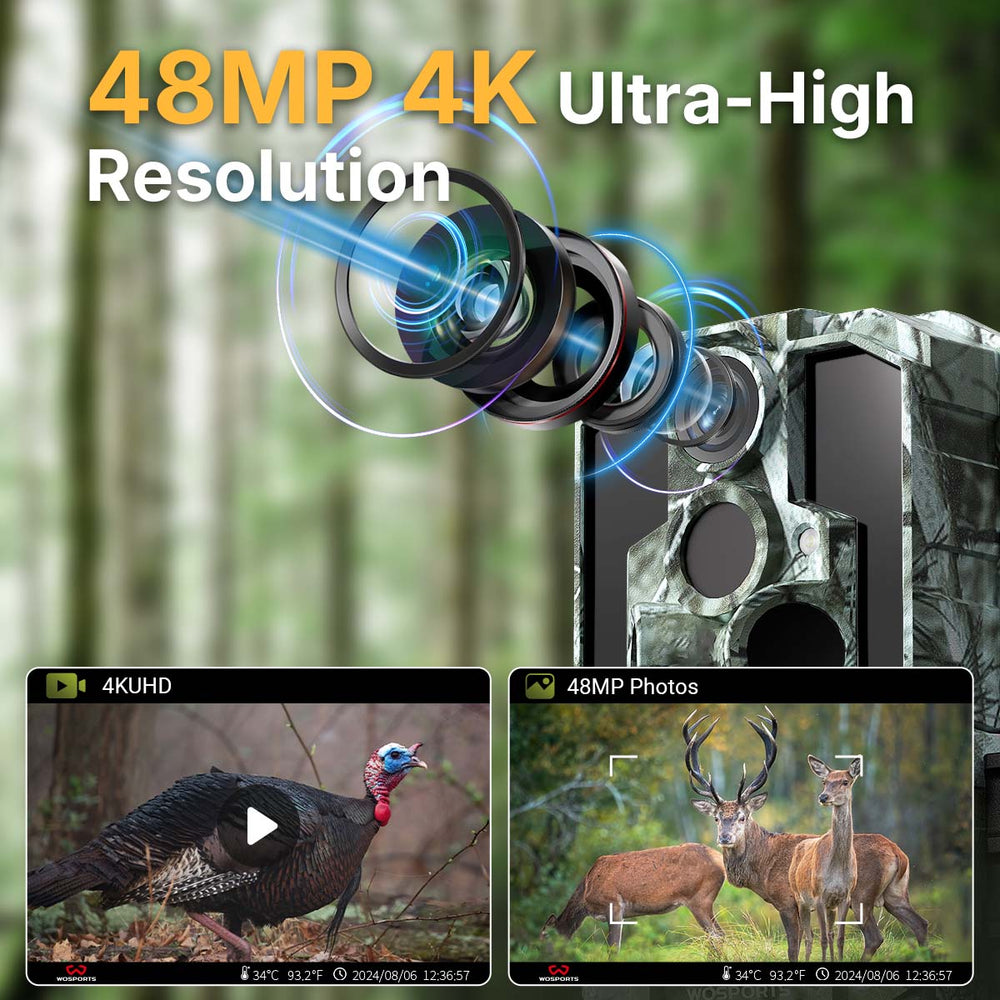
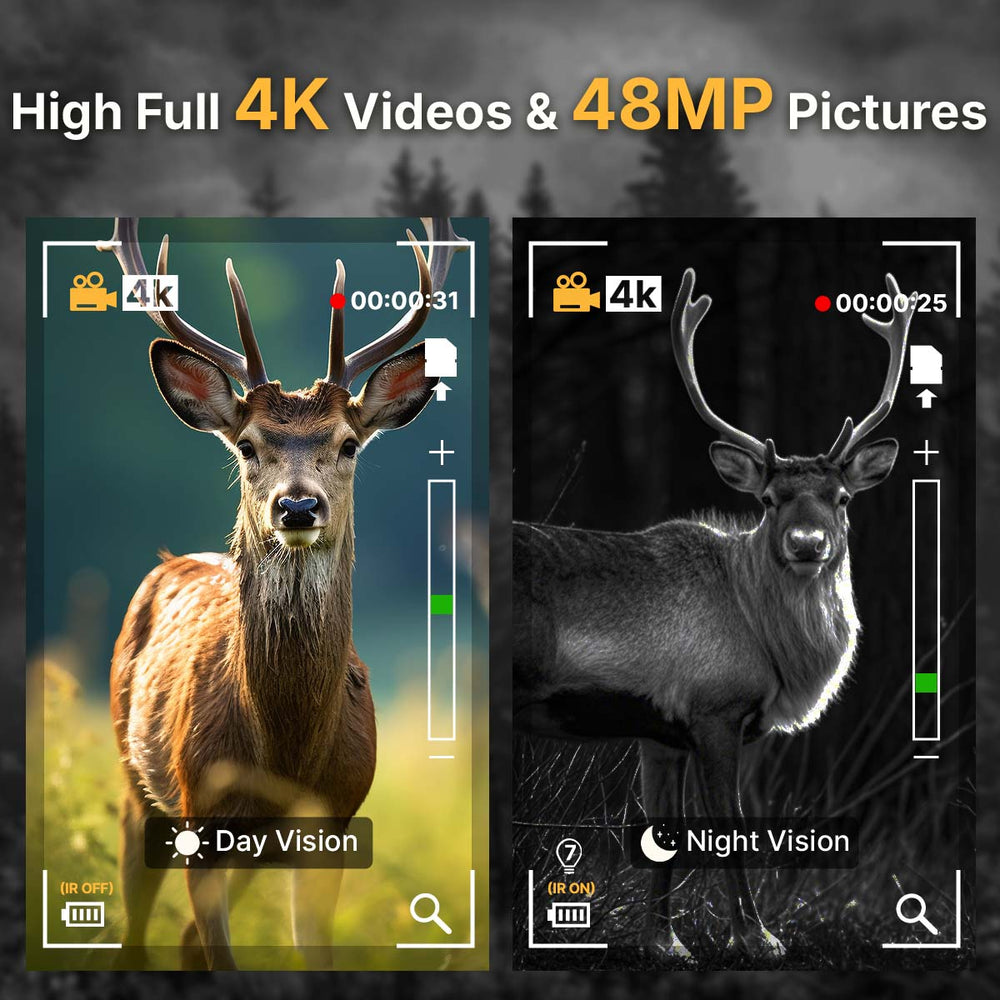
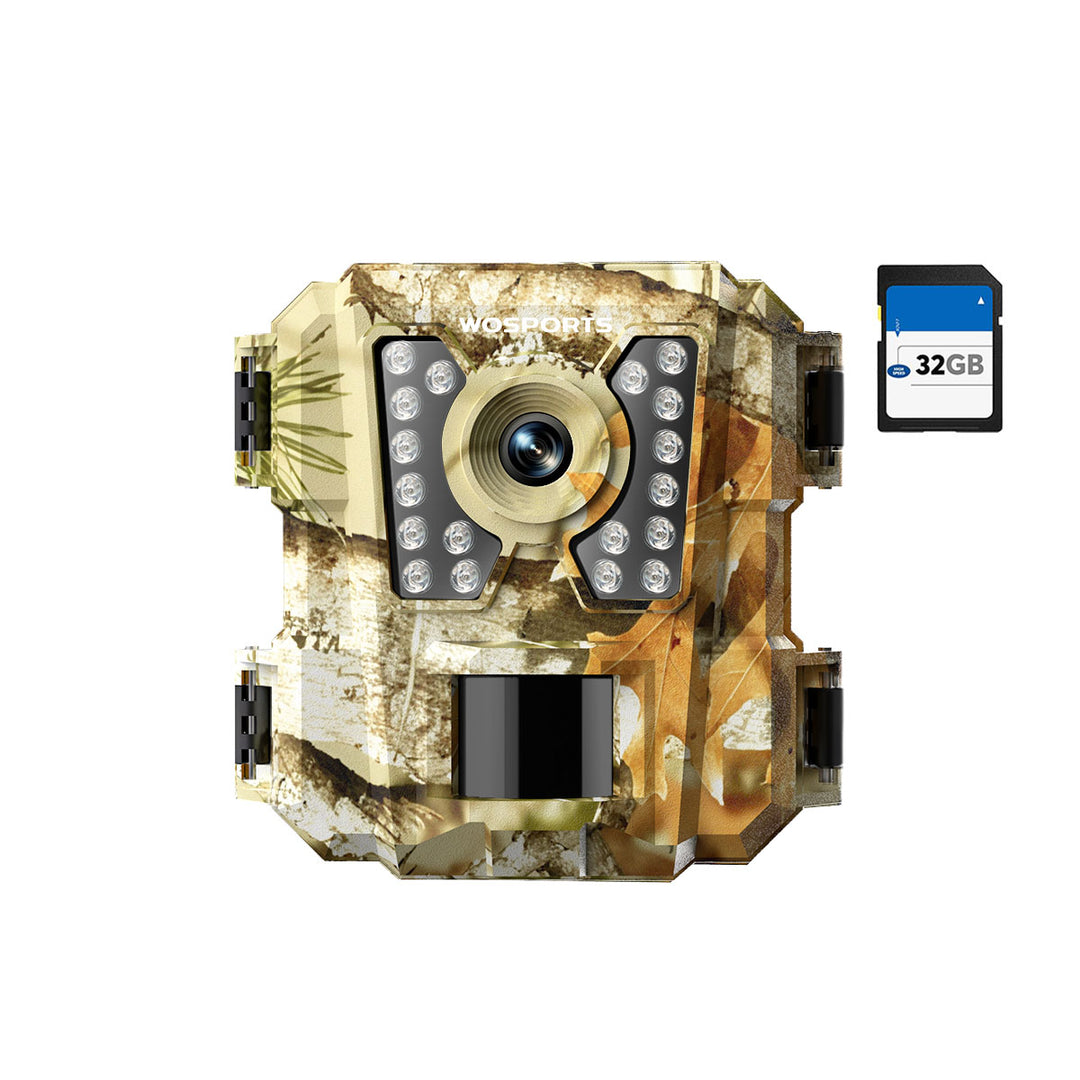
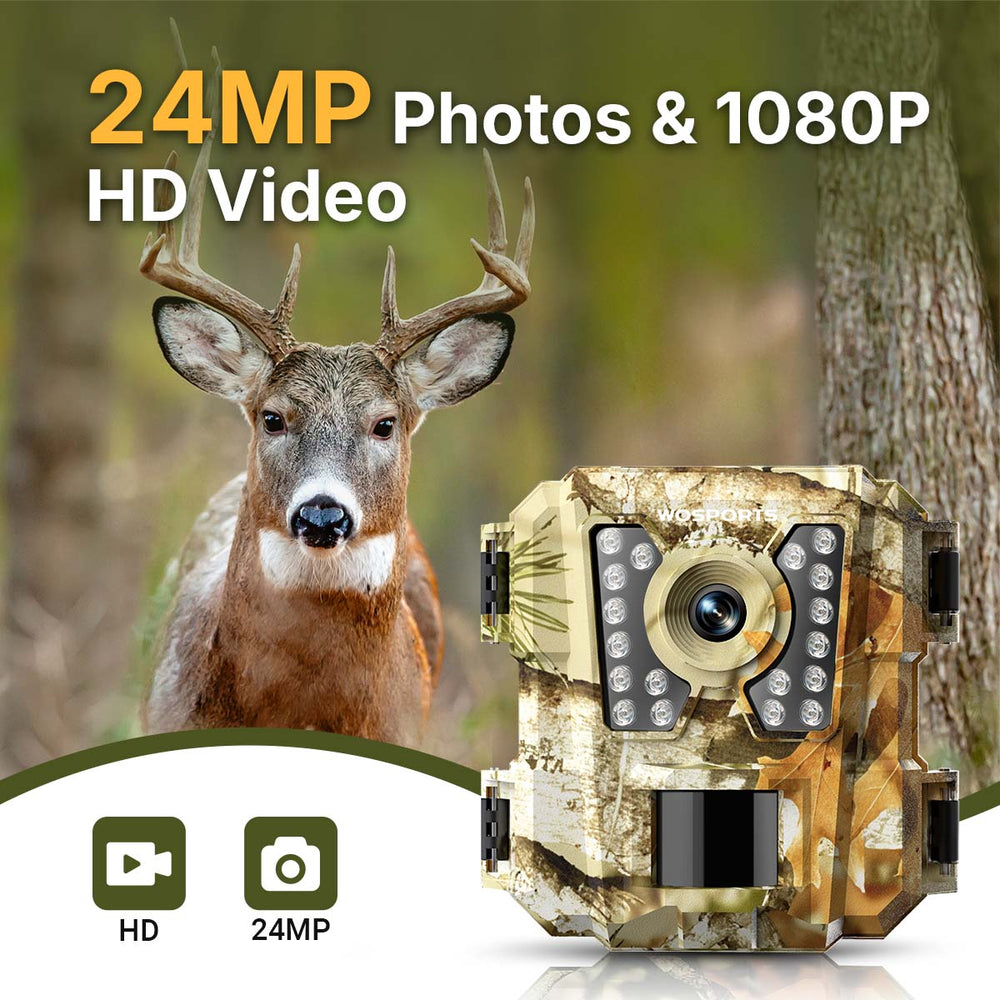
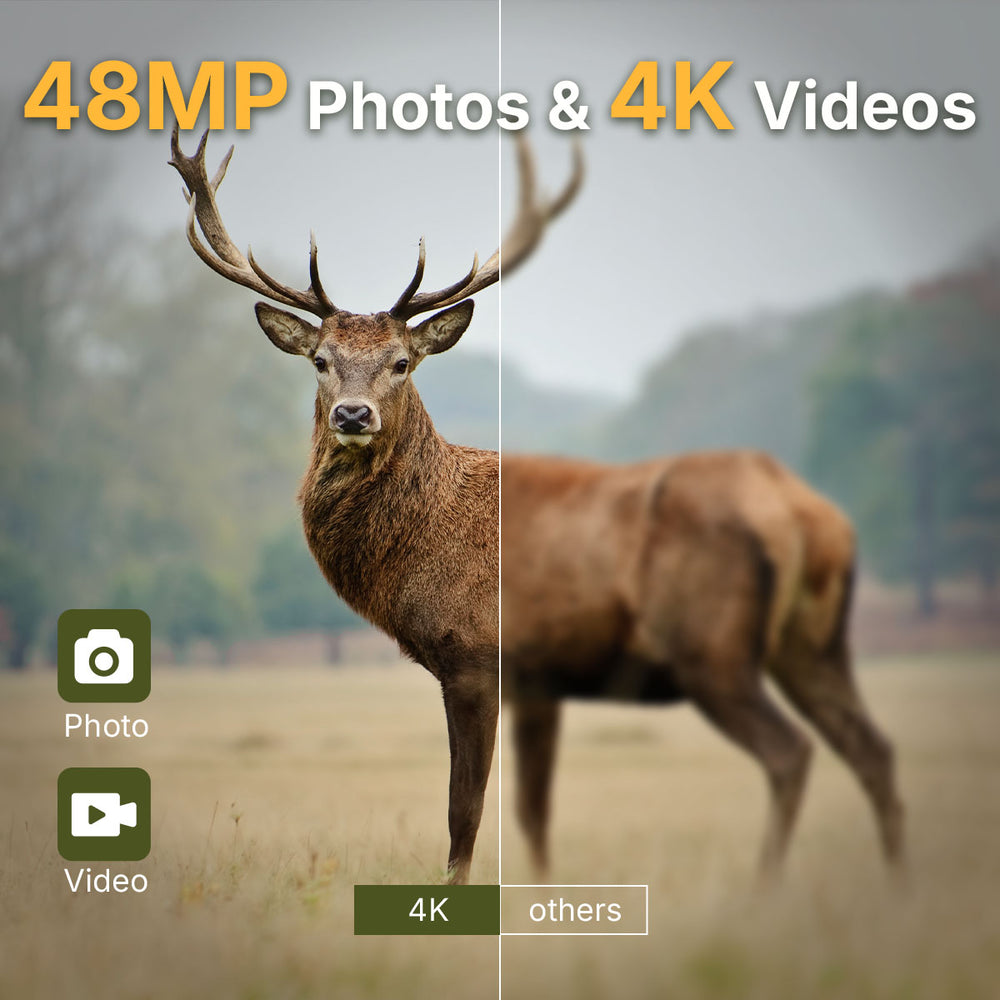
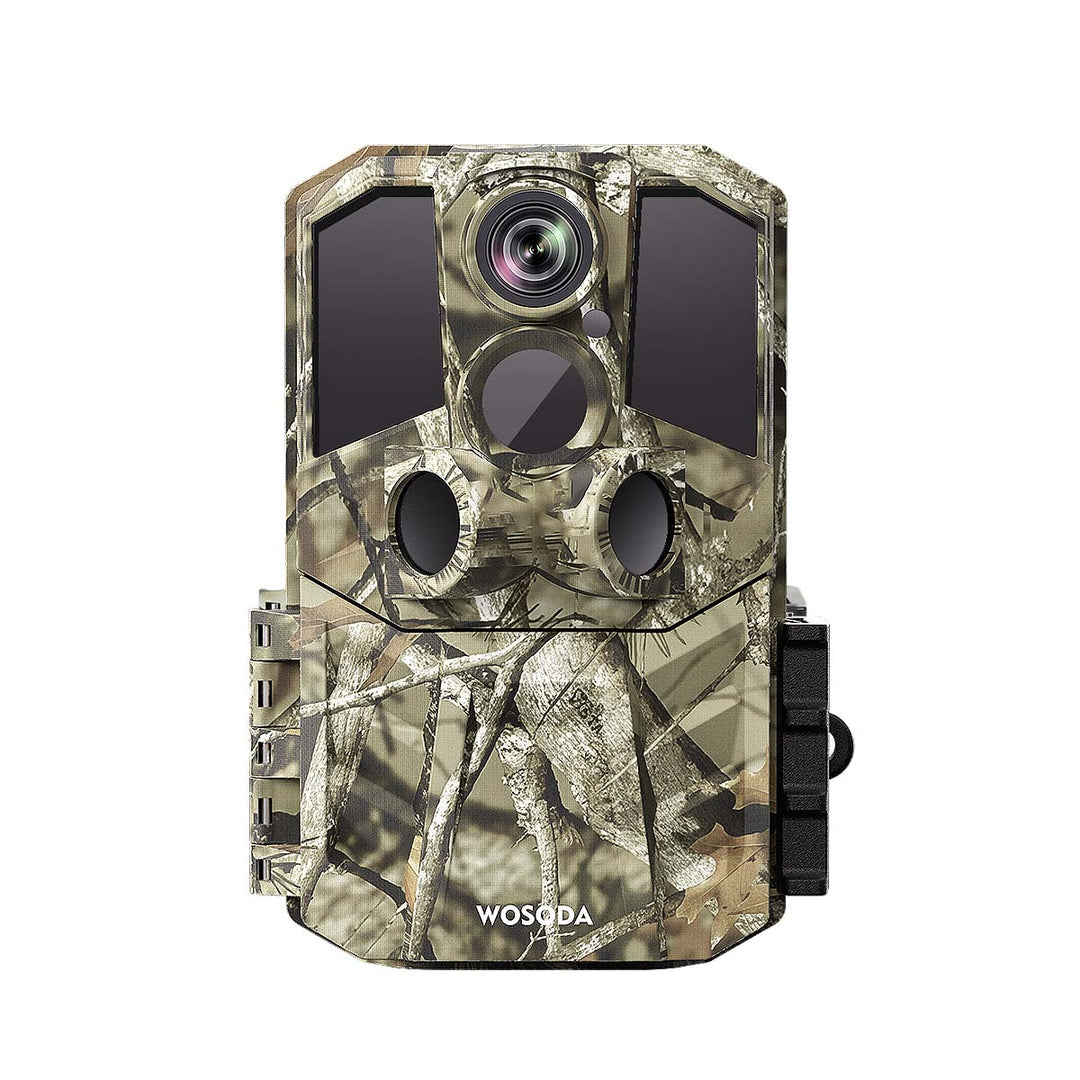
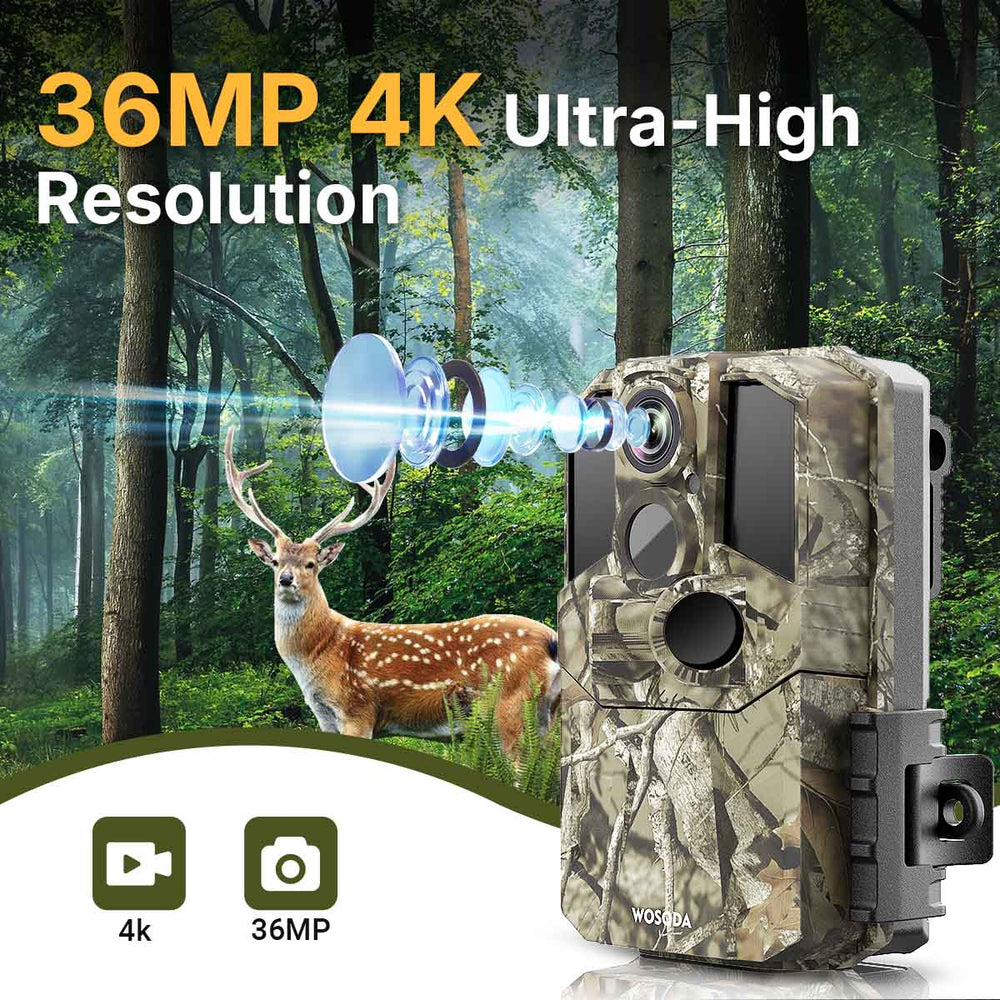
Using a well-designed trail camera can also improve energy efficiency. For example, the WOSPORTS G600 Trail Camera features an efficient power management system designed for long field deployments. It captures 48MP photos and 4K video, while maintaining reliable performance in remote outdoor environments. With a 0.2-second trigger speed, 120° detection angle, and up to 70-foot motion detection range, the camera records wildlife activity quickly and efficiently without unnecessary delays that waste power.
Finally, consider environmental conditions. Cold temperatures can significantly reduce battery performance. If possible, position your camera where it is protected from extreme weather while still maintaining a clear view of the monitoring area.
By selecting quality batteries, adjusting camera settings, optimizing placement, and using energy-efficient trail cameras, you can dramatically extend battery life in the field. This means fewer battery replacements, less disturbance to wildlife areas, and more reliable long-term monitoring.
Search
Popular Posts
Recent Posts


Nov 28, 2024
Troubleshooting Common Trail Camera Issues
Jan 10, 2025
Why Does My Trail Camera Stop Working at Night?