Which Trail Cameras Are Best for Monitoring Large Properties?

Monitoring large properties such as farms, ranches, hunting land, and rural estates requires a different approach than typical home security systems. Traditional wired cameras are often impractical due to distance, lack of power infrastructure, and environmental exposure. As a result, trail cameras have become one of the most effective tools for large property monitoring and outdoor surveillance.

This guide explains which trail cameras work best for monitoring large areas, what features bulk buyers should prioritize, and how landowners and businesses deploy multiple cameras to achieve reliable surveillance coverage.


Why Trail Cameras Are Effective for Large Property Monitoring

Trail cameras are widely used for outdoor surveillance across large properties because they operate independently without requiring wiring, internet infrastructure, or continuous power sources. This makes them ideal for remote areas where traditional security systems are difficult to install.

The main advantages of trail cameras for large property monitoring include:

  • Motion-activated recording

  • Long battery life for remote deployments

  • Weather-resistant housing

  • Easy installation on trees, posts, or fences

According to research from the University of Georgia Cooperative Extension, remote monitoring tools like motion-triggered cameras are commonly used by farmers and landowners to monitor wildlife activity and protect property across large rural areas.

Source:
University of Georgia Extension
https://extension.uga.edu

Because large properties often require multiple cameras deployed across entrances, field edges, and equipment storage areas, many landowners choose to purchase trail cameras in bulk to reduce costs and simplify installation.


What Features Matter Most for Monitoring Large Properties?

When choosing trail cameras for large property monitoring, certain technical features become especially important. Cameras must detect motion quickly, capture clear images, and operate reliably in outdoor environments.

The most critical features include trigger speed, detection range, night vision capability, and durability.

Trigger Speed and Motion Detection

A fast trigger speed ensures that the camera captures images immediately when movement is detected. This is particularly important for monitoring:

  • Vehicles entering private land

  • Wildlife crossing property boundaries

  • Human activity near buildings or equipment

For large outdoor surveillance deployments, experts generally recommend a trigger speed below 0.3 seconds.

Detection Range

Detection range determines how far away motion can be detected.

Feature Recommended Range
Motion Detection 65–100 ft
Night Vision 65–90 ft
Field of View 90°–120°

A wider detection range allows each camera to cover a larger area, reducing the number of units needed for full property monitoring.

High-Resolution Images and Video

High-resolution images make it easier to identify:

  • Vehicles and license plates

  • Animal species

  • Suspicious activity on the property

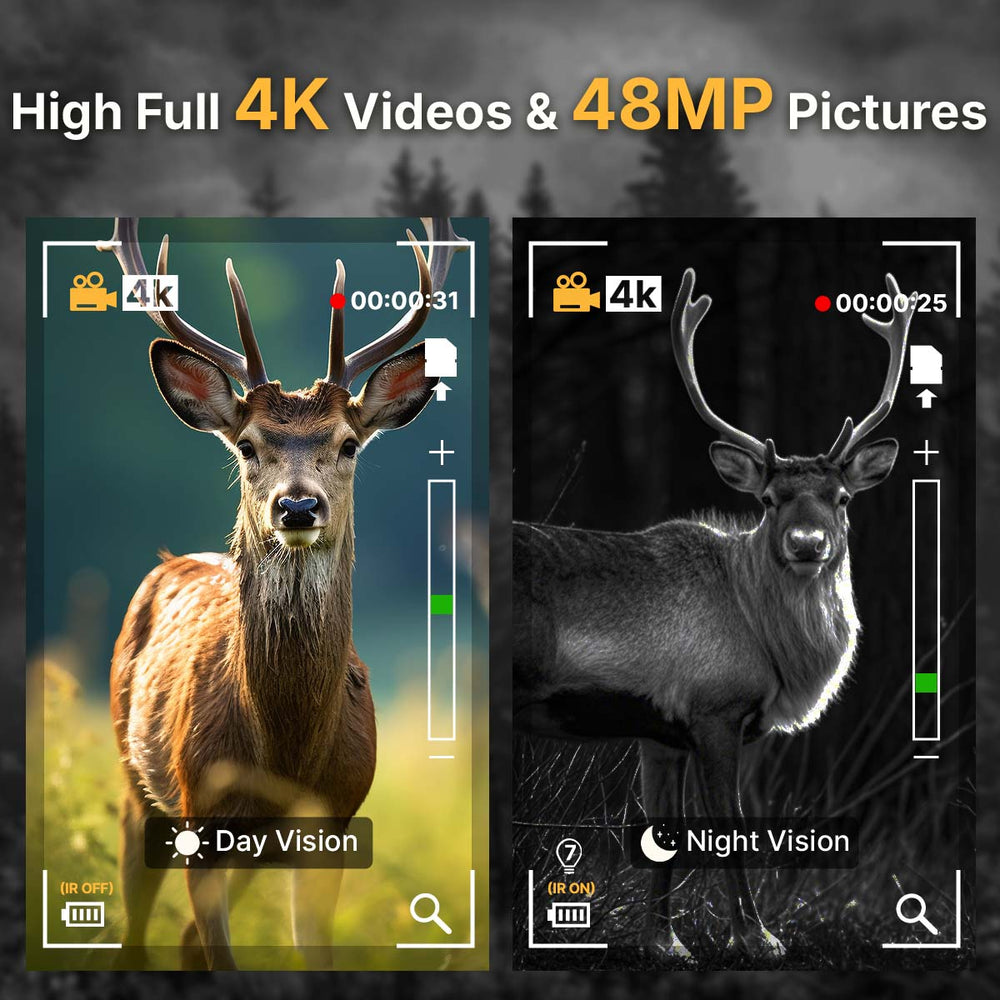
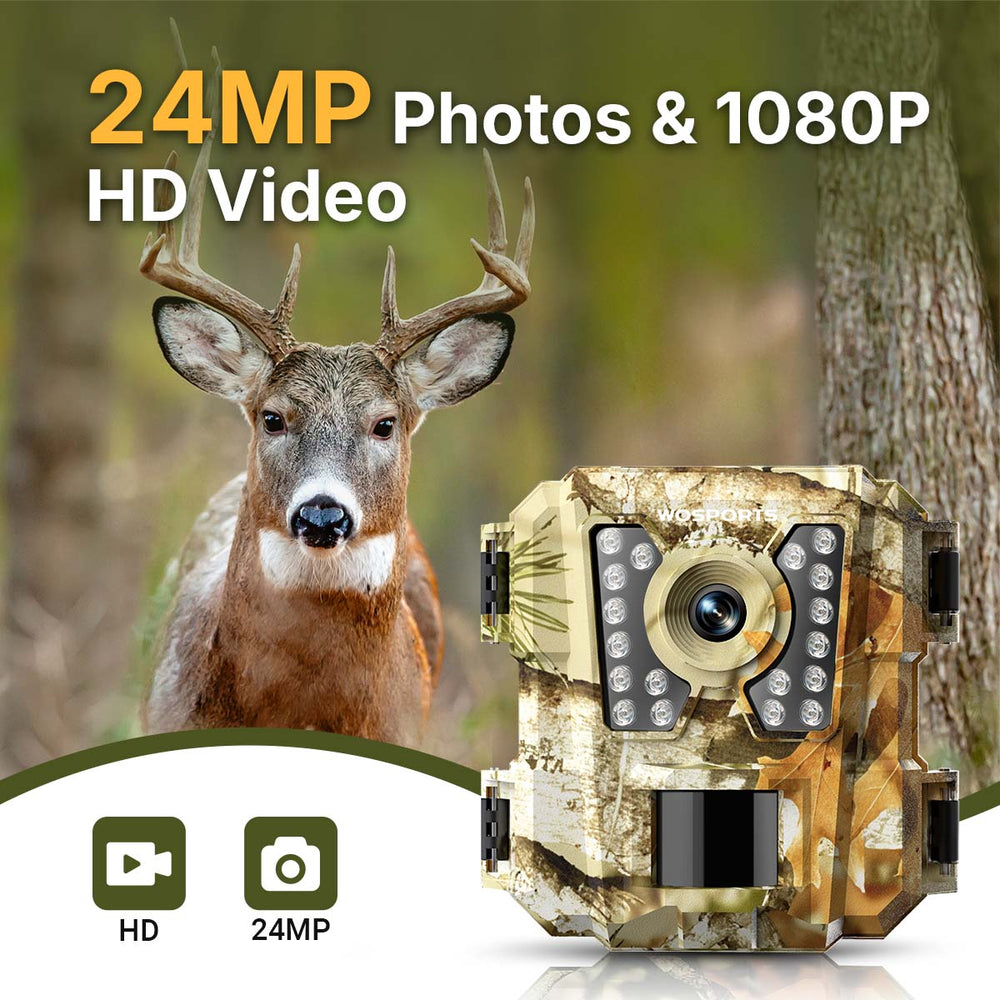
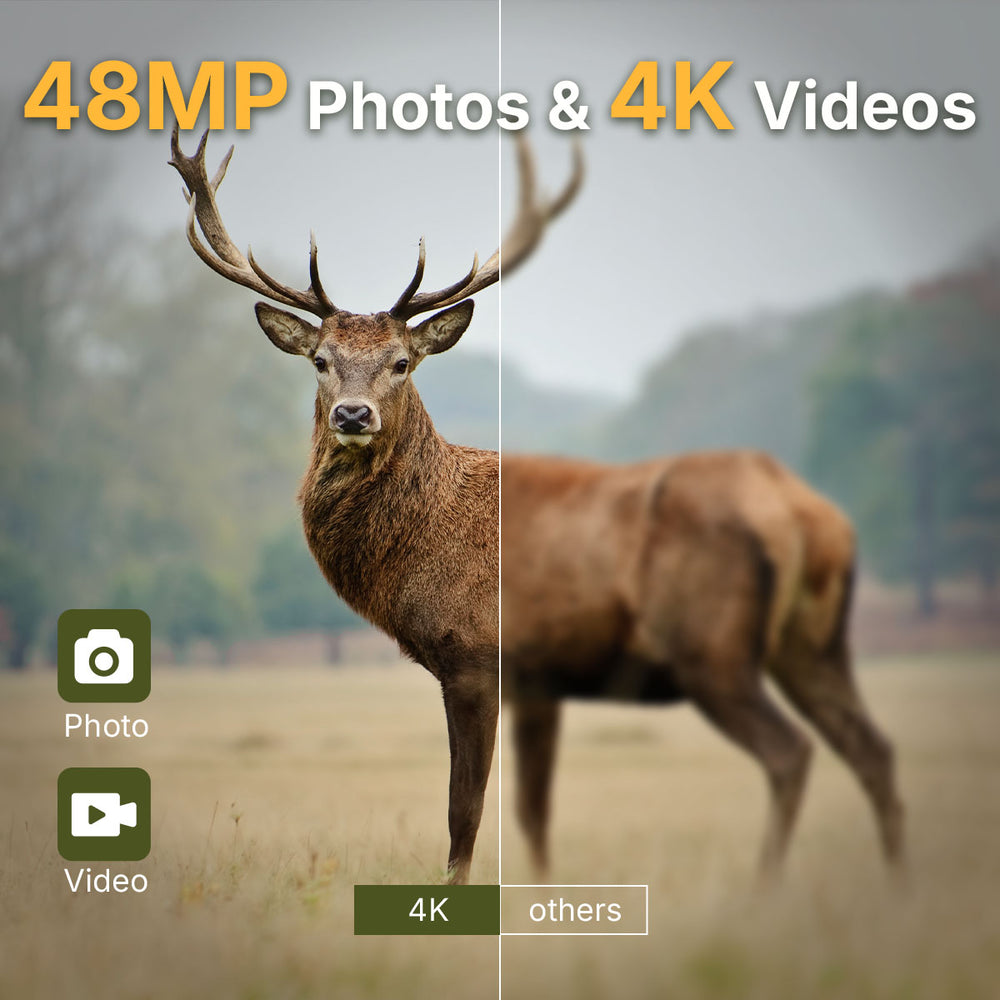
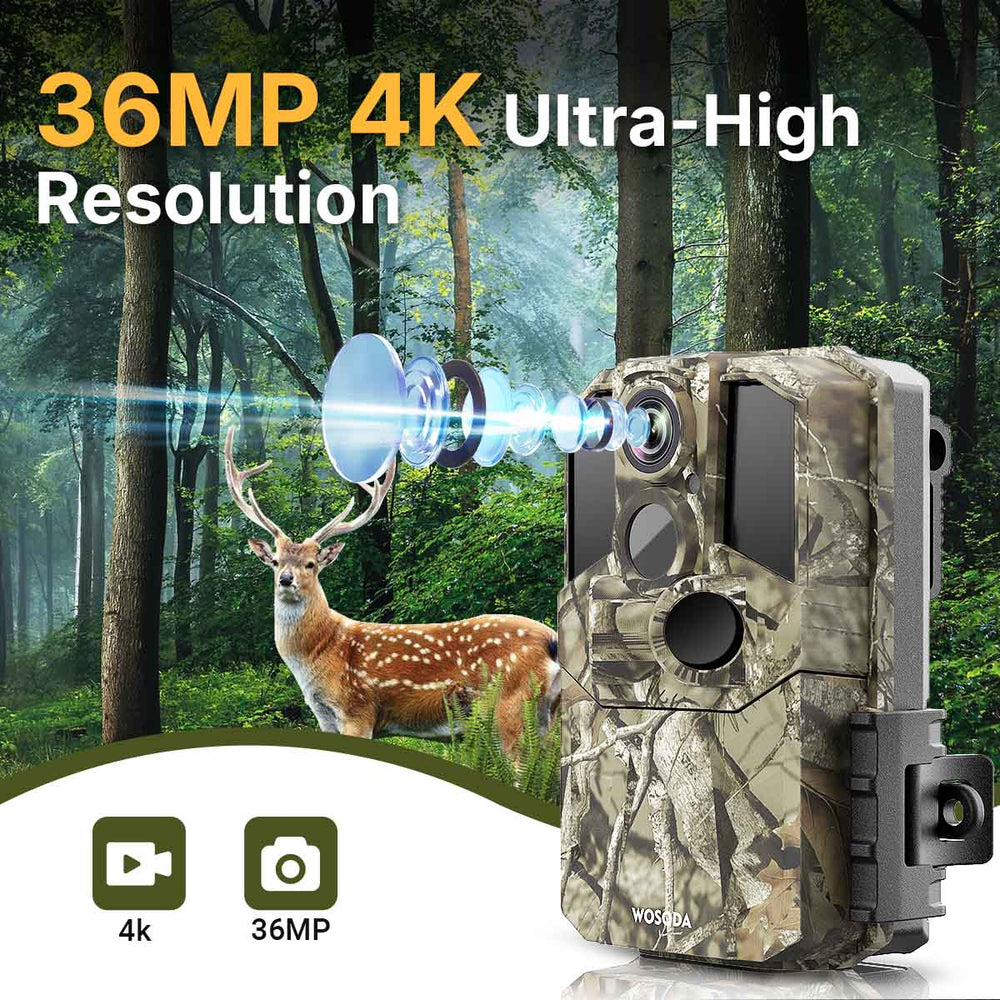
Most modern trail cameras offer 24MP–48MP photos and Full HD or 4K video, which provides clear documentation for security purposes.


Why Night Vision Matters for Outdoor Surveillance

Many security incidents on rural properties occur during nighttime hours. Effective night vision technology allows trail cameras to capture clear images in complete darkness.

Infrared LEDs enable cameras to detect movement without visible light, making them suitable for discreet outdoor surveillance.

Research from Pennsylvania State University Extension indicates that wildlife activity and trespassing events often increase during nighttime periods when properties are less actively monitored.

Source:
Penn State Extension
https://extension.psu.edu

For reliable night monitoring, trail cameras should include:

  • Infrared night vision LEDs

  • No-glow illumination for discreet operation

  • Strong image contrast in low-light environments

These features ensure consistent monitoring performance across large outdoor areas.


Example: Trail Cameras Designed for Large Property Monitoring

When monitoring large properties, buyers typically look for trail cameras that combine fast detection, high-resolution images, and durable outdoor construction.

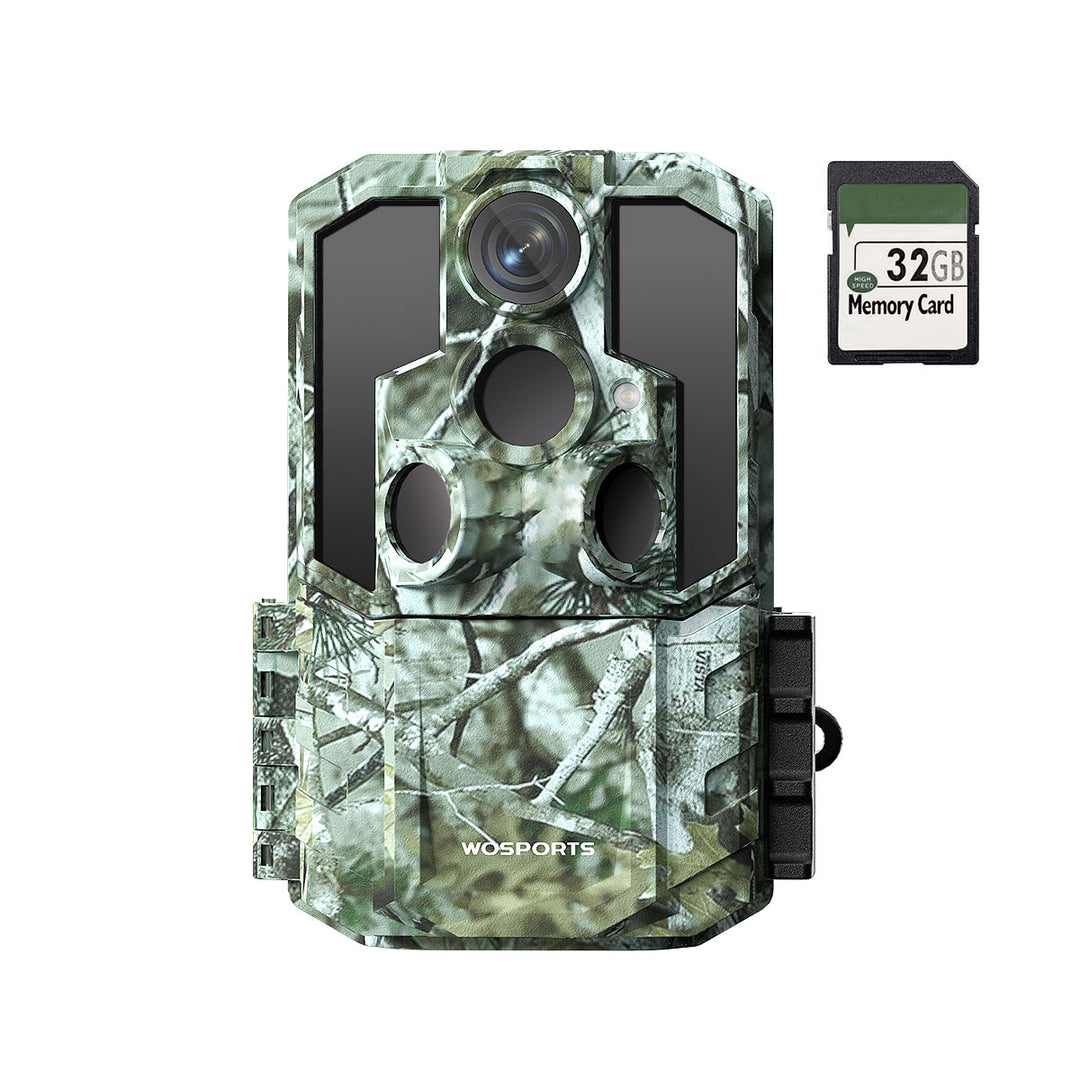
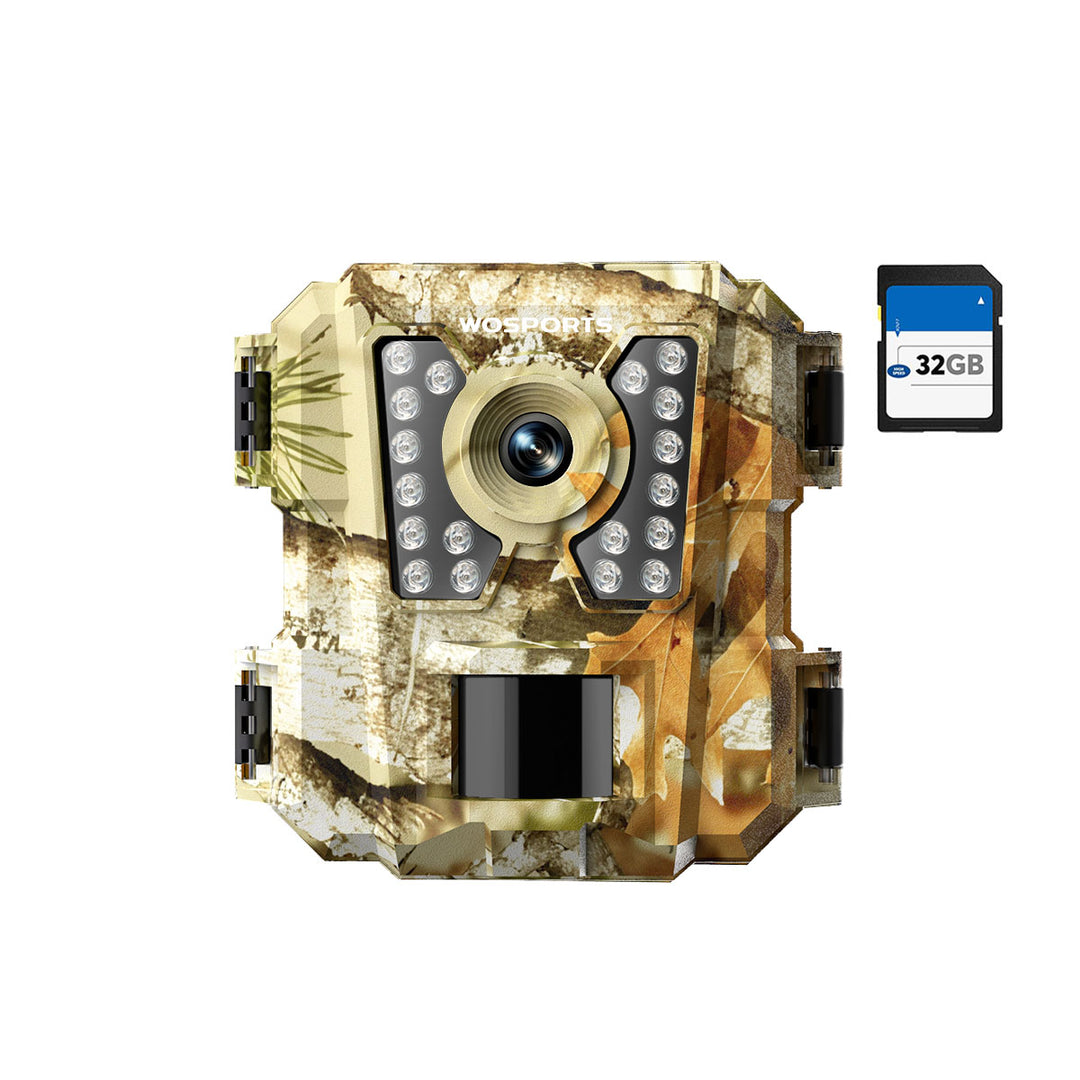
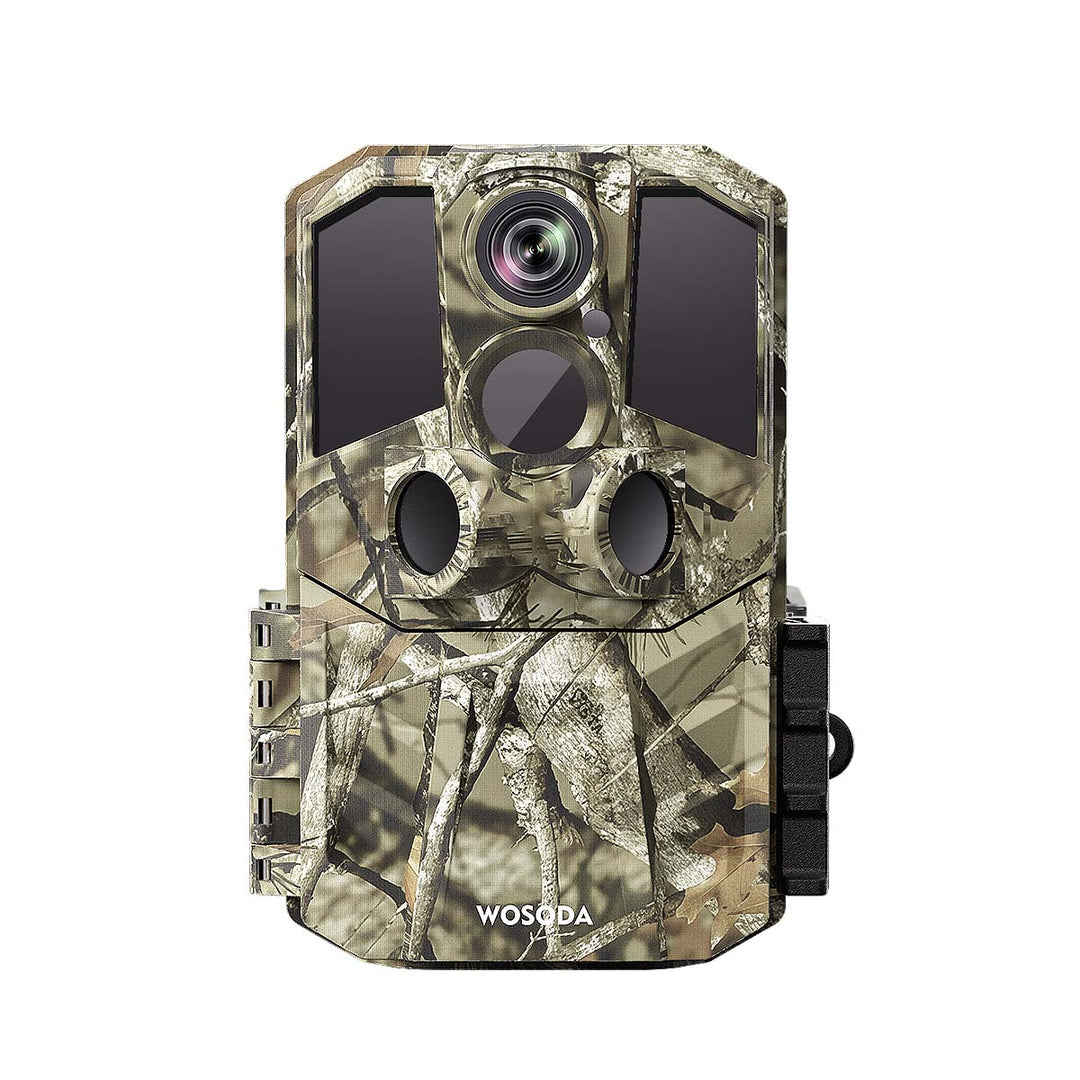
The WOSPORTS G600 Trail Camera is one example designed for long-term outdoor monitoring.

Key specifications include:

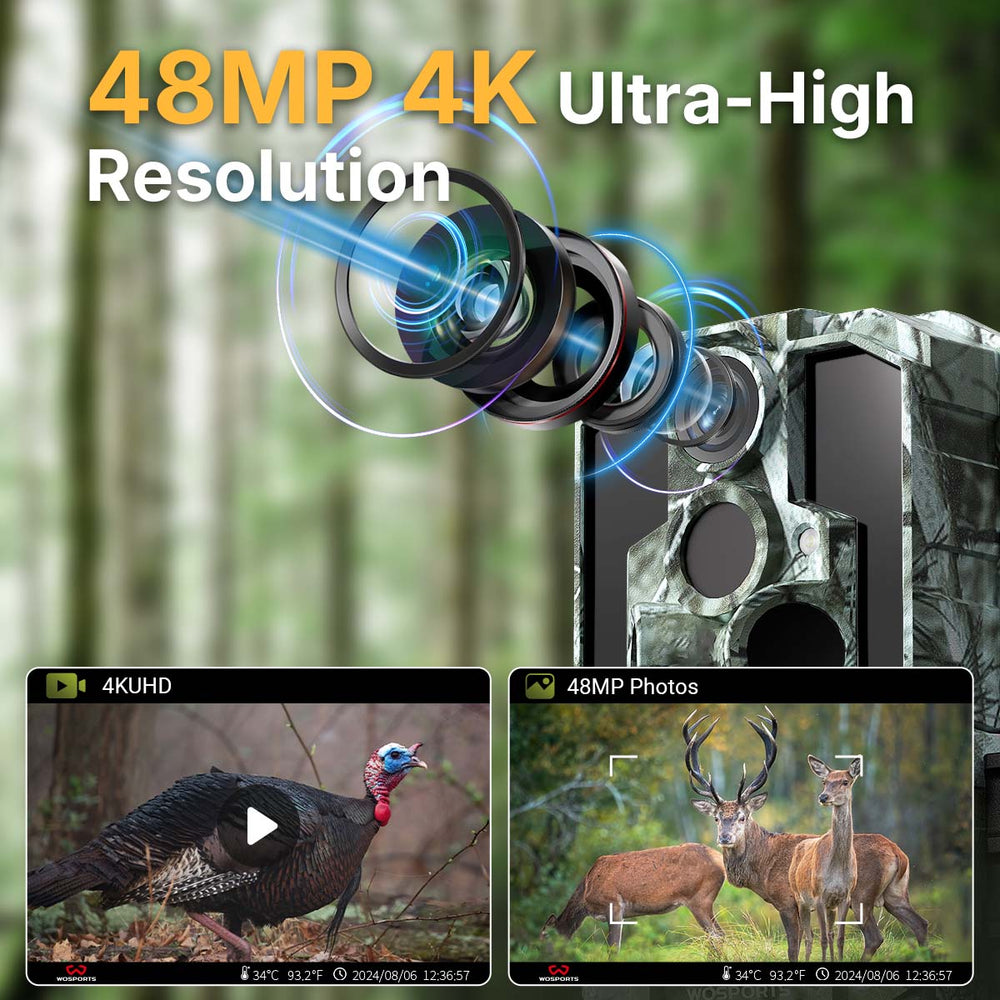
  • 48MP photo resolution

  • 4K video recording

  • 0.2-second trigger speed

  • Wide-angle PIR motion detection

  • Weather-resistant housing

These features allow the camera to capture movement quickly and record clear images across large outdoor areas. For properties requiring multiple monitoring points, cameras with wide detection angles and fast trigger speeds can significantly improve coverage efficiency.


Case Study: Monitoring a Large Rural Property with Multiple Trail Cameras

A rural landowner in Colorado recently implemented a trail camera monitoring system across approximately 120 acres of property.

The cameras were installed at key monitoring points:

  • Main access roads

  • Barn and equipment storage areas

  • Remote fence lines

  • Wildlife travel paths

Within the first month of deployment, the system helped identify repeated nighttime vehicle activity near the property entrance. The landowner was able to adjust gate access and reduce unauthorized entry.

Benefits reported by the property owner included:

  • Increased visibility across remote areas

  • Reduced risk of equipment theft

  • Better tracking of wildlife movement

Because the cameras were battery powered and weather resistant, they required minimal maintenance while operating continuously outdoors.


Expert Insight: Why Large Properties Need Distributed Monitoring

Security specialists often emphasize that large property surveillance requires distributed monitoring rather than a single centralized camera system.

According to the Electronic Security Association, rural surveillance environments typically benefit from multiple motion-triggered monitoring points rather than continuous recording systems.

Source:
Electronic Security Association
https://www.esaweb.org

As one security analyst explains:

“Large rural properties rarely have the infrastructure needed for traditional security cameras. Motion-activated trail cameras allow property owners to monitor key access points and high-risk areas without installing extensive wiring.”

This approach makes trail cameras a practical solution for large-scale outdoor surveillance deployments.


How Many Trail Cameras Are Needed for Large Property Monitoring?

The number of trail cameras required depends on the size of the property and the number of areas that need monitoring.

A simple guideline for large outdoor properties is shown below:

Property Size Recommended Camera Count
10–20 acres 3–5 cameras
50 acres 6–10 cameras
100+ acres 10–20 cameras

Key installation locations typically include:

  • Entry gates and access roads

  • Equipment storage areas

  • Field edges or fences

  • Remote trails or wildlife paths

This distributed approach allows property owners to monitor large areas efficiently without installing complex security infrastructure.


FAQ: Trail Cameras for Large Property Monitoring

Are trail cameras reliable for outdoor surveillance?

Yes. Modern trail cameras are designed for outdoor environments and include weather-resistant housing, infrared night vision, and long battery life.

Can multiple trail cameras monitor a single property?

Yes. Most large properties use multiple cameras installed at strategic locations to monitor entrances, equipment areas, and remote land sections.

Are trail cameras difficult to install?

No. Most trail cameras can be mounted using straps or brackets on trees, fences, or posts. Installation typically takes only a few minutes.


Final Thoughts: Choosing the Right Trail Cameras for Large Properties

Trail cameras have become one of the most practical tools for large property monitoring and outdoor surveillance. Their ability to operate independently, capture motion-triggered images, and withstand outdoor environments makes them well suited for farms, ranches, hunting land, and rural estates.

When selecting trail cameras for large properties, buyers should prioritize:

  • Fast trigger speed

  • Reliable night vision

  • Long battery life

  • Durable weather-resistant construction

By deploying multiple cameras strategically across entrances, storage areas, and remote sections of land, property owners can significantly improve visibility and security across large outdoor environments.

As landowners increasingly adopt smart monitoring tools, trail cameras will likely remain a key solution for cost-effective outdoor surveillance across large properties.