Top Rangefinders for Windy Conditions
Playing golf in windy conditions presents a unique set of challenges. Not only do you have to contend with the ball's flight path being altered, but accurately gauging distances can become significantly more difficult. Gusts can make it harder to hold your rangefinder steady, and even a slight miscalculation can lead to a costly shot. This article explores the key features that make a golf rangefinder perform exceptionally well when the wind picks up, ensuring you can trust your yardage no matter the weather.
Why Wind Makes Distance Measurement Tricky
Before diving into specific features, let's understand why wind complicates rangefinder use:
-
Steadiness: Strong winds can make it challenging to hold the rangefinder still, leading to an unsteady reticle and difficulty locking onto the target.
-
Target Acquisition: With an unsteady hand, it's easier to inadvertently measure to an object behind or in front of the flagstick.
-
Perceived Distance: While a rangefinder measures actual distance, the playing distance in wind can feel different. However, the first step is always getting the most accurate physical distance.
To combat these issues, certain rangefinder features become paramount.
Pin-Locking with Enhanced Stability: Holding the Target Firm
In windy conditions, the ability of a rangefinder to quickly and accurately lock onto the flagstick is non-negotiable. This is where advanced pin-locking technology shines.
Many rangefinders employ sophisticated algorithms to identify the closest target, typically the flag, while ignoring background objects. When the wind is blowing, this feature becomes even more critical. A superior pin-locking system will:
-
Prioritize the Closest Target: Even if you have a slight wobble, the rangefinder should intelligently differentiate the flag from trees or bunkers behind it.
-
Offer Quick Acquisition: The less time you spend trying to lock on, the less chance a gust of wind has to throw you off balance.
-
Provide Clear Feedback: A distinct vibration or "jolt" when the flag is acquired is incredibly helpful. This haptic feedback confirms you've got the right target, even if your visual might be slightly compromised by wind-induced tears or an unsteady view.
Rangefinders with robust pin-locking reduce the frustration of repeated measurements, allowing you to focus on your swing.
Superior Optics and Magnification: Seeing Through the Gust
A clear, stable image is fundamental when trying to measure distances in challenging conditions. The quality of a rangefinder's optics directly impacts this.
Magnification: A 6x magnification is generally considered the sweet spot for golf rangefinders. It brings the target close enough without making minor hand movements feel like major tremors. While higher magnifications exist, they can amplify movement, making it harder to steady the view in strong winds.
Lens Quality: Look for multi-coated lenses. These improve light transmission, reduce glare (which can be an issue if the sun is out and wind is kicking up dust), and enhance contrast. A bright, crisp image allows you to better distinguish the flag from its surroundings, even when the wind is causing the flag to flap wildly. A wide field of view can also be beneficial, making it easier to initially spot your target.
Ergonomics and Durability: A Secure Grip Against the Elements
When battling the wind, holding your rangefinder securely and comfortably is vital. Poor ergonomics can exacerbate an unsteady stance.
Rubberized Armor: A good rangefinder will feature a durable, rubberized exterior. This not only protects the device from drops but, more importantly in windy conditions, provides a secure, non-slip grip. You want to feel confident that the rangefinder won't slip from your grasp, even with a strong gust.
Compact and Lightweight Design: While some heft can add stability, an overly bulky rangefinder can be cumbersome. A compact, lightweight design that fits comfortably in one hand allows for easier handling and stability.
Water and Dust Resistance: Wind often brings other elements with it – dust, debris, and sometimes rain. A rangefinder with a high IP rating (e.g., IPX4 for water resistance or higher) ensures it will continue to perform reliably, protecting its internal components from the elements stirred up by strong winds.
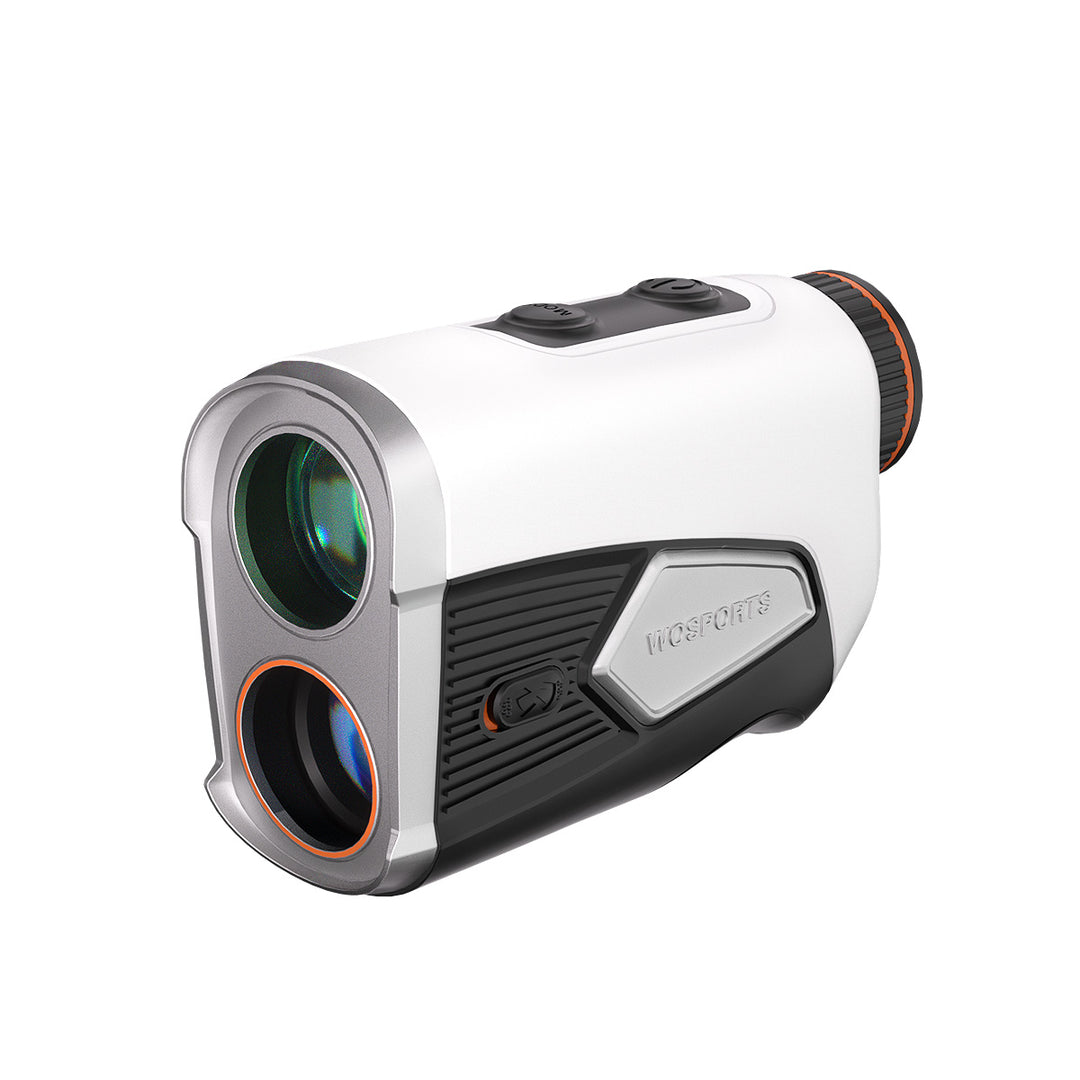
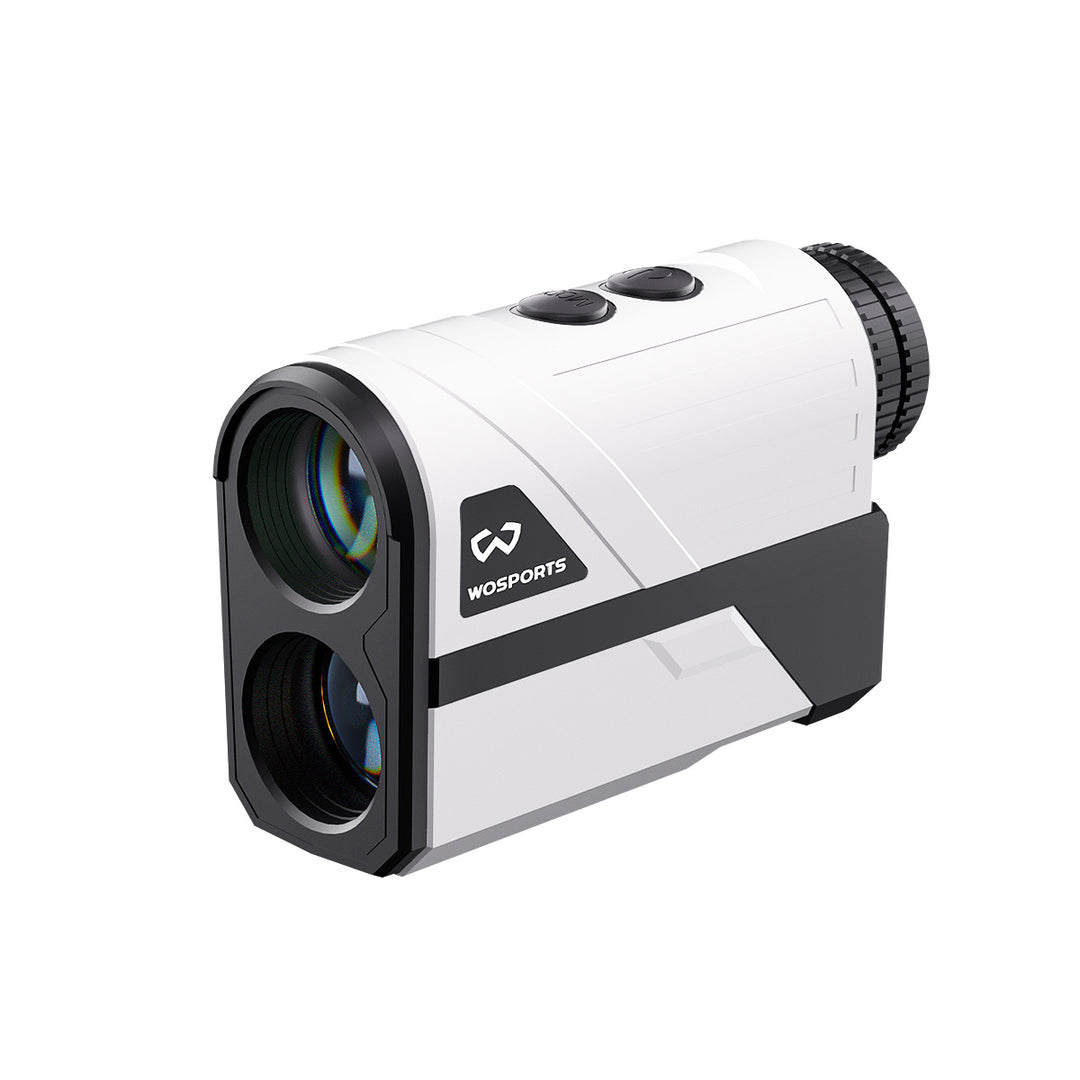
WOSPORTS L06 Golf Rangefinder: Built for the Wind
The WOSPORTS L06 Golf Rangefinder is engineered with features that make it a formidable companion when facing blustery conditions. It incorporates several of the critical functionalities mentioned above, providing golfers with confidence in their distance measurements.
Key Features of the WOSPORTS L06:
-
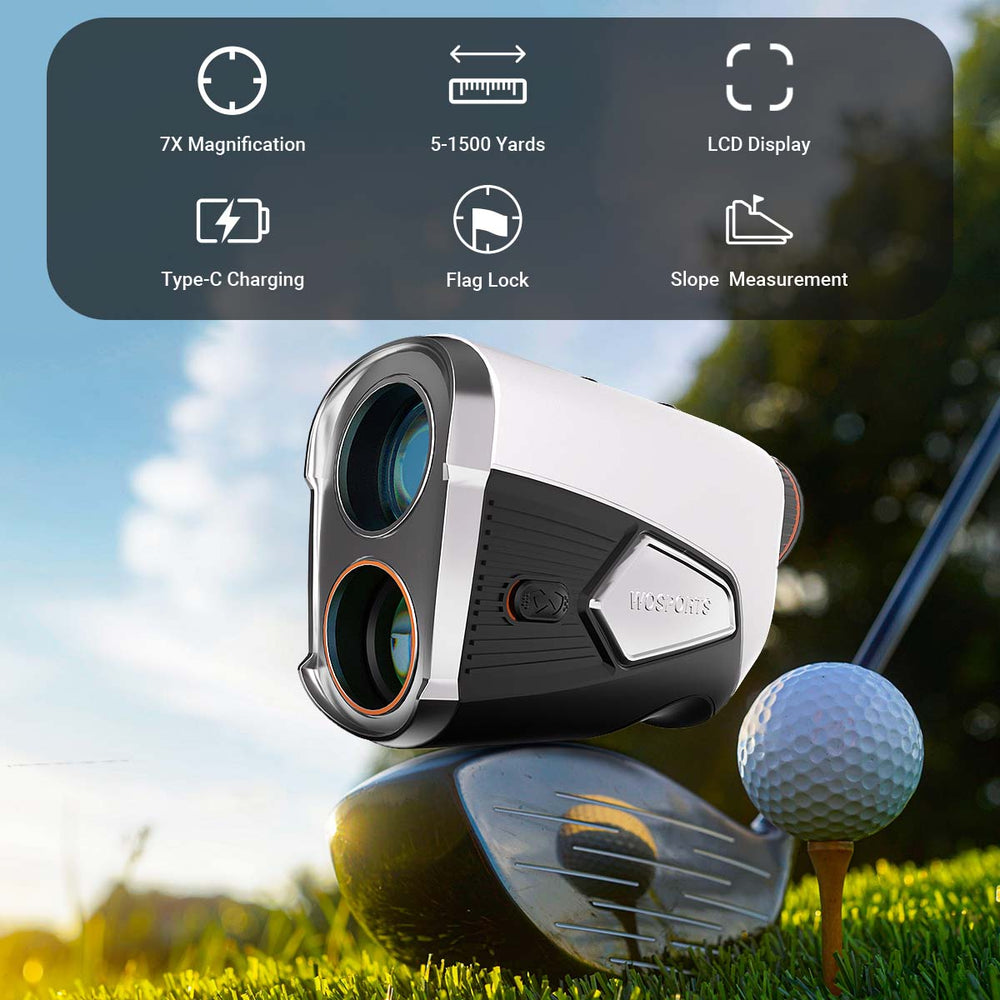
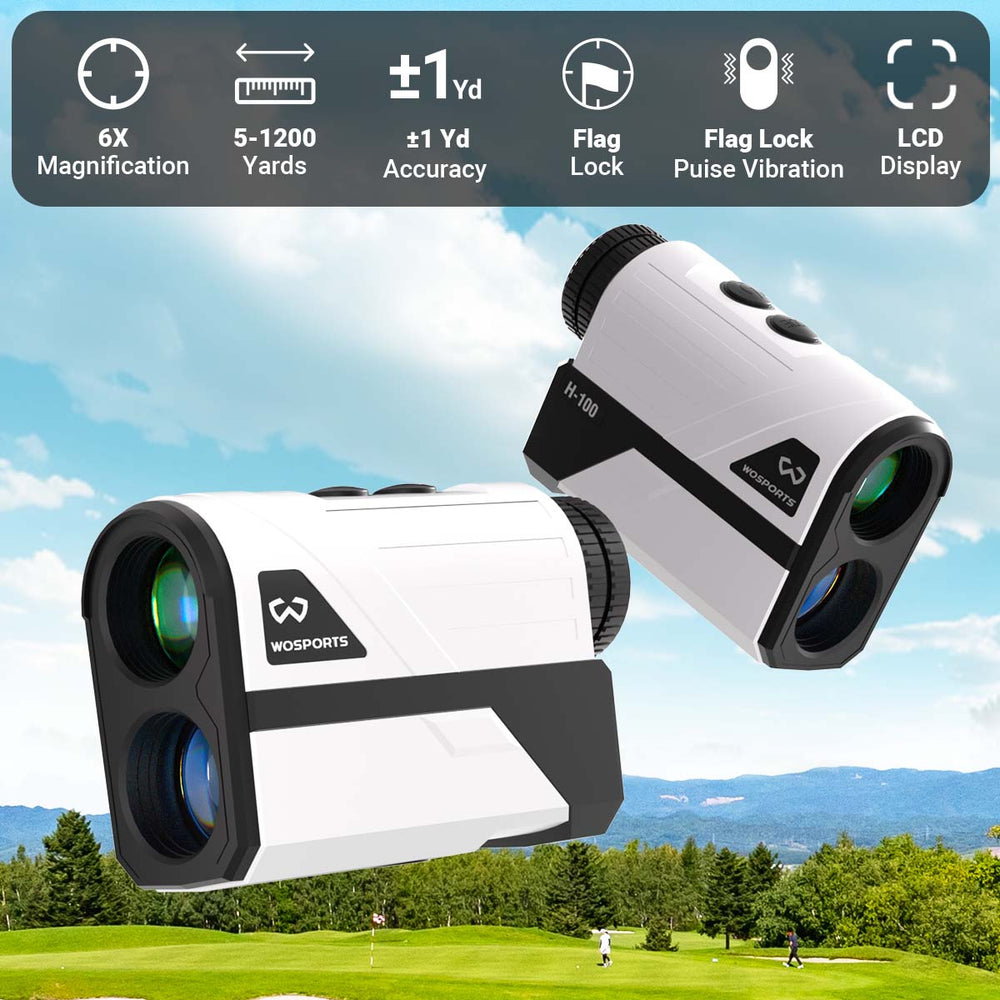
Fast and Accurate Flag-Locking: The L06 is designed for rapid target acquisition, which is crucial when holding steady in the wind. Its advanced flag-lock technology ensures it prioritizes the flag, minimizing the risk of measuring to background objects.
-
Jolt/Vibration Feedback: When the L06 successfully locks onto the flag, it provides a distinct vibration, giving you instant, tangible confirmation of your accurate yardage. This is especially reassuring when the wind might be distracting your vision.
-
Clear 7x Magnification Optics: The L06 features high-quality lenses with 7x magnification, offering a bright and clear view of the course. This clarity helps you pinpoint the flag, even if it's swaying in the wind.
-
Durable and Ergonomic Design: Encased in a robust, rubberized housing, the WOSPORTS L06 offers a secure and comfortable grip, making it easier to hold steady against gusts. Its design is also built to withstand typical golf course conditions, including light rain and dust.
-
Slope Function (with Disable Switch): While the slope function primarily helps with elevation, having the option to use it for practice rounds can still refine your club selection strategy, even when considering wind effects on top of elevation. For competitive play, the L06 allows you to easily disable the slope, ensuring compliance with rules.
"I used my WOSPORTS L06 during a particularly gusty round last month, and I was really impressed," remarked Sarah T., a WOSPORTS customer from Colorado. "The flag-lock was quick, and that little vibration let me know I had the right number every time, even when I felt like I was battling to stay still."

Conclusion
Don't let windy conditions undermine your golf game. By choosing a rangefinder with robust pin-locking, superior optics, and a secure, durable design, you can ensure accurate distance measurements no matter how strong the breeze. The WOSPORTS L06 Golf Rangefinder stands out as an excellent choice, offering the features needed to confidently tackle the challenges of a windy day on the course. Invest in a device that performs under pressure, and you'll be one step closer to lowering your scores, even when Mother Nature throws her best at you.
Search
Popular Posts
Recent Posts


Nov 28, 2024
Troubleshooting Common Trail Camera Issues
Jan 10, 2025
Why Does My Trail Camera Stop Working at Night?