What Should I Look for When Buying Trail Cameras in Bulk for a Farm?

Farmers and land managers increasingly rely on trail cameras for farm security, outdoor monitoring, and wildlife management. When buying cameras individually, small feature differences may not matter much. But when making a bulk purchase of trail cameras for farms, the wrong choice can lead to unreliable monitoring, maintenance issues, or unnecessary costs.

This guide explains what to look for when purchasing trail cameras in bulk for agricultural use, including key technical features, deployment considerations, and supplier reliability. It also shares real-world insights from farm security deployments and industry data to help bulk buyers make informed decisions.


Why Farms Are Increasingly Using Trail Cameras for Security and Monitoring

Trail cameras have evolved from hunting accessories into versatile outdoor monitoring tools for farms, ranches, and rural properties. Today, they are widely used for:

  • Equipment theft prevention

  • Monitoring livestock and predators

  • Tracking wildlife activity near crops

  • Observing remote areas without power access

According to the U.S. Department of Agriculture (USDA), farms continue to face property theft and trespassing issues due to the large size and remote nature of agricultural land.

Source:
USDA Economic Research Service
https://www.ers.usda.gov

Key advantages of trail cameras for farms include:

  • No wired infrastructure required

  • Motion-triggered recording

  • Long battery life

  • Weather-resistant design

These features make trail cameras ideal for large outdoor monitoring environments where traditional CCTV systems are impractical.

For farms deploying multiple cameras across barns, gates, and field edges, purchasing trail cameras in bulk is often the most cost-effective solution.


What Features Matter Most When Buying Trail Cameras for Farm Security?

When evaluating trail cameras for farm security and outdoor monitoring, several technical features have a direct impact on reliability and monitoring effectiveness.

The most important features include detection performance, night vision capability, battery life, and durability.

1. Fast Trigger Speed

Trigger speed determines how quickly a camera captures an image when motion is detected.

For farms, this is critical for capturing:

  • Vehicles entering gates

  • Wildlife approaching livestock

  • Trespassers moving quickly across property

A trigger speed under 0.3 seconds is generally recommended for reliable outdoor monitoring.

2. High-Resolution Images and Video

Higher image resolution improves identification of:

  • License plates

  • Animal species

  • Human activity

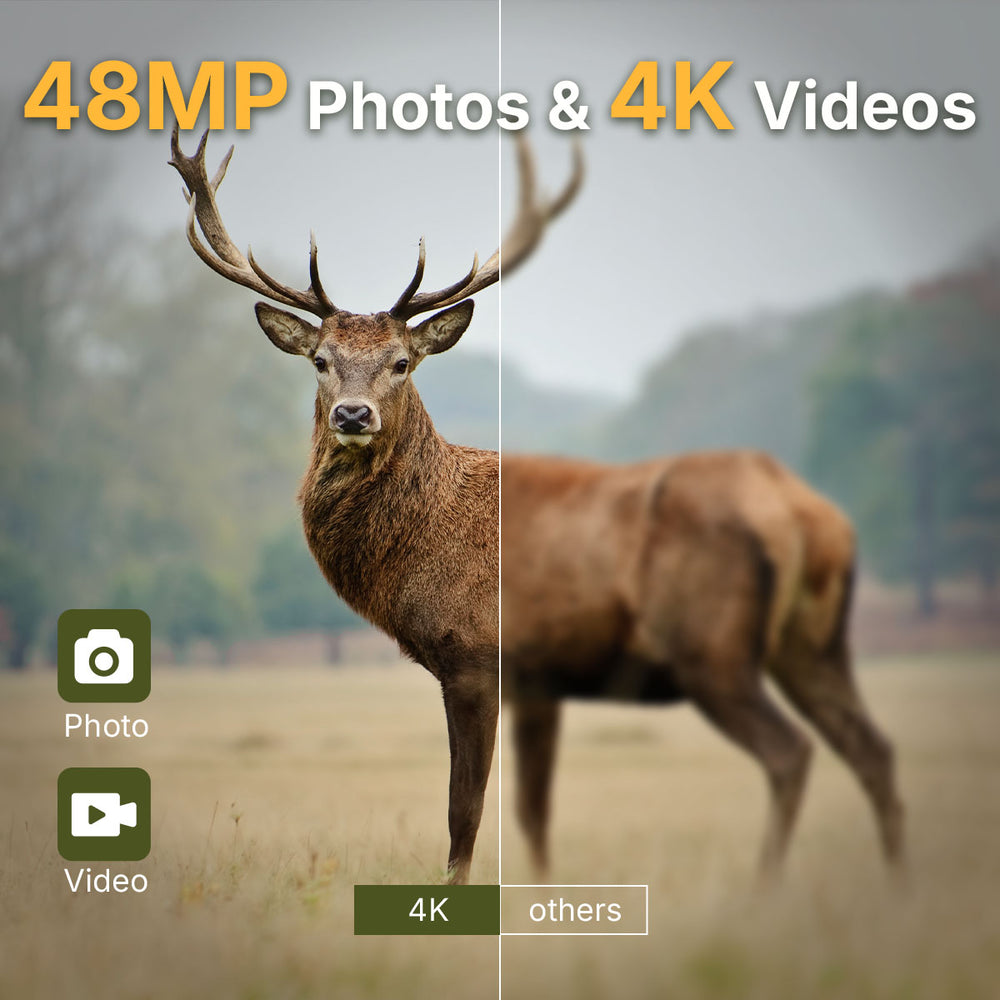
Most modern trail cameras provide:

Feature Recommended Specification
Photo Resolution 24MP – 48MP
Video Resolution 1080p – 4K
Detection Range 65–100 ft

Higher resolution also improves documentation for insurance or security incidents.

3. Reliable Night Vision

Many farm security incidents occur at night. Infrared LEDs allow trail cameras to capture images in complete darkness without visible light.

Night vision capabilities should include:

  • Infrared detection range of 65–100 feet

  • No-glow LEDs to avoid detection

  • Clear night image contrast

According to research from Pennsylvania State University Extension, wildlife activity and farm intrusion events peak during nighttime hours.

Source:
Penn State Extension
https://extension.psu.edu


Why Battery Life and Weather Resistance Are Critical for Outdoor Monitoring

Farms often deploy cameras in remote areas where frequent maintenance is impractical. Battery life and weather resistance therefore become key factors in bulk purchasing decisions.

Battery Performance

Outdoor monitoring cameras should ideally support:

  • 6–12 months standby time

  • Large capacity batteries

  • Low power consumption PIR sensors

Long battery life reduces the need for frequent field visits to replace batteries.

Waterproof and Rugged Design

Agricultural environments expose equipment to:

  • Rain and snow

  • Dust and mud

  • Extreme temperature changes

Most reliable trail cameras use IP65 or higher waterproof ratings.

The National Oceanic and Atmospheric Administration (NOAA) notes that outdoor equipment used in agricultural environments must withstand significant environmental variability.

Source:
NOAA Climate Data
https://www.noaa.gov


Case Study: How One Farm Used Multiple Trail Cameras to Improve Security

A mid-sized cattle farm in Texas recently deployed a network of trail cameras to monitor several vulnerable areas across their property.

Their monitoring strategy included placing cameras at:

  • Main entrance gates

  • Equipment storage areas

  • Remote pasture edges

  • Feed storage buildings

Within weeks, the system successfully captured nighttime trespassing activity near machinery storage.

The farm manager reported several benefits:

  • Reduced equipment theft risk

  • Better visibility into predator activity

  • Improved awareness of wildlife movement

Because the cameras operated on motion detection and long battery life, the farm was able to maintain continuous monitoring without installing wired surveillance infrastructure.


Example: Trail Camera Features Designed for Farm Monitoring

When purchasing trail cameras in bulk, choosing models designed for long-term outdoor monitoring can significantly improve performance and reduce maintenance.

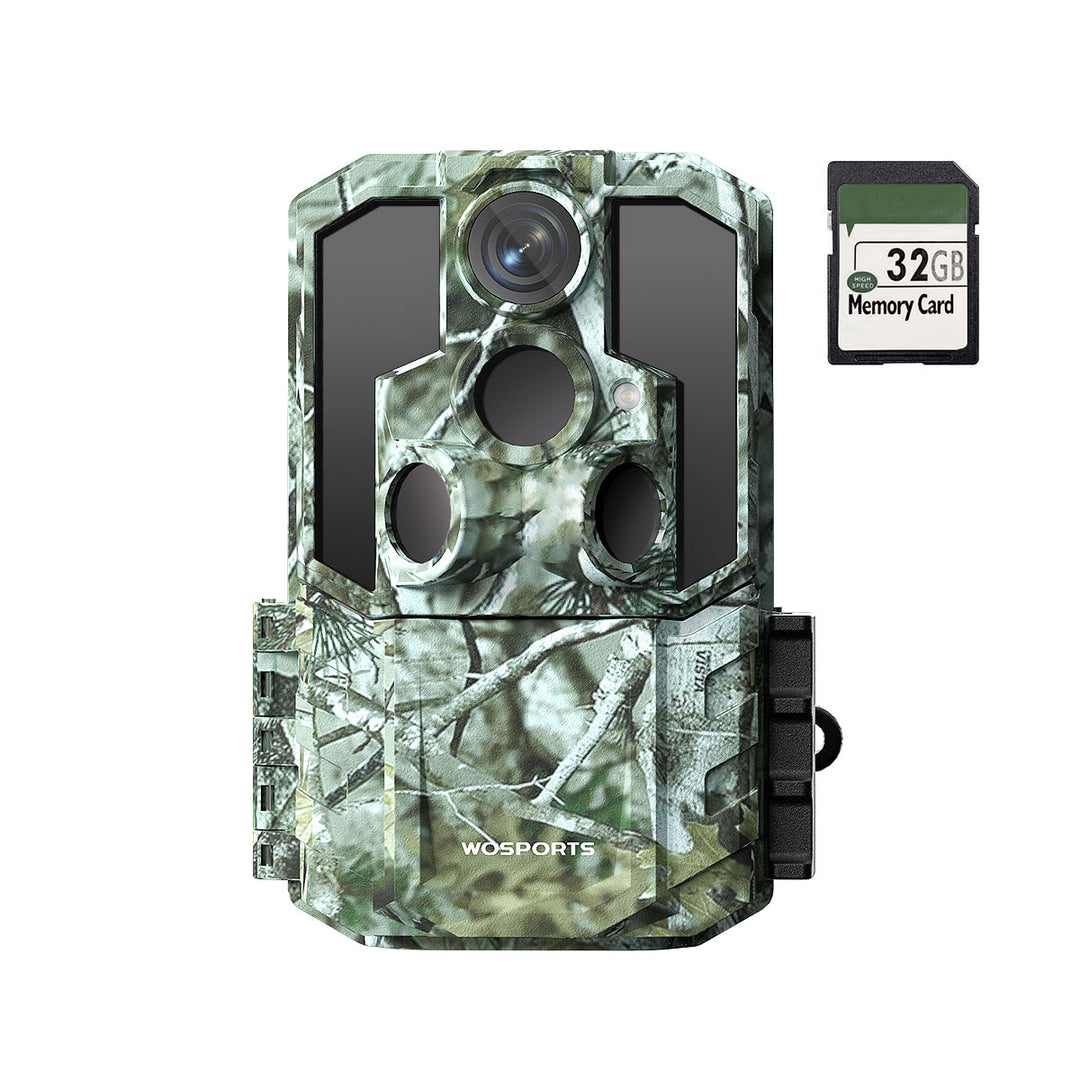
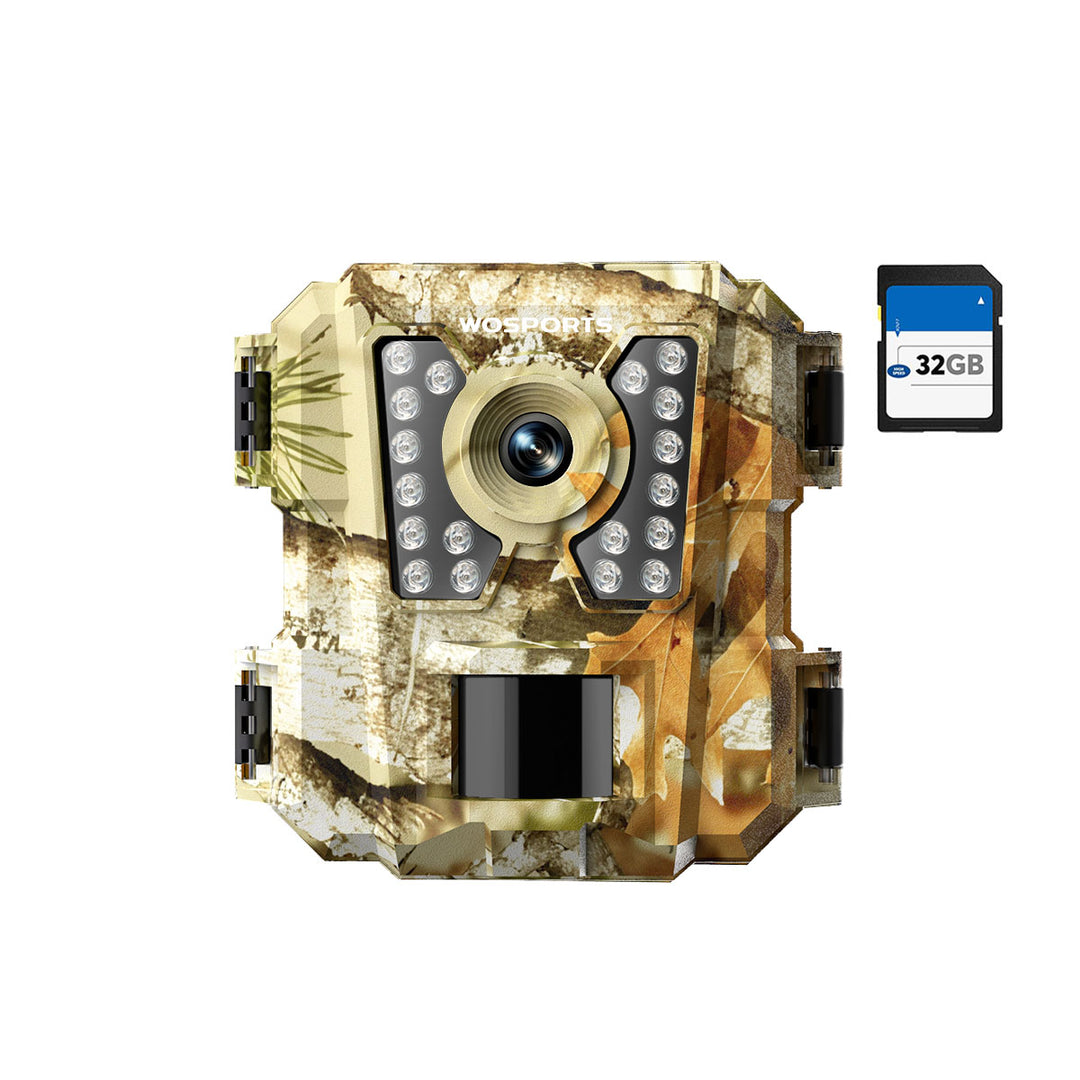
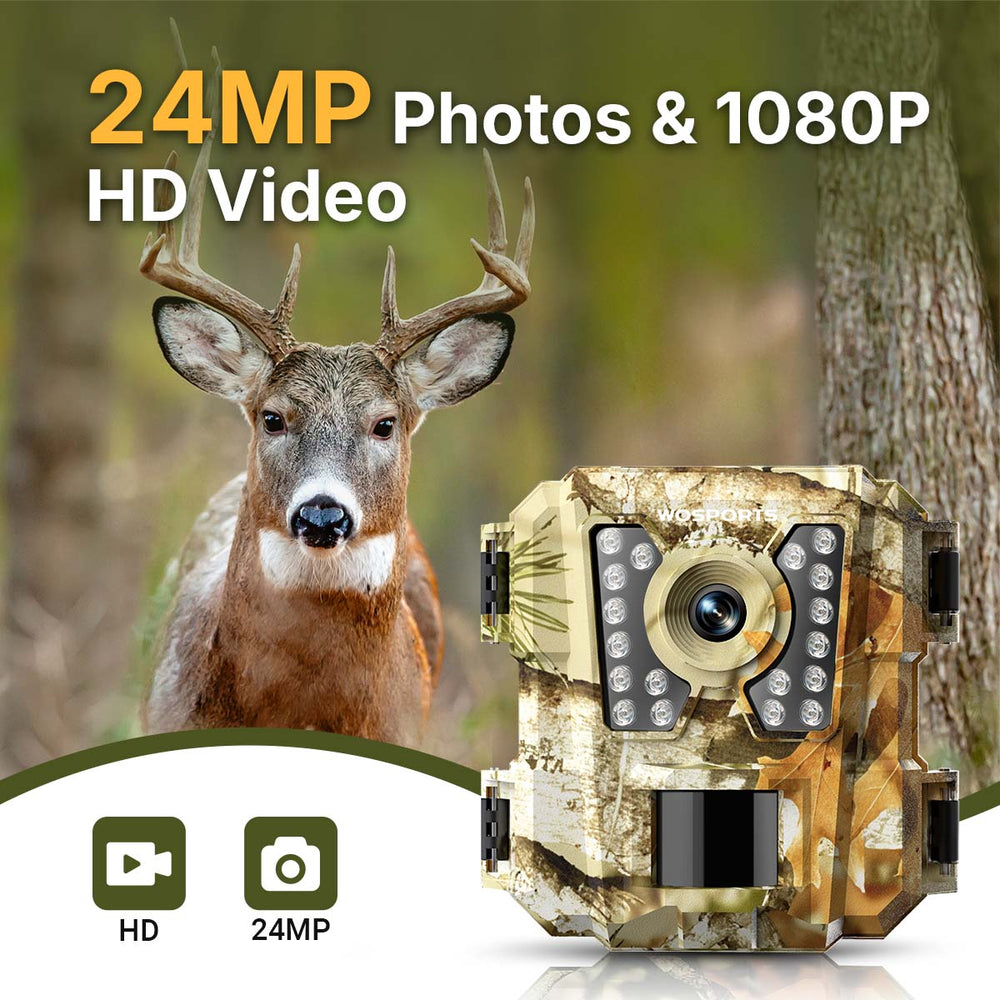
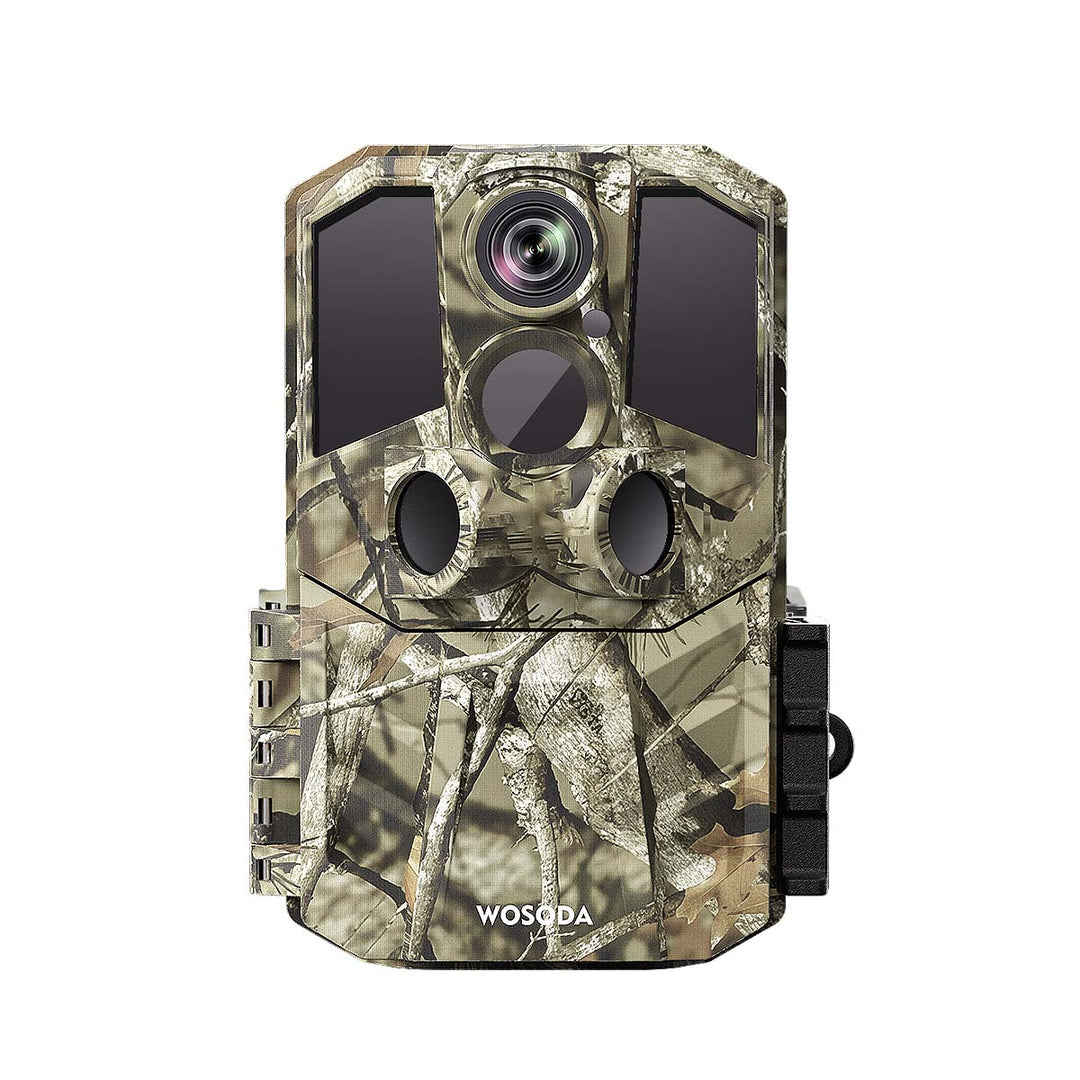
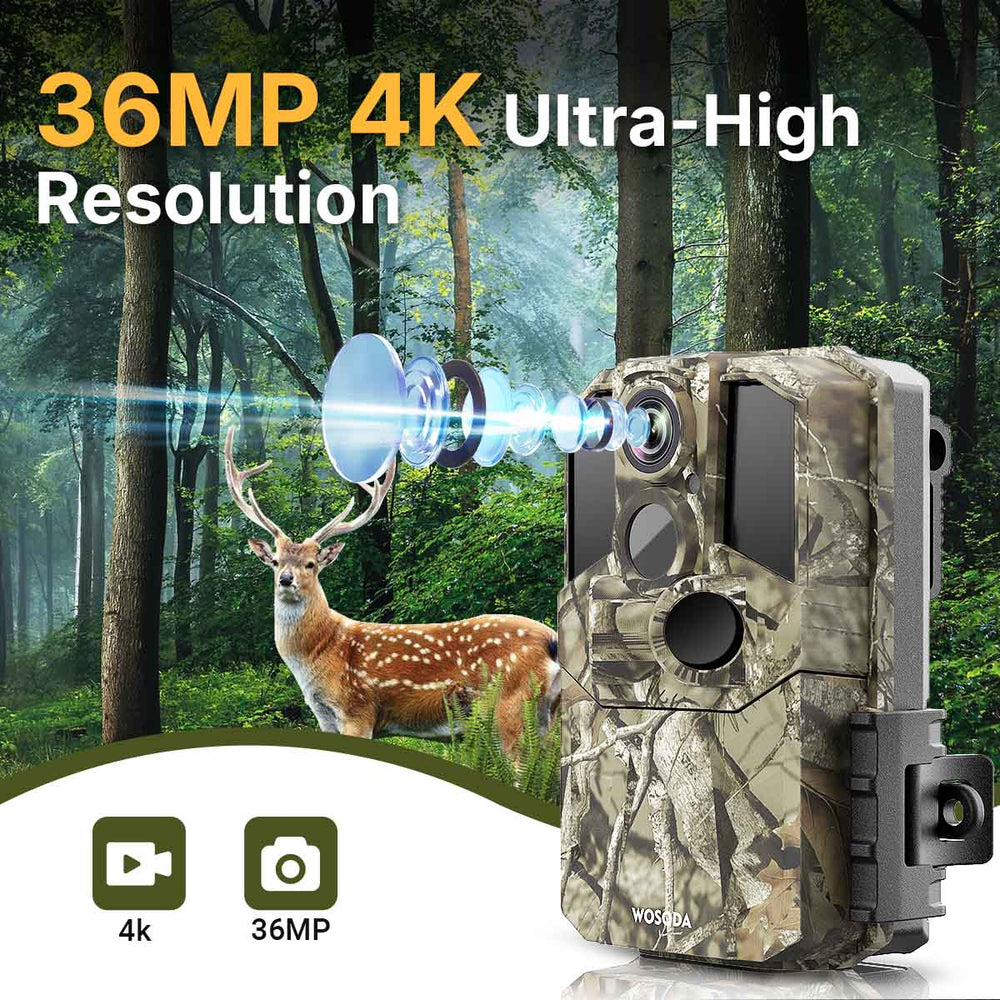
The WOSPORTS G600 Trail Camera is one example built for rugged outdoor deployment.

Key features include:

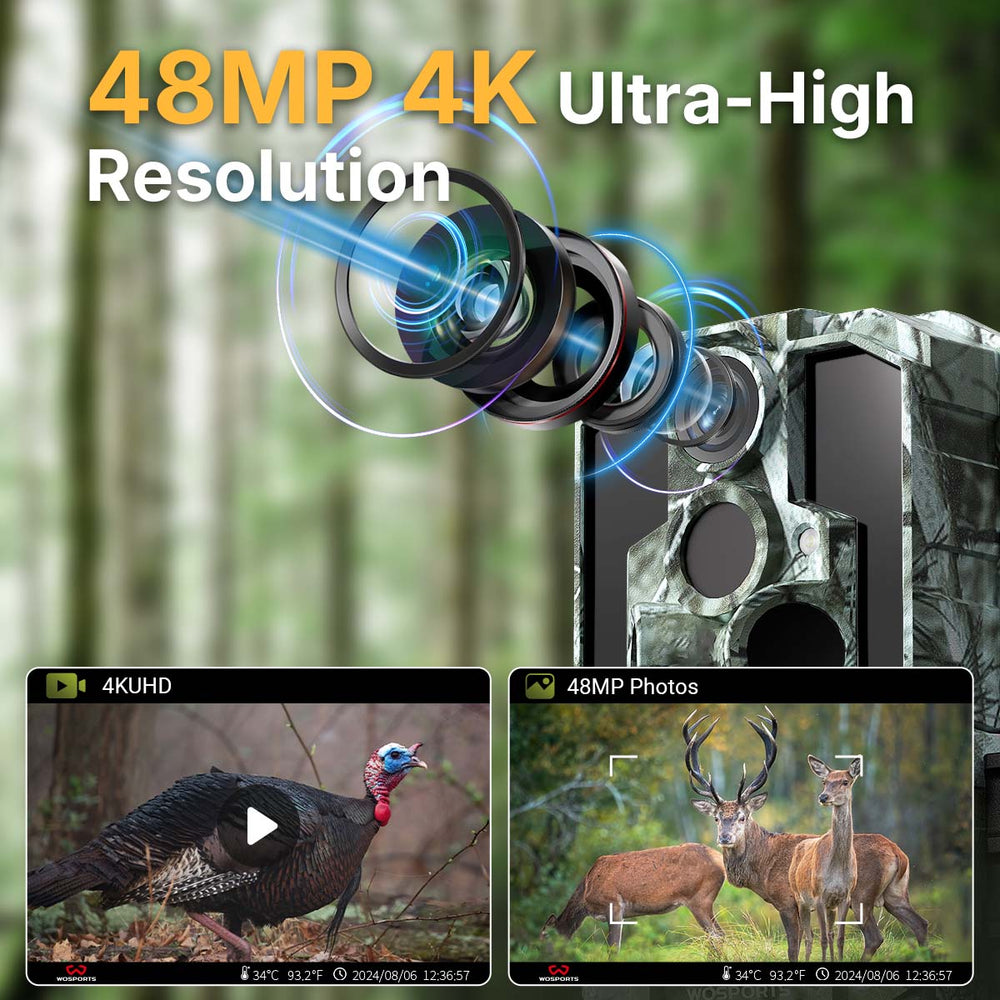
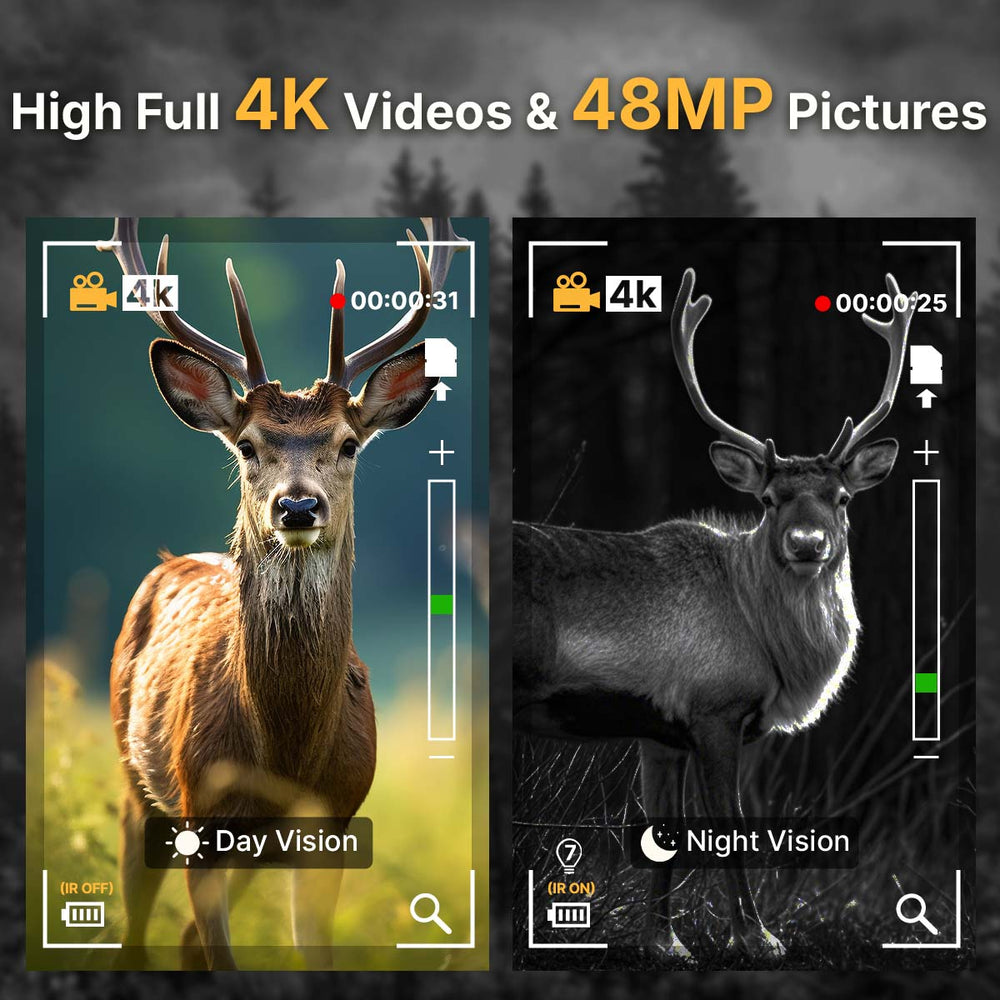
  • 48MP photo resolution and 4K video recording

  • 0.2-second trigger speed

  • Wide-angle PIR motion detection

  • Infrared night vision for low-light environments

  • Weather-resistant housing for outdoor use

These specifications allow the camera to capture fast-moving activity across large outdoor areas, making it suitable for farms, wildlife monitoring, and remote property security.

For buyers purchasing multiple units, these types of features help ensure consistent monitoring performance across large properties.


Expert Insight: Why Bulk Buyers Should Prioritize Reliability Over Price

Security technology specialists often emphasize reliability as the most important factor when selecting outdoor monitoring equipment.

According to the Electronic Security Association, rural surveillance systems must prioritize durability and reliability due to environmental exposure and limited maintenance access.

Source:
Electronic Security Association
https://www.esaweb.org

As one industry analyst notes:

“Outdoor monitoring equipment deployed across large rural areas must balance cost efficiency with reliability. For farms deploying multiple cameras, durability and long battery life often matter more than incremental feature upgrades.”

This perspective highlights why many farms choose proven camera models when making bulk purchases, even if lower-cost options exist.


Bulk Purchase Checklist for Trail Cameras

Before purchasing trail cameras in bulk for farm security, buyers should evaluate both technical features and supplier capabilities.

Key considerations include:

Camera performance

  • Trigger speed under 0.3 seconds

  • Reliable night vision range

  • High image and video resolution

Outdoor durability

  • IP65 waterproof rating

  • Temperature resistance

  • Strong housing design

Operational efficiency

  • Long battery life

  • Easy installation

  • Wide detection angle

Supplier reliability

  • Consistent product quality

  • Available replacement units

  • Support for bulk orders

Using a structured checklist can help farms avoid common purchasing mistakes and ensure long-term monitoring success.


Final Thoughts: Choosing the Right Trail Camera for Farm Security

Trail cameras have become an effective and affordable solution for farm security, wildlife observation, and outdoor monitoring. For farms deploying multiple cameras, the key to success lies in selecting equipment that balances performance, durability, and cost efficiency.

When making a bulk purchase of trail cameras, buyers should prioritize:

  • Fast motion detection

  • Reliable night monitoring

  • Long battery life

  • Weather-resistant design

By choosing the right trail cameras and planning deployment strategically, farms can significantly improve visibility across large properties while keeping installation costs manageable.

As agricultural operations continue adopting smarter monitoring tools, trail cameras are likely to remain one of the most practical technologies for large-scale outdoor monitoring and farm security.