How Motion Detection Works in Trail Cameras
Trail cameras have become essential tools for wildlife observation, hunting, and property monitoring. One of the most important technologies behind these cameras is motion detection, which allows the device to capture photos or videos only when activity occurs. Understanding how this system works can help users place their cameras more effectively and capture better footage in the field.
The Role of PIR Sensors
Most modern trail cameras rely on a Passive Infrared (PIR) sensor to detect motion. Instead of detecting movement visually like a regular video camera, a PIR sensor detects changes in infrared radiation, which is the heat energy emitted by animals and humans. When a warm object moves through the camera’s detection zone, the sensor notices the change in temperature compared to the surrounding environment and triggers the camera to record.
This technology allows trail cameras to remain in low-power standby mode most of the time. The camera only activates when motion and heat are detected, helping conserve battery life and storage space while ensuring important moments are captured.
Detection Zones and Trigger Speed
The detection area of a trail camera usually forms a fan-shaped zone extending outward from the sensor. When an animal moves across this zone—especially from side to side—the PIR sensor detects the change more easily and sends a signal to the camera’s processor to start capturing images or video.
Trigger speed is another key factor in motion detection performance. Faster trigger speeds mean the camera reacts quickly when motion is detected, reducing the chance of missing fast-moving wildlife.
Motion Detection in the WOSPORTS G600
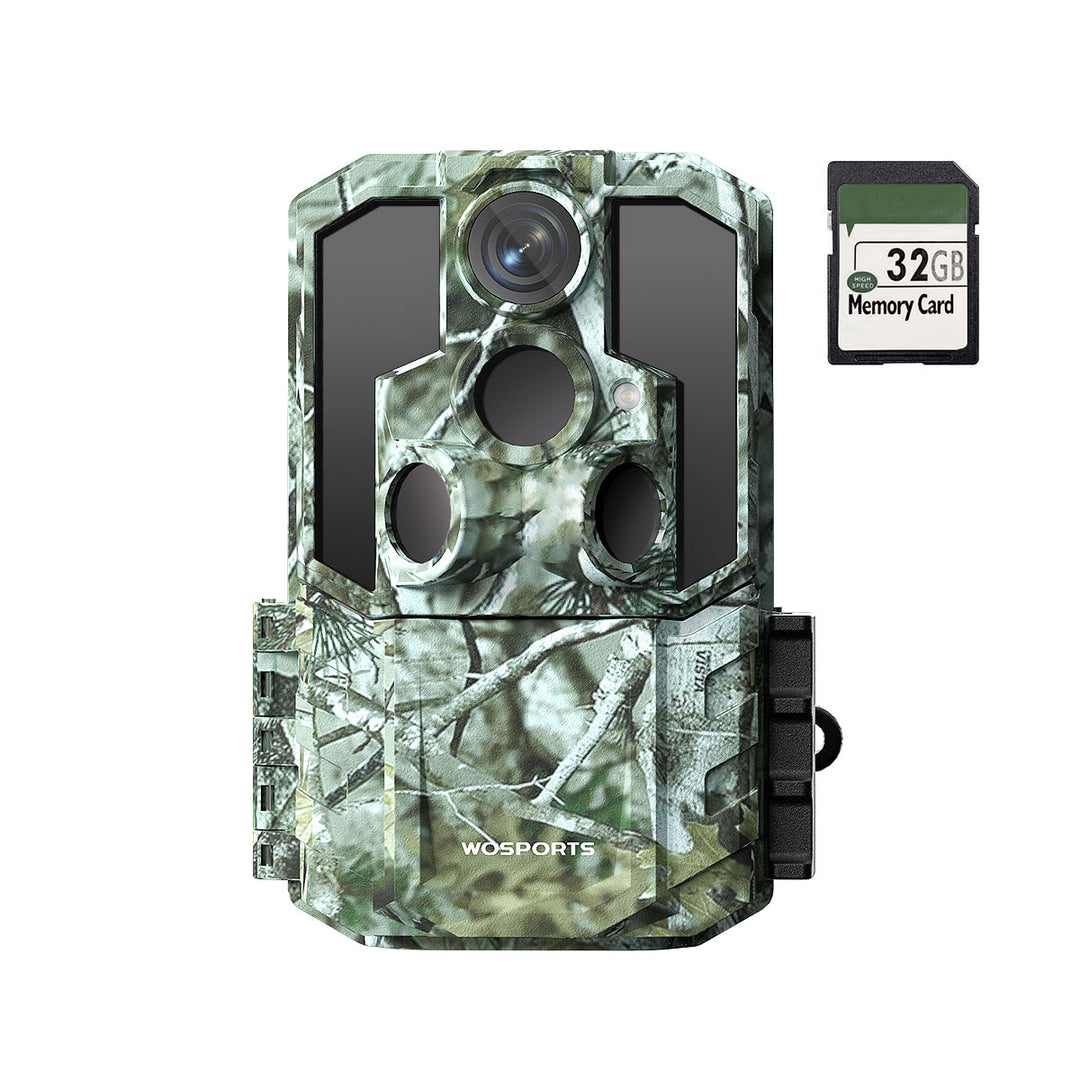
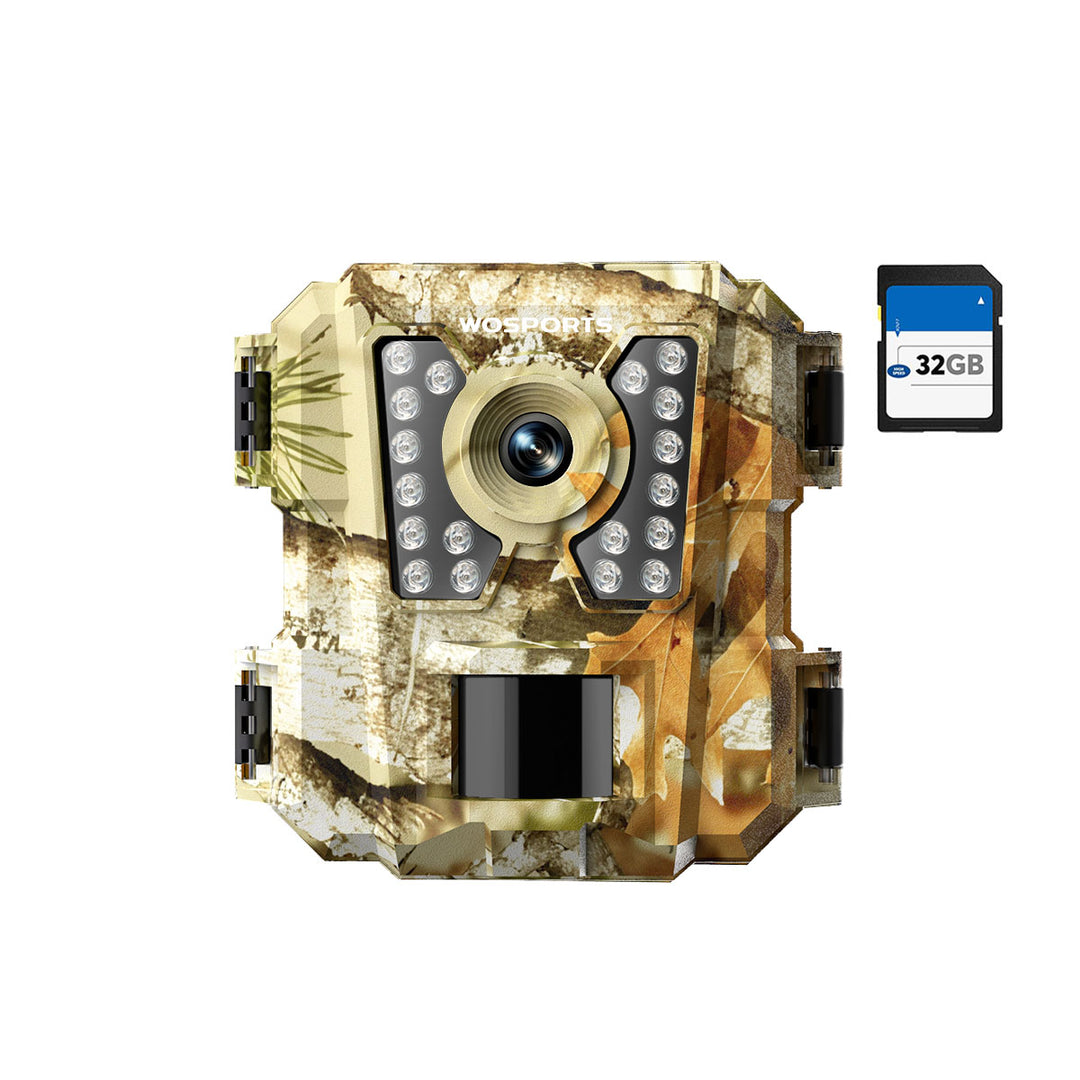
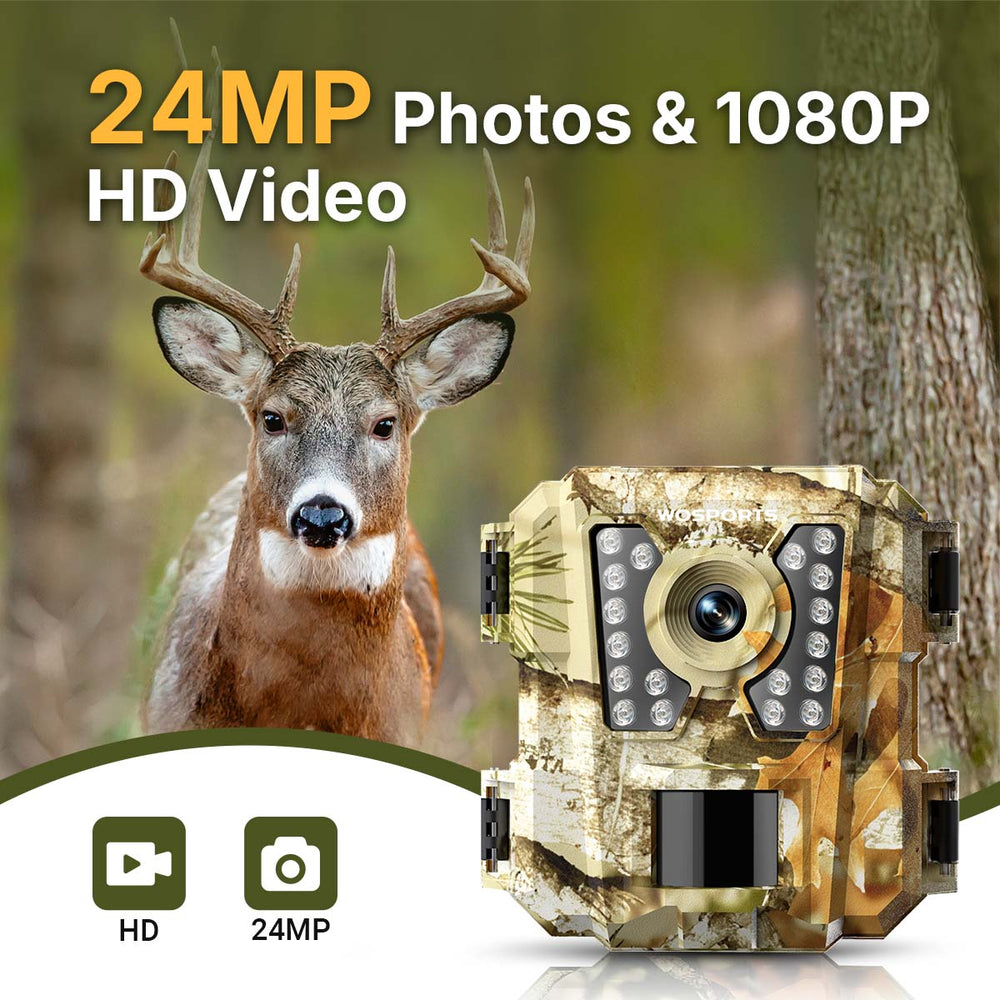
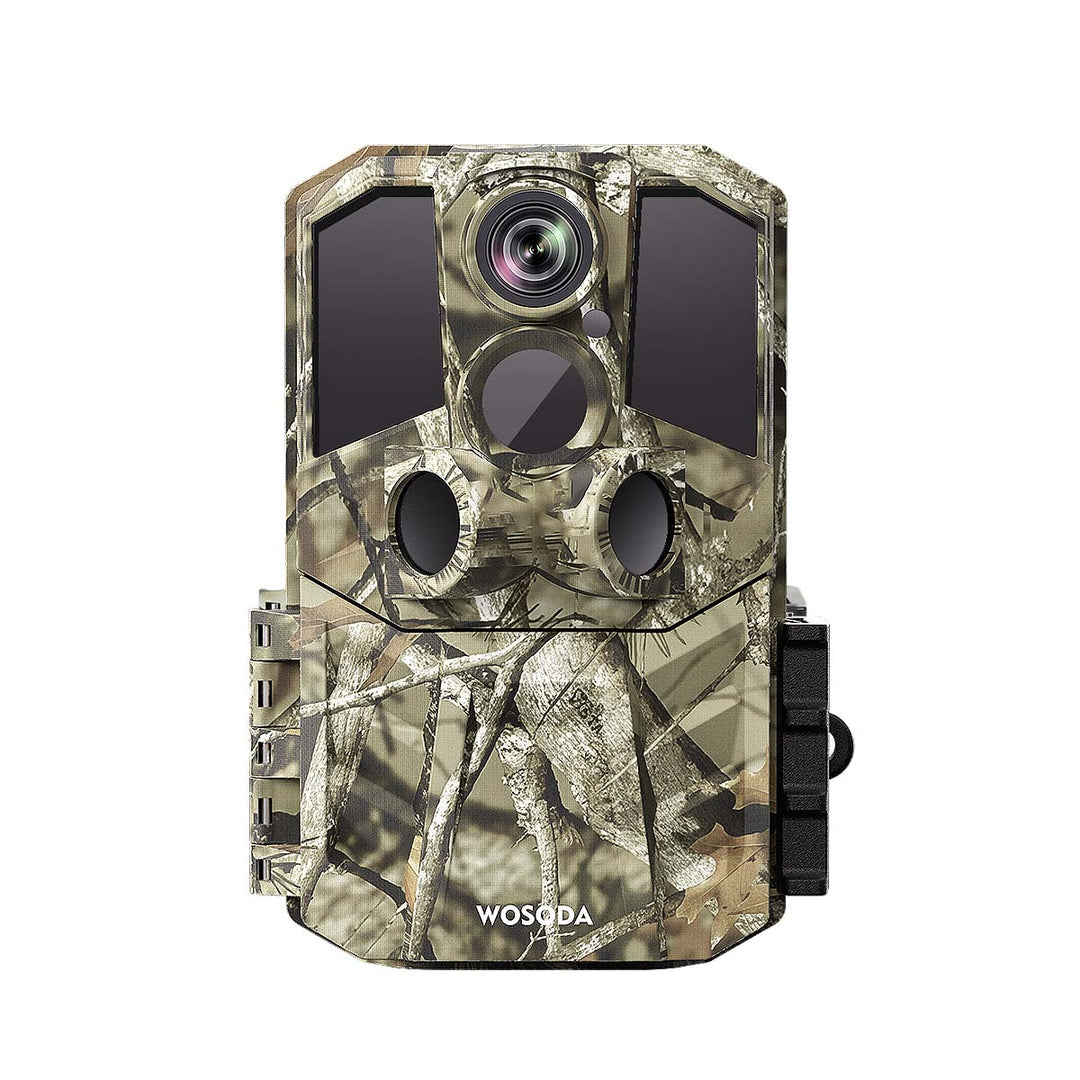
The WOSPORTS G600 Trail Camera is designed with advanced motion detection features to ensure reliable performance in outdoor environments. With a fast 0.2-second trigger speed, the camera can capture wildlife almost instantly after motion is detected. This is particularly useful for photographing animals that move quickly through a trail or feeding area.
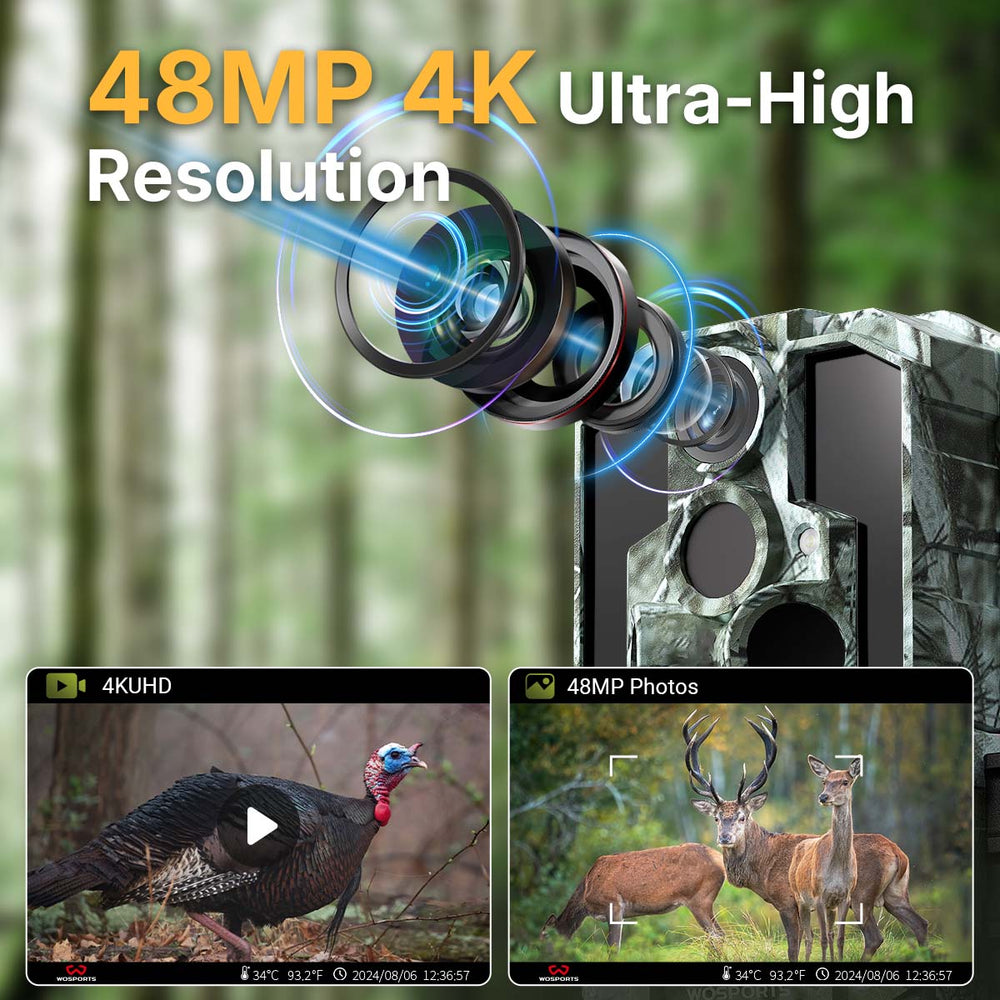
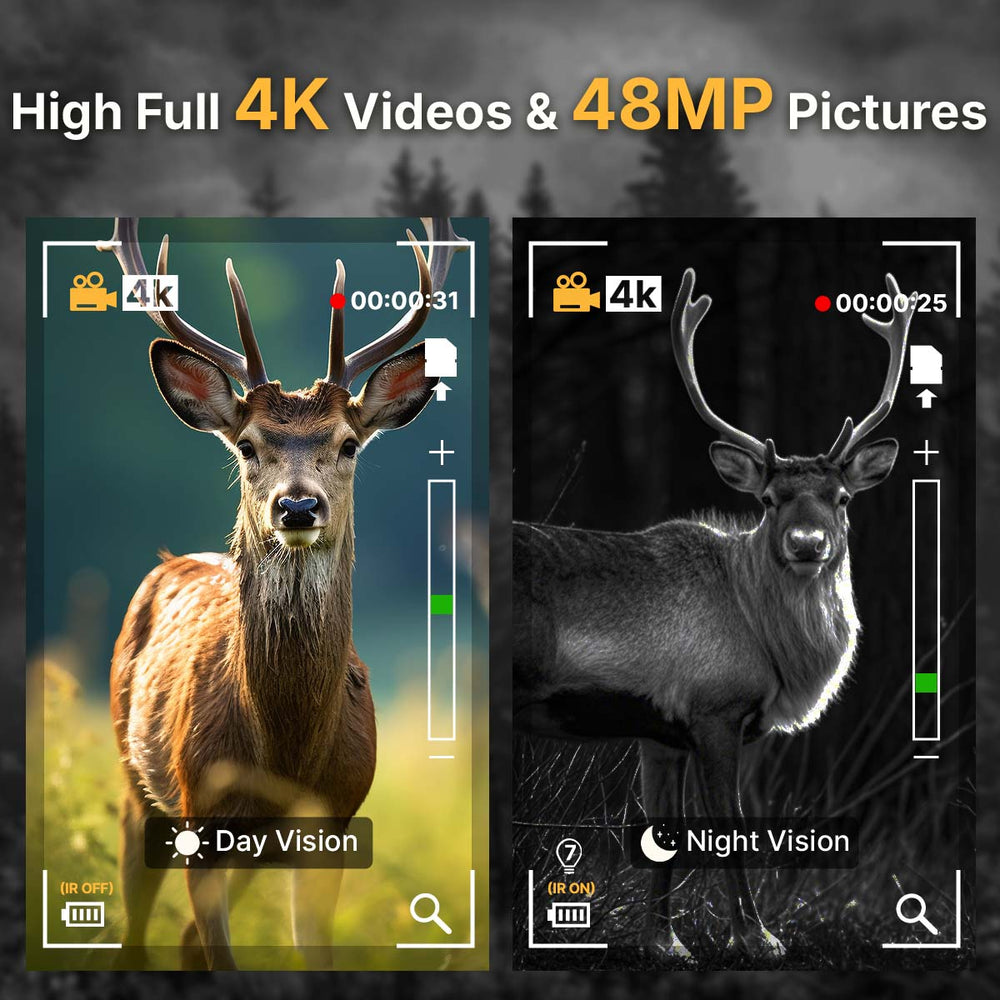
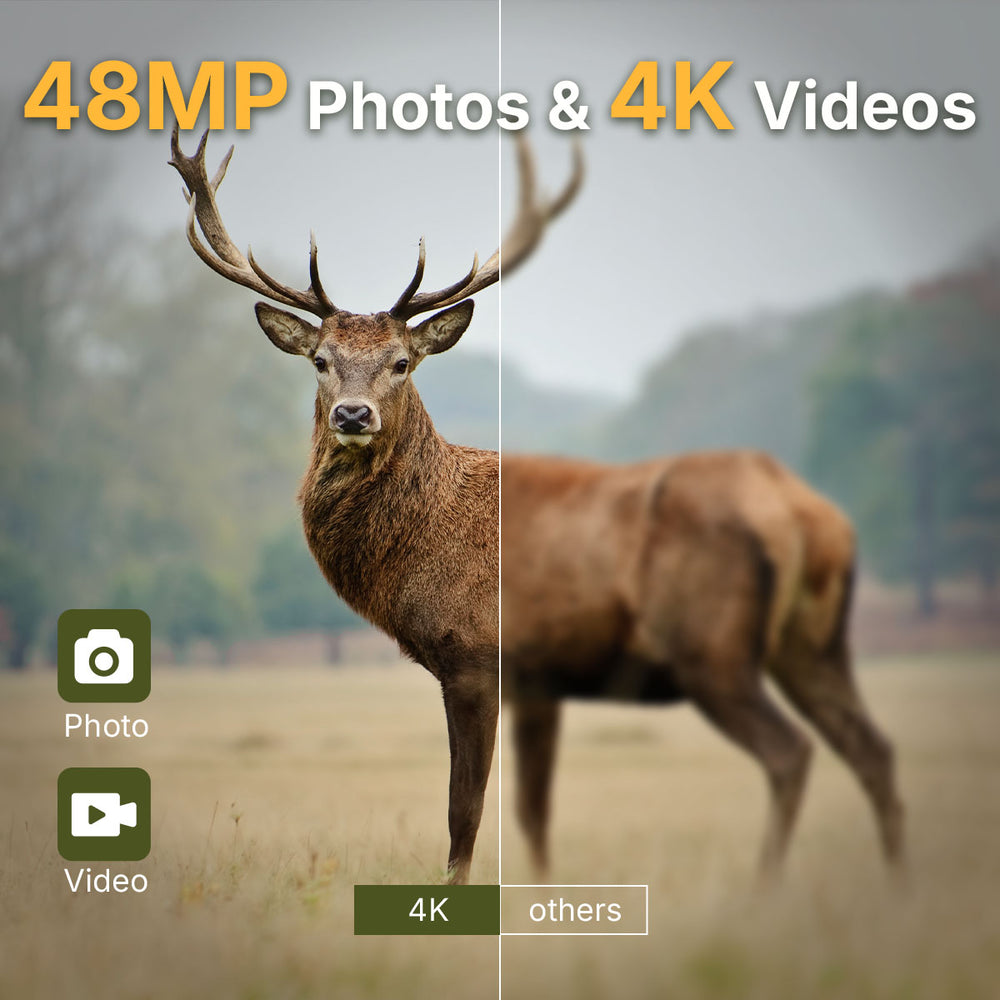
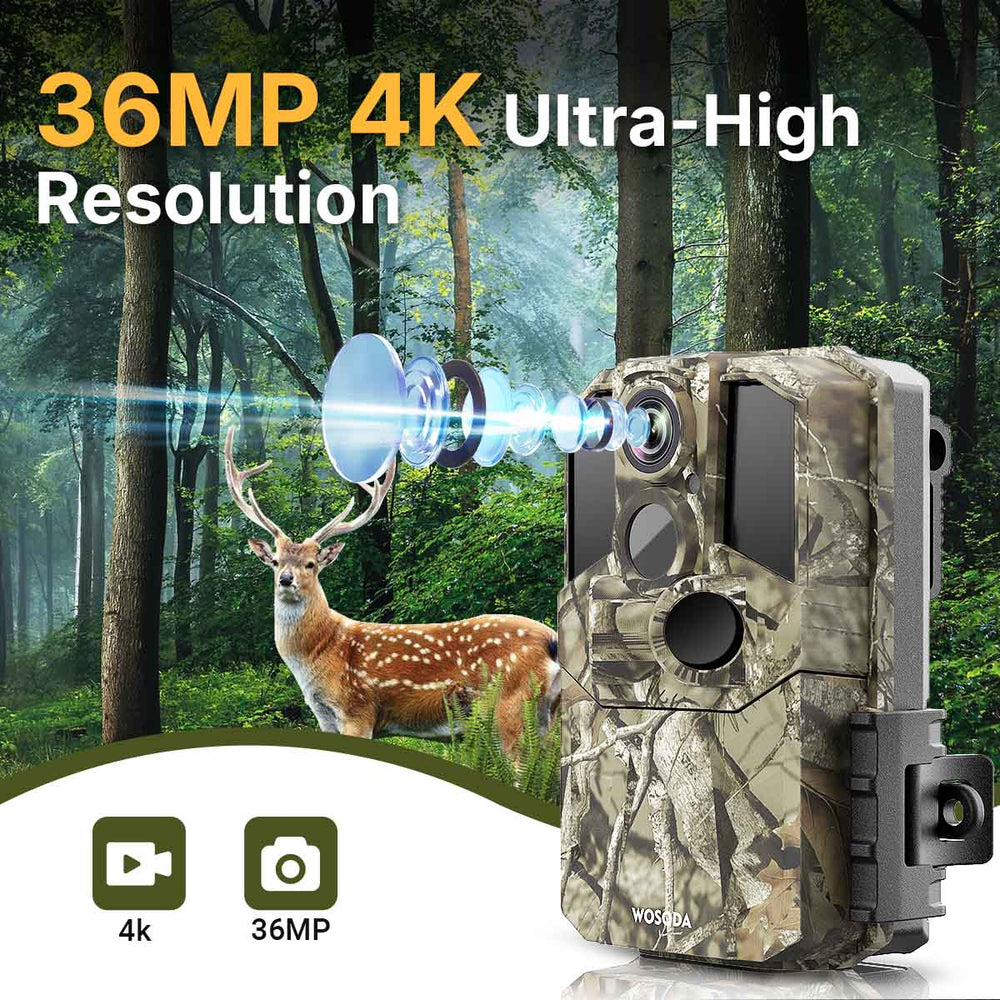
The G600 also features a 120° wide detection angle, which expands the monitoring area and increases the chance of capturing animals passing through the scene. Combined with 48MP photos and 4K video recording, users can capture detailed images of wildlife both day and night.
Additionally, the camera’s infrared night vision allows it to continue detecting motion and recording activity even in complete darkness. This makes it an ideal tool for observing nocturnal animals without disturbing them.
Why Motion Detection Matters
Motion detection technology is what makes trail cameras efficient and practical in remote environments. By detecting heat and movement instead of recording continuously, trail cameras can operate for long periods while capturing only the moments that matter.
Whether you are monitoring wildlife, scouting hunting locations, or protecting property, a reliable motion detection system—like the one built into the WOSPORTS G600—ensures you never miss important activity in the field.
Search
Popular Posts
Recent Posts


Nov 28, 2024
Troubleshooting Common Trail Camera Issues
Jan 10, 2025
Why Does My Trail Camera Stop Working at Night?