Key Features to Look For in a Golf Rangefinder
A golf rangefinder is more than just a gadget; it's a vital tool that can sharpen your course management and shave strokes off your game. But with a myriad of options flooding the market, how do you choose the right one? This article breaks down the essential features to prioritize, ensuring you invest in a device that truly elevates your golf experience.
Accuracy and Range: Hitting the Mark Every Time
The primary function of any rangefinder is to provide accurate distances. Without this, all other features are moot. When evaluating a rangefinder, its stated accuracy and maximum range are crucial specifications.
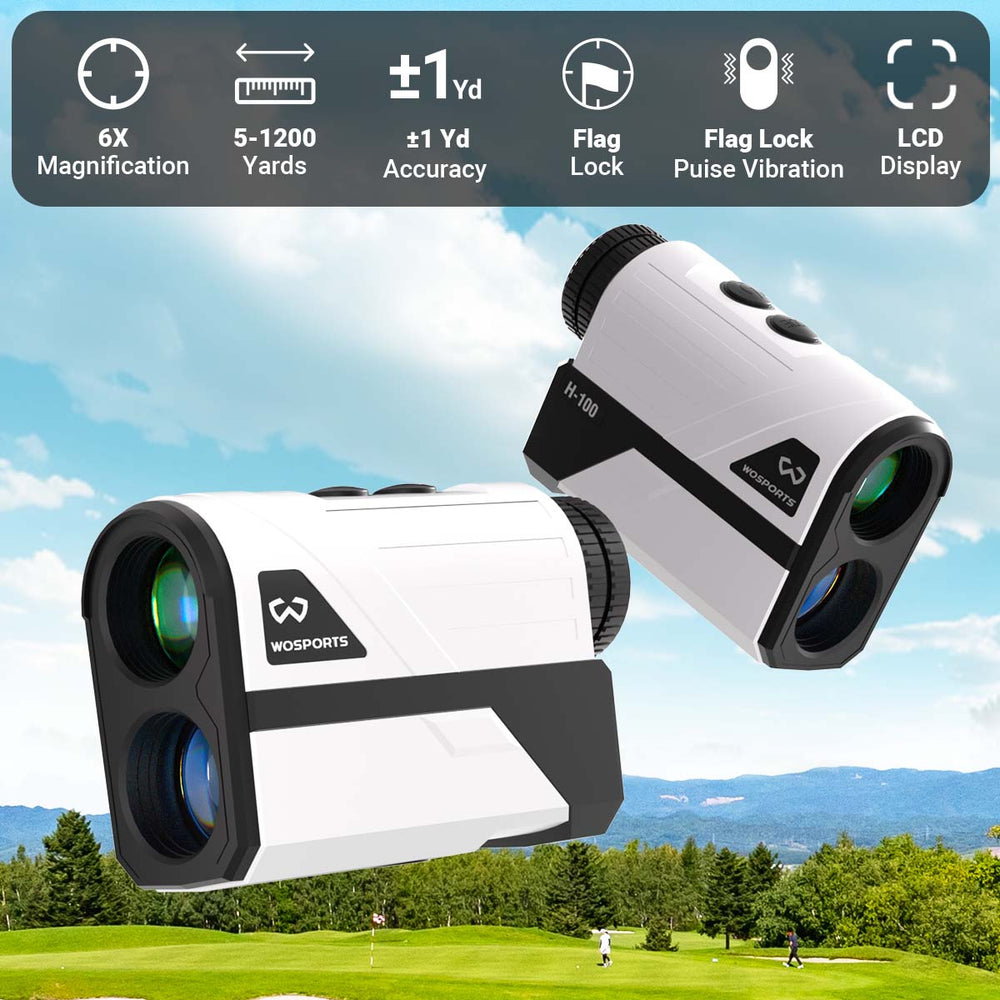
Accuracy: Look for models that boast an accuracy of +/- 1 yard. This level of precision is more than sufficient for golf, as even a slight variation can mean the difference between landing on the green or in a bunker. Many premium rangefinders achieve even tighter tolerances, often down to half a yard.
Range: While you won't be measuring shots over 1000 yards on the golf course, a longer maximum range (e.g., 600-1200 yards) indicates a more powerful laser and better performance in less-than-ideal conditions, such as fog or rain. More importantly, check the range specifically for measuring to a flagstick, as this is often a more challenging target for the laser. A good flagstick range is typically between 300-450 yards.
Pin-Locking and Vibration Technology: Targeting with Confidence
One of the most frustrating experiences with a rangefinder is accidentally picking up the distance to trees or hazards behind the flag. This is where pin-locking technology becomes invaluable.
Pin-Locking (or Flag-Locking): This feature allows the rangefinder to identify and "lock onto" the flagstick, even when there are other objects in the background. Different brands have various names for this (e.g., PinSeeker, Target Lock), but the principle is the same: the device prioritizes the closest target, ensuring you get the distance to the flag, not the distant clubhouse.
Vibration (or Jolt) Technology: To provide immediate confirmation that the device has locked onto the flag, many rangefinders incorporate a subtle vibration. This haptic feedback is incredibly reassuring, especially in windy conditions or when your hands might be a little shaky. "The vibration feature is a game-changer for my students," says Chris Miller, a golf instructor in Florida. "It gives them instant confidence in their yardage, letting them commit fully to the shot."
Optical Quality and Magnification: A Clear View of the Course
Just like binoculars, the optics of a rangefinder play a significant role in its usability, especially on longer shots or in dim lighting.
Magnification: Most golf rangefinders offer 6x magnification, which is an ideal balance between bringing the target closer and maintaining a steady image. Higher magnification (e.g., 7x) can make the image appear closer but might also amplify any hand shake, making it harder to hold steady on the target.
Lens Quality: Look for multi-coated optics, which reduce glare and improve light transmission, resulting in a brighter, clearer image. A clear display, often with red or black readouts that automatically adjust to ambient light, is also crucial for readability. This is particularly important during early morning rounds or twilight play.
Slope Functionality: To Comply or to Calculate?
As discussed in our previous article, the slope feature remains one of the most debated aspects of rangefinders. It's a key decision point for any golfer.
Slope Compensation: This feature calculates the "plays like" distance by adjusting for elevation changes between your position and the target. Hitting uphill effectively makes the shot longer, while hitting downhill makes it shorter. A slope-enabled rangefinder provides this crucial adjustment.
Tournament Legality: If you play in sanctioned tournaments, ensure the rangefinder has a visible and easily accessible switch to disable the slope function. The USGA and R&A permit the use of distance-measuring devices, but they must not gauge "conditions affecting play" such as gradient during competitive rounds. Many brands, including WOSPORTS, offer models with this essential toggle.
Durability and Ergonomics: Built for the Course
A golf rangefinder is an investment, and it needs to withstand the rigors of the golf course – from accidental drops to unexpected rain showers.
Water Resistance: Look for models that are at least "water resistant" (e.g., IPX4 rating) or, ideally, "waterproof" (e.g., IPX7 rating). This protects your device from rain, dew, and splashes, ensuring it functions reliably in all weather conditions.
Durability: A robust casing, often made from high-quality plastics or composites, with rubberized armor, provides shock absorption and a secure grip. "I've seen countless rangefinders take a tumble out of a cart or bag," notes long-time golf course superintendent, David Lee. "The ones that last are always the ones with a solid, ergonomic build."
Ergonomics and Portability: A rangefinder should fit comfortably in your hand and be easy to operate with one hand. Its weight and size also play a role in how conveniently you can carry it in your bag or on your person.
WOSPORTS Rangefinders: Combining Key Features
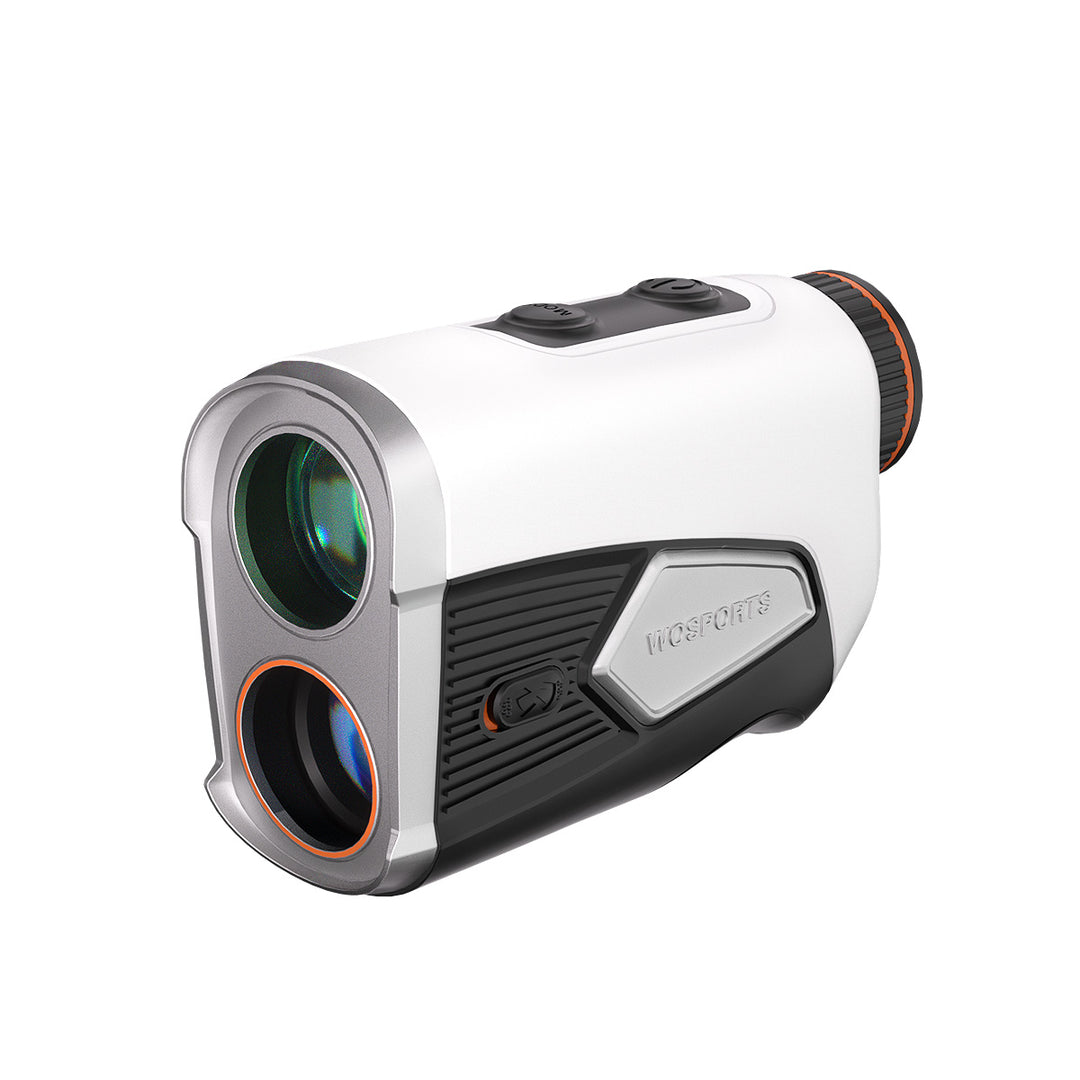
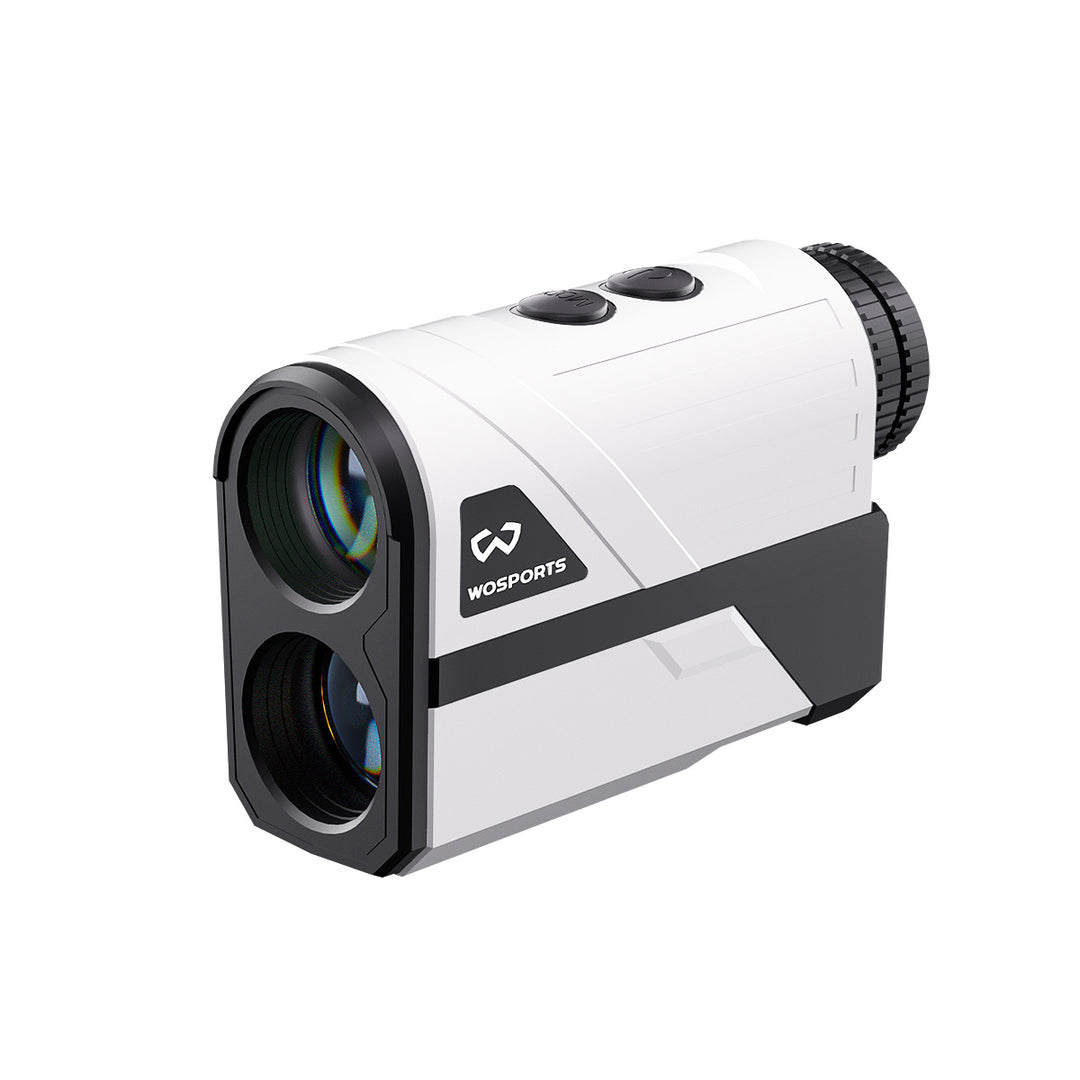
WOSPORTS understands the needs of modern golfers, integrating many of these key features into their product line.
Example: The WOSPORTS L06 Rangefinder
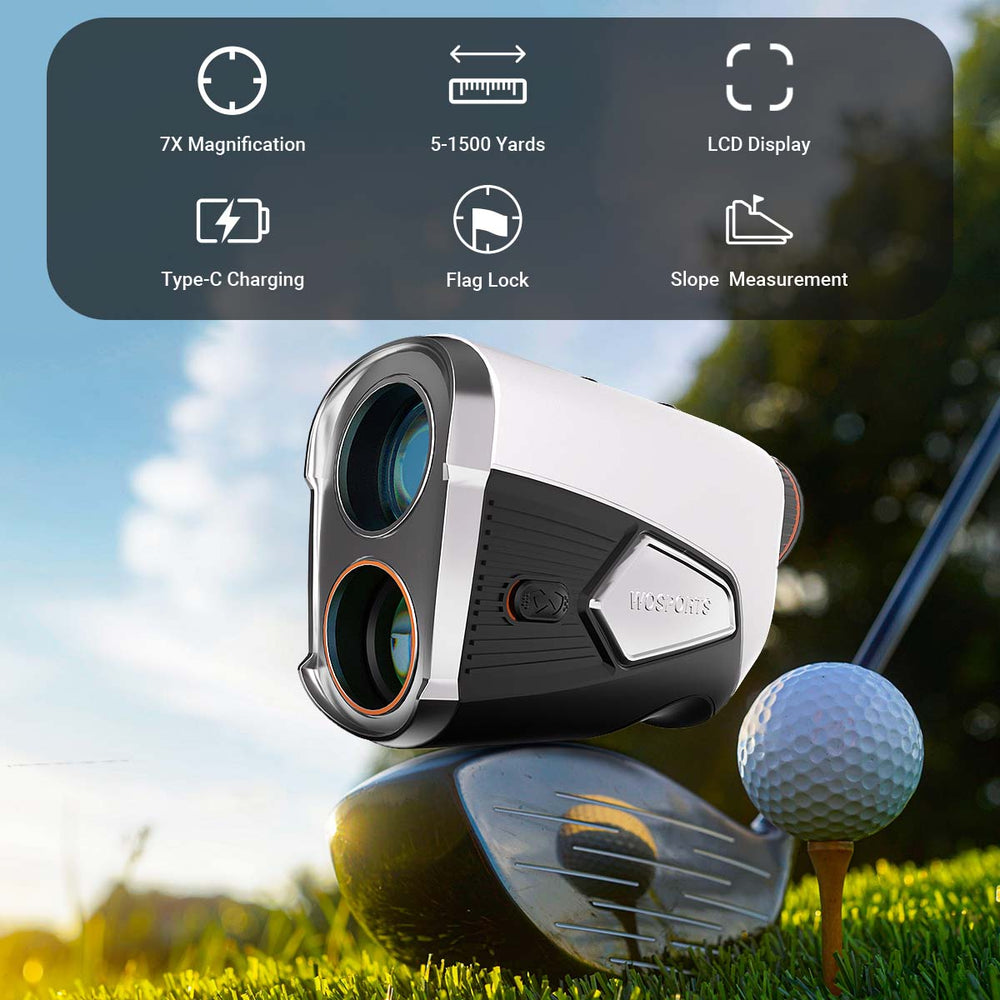
This model typically boasts:
-
High Accuracy: +/- 0.5 yards
-
Flag-Locking with Jolt: Confirms target acquisition with a vibration.
-
7x Magnification: Clear optics for easy targeting.
-
Switchable Slope: Legal for tournament play when toggled off.
-
Durable, Water-Resistant Design: Built to endure various course conditions.
"I purchased a WOSPORTS L06 last season, and it's been fantastic," shares customer Mark P. from Texas. "The accuracy is spot-on, and the flag-lock with the jolt feedback is incredibly helpful. Plus, I love that I can use the slope for practice and switch it off for my club championships."

Additional Considerations: Beyond the Essentials
While the features above are critical, a few other elements can enhance your rangefinder experience:
-
Battery Life: Lithium-ion rechargeable batteries are becoming popular, but many still use CR2 batteries. Check the expected battery life and consider if you prefer rechargeable convenience or easily replaceable batteries.
-
Scan Mode: This allows you to continuously scan multiple targets (e.g., trees, bunkers) to get their distances quickly, helping you plan your shots.
-
Magnetic Mount: Some rangefinders feature integrated magnets, allowing you to conveniently attach them to your golf cart frame or clubs.
-
Price: While price shouldn't be the only factor, it's a realistic consideration. Establish a budget and look for the best combination of features within that range. Often, spending a little more upfront can lead to a more reliable and feature-rich device in the long run.
Conclusion
A golf rangefinder is a powerful tool that, when chosen wisely, can significantly improve your game management and confidence. By prioritizing accuracy, reliable pin-locking, clear optics, appropriate slope functionality, and robust design, you can select a device that will be a trusted companion on the course for years to come. Do your research, consider your individual needs, and get ready to dial in your distances with precision.
Search
Popular Posts
Recent Posts


Nov 28, 2024
Troubleshooting Common Trail Camera Issues
Jan 10, 2025
Why Does My Trail Camera Stop Working at Night?