How to Choose: Slope vs. Non-Slope Rangefinders
Choosing the right golf rangefinder can significantly impact your game. With advancements in technology, golfers now face a crucial decision: to go with a slope-enabled rangefinder or stick to a non-slope model. This article will delve into the nuances of both, helping you make an informed decision that elevates your performance on the course.
Understanding the Basics: What Are Slope and Non-Slope Rangefinders?
Before we dive into the pros and cons, let's establish a clear understanding of what each type of rangefinder offers. A rangefinder, at its core, measures the distance from your position to a target, typically the flagstick. The distinction lies in their ability to account for elevation changes.
Non-Slope Rangefinders provide a direct line-of-sight distance to your target. They are straightforward, giving you a single number that represents the horizontal distance. These models are generally permitted in competitive play where rules prohibit devices that gauge "conditions affecting play" (like slope).
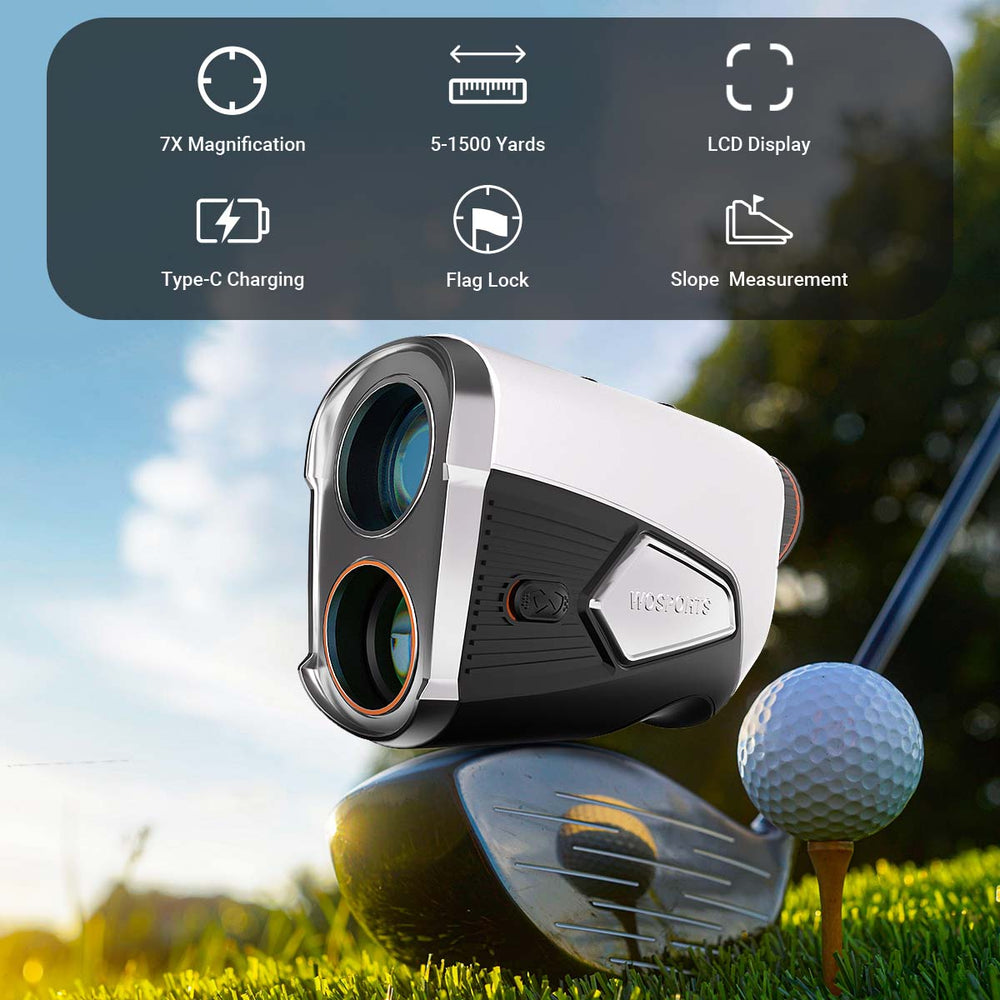
Slope Rangefinders, on the other hand, go a step further. They calculate the actual playing distance by factoring in the elevation difference between you and your target. If you're hitting uphill, the playing distance will be longer than the line-of-sight distance; downhill, it will be shorter. This feature offers a more accurate representation of the shot you need to play.

The Debate: When Does Slope Matter Most?
The inclusion of slope functionality is often the most significant point of discussion among golfers. While it offers a distinct advantage in terms of accuracy, its legality in tournaments is a key consideration.
According to the USGA and R&A Rules of Golf, Rule 4.3a states that a player "must not use any electronic device to gauge or measure other conditions that might affect play (e.g., wind speed, gradient, temperature, etc.)." This means that in most sanctioned competitions, the slope function must be turned off or disabled. Many modern slope rangefinders come with a toggle switch to easily disable the slope feature, making them compliant for tournament play.
When Slope is Your Best Friend:
-
Practice Rounds: For serious golfers, practice rounds are where you hone your skills and strategy. Using a slope rangefinder during these times allows you to truly understand how elevation changes impact your club selection and shot execution.
-
Casual Play: If you're playing a friendly round with friends or simply enjoying a day on the course, the added accuracy of a slope rangefinder can significantly improve your enjoyment and lower your scores. It takes the guesswork out of tricky uphill or downhill shots.
-
Unfamiliar Courses: Playing a new course can be challenging, especially when you're unsure about elevation changes. A slope rangefinder provides invaluable assistance in these situations, helping you quickly adapt to the terrain.
The Competitive Edge: Why Non-Slope (or Slope with Toggle) Remains Popular
Despite the benefits of slope technology, non-slope rangefinders, or slope models with a readily disabled function, remain incredibly popular, especially among competitive players.
"For professional golfers and serious amateurs, adherence to the rules is paramount," says Mark Johnson, a PGA Teaching Professional in Arizona. "While slope technology can be a fantastic training tool, the ability to switch it off for tournaments is non-negotiable. Many of my students prefer models that offer this flexibility."
Key Advantages of Non-Slope Rangefinders (or Slope with Toggle):
-
Tournament Legality: This is the most crucial factor for competitive golfers. A non-slope rangefinder is always legal, ensuring peace of mind during official rounds.
-
Simplicity: Some golfers prefer the straightforwardness of a non-slope model. It provides the essential distance without additional calculations, allowing them to focus purely on their swing and shot.
-
Cost-Effectiveness: Generally, non-slope rangefinders tend to be slightly more affordable than their slope-enabled counterparts, making them an attractive option for budget-conscious golfers.
Making Your Choice: Factors to Consider
Deciding between a slope and non-slope rangefinder ultimately comes down to your personal golfing habits and priorities. Here's a breakdown of factors to consider:
| Feature/Consideration | Slope Rangefinder | Non-Slope Rangefinder |
| Accuracy | High (accounts for elevation) | Good (line-of-sight) |
| Tournament Legal | Yes, if slope can be disabled | Always Yes |
| Practice Value | Excellent (understanding terrain) | Good (basic distance) |
| Casual Play | Excellent (improves shot selection) | Good |
| Price Point | Higher | Lower |
| Complexity | Slightly more features | Simpler |
Expert Insight: "I've seen golfers shave strokes off their game purely by understanding how slope affects their shots," shares Sarah Chen, a golf equipment reviewer for Golf Monthly. "The key is to use it effectively during practice, and then trust your feel during competition if the slope feature is off."
WOSPORTS Golf Rangefinders: Real-World Applications
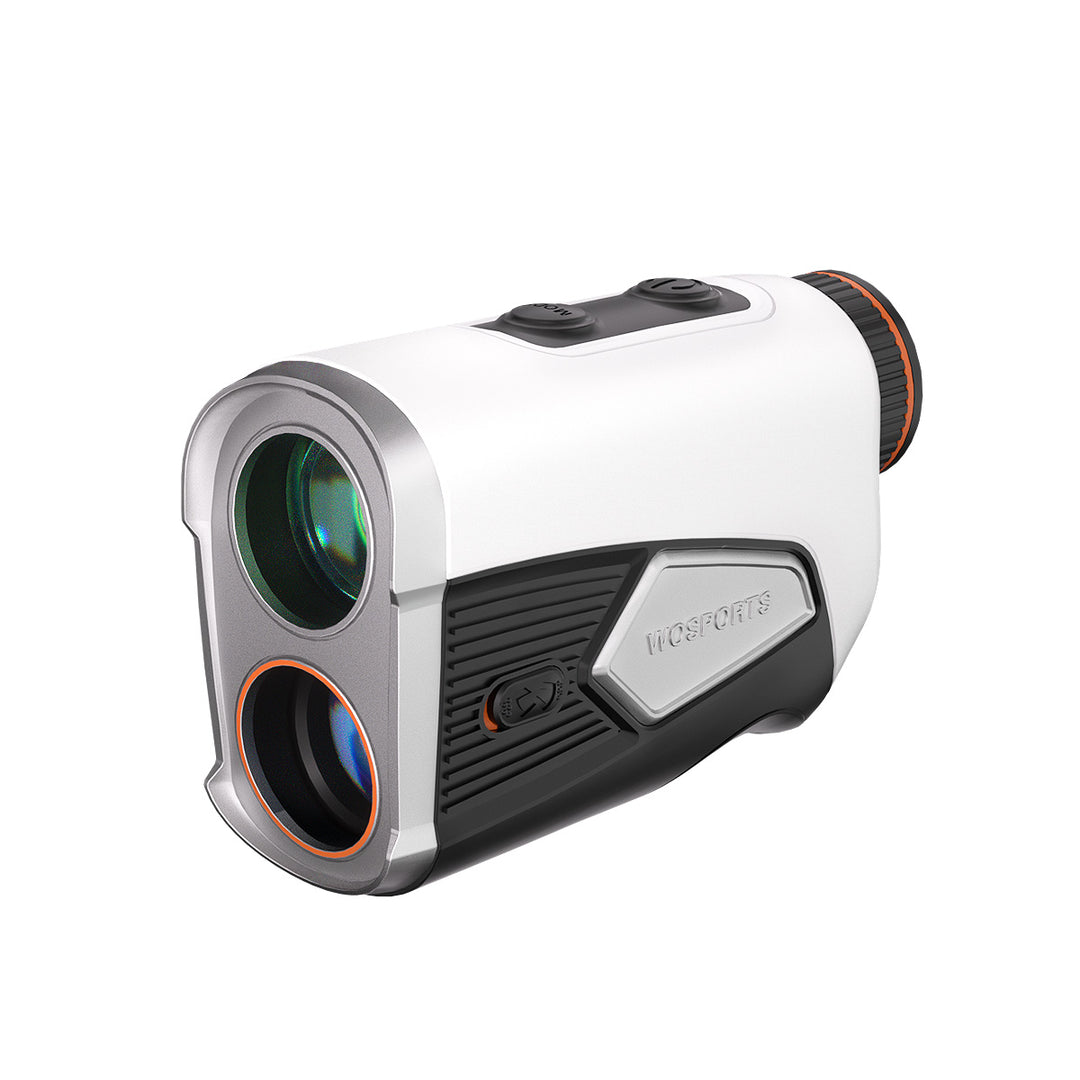
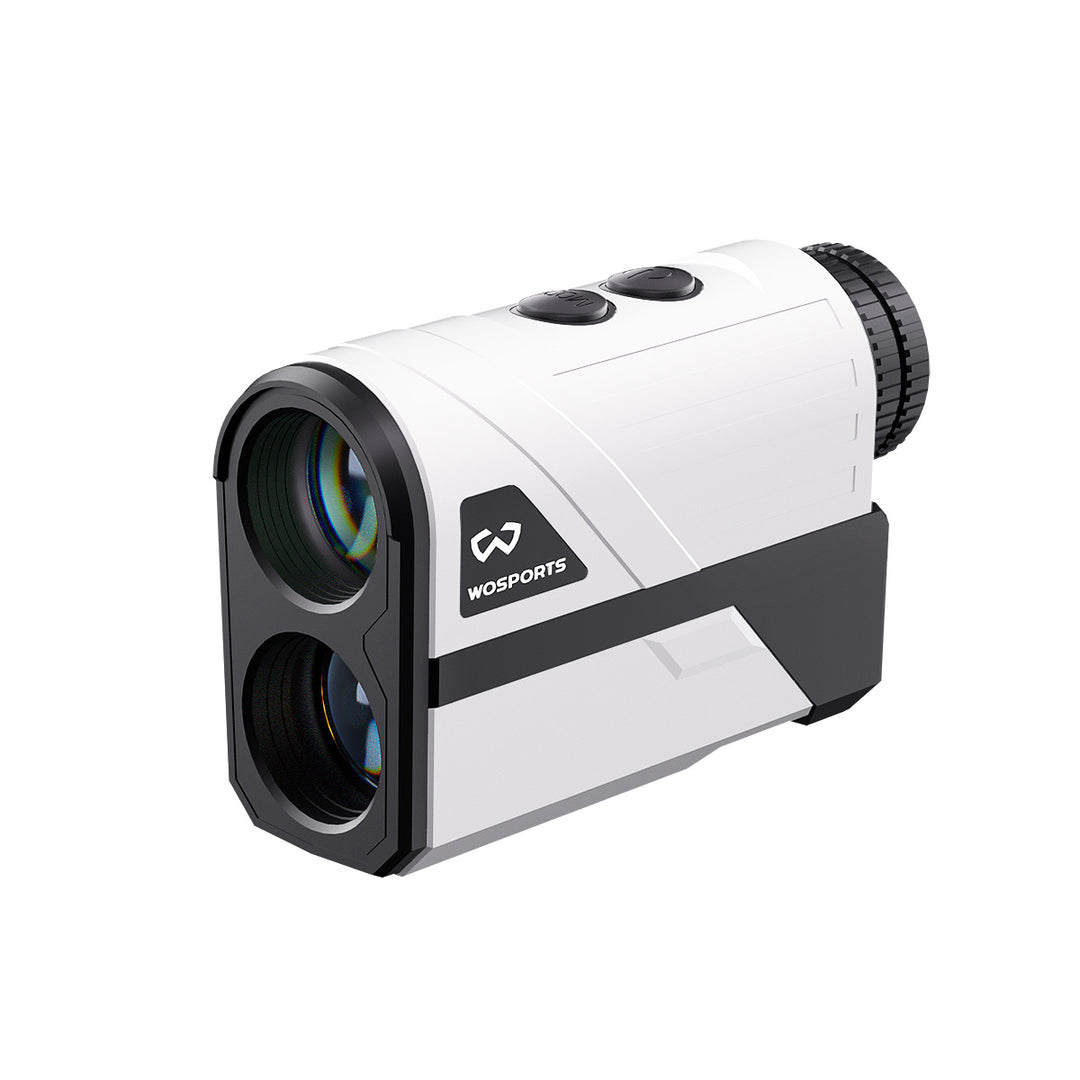
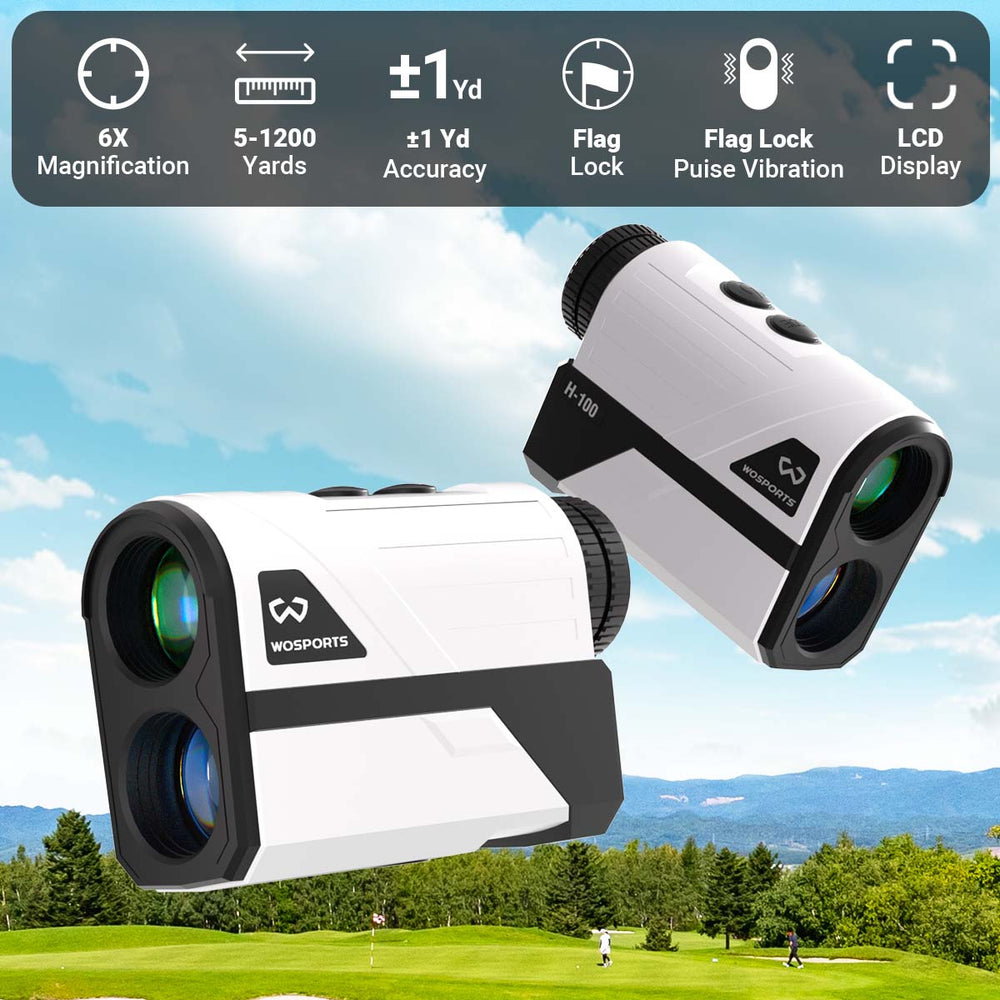
WOSPORTS offers a range of high-quality golf rangefinders, catering to both casual players and serious competitors. Let's look at how their technology empowers golfers:
Case Study: John M., Avid Weekend Golfer
"I recently switched to the WOSPORTS H-116 with its slope compensation feature," says John M. from California. "My home course has a lot of elevation changes, and before, I was constantly guessing. Now, I feel much more confident in my club selection, especially on par 3s with elevated greens. My handicap has actually started to drop, and I attribute a lot of it to understanding the 'true' distance with my WOSPORTS."
Case Study: Emily R., Collegiate Golfer
"As a collegiate golfer, I need a rangefinder that's reliable and tournament-legal," explains Emily R., a student-athlete at a major university. "I use the WOSPORTS H-116 during my practice rounds because it has a quick and accurate slope function that really helps me learn the course. Then, for tournaments, I just toggle the slope off. It's the best of both worlds – great for training and perfectly legal for competition."

The Future of Rangefinders and Golf Technology
The trend in golf technology is moving towards more integrated and smarter devices. Data from the National Golf Foundation (NGF) indicates a steady increase in golf participation, especially among younger demographics who are more receptive to technological advancements. This suggests a growing market for sophisticated rangefinders that offer not just distance, but also data analysis capabilities.
"The next generation of rangefinders might integrate even more data points, like real-time wind conditions or even personalized club recommendations based on your swing data," predicts Dr. Kenji Tanaka, a sports technology analyst at TechSport Insights. "The goal is always to provide golfers with actionable information to improve their game, while still respecting the traditional rules of the sport."
Frequently Asked Questions (FAQ)
Q: Can I use a slope rangefinder in a USGA-sanctioned tournament?
A: You can, but the slope function must be disabled. Many modern slope rangefinders have an external switch or setting to turn off the slope feature, making them compliant. Always check with the tournament committee if you are unsure.
Q: Are non-slope rangefinders less accurate?
A: No, non-slope rangefinders are very accurate for line-of-sight distance. They simply do not account for elevation changes, which a slope model does.
Q: How do I know if a WOSPORTS rangefinder has a slope feature?
A: WOSPORTS clearly indicates the slope feature in the product name and description, often with "Slope" or "Compensated Distance" in the title. Always refer to the product specifications.
Conclusion
Choosing between a slope and non-slope rangefinder doesn't have to be a daunting task. By understanding your golfing goals – whether it's competitive play, casual rounds, or intensive practice – you can select a device that truly enhances your experience. For ultimate versatility, a rangefinder with a switchable slope function, like many offerings from WOSPORTS, provides the best of both worlds, giving you the competitive edge on the course and peace of mind during official play. Invest wisely, and watch your game transform!
Search
Popular Posts
Recent Posts


Nov 28, 2024
Troubleshooting Common Trail Camera Issues
Jan 10, 2025
Why Does My Trail Camera Stop Working at Night?