Common Error Sources in Rangefinders and How to Improve Accuracy
Golf rangefinders are essential tools for precise distance measurement on the course, but like any optical instrument, they can produce errors if conditions aren’t ideal. Understanding common error sources helps golfers get the most reliable readings every time.
1. Laser reflection and surface issues
Rangefinders rely on a laser beam bouncing back from the target. Highly reflective surfaces, water, or shiny objects can return incorrect signals, while very dark or low-reflectivity targets might not return enough signal at all. Avoid aiming directly at the sun or glare, and try to target the flag or a clear area of turf for best results.
2. Hand shake and alignment errors
If you’re not holding the device steady or lining it up accurately with the target, slight angle changes can skew results. Use a stabilizing technique—bracing your elbows, leaning on your body, or using a tripod—to improve steadiness. Good optics and a clear viewfinder also help here.
3. Atmospheric conditions
Heat shimmer, humidity, and even wind can interfere with the laser’s path, especially at longer distances. These factors can cause slight variations in readings, particularly beyond typical golf distances.
4. Target size and distance limits
Smaller targets and very distant objects naturally return weaker signals. Most rangefinders specify an effective flag lock distance and an overall maximum range—so understanding your device’s limits is key.
How to Improve Measurement Accuracy
Calibrate regularly:
Check your rangefinder’s readings against known distances (course markers, GPS, or friends’ devices). Inconsistent or shifting outputs often indicate a need to re-calibrate or adjust your technique.
Use pin-seeker modes:
Modern rangefinders offer modes that prioritize small, high-reflectivity objects like flagsticks. Enabling flag lock helps ensure you’re measuring the pin instead of background trees or hazards.
Minimize environmental interference:
Avoid angles with direct glare or heat shimmer. Aim at consistent lighting targets and combine scanning with small wrist adjustments to ensure the strongest reflection is captured.
Steady your hold:
The steadier your arm and alignment, the less noise the laser has to contend with. Training yourself to hold the device correctly pays off in more reliable numbers.
Why Choose the WOSPORTS L16?
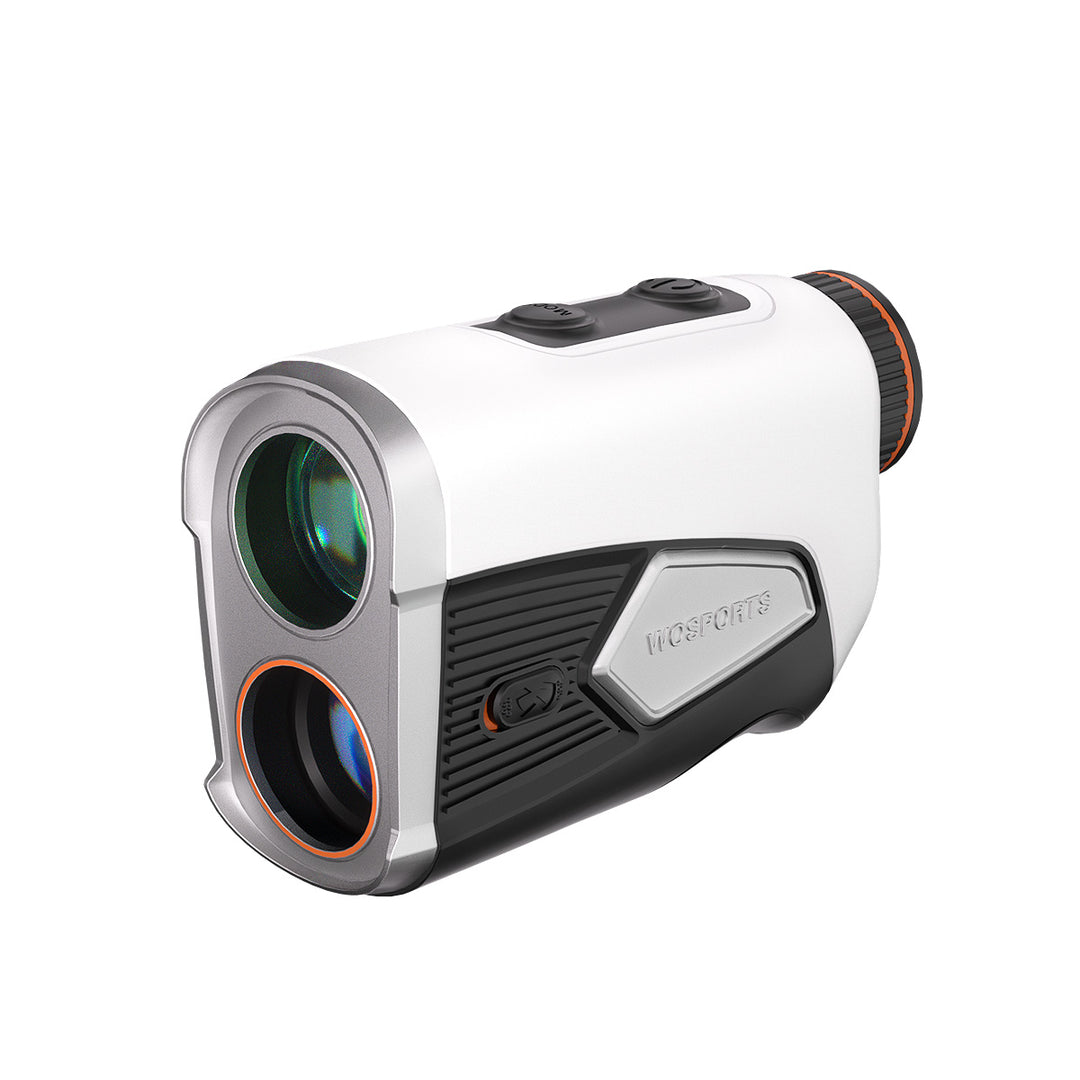
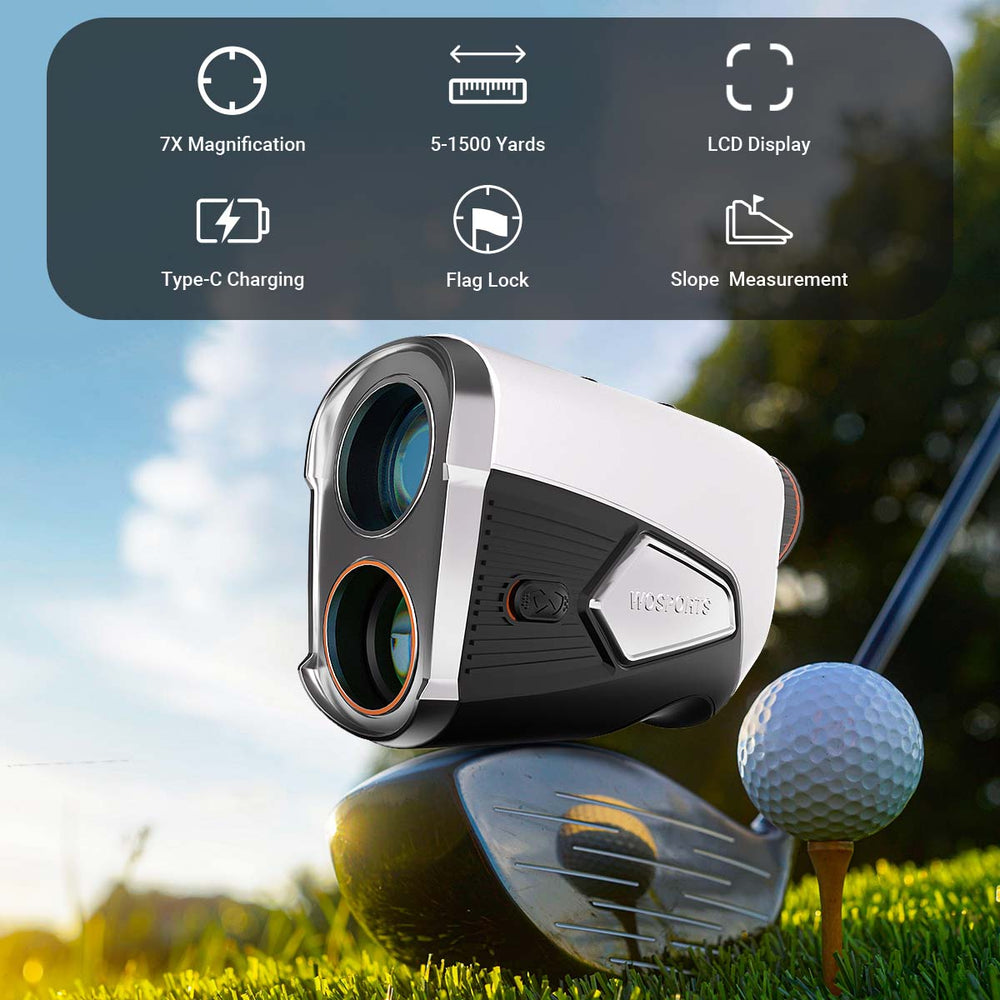
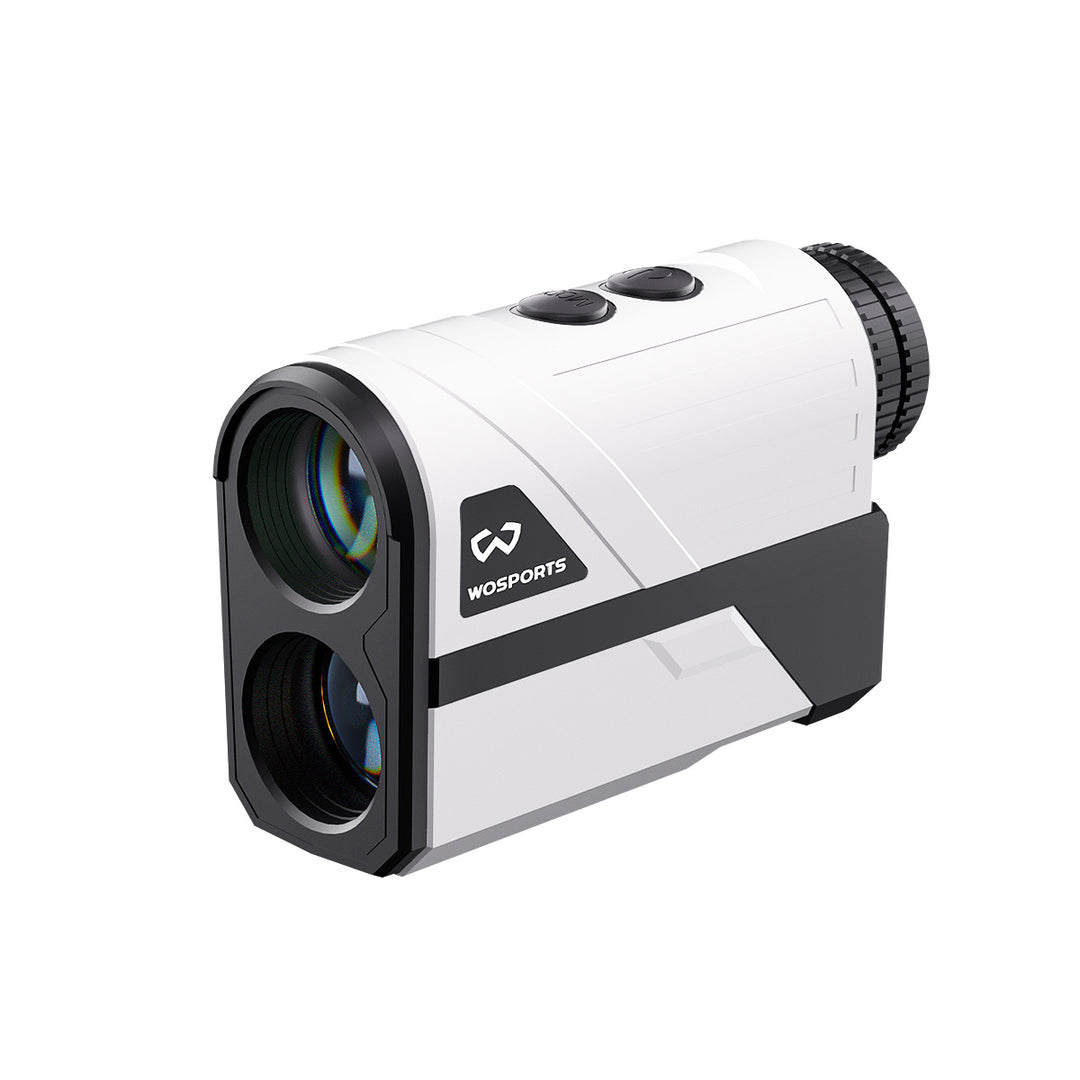
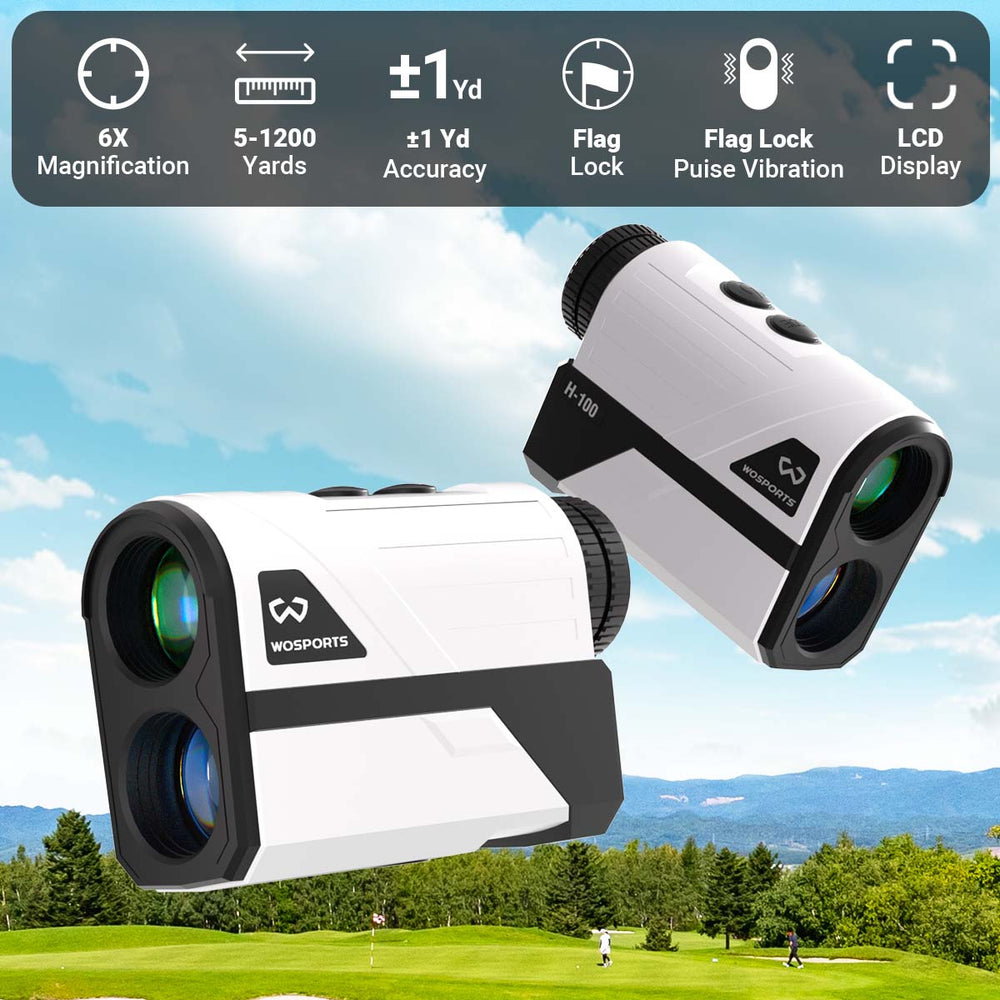
The WOSPORTS L16 Golf Rangefinder offers impressive performance for golfers who want precision without a premium price tag. Its Class-1 laser delivers distance measurements from 5 to 1200 yards with ±1 yard accuracy, helping reduce common measurement variability.
With 6X crystal-clear optics, you get a bright, sharp view even in mixed light conditions. The unit’s flag lock with vibration feedback gives tactile confirmation when you’ve locked onto the pin, reducing misreads from background clutter. A slope on/off switch lets you adjust for elevation changes when practicing, then instantly switch to tournament-legal mode for play.
Additional features like USB-C rechargeable battery, continuous scan mode, and multiple measurement modes make the L16 a versatile choice to boost your confidence and accuracy on every shot.
Search
Popular Posts
Recent Posts


Nov 28, 2024
Troubleshooting Common Trail Camera Issues
Jan 10, 2025
Why Does My Trail Camera Stop Working at Night?