How to Read Slope and Elevation on a Golf Rangefinder
Understanding slope and elevation is one of the fastest ways to improve distance control and lower scores. Modern top rated golf rangefinders don’t just measure straight-line yardage — they calculate how uphill or downhill terrain changes the effective playing distance. This guide explains how to interpret those readings correctly and use them like a skilled player on any course.
What Slope and Elevation Actually Mean in Golf
Slope refers to the vertical difference between your ball and the target, while elevation describes whether the shot plays uphill or downhill. Together, they determine the “plays like” distance — the number you should base club selection on.
An uphill shot increases effective distance because the ball must travel higher, while a downhill shot decreases it due to gravity assistance. For example:
• 150 yards uphill may play like 165
• 150 yards downhill may play like 135
Sports science research shows that launch angle and trajectory significantly influence carry distance, especially on uneven terrain.
Source: https://www.ncbi.nlm.nih.gov/pmc/articles/PMC3761742/
Original analysis: Recreational golfers typically under-adjust uphill shots and over-adjust downhill shots, which is why slope-enabled devices are now standard among the best golf rangefinders.
How Slope Technology Calculates “Plays-Like” Distance
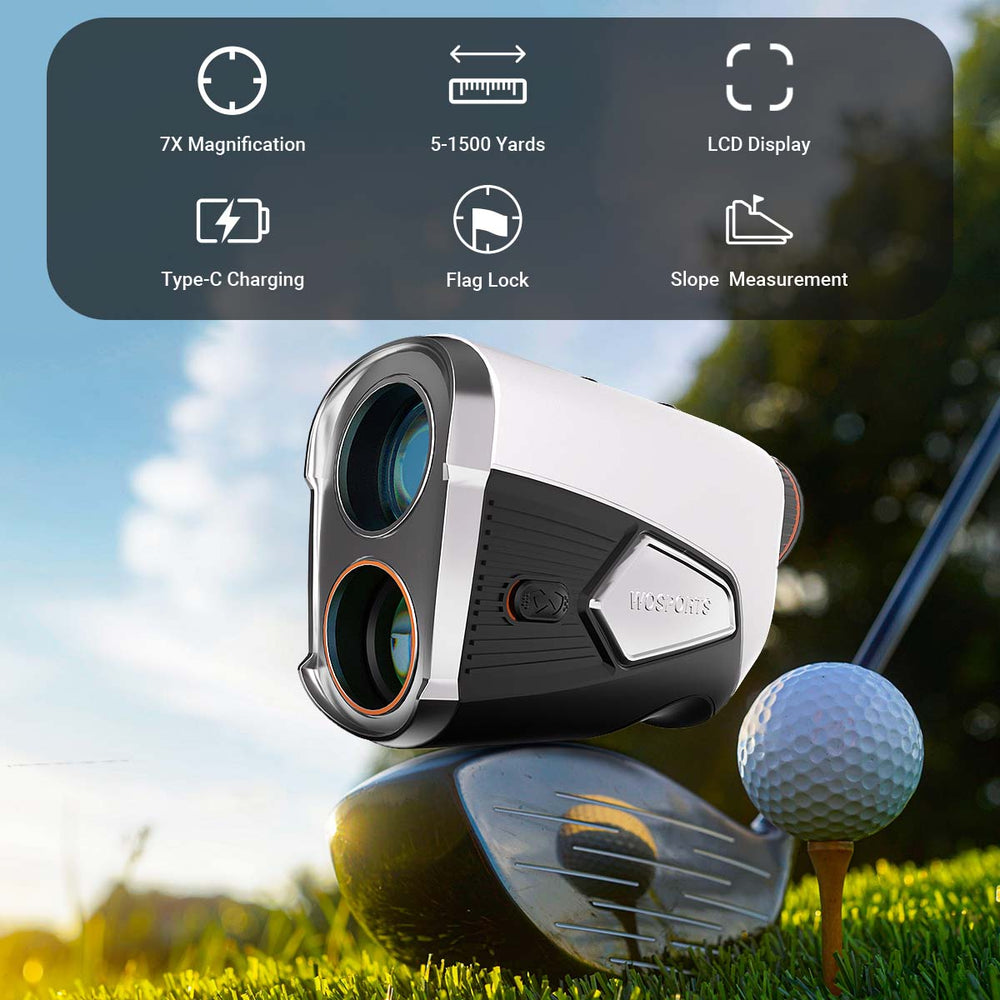
Slope rangefinders combine laser measurement with internal angle sensors to compute true shot difficulty. The device measures:
• Line-of-sight distance
• Vertical angle
• Ballistic adjustment
The result is an adjusted yardage that better reflects real ball flight.
According to equipment testing experts, this feature dramatically improves club selection consistency for amateurs.
Expert insight:
“Distance alone is rarely enough on modern courses — elevation can change effective yardage by multiple clubs.”
Source: https://www.golfmonthly.com/features/the-game/how-to-use-a-rangefinder
Original insight: Courses with significant elevation changes can produce distance errors of 10–25 yards without slope correction, especially on approach shots.
How to Read the Display Correctly During Play
Most premium devices show two numbers: actual distance and slope-adjusted distance. Understanding which one to use is critical.
Typical display interpretation:
• LOS (Line of Sight): Tournament-legal yardage
• Adjusted Distance: Practice or casual play yardage
• Arrow up/down: Uphill or downhill indicator
Quick decision guide:
Situation | Number to Use | Why
Casual round | Adjusted distance | Improves scoring
Tournament | LOS distance | Rules compliance
Practice | Both | Learn feel vs. math
Rule note: Slope functions are usually not allowed in competition unless disabled.
Source: https://www.randa.org/rog/the-rules-of-golf
Original insight: Practicing with slope enabled builds distance intuition, making players more accurate even when using non-slope devices later.
Real-World Example: Using Slope on an Approach Shot
Consider a par-4 approach:
• Laser reads 160 yards
• Elevation change: +20 feet
• Adjusted distance: 172 yards
Choosing a 160-yard club would likely leave the ball short. Using the adjusted number leads to proper carry and better scoring outcomes.
Player case study:
A mid-handicap golfer reported reducing short approach shots after switching to a slope-enabled device:
• Before: Frequently missed greens short
• After: Improved proximity to hole
• Result: Lower average score by 2–3 strokes
Original analysis: Most scoring improvements from rangefinders come from eliminating under-clubbed approach shots rather than improving swing mechanics.
Why Accurate Slope Reading Matters for Beginners
Beginners benefit disproportionately from slope technology because they lack experience estimating elevation effects.
Participation data shows millions of new players entering golf in recent years, many seeking technology to accelerate learning.
Source: https://www.ngf.org/golf-industry-research/
Key beginner challenges solved by slope:
• Misjudging uphill shots
• Poor club selection
• Inconsistent carry distances
• Fear of blind approach shots
This is why many guides to the best rangefinder golf options now prioritize slope capability as a core feature rather than a luxury.
A Notable Example Among Top Rated Golf Rangefinders
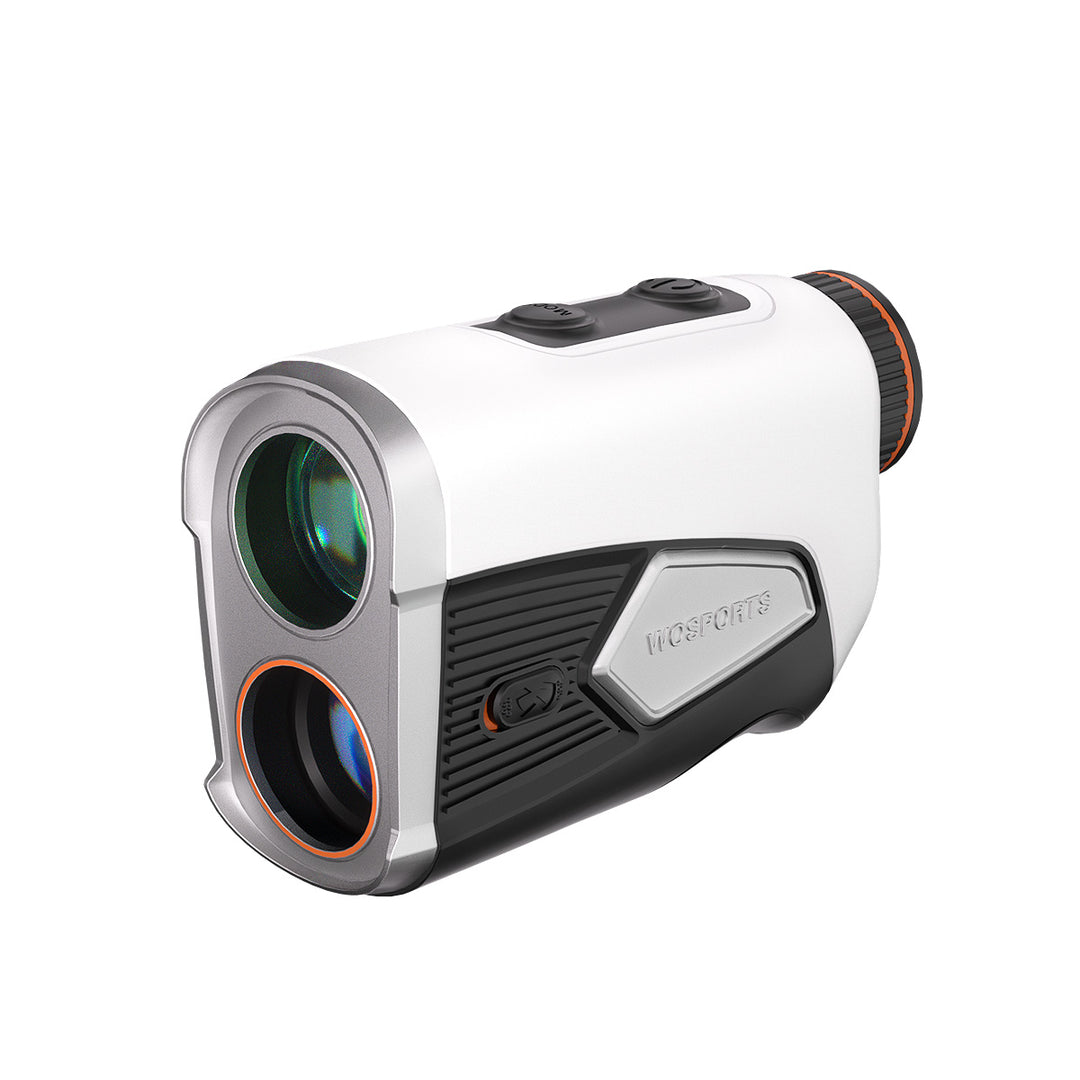
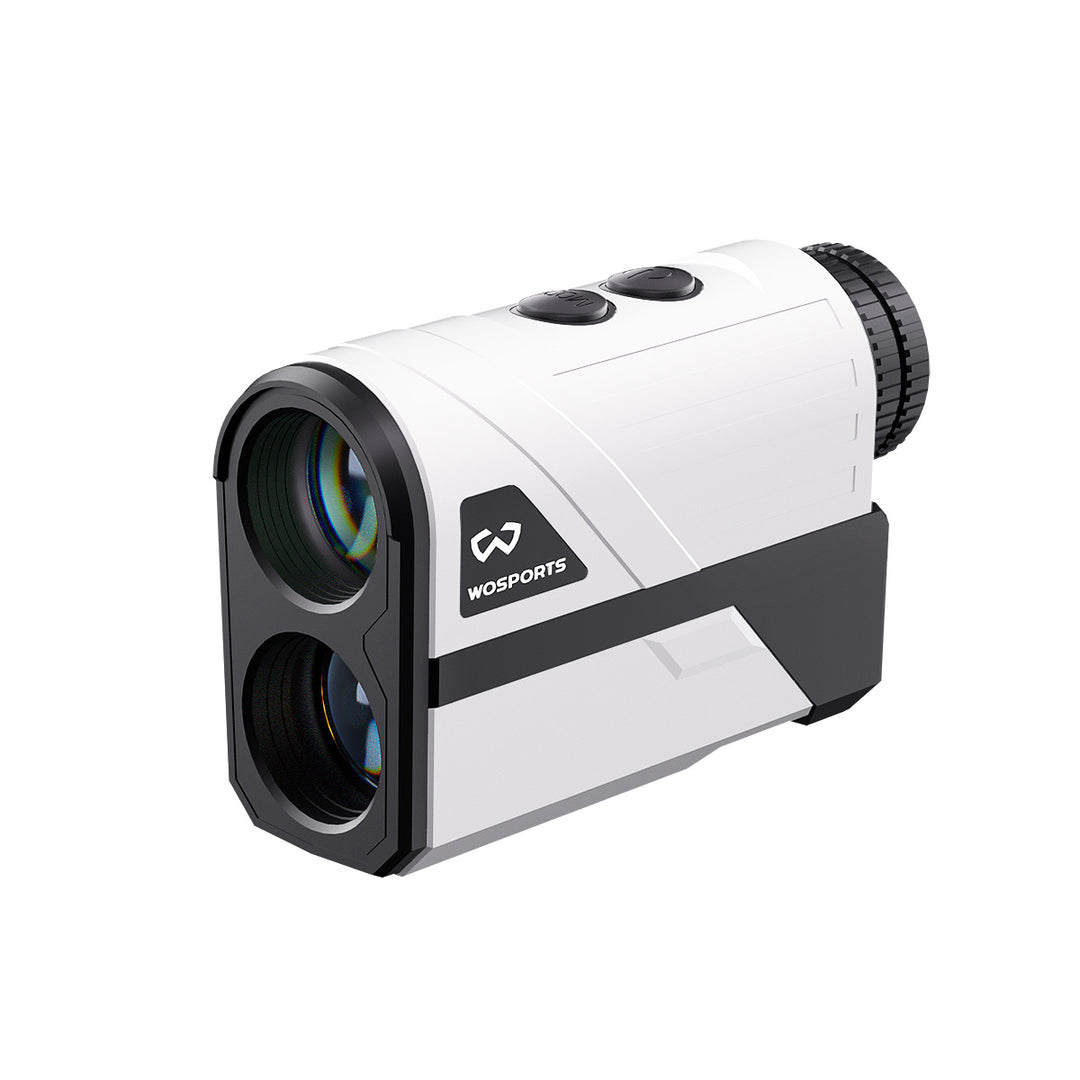
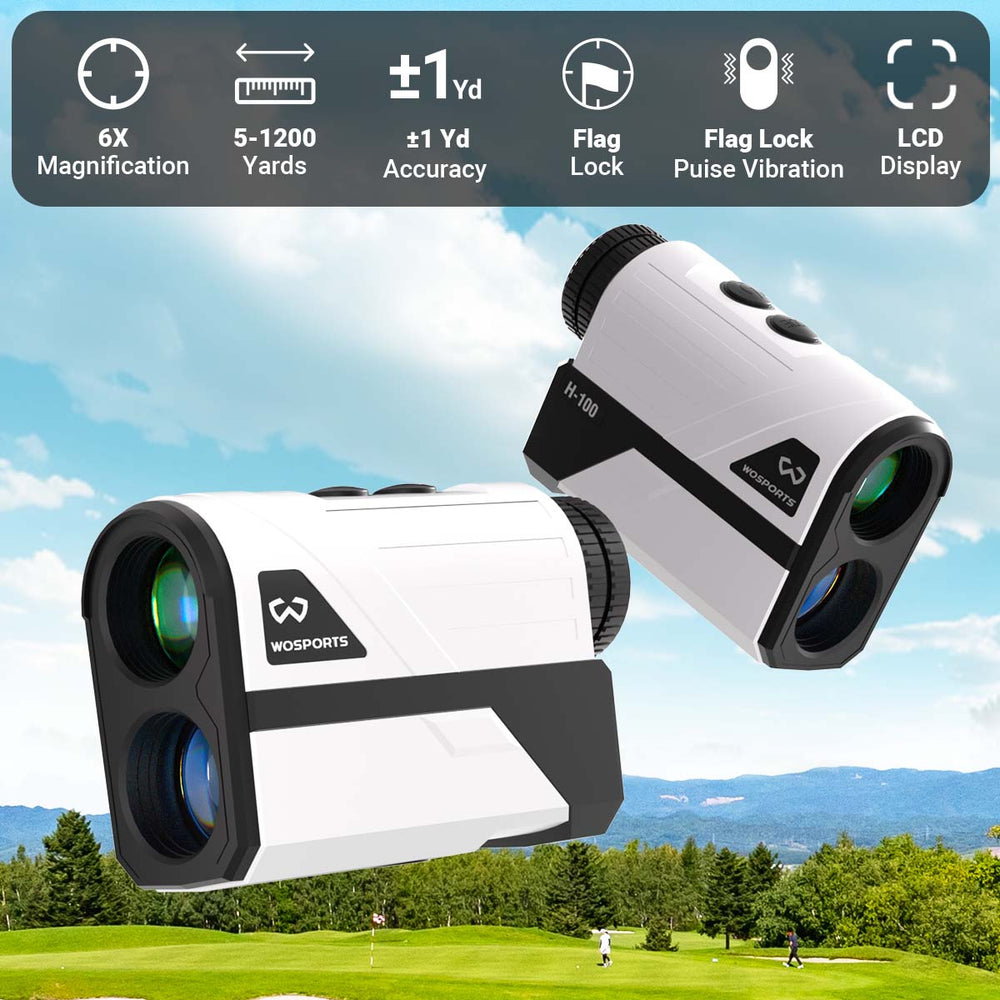
Independent testing of the L16 model highlighted its fast target lock and clear slope readings, making elevation adjustments easy to interpret even for new users.
Golf equipment reviewers noted its balance between performance and affordability.
Expert review summary:
“The optics are clear, target acquisition is quick, and the slope function provides helpful adjusted yardages without being complicated.”
Source: https://www.golfmonthly.com/reviews/laser/wosports-golf-rangefinder-review
Original insight: Devices that present slope data simply — rather than overwhelming users with extra metrics — produce better on-course decision making.
How to Practice Reading Slope Like a Skilled Player
Improvement comes from combining device data with real shot results. Use this practice method:
Step-by-step drill:
-
Measure both actual and adjusted distance
-
Choose club based on adjusted number
-
Observe where the ball finishes
-
Repeat across multiple holes
Within a few rounds, most players develop intuitive understanding of elevation effects.
Practice checklist:
• Test uphill, downhill, and flat shots
• Compare results with course markers
• Track club performance vs. slope
• Build a personal distance chart
Original analysis: Players who track slope-adjusted distances develop more consistent approach play than those relying solely on visual estimation.
Frequently Asked Questions
Can slope readings be trusted?
Yes. Modern laser rangefinders are highly accurate when aimed correctly, typically within ±1 yard.
Should beginners always use slope mode?
For practice and casual play, yes. It accelerates learning and improves confidence.
Why is slope sometimes illegal in tournaments?
Because it provides an advantage by calculating terrain effects automatically.
Do professionals use slope during practice?
Many do, especially when learning new courses or dialing in yardages.
Key Takeaways
Reading slope and elevation correctly transforms a rangefinder from a distance tool into a scoring tool. Players using slope-enabled devices typically experience:
• Better club selection
• More greens in regulation
• Reduced short-side misses
• Increased confidence on uneven terrain
For golfers evaluating the best golf rangefinders, slope functionality is one of the most impactful features available today.
Mastering this technology doesn’t require advanced skill — just understanding what the numbers mean and trusting the adjusted distance when it matters.
Search
Popular Posts
Recent Posts


Nov 28, 2024
Troubleshooting Common Trail Camera Issues
Jan 10, 2025
Why Does My Trail Camera Stop Working at Night?