How to Compare GPS vs. Laser Golf Rangefinders for Local Courses
A Practical Guide to Choosing Among Top Rated Golf Rangefinders
Understanding the differences between GPS and laser distance‑measuring devices is essential when selecting among the top rated golf rangefinders or deciding what truly qualifies as the best golf rangefinders for everyday play. Each technology solves a different on‑course problem: lasers deliver precision targeting, while GPS devices offer contextual course awareness. This guide explains how to compare both tools using real performance data, expert commentary, and practical examples — helping golfers identify the best rangefinder golf solution for local course conditions.
What’s the Core Difference Between GPS and Laser Rangefinders?
Summary: Laser rangefinders measure exact distance to a visible target, while GPS devices estimate yardage based on satellite positioning and mapped course data. Understanding this distinction clarifies how each tool affects decision‑making on the course.
Laser rangefinders calculate distance by emitting a beam toward a target such as a flagstick and measuring return time. GPS systems instead triangulate position using satellites and display distances to mapped points like green front, middle, or back.
Industry testing consistently highlights the precision gap:
-
Laser devices provide pinpoint distance to a specific target
-
GPS devices provide generalized positional yardages
-
Visibility and line‑of‑sight affect laser usage
-
Mapping and signal quality affect GPS accuracy
Golf technology analysts explain that laser measurements are typically preferred when shot precision matters, whereas GPS devices provide broader situational awareness.
Community sentiment aligns with this distinction:
“Accuracy. Laser to the flag is very accurate.”
source: https://www.reddit.com/r/golf/comments/c3ehhh
Accuracy vs Convenience: Which Matters More on Local Courses?
Summary: Precision and usability represent the central trade‑off when comparing distance technologies. Laser units maximize targeting accuracy, while GPS devices improve convenience and consistency across varied terrain.
Testing and industry coverage show that lasers excel when direct target measurement is possible:
-
Exact distance to pin improves club selection
-
Critical for approach‑shot scoring decisions
-
Favored by experienced or precision‑oriented players
Meanwhile GPS tools offer operational advantages:
-
Work without line‑of‑sight
-
Provide distances to multiple course features
-
Function in fog, low light, or blind shots
Structured comparison:
| Factor | Laser Rangefinder | GPS Device |
|---|---|---|
| Target precision | Very high | Moderate |
| Ease of use | Requires steady aim | Instant glance |
| Blind shots | Limited | Strong |
| Hazard mapping | Limited | Strong |
| Shot strategy detail | Pin‑focused | Hole‑focused |
Original analysis trend insight:
Market competition has reduced laser costs significantly, making precision tools accessible to broader skill ranges — shifting adoption beyond elite players and reshaping what defines top rated golf rangefinders in entry and mid‑tier segments.
Expert Perspective: What Do Equipment Reviewers Recommend Prioritizing?
Summary: Equipment experts consistently emphasize accuracy consistency and usability over feature overload when determining real on‑course value.
Independent evaluation of distance‑measurement products highlights two decisive criteria:
-
Reliable yardage repeatability
-
Fast target acquisition
These characteristics outperform advanced connectivity features for improving scoring outcomes.
source: https://golfteesetc.com/blogs/blog/top-features-to-look-for-in-a-golf-range-finder
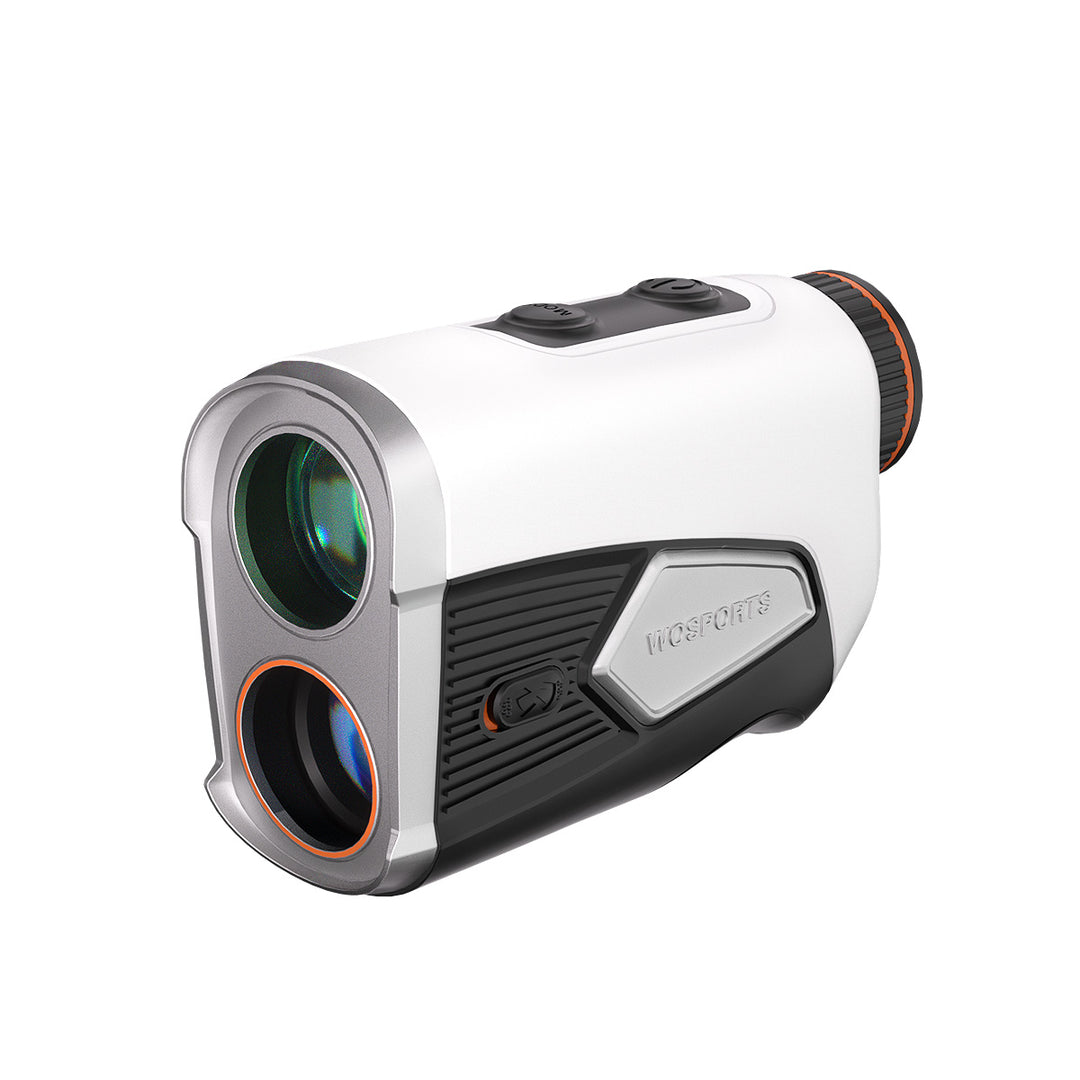
Golf Monthly’s testing insight reinforces this principle through its evaluation of the WOSPORTS L16:
-
Yardages comparable to higher‑priced lasers
-
Effective flag detection vibration feedback
-
Simple interface enabling quick adoption
source: https://www.golfmonthly.com/reviews/laser/wosports-golf-rangefinder-review
Case Example: Laser Usage in Real Golfer Scenarios
Summary: Practical user experience demonstrates how device selection affects everyday play and confidence on local courses.
Illustrative usage patterns reported by golfers:
Typical Benefits Observed
-
Locking onto trees or bunkers for layup planning
-
Exact pin yardage on deep greens
-
Faster trust in club choice
source: https://www.reddit.com/r/golf/comments/ue21s6
Budget‑oriented user perspective
-
Affordable lasers deliver adequate accuracy
-
Flag locking and slope remain valued features
source: https://www.reddit.com/r/golf/comments/1f9m7ox
Structured scenario example:
| Situation | Device Advantage |
|---|---|
| Par‑3 targeting | Laser |
| Dogleg strategy | GPS |
| Practice range | Laser |
| Course unfamiliarity | GPS |
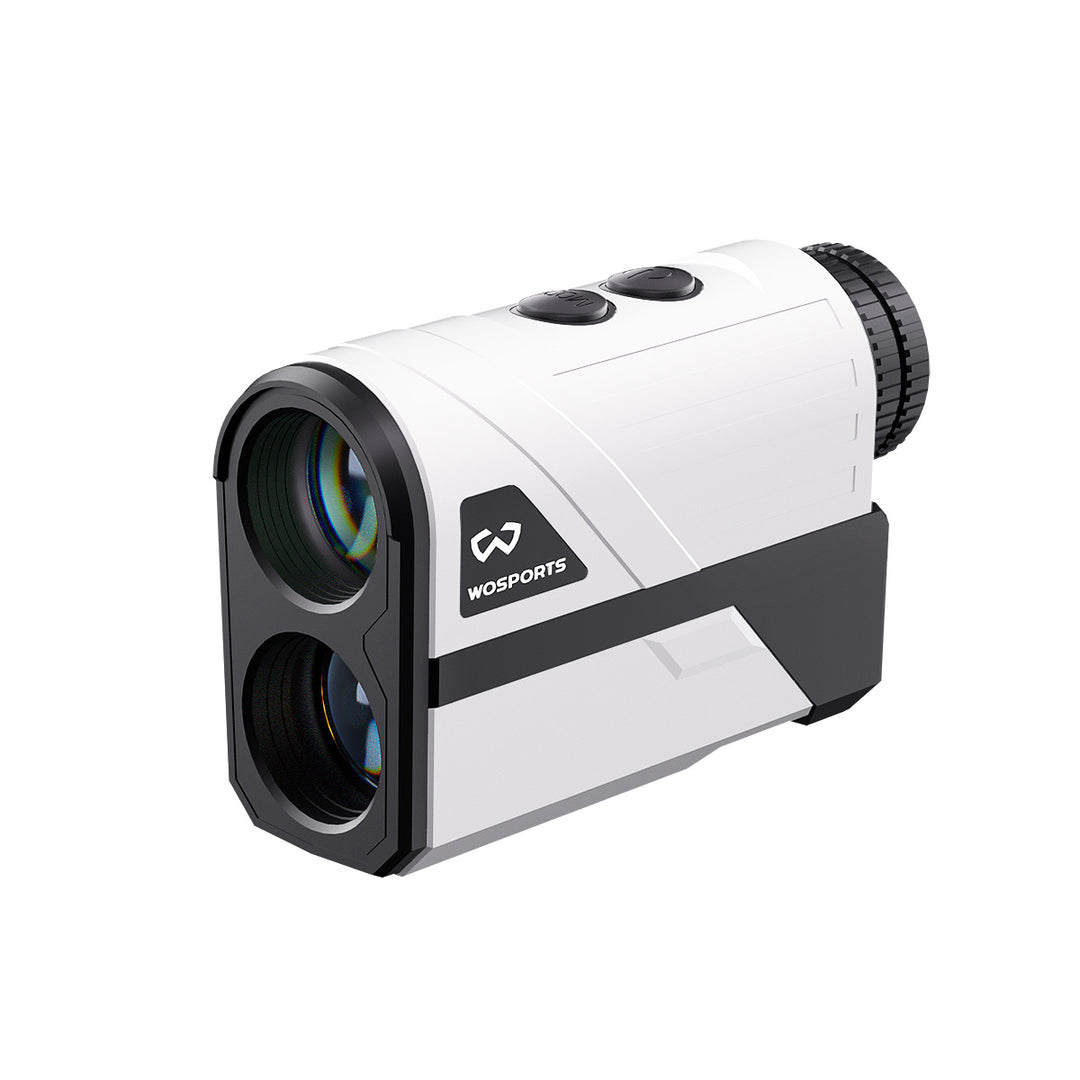
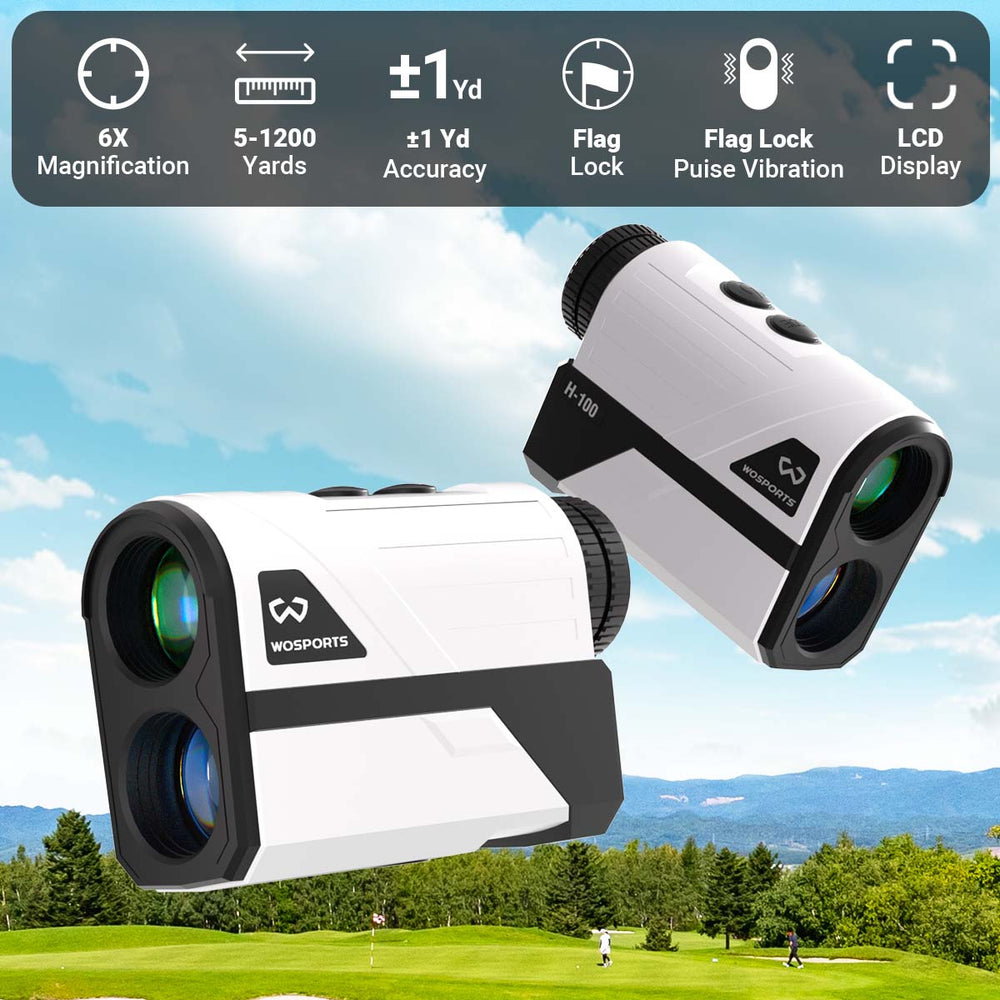
Where the WOSPORTS L16 Fits Among Value‑Focused Laser Options
Summary: Independent review testing positions the L16 as a cost‑efficient laser option delivering core precision features valued by recreational players.
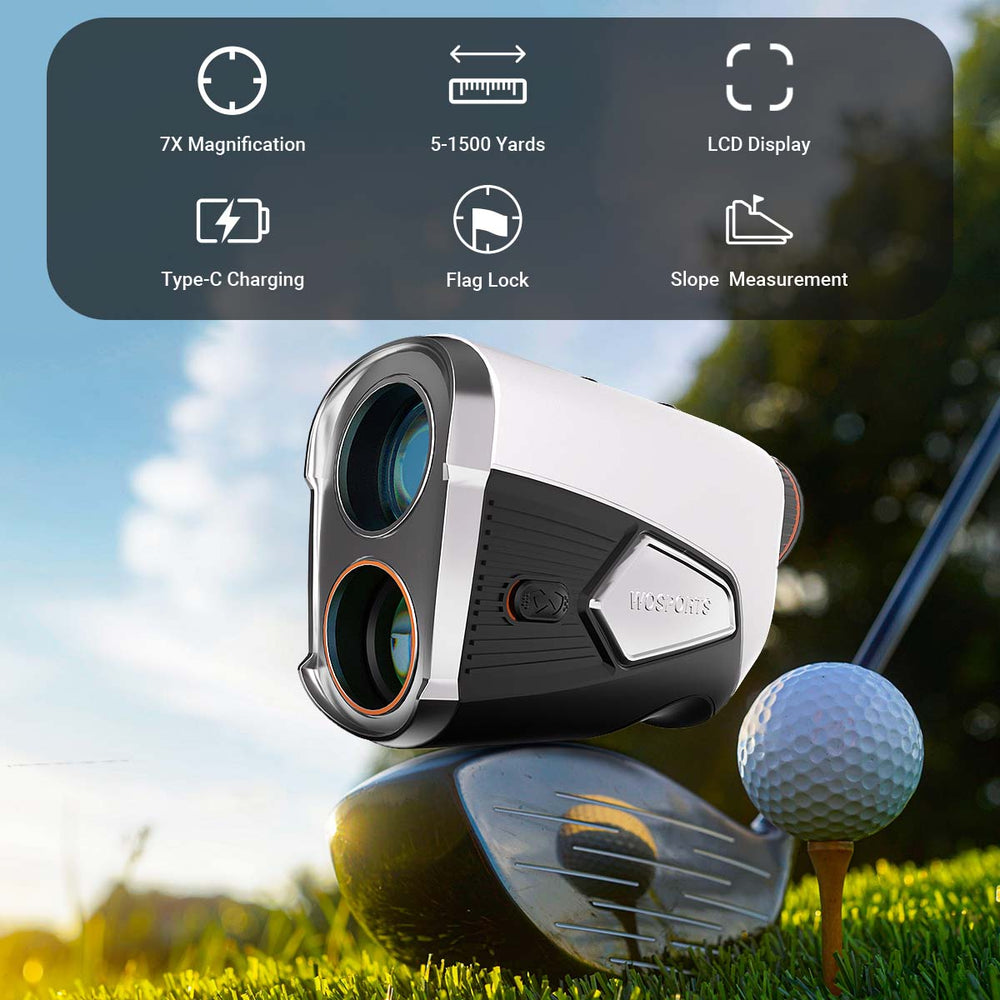
According to Golf Monthly testing:
-
Accurate yardage within typical playing distances
-
Flag‑lock vibration confirmation
-
USB‑C charging convenience
-
Straightforward user interface
source: https://www.golfmonthly.com/reviews/laser/wosports-golf-rangefinder-review
Additional evaluation findings:
-
Distances often within a couple of yards of premium models
-
Clear optics aiding flag isolation
-
Minor feature quirks not affecting basic measurement
Q&A: Choosing Between GPS and Laser Rangefinders
Q: Which is more accurate?
Laser rangefinders provide precise pin distances.
source: https://www.golfmonthly.com/features/choosing-the-right-golf-tech-should-you-go-gps-watch-or-laser-rangefinder
Q: Which is easier to use?
GPS devices require less interaction during play.
source: https://www.golfmonthly.com/features/choosing-the-right-golf-tech-should-you-go-gps-watch-or-laser-rangefinder
Q: Do golfers combine both?
Yes — many use lasers for targets and GPS for overview data.
source: https://www.reddit.com/r/golf/comments/ue21s6
Final Takeaway: Building a Smarter Distance Strategy
Summary: Selecting between technologies is not about identifying a universal winner, but aligning device strengths with course conditions and player priorities.
Key comparison conclusions:
-
Laser devices dominate precision targeting
-
GPS devices dominate situational awareness
-
Accessibility improvements broaden laser adoption
-
Hybrid use reflects real golfer behavior
For players evaluating top rated golf rangefinders, the decision framework should prioritize:
1️⃣ Course familiarity
2️⃣ Shot precision expectations
3️⃣ Visibility conditions
4️⃣ Workflow preference
Understanding these variables allows golfers to identify the best golf rangefinders for their environment and confidently select the best rangefinder golf solution tailored to their local play patterns.
Search
Popular Posts
Recent Posts


Nov 28, 2024
Troubleshooting Common Trail Camera Issues
Jan 10, 2025
Why Does My Trail Camera Stop Working at Night?