Infrared LED Count vs. Illumination Distance: Why 32 LEDs Matter More Than You Think
When shopping for a trail camera, many people glance at resolution, trigger speed, or storage capacity — but one often overlooked specification can make all the difference for nighttime photos and videos: the number of infrared (IR) LEDs. It turns out that having 32 (or more) LEDs is sometimes far more important than you’d expect.
Why Infrared LED Count Matters
-
IR LEDs = your “invisible flashlight.” At night, cameras equipped with IR LEDs cast infrared light (in the near-infrared spectrum) to illuminate the scene. The camera’s sensor (CCD / CMOS) can “see” that IR light even when human eyes cannot.
-
More LEDs → stronger, farther illumination. The number of infrared LEDs directly correlates with how far and how clearly the camera can light up its field of view at night. More LEDs generally mean a longer effective “flash” distance. Better coverage & reliability in challenging conditions. Dense forests, open fields, or large perimeters demand powerful, far-reaching night illumination. In those scenarios, a camera with only a handful of IR LEDs may result in dark or grainy images — making it easy to miss wildlife or intruders altogether.
850 nm vs 940 nm — Not All IR is Equal
When evaluating night vision cameras, the wavelength of the IR LEDs also plays a big role. Two common types are 850 nm (“low-glow”) and 940 nm (“no-glow”).
-
850 nm IR (low-glow): Produces a faint red glow when LEDs activate, but generally provides stronger, brighter illumination and greater range — preferred when image clarity and distance matter.
-
940 nm IR (no-glow): Invisible to humans and most animals, making it stealthier — ideal for discreet wildlife monitoring — but often with shorter effective range and lower brightness.
That trade-off means if your priority is capturing clear images across a larger area (e.g. open trail, wide field, large property), a higher LED count with 850 nm IR may outperform a no-glow setup.
Why 32 LEDs (or more) Are a Game-Changer
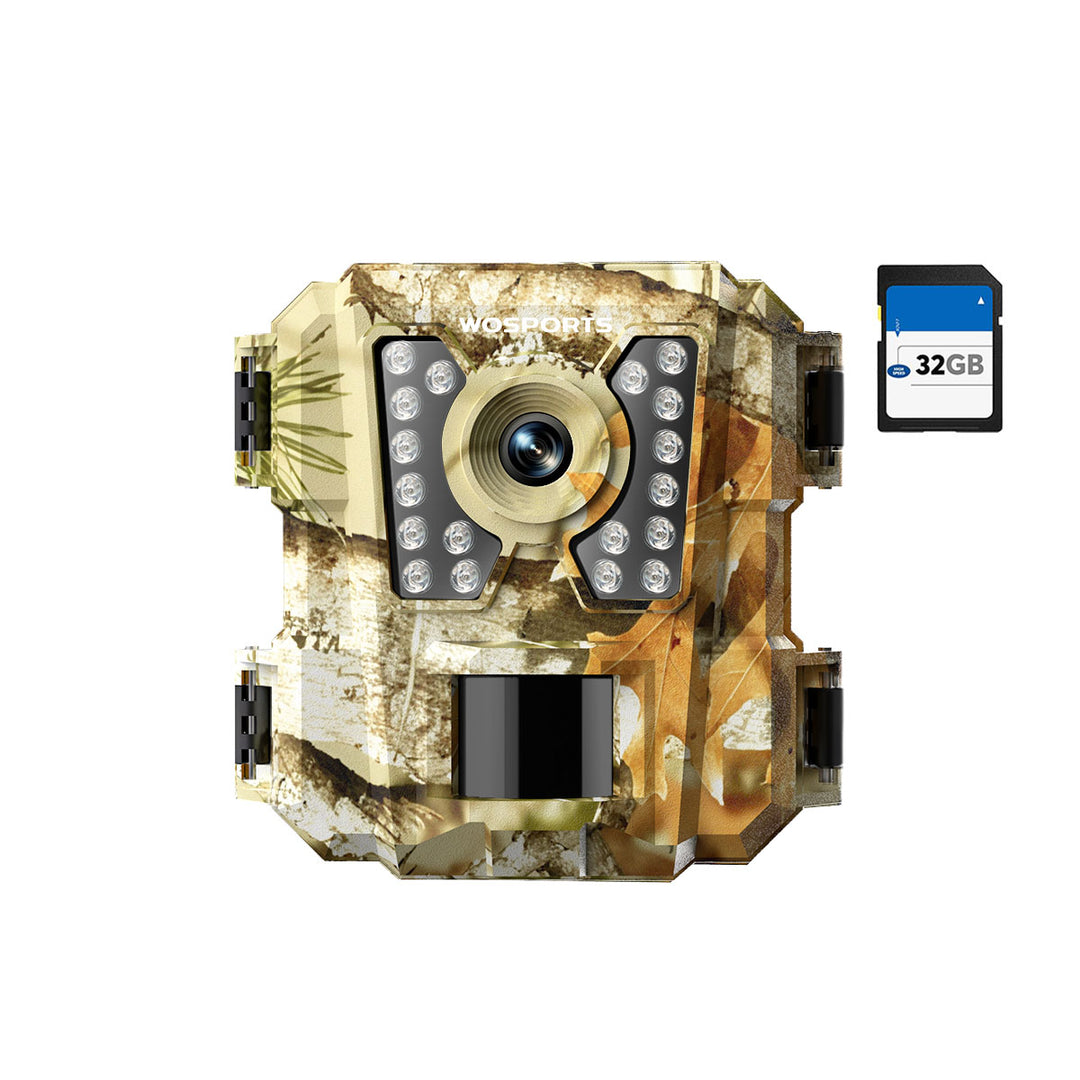
Many entry-level trail cameras stick with 8–16 IR LEDs — enough for close-range shots in a small garden or feeding spot, but often insufficient for wide-range, reliable nighttime coverage.
By contrast, a 32-LED setup (especially paired with an efficient 850 nm IR design) offers:
-
Longer illumination distance and better image brightness.
-
More uniform and consistent lighting across the frame, reducing dark corners or underexposed areas.
-
Greater reliability in real-world field conditions — from backyard surveillance to deep-woods wildlife monitoring.
Enter the G600: Real-World Performance Meets Smart Design
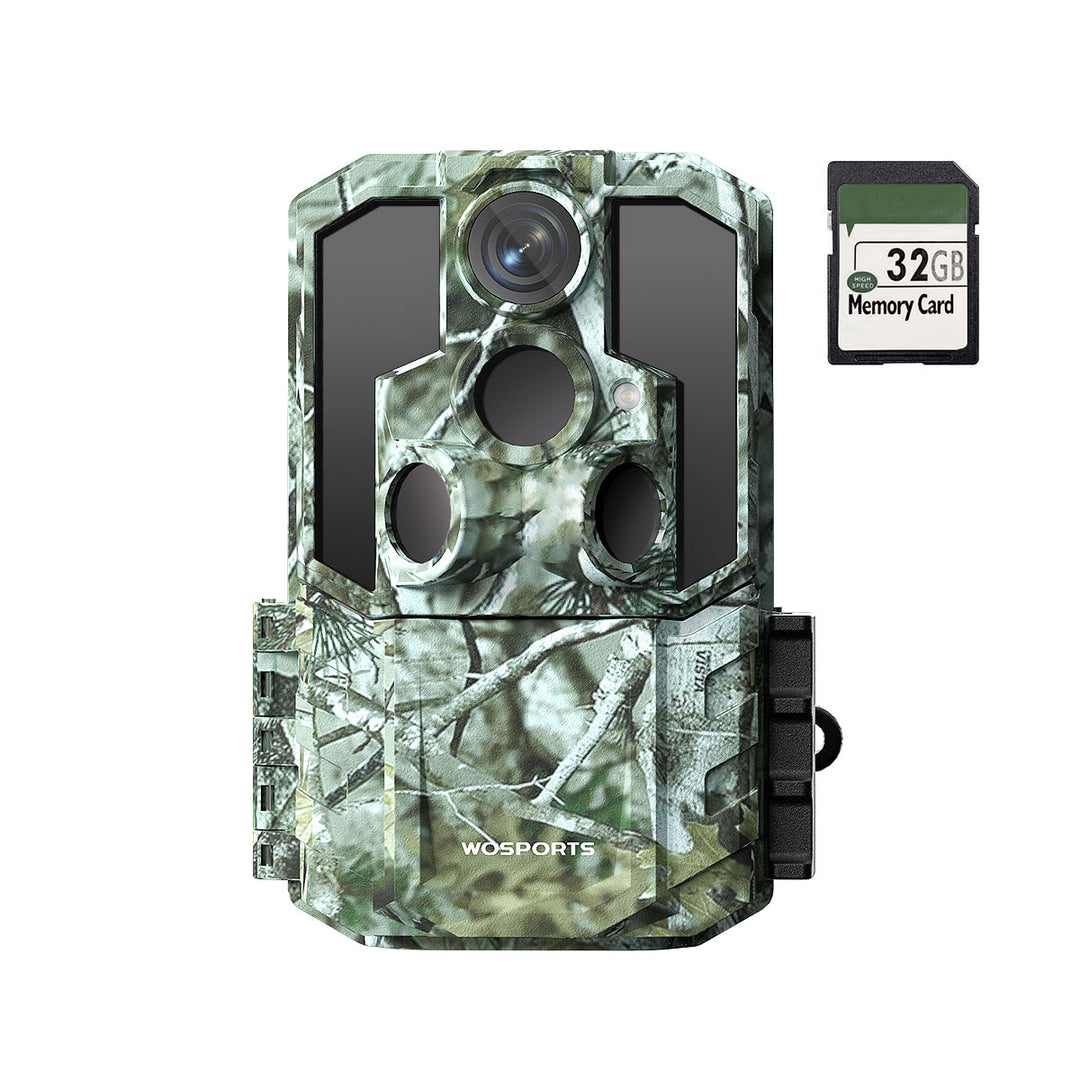
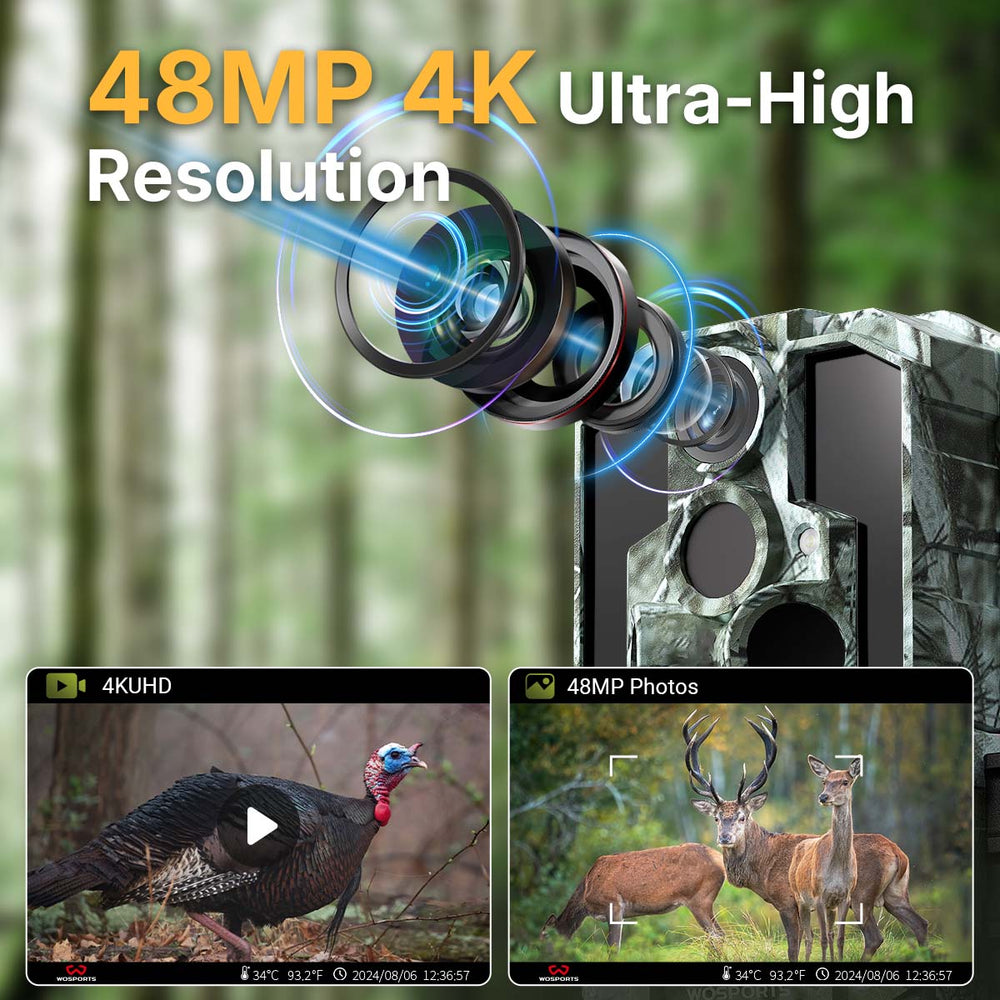
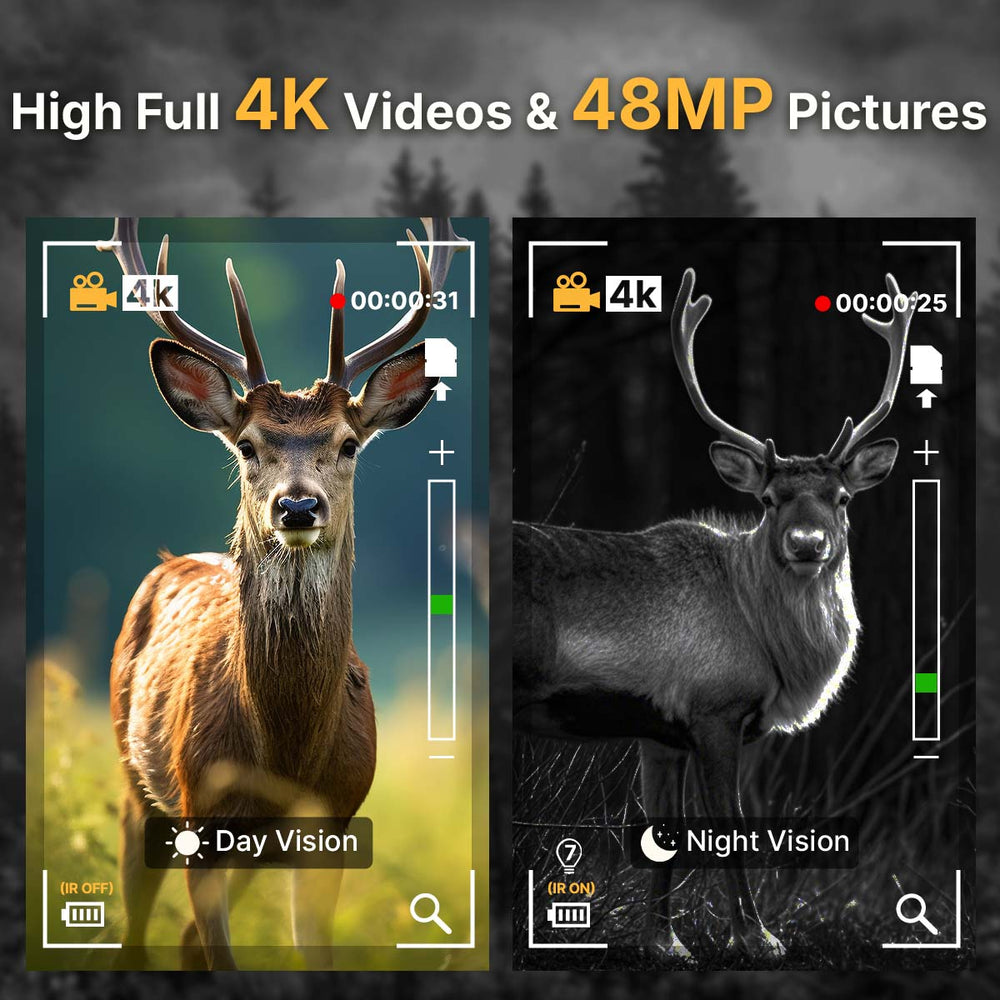
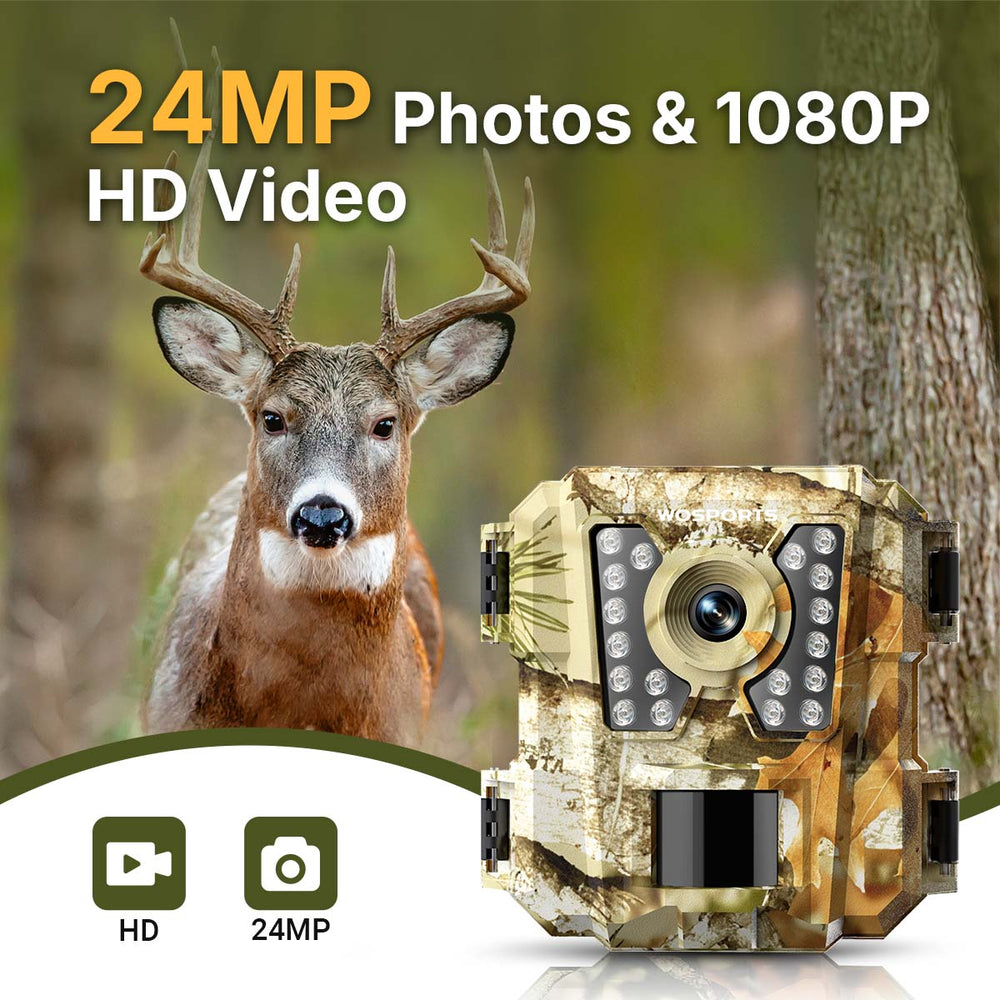
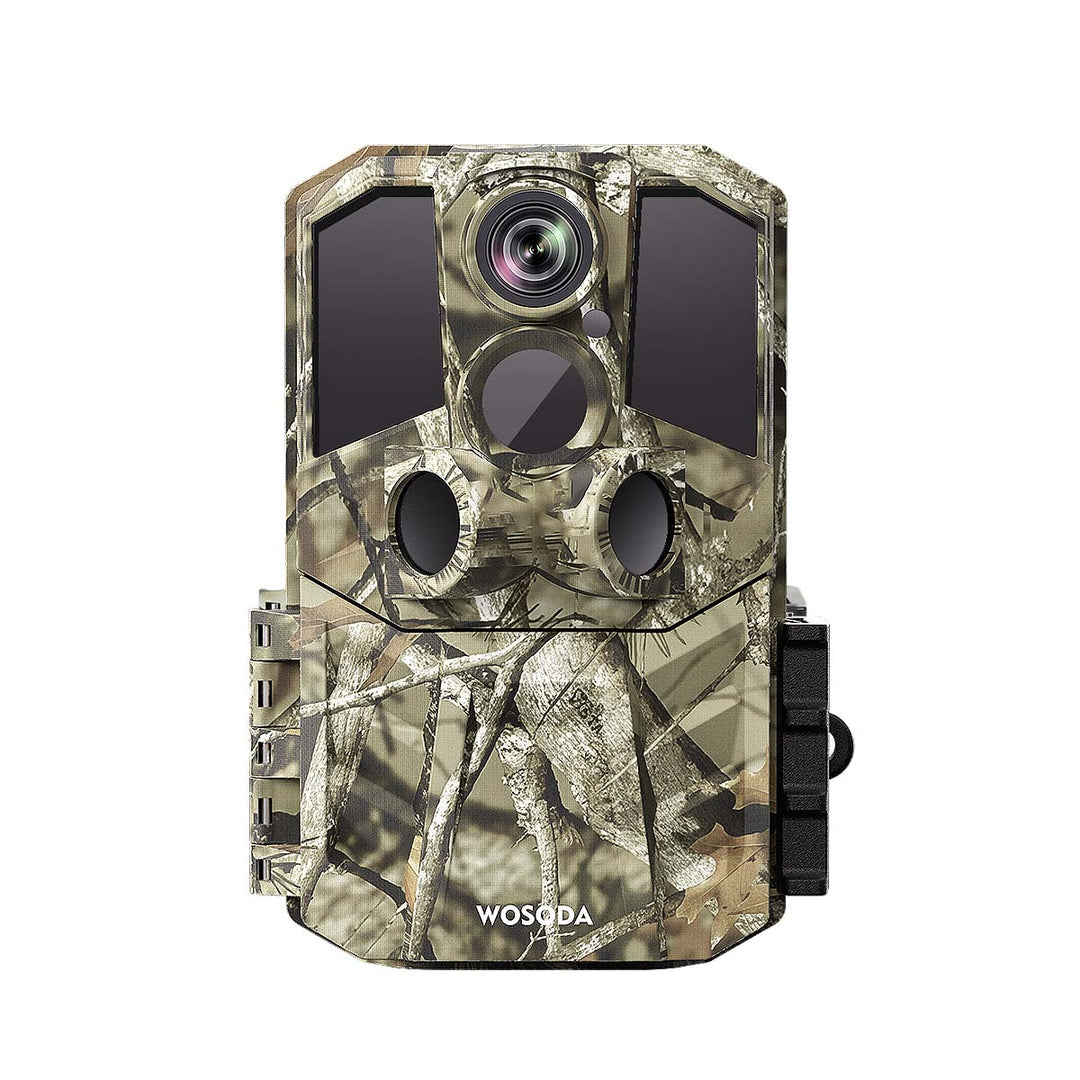
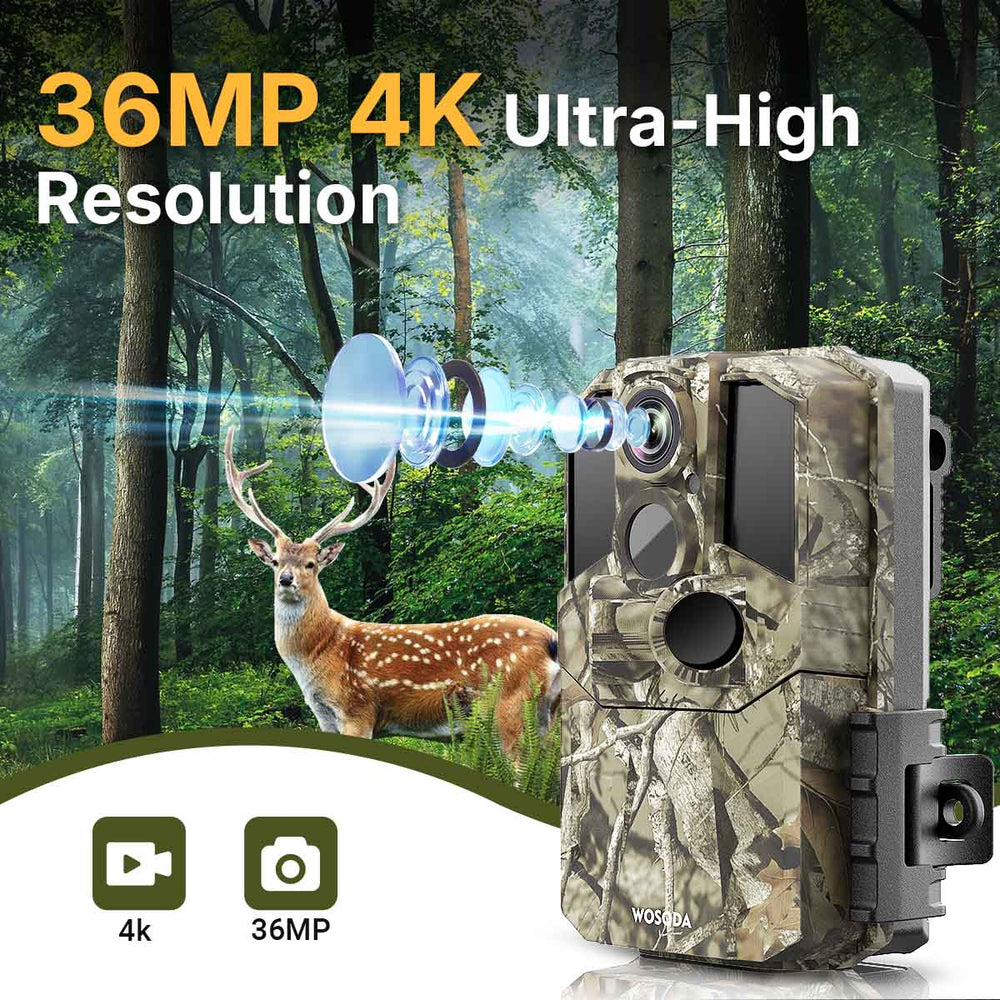
The WOSPORTS G600 Trail Camera brings these principles together. As a 4K outdoor wildlife camera, its night-vision capability benefits from a robust IR illumination system — meaning you’re not just getting high-resolution video, but also dependably bright, long-distance IR coverage when light conditions drop.
For those who want a single camera that works equally well for backyard watch, trail monitoring, or remote wildlife observation — especially at night — the G600’s combination of resolution + infrared LED strength makes it a highly compelling choice.

Conclusion: Next time you’re choosing a trail camera, don’t ignore the IR specs. A 32-LED infrared system can dramatically improve night-time coverage and photo/video quality — sometimes far more than bumping up megapixels or video resolution. If you’re looking for a camera that won’t let you down when the sun sets, something like the G600 ensures you stay covered.
Search
Popular Posts
Recent Posts


Nov 28, 2024
Troubleshooting Common Trail Camera Issues
Jan 10, 2025
Why Does My Trail Camera Stop Working at Night?