What Is Rangefinder Magnification, Why It Matters, and How to Build It Into Your Daily Practice
When golfers compare rangefinders, they often focus on accuracy or slope mode—but magnification is another key feature that directly affects how confidently and quickly you play. Understanding what magnification is, why it matters, and how to use a rangefinder in daily practice can make a real difference in your performance on the course.
What Is Rangefinder Magnification?
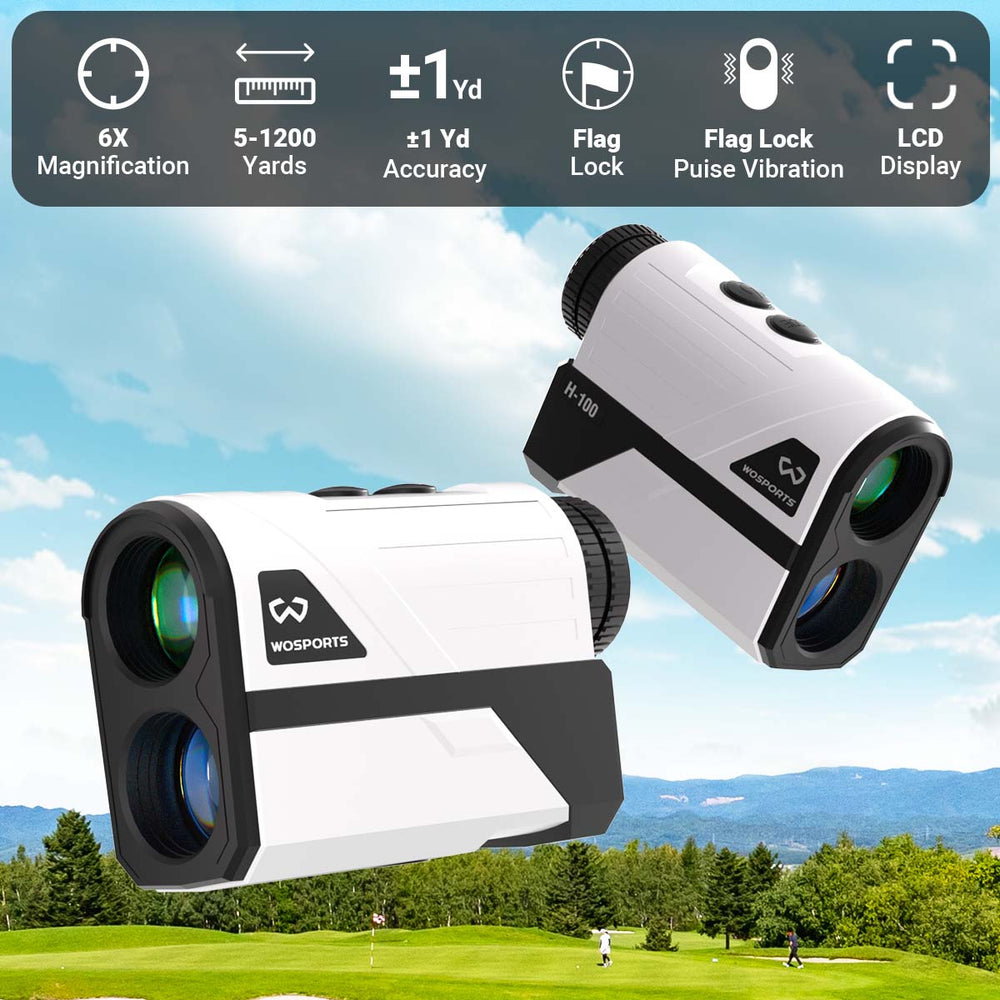
Magnification refers to how much closer a target appears when viewed through the rangefinder. For example, a 6x magnification means the target looks six times closer than it does with the naked eye. This helps you lock onto flags, bunkers, or tree lines more easily—especially on long approach shots or par 3s.
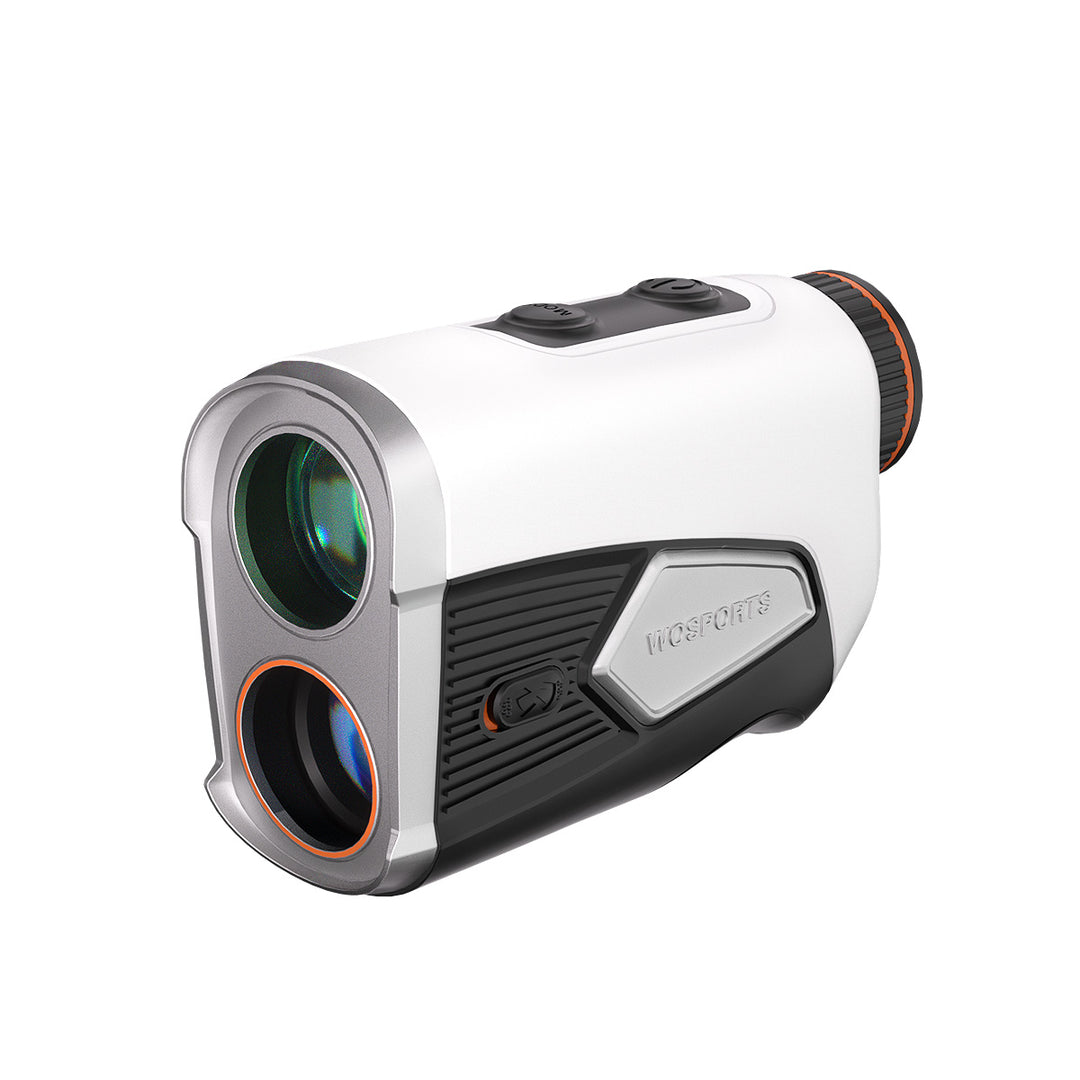
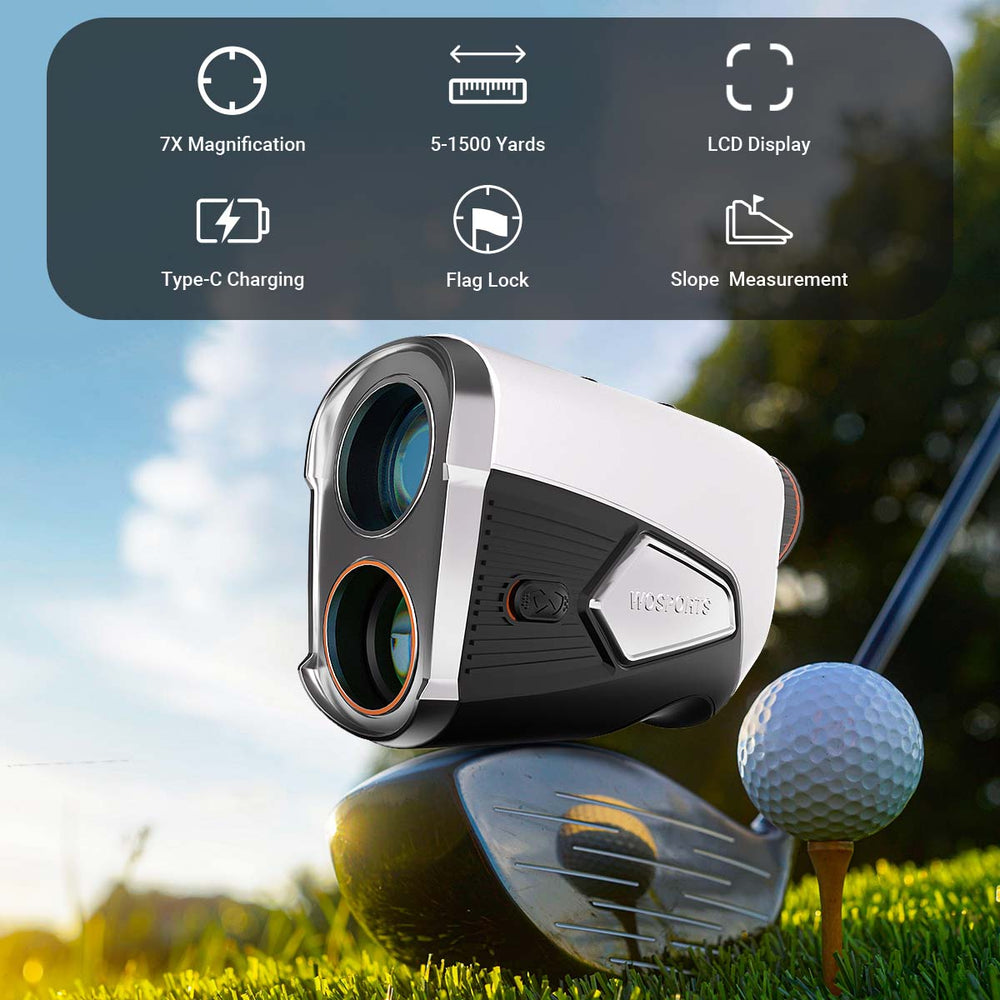
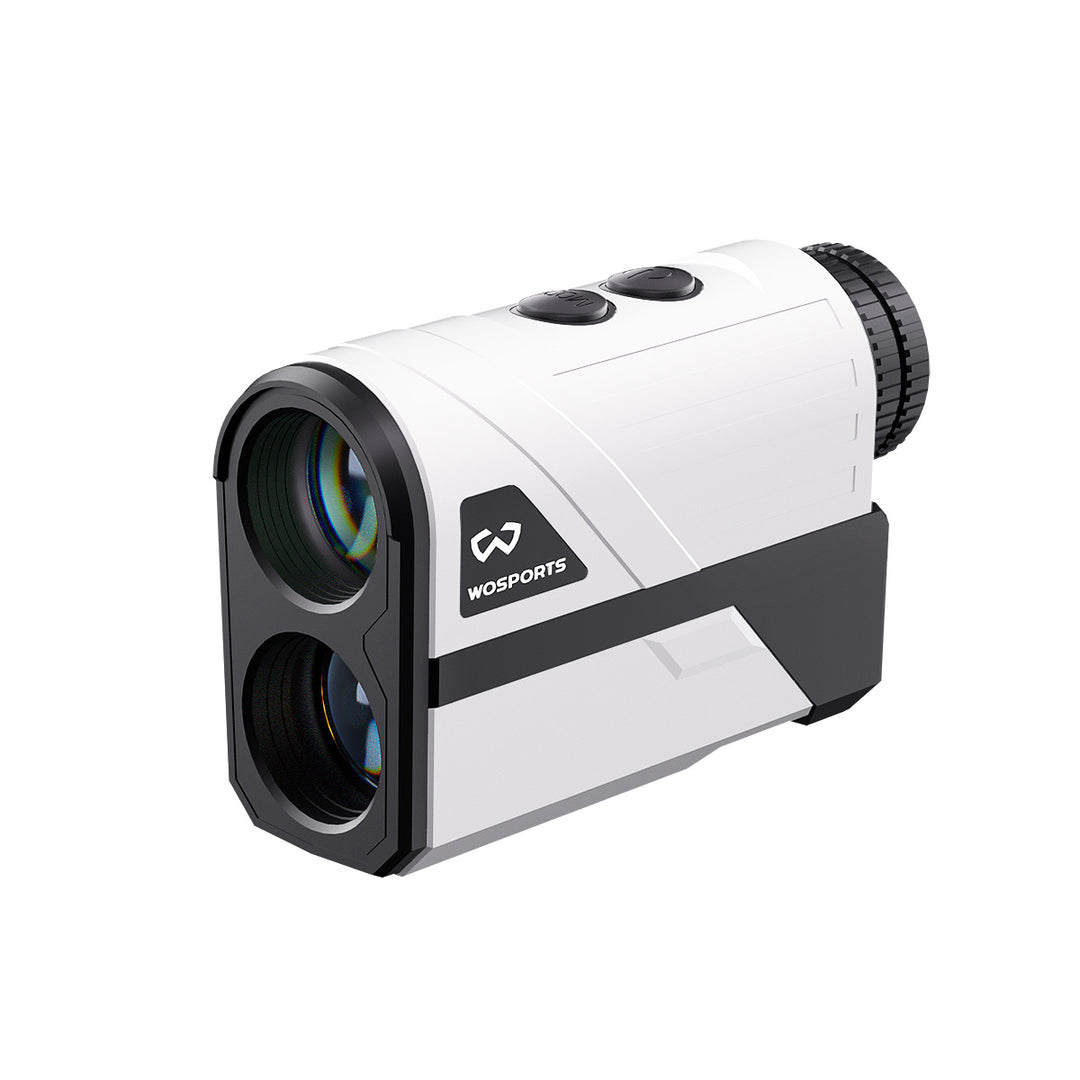
The WOSPORTS L16 Golf Rangefinder features 6x magnification, striking a strong balance between clarity and stability. Higher magnification isn’t always better—too much zoom can make the image shaky—so 6x is widely considered the sweet spot for golfers.
Why Magnification Matters on the Course
Good magnification improves target acquisition speed. Instead of guessing which flag you’re shooting or struggling to separate background objects, a clear magnified view helps you aim with confidence. This is especially important in:
-
Bright conditions with visual clutter
-
Long-distance shots (200+ yards)
-
Courses with elevated or hidden greens
Combined with the L16’s ±1 yard accuracy and flag-lock vibration, magnification ensures you’re measuring the correct target—not the trees behind it.
How to Use a Rangefinder in Your Daily Practice
To truly benefit from your rangefinder, it should become part of your regular practice routine—not just a tool you pull out on the course.
1. Distance Calibration at the Range
Use your rangefinder to measure known targets on the driving range. Compare those numbers with range markers to train your distance perception.
2. Club Gapping Sessions
Hit 5–10 shots with each club while measuring actual carry distances. The L16’s fast response speed helps you move efficiently through your bag.
3. Practice With and Without Slope
The L16 includes slope compensation, which is ideal for practice rounds. Learn how elevation changes affect club selection, then turn slope off for tournament play.
4. Pre-Shot Routine Integration
During practice rounds, range your target before every approach shot. Over time, this builds trust in your numbers and speeds up on-course decisions.
Final Thoughts
Magnification may seem like a small detail, but it plays a big role in how effectively you use a rangefinder. When paired with consistent practice and reliable features like those found in the L16—compact design, 6x magnification, slope mode, and vibration lock—it becomes a powerful tool for lowering scores and building confidence.
A rangefinder isn’t just for measuring distance. Used correctly, it’s a training partner that sharpens your entire game.
Search
Popular Posts
Recent Posts


Nov 28, 2024
Troubleshooting Common Trail Camera Issues
Jan 10, 2025
Why Does My Trail Camera Stop Working at Night?