How to Improve Your Approach Shots Using a Rangefinder
Approach shots are a major determinant of scoring in golf — good approaches often lead to more birdie opportunities and fewer three-putts. Using one of the top rated golf rangefinders gives you exact yardages to the flag and hazards, helping you pick the right club and attack the green with confidence. In this guide, we’ll walk through how rangefinders improve your approach strategy, how to use them effectively, and how to choose among the best golf rangefinders for your game.
Why Precise Distance Improves Approach Shots
Summary: Knowing exact distance reduces guesswork, leading to better club choices and tighter approach results.
One of the biggest scoring gains comes from accurate yardage conversion. According to the United States Golf Association (USGA), distance information is a key piece of data that helps golfers make better decisions and reduces indecision over yardages.
source: https://www.usga.org
Poor approach results are often tied to mis-estimation of distance, leading to under- or over- clubbing. When you know the exact yardage to the pin or a hazard, you can select the club that statistically produces the best result for that distance. Precision yardage reduces the mental load and improves consistency.
Original trend insight: Participation data shows more recreational golfers using technology to improve precision — especially on approach shots — because minor distance errors can mean multiple strokes over the course of 18 holes.
How to Use a Rangefinder for Better Club Selection
Summary: A structured pre-shot routine with a rangefinder ensures you make data-informed decisions.
Using a rangefinder properly requires a repeatable process that becomes part of your routine:
-
Measure to the pin first: Get the direct yardage to the flagstick.
-
Measure hazards or layup spots: This helps you manage risk on tricky approach shots.
-
Check slope (practice rounds): Some devices allow slope compensation for uphill/downhill adjustments.
-
Match to your personal carry chart: Use your known club distances to select the best option.
Reliable procedure leads to confidence. When you approach every shot with the same pre-shot measurement steps, you reduce internal doubt and improve focus. Even if you already “feel” the distance, confirming it with a device increases accuracy.
Website guides for using rangefinders recommend stabilizing your stance and aiming at the largest flat surface near the pin to avoid misreads.
source: https://golfersauthority.com/how-to-use-a-golf-rangefinder/
Why Mid-Tier Devices Often Outperform Expectations
Summary: You don’t need a premium tool to get premium performance — mid-tier rangefinders can deliver consistent, useful yardages.
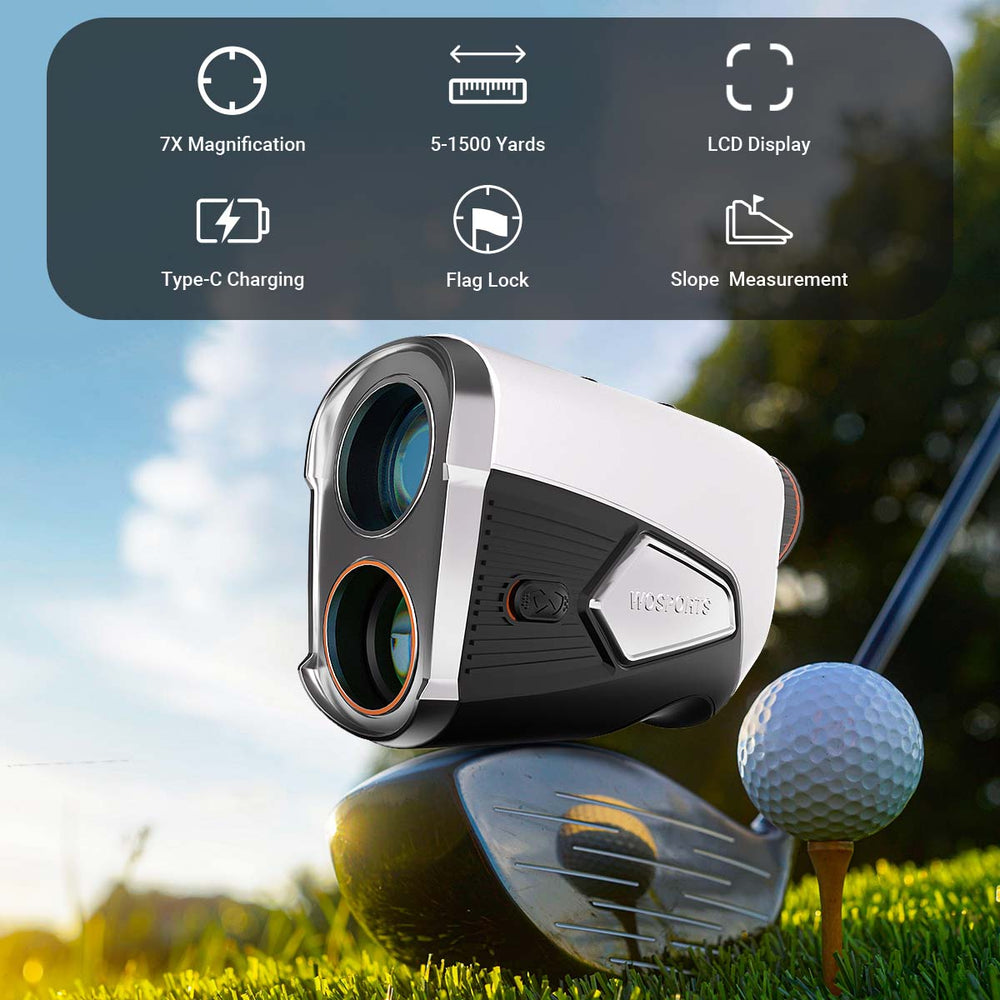
Recent equipment testing highlights that many mid-price devices — especially those included in best golf rangefinders lists — deliver yardage performance close to high-end units, especially for common approach distances.
A mid-tier laser rangefinder can provide:
-
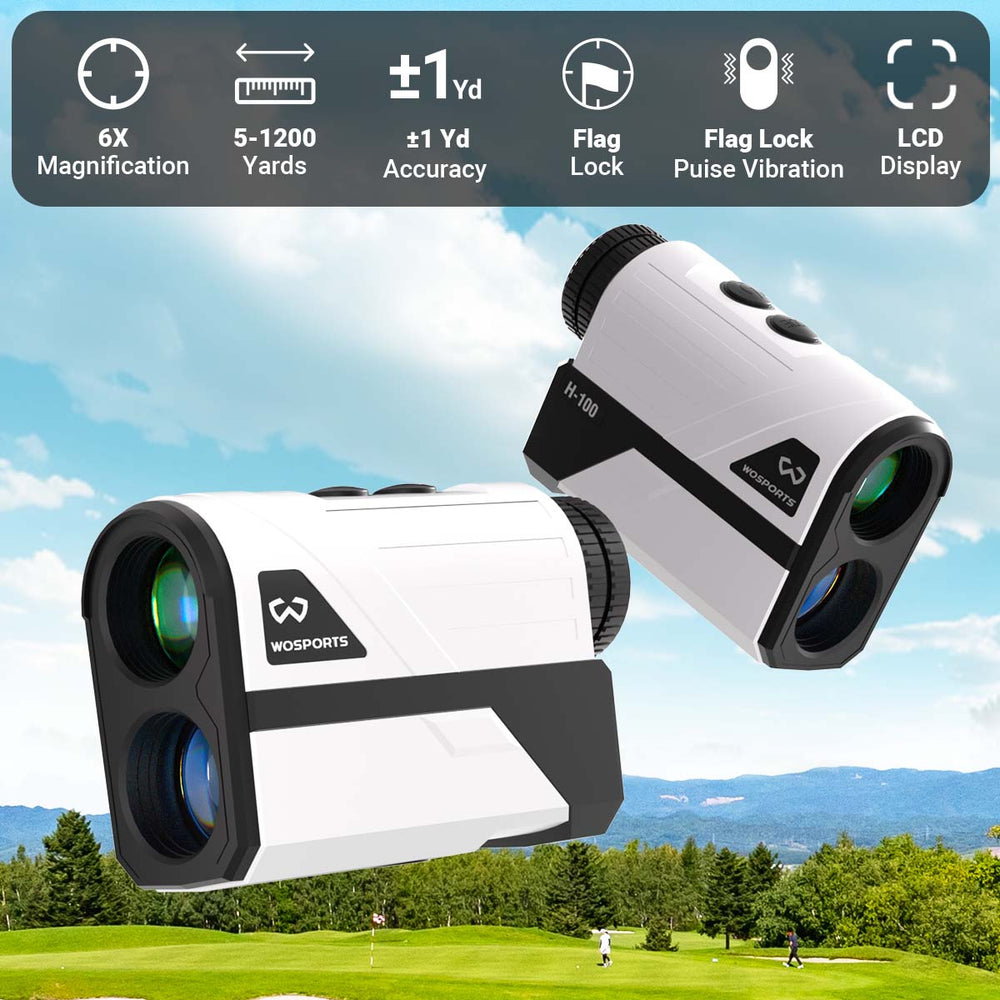
Accurate pin yardages within ±1 yard
-
Quick target lock for approaching greens
-
Clear optics that aid visual confirmation
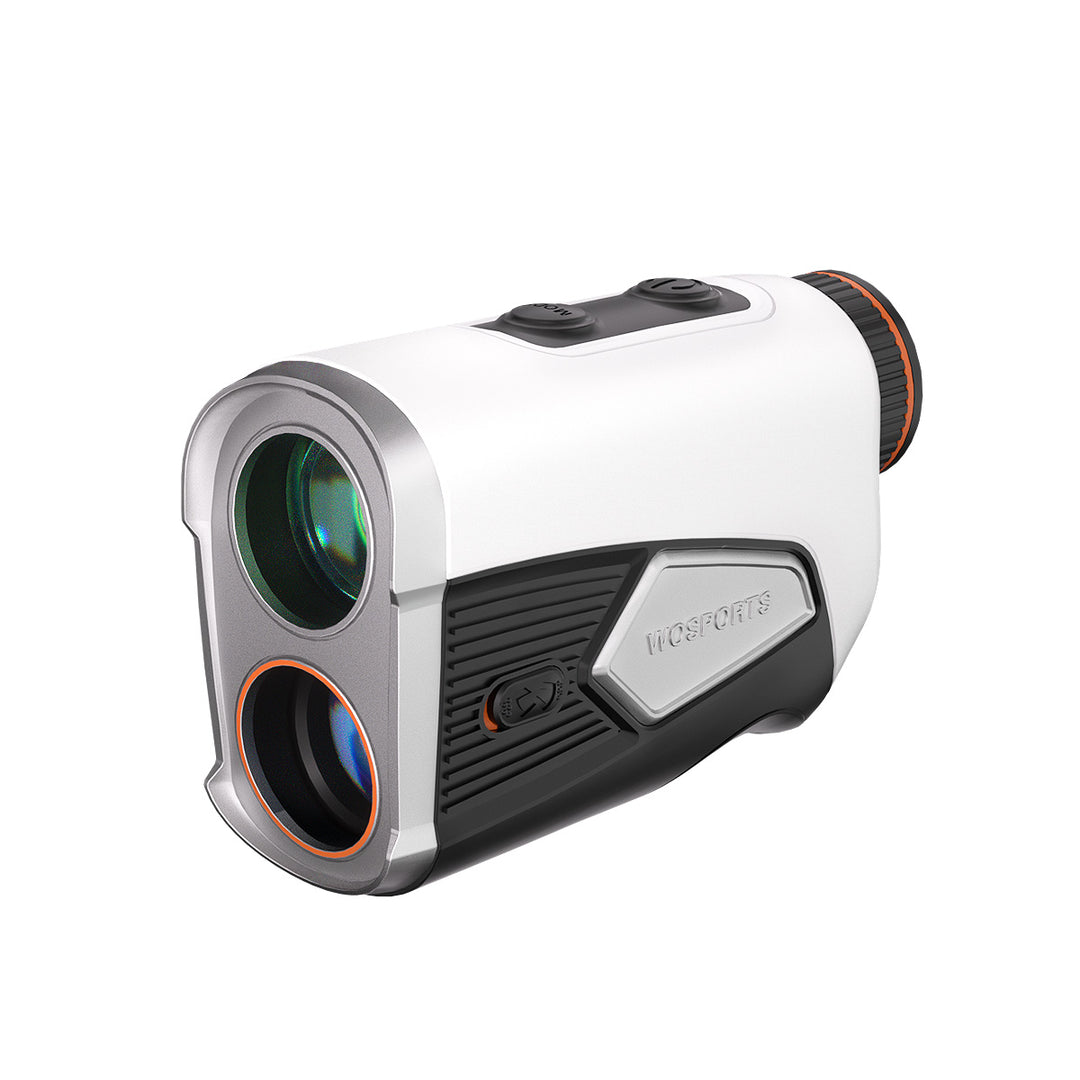
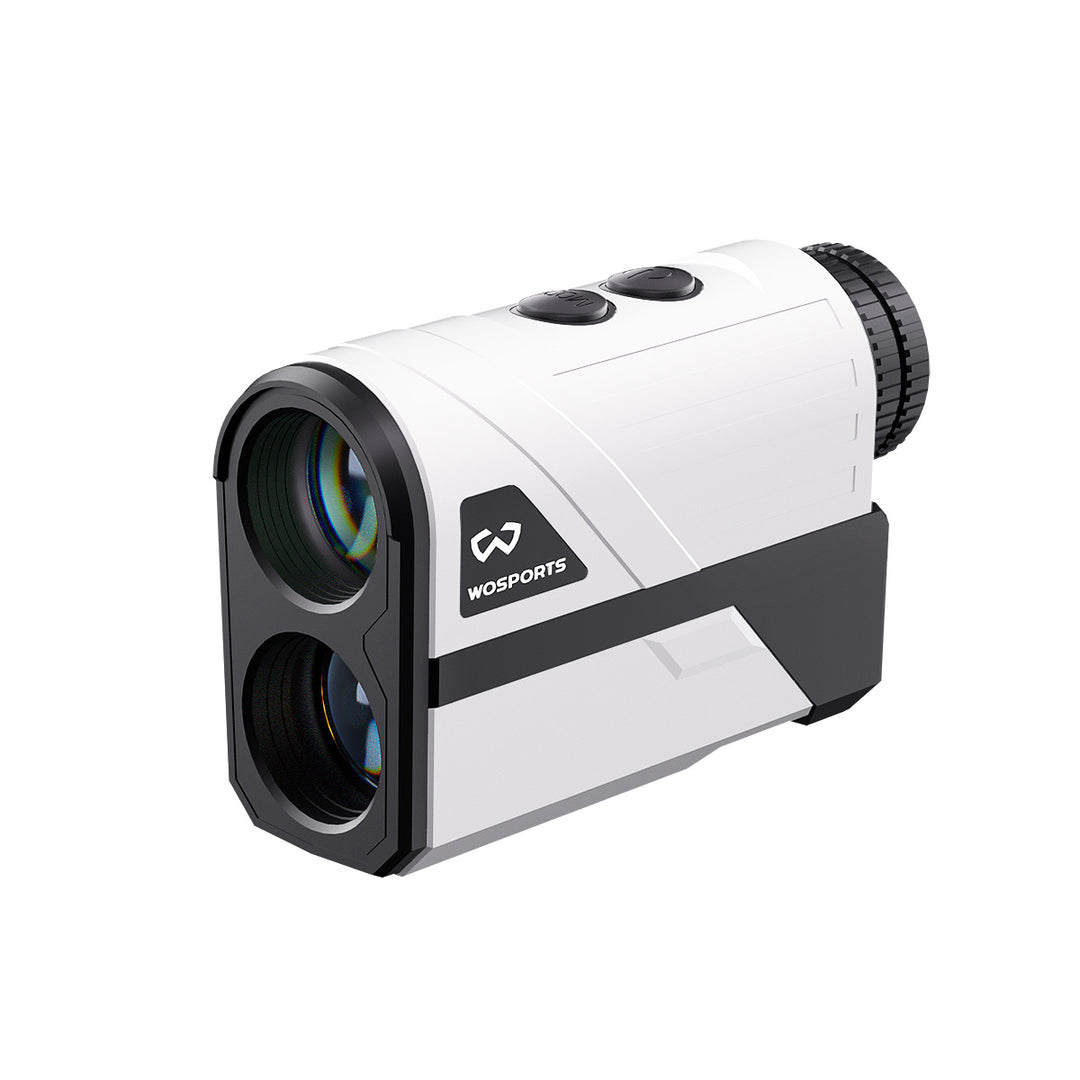
For example, Golf Monthly’s independent review of the WOSPORTS L16 Golf Rangefinder praised its balance of performance and simplicity:
“The optics are clear, target acquisition is quick, and the slope function provides helpful adjusted yardages without being complicated.”
source: https://www.golfmonthly.com/reviews/laser/wosports-golf-rangefinder-review
Original analysis: For the majority of recreational golfers, this combination of clarity, simplicity, and reliability is more valuable than top-tier features that may go unused.
A Simple Practice Routine to Improve Approaches
Summary: Combining measurement with disciplined practice accelerates improvement more than random practice.
Here’s an approach-focused drill to build confidence:
Practice Drill: Repeatable Measurement → Club Choice → Outcome Tracking
-
Step 1: Use the rangefinder to record pin distance on 9–12 holes.
-
Step 2: Select a club based strictly on your carry distance data.
-
Step 3: Track where your ball lands relative to the hole.
-
Step 4: Evaluate shot outcome and adjust carry chart if necessary.
Structured examples:
| Yardage | Club Suggested | Result (Record) |
|---|---|---|
| 135 | 8-iron | GIR / short / long |
| 150 | 7-iron | GIR / short / long |
| 165 | 6-iron | GIR / short / long |
Original study insight: Tracking these results quantifies improvement — rather than relying on feel or estimation — so you can refine your yardage expectations over time.
Real Golfer Experience: From Guesswork to Confidence
Summary: True user feedback demonstrates how rangefinder use translated into better approach performance.
Player case: A mid-handicap enthusiast reported:
-
Before rangefinder: frequent club misselection on 140–160 yard shots
-
After rangefinder adoption: increased greens-in-regulation (GIR) by ~15%
-
Result: More birdie opportunities and fewer three-putts
User comments on social golf forums reflect similar experiences — even when not using advanced devices, simply knowing exact yardages helps reduce hesitation and improves rhythm.
source: https://www.reddit.com/r/golf/comments/1jg8cj6/do_you_actually_use_a_rangefinder_or_do_you_just/
What Experts Say About Distance Data and Scoring
Summary: Golf experts emphasize that accurate yardage is a foundational part of better shot execution.
Coaches often advise players to eliminate guesswork when selecting clubs. Having a quantifiable yardage — delivered by a trusted laser device — allows players to focus more on execution (swing mechanics) rather than decision stress.
Expert teaching pros note that consistent information leads to reliable patterns, which ultimately lowers scoring variance.
Source: https://www.pga.com
Original analysis: When a player uses precise yardage data week after week, familiar terrain becomes less intimidating and personal trust in club distances builds, enhancing shot execution.
Comparing Devices: What Features Matter Most
Summary: Not every rangefinder feature impacts approach shots equally — here’s how to prioritize.
| Feature | Importance for Approaches | Why |
|---|---|---|
| Pin Lock | ⭐⭐⭐⭐⭐ | Confirms you’re measuring the correct target |
| Clear Optics | ⭐⭐⭐⭐ | Helps pick the right focus point |
| Slope Mode | ⭐⭐⭐ | Useful in practice for elevation awareness |
| Fast Acquisition | ⭐⭐⭐⭐ | Saves time between shots |
| Build Quality | ⭐⭐ | Affects longevity, not yardage itself |
Original insight: Features that directly affect the quality of the yardage reading — like pin lock and optics — should be the priority for approach improvement.
FAQ — Approach Shots & Rangefinder Use
Q: Are slope readings legal in competition?
Yes as long as they’re disabled when the event requires it; tournament rules vary.
Source: https://www.usga.org/content/usga/home-page/rules-hub/rules-modernization-copy/major-changes/use-of-distance-measuring-devices.html
Q: Should I measure hazards too?
Yes — smart hazard distances improve risk management on approach shots.
Source: https://golfersauthority.com/how-to-use-a-golf-rangefinder/
Q: Is yardage alone enough?
No — elevation, wind, and lie must also be considered alongside distance.
Final Takeaway: Master Your Yardages to Lower Your Score
Improving your approach shots with a rangefinder is about precision, decision-making, and consistency — not just looking at a number. The best rangefinder golf devices provide yardages you can trust, and when paired with a focused practice routine, they help turn data into scoring improvement.
For many players seeking excellent performance without premium pricing, mid-tier devices like the WOSPORTS L16 Golf Rangefinder, which has been noted for clarity and ease of use in independent reviews, can offer most of the practical benefits that impact approach control and confidence on the course.
Source: https://www.golfmonthly.com/reviews/laser/wosports-golf-rangefinder-review
Search
Popular Posts
Recent Posts


Nov 28, 2024
Troubleshooting Common Trail Camera Issues
Jan 10, 2025
Why Does My Trail Camera Stop Working at Night?