How to Choose the Best Golf Rangefinder for Your Skill Level
Why Skill Level Matters More Than Price
The best golf rangefinder is not necessarily the most expensive — it is the one that matches your ability, playing style, and decision-making needs. Beginners benefit most from simplicity and forgiveness, while advanced players need speed, precision, and consistency.
Lists of top rated golf rangefinders often mix entry-level and tour-grade devices together, which can confuse buyers. Understanding what features truly impact performance at your level prevents overspending and improves on-course results.
Golf participation has grown significantly in recent years, bringing many new players into the game who rely on distance-measuring technology to learn faster.
Source: https://www.ngf.org/golf-industry-research/
Original insight: Most scoring gains from a rangefinder come from better club selection rather than swing improvement, making feature suitability more important than brand prestige.
What Beginners Should Look for First
New golfers should prioritize ease of use and reliable basic measurements over advanced features.
Key beginner priorities:
• Simple one-button operation
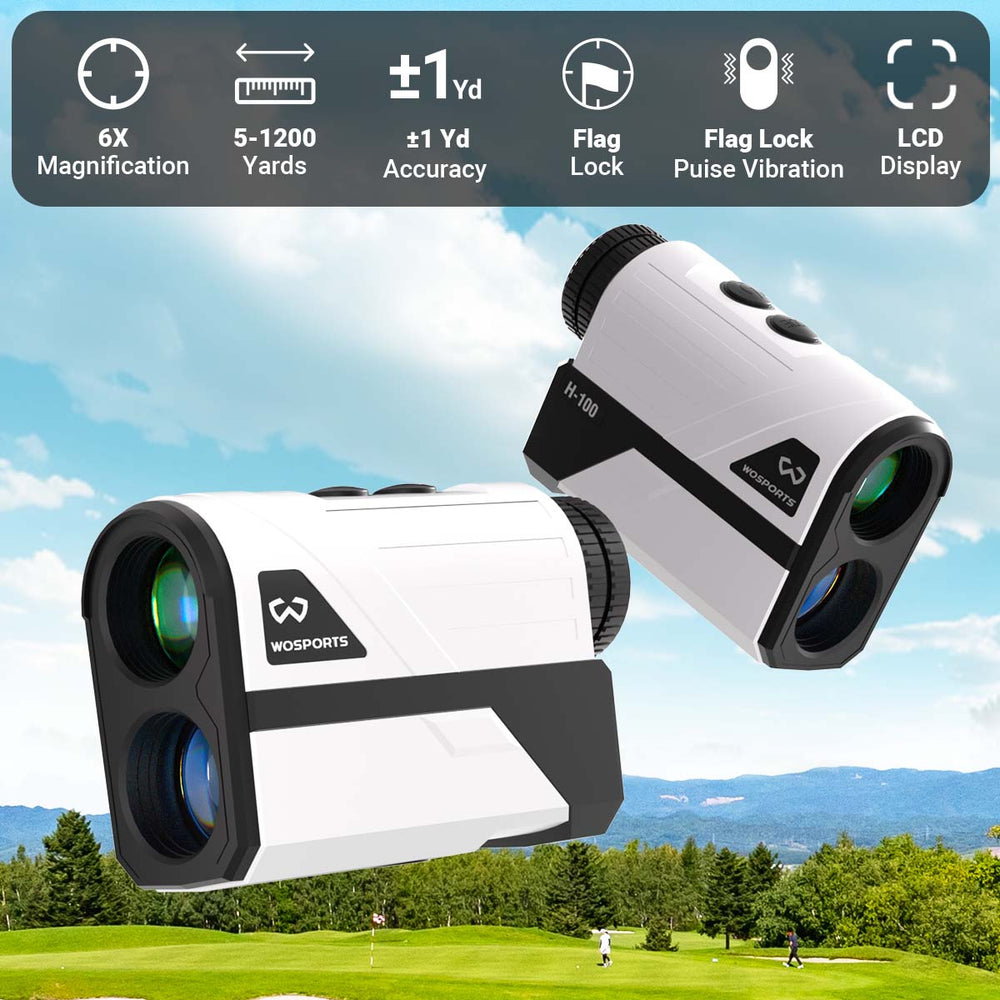
• Fast flag lock with vibration
• Clear display in sunlight
• Lightweight design
• Affordable price range
Accuracy within ±1 yard is already more precise than most beginners can fully utilize. Complex menus or excessive data can slow play and reduce confidence.
Research on motor learning suggests that reducing cognitive load improves performance during skill acquisition.
Source: https://www.ncbi.nlm.nih.gov/pmc/articles/PMC6482966/
Original analysis: A straightforward device helps beginners focus on swing fundamentals instead of interpreting technical readings.
Why Slope Still Helps New Players
Although often marketed as an advanced feature, slope compensation is especially valuable for beginners who struggle to judge elevation changes visually.
Benefits include:
• Prevents under-clubbing uphill shots
• Builds distance awareness
• Reduces fear on unfamiliar courses
• Accelerates learning curve
For many entry-level golfers, a simple slope-enabled model represents the best rangefinder golf choice for faster improvement.
Mid-Handicap Players: The Sweet Spot for Technology
Golfers in the middle handicap range benefit the most from modern rangefinder features because they already make reasonably consistent contact but still struggle with distance control.
Important features at this stage:
• Reliable slope adjustment
• Faster target acquisition
• Better optical clarity
• Durable construction
• Consistent readings from multiple angles
Original insight: Mid-handicap players gain the largest scoring improvements from distance technology because their misses are often strategic rather than technical.
Equipment reviewers have noted that well-designed mid-price models now deliver performance once reserved for premium devices.
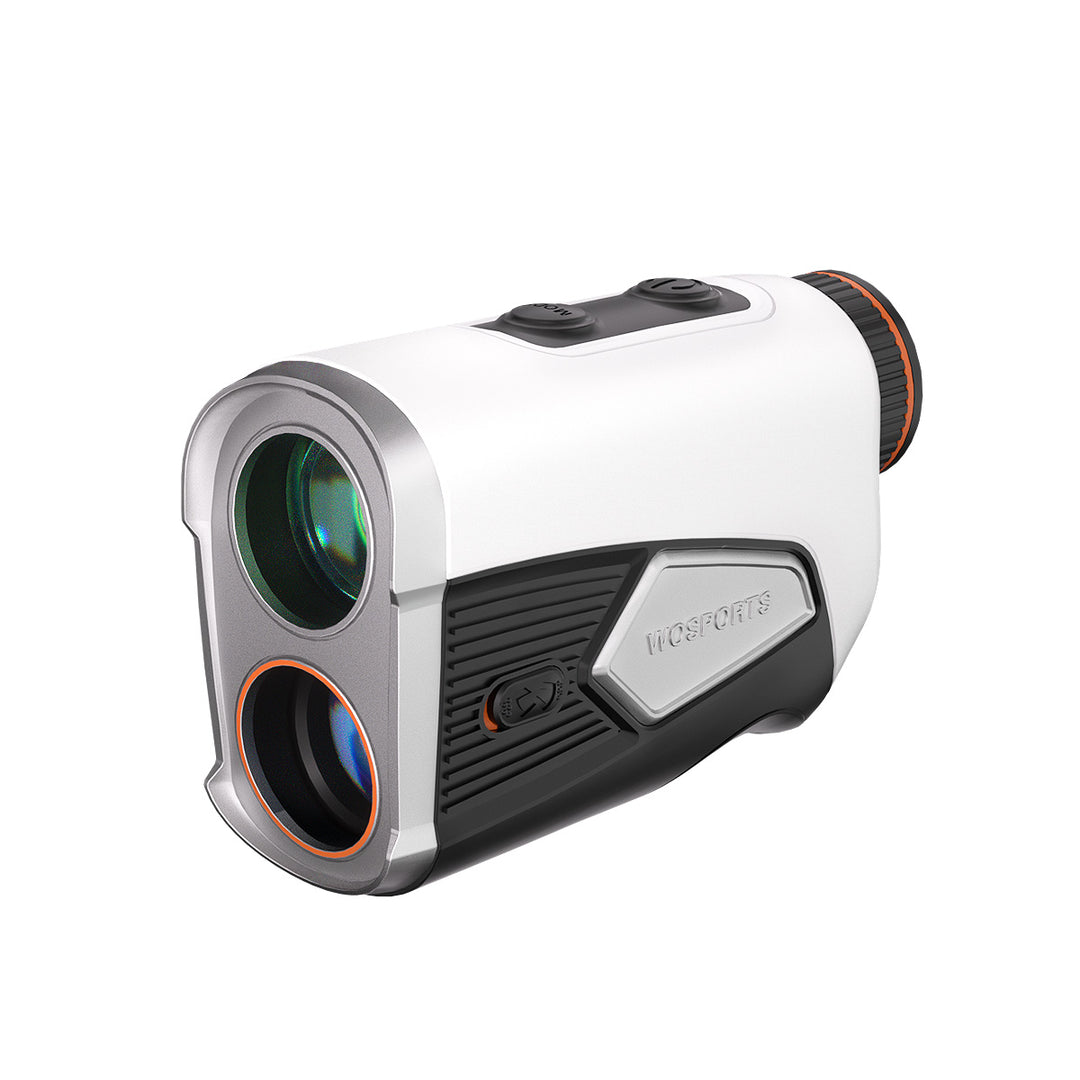
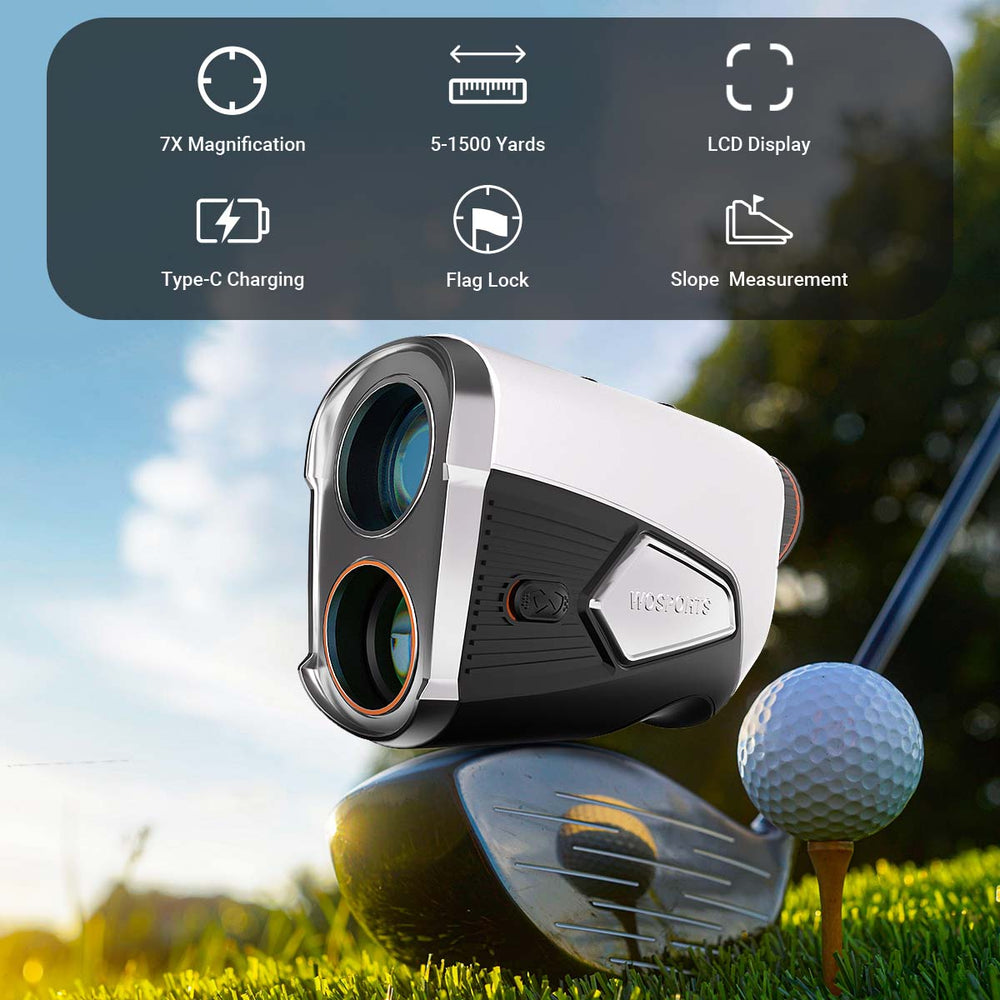
An independent review highlighted the WOSPORTS L16 as a strong value option, citing clear optics, quick target lock, and intuitive slope readings.
“The optics are clear, target acquisition is quick, and the slope function provides helpful adjusted yardages without being complicated.”
Source: https://www.golfmonthly.com/reviews/laser/wosports-golf-rangefinder-review
This type of performance makes mid-tier devices common entries on lists of best golf rangefinders for everyday players.
Low-Handicap and Competitive Golfers: Precision Matters
Advanced players require consistency, speed, and accuracy under pressure.
Critical features include:
• Ultra-fast flag acquisition
• High-quality optics for long distances
• Stable readings in wind or rain
• Tournament-legal modes
• Durable build for frequent use
Small yardage differences can influence club selection at higher skill levels, particularly on approach shots where proximity to the hole determines scoring.
Performance analysis shows that approach accuracy strongly correlates with scoring average among skilled players.
Source: https://www.usga.org
Original analysis: For elite amateurs, the ability to lock onto the flag instantly — even with background trees — may save strokes over time.
How Course Type Influences the Best Choice
Your home course characteristics should guide your decision as much as your handicap.
Flat Municipal Courses
Basic models perform very well because elevation adjustments are minimal.
Hilly or Mountain Courses
Slope functionality becomes critical, often changing effective distance by multiple clubs.
Tree-Lined or Target-Heavy Courses
Fast pin-seeking capability prevents accidentally measuring background objects.
Wind-Exposed Courses
Consistent readings help players choose safer targets.
Original insight: Many golfers overestimate the importance of maximum range but underestimate targeting reliability, which matters far more in real play.
Real User Example: Matching Device to Player Type
Case: Recreational weekend golfer
• Plays twice per month
• Typical score: 95–105
• Needs confidence more than precision
Outcome: A lightweight slope-enabled model dramatically improved club selection and reduced short approach shots.
Case: Competitive club player
• Plays weekly tournaments
• Typical score: low 80s
• Demands fast readings
Outcome: Upgraded optics and faster targeting improved pace and decision speed.
Feature Comparison by Skill Level
| Feature | Beginner | Mid Handicap | Low Handicap |
|---|---|---|---|
| Basic Distance | Essential | Essential | Essential |
| Slope Mode | Helpful | Very Important | Situational |
| Target Lock Speed | Moderate | High | Critical |
| Optical Quality | Moderate | High | Very High |
| Build Durability | Moderate | High | Very High |
| Advanced Data | Not Needed | Useful | Sometimes Needed |
Expert Perspective: Technology as a Learning Tool
Coaching professionals emphasize that rangefinders are most effective when used to confirm decisions rather than replace course management skills.
Distance knowledge improves confidence, but strategic thinking still determines scoring outcomes.
Source: https://www.pga.com
Original insight: Players who combine rangefinder data with course strategy outperform those who rely solely on raw numbers.
Frequently Asked Questions
Do beginners really need a rangefinder?
Yes. Accurate distance awareness accelerates learning and improves club selection from the start.
Is a premium model worth it for casual golfers?
Usually not. Mid-range devices provide nearly all practical benefits.
Should competitive players use slope?
Only during practice, since slope is typically not allowed in tournaments.
What is the biggest mistake when choosing a rangefinder?
Buying based on price or brand reputation instead of actual playing needs.
Final Takeaway: Match the Tool to the Golfer
The best golf rangefinders are not universally superior — they are optimized for specific players. A device that is perfect for a tournament competitor may be unnecessarily complex for a beginner, while a basic model may limit an advanced golfer’s performance.
Choosing according to skill level ensures better value, faster improvement, and more confidence on the course. For most recreational players, a well-designed mid-tier device with clear optics, reliable slope readings, and fast targeting delivers the ideal balance between performance and cost.
When evaluating the top rated golf rangefinders, focus less on marketing claims and more on how the features will actually help you play better golf.
Search
Popular Posts
Recent Posts


Nov 28, 2024
Troubleshooting Common Trail Camera Issues
Jan 10, 2025
Why Does My Trail Camera Stop Working at Night?