What is the Best Trail Camera Setup for Farms and Rural Properties?
Why is a good trail camera setup essential for farm monitoring?
A good trail camera setup is essential for effective farm monitoring, providing real-time data on wildlife, security threats, and farm operations. For rural properties, this means enhanced security, animal tracking, and a more efficient management system.
Trail cameras not only help detect intruders but also monitor livestock, manage crops, and identify wildlife movement. With advancements in technology, these cameras now offer infrared capabilities, long battery life, and real-time data sharing, making them indispensable tools for farmers and property managers.
"Farmers are increasingly relying on trail cameras for efficient monitoring of their properties, wildlife, and security."
Source: University of Wisconsin Extension
Key takeaway
For farm security and monitoring, infrared technology, fast trigger speed, and high-quality resolution are the most important features to look for.
How to Choose the Right Trail Camera for Farm and Rural Security?
When selecting a trail camera for farm and rural property security, there are key factors to consider, such as image quality, nighttime vision capabilities, detection range, and battery life.
Essential features to look for:
- Image Resolution: A minimum of 12 MP for clear daytime shots.
- Infrared Technology: No-glow or low-glow IR cameras are ideal for night surveillance.
- Detection Range: A wide detection range of at least 20–30 meters.
- Fast Trigger Speed: A trigger speed of less than 0.5 seconds ensures that the camera captures fast-moving animals or intruders.
- Long Battery Life: Look for cameras with extended battery life, capable of lasting several months on a single charge.
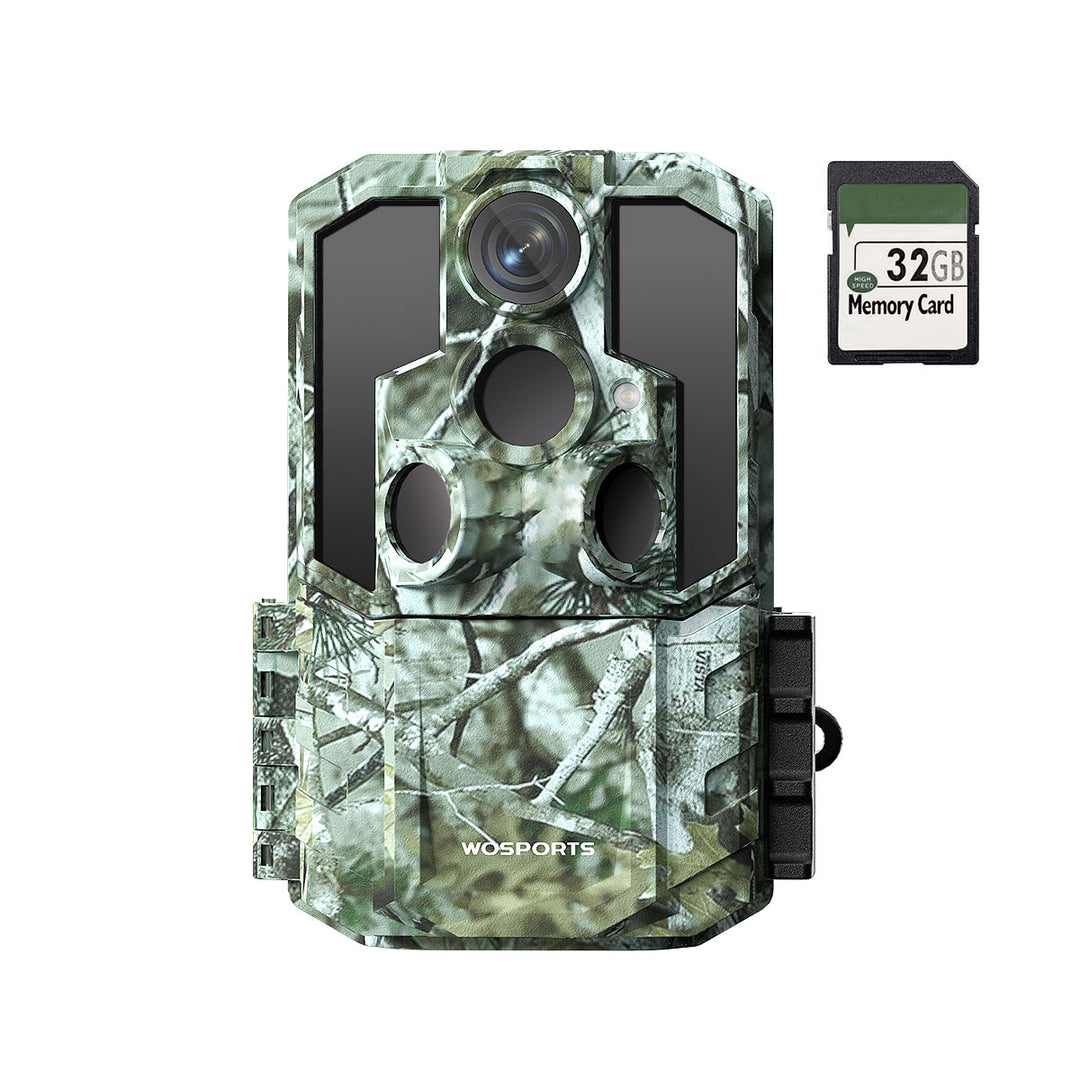
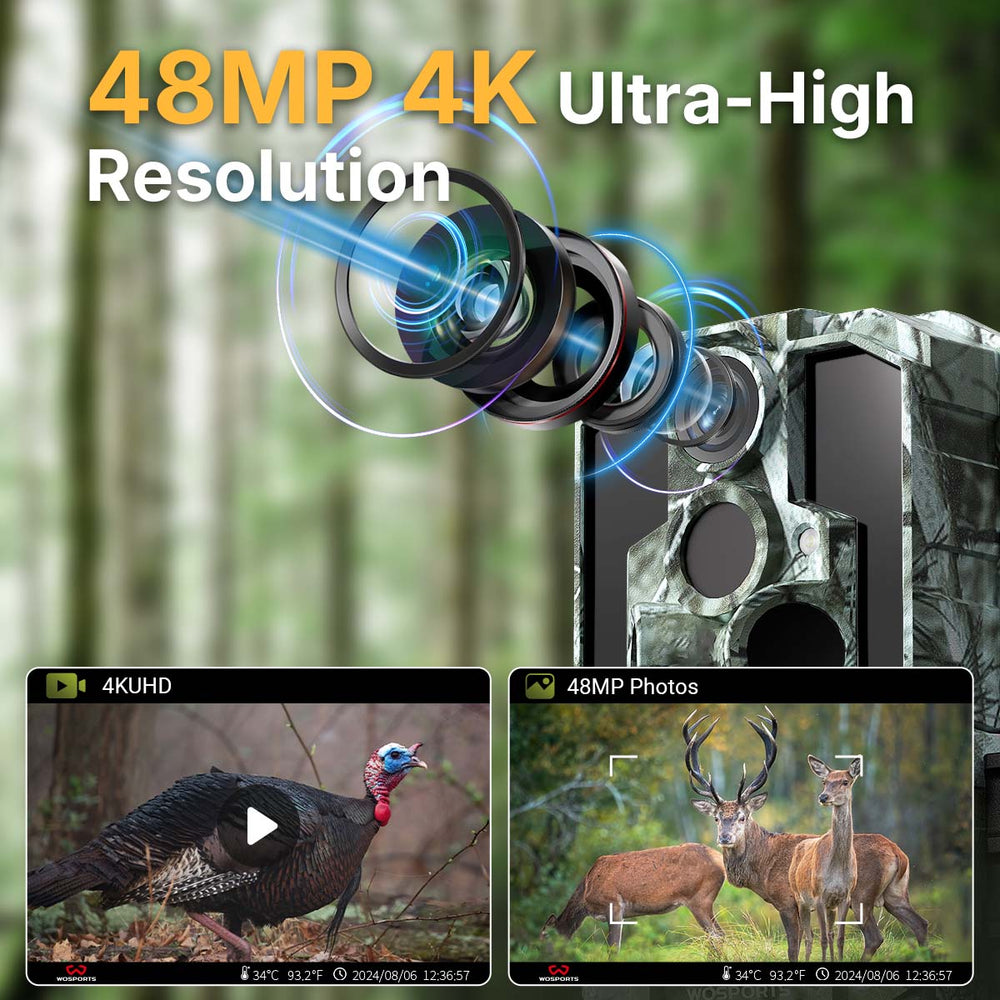
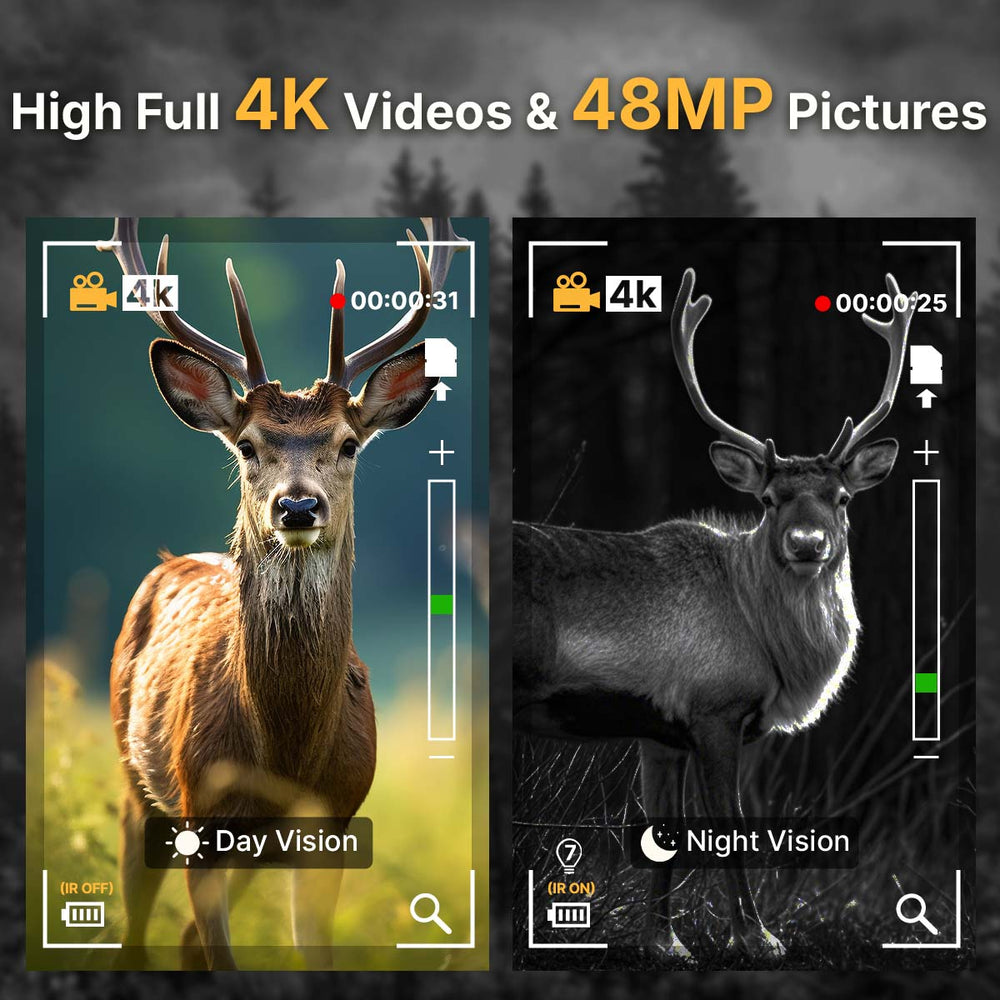
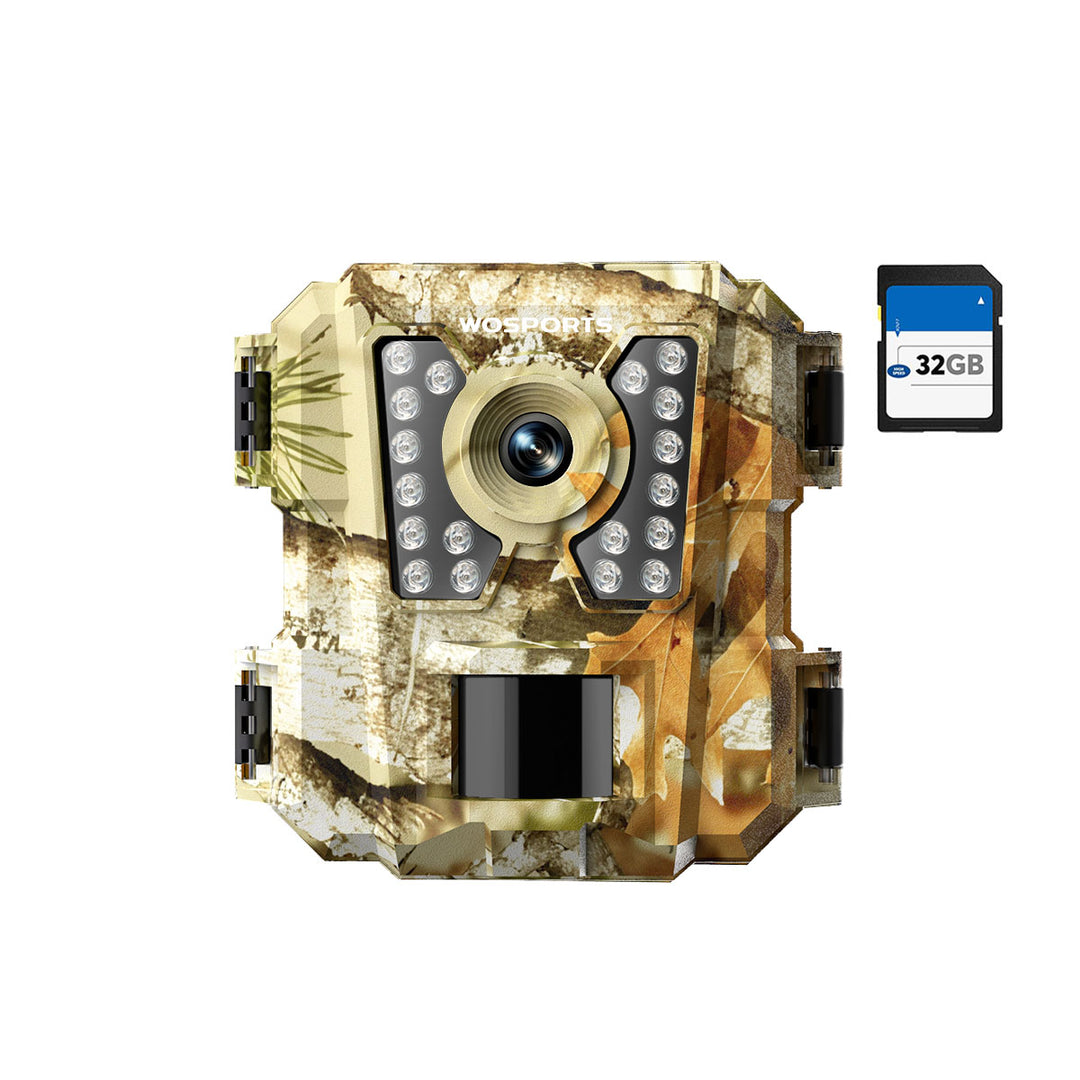
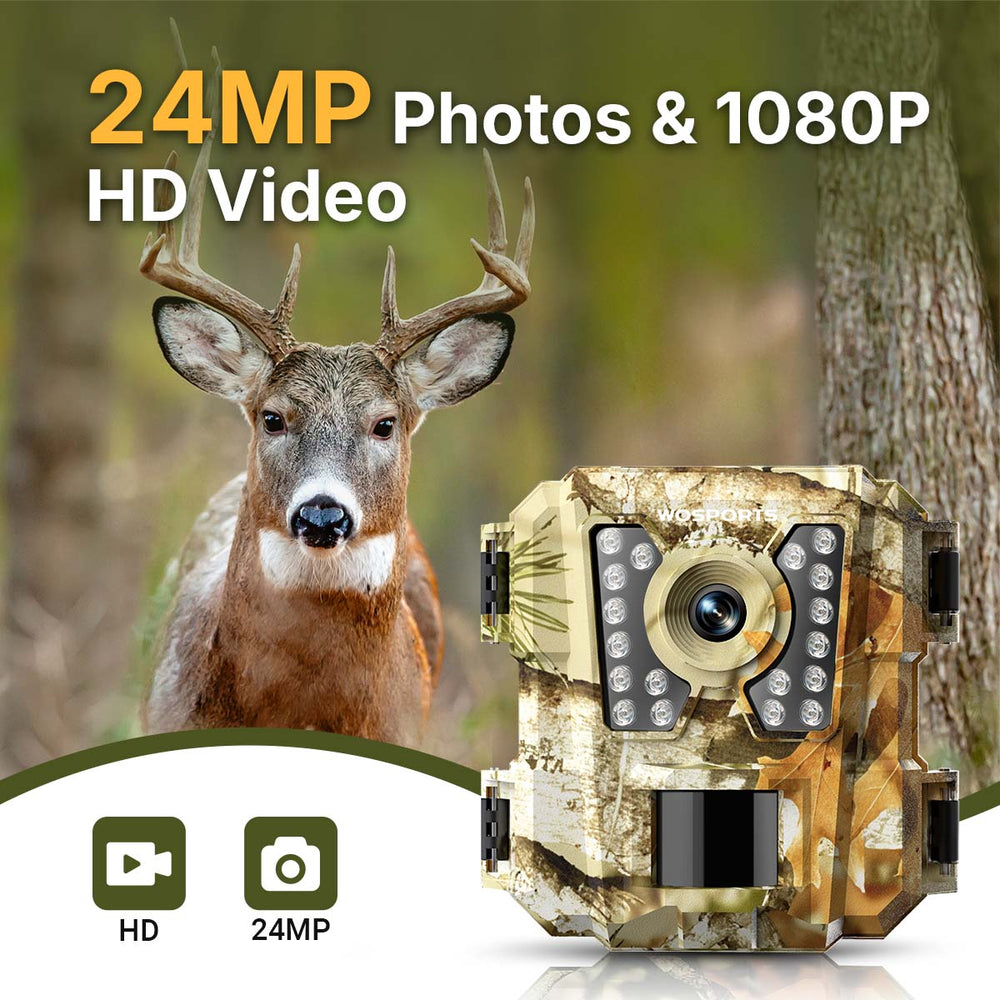
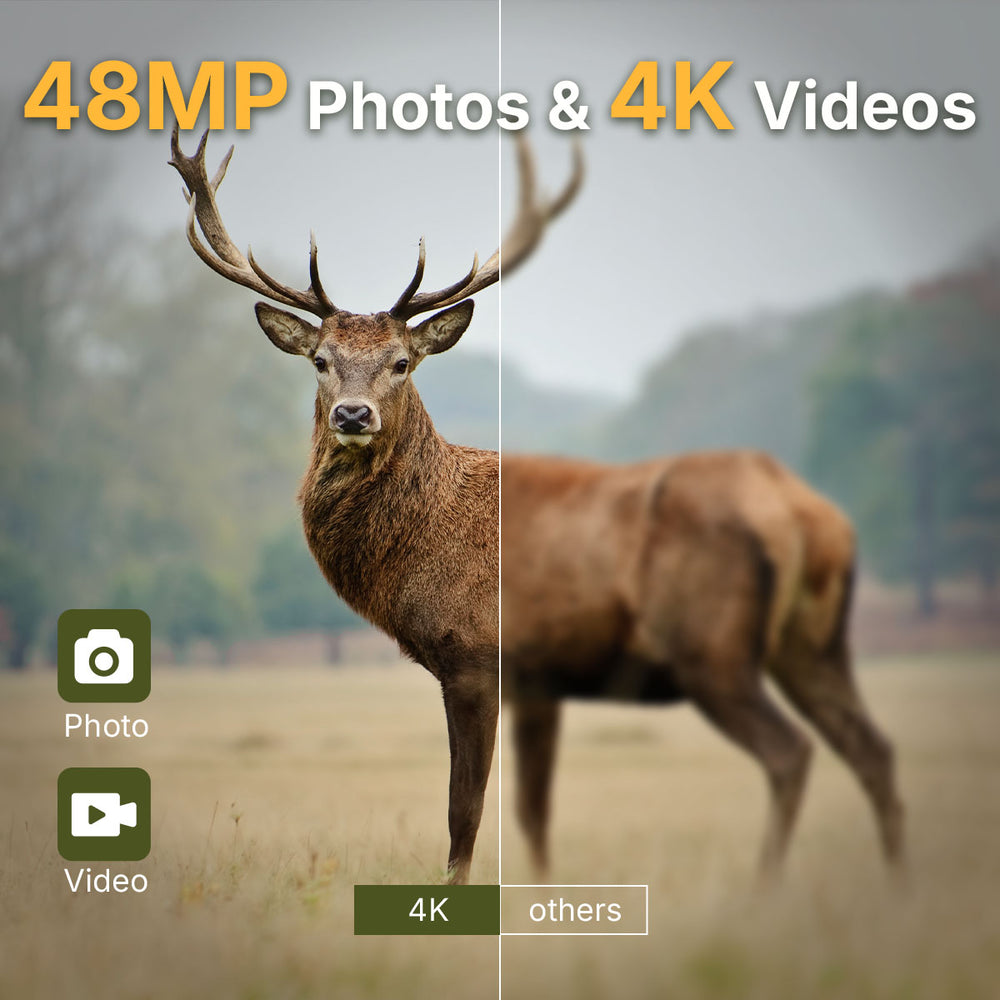
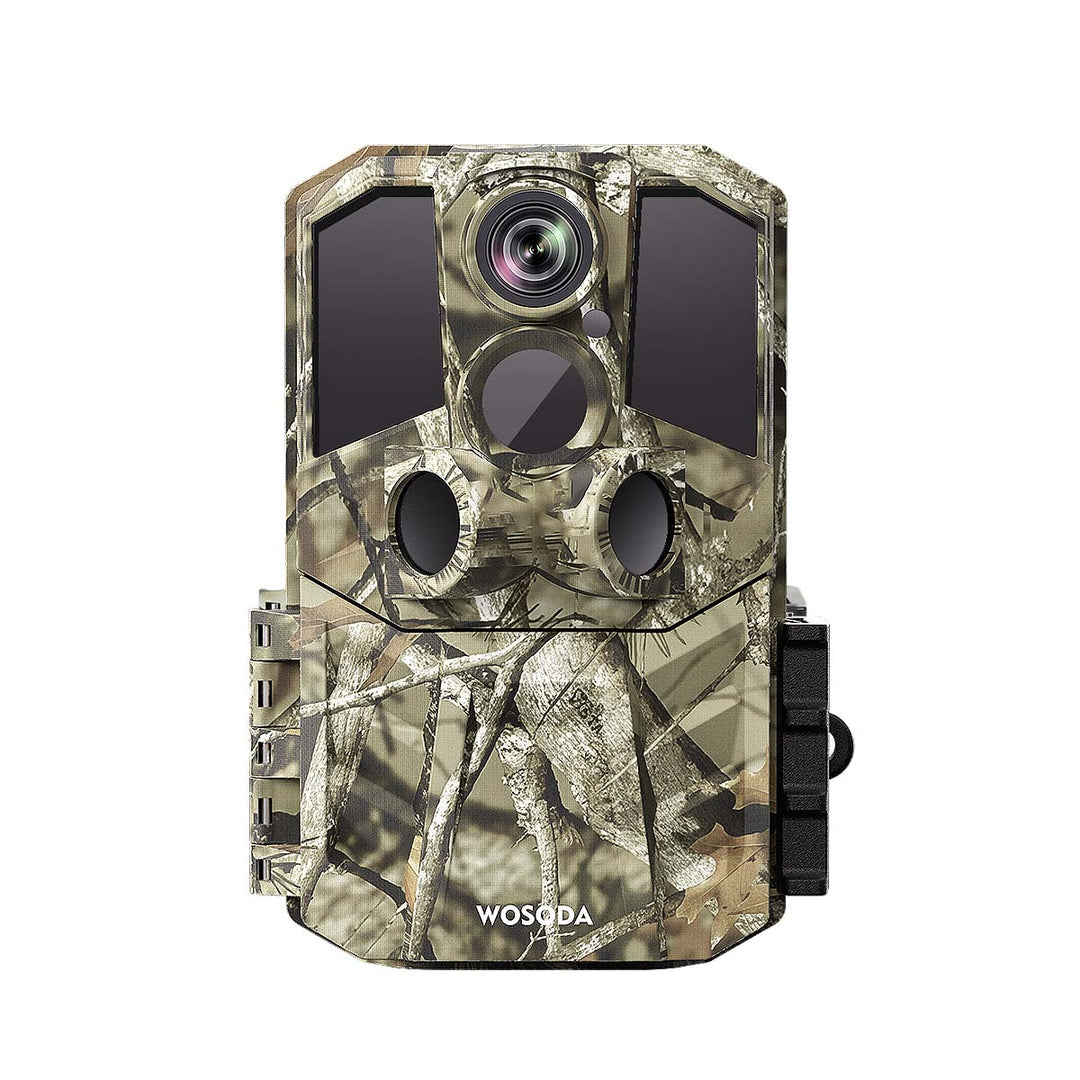
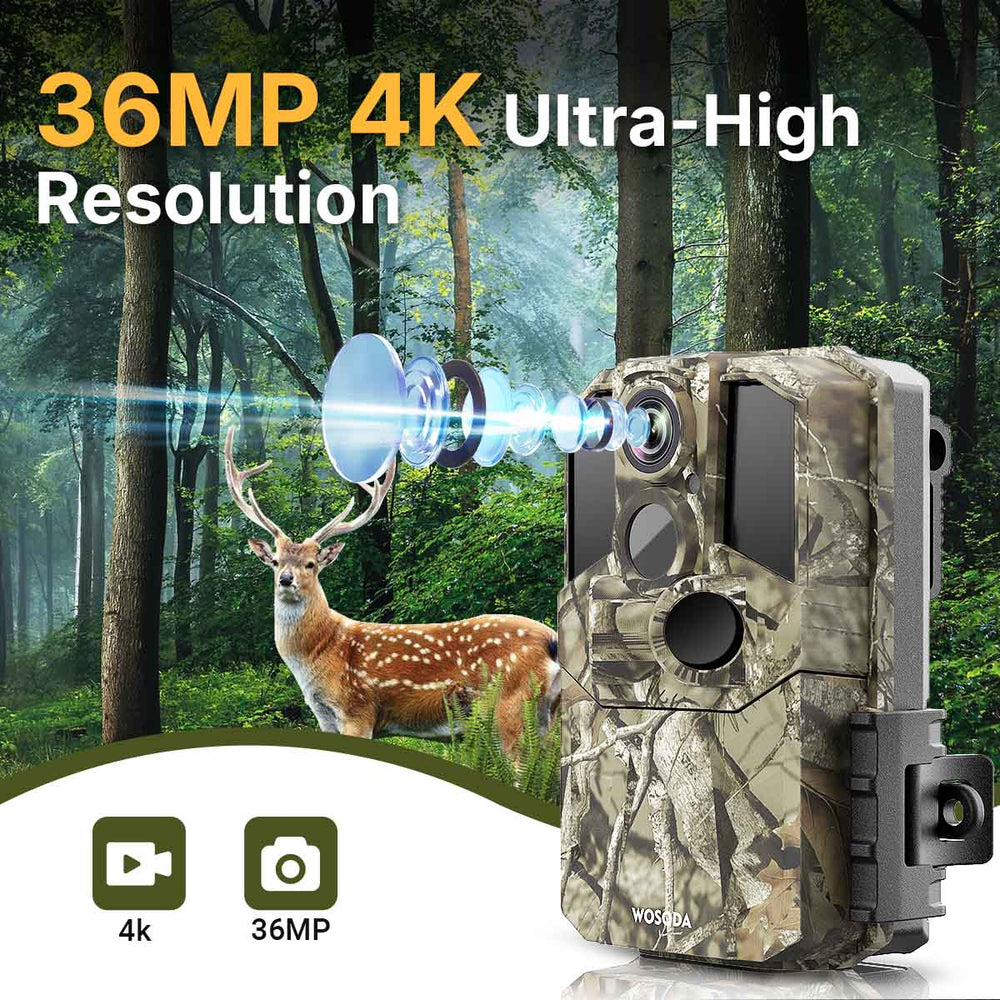
The G600 trail camera from WOSPORTS is an excellent choice for rural properties due to its 48 MP resolution, 4K video recording, and invisible IR night vision.
“The right setup can help ensure a safer farm, reduce theft, and provide crucial data on wildlife and farm activities.”
Source: National Institute of Food and Agriculture
Why the G600 is a great option for farm monitoring
- Long-lasting battery for long-term operation
- Fast trigger speed (0.2 seconds) for capturing swift animal movement
- 4K video quality ensures clear footage for both day and night
What are the Best Locations to Set Up Your Trail Cameras on Farms?
Effective trail camera setup requires strategic placement to maximize monitoring coverage, whether for security, wildlife tracking, or livestock monitoring.
Recommended placement areas:
- Perimeter of the farm: To monitor for intruders or wildlife.
- Near water sources: Wildlife is often attracted to water sources, making them high-traffic areas for monitoring.
- Livestock areas: To keep an eye on herd health and ensure no animals are missing.
- Crops or orchards: Protecting crops from wildlife and monitoring for crop health.
“Proper placement of cameras is critical to collecting useful data while avoiding false triggers.”
Source: North Carolina Cooperative Extension
Expert tip
Ensure your cameras are placed in high-traffic areas with a clear view and proper camouflage to avoid detection. A 360-degree field of view will offer maximum coverage.
How to Maximize Battery Life for Your Trail Cameras on Farms?
Battery life is a critical factor when setting up trail cameras in remote locations. Most farm owners need cameras that last for months without requiring frequent battery changes, especially in areas that are difficult to access.
Tips to maximize battery life:
- Use cameras with energy-efficient sensors and low-power infrared LEDs.
- Limit the frequency of camera activation to avoid excessive battery drain.
- Use lithium batteries for longer life in extreme temperatures.
The G600 trail camera is equipped with high-capacity batteries that can last for up to 6 months on standby, making it ideal for farms with limited access.
“Trail cameras with longer battery life help farmers avoid frequent maintenance and reduce operational costs.”
Source: Agricultural Marketing Service
How to Analyze Data from Trail Cameras for Farm Management?
Once trail cameras are set up, farm managers need to analyze the data they collect to make informed decisions. This could involve reviewing images of wildlife to adjust fencing, tracking animal movements to ensure proper feeding schedules, or ensuring security by monitoring for any suspicious activity.
Key data insights to track:
- Wildlife activity patterns: Monitor nocturnal creatures, feeding behaviors, or migration patterns.
- Livestock movement: Ensure animals are where they should be and identify any potential health concerns.
- Security threats: Analyze any intruders or unusual movements to improve security protocols.
The G600’s 4K video capabilities and 48 MP photos allow farm managers to capture and analyze clear, detailed footage for decision-making.
Why the G600’s video and photo capabilities matter
- Clear and detailed footage allows for easier identification of animals or intruders.
- Real-time monitoring and alerts help keep farm operations secure and efficient.
Case Study: How a Farm Owner Used Trail Cameras for Livestock Management
A farm in a remote area used trail cameras for livestock management and security purposes. They deployed the G600 model around the property and received real-time video feeds.
Results:
- Reduced livestock theft: Clear footage helped authorities track down trespassers.
- Improved herd health: Cameras allowed farmers to monitor animal behavior and health remotely.
- Cost savings: The extended battery life reduced maintenance costs.
FAQ: Trail Camera Setup for Farms
How many trail cameras do I need for farm monitoring?
It depends on the size of your property. For a small farm, 3–5 cameras may be sufficient. Larger farms may need more to cover all areas.
What’s the best camera for nighttime use?
The G600 with infrared night vision is perfect for monitoring during the night without disturbing wildlife or intruders.
How do I ensure my camera placement is effective?
Place cameras in high-traffic areas like near water sources or feeding areas, and ensure that they are properly camouflaged.
How can I extend the battery life of my cameras?
Use lithium batteries, reduce camera activation frequency, and choose a camera with energy-efficient features like the G600.

Final Takeaway
For effective farm monitoring, a reliable trail camera setup is essential. Focus on cameras that offer:
- Clear image resolution
- Infrared night vision
- Fast trigger speeds
- Long battery life
The G600 trail camera from WOSPORTS is an excellent option for any farm looking to improve their security, monitor livestock, and track wildlife.
Search
Popular Posts
Recent Posts


Nov 28, 2024
Troubleshooting Common Trail Camera Issues
Jan 10, 2025
Why Does My Trail Camera Stop Working at Night?