What Trail Camera Specifications Matter Most for Night Monitoring?
Choosing the right hunting trail camera for night use is critical for both individual hunters and B2B buyers sourcing equipment for resale or deployment. For applications like deer hunting camera setups, night performance determines whether you capture actionable data—or miss it entirely.
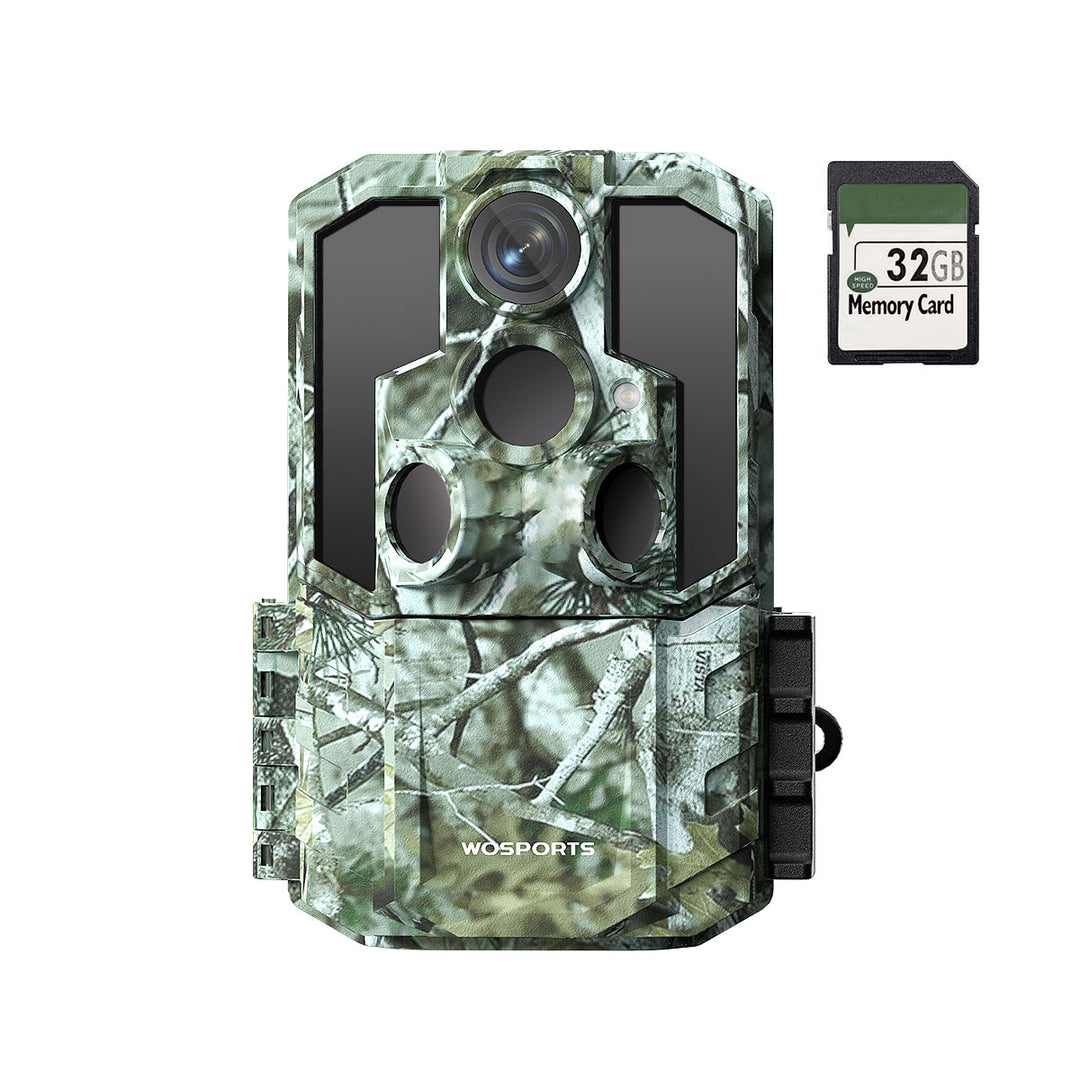
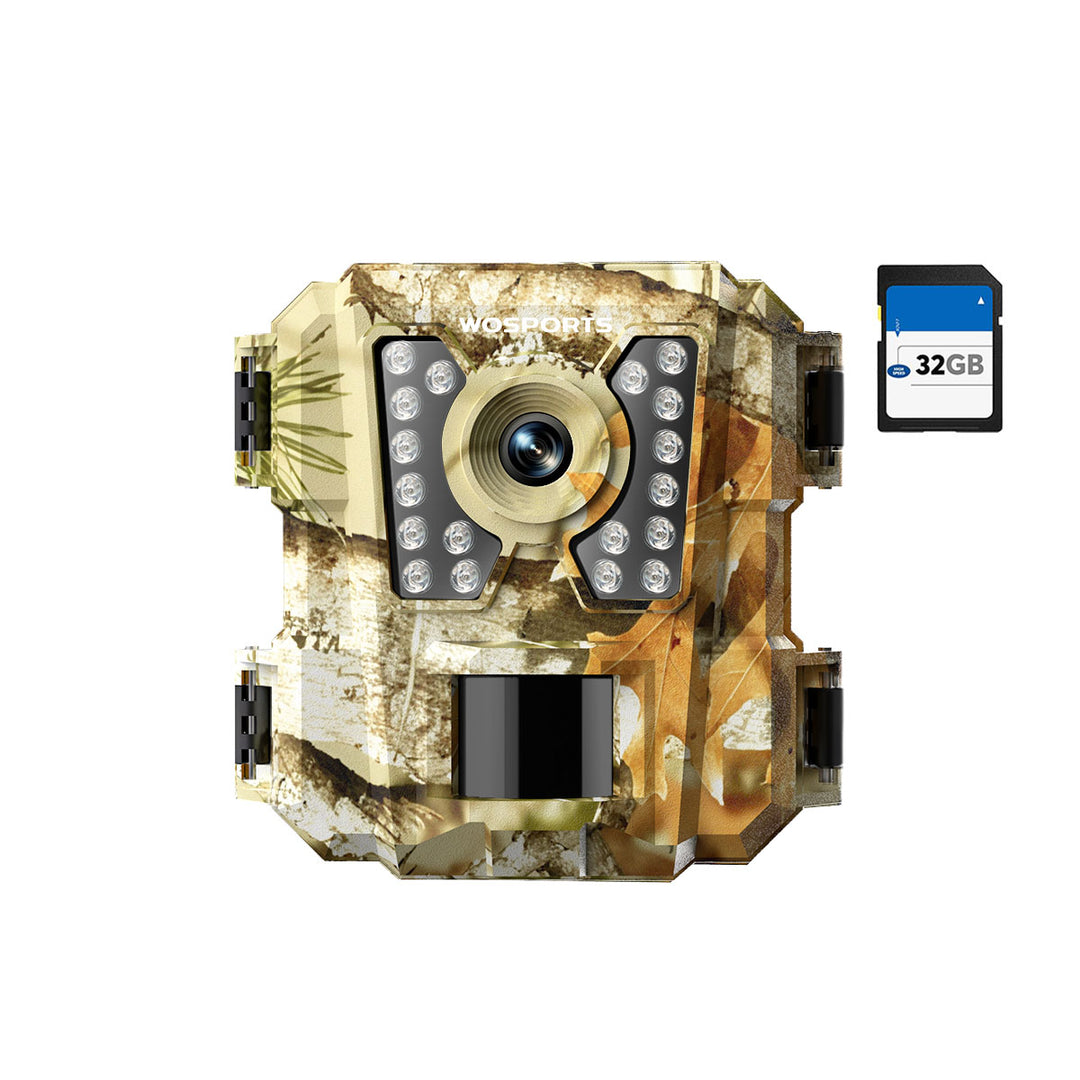
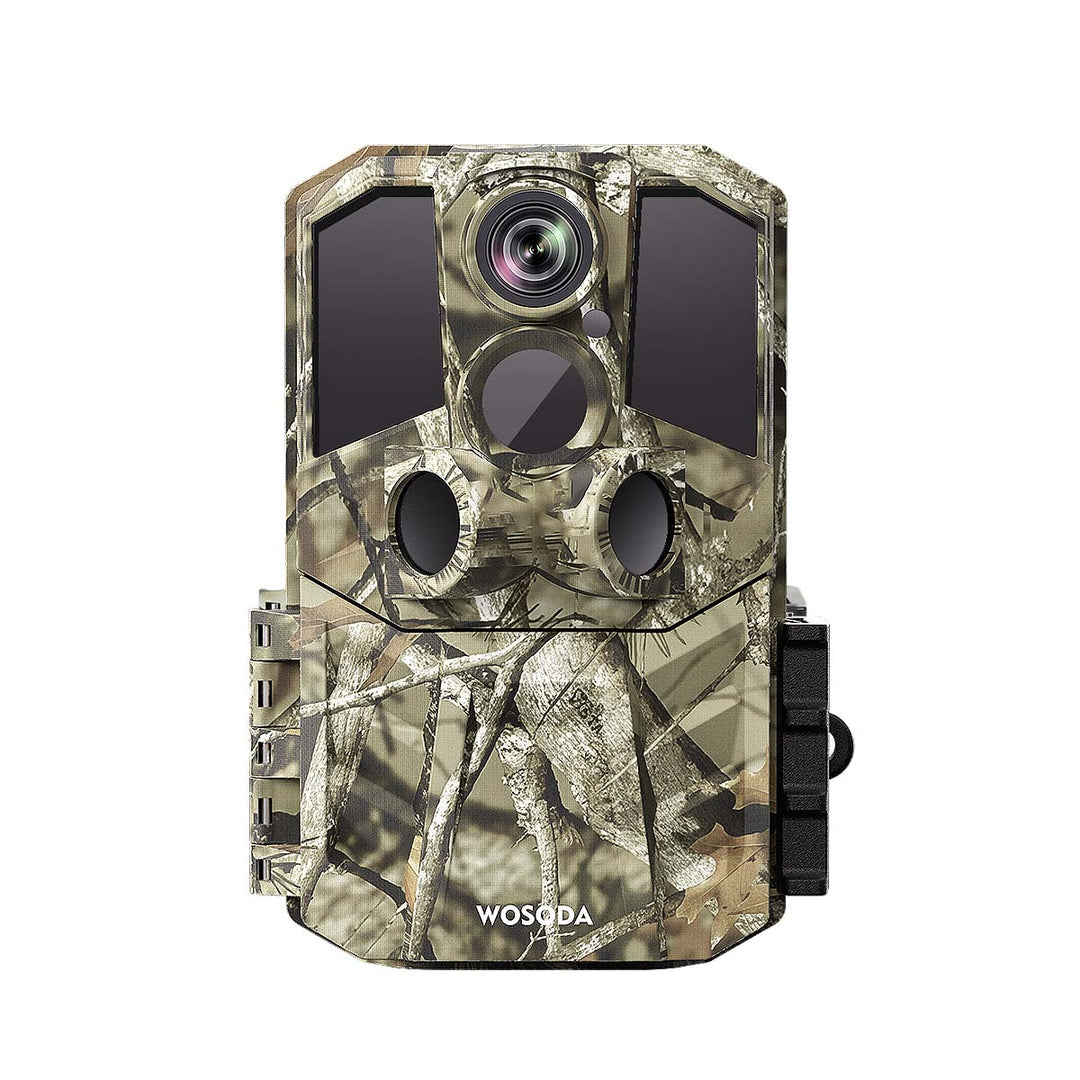
This guide breaks down the most important specifications for night monitoring, explains real-world performance factors, and highlights why the WOSPORTS G600 trail camera is a strong choice for wholesale buyers targeting hunting and outdoor markets.
Why Night Monitoring Performance Is the Core of Trail Camera Value
Night monitoring is where most trail cameras succeed or fail. Since deer and many wildlife species are most active at dusk and nighttime, poor night performance directly reduces the usefulness of the device.
Key Takeaway
If a hunting trail camera cannot deliver clear, reliable images in low light or total darkness, its daytime performance becomes irrelevant for serious users.
According to the U.S. Forest Service, many large mammals—including deer—show peak activity during low-light periods such as dawn and night.
source: https://www.fs.usda.gov/
Implications for B2B Buyers
- Night performance is the #1 selling point for hunting users
- Strong night specs reduce product returns
- Better image clarity increases customer satisfaction
For wholesale buyers, this means prioritizing cameras optimized for night monitoring over general specs.
Infrared Night Vision: The Most Critical Specification
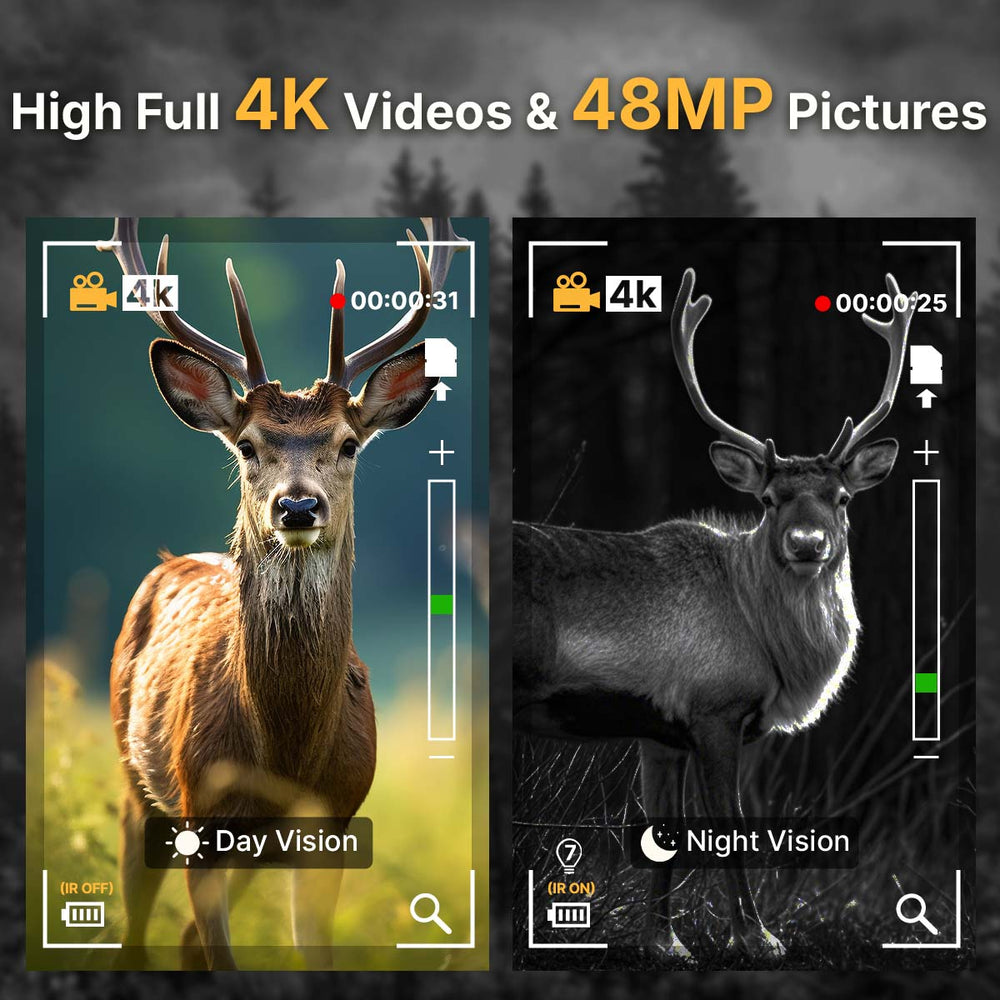
Infrared (IR) capability determines how well a deer hunting camera performs in complete darkness. It controls both visibility range and image clarity at night.
What to Look For
- IR Flash Range (65ft–100ft+)
- Adjustable IR Intensity
- No-glow vs Low-glow LEDs
Why It Matters
Higher IR range allows detection of animals at longer distances, while proper illumination ensures clearer images without overexposure.
Research from wildlife monitoring studies shows infrared-triggered cameras are essential tools for observing nocturnal animal behavior without disturbance.
source: https://www.usgs.gov/centers/pwrc/science/camera-traps
G600 Advantage
The WOSPORTS G600 trail camera features powerful infrared night vision designed for long-distance detection, making it ideal for hunting environments where visibility is limited.

Trigger Speed and Motion Detection Accuracy
Trigger speed defines how quickly the camera captures an image after detecting motion. For night monitoring, this is especially important because animals move quickly and unpredictably.
Ideal Specifications
- Trigger speed: ≤0.3 seconds
- Wide PIR detection angle
- Multi-zone motion sensors
Why It Matters
A slow trigger speed results in:
- Missed shots
- Partial captures
- Lower-quality data
Expert Insight
“Fast trigger speed is critical in wildlife monitoring because animals often pass through detection zones in seconds, especially at night.”
source: https://extension.psu.edu/camera-traps-for-wildlife
B2B Insight
- Faster trigger = higher perceived product quality
- Reduces negative reviews
- Essential for hunting-focused markets
Image and Video Quality at Night
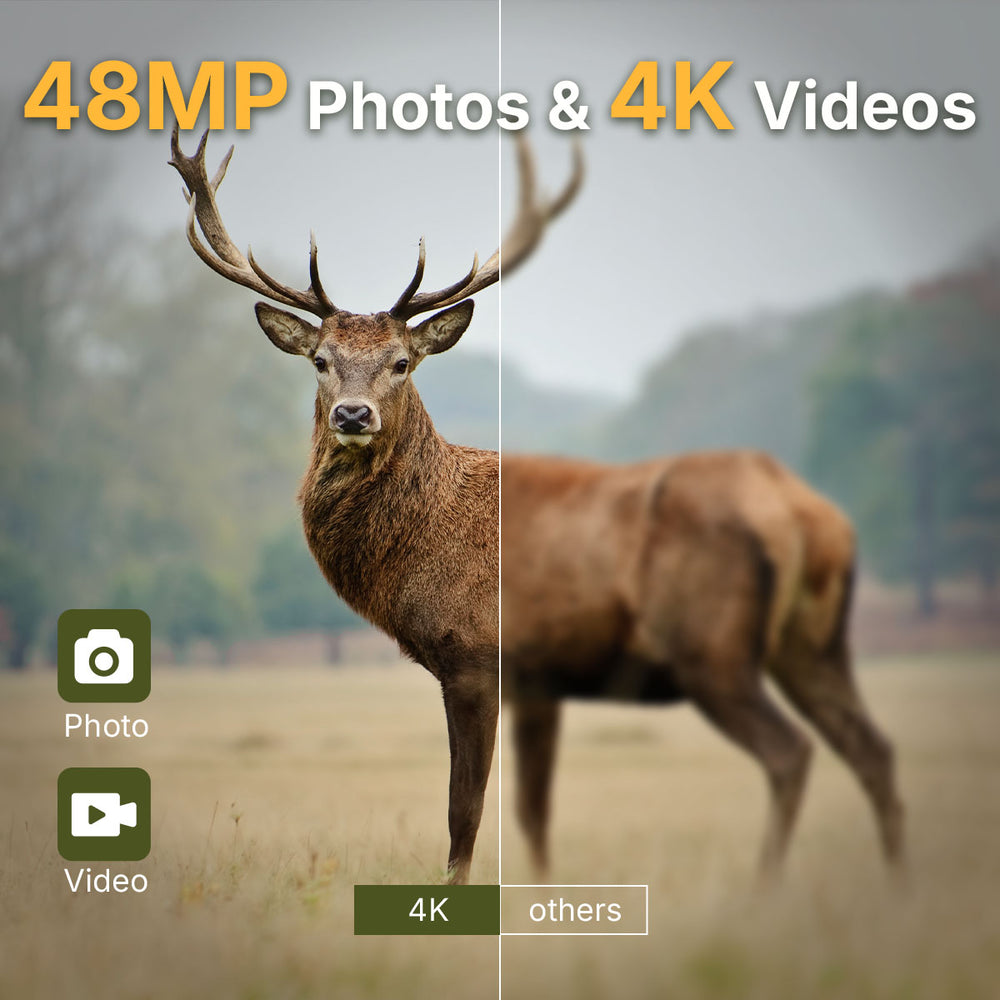
High resolution does not always guarantee better night performance. What matters is how well the sensor handles low-light conditions.
Key Metrics
| Specification | Recommended Standard |
|---|---|
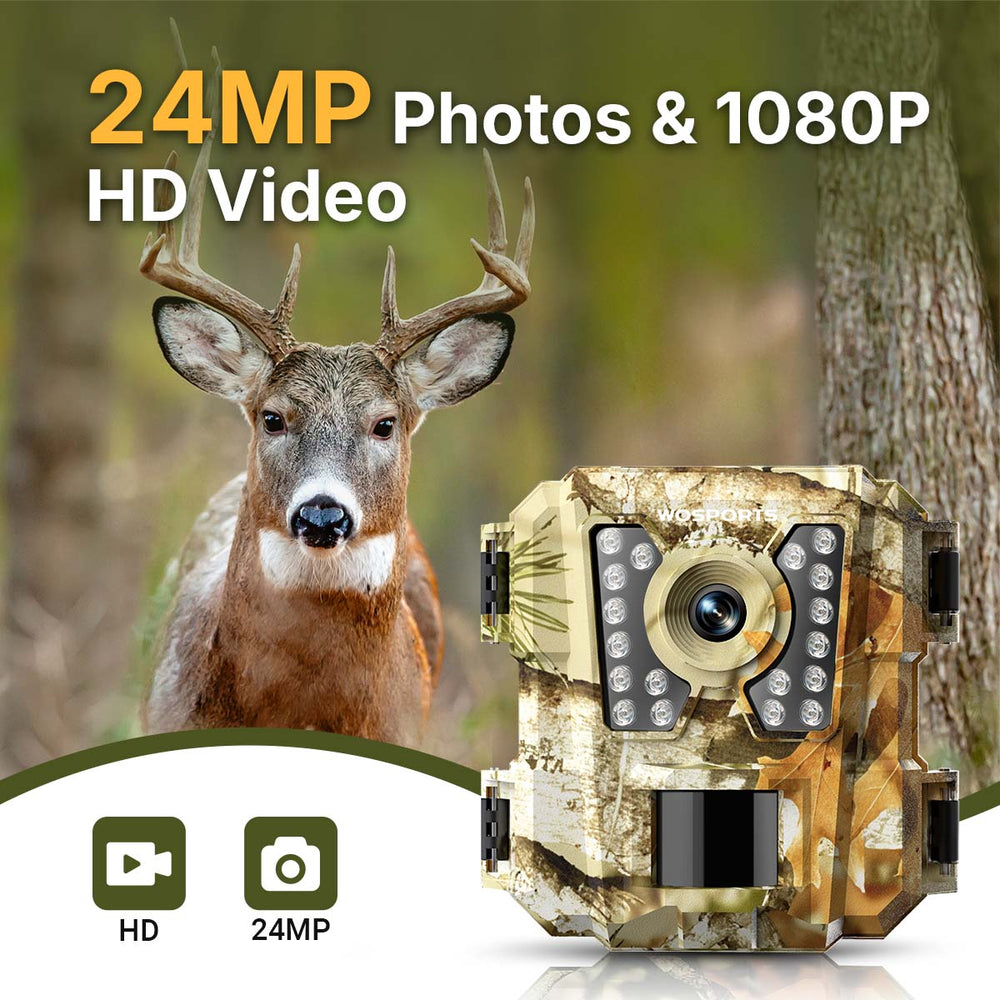
| Photo Resolution | 24MP–48MP |
| Video Resolution | 1080P–4K |
| Night Image Clarity | High contrast, low noise |
Real Insight
Night images depend more on:
- Sensor quality
- IR balance
- Noise reduction processing
According to wildlife imaging research, camera trap data quality directly impacts ecological analysis and animal tracking accuracy.
source: https://www.sciencedirect.com/topics/agricultural-and-biological-sciences/camera-trap
G600 Performance
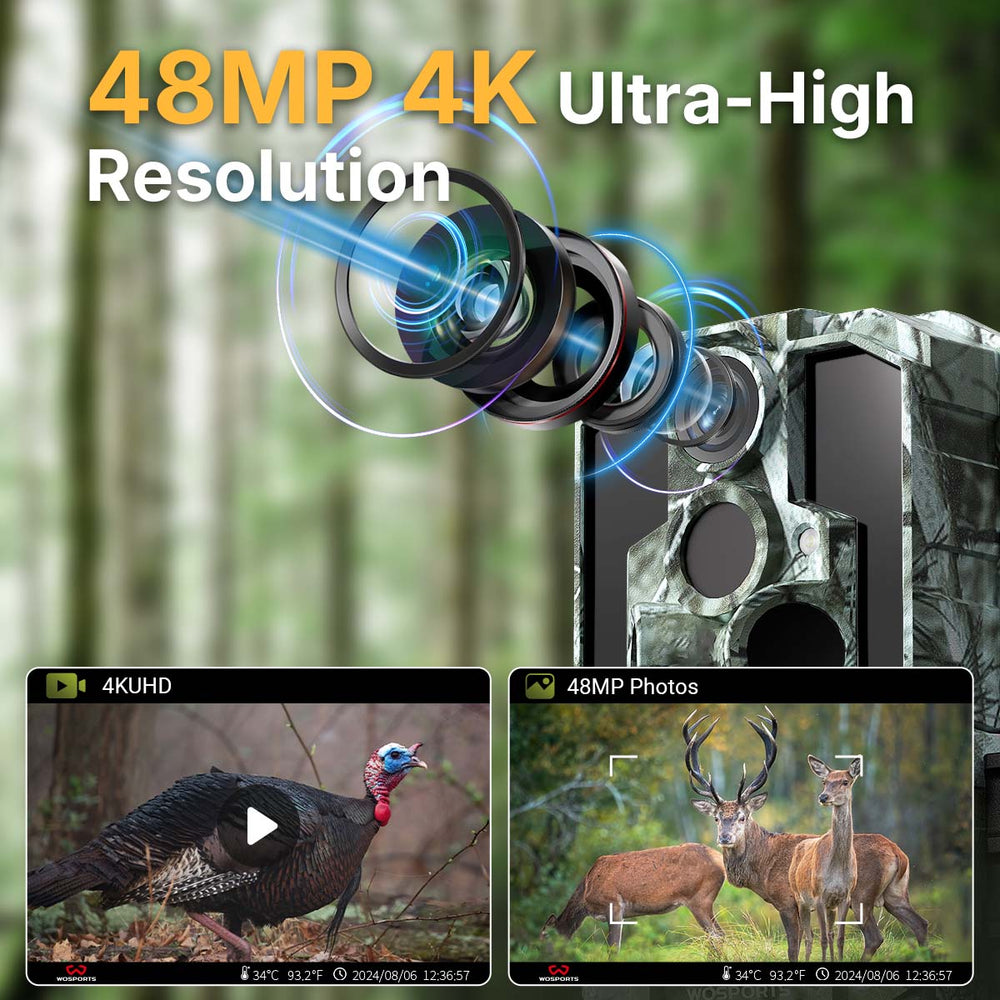
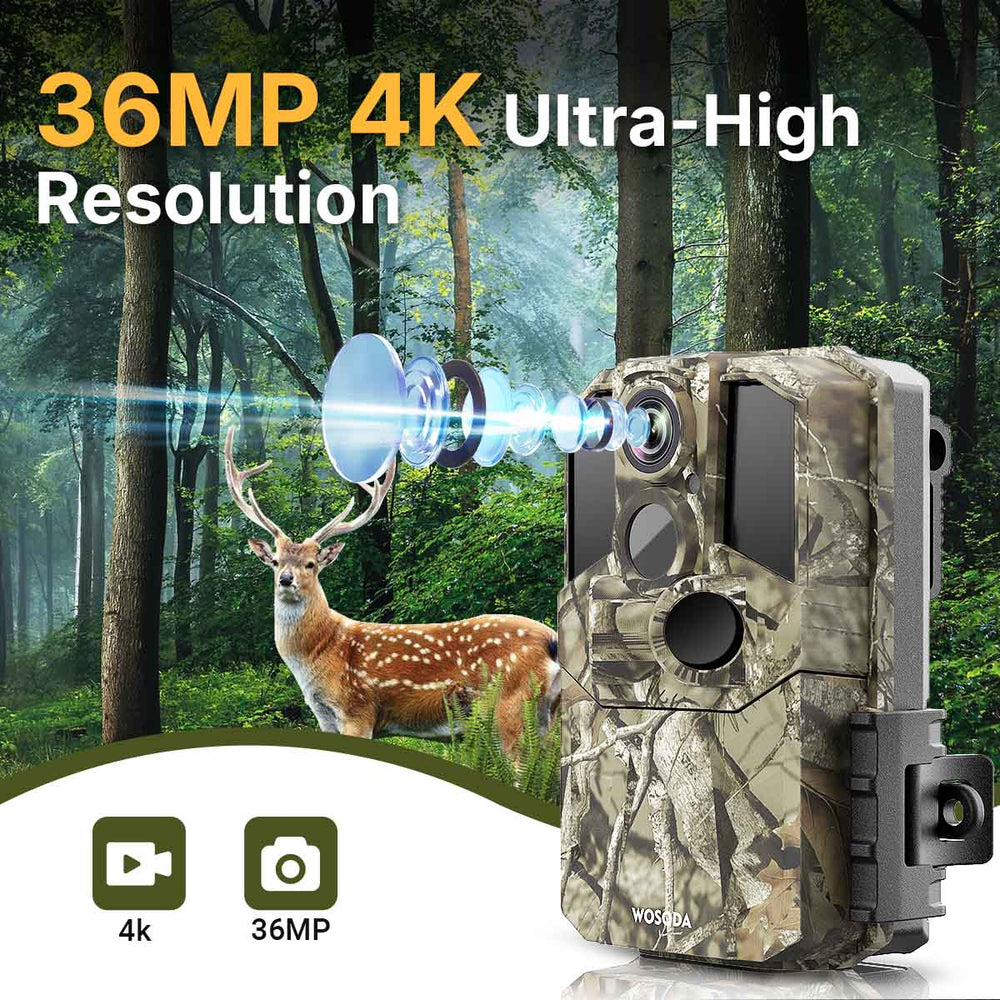
The G600 trail camera combines high-resolution imaging with optimized night processing, ensuring usable footage for both hunters and researchers.
Battery Life and Power Efficiency for Night Use
Night monitoring consumes significantly more power due to infrared illumination. Poor battery performance leads to downtime and missed activity.
What to Look For
- Long standby time
- Efficient IR power consumption
- External power compatibility
Why It Matters
- Frequent battery replacement increases operational cost
- Power failure = lost monitoring data
Industry Insight
Wildlife monitoring programs often emphasize long-term deployment efficiency to reduce maintenance frequency.
source: https://www.nps.gov/subjects/wildlifehealth/index.htm
G600 Strength
The G600 is designed for extended field use, supporting long battery life and stable night operation, making it suitable for bulk deployment.
Durability and Weather Resistance for Outdoor Night Monitoring
Night monitoring often happens in harsh environments—rain, humidity, dust, and temperature fluctuations.
Key Requirements
- Waterproof rating (IP65 or higher)
- Durable casing
- Stable performance in extreme conditions
Why It Matters
Outdoor cameras must function continuously without failure, especially in remote hunting areas.
B2B Perspective
Durability directly impacts:
- Return rates
- Warranty costs
- Brand reputation
The G600 trail camera is built with rugged outdoor conditions in mind, ensuring reliable performance across different environments.
Case Study: Bulk Deployment for Deer Hunting Land Monitoring
A hunting land manager in the Midwest deployed 80 units of the G600 trail camera across a large deer habitat.
Objectives
- Monitor deer movement patterns
- Improve hunting success rates
- Reduce manual scouting time
Results
- 60% increase in nighttime wildlife detection
- More consistent tracking data across locations
- Reduced labor costs for field monitoring
User Feedback
- “Clear night images even at longer distances”
- “Very reliable in different weather conditions”
This demonstrates how choosing the right night monitoring specs directly improves outcomes.
Comparison Table: Night Monitoring Performance Factors
| Feature | Low-End Cameras | High-Performance Cameras (e.g., G600) |
|---|---|---|
| IR Range | <50 ft | 65–100+ ft |
| Trigger Speed | >0.8s | ≤0.3s |
| Night Image Quality | Grainy / blurry | Clear / high contrast |
| Battery Life | Short | Long-lasting |
| Durability | Basic | Rugged outdoor design |
FAQ: Night Monitoring Trail Cameras
Q: What is the most important feature for night hunting cameras?
A: Infrared night vision range and image clarity.
Q: Is trigger speed important at night?
A: Yes, animals move quickly and slow cameras miss key moments.
Q: Do higher megapixels improve night images?
A: Not necessarily—sensor quality and IR balance matter more.
Q: Is G600 suitable for deer hunting?
A: Yes, it is optimized for night monitoring, making it ideal for deer hunting applications.
Final Thoughts: Focus on Night Performance for Better ROI
For B2B buyers, selecting a hunting trail camera should start with one question: How well does it perform at night?
The most important specifications include:
- Infrared night vision range
- Fast trigger speed
- Reliable image clarity
- Long battery life
- Durable outdoor design
The WOSPORTS G600 trail camera meets all these criteria, making it a strong choice for wholesale buyers targeting deer hunting and wildlife monitoring markets.
Search
Popular Posts
Recent Posts


Nov 28, 2024
Troubleshooting Common Trail Camera Issues
Jan 10, 2025
Why Does My Trail Camera Stop Working at Night?