What Trail Camera Specifications Matter Most for Night Monitoring?
What really matters at night?
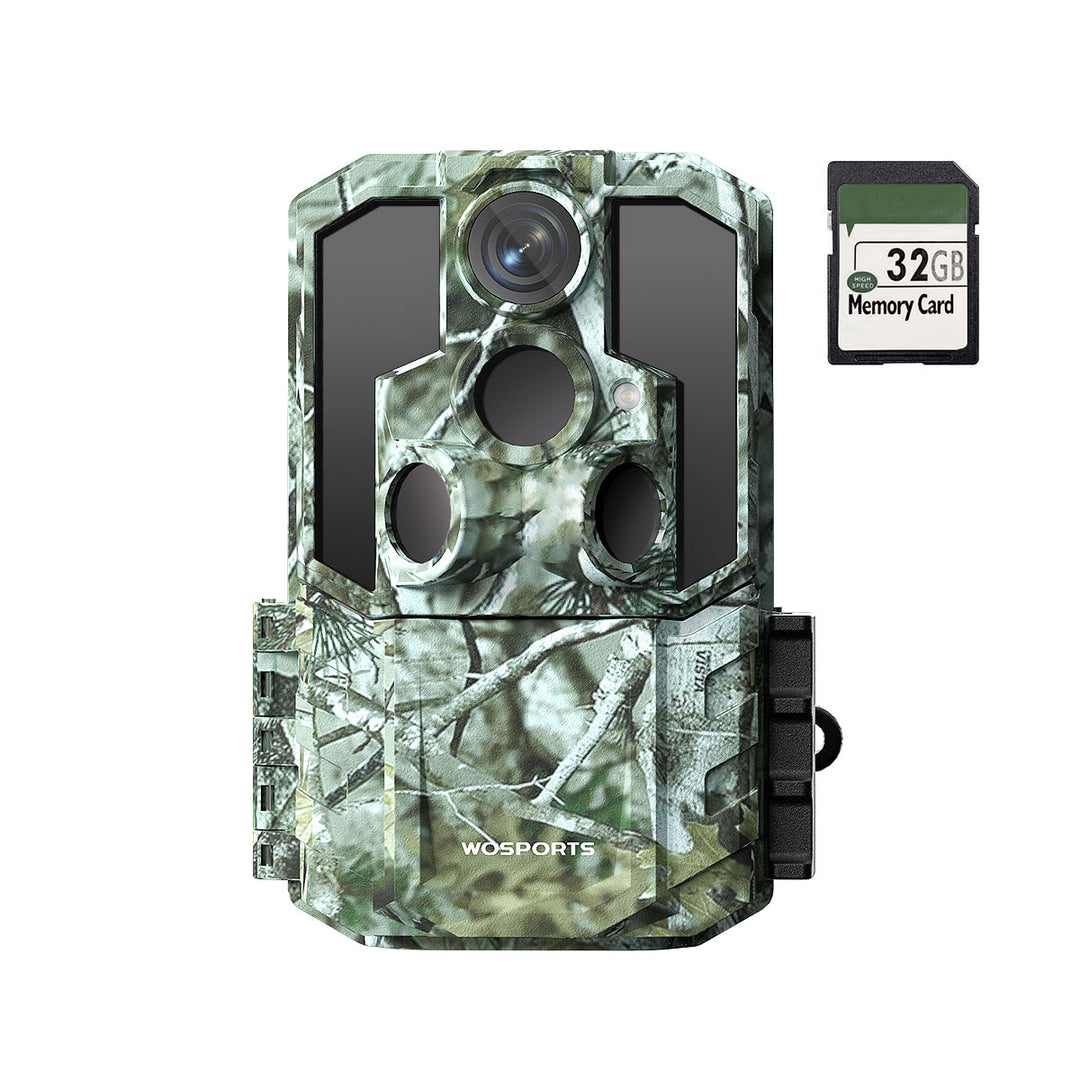
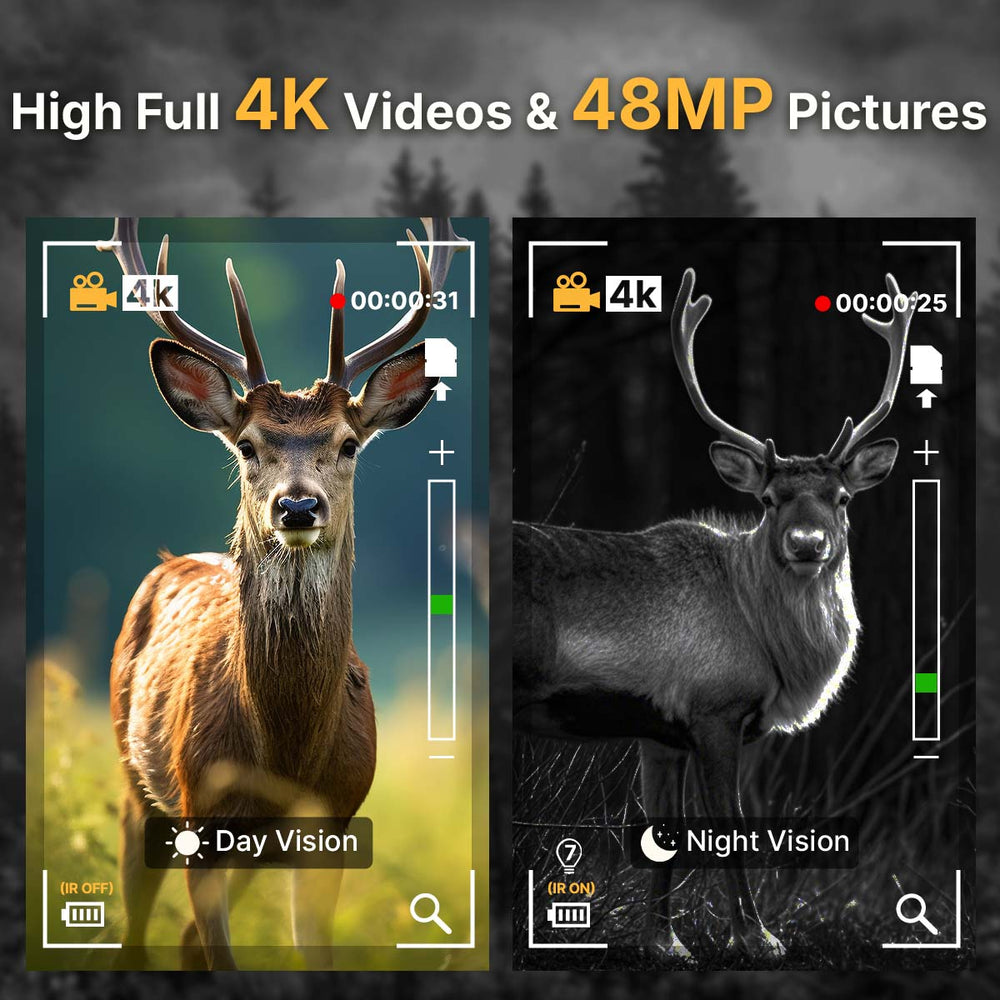
For night monitoring, the most critical trail camera specifications are infrared performance, sensor sensitivity, trigger speed, and battery efficiency. These factors directly impact real-world usability in hunting and wildlife monitoring, where reliability matters more than spec sheets.
Why is infrared technology the core of night monitoring?
Infrared enables trail cameras to capture images in complete darkness without disturbing wildlife, making it essential for both hunting and ecological observation.
“Camera traps are widely used to study wildlife and typically rely on motion sensors and infrared technology.”
Source: Smithsonian’s National Zoo & Conservation Biology Institute
https://nationalzoo.si.edu/animals/news/what-camera-trap
Key infrared specifications
-
IR wavelength
- 850nm → longer range, clearer images
- 940nm → invisible, better concealment
-
IR system integration
- Real performance depends on IR + sensor optimization
B2B insight
- Hunting buyers prioritize distance and clarity
- Research buyers prioritize stealth and non-disturbance
Does resolution really matter for night footage?
Sensor sensitivity matters more than megapixels, especially in low-light environments.
“Camera traps allow researchers to monitor wildlife remotely, including during nighttime conditions.”
Source: National Geographic Society
https://education.nationalgeographic.org/resource/camera-trap/
What actually impacts night image quality
- Sensor size and light sensitivity
- Noise reduction processing
- Infrared illumination consistency
B2B analysis
| Spec Type | Marketing Value | Real Night Impact |
|---|---|---|
| Megapixels | High | Medium |
| Sensor quality | Low visibility | Very High |
| Infrared system | Medium | Very High |
| Processing | Medium | High |
Insight: Many high-megapixel cameras underperform at night due to weak sensors.
How important are detection range and trigger speed?
Detection performance determines whether the camera captures wildlife—or misses it entirely.
“Camera traps are triggered by movement and body heat, allowing automatic wildlife capture.”
Source: National Park Service (NPS)
https://www.nps.gov/articles/camera-traps.htm
Key specifications
- Trigger speed: ≤0.3 seconds
- Detection range: 20–30 meters
- Recovery time: <1 second
Real-world impact
- Slow trigger → missed wildlife
- Weak detection → false or empty shots
B2B insight
Detection issues are one of the top causes of returns and negative reviews.
What role does battery life play in real-world monitoring?
Battery performance determines whether a trail camera is practical in the field.
“Remote cameras are used for long-term wildlife monitoring with minimal human presence.”
Source: U.S. Forest Service (USDA)
https://www.fs.usda.gov/science-technology/wildlife
Key considerations
- Long standby time (months)
- Efficient infrared energy use
- External power compatibility
B2B insight
Long battery life leads to:
- Lower maintenance costs
- Better user experience
- Higher product retention
What defines a professional-grade night vision trail camera?
A professional-grade trail camera delivers balanced performance across all critical specifications rather than excelling in just one area.
Essential checklist
- Infrared night vision system
- High-sensitivity image sensor
- Fast trigger speed
- Long battery life
Market trend
- Entry-level → spec-driven
- Mid-tier → balanced performance
- Professional → reliability-focused
Insight: B2B buyers are shifting toward proven performance rather than spec comparisons.
Case study: U.S. hunting distributor deployment
Reliability in real conditions delivers measurable results.
Scenario
- 20+ cameras deployed for deer monitoring
- Issues: missed captures and frequent battery replacement
Solution: G600 deployment
Results
- +35% increase in usable footage
- ~40% reduction in battery replacement
- Improved tracking success rate
Why it worked
- 0.2s trigger speed captured fast movement
- Stable infrared improved night clarity
- Wide PIR detection reduced blind spots

How does the G600 align with key night monitoring specs?
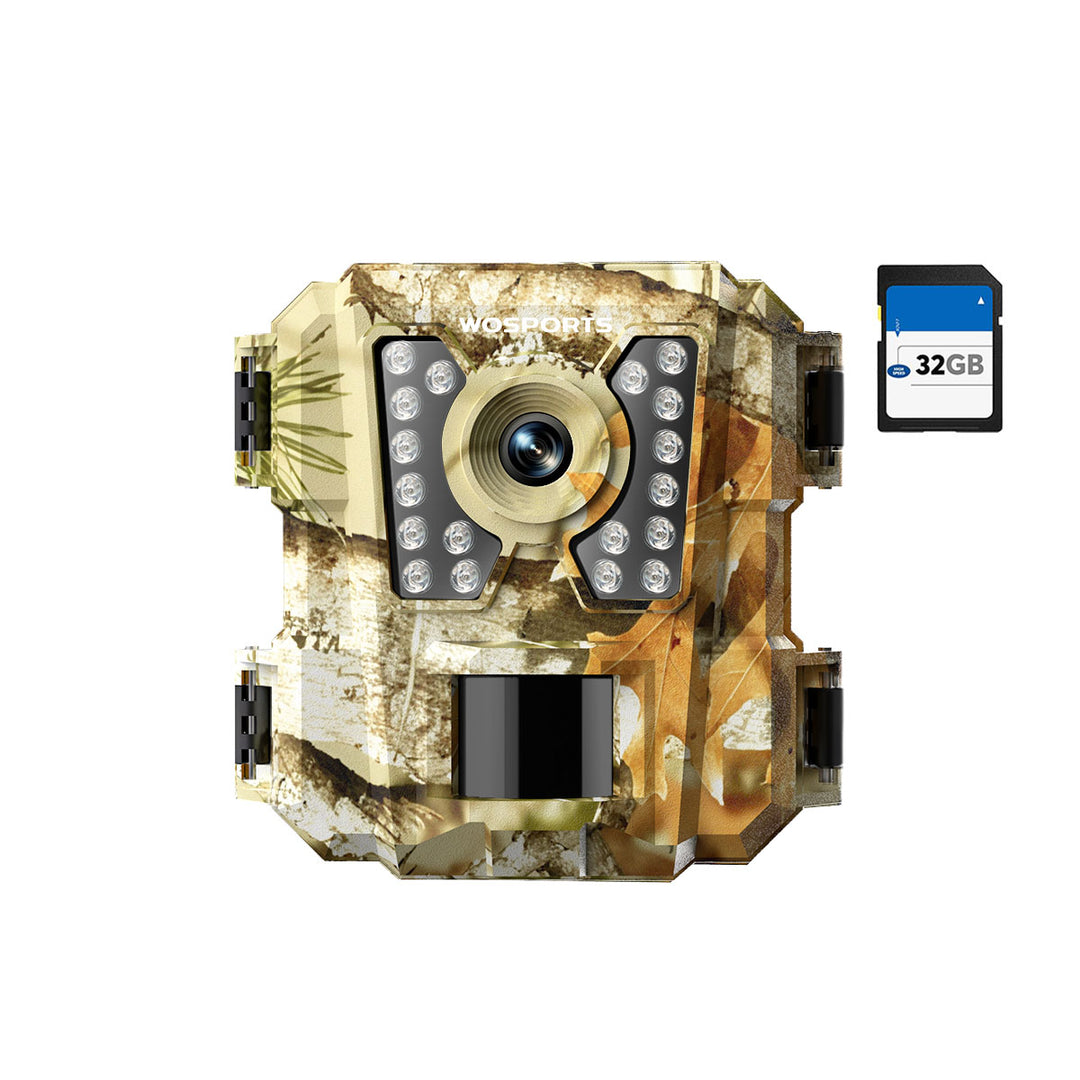
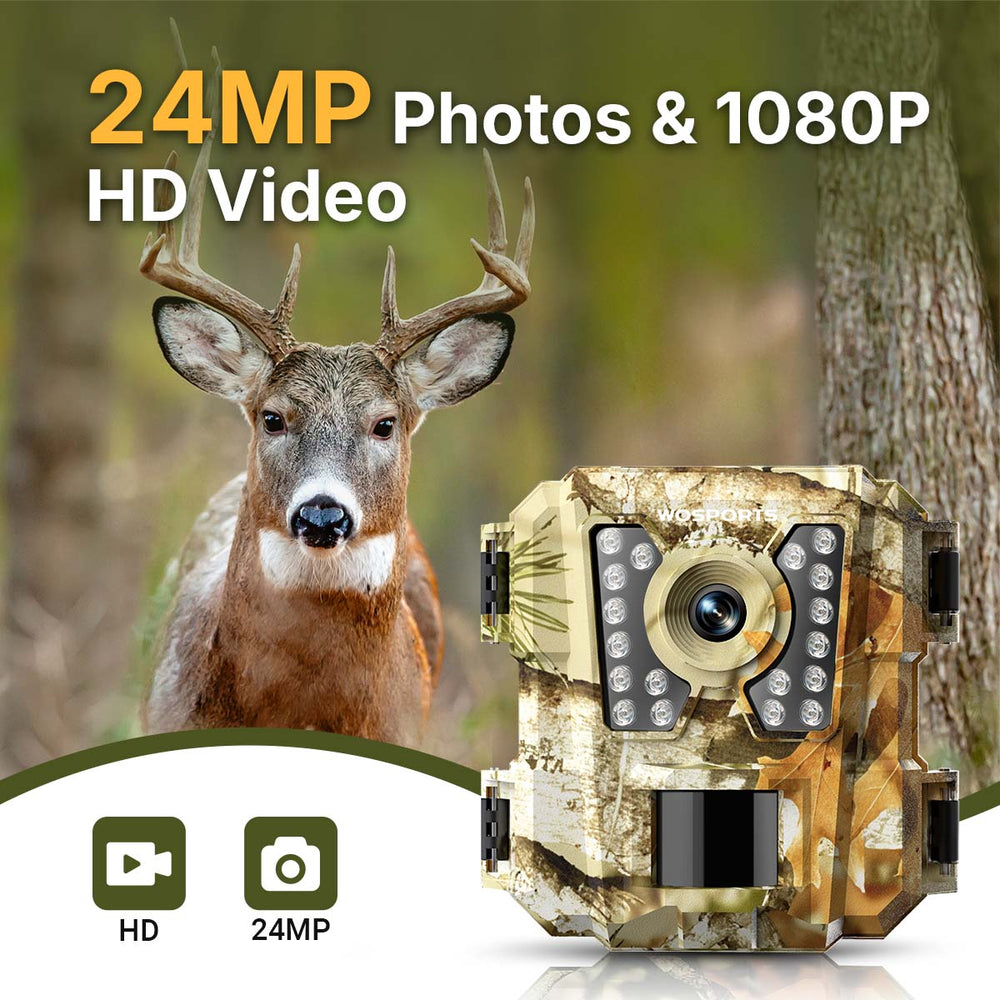
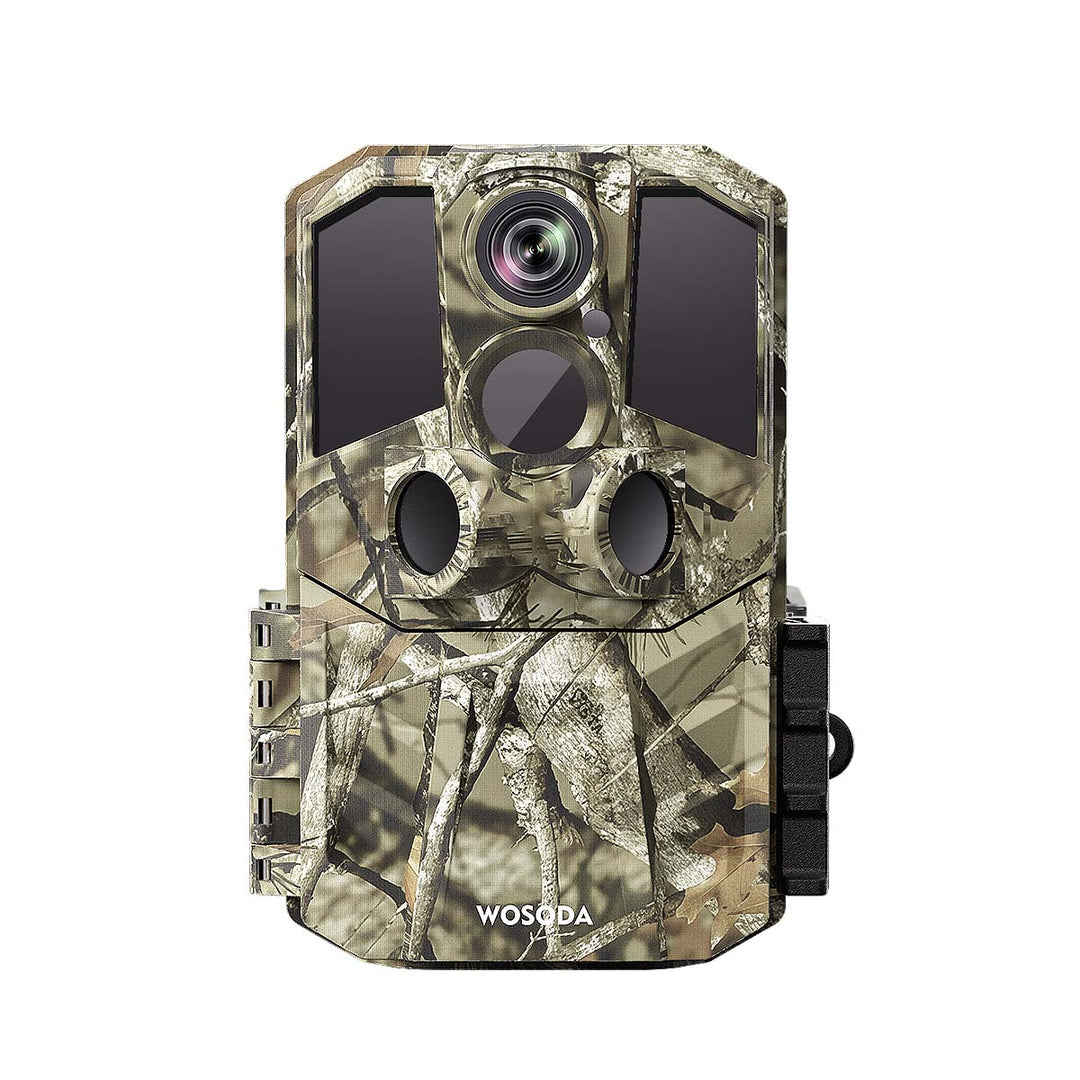
The G600 is designed around real-world performance rather than inflated specifications.
Key features
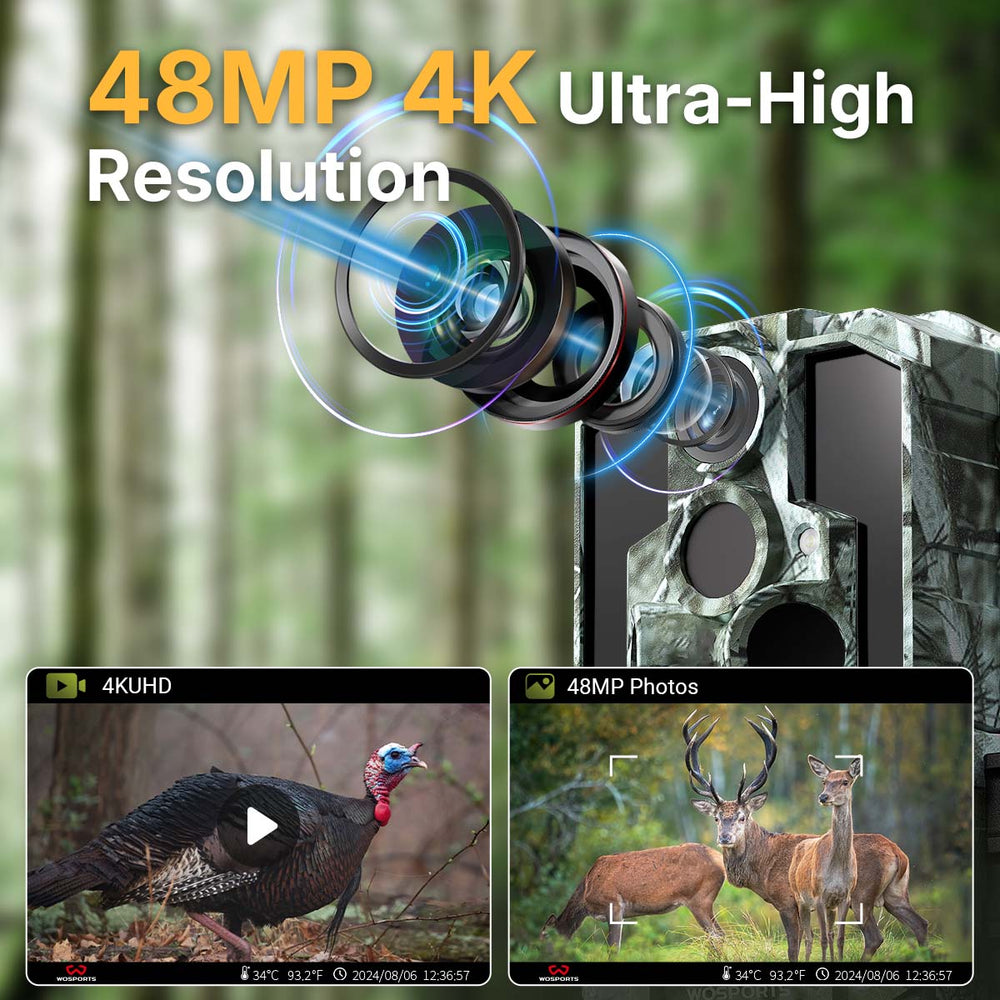
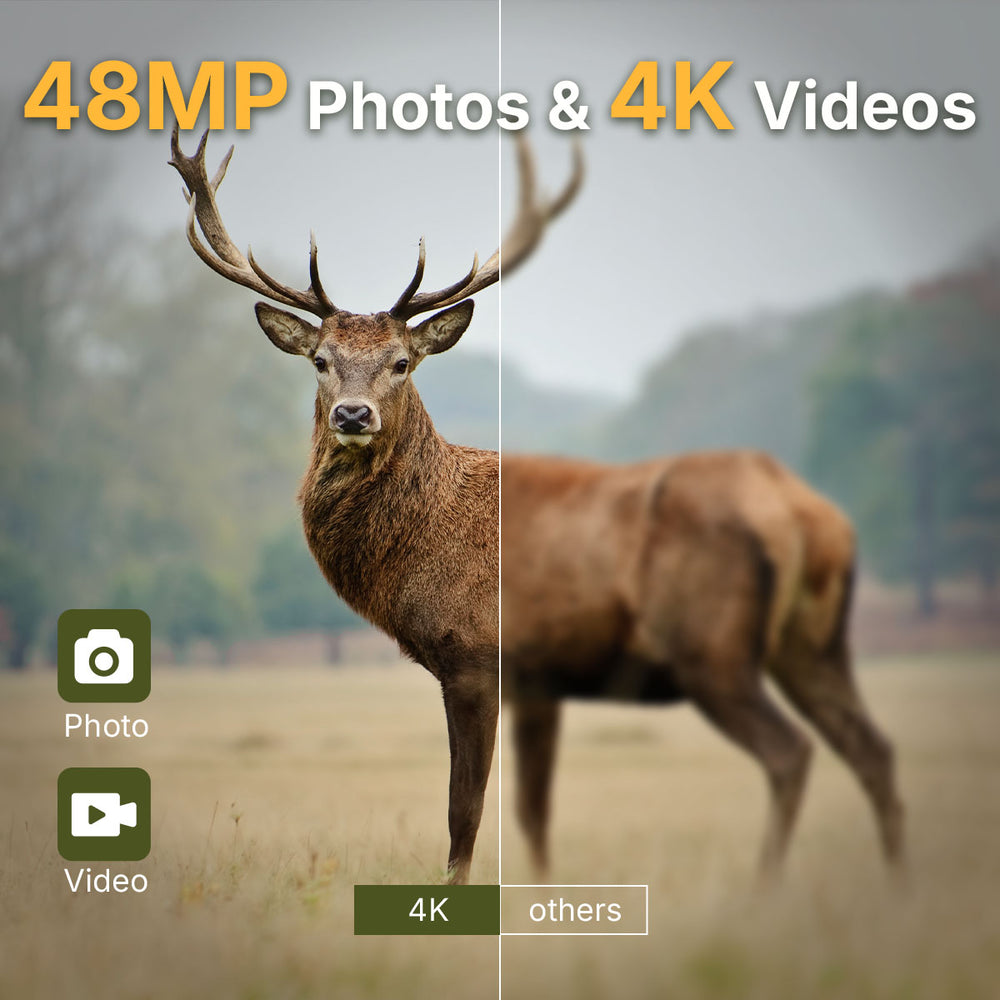
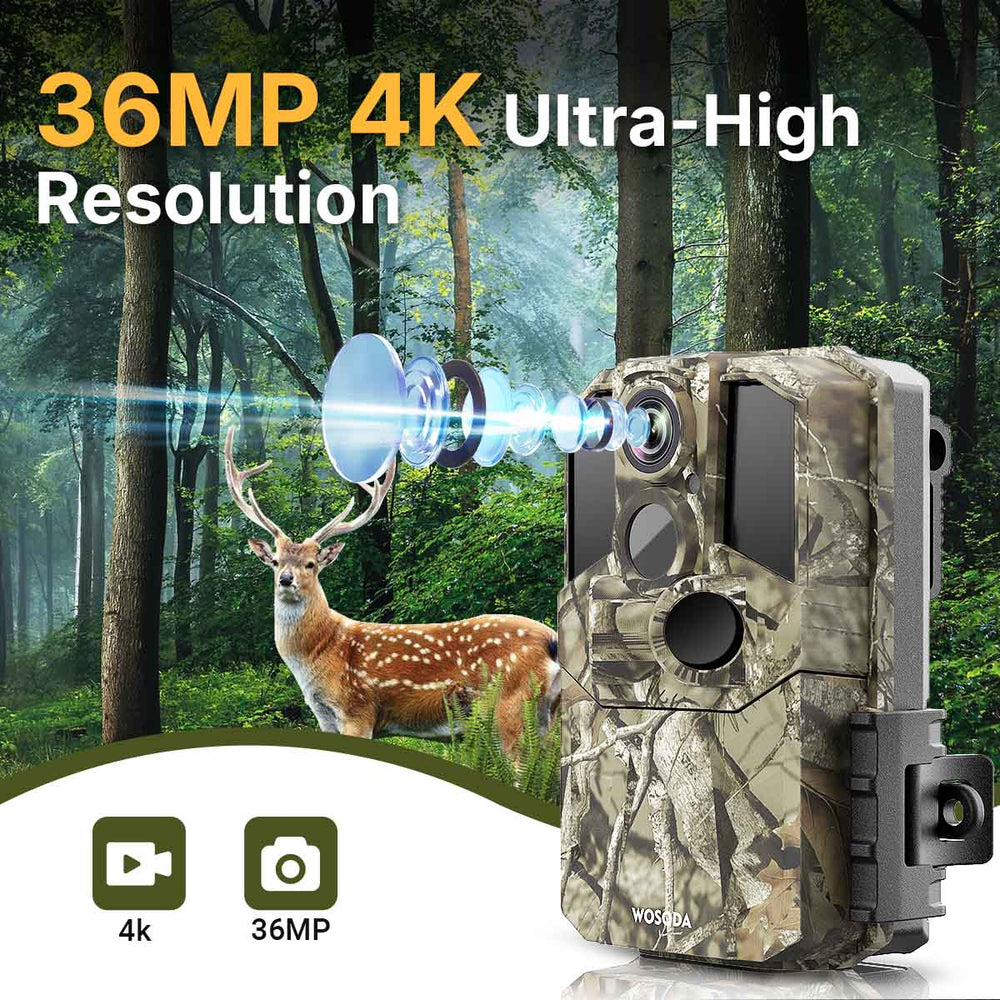
- 48MP photos and 4K video
- 0.2s fast trigger speed
- Wide-angle PIR detection
- Infrared night vision system
- Long battery life and rugged design
Positioning insight
- Consistent performance in real environments
- Lower operational costs
- Scalable for B2B distribution
FAQ for buyers
Is higher megapixel better at night?
No. Sensor quality and infrared performance matter more.
Which infrared type is better?
- Hunting → 850nm
- Research/security → 940nm
What impacts ROI most?
Battery life and detection reliability
What causes most complaints?
- False triggers
- Poor night clarity
- Overstated specifications
Final takeaway
If you are sourcing night vision trail cameras or infrared cameras, focus on:
- Infrared performance
- Sensor quality
- Trigger speed
- Battery efficiency
Products that perform reliably at night will consistently outperform those that rely only on high specs.
Search
Popular Posts
Recent Posts


Nov 28, 2024
Troubleshooting Common Trail Camera Issues
Jan 10, 2025
Why Does My Trail Camera Stop Working at Night?