Which Night Vision Binoculars Are Best for Camping and Outdoor Adventures?
Why are night vision binoculars critical for wildlife observation?
Short answer: A large proportion of wildlife activity happens at night, making night vision monitoring essential for accurate observation.
Scientific research shows that wildlife behavior is increasingly nocturnal. A global meta-analysis across 62 species found that mammals become 1.36× more active at night in response to human presence, meaning most observable behavior shifts into darkness.
What this means for buyers
-
Daytime observation misses key animal behavior
-
Nighttime monitoring is now essential, not optional
-
Demand is rising across wildlife tourism and research
B2B insight:
Night vision binoculars are fundamentally wildlife observation tools, not just camping accessories.
How does human activity increase nighttime wildlife behavior?
Short answer: Animals shift to the night to avoid humans, making nighttime the best observation window.
Research shows that 83% of studied species increased nocturnal activity due to human disturbance, across ecosystems worldwide.
source: https://phys.org/news/2018-06-humans-wildlife-night-shift.pdf
Real-world implications
-
Hiking, camping, and tourism push animals into the night
-
Even non-threatening human presence changes behavior
-
Wildlife watchers must adapt to nighttime observation
Key takeaway:
If your customers are outdoors, animals are likely already avoiding them—and becoming active after dark.
What types of animals are primarily active at night?
Short answer: Many mammals, predators, and small animals rely on nighttime activity for survival.
Examples from wildlife studies:
-
Bats forage at night in multiple feeding cycles between dusk and dawn
-
Black-footed ferrets hunt primarily from dusk to early morning
-
Many rodents forage shortly after sunset and before sunrise
sources:
https://en.wikipedia.org/wiki/Little_brown_bat
https://en.wikipedia.org/wiki/Black-footed_ferret
https://en.wikipedia.org/wiki/Allegheny_woodrat
Why this matters commercially
-
Wildlife enthusiasts expect to see animals at night
-
Night tours and eco-guides rely on visibility tools
-
Observation success directly impacts customer satisfaction
What technologies are best for wildlife observation at night?
Short answer: Infrared-supported digital night vision offers the best balance between performance and affordability.
Wildlife observation requires non-invasive monitoring, meaning tools must work in darkness without disturbing animals.
Technology comparison
| Technology | Wildlife Observation Value | Limitation |
|---|---|---|
| Digital Night Vision (IR) | Excellent | Requires battery |
| Image Intensification | Good | Needs ambient light |
| Thermal Imaging | Moderate | Lacks detail |
Key insight
Unlike flashlights or visible light:
-
Infrared does not significantly disturb animals
-
Observers can watch natural behavior undetected
B2B takeaway:
Digital night vision is the most scalable category for wildlife-focused distribution.

Why NV400-style binoculars are ideal for wildlife and camping markets
Short answer: They combine real field usability with commercial scalability.
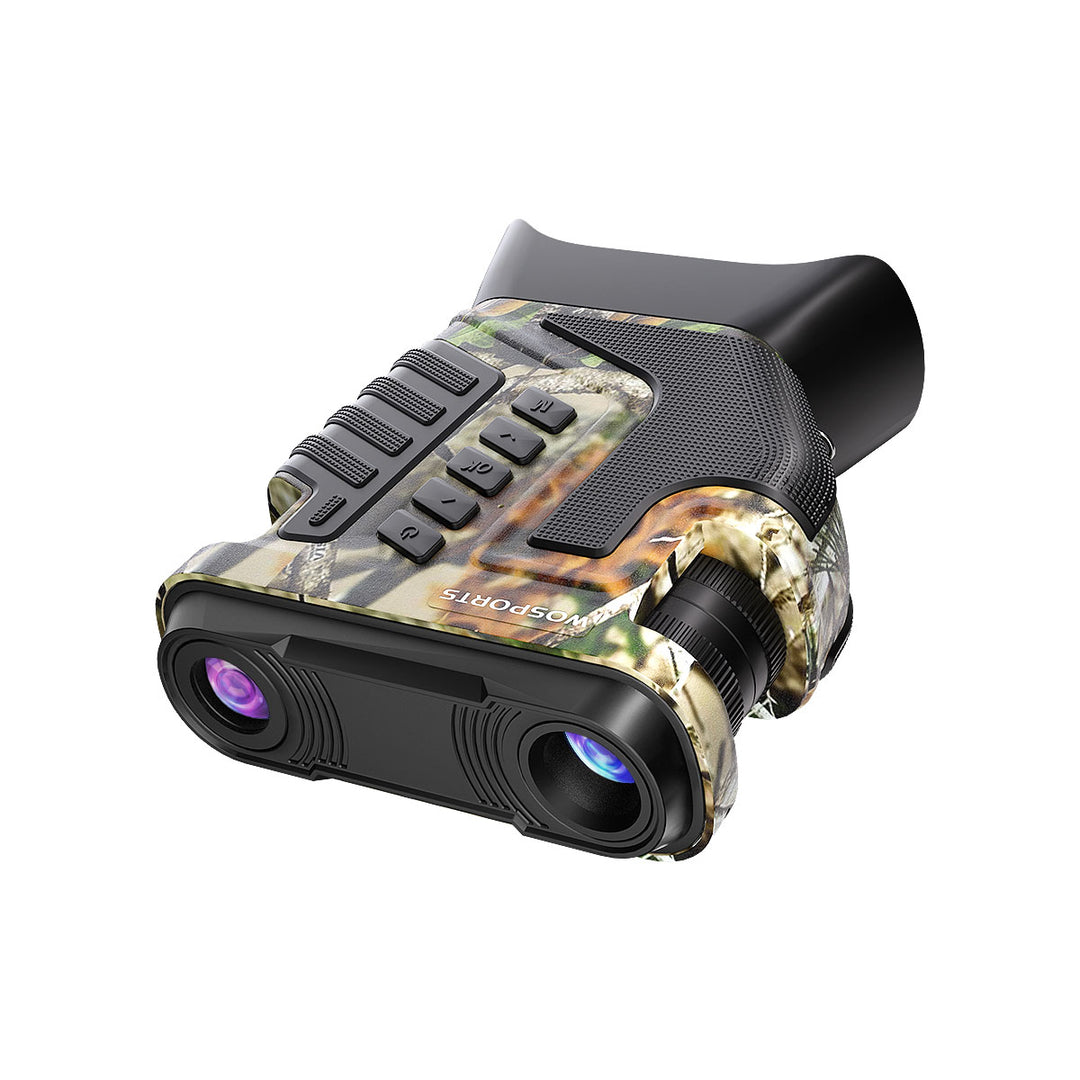
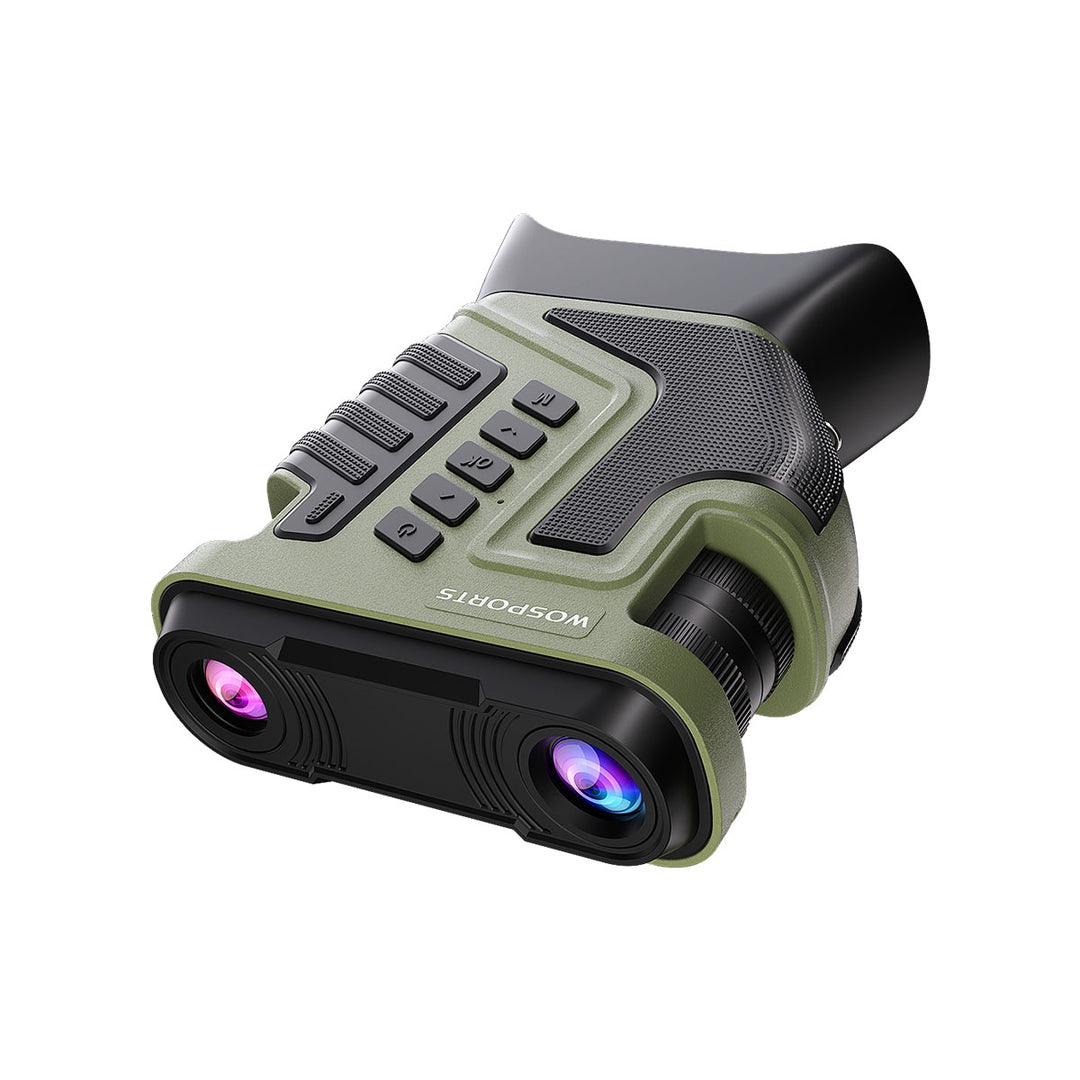
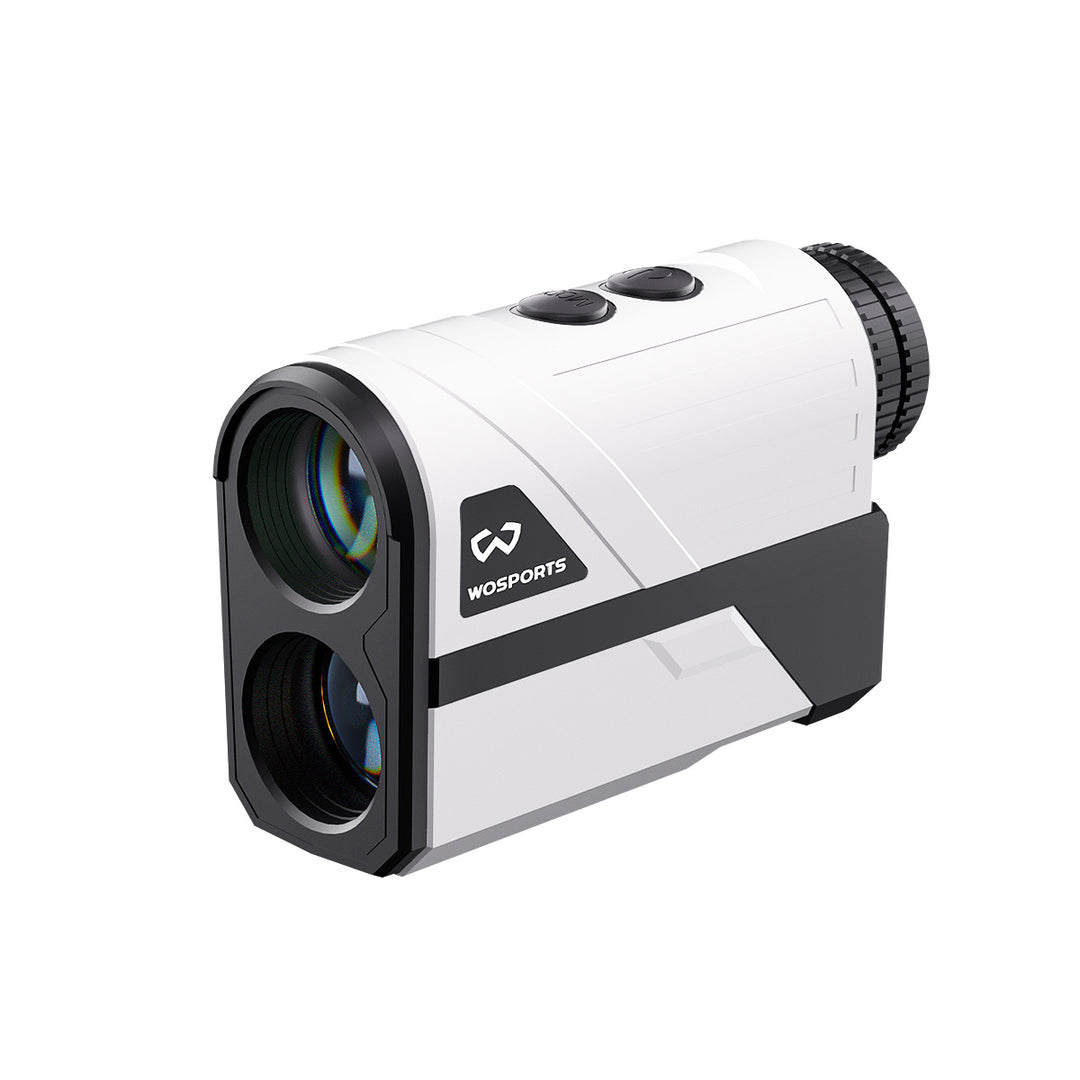
The WOSPORTS NV400 Night Vision Binoculars align closely with real wildlife observation needs:
Key use-case alignment
-
Full darkness visibility → matches nocturnal behavior patterns
-
4K recording → supports wildlife documentation
-
Zoom capability → allows distance observation without disturbance
-
Long battery life → supports overnight tracking
Market positioning
High-end military devices are impractical for most buyers, while NV400-type devices:
-
Fit retail and wholesale pricing structures
-
Serve both wildlife observation + security patrol equipment
-
Appeal to eco-tourism and outdoor segments
Result:
They sit in the highest-demand commercial segment globally.
What trends are driving wildlife observation demand?
Short answer: Behavioral shifts in animals + growth in outdoor recreation are accelerating demand.
Data-backed trends
-
Wildlife is becoming more nocturnal globally
-
Human outdoor activity is increasing disturbance-driven behavior changes
Additional ecological signal
Insects—key parts of ecosystems—are also more active at night, with studies showing ~30% higher nighttime activity levels (global analysis).
source: https://phys.org/news/2018-06-humans-wildlife-night-shift.pdf
B2B implication
-
Night = peak biodiversity visibility
-
Demand extends beyond hobbyists to professionals
-
Wildlife observation gear is becoming a growth category
Real-world case: Wildlife observation drives unexpected demand
Short answer: Positioning night vision as “wildlife gear” increases sales conversion.
Distributor case insight
A wholesaler repositioned night vision binoculars from:
-
“Camping gadgets” → to → “wildlife observation tools”
Results
-
Higher engagement from:
-
Nature photographers
-
Eco-tour operators
-
Outdoor educators
-
-
Increased repeat purchases
Key takeaway
Context sells the product.
Wildlife observation is a stronger demand driver than generic outdoor use.
Expert insight: Why non-invasive observation matters
Short answer: Observing without disturbance improves both safety and accuracy.
Wildlife research consistently shows that human presence alters behavior, making non-invasive tools essential for accurate observation.
Practical meaning
-
Flashlights disrupt ecosystems
-
Night vision enables natural observation
-
Better experience for users and researchers
FAQ: What B2B buyers need to know
Are night vision binoculars necessary for wildlife watching?
Yes—because a large portion of wildlife activity occurs at night.
Who are the main buyers?
-
Wildlife enthusiasts
-
Outdoor retailers
-
Eco-tourism operators
What price range works best?
-
Mid-range products ($150–$300) offer the best turnover
Final takeaway: What should wholesalers prioritize?
Short answer: Sell access to wildlife experiences—not just equipment.
Wildlife is increasingly:
-
Active at night
-
Avoiding human presence
-
Harder to observe without technology
This makes night vision binoculars essential for:
-
Wildlife observation
-
Camping and outdoor exploration
-
Security patrol equipment crossover markets
Winning strategy for B2B:
-
Position products around wildlife discovery
-
Focus on real use cases (night observation)
-
Offer scalable solutions like NV400
Search
Popular Posts
Recent Posts


Nov 28, 2024
Troubleshooting Common Trail Camera Issues
Jan 10, 2025
Why Does My Trail Camera Stop Working at Night?