Why Landing Distance Matters More Than You Think in Golf
Most golfers focus on one number:
👉 Distance to the flag
And then they try to hit it that exact number.
But here’s the problem:
👉 That’s not how good players think.
Because in golf, it’s not just about how far the ball travels.
It’s about where it lands.
The mistake: aiming for the pin distance
Let’s say the flag is:
👉 150 yards away
Most amateur golfers think:
“I need a 150-yard shot.”
So they:
-
Choose a 150 club
-
Aim at the flag
-
Try to hit it perfectly
And what happens?
-
Ball comes up short
-
Or goes long
-
Or lands in trouble
👉 Because they ignored the most important factor:
Landing distance.
What is landing distance?
Landing distance is:
👉 The distance where your ball first hits the ground
Not where it finishes.
Not where it rolls.
But where it lands.
Why landing distance matters more than total distance
Here’s the reality:
-
Greens are designed to stop the ball
-
Hazards are often in front
-
Pins are rarely in the safest spot
So if your ball doesn’t carry far enough:
👉 You’re in trouble before it even has a chance to roll.
Example:
-
Pin: 150 yards
-
Front bunker: 140 yards
If your ball:
-
Carries 138 → bunker
-
Carries 145 → safely on the green
👉 That’s why carry (landing distance) is everything.
What better players do differently
Better golfers don’t aim for the flag number.
They think like this:
-
“What distance do I need to carry the danger?”
-
“Where is the safest landing area?”
-
“What club gets me there consistently?”
👉 Their focus is on landing zone, not just distance.
Why amateurs struggle with this
1. They don’t know their carry distances
Most golfers only know:
“My 7-iron goes about 160.”
But they don’t know:
-
Average carry
-
Miss pattern
👉 That makes landing control impossible.
2. They aim too aggressively
Going straight at the flag often means:
-
Bringing hazards into play
-
Missing on the wrong side
Better strategy:
👉 Aim for safe, high-percentage areas
3. They rely on total distance
Roll is unpredictable.
-
Greens stop the ball
-
Spin affects rollout
-
Conditions change constantly
👉 Carry is the only reliable number.
How to start controlling your landing distance
You don’t need a new swing.
You need a better system.
1. Know your carry numbers
Instead of:
“My 8-iron goes 150”
Think:
👉 “My 8-iron carries 140–145”
2. Play to safe landing zones
Not every shot should go at the flag.
Choose:
-
Center of the green
-
Away from hazards
-
High-percentage targets
3. Use precise yardage, not guesses
You can’t control landing distance if you don’t know:
👉 How far you actually need to carry the ball
Make landing control easier with the right tools
Accurate yardage is what allows you to connect:
👉 Your carry distance → the landing zone
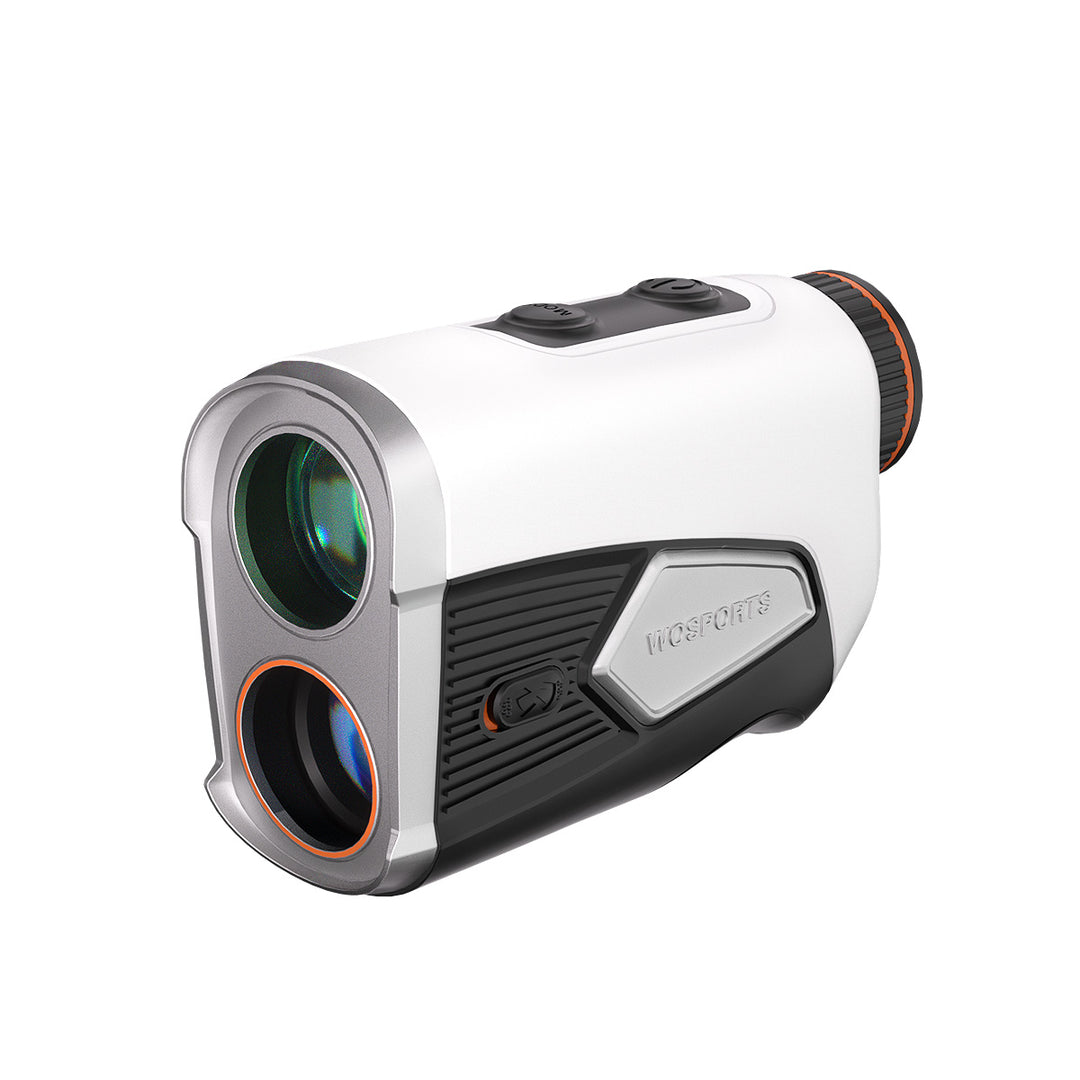
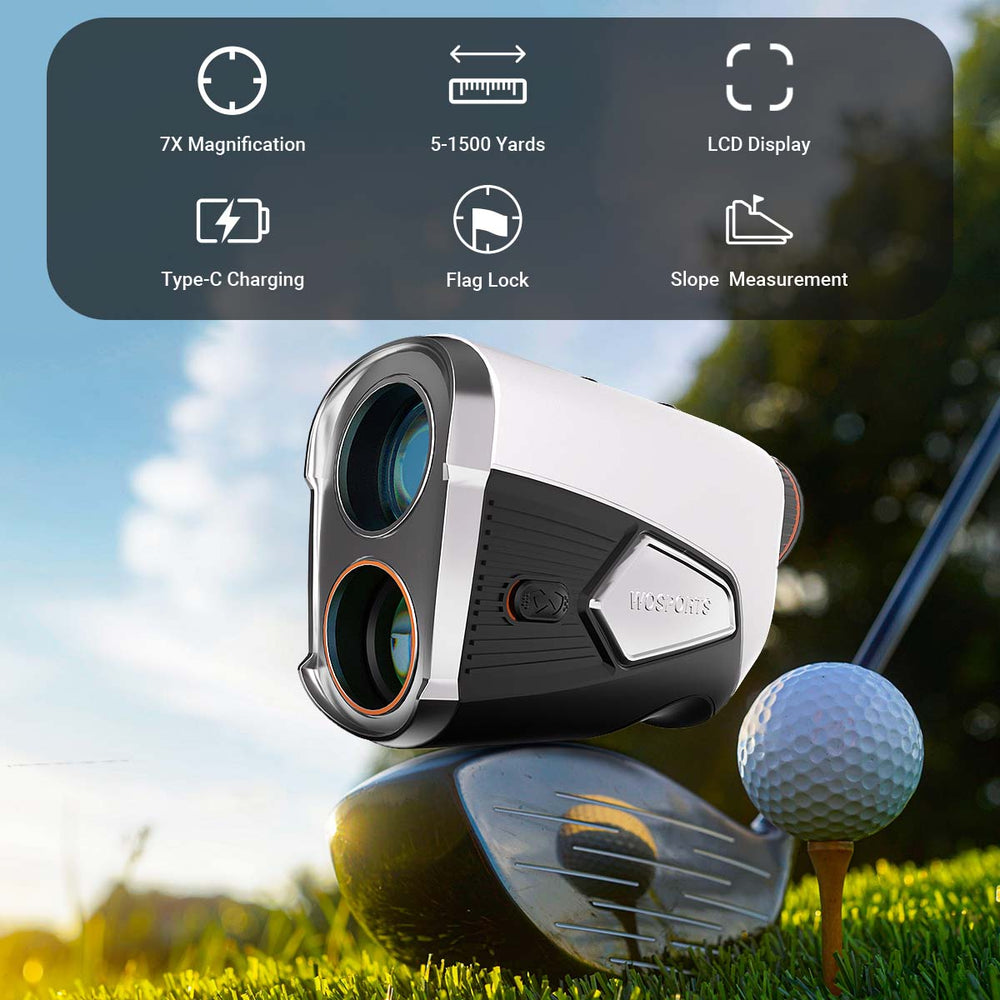
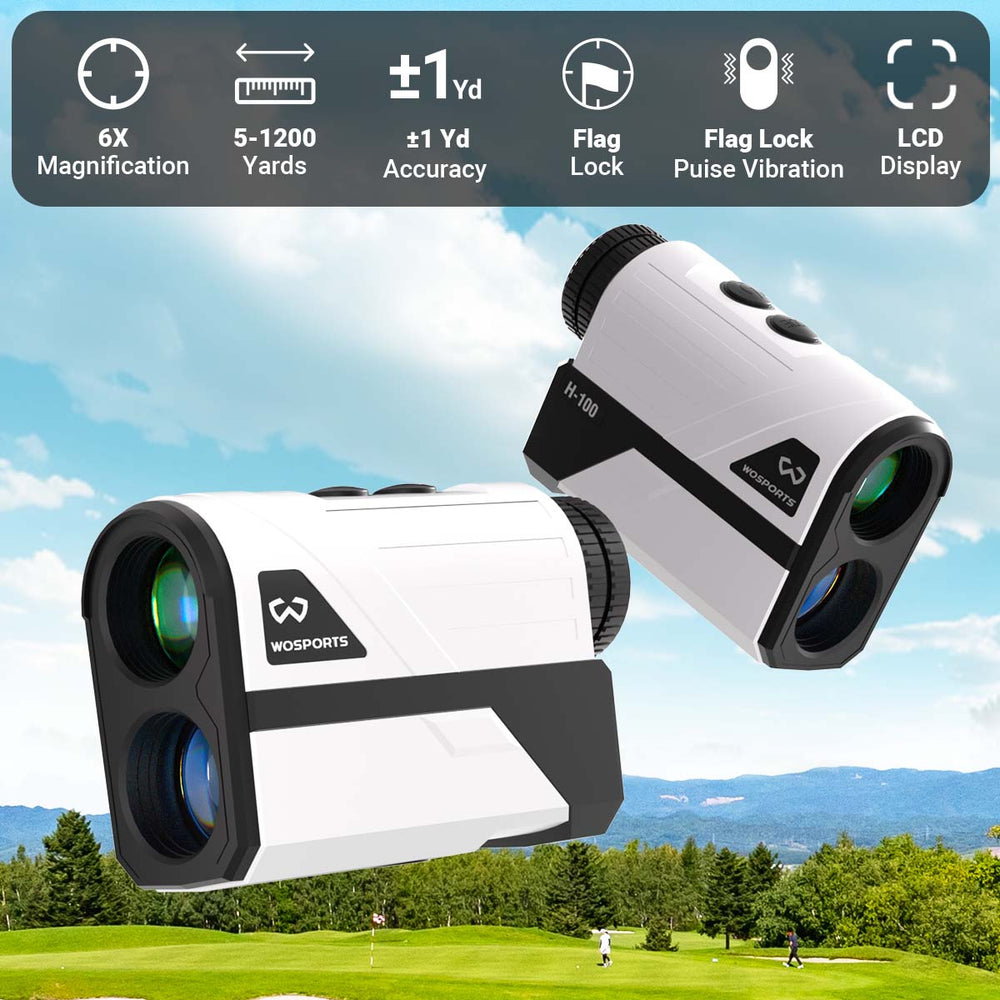
A reliable rangefinder helps you:
-
Get exact distance to the target
-
Understand front, middle, and back distances
-
Adjust for slope and real playing conditions
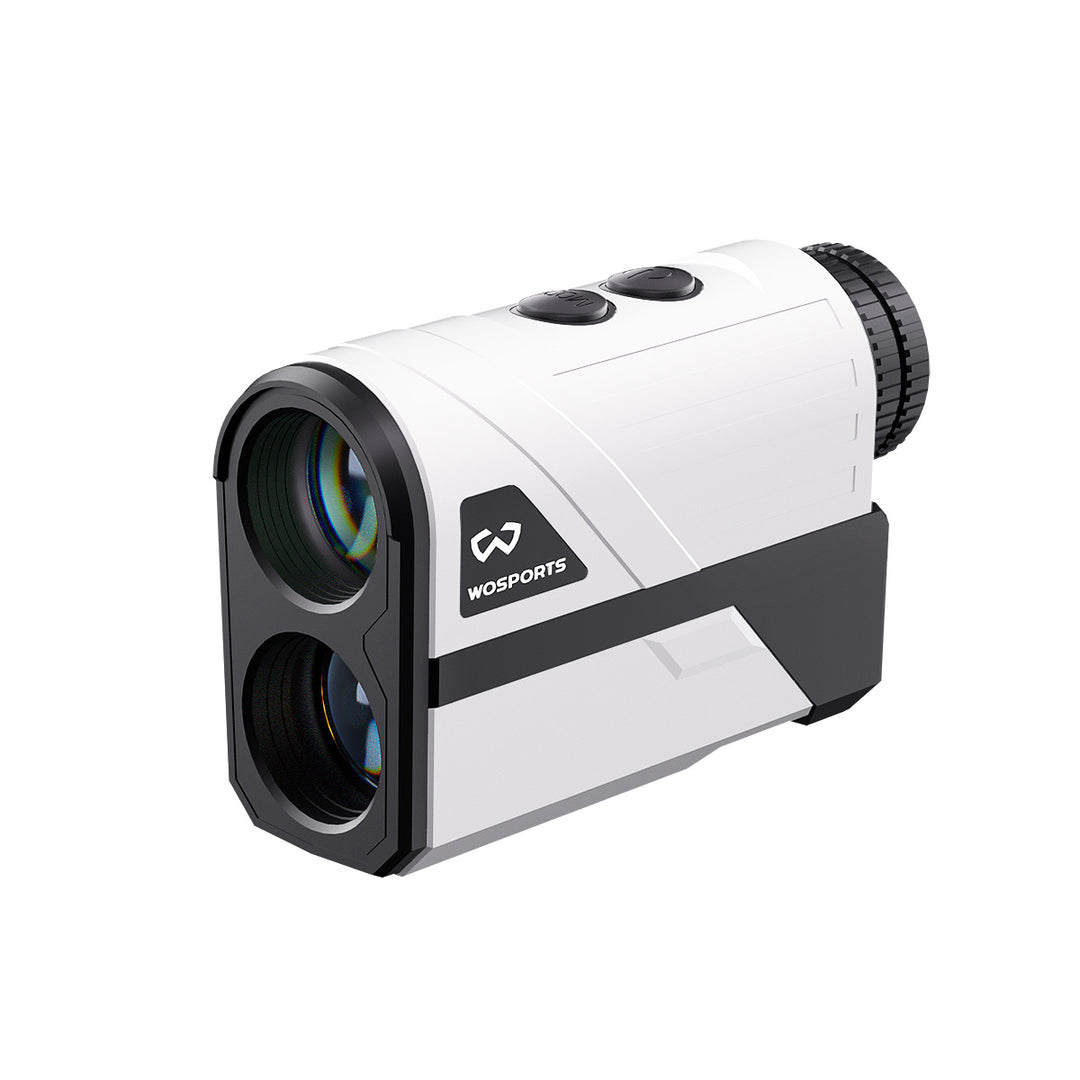
The WOSPORTS L-14 Golf Rangefinder is ideal for players focused on consistency.
It provides:
-
Fast, accurate distance readings
-
Slope-adjusted yardage
-
Clear visuals for confident decisions
For players who want a more advanced on-course experience, the WOSPORTS H-116 Golf Rangefinder offers:
-
Precise measurements with enhanced clarity
-
Quick target locking for faster play
-
Reliable slope compensation for better club selection
👉 Both are designed to do the same thing:
Help you stop guessing—and start controlling your distances.
Final thought: stop chasing the flag
Most golfers think better shots come from:
-
Better swings
-
More power
-
Perfect contact
But often, the real difference is simpler:
👉 Better landing decisions
When you:
-
Focus on carry distance
-
Choose safer landing zones
-
Use accurate yardage
You’ll start to see:
-
More greens hit
-
Fewer mistakes
-
More consistent results
Because in golf, it’s not about hitting the ball far.
👉 It’s about landing it in the right place.
Search
Popular Posts
Recent Posts


Nov 28, 2024
Troubleshooting Common Trail Camera Issues
Jan 10, 2025
Why Does My Trail Camera Stop Working at Night?