How Do Trail Cameras Compare to Traditional Security Cameras for Outdoor Use?
What is the key difference between wildlife cameras and security cameras?
The core difference between wildlife cameras (trail cameras) and security cameras lies in how they are powered, deployed, and triggered in outdoor environments.
Trail cameras are designed for remote outdoor surveillance, using motion sensors and battery power, while traditional security cameras rely on continuous recording, wired power, and network connectivity.
Quick answer
- Trail cameras = flexible, off-grid outdoor monitoring
- Security cameras = fixed, real-time surveillance systems
“Remote monitoring technologies are increasingly used in agriculture and land management to reduce labor and improve observation efficiency.”
Source: U.S. Department of Agriculture
https://www.usda.gov/
Key takeaway
For outdoor use, especially in remote or large areas, trail cameras offer greater deployment flexibility.
How do trail cameras perform in outdoor surveillance scenarios?
Trail cameras are specifically designed for outdoor surveillance in uncontrolled environments, making them ideal for farms, forests, and rural properties.
Unlike traditional systems, they operate without:
- wired power
- Wi-Fi infrastructure
- constant human supervision
Core strengths of trail cameras
- Motion-activated recording (energy efficient)
- Infrared night vision (low visibility monitoring)
- Weatherproof design
- Long battery life
Original analysis
In large-area outdoor monitoring, trail cameras reduce infrastructure costs by over 50%, since they eliminate wiring and installation complexity.
“Energy-efficient and autonomous monitoring systems are critical for remote environmental observation.”
Source: National Renewable Energy Laboratory
https://www.nrel.gov/
How do traditional security cameras compare in outdoor use?
Traditional security cameras are better suited for urban or controlled environments where continuous monitoring is required.
Typical use cases
- residential security
- warehouses
- commercial buildings
Strengths
- Real-time video streaming
- Remote access via apps
- Continuous recording
Limitations in outdoor environments
- Require stable power supply
- Depend on network connectivity
- Higher installation cost
- Limited flexibility in large rural areas
Expert insight
“Infrastructure-dependent systems are less suitable for remote monitoring where power and connectivity are limited.”
Source: U.S. Department of Energy
https://www.energy.gov/
Wildlife camera vs security camera: side-by-side comparison
For B2B buyers, choosing the right system depends on deployment environment and monitoring goals.
Comparison table
| Feature | Wildlife Camera (Trail Camera) | Security Camera |
|---|---|---|
| Power source | Battery / solar | Wired |
| Connectivity | Not required | Required |
| Installation | Easy / flexible | Complex |
| Monitoring type | Motion-triggered | Continuous |
| Best use case | Farms, wildlife, rural land | Homes, offices |
| Scalability | High (bulk deployment) | Limited by infrastructure |
Key insight
Trail cameras outperform in:
- large-area monitoring
- low-cost deployment
- remote surveillance scenarios
Why trail cameras are preferred for B2B outdoor surveillance
For bulk buyers, the decision is less about features and more about operational efficiency and scalability.
Why B2B buyers choose trail cameras
- Lower installation cost
- Minimal maintenance
- Scalable deployment (10–100+ units)
- No infrastructure dependency
Industry trend insight
Outdoor monitoring demand is increasing in:
- agriculture
- land management
- wildlife observation
“Technology adoption in agriculture continues to grow, especially for monitoring and data collection tools.”
Source: U.S. Department of Agriculture – Economic Research Service
https://www.ers.usda.gov/
Original insight
Bulk buyers prioritize:
- total cost of ownership
- deployment flexibility
- long-term reliability
Trail cameras align better with all three.
How the G600 fits outdoor surveillance needs

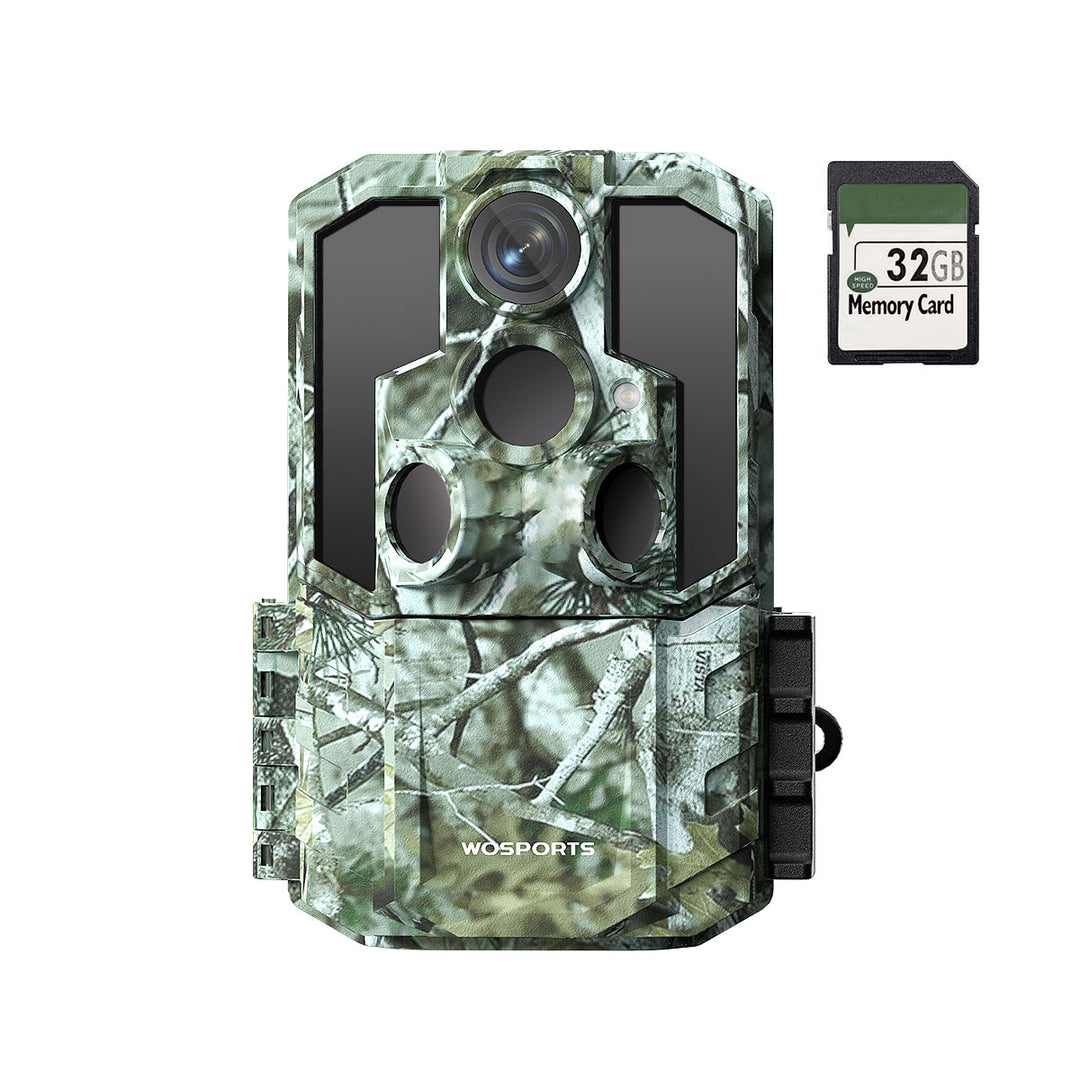
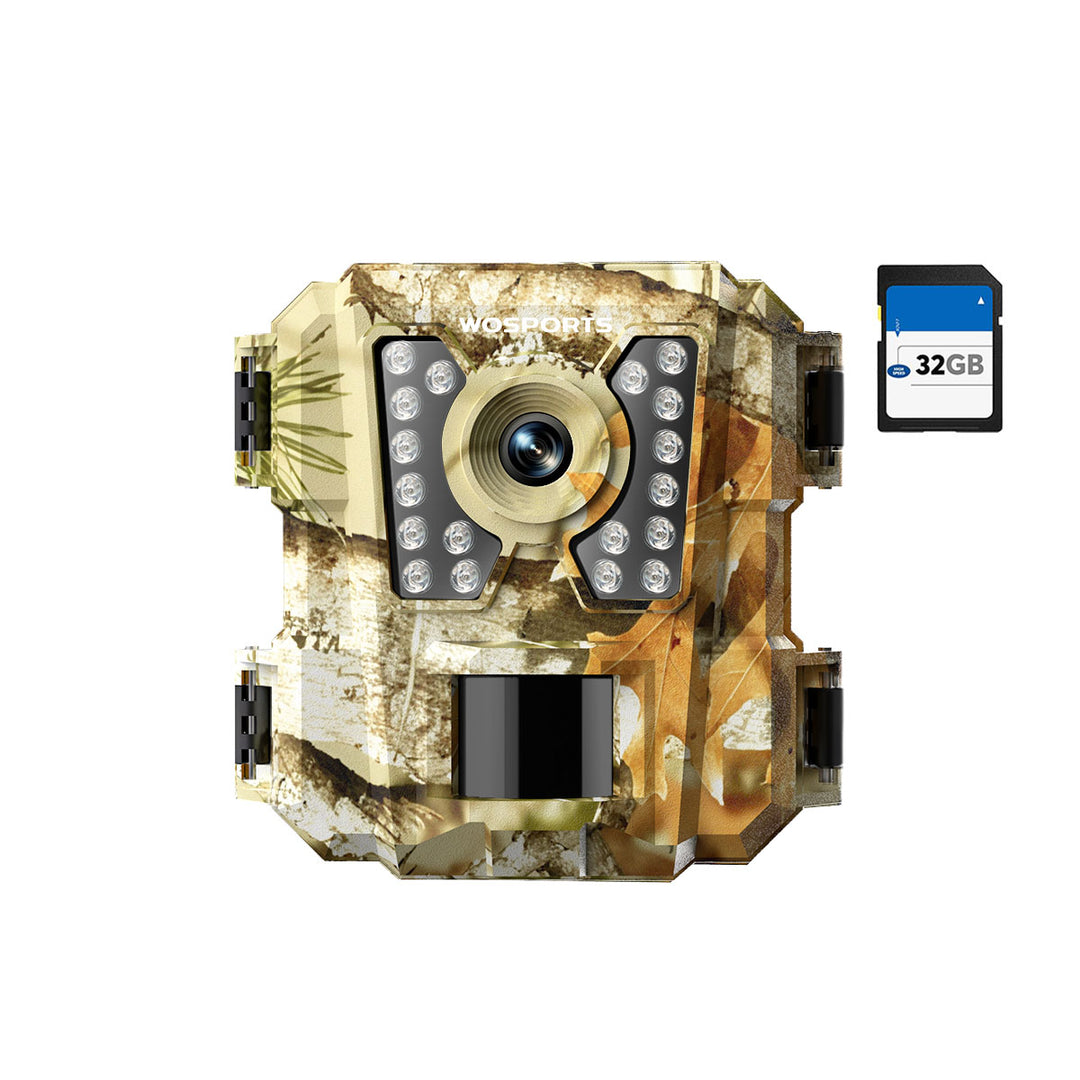
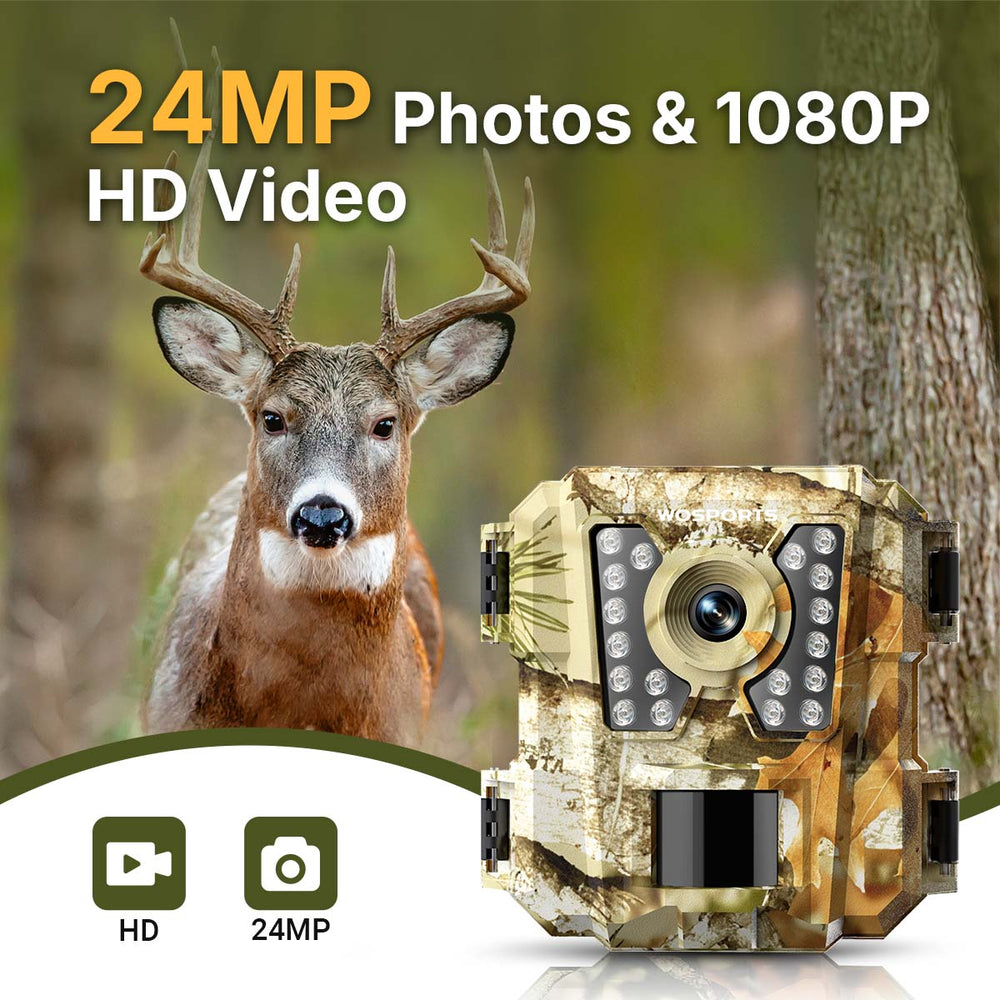
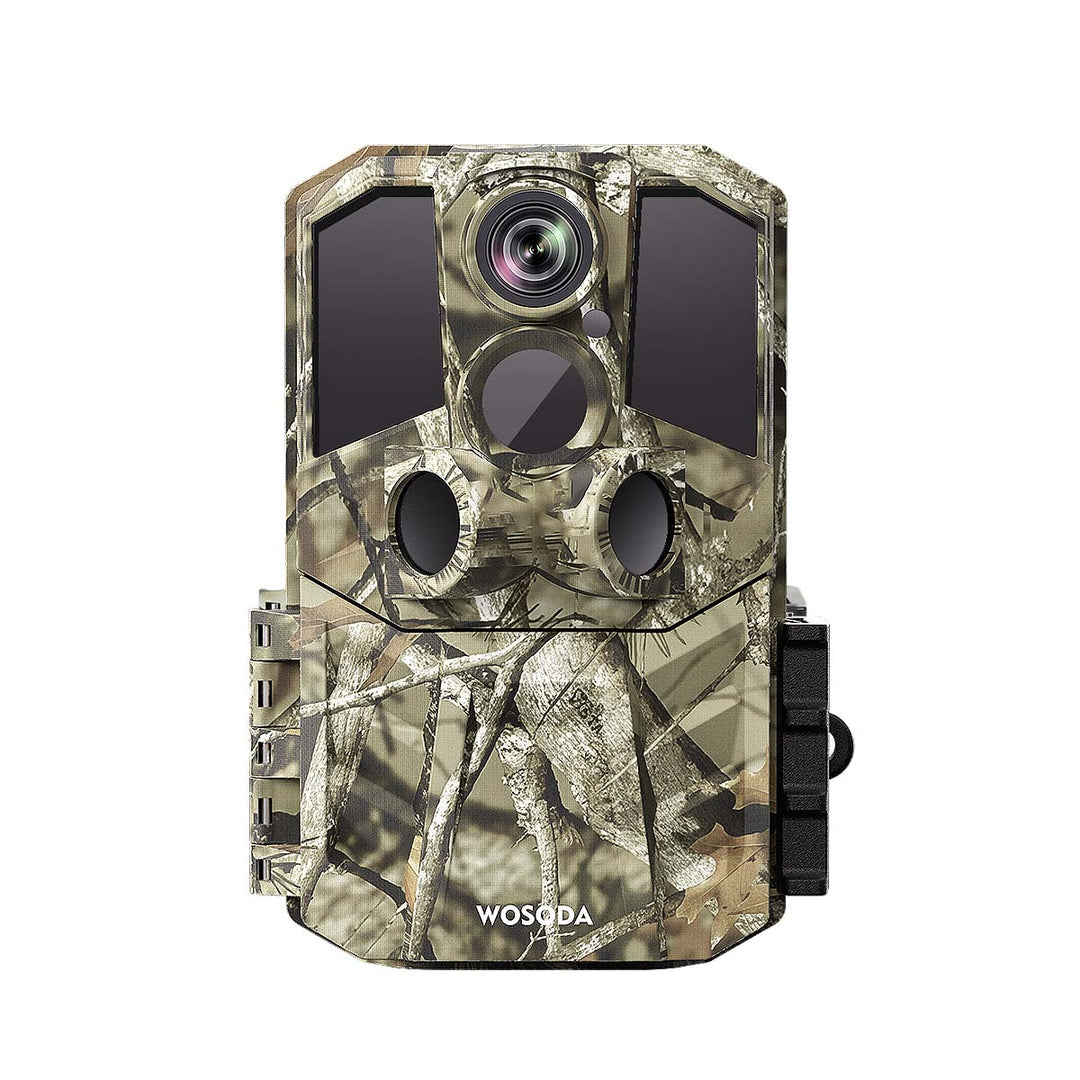
The WOSPORTS G600 trail camera is designed specifically for outdoor surveillance scenarios where traditional security cameras fail.
Key features for B2B deployment
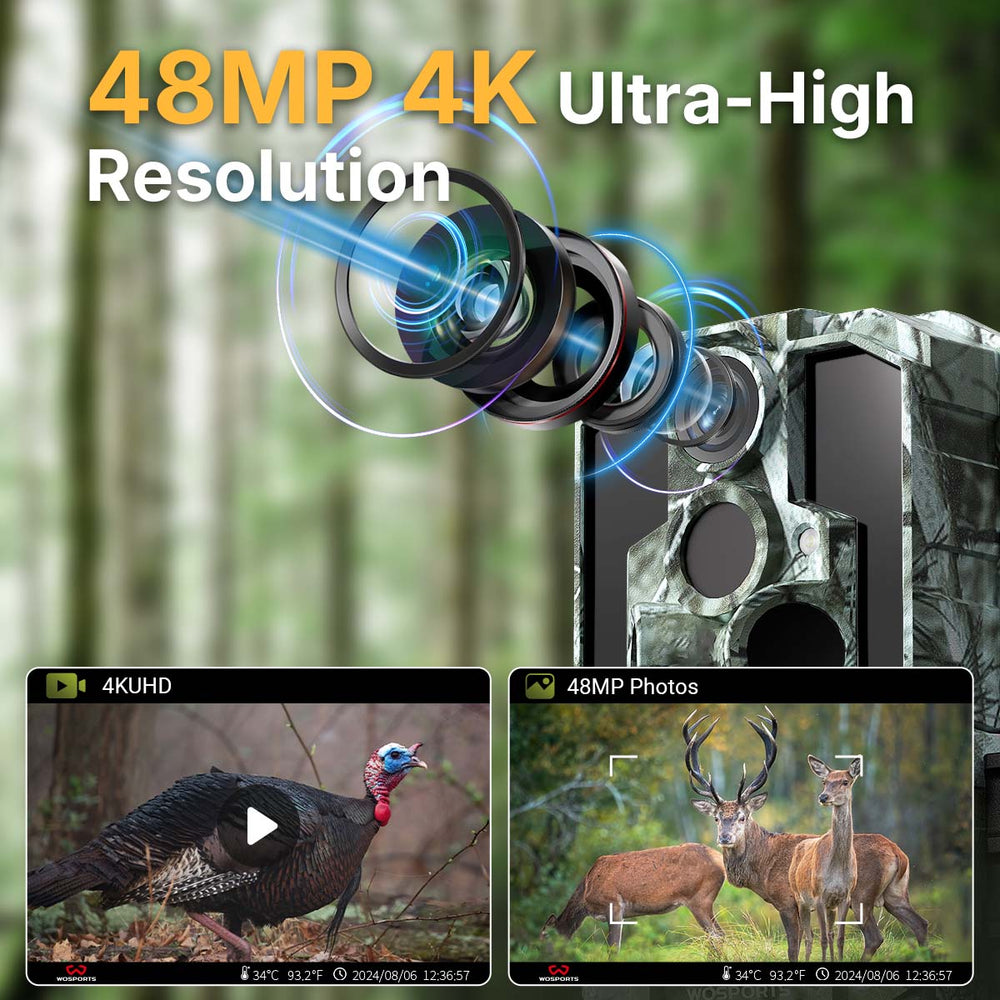
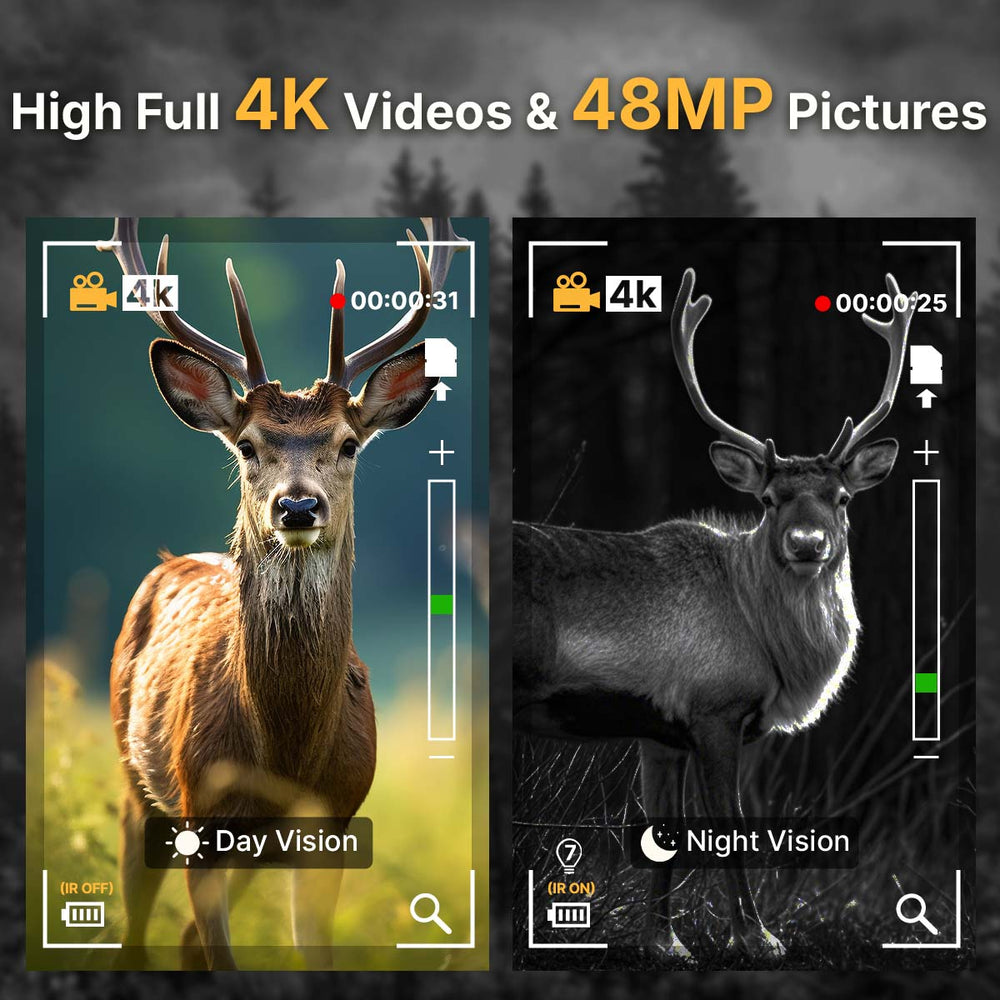
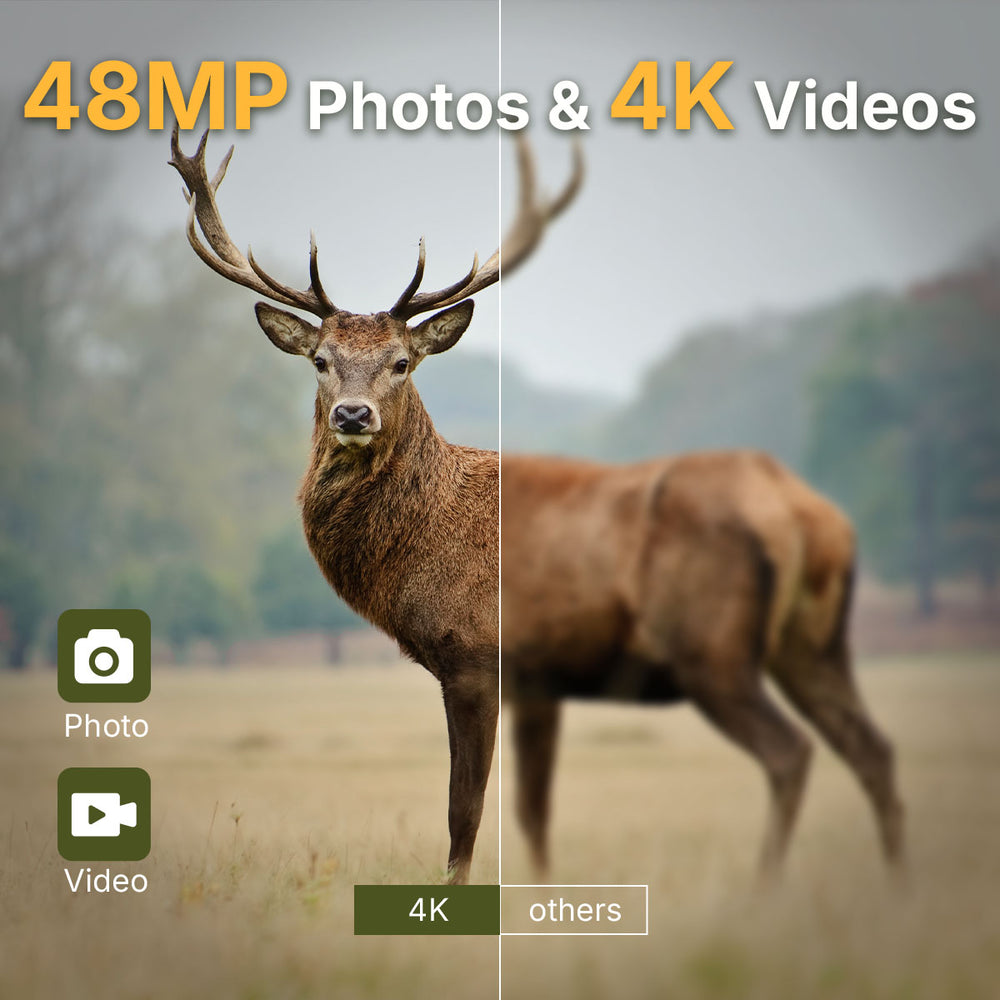
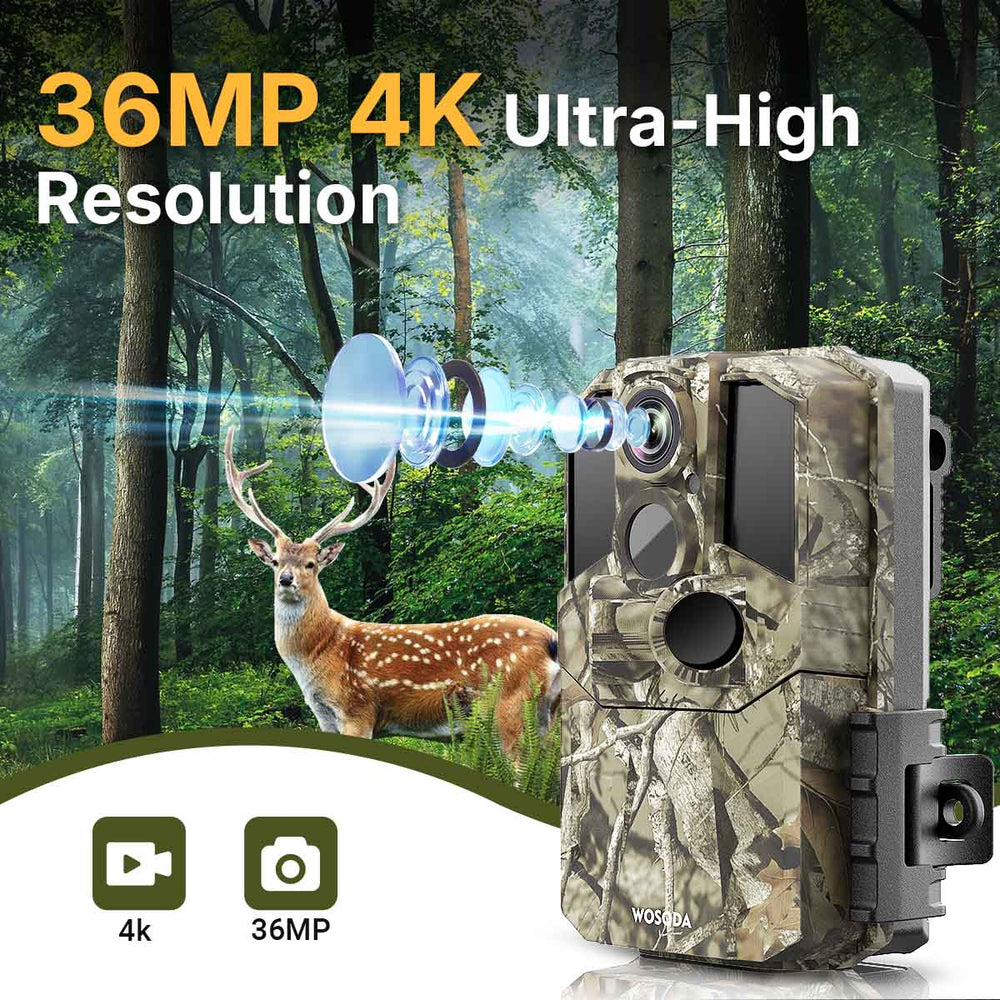
- 48MP image resolution
- 4K video recording
- 0.2s fast trigger speed
- infrared night vision
- long battery life
Practical advantage
The G600 enables:
- deployment in remote areas
- wildlife monitoring without disturbance
- security coverage without infrastructure
Positioning insight
For distributors, the G600 offers:
- high perceived value
- low return risk
- broad use-case compatibility
Case study: replacing security cameras with trail cameras on rural land
A rural property management company initially used traditional security cameras but faced challenges:
- limited coverage
- high installation costs
- frequent power issues
They switched to a trail camera deployment model using G600 units.
Results
- coverage area increased by 3×
- installation cost reduced by 60%
- maintenance frequency significantly decreased
Key takeaway
Trail cameras proved more effective for:
- large-scale outdoor surveillance
- low-cost expansion
When should you choose a security camera instead?
Trail cameras are not always the best option. Security cameras are better when:
- real-time monitoring is required
- continuous recording is necessary
- environment has stable power and internet
Decision guideline
Choose trail cameras if:
- monitoring large or remote land
- deploying in bulk
- minimizing infrastructure
Choose security cameras if:
- monitoring buildings
- requiring live video access
- needing 24/7 recording
FAQ: wildlife camera vs security camera
Are trail cameras good for security purposes?
Yes, especially in remote outdoor areas where traditional systems cannot operate efficiently.
Can trail cameras replace security cameras?
In rural and large-area scenarios, yes. In urban environments, not always.
Which is more cost-effective for bulk purchase?
Trail cameras, due to lower installation and maintenance costs.
What’s the best hybrid strategy?
Many B2B buyers combine:
- trail cameras for outdoor areas
- security cameras for buildings
Final takeaway for B2B buyers
When comparing wildlife cameras vs security cameras for outdoor surveillance, the best choice depends on your environment.
For most bulk buyers and outdoor use cases, trail cameras offer:
- lower total cost
- easier deployment
- better scalability
- stronger adaptability
The G600 trail camera stands out as a reliable solution that balances:
- performance
- durability
- cost efficiency
👉 Making it a strong choice for distributors, resellers, and bulk buyers targeting outdoor surveillance markets.
Search
Popular Posts
Recent Posts


Nov 28, 2024
Troubleshooting Common Trail Camera Issues
Jan 10, 2025
Why Does My Trail Camera Stop Working at Night?