Are Solar-Powered Trail Cameras Suitable for Long-Term Outdoor Use?
Why are solar trail cameras becoming popular for outdoor monitoring?
Solar-powered trail cameras are increasingly used for long-term outdoor monitoring because they reduce maintenance costs and eliminate frequent battery replacement.
For farms, ranches, and remote landowners, traditional trail cameras require regular battery servicing, which becomes inefficient at scale. Solar solutions enable continuous deployment, making them ideal for wildlife monitoring, farm security, and large-area surveillance.
Key insight
Solar trail cameras are not just about convenience—they are about scalability in long-term monitoring systems.
“Renewable energy solutions are increasingly integrated into remote monitoring systems to reduce maintenance and improve sustainability.”
Source: U.S. Department of Energy
https://www.energy.gov/
How do solar trail cameras work in long-term deployment?
Solar trail cameras convert sunlight into electricity to power the device or recharge internal batteries, enabling extended operation without manual intervention.
Typical system structure
- Solar panel (external or built-in)
- Rechargeable battery pack
- Power management system
Performance factors
| Factor | Impact on Long-term Use |
|---|---|
| Sunlight availability | Determines charging efficiency |
| Battery capacity | Ensures nighttime operation |
| Power consumption | Affects overall runtime |
| Camera activity frequency | Influences energy usage |
Original analysis
In real-world outdoor monitoring scenarios, solar cameras can reduce maintenance frequency by 60–80%, especially in regions with stable sunlight conditions.
“Energy-efficient systems are critical in remote monitoring applications where maintenance access is limited.”
Source: National Renewable Energy Laboratory (NREL)
https://www.nrel.gov/
What are the limitations of solar-powered trail cameras?
Solar trail cameras are effective, but not universally perfect. Their performance depends heavily on environmental conditions.
Common limitations
- Reduced efficiency in dense forests
- Limited charging during winter months
- Performance drops in low-light regions
- Panel positioning affects output
Expert perspective
“Solar energy systems depend heavily on environmental exposure and system design.”
Source: U.S. Environmental Protection Agency
https://www.epa.gov/
Practical takeaway
Solar works best when:
- Cameras are placed in open areas
- Monitoring is long-term and continuous
- Maintenance access is limited
Solar vs traditional battery trail cameras: which is better?
The choice depends on deployment strategy, not just product type.
Comparison table
| Feature | Solar Trail Camera | Battery Trail Camera |
|---|---|---|
| Maintenance frequency | Low | High |
| Initial cost | Higher | Lower |
| Long-term cost | Lower | Higher |
| Deployment scale | Ideal for large-scale | Better for small setups |
| Reliability in low light | Moderate | High |
Insight for B2B buyers
For bulk purchase customers, solar cameras are more suitable for:
- farms
- ranches
- forestry monitoring
- remote land surveillance
Because they reduce labor costs over time, not just hardware costs.
How the G600 fits long-term outdoor monitoring needs

While solar-powered cameras are valuable, many buyers prefer high-efficiency battery models combined with optimized deployment strategies.
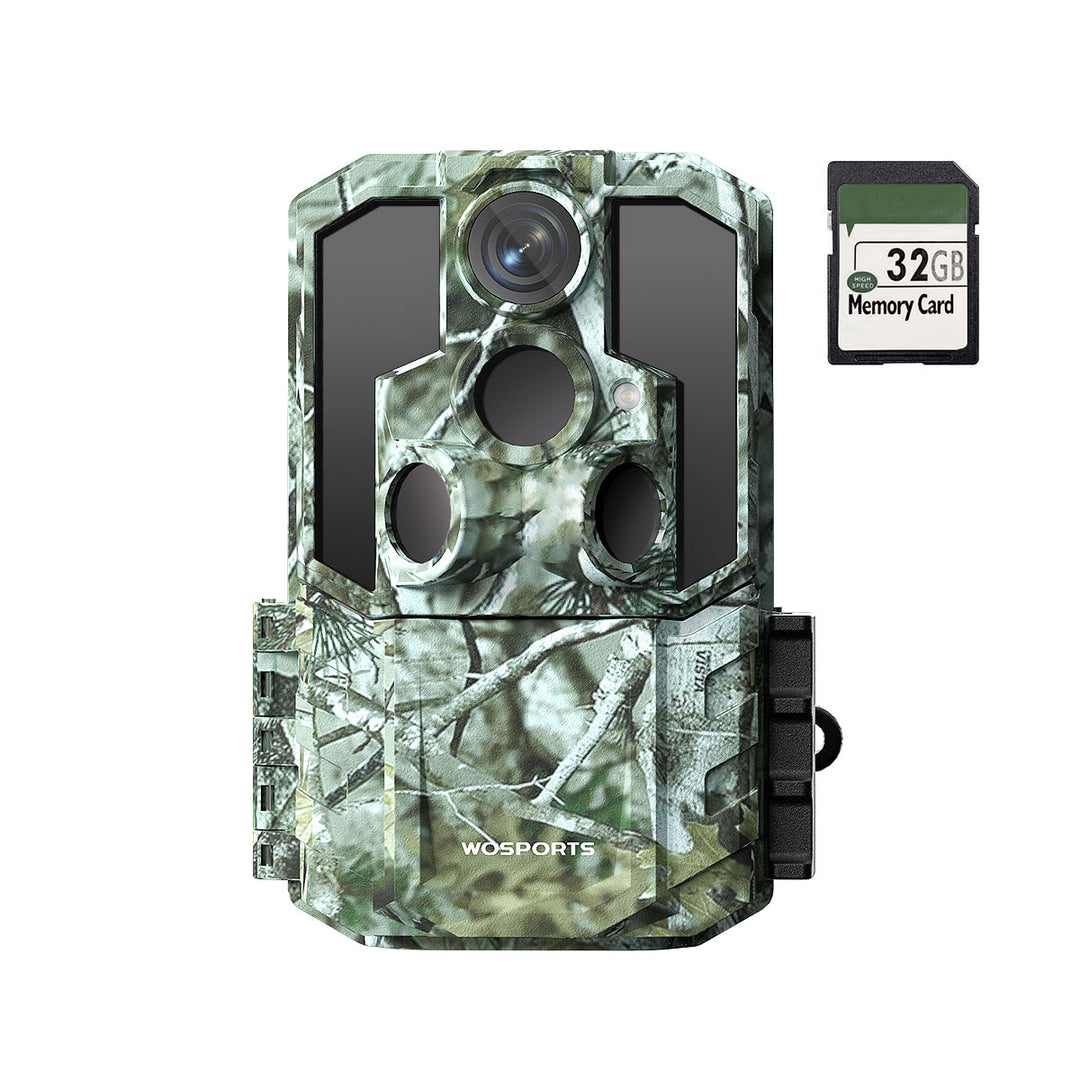
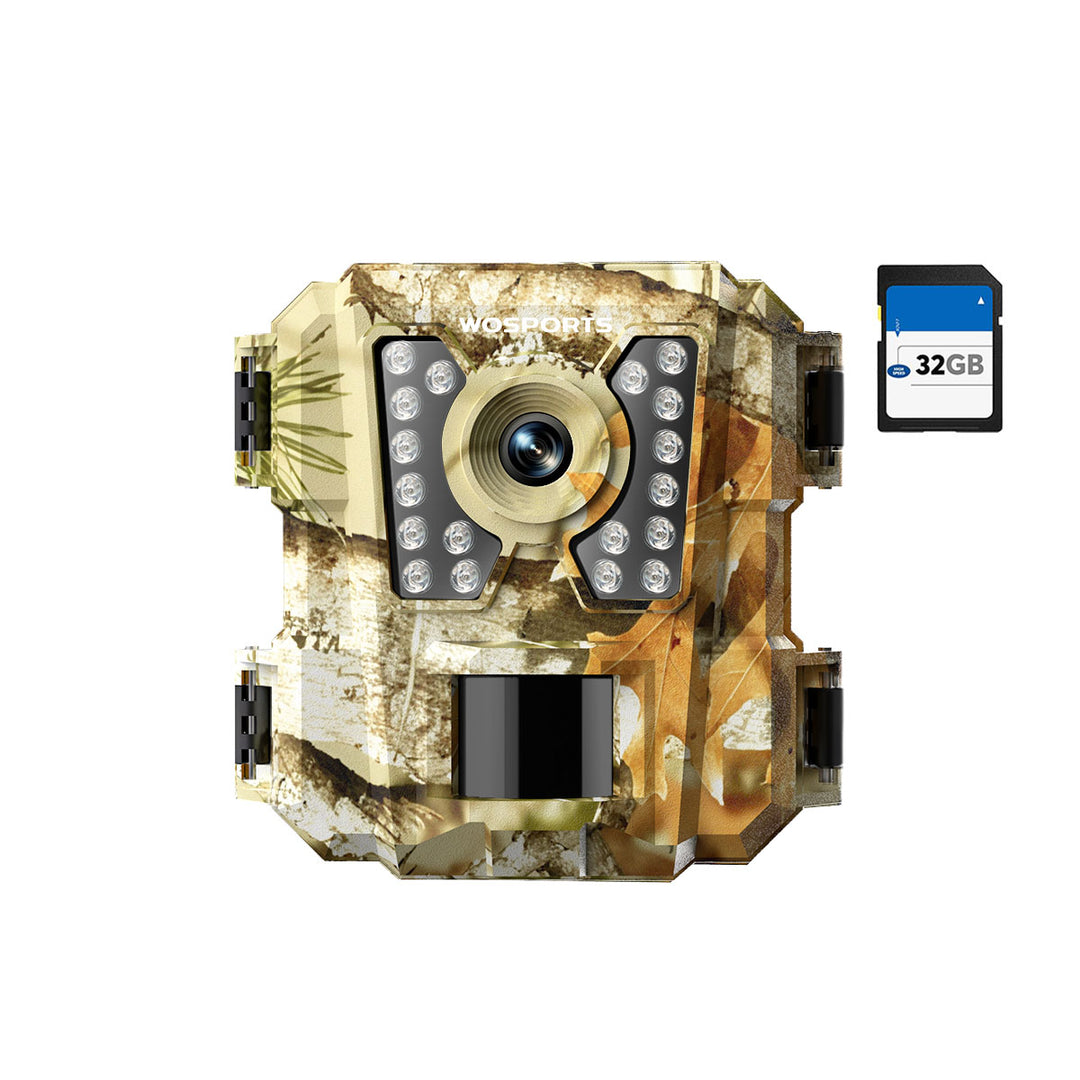
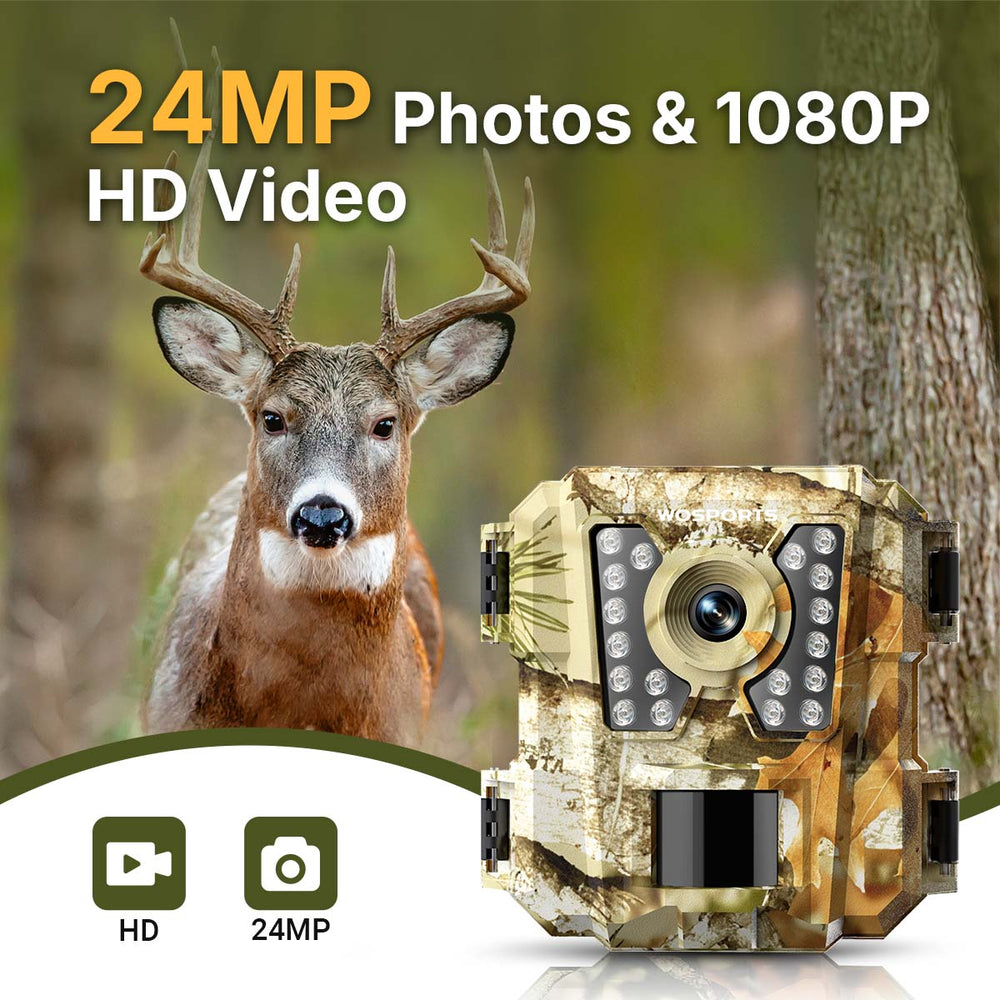
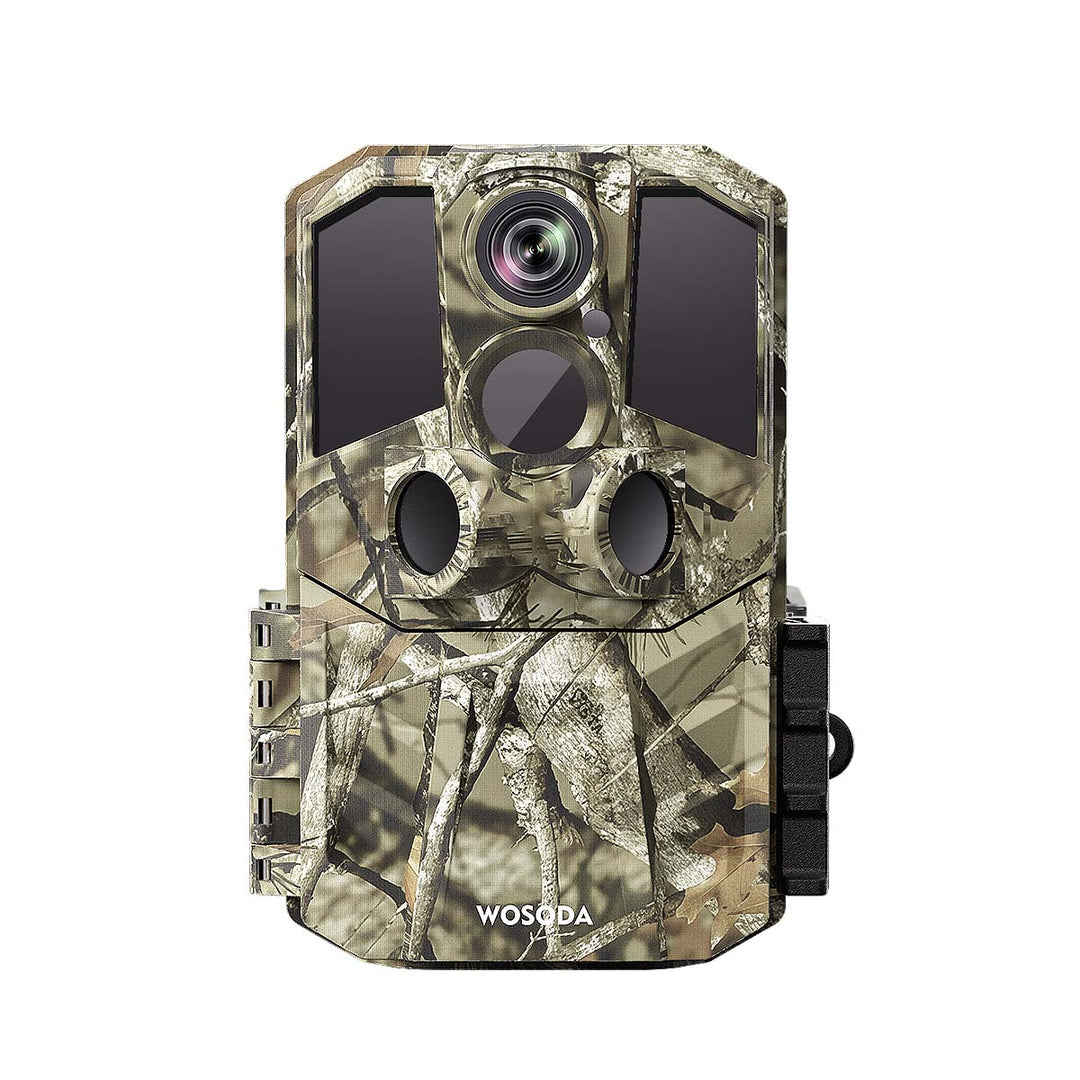
The WOSPORTS G600 trail camera is designed for long-term outdoor monitoring without relying solely on solar conditions.
Key advantages for B2B deployment
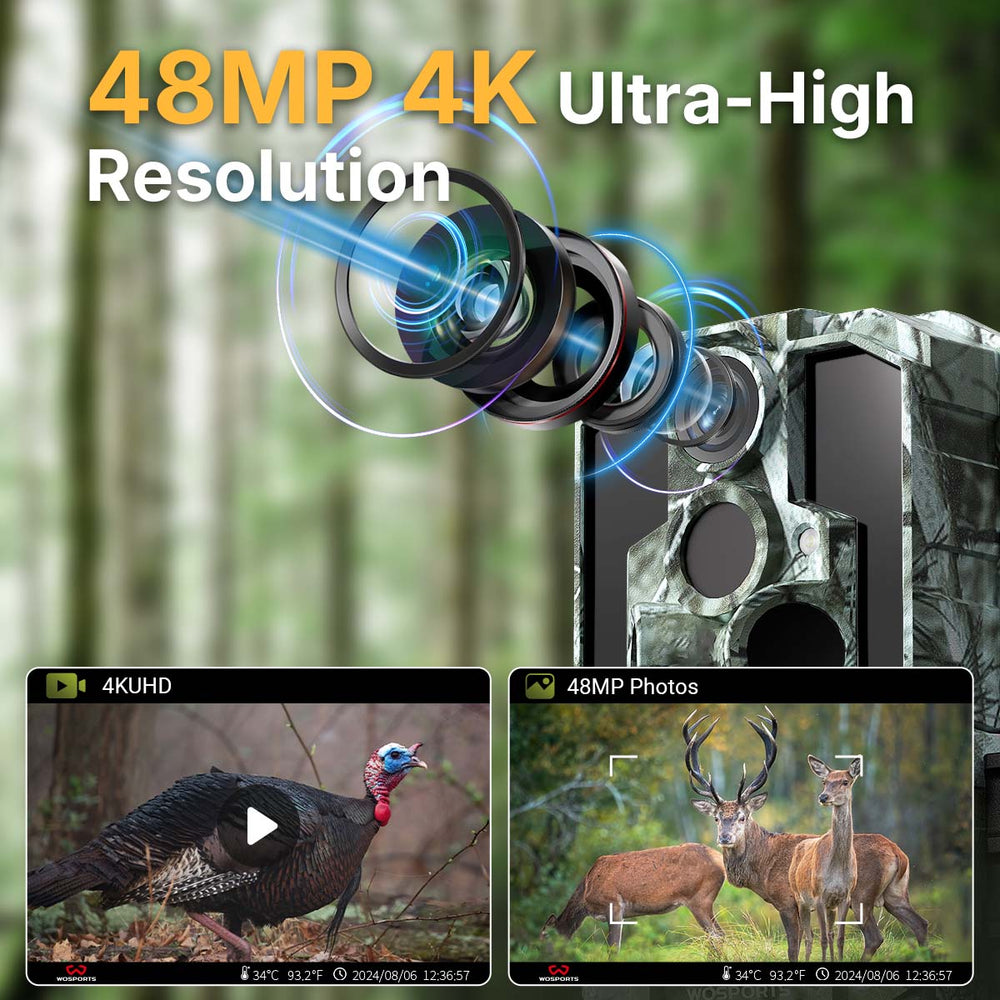
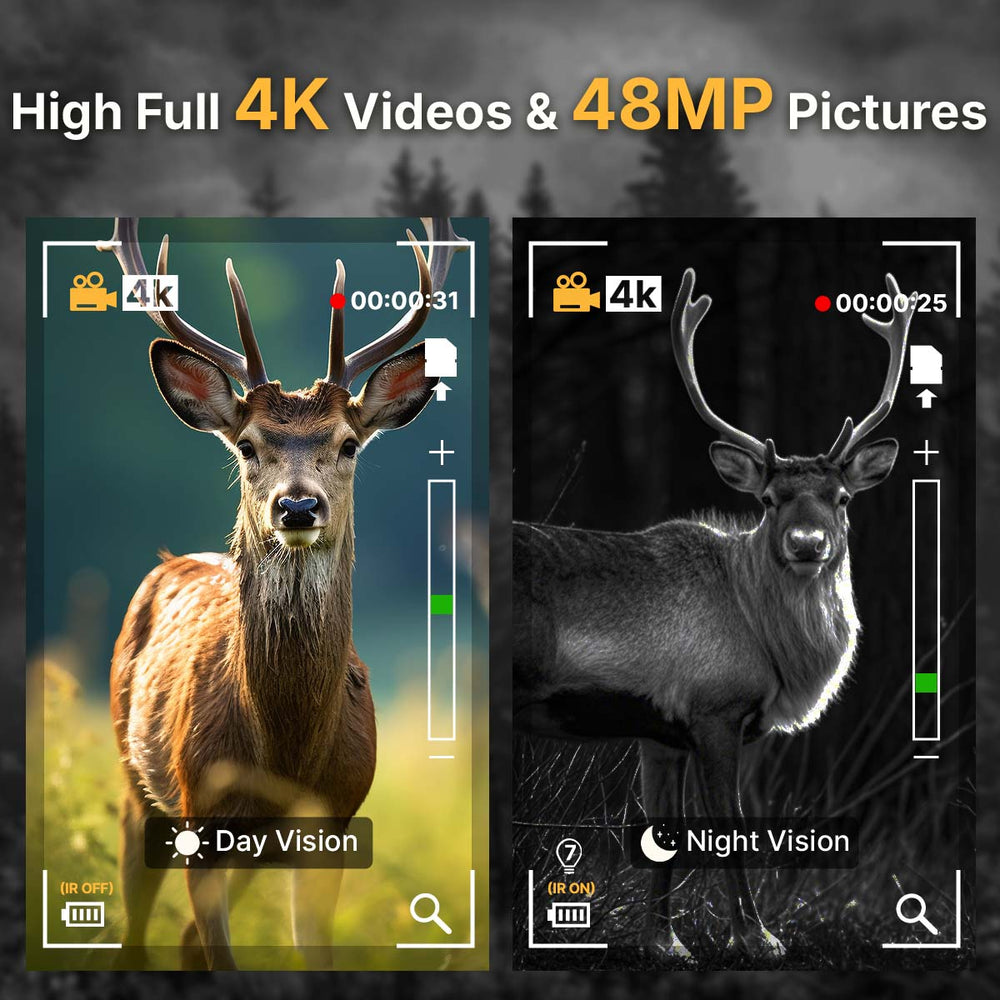
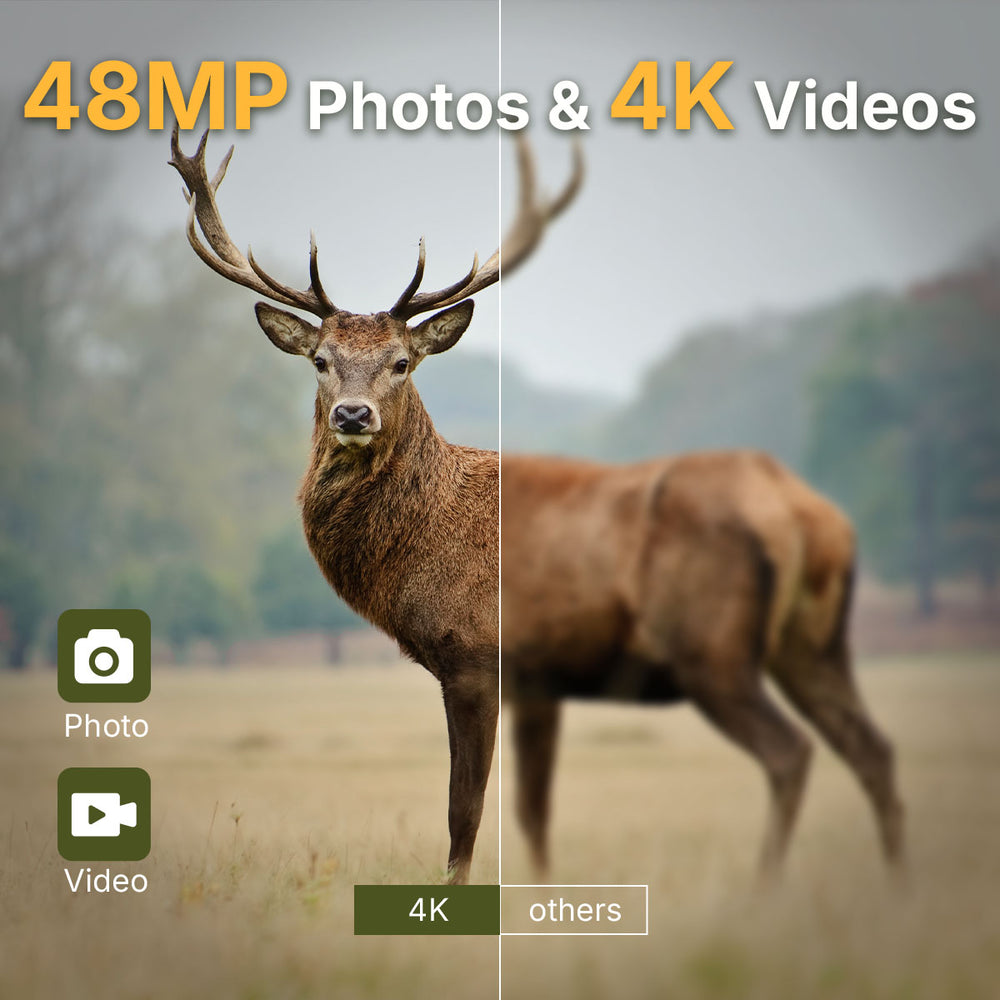
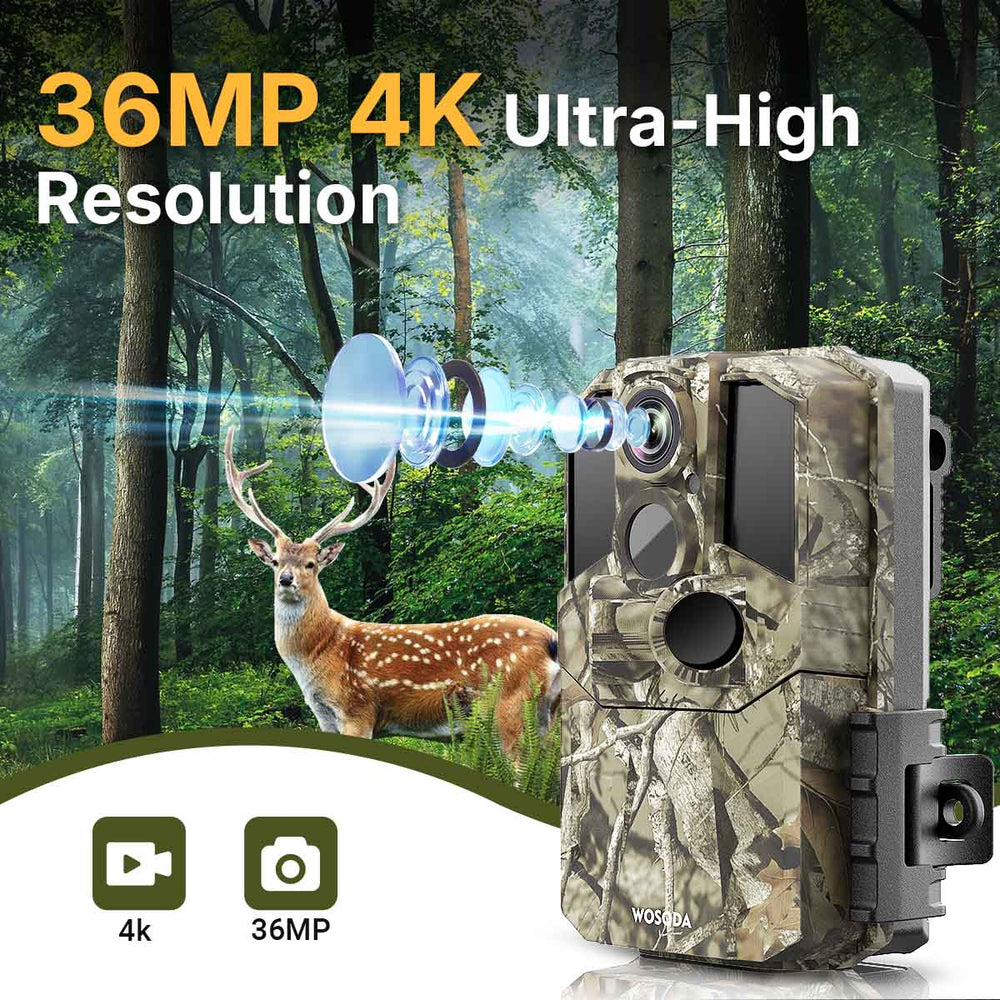
- 48MP images + 4K video
- 0.2s ultra-fast trigger speed
- low-power infrared night vision
- extended battery performance
- stable operation in all environments
Why this matters
In real deployments:
- Solar = energy advantage
- G600 = performance stability
👉 Many distributors choose hybrid strategies:
- solar cameras in open fields
- G600 units in shaded / critical zones
Case study: hybrid deployment on a large farm
A mid-sized farm deployed a mixed monitoring system:
- solar trail cameras in open grazing land
- G600 cameras in barns and wooded areas
Results
- 70% reduction in battery replacement
- improved nighttime monitoring accuracy
- better coverage across different terrains
Key takeaway
A hybrid system delivers:
- flexibility
- reliability
- lower total operating cost
What do data and trends say about solar monitoring adoption?
Solar-powered monitoring is growing rapidly across agriculture and land management sectors.
Key statistics
- Remote monitoring demand continues to rise due to labor shortages
- Energy-efficient devices are prioritized in large-scale deployments
- Long-term cost reduction is a key driver for adoption
“Energy-efficient technologies play a critical role in modern agricultural operations.”
Source: U.S. Department of Agriculture
https://www.usda.gov/
FAQ: solar trail cameras for outdoor monitoring
Are solar trail cameras reliable year-round?
They are reliable in sunny regions but may need backup power in low-light conditions.
Do solar cameras eliminate battery use completely?
No. Most still rely on batteries as backup.
Are they suitable for bulk purchase?
Yes, especially for large-scale outdoor monitoring projects.
What’s the best strategy for deployment?
Use a mix of:
- solar cameras for open areas
- high-efficiency cameras like G600 for shaded or critical zones
Final takeaway for B2B buyers
Solar-powered trail cameras are highly suitable for long-term outdoor monitoring, especially when:
- deployment area is large
- maintenance access is limited
- sunlight conditions are stable
However, the most effective strategy is not choosing one—but combining:
- solar efficiency
- reliable hardware like the G600
This approach delivers:
- lower long-term cost
- higher monitoring stability
- scalable deployment capability
Search
Popular Posts
Recent Posts


Nov 28, 2024
Troubleshooting Common Trail Camera Issues
Jan 10, 2025
Why Does My Trail Camera Stop Working at Night?