Beginner’s Guide to Night Vision
🔍 Introduction
If you’ve ever wondered what really happens after dark in the wild, you’re not alone.
From deer moving silently through the trees to owls hunting in complete darkness, nighttime is when nature truly comes alive.
But without the right tools, you’re missing most of it.
This beginner’s guide will walk you through everything you need to know about night vision—so you can start exploring the night with confidence.
🌙 What Is Night Vision
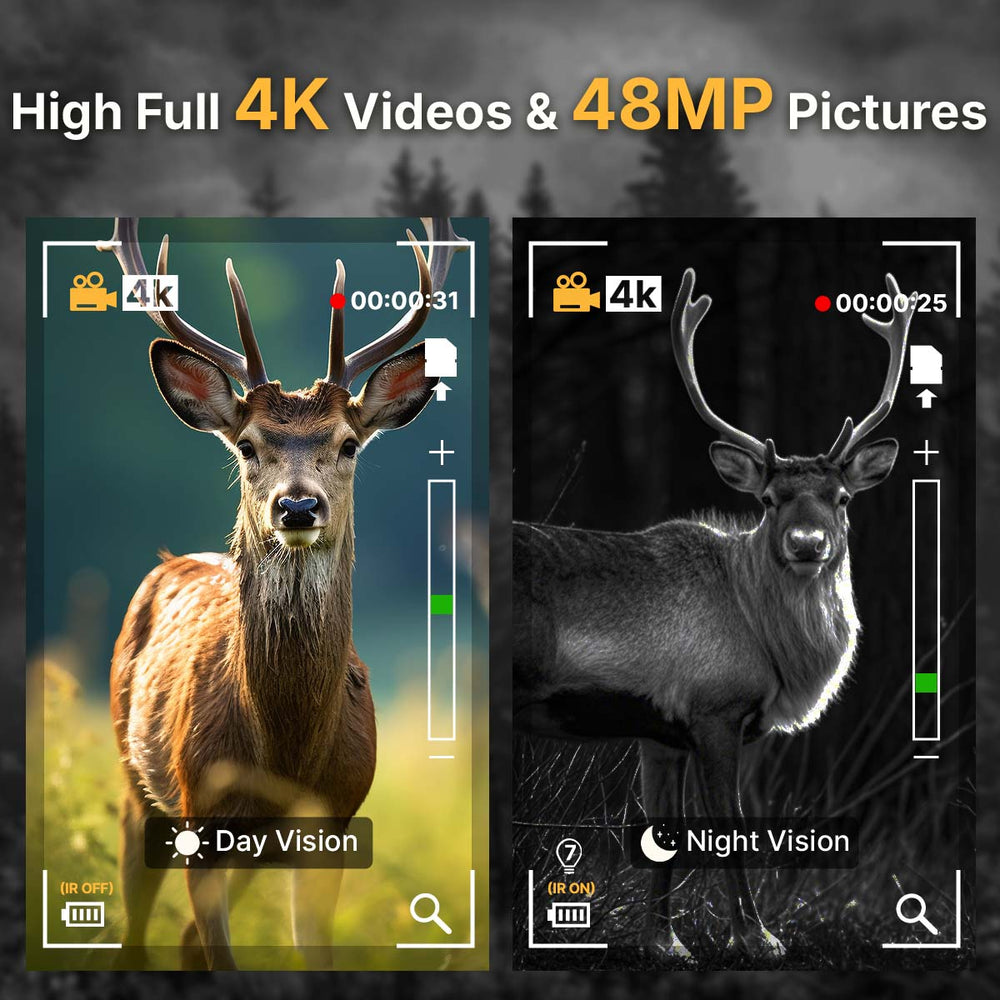
Night vision is a technology that allows you to see in low light or total darkness.
It works by either:
- Amplifying available light (like moonlight), or
- Using infrared (IR) illumination to “light up” the scene invisibly
👉 For beginners, most modern devices use digital infrared night vision, which works even in complete darkness.
⚙️ Types of Night Vision Devices
There are a few common types you’ll see:
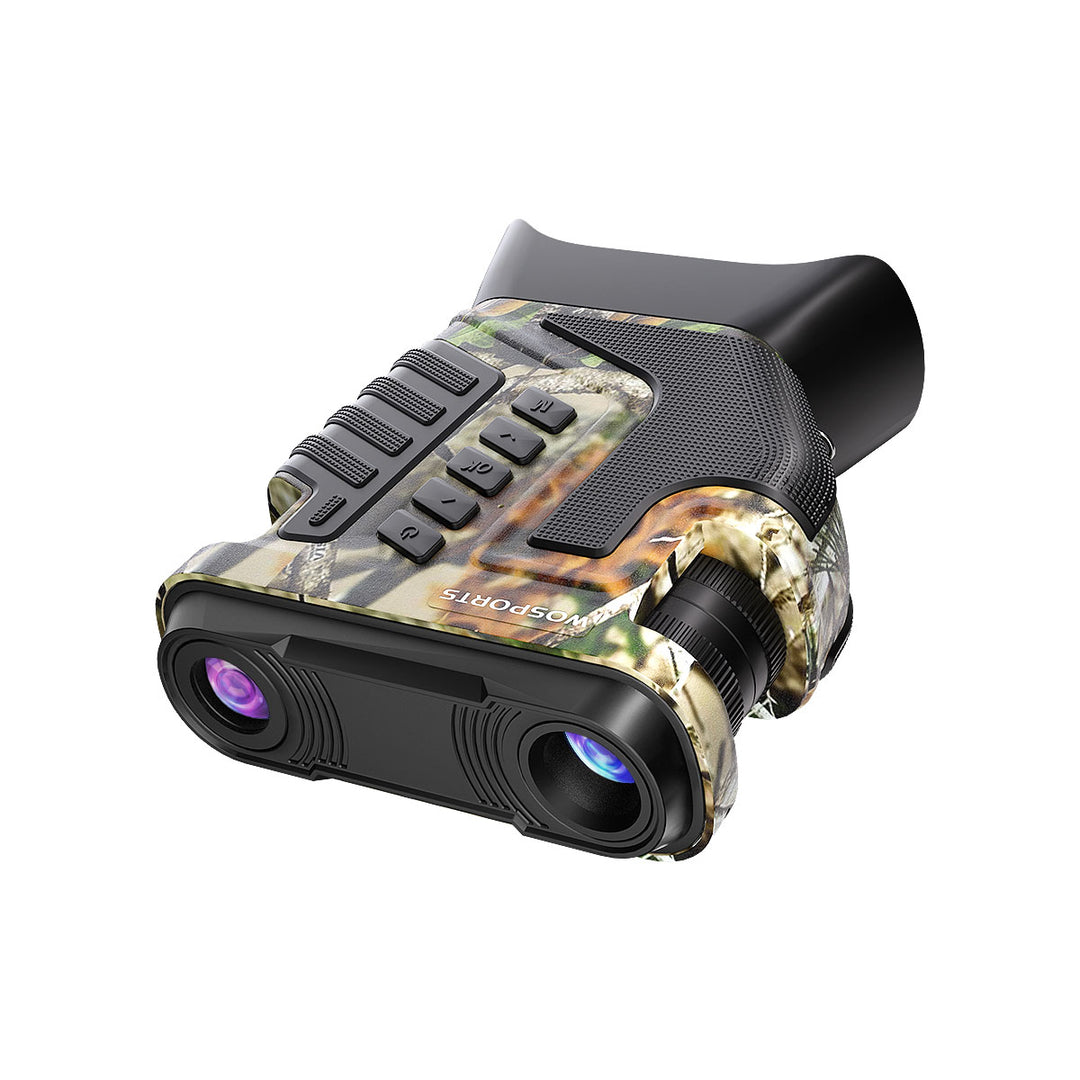
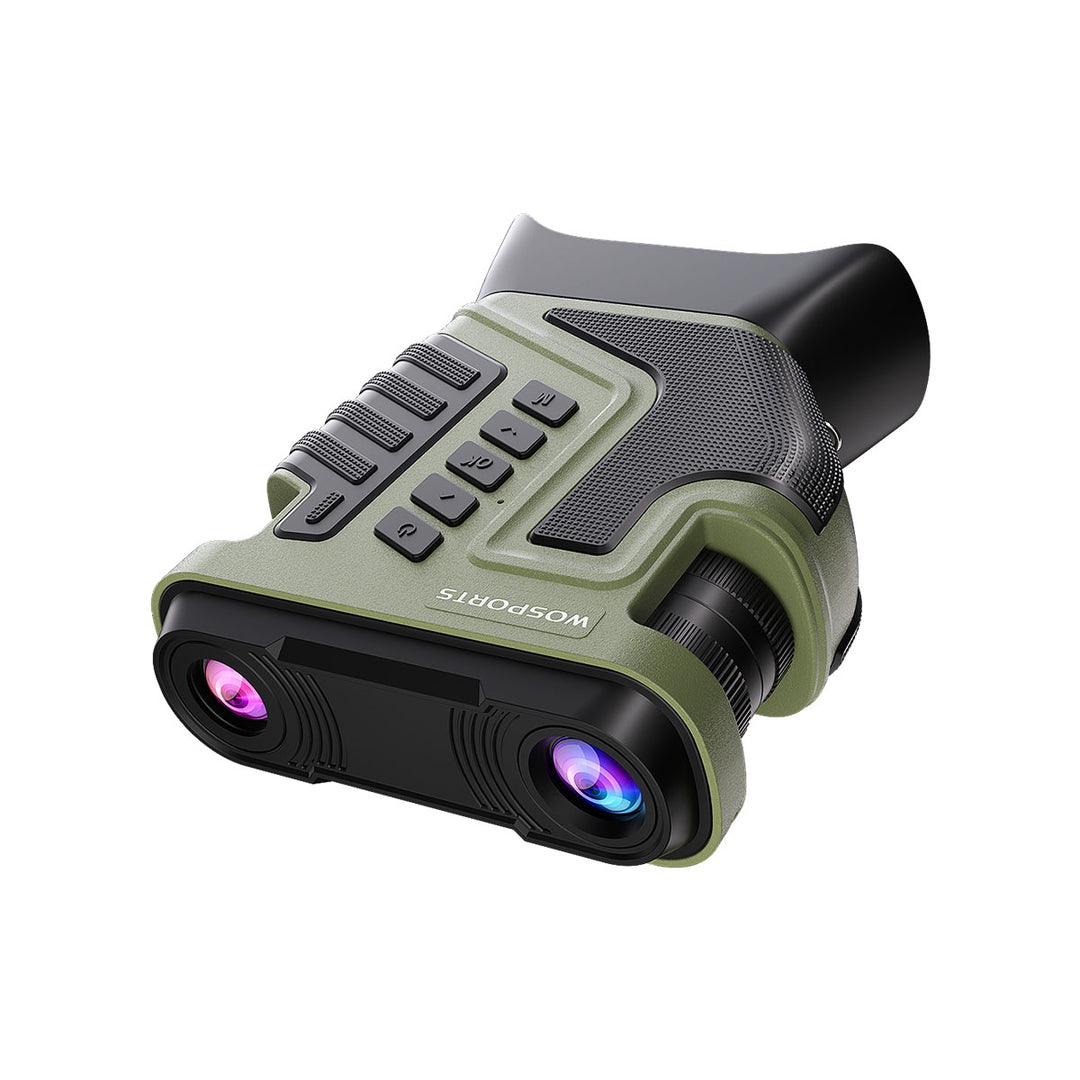
1. Binoculars
- Best for beginners
- Easy to use
- Great for wildlife watching
2. Goggles
- Hands-free use
- More common in tactical situations
3. Monoculars
- Compact and portable
- Good for quick observation
👉 For most people starting out, binocular-style devices are the easiest and most practical option.
🦌 What Can You Actually See at Night?
With a good night vision device, you can see:
- Deer, foxes, raccoons, and other nocturnal animals
- Birds like owls hunting at night
- Movement patterns around your property
- Clear shapes and behaviors—not just silhouettes
👉 It’s not just about “seeing something”—it’s about seeing clearly what it is and what it’s doing.
🎯 Common Uses for Beginners
Most beginners use night vision for:
- Wildlife observation
- Hunting
- Farm & property monitoring
- Camping and outdoor exploration
If you enjoy being outdoors, night vision opens up a completely new experience after sunset.
⚠️ What Beginners Often Get Wrong
Before you buy your first device, avoid these common mistakes:
❌ Expecting it to work without infrared
→ In total darkness, you need IR illumination
❌ Confusing thermal imaging with night vision
→ Thermal shows heat, not real detail
❌ Overpaying for advanced features
→ Most beginners don’t need high-end military gear
❌ Ignoring ease of use
→ Complicated devices ruin the experience
🛒 How to Choose Your First Night Vision Device
Here are the most important factors:
- Infrared capability (must-have)
- Image clarity
- Viewing distance
- Battery life
- User-friendly design
👉 For beginners, the best choice is usually a digital night vision device that’s simple, reliable, and built for real outdoor use.
🌌 Why Night Vision Is Worth Trying
Nighttime isn’t empty—it’s just hidden.
Once you start using night vision, you’ll realize:
- How active wildlife really is
- How much you’ve been missing
- How different the outdoors feels after dark
👉 It turns ordinary places into something completely new.
🔗 What to Read Next
- How Night Vision Works
- Night Vision vs Thermal Imaging
- How to Choose Night Vision
Search
Popular Posts
Recent Posts


Nov 28, 2024
Troubleshooting Common Trail Camera Issues
Jan 10, 2025
Why Does My Trail Camera Stop Working at Night?