Cellular vs. Non-Cellular Trail Cameras: Which One Is Right for You?
Cellular vs. Non-Cellular Trail Cameras: Which Is Better?
Neither cellular nor non-cellular trail cameras is automatically better. The right choice depends on how often you need remote access, where you plan to install the camera, and whether you want to pay for cellular service.
A cellular trail camera can send photos and videos directly to your phone or another connected device.
A non-cellular trail camera generally stores captured photos and videos locally, usually on an SD card, which you retrieve when you physically access the camera.
For some hunters and landowners, remote access is extremely valuable.
For others, a simple camera that records locally without a monthly cellular subscription is all they need.
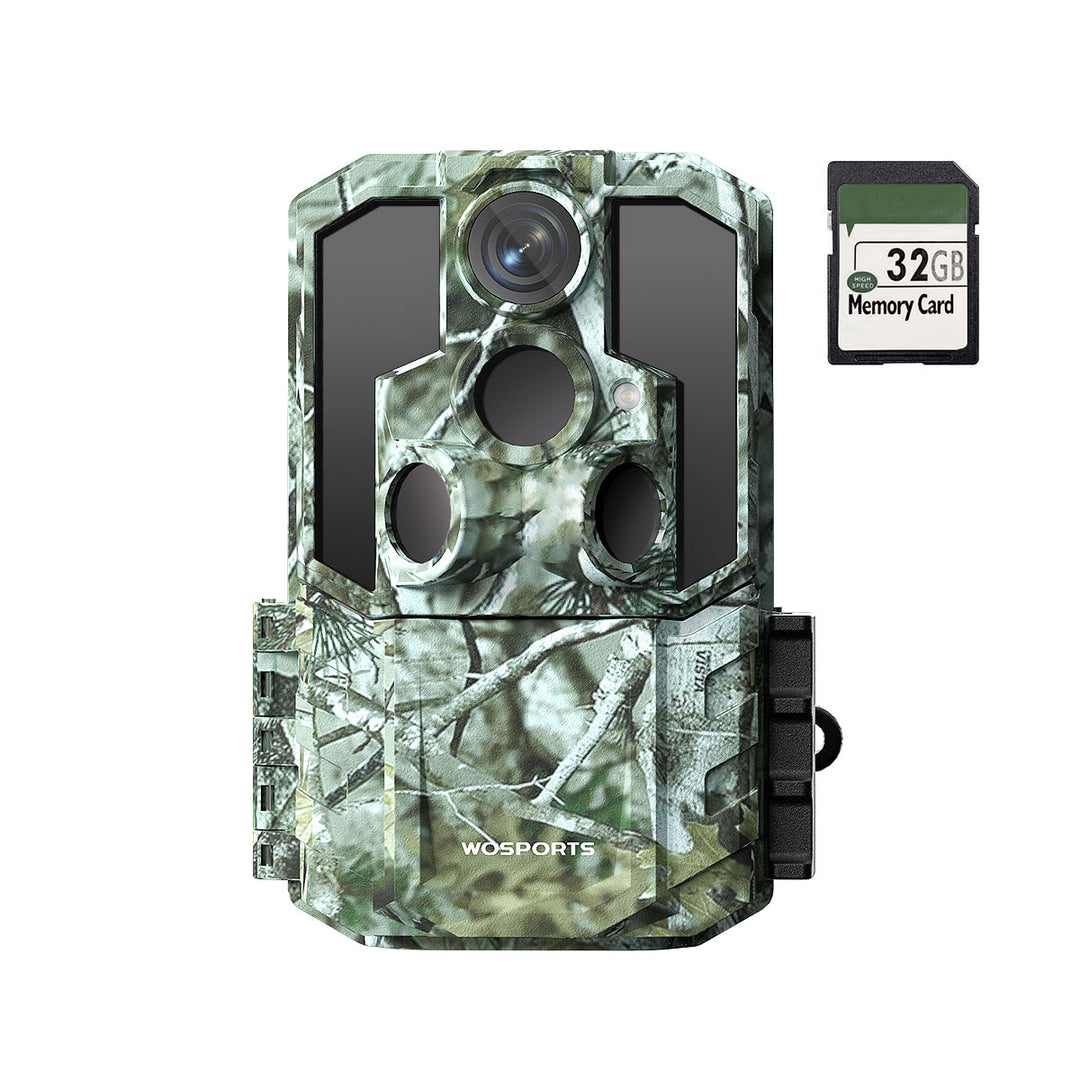
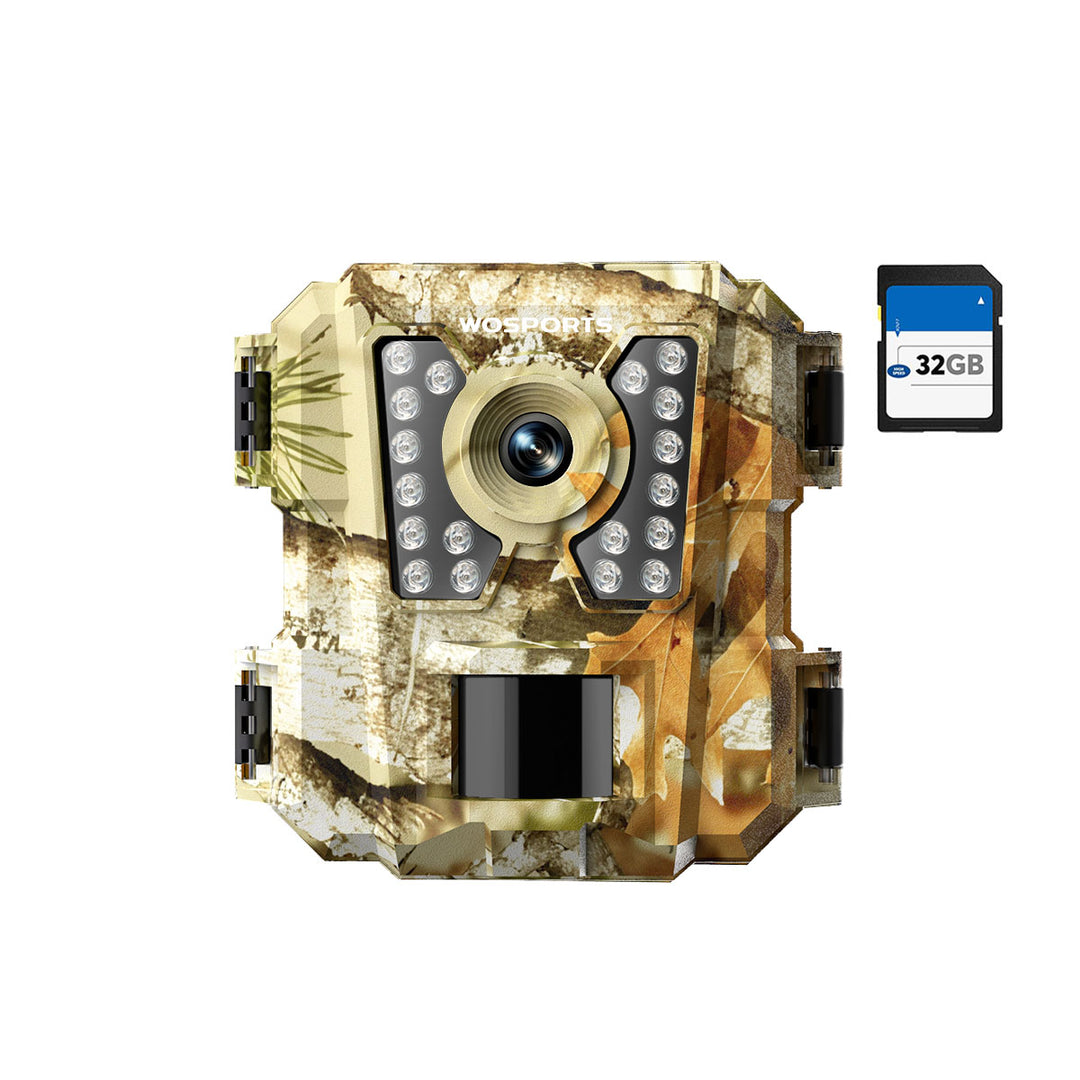
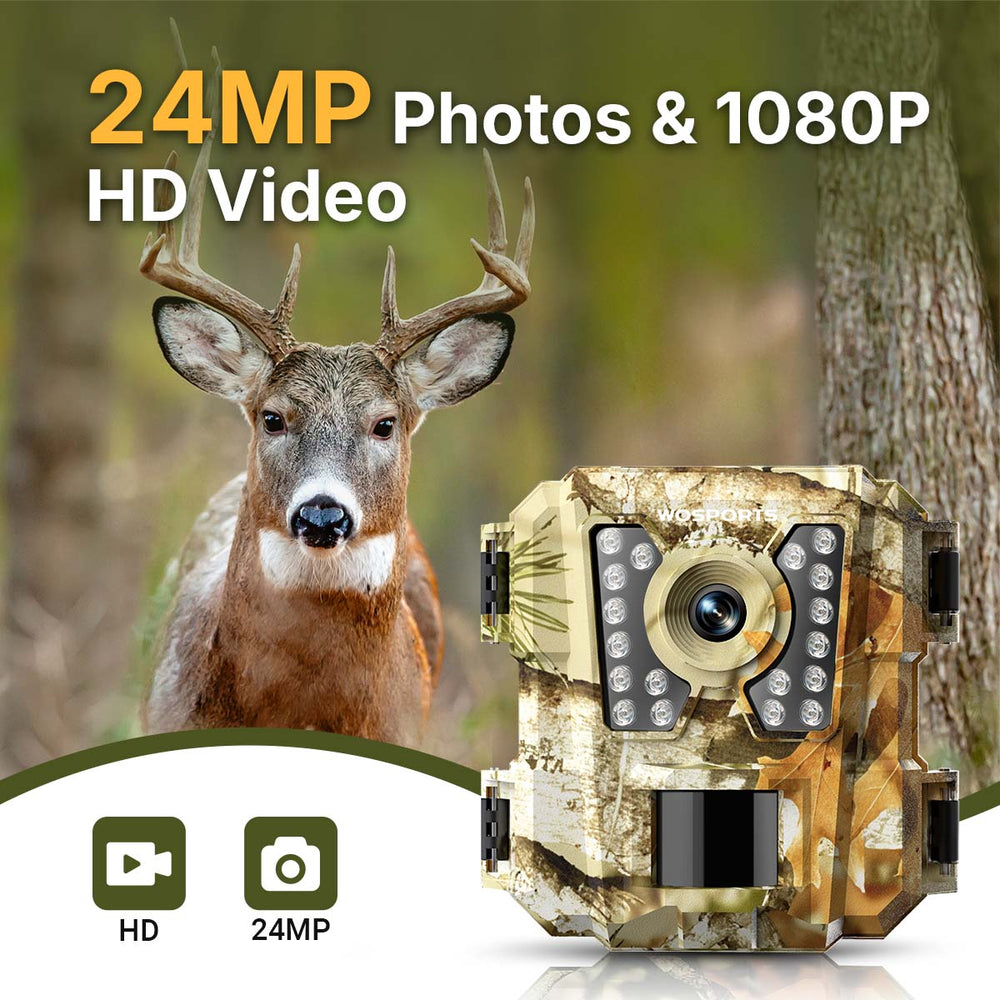
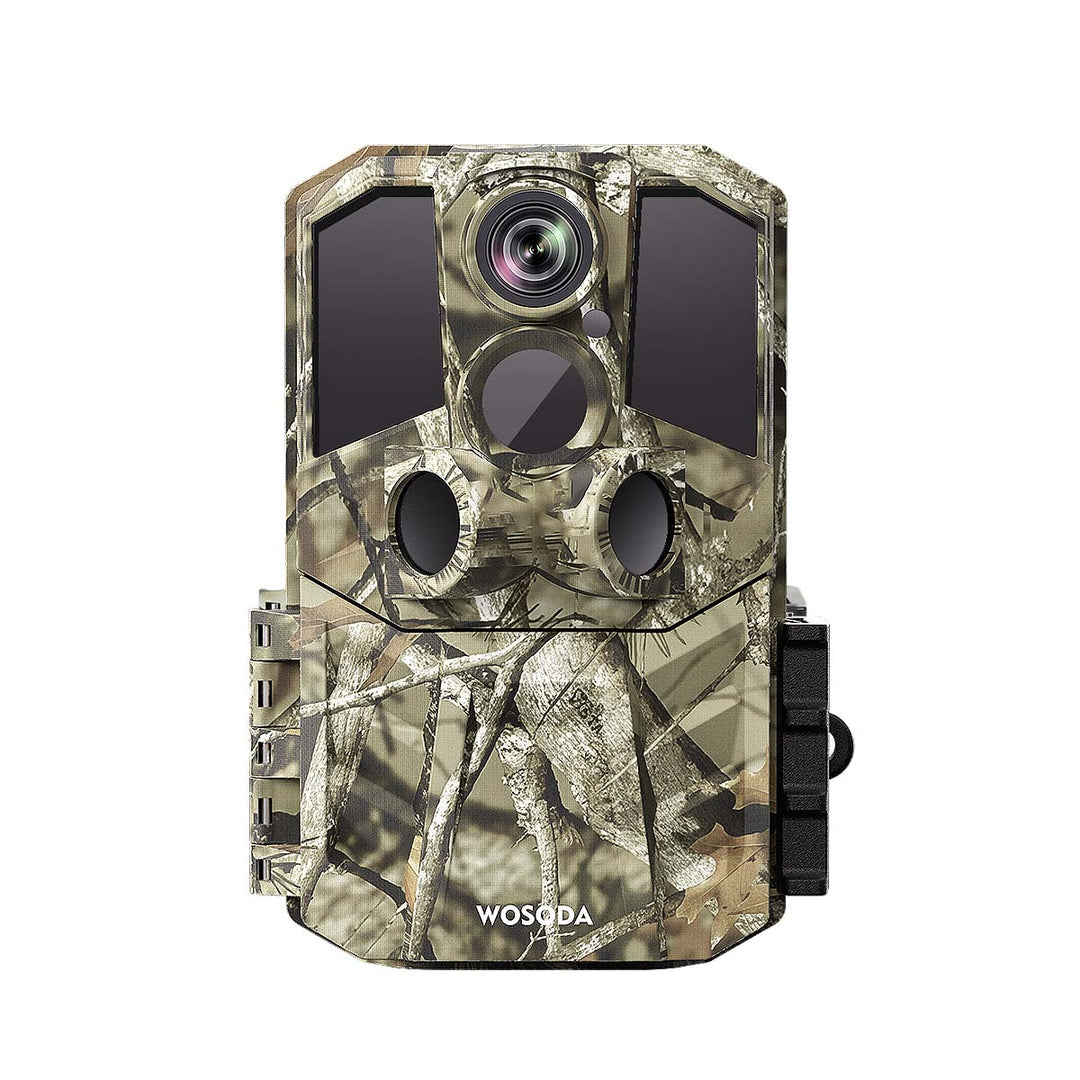
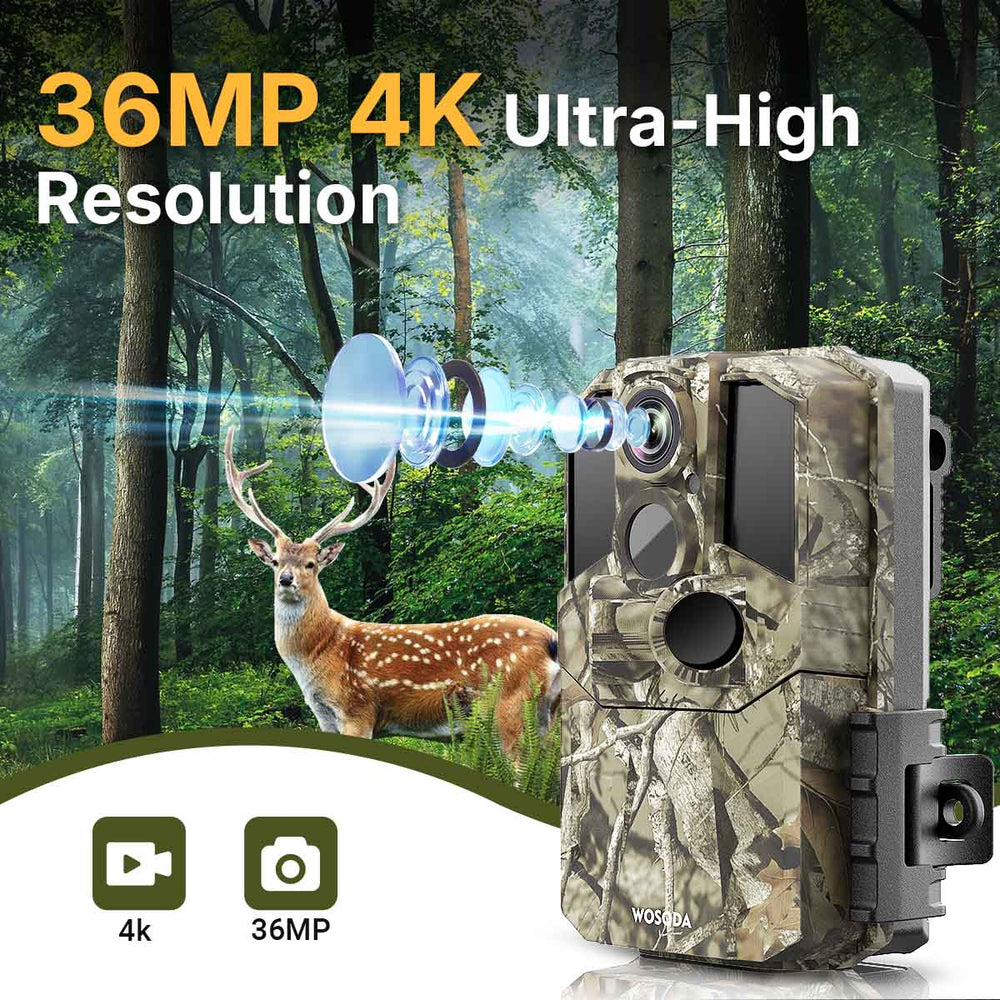
The WOSPORTS G600 is designed for users who want a straightforward, local-storage wildlife scouting solution with high-resolution photos, 4K video, fast triggering, day-and-night monitoring, and weather protection.
So which type should you choose?
Let's compare them.
Quick Answer: Cellular vs. Non-Cellular Trail Cameras
| Feature | Cellular Trail Camera | Non-Cellular Trail Camera |
|---|---|---|
| Remote Photo Access | Yes | No |
| Cellular Service | Required | Not required |
| Monthly Service | Usually required | No cellular subscription |
| Storage | Cloud / SD / Both | Usually SD card |
| Internet Required | Cellular signal required | No |
| Setup | More involved | Generally simpler |
| Ongoing Cost | Potentially higher | Lower |
| Best For | Remote monitoring | Local scouting |
| Camera Access | From phone/app | Physically access camera |
The simplest way to think about the difference is:
Cellular = access the camera remotely.
Non-cellular = collect the footage locally.
Neither approach is universally better.
What Is a Cellular Trail Camera?
A cellular trail camera uses a cellular network to transmit captured images or videos.
When the camera detects an animal, it can send information through the cellular network to an app, cloud service, or other connected platform.
This means you may be able to check the camera without physically visiting it.
For example:
Deer walks past camera
↓
Camera captures image
↓
Image is transmitted through cellular network
↓
You receive or view the image remotely
This can be extremely useful when the camera is installed far away.
What Is a Non-Cellular Trail Camera?
A non-cellular trail camera does not use cellular networks to transmit photos.
Instead, it typically stores captured images and videos on a local memory card, such as an SD card.
The basic process is:
Deer walks past camera
↓
Camera captures image/video
↓
File is saved to SD card
↓
You visit the camera
↓
Remove or access the SD card
↓
Review the footage
This system is simple and does not depend on cellular coverage.
The WOSPORTS G600 uses this type of local-storage approach.
Do You Need a Cellular Trail Camera?
You may want a cellular trail camera if you need to monitor wildlife remotely and cannot easily visit the camera.
Cellular cameras can be particularly useful for:
- Large properties
- Remote hunting areas
- Multiple properties
- Cameras located far from your home
- Frequent monitoring
- Users who want alerts on their phone
For example, if your hunting property is several hours away, physically checking a camera every few days may be inconvenient.
A cellular camera can reduce the number of trips you need to make.
But remote access comes with additional requirements.
Do Cellular Trail Cameras Require a Monthly Fee?
Many cellular trail cameras require a cellular data plan or subscription for image transmission, although the exact cost and structure vary by manufacturer and service provider.
This is one of the biggest differences between cellular and non-cellular cameras.
With a cellular system, you may have:
- Camera purchase cost
- Cellular service
- Data plan
- Cloud storage
- Optional subscription features
The total cost can therefore be higher over time.
A non-cellular camera generally avoids the cellular service component.
For users who do not need remote access, this can make a traditional trail camera more economical.
Are Cellular Trail Cameras Worth It?
They can be worth it if remote access saves you significant time or travel.
Imagine a 500-acre property.
You have several cameras installed across the property.
Without cellular connectivity, you may need to physically visit each camera to check what has been recorded.
With cellular cameras, you may be able to check images remotely.
That convenience can justify the additional cost for some users.
But consider a different scenario.
You have a trail camera installed 100 yards from your house.
You can easily walk over and retrieve the SD card.
In that situation, paying for cellular connectivity may provide little additional value.
The question is not:
"Is cellular better?"
The better question is:
"Do I need remote access?"
What Are the Advantages of Cellular Trail Cameras?
1. Remote Access
You can potentially view images without physically visiting the camera.
2. Faster Updates
You may receive information soon after an animal triggers the camera.
3. Convenient for Remote Properties
You can monitor locations that are difficult or time-consuming to access.
4. Multiple-Camera Monitoring
Some systems allow users to manage several cameras from a single app.
5. Reduced Physical Visits
You may not need to repeatedly walk into an area to check your cameras.
This can be particularly useful when minimizing human presence around wildlife is important.
What Are the Disadvantages of Cellular Trail Cameras?
Cellular cameras also introduce additional considerations.
Cellular Coverage
The camera needs access to a compatible cellular network.
A remote property may have poor or no coverage.
Ongoing Cost
A cellular plan may add recurring expenses.
Battery Consumption
Transmitting images can consume additional power.
More Complicated Setup
Users may need to configure an app, account, cellular plan, and camera settings.
Cloud Dependence
Some systems rely heavily on cloud services for image access and management.
Higher Total Cost
The initial camera price may not represent the total cost of ownership.
This does not make cellular cameras bad.
It simply means the additional functionality comes with additional requirements.
What Are the Advantages of Non-Cellular Trail Cameras?
For many wildlife scouting situations, a non-cellular camera can be a very practical option.
1. No Cellular Subscription
You do not need to maintain a cellular data plan for the camera.
2. Simple Operation
Install the camera, insert the memory card, configure the settings, and let it record.
3. No Cellular Signal Required
The camera can record even in locations where cellular service is unavailable.
4. Lower Ongoing Cost
Once you own the camera and storage media, there is generally no cellular service fee.
5. Local Storage
Photos and videos remain on the memory card until you retrieve them.
6. Fewer Connectivity Variables
There is no need to troubleshoot cellular coverage, network compatibility, or transmission problems.
For users who regularly visit their property, these advantages can outweigh the convenience of remote access.
What Are the Disadvantages of Non-Cellular Trail Cameras?
The biggest disadvantage is simple:
You need to physically access the camera to retrieve the footage.
If a camera is installed several miles away, this can become inconvenient.
You also cannot normally see a newly captured image immediately from your phone.
Instead, you need to wait until you retrieve the memory card or otherwise access the camera.
For remote monitoring, cellular cameras have a clear advantage.
Cellular vs. Non-Cellular: Which Costs Less?
Non-cellular trail cameras generally have lower ongoing costs because they do not require cellular service.
Consider the difference.
Cellular Camera
Initial camera cost
Cellular service
Potential cloud/subscription fees
Storage
Non-Cellular Camera
Initial camera cost
SD card
That's an important distinction for long-term ownership.
A cellular camera may provide more convenience, but a non-cellular camera may provide a lower total cost over time.
Which Is Better for Hunting?
It depends on how you hunt and scout.
Cellular May Be Better If:
- Your property is large.
- You live far away from your hunting property.
- You want remote updates.
- You monitor multiple properties.
- You want to minimize physical visits.
Non-Cellular May Be Better If:
- You regularly visit your property.
- Your cameras are easy to access.
- You do not need instant updates.
- You want to avoid monthly service fees.
- You prefer simple local storage.
There is no universal answer.
The best camera is the one that fits your scouting routine.
Which Is Better for Wildlife Observation?
For wildlife observation, both types can work well.
A cellular camera is useful if you want to monitor wildlife remotely.
A non-cellular camera can be preferable if you want to collect footage over a longer period and review it when you visit the camera.
For example, a researcher or wildlife enthusiast may leave a camera in place for several weeks and retrieve the SD card later.
In this situation, cellular connectivity may not be necessary.
Is a Non-Cellular Trail Camera Less Reliable?
Not necessarily.
A non-cellular camera has fewer connectivity requirements because it does not need to transmit images.
It can continue recording locally even when there is:
- No cellular signal
- Poor cellular coverage
- Temporary network problems
Its reliability instead depends on factors such as:
- Battery condition
- Memory card
- Weather
- Camera hardware
- Detection settings
- Installation
In fact, for some remote locations, the absence of cellular connectivity can actually simplify the setup.
What Happens If There Is No Cell Service?
This is an important consideration for rural properties.
A cellular trail camera may have difficulty transmitting images if there is insufficient network coverage.
A non-cellular camera does not have this limitation.
As long as the camera has:
- Power
- Storage
- Proper settings
it can continue recording locally.
This makes non-cellular cameras particularly useful in locations where cellular coverage is unreliable.
Does a Non-Cellular Camera Need Wi-Fi?
No.
A traditional non-cellular trail camera does not need Wi-Fi to capture and save photos and videos.
The camera can operate independently in the field.
This is different from cameras that depend on an internet connection for cloud-based storage.
For a local-storage trail camera, the basic requirements are generally:
Camera + batteries + memory card
That's it.
How Does the WOSPORTS G600 Store Photos and Videos?
The WOSPORTS G600 uses local SD card storage rather than cellular transmission.
Captured photos and videos are saved to the memory card inside the camera.
This means you do not need a cellular subscription to use the camera for wildlife scouting.
You can install it in an outdoor location, allow it to collect footage, and later retrieve the memory card to review your photos and videos.
This makes the G600 a practical choice for users who prefer:
- No monthly cellular fee
- Local storage
- Simple setup
- Offline operation
- Direct access to their files
What SD Card Should You Use With a Trail Camera?
The memory card is an important part of a non-cellular trail camera system.
For the G600, use a compatible SD card according to the camera's specifications and format the card before use when recommended.
When selecting a card, consider:
- Storage capacity
- Write speed
- Reliability
- Compatibility
- Recording frequency
If you plan to record a large number of 4K videos, storage capacity becomes particularly important because higher-resolution video files can consume more space.
For more information, see our guide:
[How Much SD Card Storage Does a Trail Camera Need?]
Is Cellular Better Than SD Card Storage?
Not necessarily. They solve different problems.
Cellular transmission provides:
Convenience and remote access
SD card storage provides:
Simple local recording
If you need to know what your camera captured today without visiting it, cellular connectivity is useful.
If you are comfortable checking the camera periodically, local storage can be simpler and less expensive.
Which Trail Camera Is Better for Long-Term Monitoring?
This depends on what you mean by "better."
If long-term monitoring means:
"I want to see updates from the camera without visiting it."
A cellular camera may be preferable.
If it means:
"I want to leave the camera in the field and collect footage for weeks without paying for a cellular plan."
A non-cellular camera may be the better fit.
The key is to define the monitoring method before choosing the technology.
Can a Non-Cellular Trail Camera Be Used on Large Properties?
Yes.
A non-cellular camera can work on a large property as long as you are comfortable physically accessing the camera to retrieve the footage.
For example, you could install multiple cameras around:
- Deer trails
- Food plots
- Water sources
- Bedding areas
- Property entrances
- Wildlife corridors
You can then periodically visit the cameras and collect the recorded footage.
The limitation is not the size of the property itself.
The limitation is how frequently you want to physically check the cameras.
Cellular vs. Non-Cellular Trail Cameras: A Simple Decision Guide
Choose a cellular trail camera if:
- You need remote access.
- Your property is difficult to reach.
- You want phone notifications.
- You monitor multiple locations remotely.
- Convenience is more important than minimizing recurring costs.
Choose a non-cellular trail camera if:
- You don't need remote access.
- You regularly visit the property.
- You want to avoid cellular fees.
- You prefer local SD card storage.
- You want a simpler setup.
- Your property has poor cellular coverage.
Why Choose the WOSPORTS G600?
The G600 is designed for users who want a straightforward wildlife scouting camera without requiring cellular connectivity.
But avoiding cellular service does not mean giving up important imaging features.
The G600 provides:
| Feature | WOSPORTS G600 |
|---|---|
| Photo Resolution | Up to 48MP |
| Video Resolution | 4K |
| Trigger Speed | Approx. 0.2 sec |
| Field of View | 120° |
| PIR Detection | Up to 70 ft |
| Day/Night Monitoring | Automatic |
| Night Vision | Yes |
| Storage | SD Card |
| Weather Protection | IP66 |
This combination makes it suitable for monitoring:
- Deer
- Wildlife
- Hunting properties
- Food plots
- Trails
- Water sources
- Rural outdoor areas
The key difference is that the G600 focuses on local wildlife scouting rather than remote cellular transmission.
Is the G600 Right for You?
The G600 may be a good fit if you are asking:
"I don't need to receive photos on my phone. I just want a reliable camera that captures good wildlife footage while I'm away."
It may also be suitable if you want:
- 4K video
- High-resolution photos
- Fast trigger speed
- Automatic day/night monitoring
- Local SD card storage
- No cellular subscription
- Outdoor weather protection
On the other hand, if your top priority is receiving wildlife photos remotely from a property you rarely visit, a cellular camera may be a better match.
That's an important distinction.
The goal isn't to choose the most complicated trail camera. It's to choose the camera that matches the way you scout.
Frequently Asked Questions
What is the difference between cellular and non-cellular trail cameras?
A cellular trail camera can transmit captured images through a cellular network, while a non-cellular camera typically saves photos and videos locally to an SD card.
Do cellular trail cameras require a monthly fee?
Many cellular trail cameras require a cellular data plan or subscription for remote transmission, although pricing and plans vary by manufacturer and service provider.
Do non-cellular trail cameras have monthly fees?
Traditional non-cellular trail cameras generally do not require a cellular subscription. You typically only need the camera, batteries, and compatible storage.
Do non-cellular trail cameras need Wi-Fi?
No. A standard non-cellular trail camera can record photos and videos without Wi-Fi or internet access.
Can a cellular trail camera work without cell service?
It may still capture footage locally depending on the model, but remote transmission generally requires a compatible cellular signal.
Is cellular worth it for deer hunting?
It can be worth it if remote monitoring is important to you. If you regularly visit your property and do not need immediate updates, a non-cellular camera may be more practical.
Which is cheaper: cellular or non-cellular?
Non-cellular cameras generally have lower ongoing costs because they do not require cellular service or data transmission.
Which is better for remote properties?
Cellular cameras can be more convenient for remote properties because they can potentially transmit images without requiring a physical visit.
However, if the property has poor cellular coverage, a non-cellular camera may actually be easier to operate.
Can non-cellular trail cameras still take 4K video?
Yes. Cellular connectivity and video resolution are separate features. A non-cellular camera can still record high-resolution video.
Does the WOSPORTS G600 require a cellular subscription?
No. The G600 is designed for local SD card storage and does not require a cellular data subscription for recording.
Does the G600 record 4K video?
Yes. The G600 supports 4K video recording.
Does the G600 work at night?
Yes. The G600 supports automatic day/night monitoring and night vision.
Final Verdict: Cellular or Non-Cellular?
Choose cellular if you need remote access. Choose non-cellular if you want simple, local wildlife monitoring without recurring cellular costs.
There is no single trail camera technology that is best for everyone.
The right choice depends on your property, scouting habits, budget, and need for remote access.
For hunters and wildlife enthusiasts who regularly visit their property, a non-cellular camera can provide everything they need:
Capture → Store → Retrieve → Review
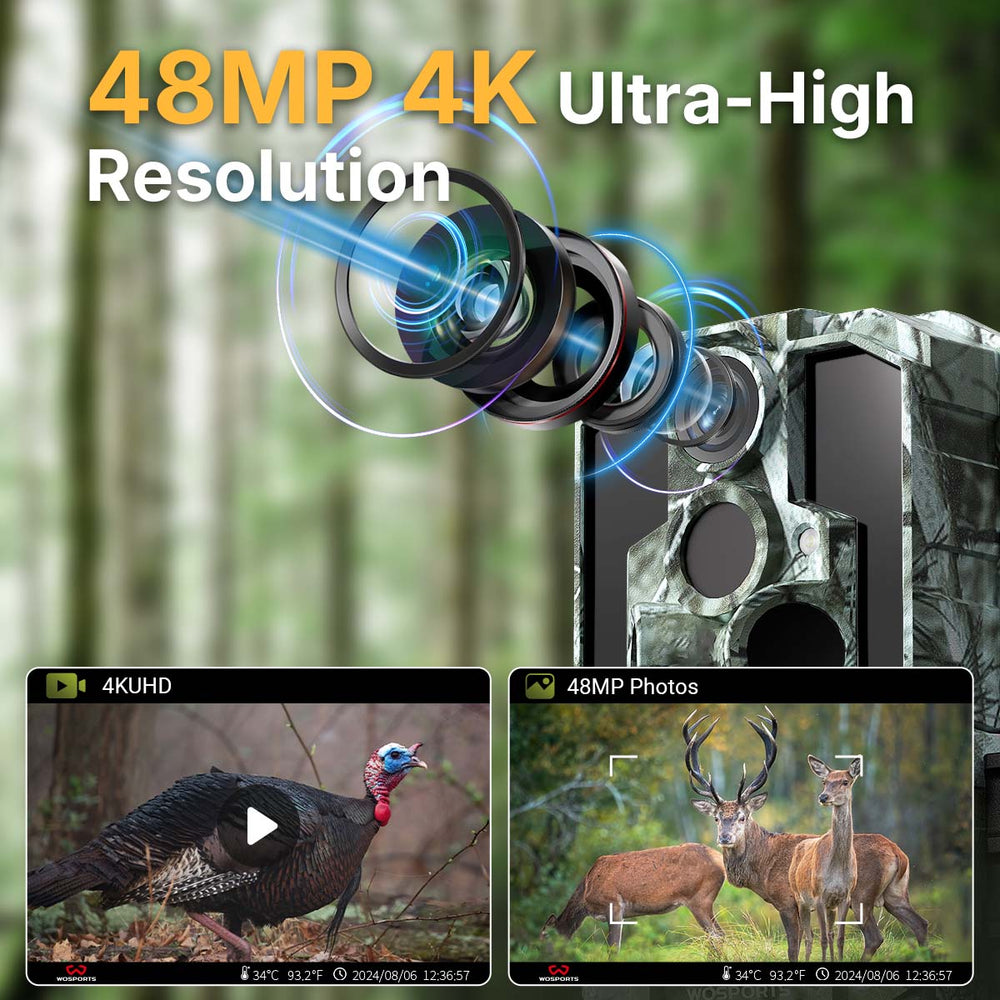
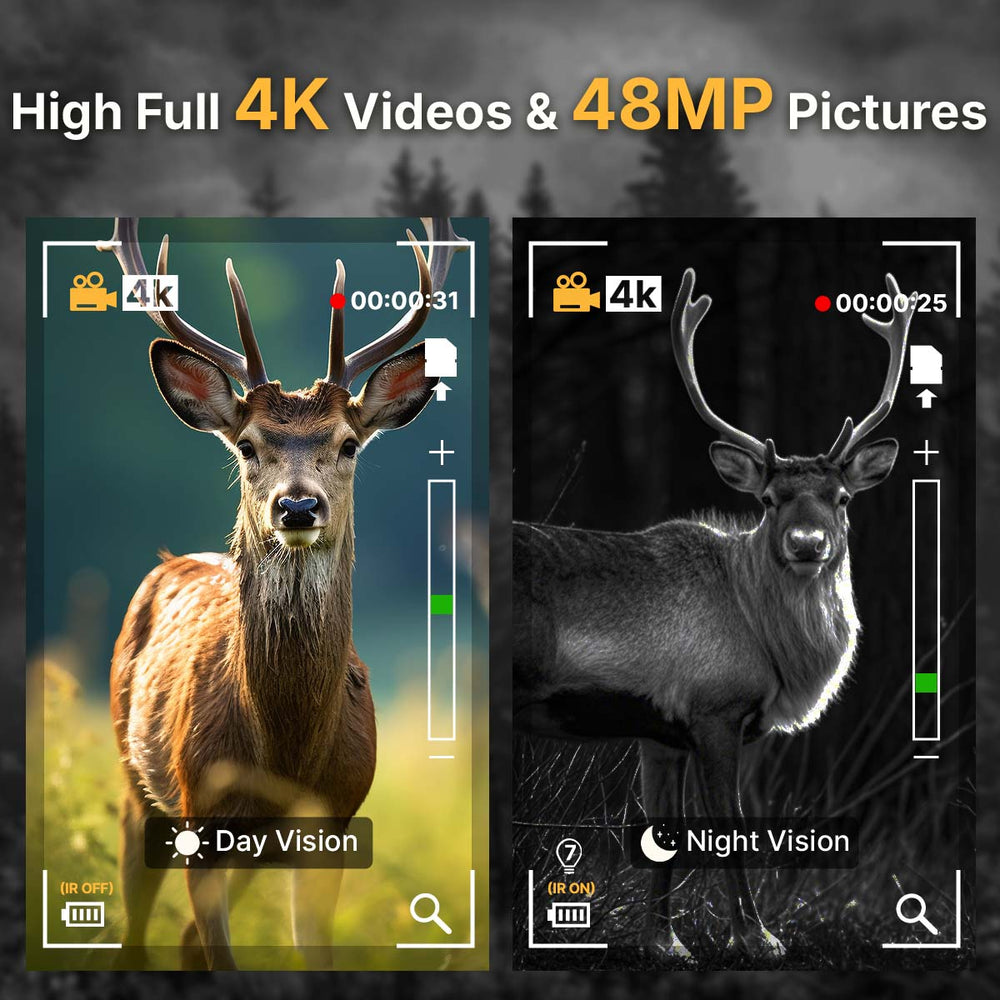
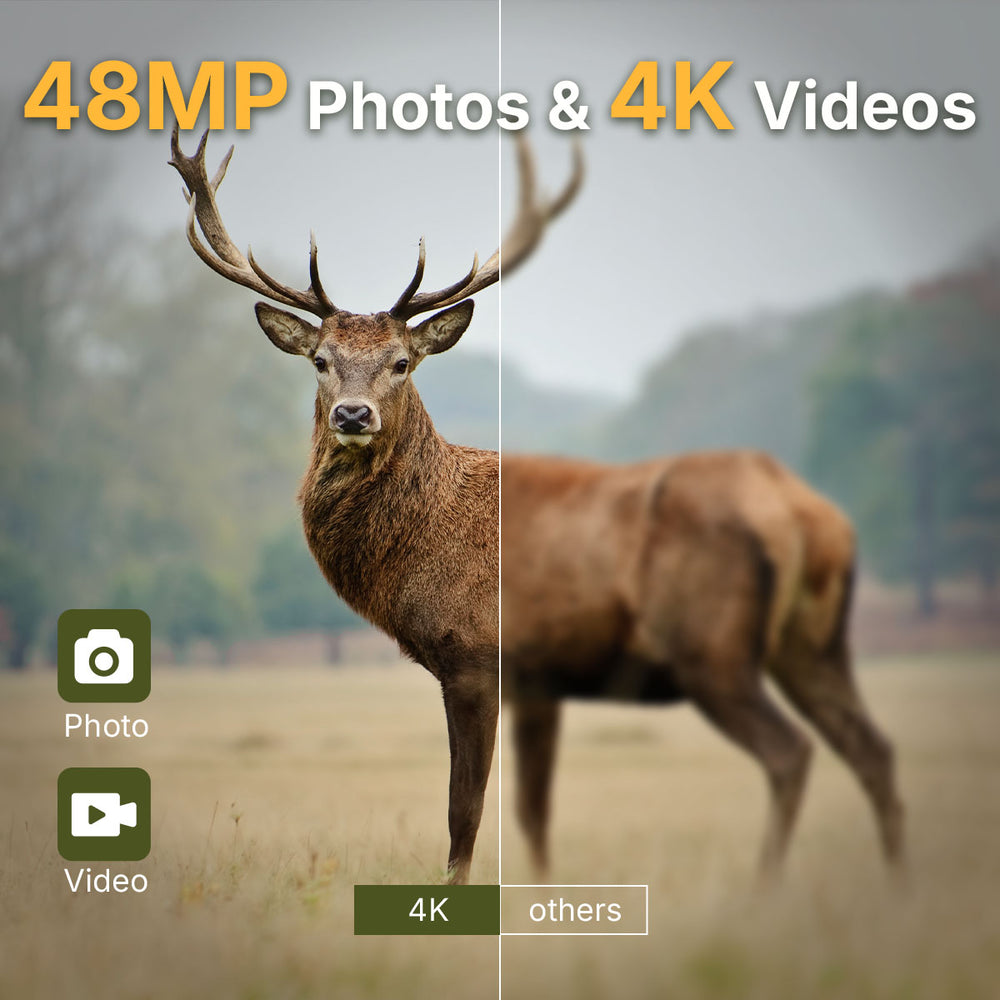
The WOSPORTS G600 takes this straightforward approach and combines it with up to 48MP photos, 4K video, approximately 0.2-second trigger speed, 120° wide-angle coverage, up to 70 feet of PIR detection, automatic day/night monitoring, night vision, and IP66 weather protection.
If you don't need a monthly cellular plan, you don't necessarily need a cellular trail camera.
Sometimes, simpler is better.
Search
Popular Posts
Recent Posts


Nov 28, 2024
Troubleshooting Common Trail Camera Issues
Jan 10, 2025
Why Does My Trail Camera Stop Working at Night?